The Pennsylvania Native Plants That Come Back On Their Own When You Stop Mowing A Strip Of Lawn
Something interesting happens when Pennsylvania homeowners stop mowing a strip of lawn and just let it go. The first season it looks a little rough, if we’re being honest.
But by the second season, native plants start showing up that nobody planted. By the third, that unmowed strip can look like something a landscape designer would charge a lot of money to create.
Pennsylvania’s native plant seed bank is remarkable. Beneath the surface of even a typical suburban lawn, seeds and root fragments from native plants that have been suppressed for years are waiting for an opportunity.
Stop mowing, reduce the competition, and they begin to reclaim the space on their own. Wildflowers, native grasses, low growing perennials, and ground covers that support pollinators and wildlife generously without any input from you.
It’s one of the most effortless ways to add ecological value to your yard, and it starts with doing less rather than more.
1. Common Blue Violet
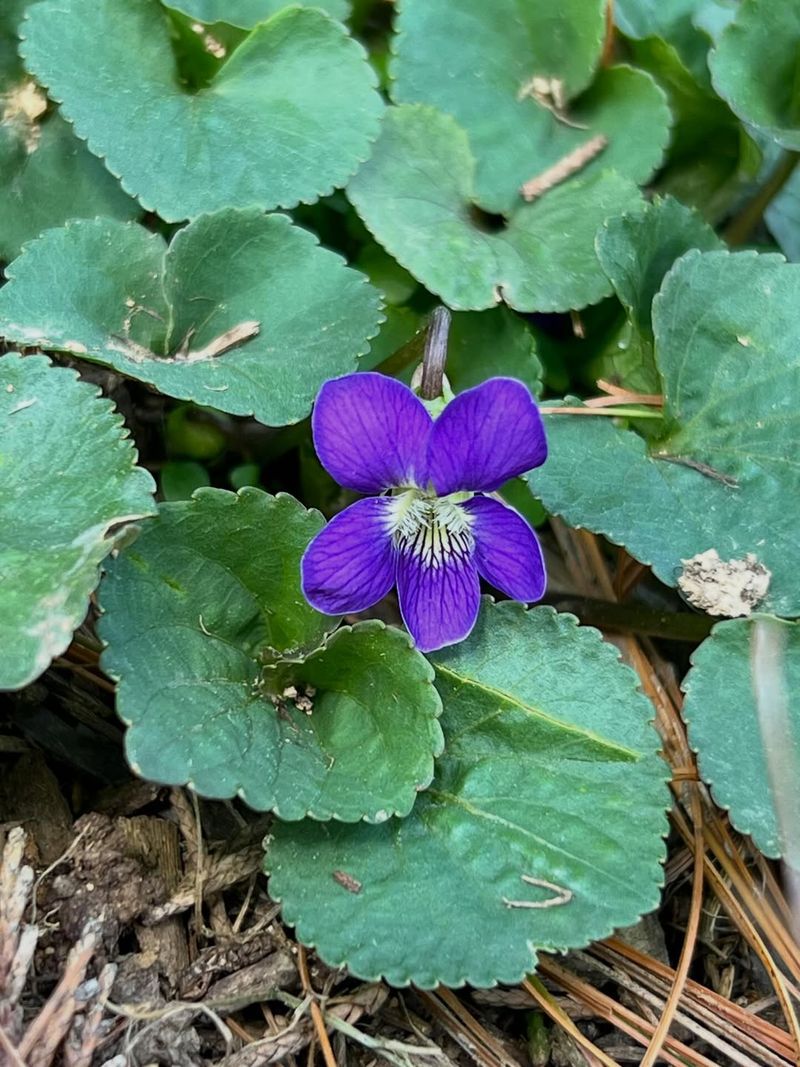
Walk past an unmowed strip in early spring, and you might spot something small and purple pushing up through the grass. Common Blue Violet is often one of the very first native plants to reclaim a relaxed lawn edge in Pennsylvania.
It stays naturally low to the ground, which makes it a surprisingly polite plant for a space that still sees some foot traffic.
The flowers bloom in April and May, offering early-season nectar to native bees and other pollinators just waking up from winter. Fritillary butterfly caterpillars also depend on violet leaves as a food source, so letting this plant grow is a real gift to local wildlife.
It spreads slowly through seeds and underground stems, eventually forming a soft, low-growing patch.
One of the best things about Common Blue Violet is how little it asks from you. It handles part shade and full sun.
It grows in average soil without any fertilizer or watering from a hose. Once it settles in, it just keeps coming back year after year on its own.
You do not need to plant it on purpose in most Pennsylvania yards. Chances are the seeds are already present in your soil from birds or wind.
Just stop mowing, and give it a season or two to show itself. If you want to encourage it a little faster, you can scatter seeds in fall and let winter do the work of preparing them to sprout.
Common Blue Violet is a quiet, reliable, and genuinely beautiful start to any naturalized lawn strip.
2. Common Milkweed
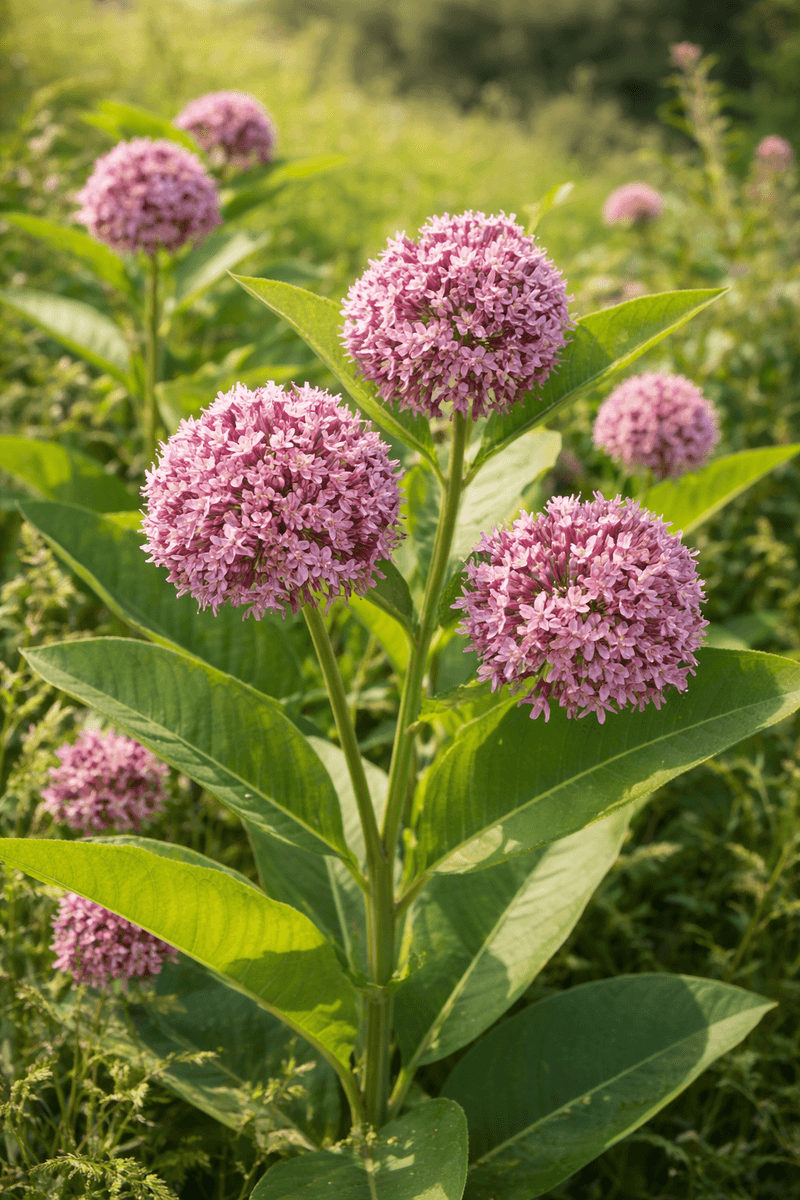
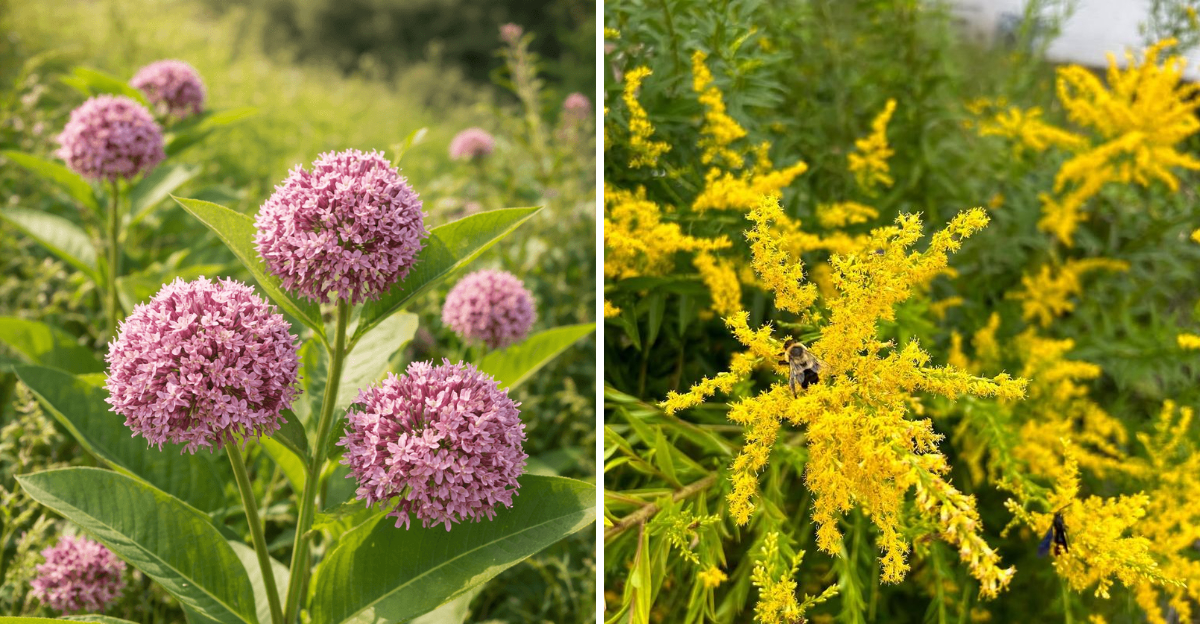
Few native plants make a statement quite like Common Milkweed. It stands tall, sometimes reaching five or six feet, and its round pink flower clusters smell faintly sweet on a warm summer afternoon.
If you have a sunny fence line or a back-lawn strip with some room to spare, this bold plant can return on its own once its roots are established nearby.
Most people know milkweed as the only plant that monarch butterfly caterpillars can eat. That alone makes it worth having in your yard.
Your Pennsylvania Garden Changes Every Week. Your Plan Should Too.
Gardening in Pennsylvania changes quickly throughout the season. Every Friday you’ll receive a simple weekly plan showing exactly what to plant, prune, fertilize, harvest, and protect so you never miss the right timing.
But milkweed also feeds dozens of other insects with its nectar-rich blooms, including native bees, beetles, and hummingbird moths. It is a living hub of activity from June through August.
Common Milkweed spreads through underground rhizomes, which means one plant can quietly send up new shoots several feet away the following year. That spreading habit is worth planning for.
Give it a strip where it has room to roam, and it will reward you with a dense, wildlife-friendly planting that requires zero maintenance once established.
In Pennsylvania, Common Milkweed thrives in full sun and tolerates dry to average soil very well. It does not do well in deep shade or soggy ground, so placement matters.
If you already have milkweed growing somewhere on your property or nearby, stopping mowing in a sunny strip may be all it takes for new shoots to appear.
For yards with no existing plants, picking up a small potted milkweed from a native plant nursery gives the roots a head start that seeds alone cannot always provide.
3. Canada Goldenrod
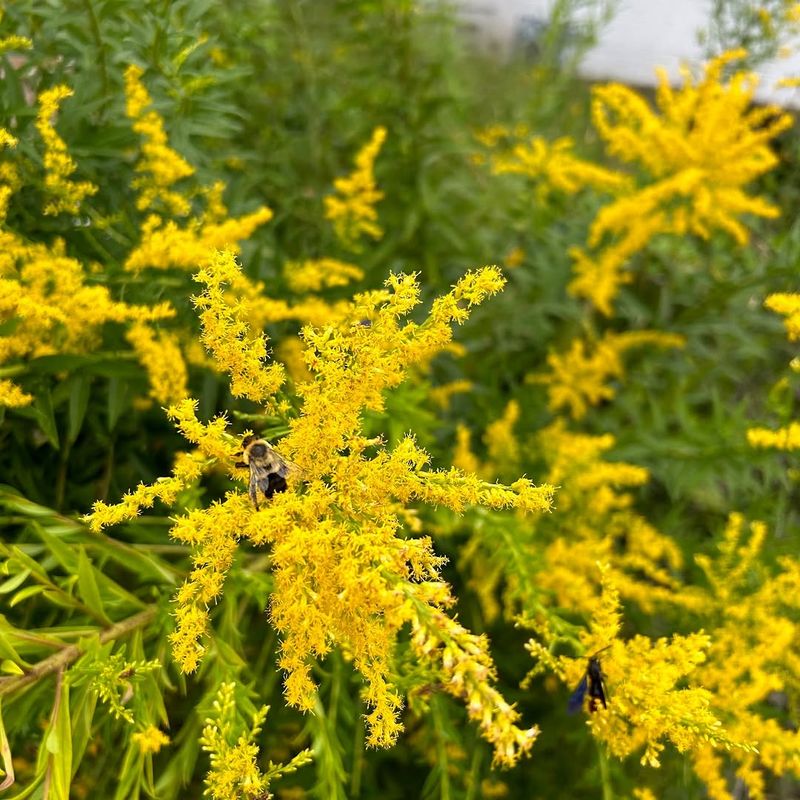
Late August in Pennsylvania has a signature look, and Canada Goldenrod is a huge part of it. Those tall arching stems topped with feathery yellow plumes are unmistakable.
When you stop mowing a strip of lawn, goldenrod is often one of the fastest plants to move in and start filling space. It is enthusiastic, to say the least.
That enthusiasm is actually one of its greatest strengths. Canada Goldenrod can quickly create a full, meadow-like appearance in a strip that used to be bare turf.
It supports over 100 species of insects, including native bees, wasps, and beetles that use it for food and shelter. Birds eat the seeds through fall and into winter, so the value of this plant stretches well past its bloom time.
Here is the honest part: goldenrod can spread aggressively if left completely unchecked. It spreads both by seed and by underground roots.
In a managed naturalized strip, a little light editing in early spring helps keep it from crowding out every other plant. You do not need to remove it entirely, just thin it out occasionally so other natives have room.
Canada Goldenrod also gets unfairly blamed for hay fever. The real culprit is ragweed, which blooms at the same time but releases invisible pollen into the air.
Goldenrod pollen is heavy and sticky, carried by insects rather than wind. So you can enjoy those golden plumes without worry.
For a sunny unmowed strip in Pennsylvania, goldenrod is one of the most reliable and rewarding plants you will ever welcome into your yard.
4. Frost Aster / Hairy White Oldfield Aster
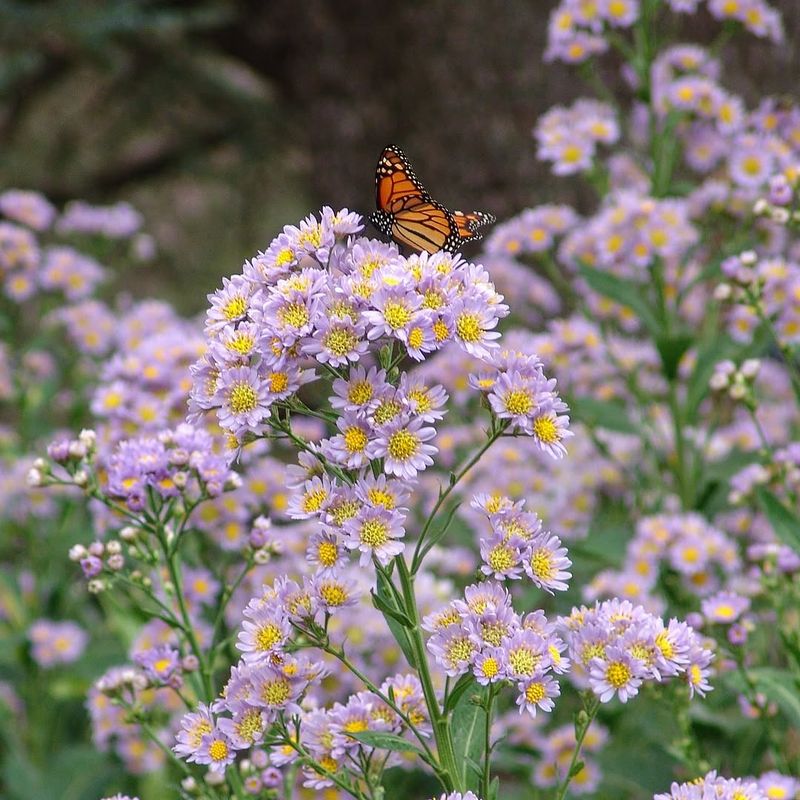
By the time October rolls around, most flowers have called it a season. Frost Aster, also known as Hairy White Oldfield Aster, is just getting started.
It produces clouds of small white daisy-like flowers on branching stems well into autumn, sometimes even after the first light frost. That late-season bloom makes it genuinely irreplaceable for pollinators trying to build up energy before winter.
Native bees, migrating monarchs, and painted lady butterflies all visit frost aster for nectar when almost nothing else is blooming. Goldfinches and sparrows feed on the seeds after the flowers fade.
So even as the rest of the garden winds down, a patch of frost aster is still humming with life. That kind of ecological value is hard to overstate.
Frost aster tends to show up on its own in disturbed areas, old fields, roadsides, and yes, unmowed lawn strips across Pennsylvania. It is not picky about soil.
It handles dry, lean conditions without complaint, and it tolerates both full sun and partial shade. Once it establishes itself, it reseeds reliably, so you can expect it to come back each year without any help from you.
The plant grows two to four feet tall and has a slightly wild, branchy appearance that fits naturally into a relaxed lawn strip. If you want a tidier look, you can cut it back by half in early June, which encourages a shorter, bushier plant with just as many flowers.
Frost aster is a quiet overachiever that earns its place in any Pennsylvania naturalized strip from the first year it appears.
5. Little Bluestem
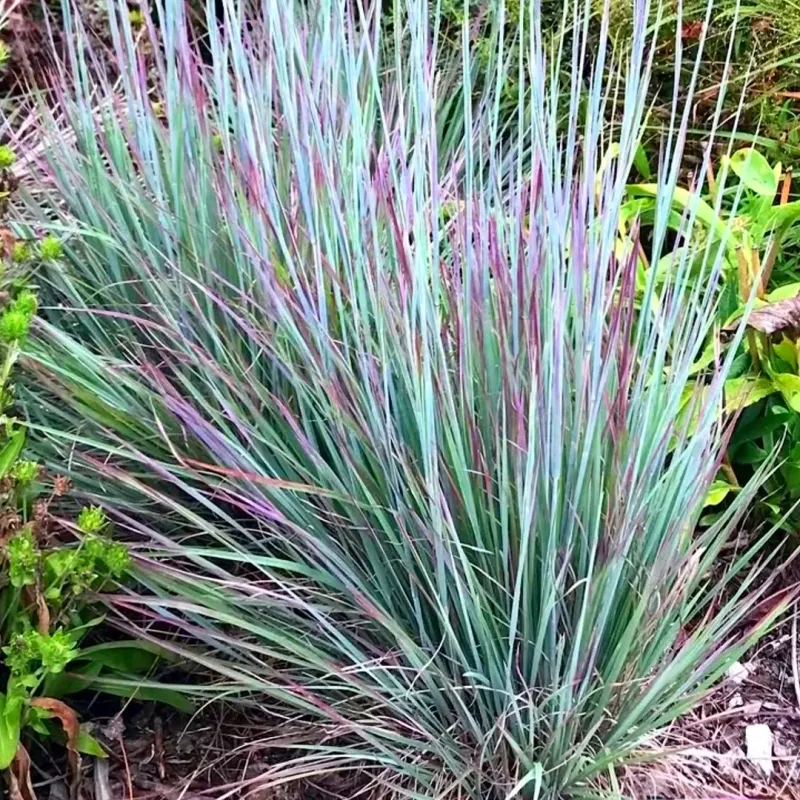
Most ornamental grasses you find at garden centers come from other countries. Little Bluestem is the real deal, a true North American native that has been growing across Pennsylvania prairies and dry hillsides for thousands of years.
When you stop mowing a sunny strip with lean, dry soil, this grass may be exactly what naturally wants to grow there.
During the growing season, Little Bluestem stands upright with blue-green stems that give it its name. Then fall arrives, and the whole plant transforms into something spectacular.
The stems turn a rich coppery red-orange that glows in low autumn sunlight. Feathery white seed heads catch the light and hold their shape through winter, giving your strip visual interest even in January and February.
Birds love it. Juncos, sparrows, and finches feed on the seeds through the cold months.
The dense clumps also provide shelter for small insects and overwintering native bees that nest in hollow stems. Simply leaving the clumps standing through winter does a lot of good for local wildlife with zero effort on your part.
Little Bluestem grows best in full sun and actually prefers poor, dry soil over rich garden soil. Fertile, moist ground can cause it to flop over rather than stand upright.
That makes it a perfect candidate for the kind of lean, sun-baked lawn strip that struggles to grow anything else well. It is drought-tolerant once established and rarely needs any watering at all.
For a low-maintenance, high-impact native plant, Little Bluestem is hard to beat in a Pennsylvania yard.
6. Wild Bergamot
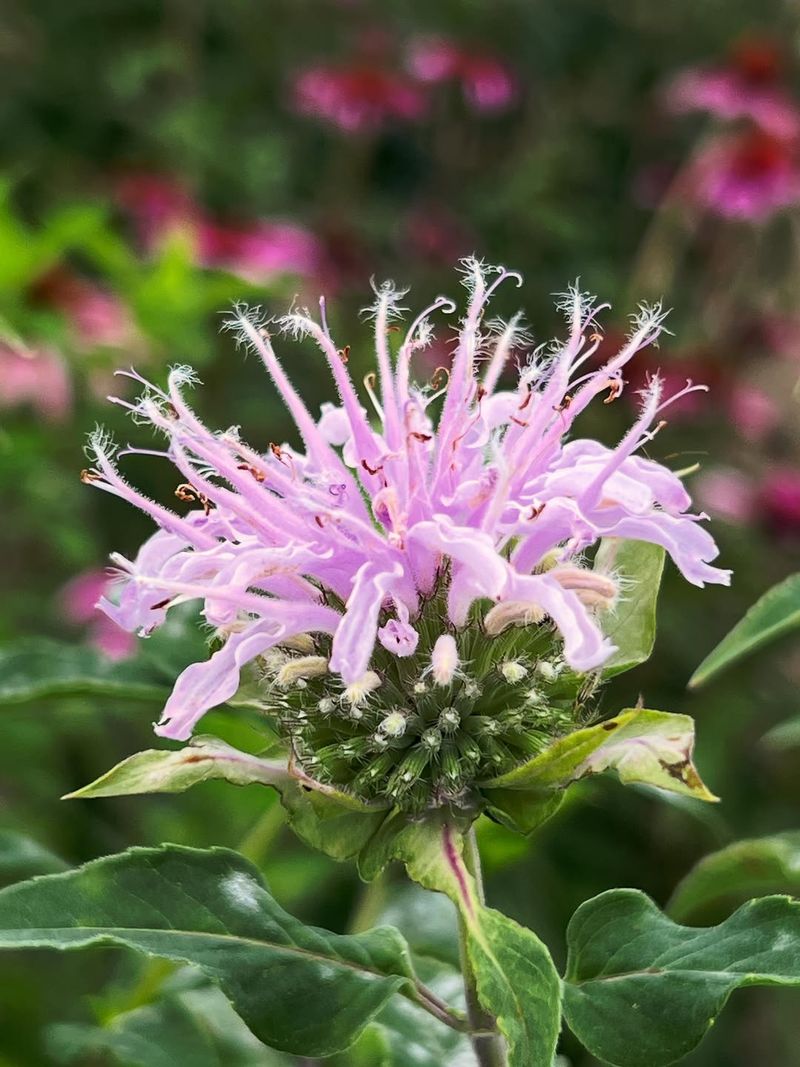
Crush a leaf of Wild Bergamot between your fingers and you get an immediate hit of fragrance, something between oregano and mint, clean and herbal and distinctly wild. It is one of those plants that rewards you just for walking past it.
This fragrant native perennial belongs to the mint family, and its lavender-pink flower heads bloom from June through August along sunny meadow edges across Pennsylvania.
Bumblebees are absolutely wild about it. Native bees, hummingbird moths, and skippers also visit regularly, making a blooming patch of Wild Bergamot one of the most active pollinator spots in any summer yard.
The flowers are arranged in rounded clusters that look shaggy and cheerful, sitting atop square stems that are a telltale sign of the mint family.
Wild Bergamot may not appear in every lawn strip on its own right away. It depends on whether seeds are already present nearby.
But once established, it reseeds itself reliably and can return each year without any help. Buying one or two plants from a native nursery and letting them go to seed is often the fastest way to get a self-sustaining patch going in your strip.
It thrives in full sun and handles dry to medium soil without any fuss. Average Pennsylvania garden soil suits it just fine.
It grows about two to four feet tall and has an open, airy structure that mixes beautifully with grasses like Little Bluestem.
Wild Bergamot also has a history of use by Indigenous communities as a medicinal and culinary herb, adding an interesting layer of cultural depth to a plant that already earns its place through sheer beauty and ecological value.
7. Golden Ragwort
Shaded, moist lawn strips can feel like a puzzle. Most meadow plants want full sun, and turf grass barely hangs on under a big tree.
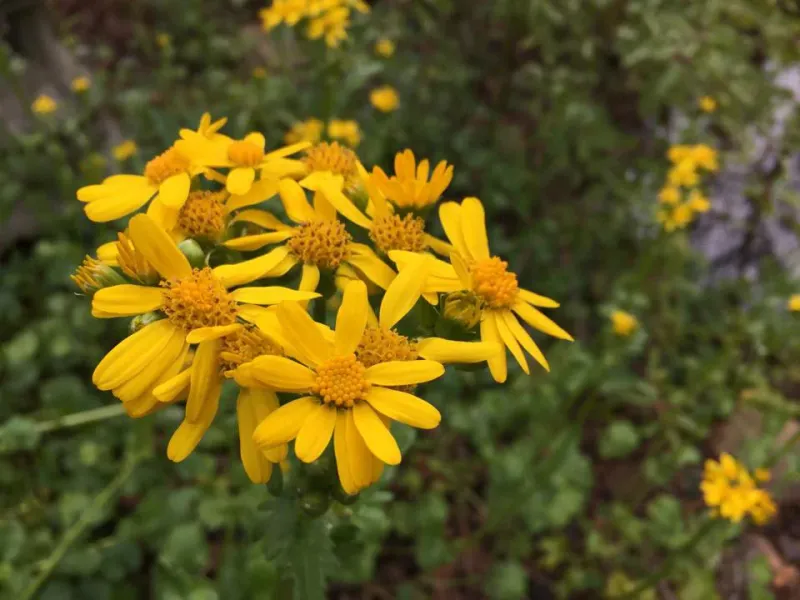
Golden Ragwort solves that puzzle beautifully. It is one of the few native Pennsylvania plants that thrives in damp, partly shaded spots, and it does something most shade plants never manage: it blooms bright yellow in spring, filling a dark corner with genuine color.
The flowers look like small yellow daisies and appear in April and May, right when early pollinators are most in need of food. After blooming, the foliage stays green and attractive through the growing season, forming a low, lush carpet that naturally suppresses weeds.
That ground-cover habit makes Golden Ragwort genuinely useful in a way that goes beyond just looking nice.
It spreads through both seeds and short runners, gradually filling in bare areas under trees or along shaded fence lines where little else grows well. Once established, it forms dense colonies that need very little attention.
A light cutting back after flowering keeps it tidy if you prefer a neater look, but it is perfectly happy left alone.
Golden Ragwort grows about one to two feet tall in bloom and stays much lower the rest of the season. It handles average to moist soil and tolerates clay, which is common in many Pennsylvania yards.
Native bees and early butterflies rely on those spring flowers for nectar. If your unmowed strip runs along a shaded or moist area of your yard, Golden Ragwort may be the single best native plant you could encourage to grow there.