The Pennsylvania Native Plants That Establish In Gravel And Rocky Soil Where Nothing Else Will Grow
A gravel shoulder or rocky bank can look almost plant-proof by midsummer in Pennsylvania.
The surface heats fast, rain disappears through cracks, and a shovel may meet stone before it reaches a comfortable planting depth.
Yet those harsh spots are not all the same. A sunny driveway edge behaves very differently from a dry woodland slope shaded by mature oaks.
That distinction is where native plants become useful.
Moss phlox, butterfly weed, little bluestem, common juniper, white wood aster, Christmas fern, gray goldenrod, and wild columbine all tolerate some version of lean, rocky ground when the light and drainage suit them.
So which one belongs in your problem corner?
Start with sun, soil depth, and how quickly water leaves the site. Then give nursery-grown transplants real soil around their roots and steady moisture while they establish.
Rocky ground does not need to become rich garden loam.
It needs a plant already comfortable with less, plus enough early care to get started. Without asking the site to become something else entirely.
1. Let Moss Phlox Spill Across Hot Stone
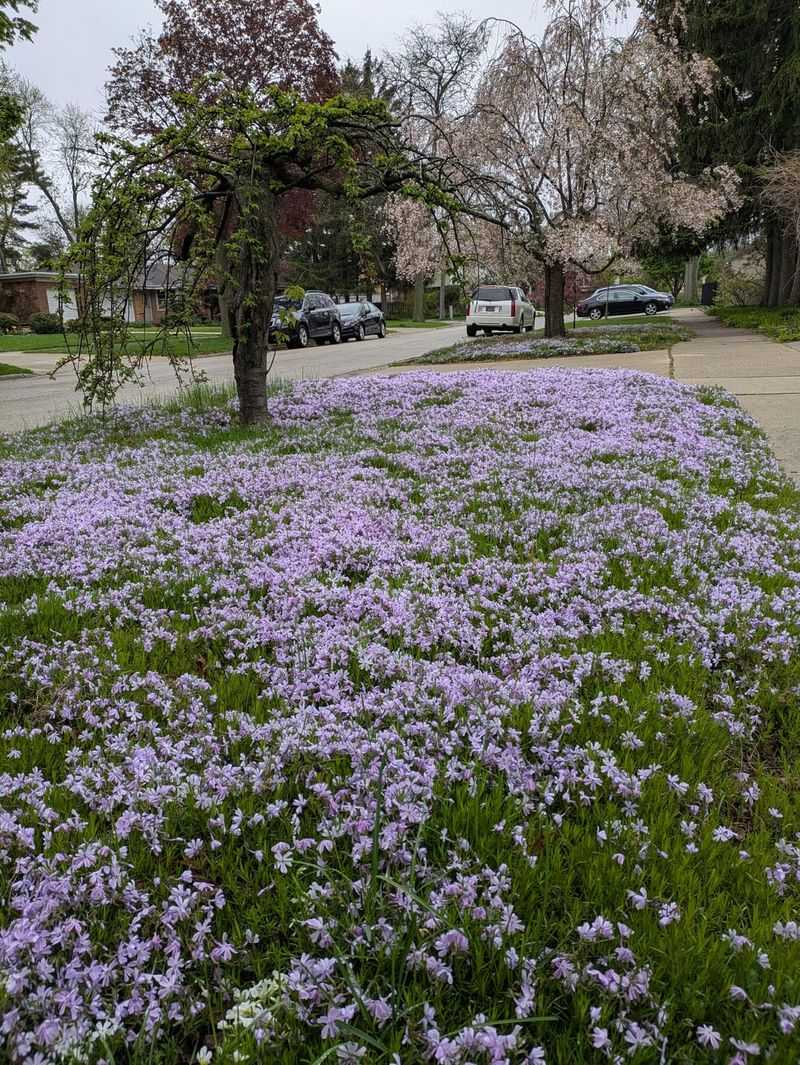
A sunny stone edge can become a spring showpiece without much soil depth.
Moss phlox, Phlox subulata, is a Pennsylvania native groundcover that Penn State specifically recommends for dry, rocky, and sandy conditions.
It stays low, often around six inches tall, then spreads outward into a dense mat that can soften gravel borders, retaining-wall tops, and lean slopes.
Give it plenty of sun and fast drainage.
A site that stays wet after rain works against this plant. Moss phlox is far better suited to a bank where water leaves quickly than to a low pocket that remains soggy.
It still needs actual soil around the roots, so tuck nursery-grown plants into pockets where roots can contact several inches of soil rather than resting them on bare rock.
Spring is the big payoff.
The low foliage can disappear beneath masses of pink, lavender, white, or reddish flowers, creating a bright strip just when many rocky beds still look sleepy.
The mat remains useful after bloom because its evergreen foliage keeps the edge covered.
New plants still need regular moisture.
Check them through the first growing season, especially beside stone or gravel that throws heat back toward the foliage. Once established, moss phlox handles lean ground far better than a thirsty border perennial.
This is one plant that sees a rocky edge and does not ask where the good soil went.
2. Give Butterfly Weed The Lean Sunny Ground
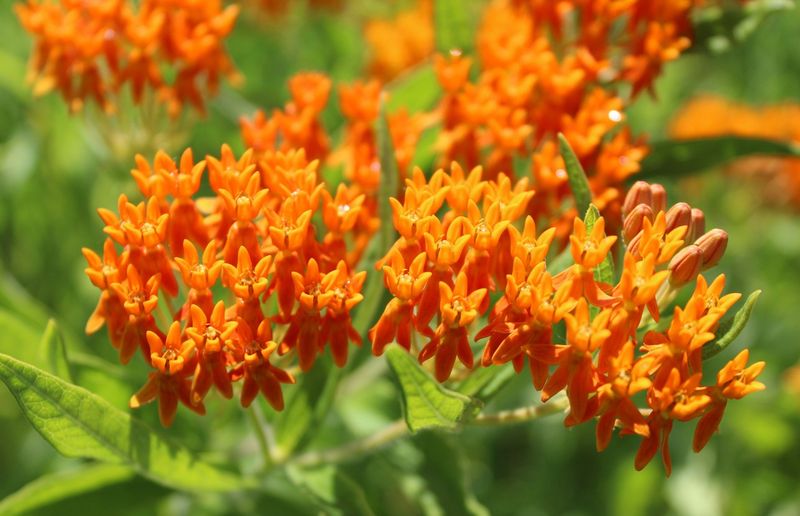
A strip beside pavement can become brutally hot long before the rest of the garden looks stressed.
Butterfly weed, Asclepias tuberosa, fits that setting because it prefers dry, well-drained soil and develops a long taproot that helps established plants tolerate drought.
Penn State lists it for sun to partial shade, with dry, well-drained ground as the preferred soil condition.
The orange flowers add more than color.
Butterfly weed is a native milkweed, so its foliage supports monarch caterpillars, while the flowers provide nectar for butterflies and other insects. That gives a harsh gravel edge a useful wildlife role instead of leaving it as a strip everyone avoids.
Your Pennsylvania Garden Changes Every Week. Your Plan Should Too.
Gardening in Pennsylvania changes quickly throughout the season. Every Friday you’ll receive a simple weekly plan showing exactly what to plant, prune, fertilize, harvest, and protect so you never miss the right timing.
Plant young specimens where they can stay.
The taproot makes older butterfly weed harder to move successfully, so choose the location before the plant becomes established. Avoid rich, constantly damp soil. Lean ground with sharp drainage suits the species much better.
Establishment is the part gardeners sometimes rush.
Drought tolerance develops after roots have had time to settle. New plants still need regular water through dry stretches during the first season. Gravel, masonry, and pavement can make the root zone hotter than the temperature reading suggests.
Once the plant is established, ease back.
Butterfly weed does not need a fertilizer buffet to look impressive. Give it sun, drainage, room for the taproot, and enough patience to build its underground reserve.
3. Use Little Bluestem Where Soil Stays Thin
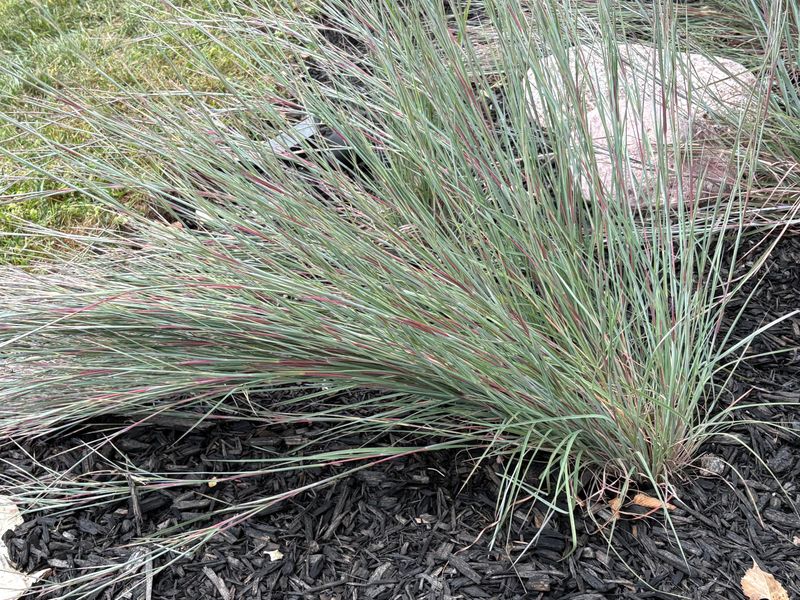
Thin soil can favor a grass that becomes less graceful in rich ground.
Little bluestem, Schizachyrium scoparium, is a Pennsylvania native warm-season grass suited to sunny, dry sites. Penn State lists it for dry soil and full sun, with strong fall color as one of its landscape advantages.
That makes a gravelly bank or shallow-soil slope a natural place to try it.
The upright clumps bring blue-green summer foliage, then shift toward copper, orange, and reddish tones as the season changes. Seed heads add texture later, so the planting keeps some structure after flowers elsewhere have faded.
Lean soil helps the stems stay firm.
Heavy fertilizer and overly rich ground can push lush growth that leans or opens. Rocky soil may look stingy to a gardener, but little bluestem often treats that restraint as good management.
Plant several clumps rather than one lonely grass.
A small drift looks more intentional on a slope and gives the roots broader coverage across uneven ground. Remove aggressive weeds before planting because young clumps can lose ground to established weedy grasses during their first season.
Water while roots develop.
A mature little bluestem can handle dry conditions, but a new transplant still needs help before its root system reaches beyond the nursery root ball.
The grass does not need deep black soil to look at home.
Sometimes the thin patch everyone wants to improve is already close to the conditions this native prefers.
4. Let Common Juniper Grip A Rocky Slope
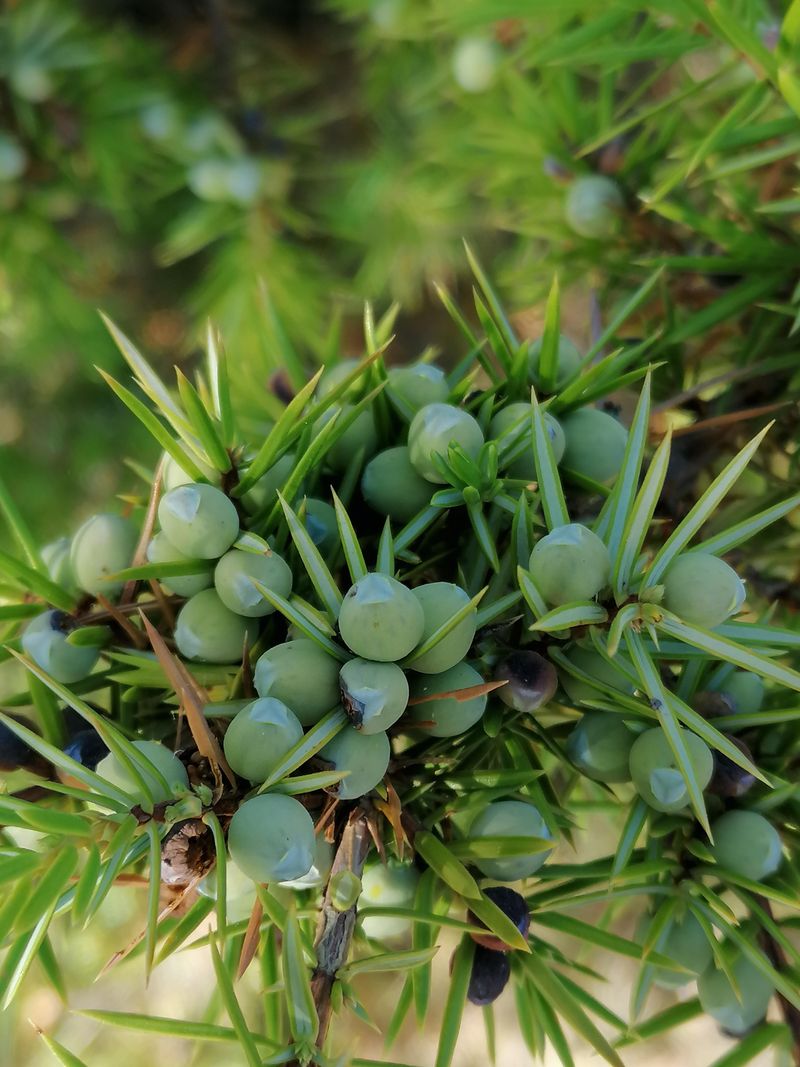
A steep rocky bank needs more than flowers when erosion and year-round coverage are part of the problem.
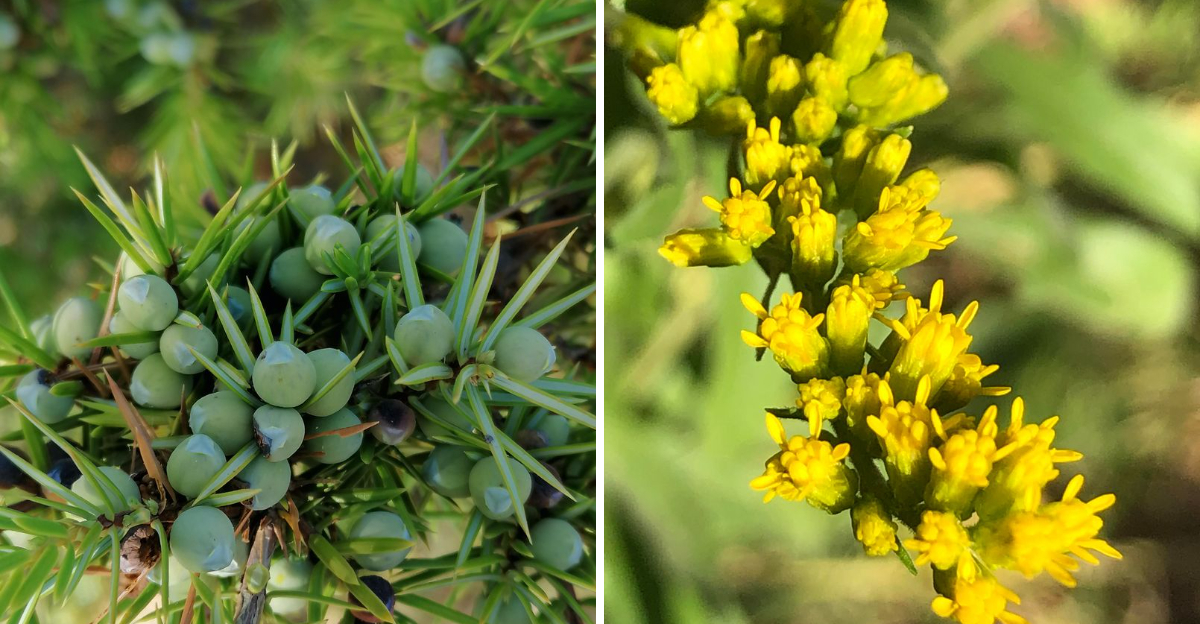
Common juniper, Juniperus communis, is a spreading evergreen shrub that Penn State describes as hardy, drought tolerant, adaptable, and well suited to rocky slopes. Mature plants can reach several feet tall, so this is a bigger commitment than a creeping perennial.
Give the shrub room to spread.
A narrow driveway strip may be too tight, while a broad bank or open rocky slope can make good use of its woody structure. Evergreen foliage keeps the area visually anchored through winter, when herbaceous plants have stepped out of the picture.
Drainage matters more than rich soil.
A rocky slope that sheds water readily can suit common juniper far better than a heavy low spot that stays wet. Avoid turning the planting hole into a compost-filled pocket that holds moisture differently from the surrounding ground.
New shrubs still need establishment water.
Keep the root ball evenly moist during dry periods while roots move into the slope. Later, the plant can handle leaner conditions with less help.
Use nursery-propagated stock.
Pennsylvania DCNR encourages gardeners to buy native plants propagated by nurseries rather than removing plants from natural areas. That protects wild populations and gives the transplant a better start.
Common juniper is not a quick little filler.
It is the sturdier choice for a rocky place that needs a durable evergreen.
5. Tuck White Wood Aster Into Dry Rocky Shade
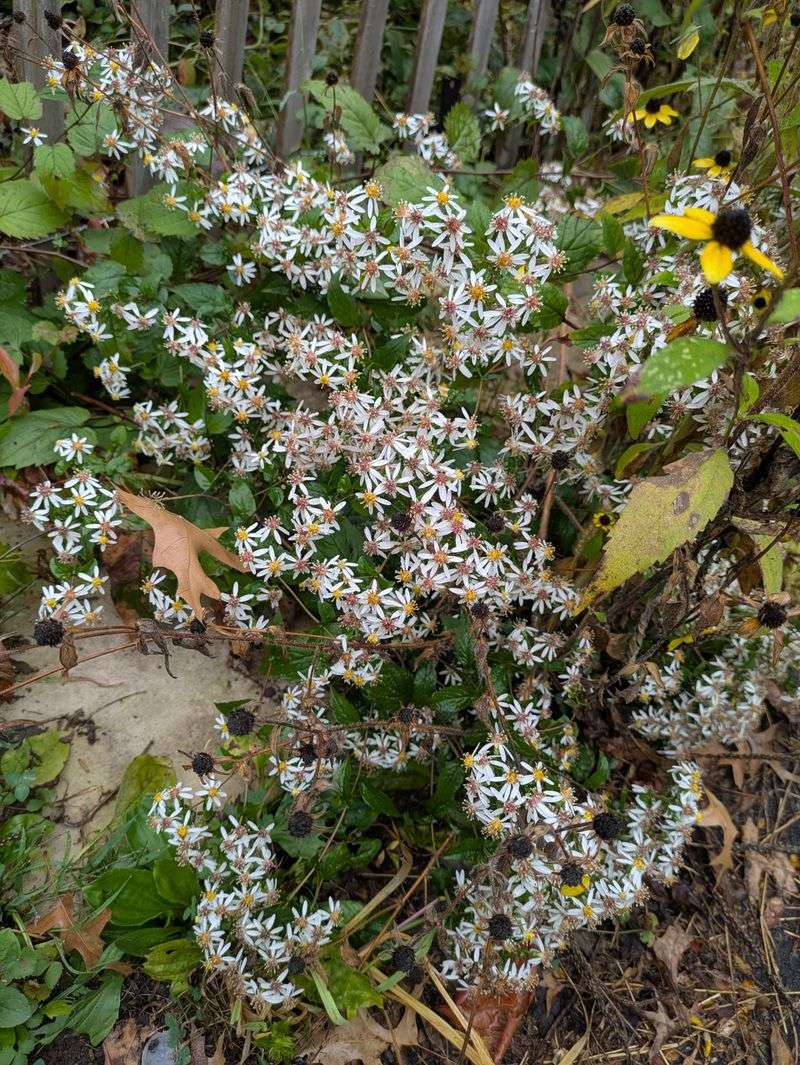
Rocky soil beneath mature trees creates a completely different challenge from a sun-baked gravel shoulder.
White wood aster, Eurybia divaricata, belongs on the shaded side of that divide. Penn State notes that it occurs throughout Pennsylvania woodlands in shade and dry, rocky sites, and separate guidance places it in shade to partial shade with dry to moist soil.
That makes it useful beneath open woodland canopies and along dry shaded banks.
The loose stems carry small white flowers late in the season, bringing brightness to places where spring woodland plants have already finished. Asters also provide nectar resources during the later part of the growing season.
Do not put this plant in the hottest open gravel bed.
The rock may be similar, but the light is wrong. White wood aster earns its keep where roots meet stone under filtered light and leaf litter rather than beside blazing pavement.
Leave some fallen leaves around the planting.
A light natural layer helps protect moisture and matches woodland conditions. Keep thick piles from smothering small crowns.
Water new transplants through their first dry season.
Shade slows moisture loss, but shallow rocky ground can still dry quickly once rain stops. Established plants become easier to manage after roots spread into nearby soil pockets.
White wood aster proves that rocky does not automatically mean sunny.
Sometimes the toughest-looking spot is really a woodland bed waiting for the right resident.
6. Let Christmas Fern Settle Between Woodland Rocks
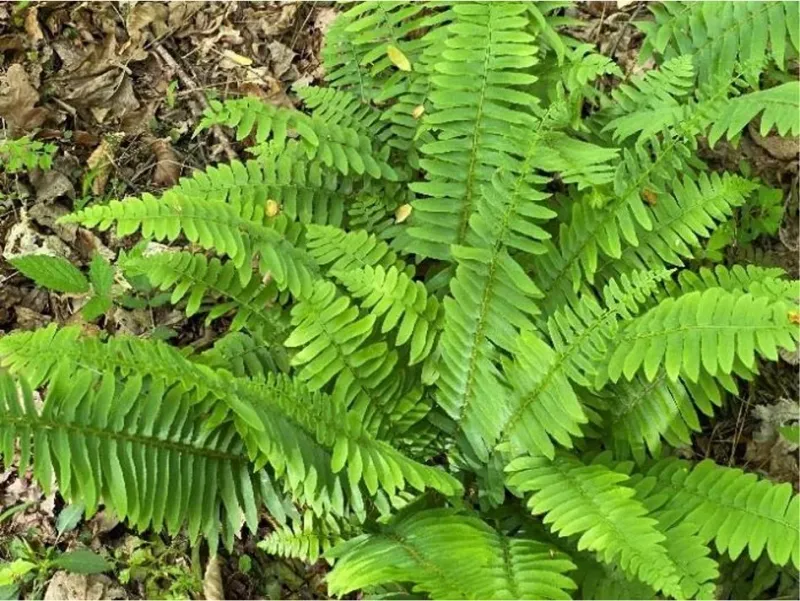
A shaded bank scattered with stones can look too dry for a fern, yet one Pennsylvania native handles that combination remarkably well.
Christmas fern, Polystichum acrostichoides, is often found on dry, rocky slopes in Pennsylvania woods. Penn State describes it as an adaptable native fern whose dark green fronds remain present through much of winter, even after snow flattens them.
That makes it useful beside shaded boulders, woodland steps, and rocky slopes beneath trees.
The arching fronds add strong texture against stone without needing the constant saturation demanded by some other ferns. Penn State also places Christmas fern in shade to partial shade, where moderate moisture can support fuller growth.
Dry tolerance does not mean desert treatment.
New plants need regular water while roots settle into the site. A rocky slope may stay cool under tree cover, but shallow soil pockets can still lose moisture during a long summer dry spell.
Keep leaf litter where practical.
Fallen leaves act as natural mulch, helping thin soil hold moisture while adding organic matter slowly. Avoid burying the crown under a heavy pile.
Skip full, exposed sun.
Christmas fern belongs with rocks under a canopy, not with cactus conditions beside a driveway.
Once established, the clumps can make an awkward shaded slope look intentional all year.
The stones provide the backdrop, and the fern supplies the woodland character.
7. Give Gray Goldenrod The Dry Gravel Edge
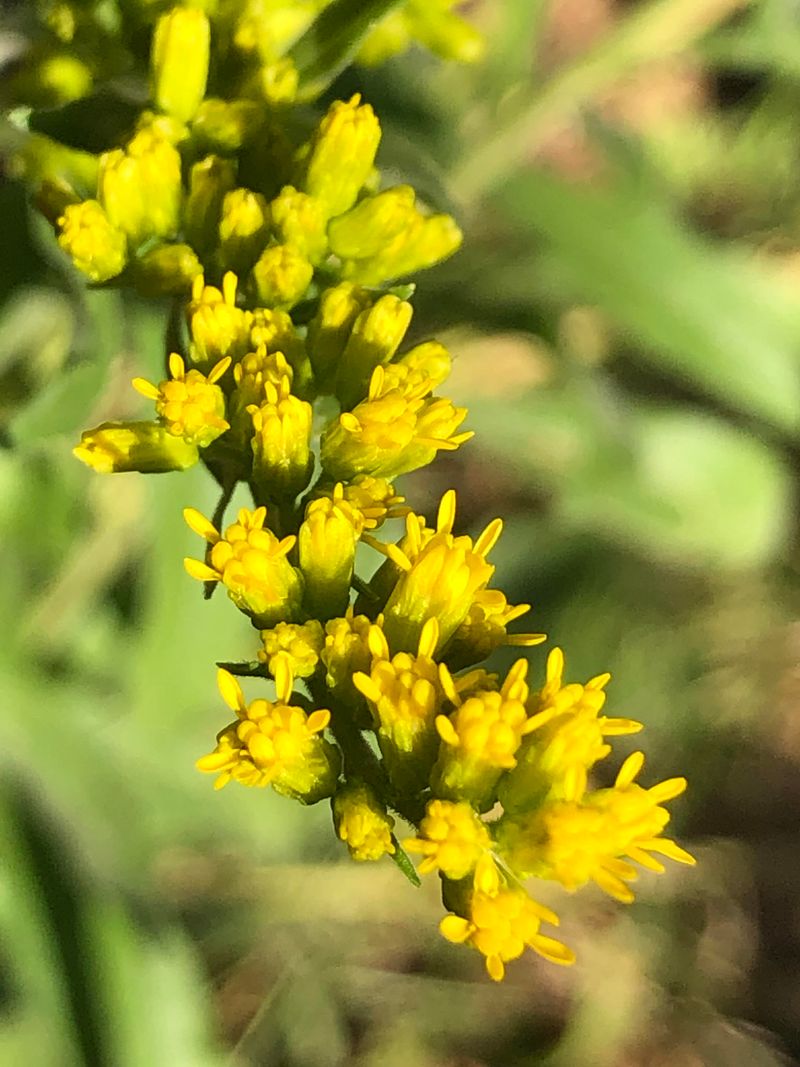
Late summer can rescue a dry gravel strip from looking finished for the year.
Gray goldenrod, Solidago nemoralis, is a relatively short native goldenrod suited to dry, sunny conditions. Penn State lists it specifically as a compact choice for dry sites and notes that it spreads through rhizomes.
That makes it easier to place than some of the towering goldenrods.
A cluster can fill a lean driveway edge, sunny bank, or dry open patch without creating the same height as larger species.
Yellow flowers arrive late in the season, when many summer perennials are winding down, and provide resources for visiting pollinators.
Lean soil keeps the plant in character.
Rich fertilizer can encourage more growth than the site needs, while a dry, well-drained bed lets gray goldenrod stay compact and useful.
The plant still needs some soil around its roots, so gravel over hard-packed subsoil may need small planting pockets loosened before installation.
Start with groups.
Several plants make the yellow bloom easier for people and insects to notice, and the colony can gradually widen as rhizomes spread.
Keep weeds down during establishment.
Once the goldenrod has occupied the space, competition becomes easier to manage.
Water new plants consistently during their first season, then reduce supplemental water as roots establish.
A gravel edge can look starved to most garden plants. Gray goldenrod sees the same lean ground and saves its best color for the end of summer.
8. Let Wild Columbine Find The Rocky Crevices
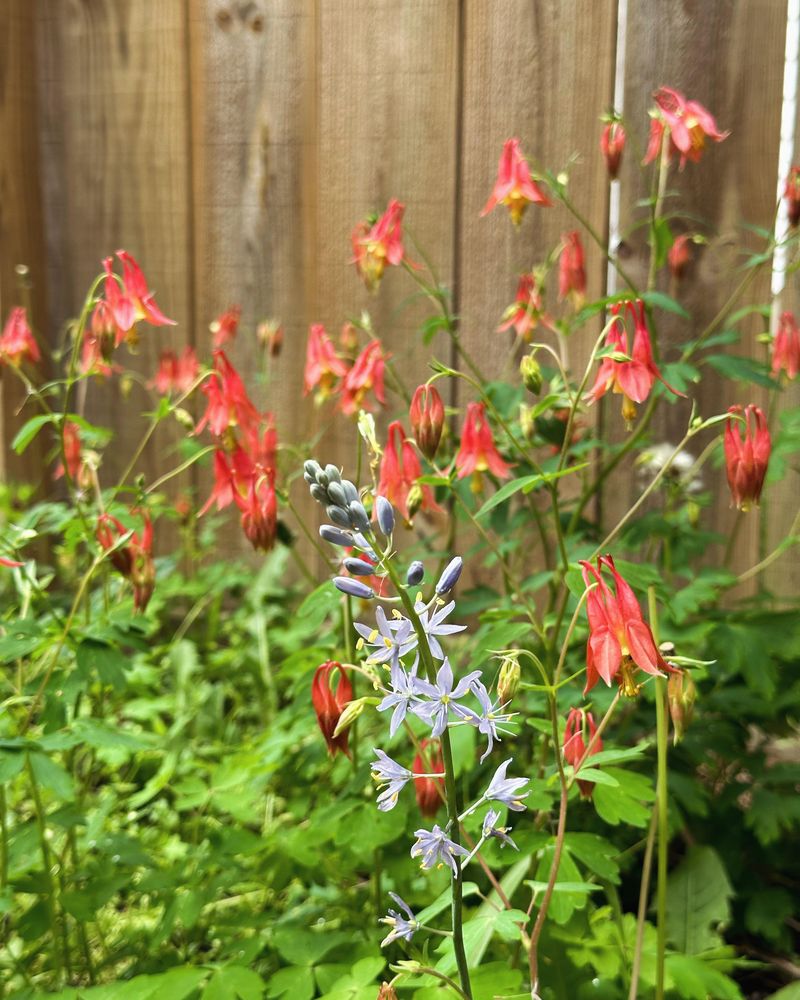
Rock cracks become useful planting spaces once a little soil and leaf litter collect between them.
Wild columbine, Aquilegia canadensis, is a Pennsylvania native suited to partial shade and dry to moderately moist, well-drained ground.
Penn State includes it among native plants for dry to moist shaded landscapes and in sunny, dry demonstration plantings where conditions suit it.
That flexibility makes it valuable around woodland ledges and rocky garden edges.
The nodding red and yellow flowers appear in spring and provide an early-season nectar source for wildlife visitors. Penn State demonstration gardens also use red columbine in native plantings beneath trees.
Give roots a real pocket of soil.
Wild columbine can grow among rocks, but it does not live on stone alone. Crevices need enough soil to hold roots and some moisture after rain. Sharp drainage remains important, especially where rock channels water toward the crown.
A little afternoon shade can help on hotter sites.
More exposed locations need closer moisture checks during establishment because shallow crevices dry fast.
Let some seed mature.
Wild columbine can persist through self-seeding, allowing new plants to appear in nearby pockets that suit them.
Use nursery-propagated plants rather than digging wild specimens.
Pennsylvania DCNR encourages nursery-grown native stock to protect natural populations.
Columbine is the plant for a rocky corner that already looks halfway like a woodland ledge. It simply finishes the scene.