Why Pennsylvania Deer Damage To Gardens Increases In Late September
Deer fed in the garden overnight. Your tender stems disappeared, chewed down to bare stalks overnight. Muddy tracks pressed deep into your damp mulch confirm the visitor returns.
Pennsylvania nights grow harsher as autumn sets in. Appetites across your county triple within a single cold week. Deer, rabbits, and hungry groundhogs sense the cold snap arriving fast.
That yard sits exactly where deep hunger meets easy convenience. Fences rise higher, sprays grow noticeably stronger, and your patience wears thin. Gardeners trade tactics like old friends swapping tired garden stories nightly.
Meanwhile, past the treeline, enormous ears swivel toward your porch light. Standing your ground in Pennsylvania takes more than stubbornness alone.
Winning this fight demands real, smarter strategy, not just spray bottles. You need a solid plan before tomorrow night arrives again.
1. Pre-Rut Restlessness Sends Bucks Wandering Through Neighborhoods
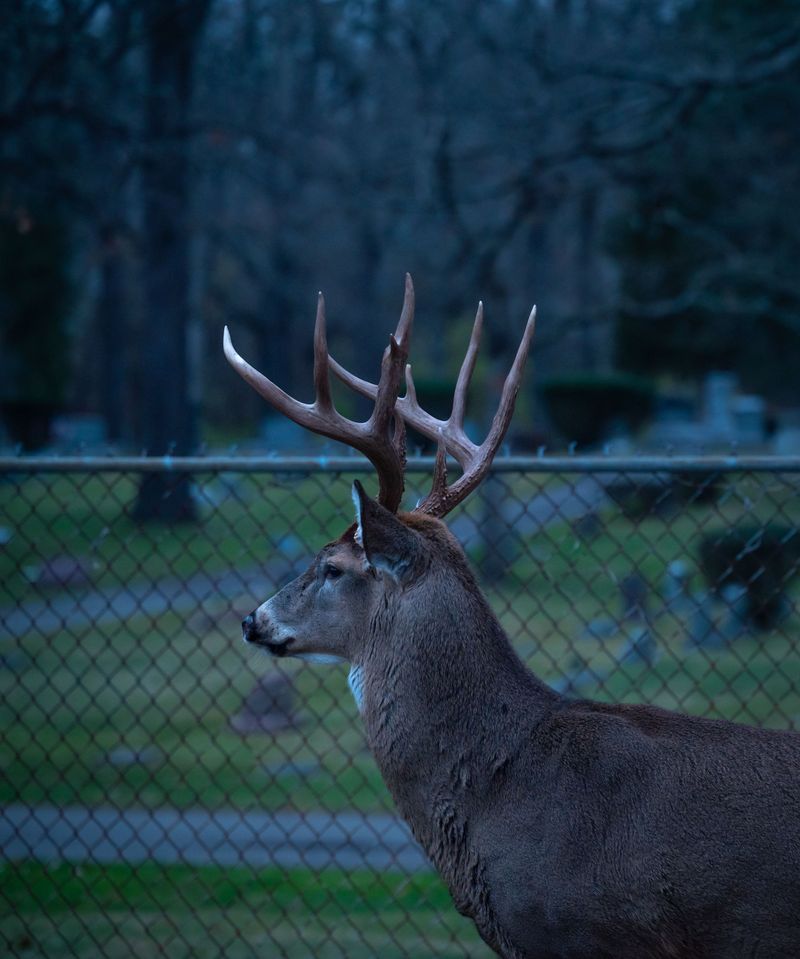
Hormones start shifting in late September, and bucks that stayed quiet all summer get twitchy. Testosterone rises, bachelor groups break apart, and everybody starts traveling.
Deer that spent August tucked in the same ridge now cover miles in a single night. New routes mean new yards, including yours.
Suburban Pennsylvania is basically a buffet with hedges, and wandering bucks sample everything along the way. A single curious visitor can flatten a flower bed before midnight.
Restless deer also crash through fencing they would normally respect in July. Distraction makes them careless, and careless deer break things.
Watch for fresh trails worn through tall grass and new gaps in shrub lines. Those are travel corridors, and they tend to stay in use.
Motion-activated sprinklers work well during this phase because roaming deer startle easily on unfamiliar ground. Move the sprinkler every few days so nobody gets comfortable.
Solid fencing at eight feet stops most jumpers, though many gardeners choose double rows instead. Two four-foot fences spaced four feet apart confuse depth perception nicely.
Deer movement is widely reported to climb from late September into November. Collisions on roads climb during the same stretch, which tells you plenty.
Neighbors who compare notes often spot the same buck crossing three yards nightly. Sharing sightings helps everyone protect the right plants at the right time.
Treat these weeks like rush hour for hooves in your neighborhood. Your lettuce simply sits along that route.
2. Fading Summer Forage Leaves Woodland Menus Nearly Empty
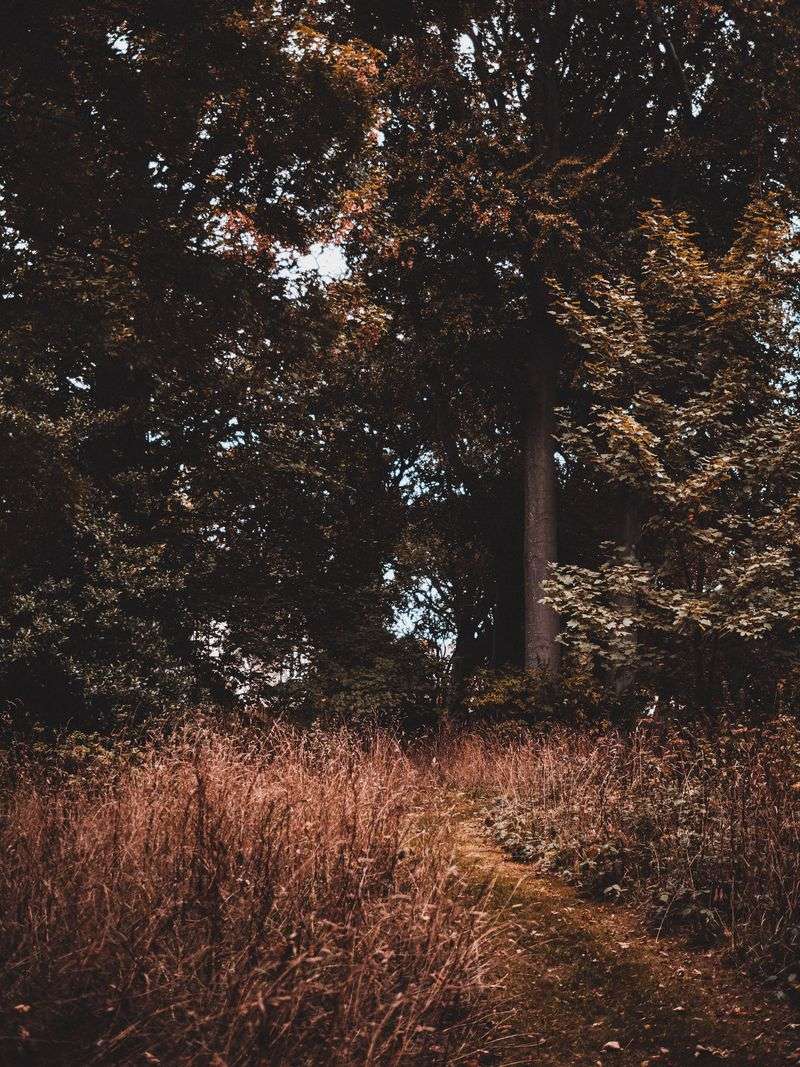
Woodland salad bars shut down fast once nights turn cold in Pennsylvania. Tender greens, clover, and soft browse lose moisture, protein, and flavor within weeks.
Meanwhile, your irrigated garden stays green, soft, and full of water. From a deer’s view, that contrast is impossible to ignore.
Forest plants also build tannins and tough fibers late in the season as a defense. Chewing them takes effort and returns less nutrition per bite.
Garden vegetables, by contrast, stay tender because we water, feed, and pamper them constantly. Deer notice quality, and they remember exactly where they found it.
Hostas, beans, sweet potato vines, and pansies rank near the top of local menus. Even herbs get nibbled when better options run short.
Your Pennsylvania Garden Changes Every Week. Your Plan Should Too.
Gardening in Pennsylvania changes quickly throughout the season. Every Friday you’ll receive a simple weekly plan showing exactly what to plant, prune, fertilize, harvest, and protect so you never miss the right timing.
One practical fix is letting the outer edge of your yard grow a little wild. Native browse at the border can slow traffic toward the center.
Rotating repellents matters more now than in June because hungry animals push through mild deterrents. Switch between egg-based, garlic, and capsaicin sprays every ten days.
Apply repellents on dry afternoons and reapply after heavy rain, which Pennsylvania delivers generously each fall. Coverage on new growth matters most.
Some gardeners plant a sacrificial patch of clover or rye near the tree line. It is not a guarantee, but it buys your tomatoes time.
Hunger often outweighs the effect of fencing alone. Feed the woods, and your beds get a little less interesting.
3. Velvet Shedding Turns Young Trees Into Rubbing Posts
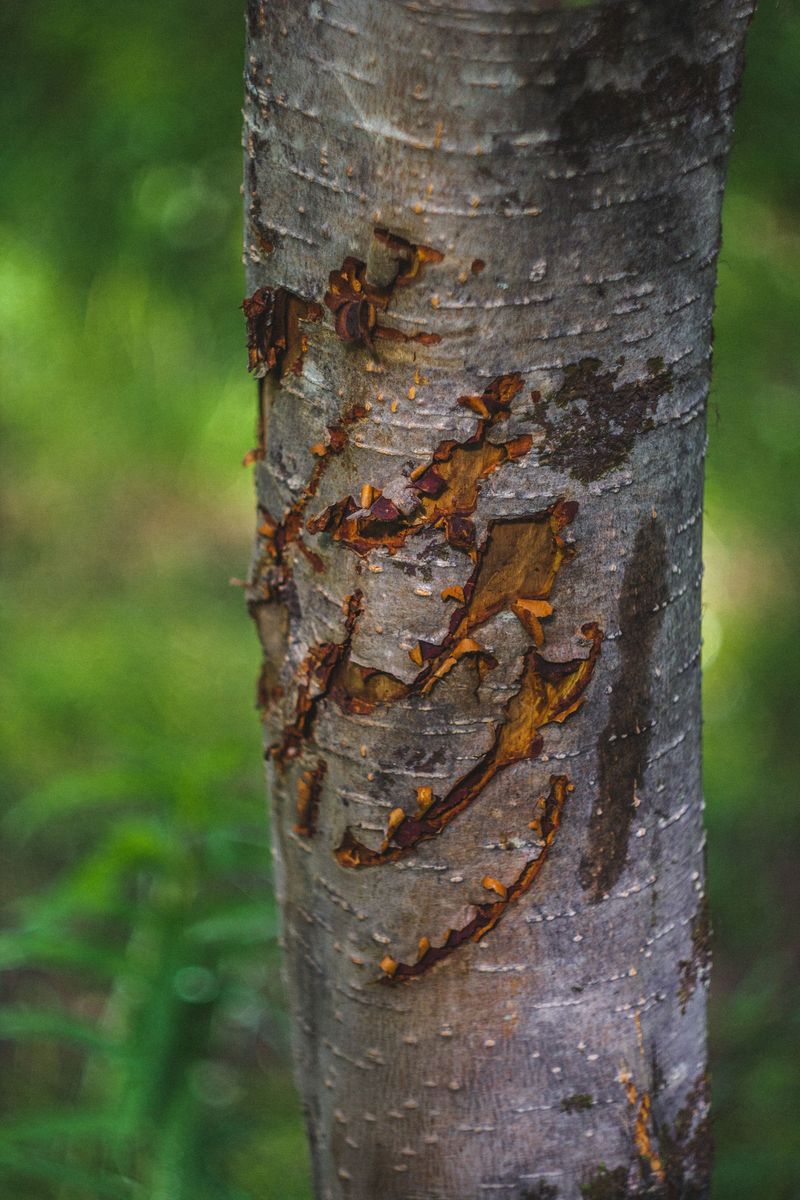
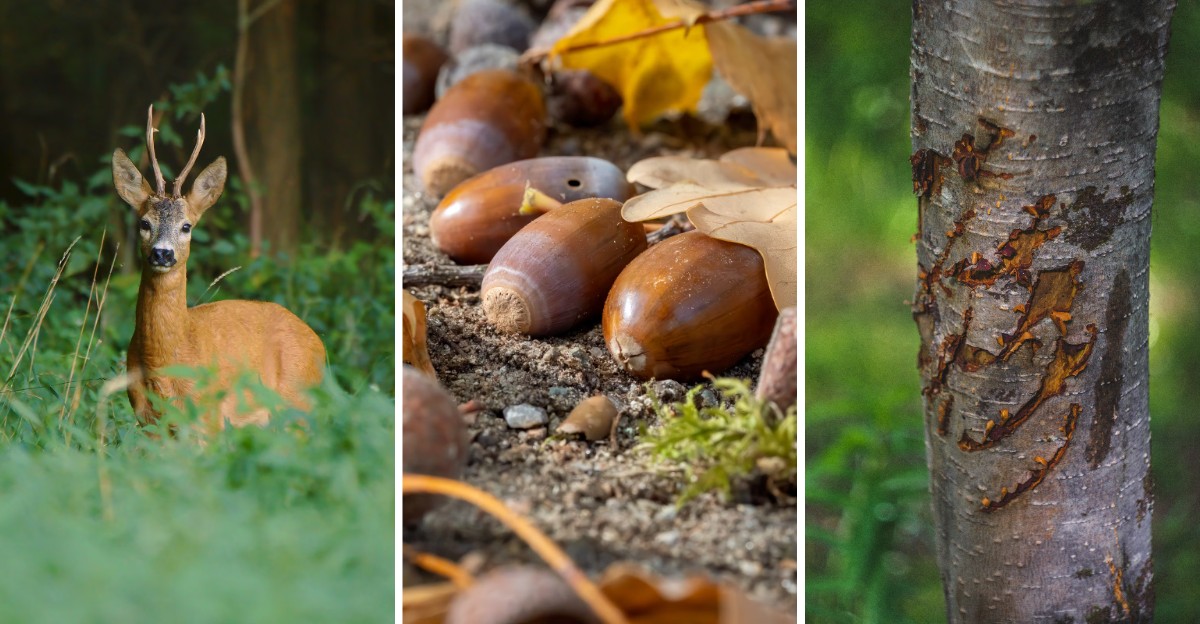
Bucks spend late summer growing antlers under a fuzzy skin called velvet, full of tiny blood vessels. By mid-September that velvet dries out and starts peeling away in ragged strips.
To speed things along, they rub their antlers hard against slender trunks and flexible saplings. Your young maples, arborvitae, and fruit trees fit that description perfectly.
Damage shows up as shredded bark, snapped branches, and pale wounds running up one side. A rubbed tree can lose its bark ring and slowly fail afterward.
Rubbing also leaves scent from glands on the forehead, which marks territory for other bucks. Once a tree gets marked, it often gets revisited night after night.
Protection is simple and cheap if you act before the third week of September. Wire mesh cylinders or plastic tree wraps around trunks stop antlers from reaching bark.
Give each guard about five feet of height and leave breathing room around the trunk. Stakes on two sides keep the guard steady when a determined buck leans in.
Young trees recover from rubbing far better when guards stay on through early December. Remove them in spring so the bark can breathe and grow normally.
Fun fact: a mature buck can strip his velvet remarkably fast. The mess he leaves behind, however, lasts for years.
4. Patchy Acorn Crops Push Herds Toward Easy Meals
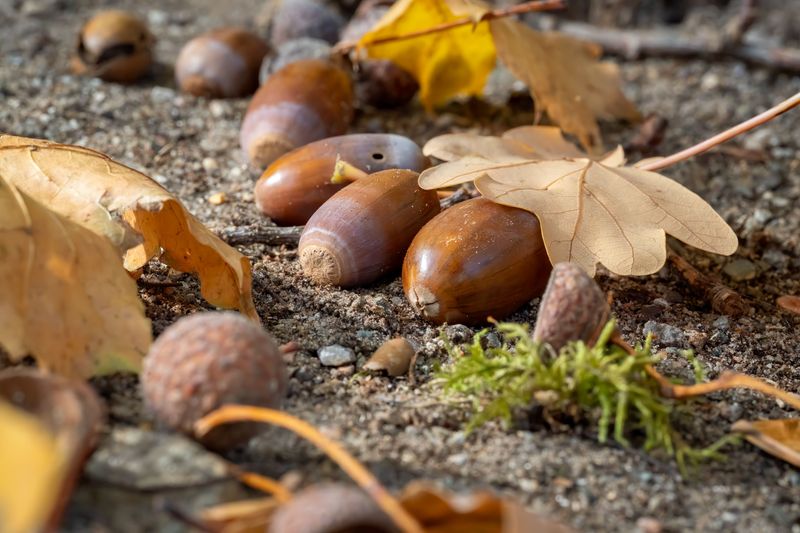
Acorns are the gold standard of autumn food across Pennsylvania’s oak forests. White oak acorns drop first, usually beginning in early to mid September.
Mast crops swing wildly from year to year, and whole counties can come up short. When oaks produce little, deer spread out searching for replacements.
Replacement food usually means farms, orchards, and backyard gardens with predictable meals. Your property becomes plan B, and plan B gets visited nightly.
Even in strong acorn years, deer often clean up woodland mast within weeks, depending on the year. Late September is when they scout ahead for what comes next.
You can check your own oaks quickly by looking at the ground under branches. Few caps and few nuts means pressure is heading your way.
Fallen apples and pears act like magnets, so clean up drops every couple of days. Compost them far from beds or haul them away entirely.
Birdseed, corn piles, and salt blocks turn casual visitors into loyal regulars fast. Pennsylvania also restricts feeding deer in many areas, partly because of disease spread.
Electric fencing baited with peanut butter teaches a memorable lesson without harming anything. One lick usually rewrites a deer’s map of your yard.
Foresters track mast surveys each summer, and local extension offices share the results freely. A quick phone call can predict your autumn headaches.
Acorn scarcity explains most sudden garden raids that seem to come from nowhere. When the woods run short, the herd looks elsewhere.
5. Fat-Building Instincts Fuel Nonstop Nightly Feeding
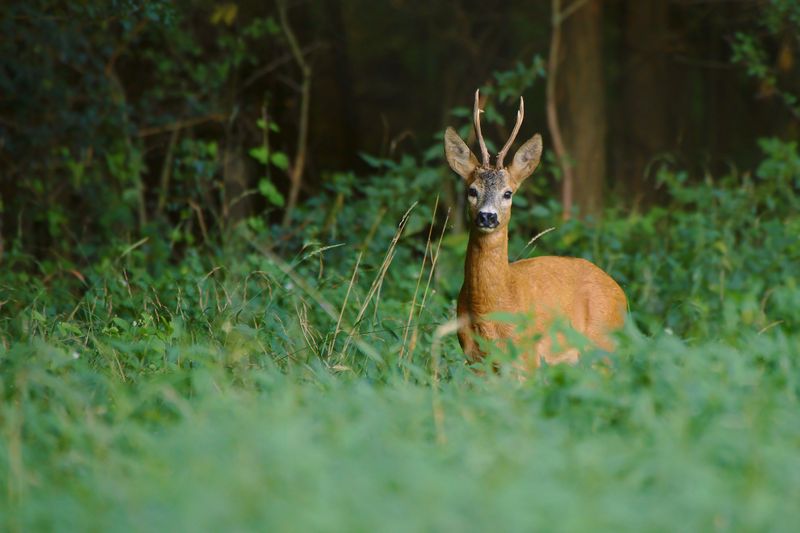
Winter in Pennsylvania is long, and deer prepare by packing on fat reserves. A healthy doe builds significant fat reserves before December.
Appetite peaks during this stretch, and feeding sessions stretch longer than they did in July. More hours feeding means more damage per night.
Bucks eat aggressively now because they will barely eat during the November rut. Every calorie banked in September pays off later.
Fawns are weaned by now and eating solid plants alongside their mothers. One doe with twins equals three hungry mouths in your beds.
Groups also grow larger as families merge for the colder months ahead. Bigger groups strip a row of greens in minutes.
Look for browse damage that looks torn rather than cleanly cut across the stem. Deer lack top front teeth, so they rip instead of snipping.
Protecting high-value crops beats protecting everything, so prioritize fall lettuce, kale, and beets. Floating row covers on hoops work surprisingly well overnight.
Harvest ripe produce promptly instead of leaving it out for one more sunny day. Delaying harvest increases the risk of damage.
Counting visits for a week tells you whether you face one deer or twelve. That number should shape how much fencing you buy.
Hunger this intense rarely responds to a single trick, so layer your defenses. Scent, sound, movement, and physical barriers work better together than alone.
Late September works like training camp before winter. Your garden simply happens to be the food source.
6. Earlier Sunsets Hand Deer Extra Hours Of Cover
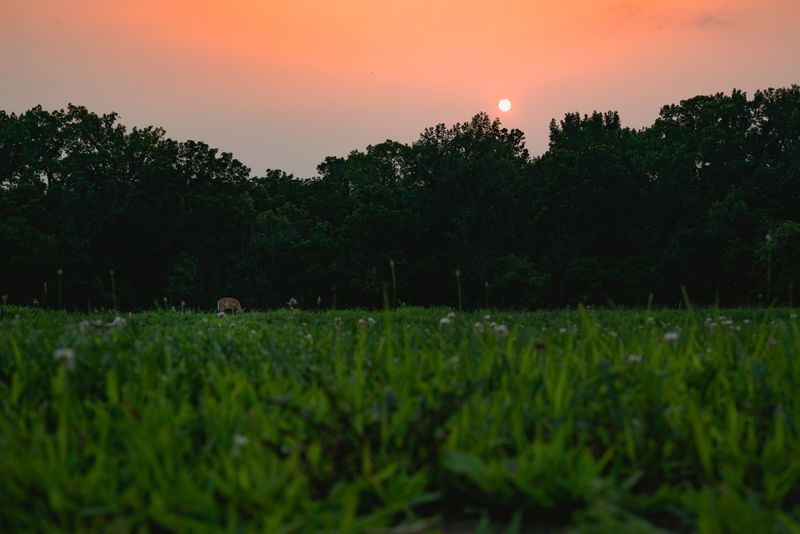
Pennsylvania loses a few minutes of daylight each day through September. Deer feed heaviest at dawn and dusk, so earlier darkness expands their comfortable window. Gardeners, meanwhile, head inside for dinner right on schedule.
Fewer people outside means fewer interruptions, and deer learn neighborhood routines quickly. They test yards when porch lights are off and dogs are inside.
Damage discovered at breakfast usually happened between eight at night and four in the morning. Timing matters when you plan deterrents.
Motion-sensor lights help a little, though deer adjust to steady lighting within a week or two. Sudden, irregular changes work far better than constant glow.
Radios on a timer, wind chimes, and reflective tape add unpredictability without annoying neighbors much. Rotate the setup weekly to keep the surprise fresh.
Evening chores in the garden also help because your presence breaks their feeding rhythm. Walk the beds at dusk, even briefly.
Dogs allowed out before bedtime leave scent that many deer avoid for a night. Consistency beats intensity with any scent-based approach.
Shorter days also push deer to cross roads during commuting hours, which raises collisions. Slow down on rural Pennsylvania roads after dark.
Trail cameras answer questions faster than guessing, and inexpensive models work fine. Knowing arrival times lets you aim your effort where it counts.
Longer darkness gives deer more unobserved feeding time. Borrow a flashlight and take the yard back occasionally.
7. Corn Harvest Clears Fields And Redirects Deer Traffic
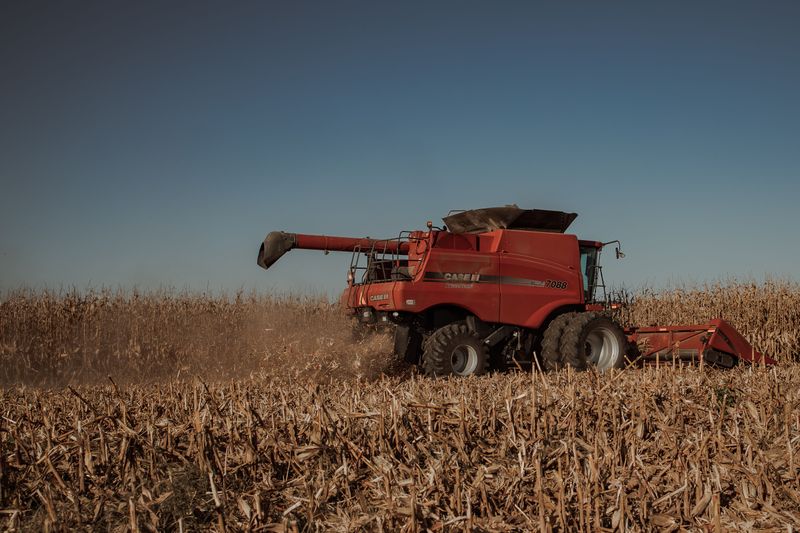
Standing corn is a deer hotel, offering food, shade, and complete privacy all summer. Pennsylvania farmers begin chopping and combining fields in late September.
When those walls fall, animals that lived there for months suddenly have nowhere to hide. They shift toward hedgerows, woodlots, and residential edges.
Shelled fields still hold waste grain for a while, but cover disappears immediately. Deer trade the open ground for shrubs near houses.
Gardeners living within a mile of farmland notice the change within days. Fresh tracks appear where there were none all summer.
Watch harvest progress around your area and tighten protection the week machinery arrives. Prevention beats repair once a bed gets discovered.
Temporary netting over vegetable rows costs little and sets up in an afternoon. Secure the edges with landscape staples so nothing sneaks underneath.
Plastic mesh fencing at seven feet, tied to existing posts, handles most seasonal pressure. Take it down after the first hard freeze if you prefer.
Hedgerow cleanup also helps, since thick brush against your property invites bedding nearby. Trim sight lines so deer feel exposed approaching the garden.
Farm equipment noise pushes deer out during daylight, often into odd places. Do not be shocked to see one crossing a suburban driveway.
Checking a county harvest calendar sounds nerdy, yet it predicts pressure remarkably well. Timing your defenses saves both money and plants.
Harvest season shifts deer activity throughout the neighborhood. Your fence becomes the main line of defense.
8. Fresh Fall Plantings Serve Up Tender New Temptations
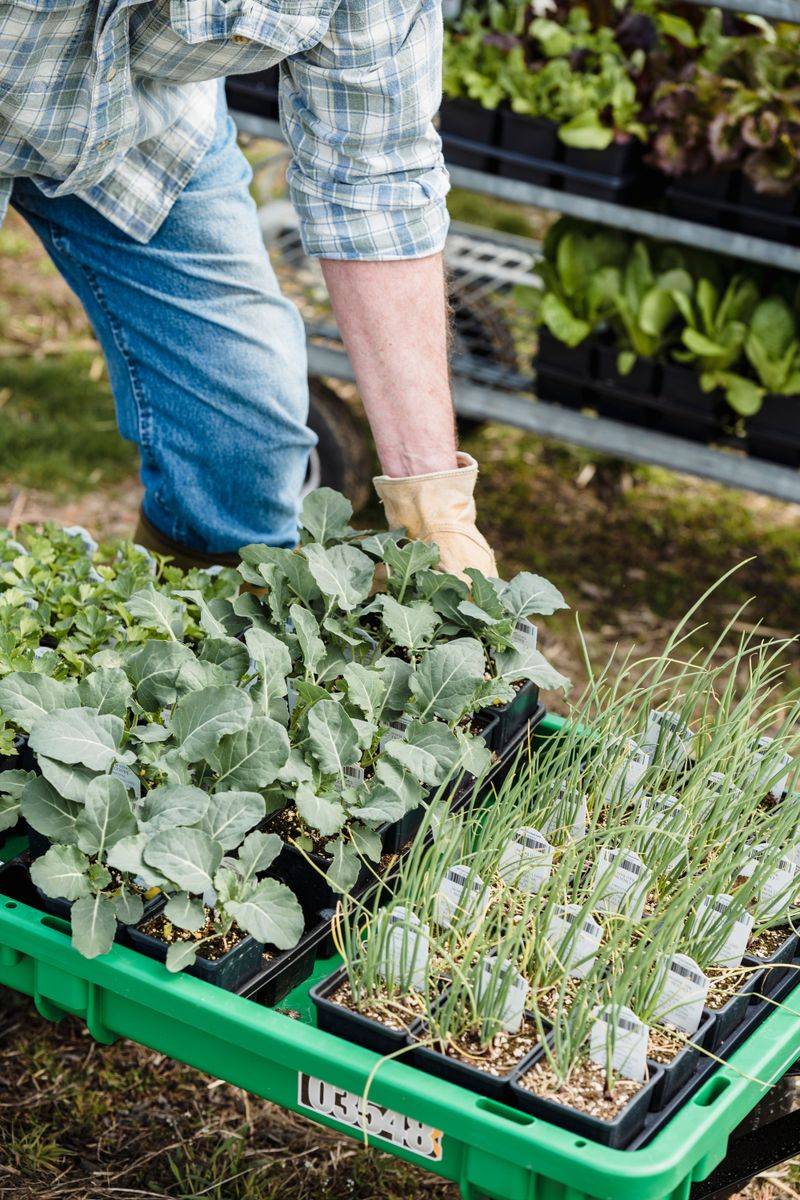
Autumn planting season and peak deer appetite land on the calendar together. Mums, pansies, garlic, spinach, and cover crops all go in around now.
Nurseries stock lush, heavily fertilized plants that taste better than anything growing wild. Deer can tell the difference, and they choose accordingly.
Chrysanthemums get hit constantly, despite the old rumor that deer leave them alone. Pansies and tulip bulbs rank equally high on the wish list.
New transplants also carry nursery scent and soft growth, which practically advertise a free meal. Protect them for the first three weeks especially.
Smarter choices exist, including daffodils, alliums, lavender, boxwood, and ornamental grasses. Bitter, fuzzy, or strongly scented plants usually get skipped.
Planting garlic in October is a Pennsylvania tradition, and deer rarely bother the shoots. Use that bed as a natural buffer beside tastier crops.
Cages made from concrete reinforcing wire protect individual shrubs through the whole cold season. They look industrial, but replacement plants look worse.
Spray new plantings the same day they go into the ground, before any tasting happens. First impressions matter enormously with deer.
Group vulnerable plants close to the house where foot traffic and noise stay constant. Distance from the woods buys real safety.
A quick tip: buy one extra flat of mums and place it as a decoy. Sometimes distraction works better than defense.
Late-September gardening means planning around deer that cross into yards freely. Pick plants they dislike, and autumn gets much calmer.