The Pennsylvania Native Plants That Thrive In Saturated Clay After Heavy Rains
Heavy rain in Pennsylvania has a way of exposing every drainage problem in a yard that ever existed. Low spots fill and hold water for days.
Clay soil becomes waterlogged and suffocating for anything that needs decent drainage. And the plants that were doing fine through a normal stretch of weather start showing stress that has nothing to do with too little water and everything to do with too much.
Most gardeners respond by trying to fix the drainage. Sometimes that’s the right call. But sometimes the smarter solution is simpler. Plant what actually belongs in wet, heavy clay.
Pennsylvania has native plants that evolved in exactly these conditions. Floodplains, wetland margins, and clay heavy soils that stay saturated after significant rain events.
These plants don’t just tolerate waterlogged conditions. They’re designed for them, and in the spots most Pennsylvania yards struggle to do anything with, these natives can create something genuinely beautiful.
Here are the native Pennsylvania plants that thrive in saturated clay after heavy rains and finally give those problem areas a purpose.
1. Black Chokeberry
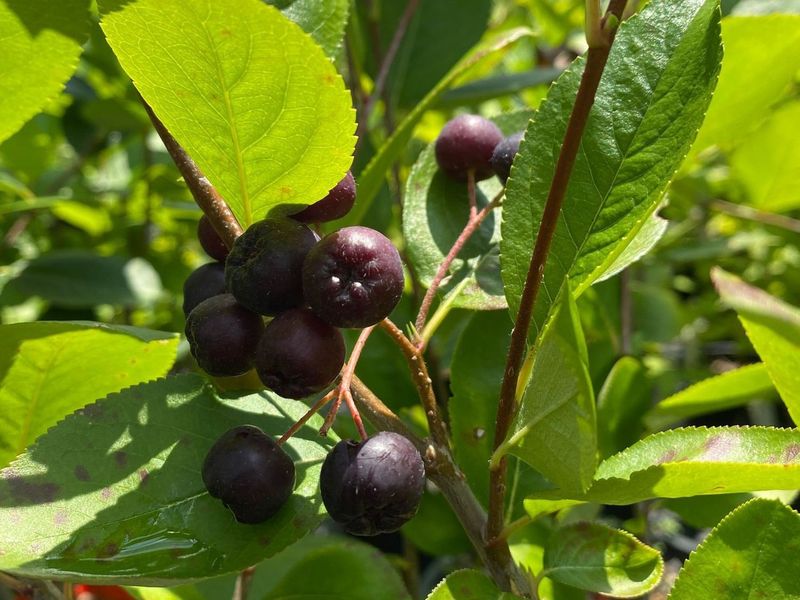
Few shrubs handle Pennsylvania’s toughest growing conditions as quietly and confidently as Black Chokeberry.
Growing naturally in low-lying areas, boggy edges, and moist thickets, this tough native shrub doesn’t flinch when clay soil stays waterlogged for days after a storm. It simply keeps growing.
Black Chokeberry reaches about three to five feet tall and wide, making it a solid choice for rain gardens, drainage swales, or any corner of your yard that collects runoff. In spring, clusters of small white flowers appear and attract early pollinators.
By late summer and into autumn, those flowers become glossy, dark berries that birds absolutely love. Cedar waxwings, robins, and bluebirds will visit regularly once the fruit ripens.
One of the best things about this shrub is its flexibility. Yes, it thrives in saturated clay after heavy rains, but once it gets established, it can also handle drier periods without much fuss.
That kind of adaptability makes it especially valuable in Pennsylvania landscapes where conditions can swing from soaking wet to dry within a single season.
Fall color is another bonus. The leaves turn a rich, deep red before dropping, giving you a second season of visual interest after the berries are gone. Plant it in full sun to partial shade for the best berry production and fall color.
Black Chokeberry spreads gradually by root suckers, so over time it can form a nice, natural-looking thicket.
If you prefer a tidier look, simply remove the suckers as they appear. It’s truly one of Pennsylvania’s most underrated native shrubs.
2. Virginia Sweetspire
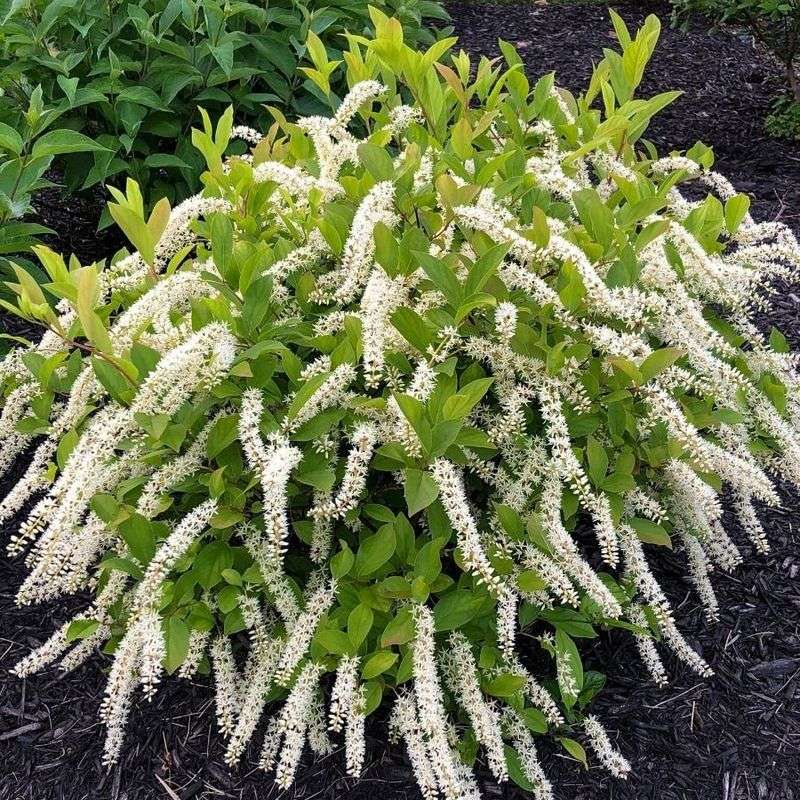
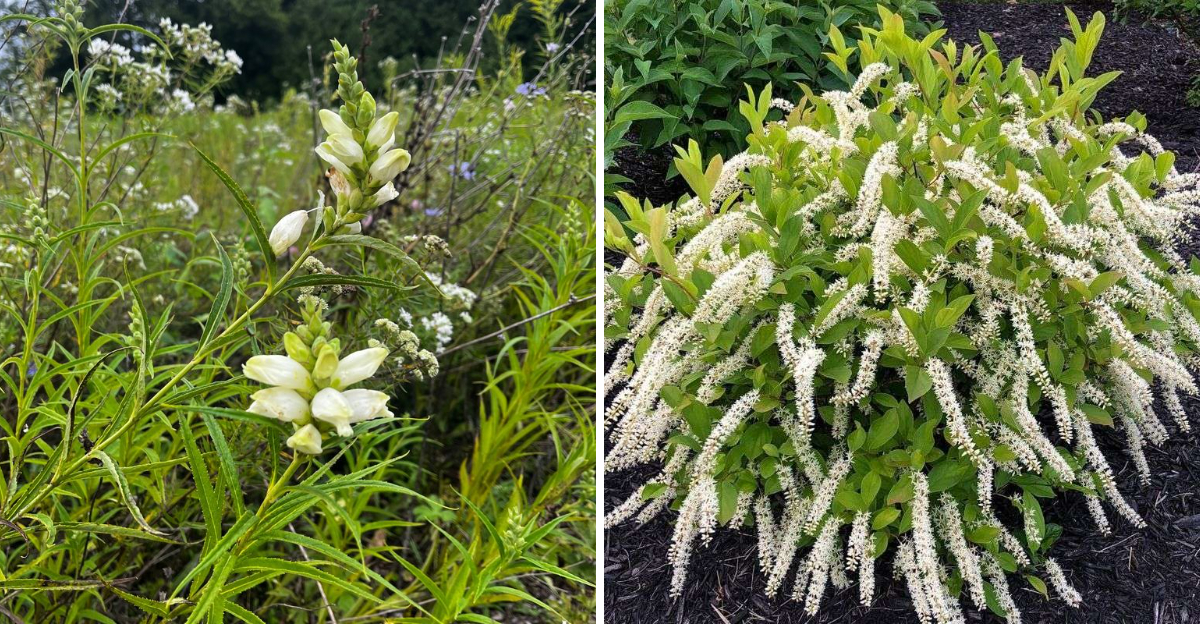
Some plants tolerate wet soil. Virginia Sweetspire actually prefers it.
This Pennsylvania native shrub is built for the exact conditions that heavy clay creates after a rainstorm, where moisture lingers at the root zone for days and most other plants start to suffer. Instead of fighting that wetness, Virginia Sweetspire uses it as fuel.
In early summer, long, drooping clusters of small white flowers cover the plant and fill the air with a soft, sweet fragrance. Those blooms attract bees, butterflies, and other pollinators that are busy working your garden at that time of year.
Your Pennsylvania Garden Changes Every Week. Your Plan Should Too.
Gardening in Pennsylvania changes quickly throughout the season. Every Friday you’ll receive a simple weekly plan showing exactly what to plant, prune, fertilize, harvest, and protect so you never miss the right timing.
The flower spikes can reach up to six inches long, which gives the shrub a graceful, arching look that works beautifully in naturalistic landscape designs.
But the real showstopper comes in fall. The leaves turn vivid shades of red, orange, and deep purple, often all on the same plant at the same time.
Few native shrubs offer that kind of late-season color, especially in wet spots where options are limited. The color display can last for several weeks, well into November in many parts of Pennsylvania.
Virginia Sweetspire typically grows three to five feet tall and spreads slowly by root suckers to form a loose, layered colony over time.
It performs well in full sun to heavy shade, which makes it flexible enough to fit under trees, along fence lines, or at the edge of a wooded area.
It’s a low-maintenance shrub that rewards patience. Once established, it rarely needs attention beyond occasional shaping, making it a smart, long-term investment for wet, clay-heavy spots.
3. Winterberry
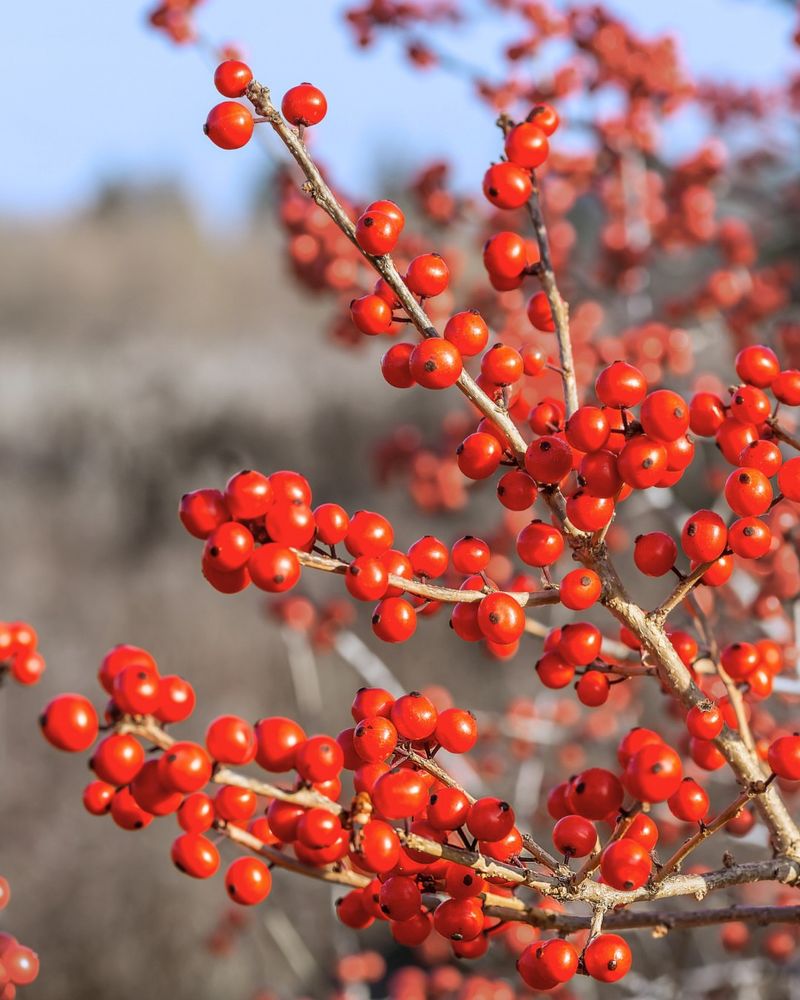
Walk past a Winterberry shrub in December and you will stop in your tracks. The bare branches are absolutely loaded with small, brilliant red berries that seem to glow against a gray winter sky.
It is one of the most striking sights in the native Pennsylvania landscape, and the best part is that it grows happily in the heavy, water-retaining clay that frustrates so many other plants.
Winterberry is a native holly that thrives in wet, poorly drained soils. Pennsylvania’s clay-heavy ground, which stays soggy for days after a heavy rain, is exactly the kind of environment where this shrub performs at its best.
It grows naturally along stream banks, pond edges, and in low-lying areas where water collects, so it is completely at home in a wet corner of your yard.
One thing to know before planting: Winterberry needs both a male and a female plant to produce berries. The male plant doesn’t fruit, but it provides the pollen that the female plant needs.
One male can pollinate several nearby females, so plan your planting accordingly. Nurseries that sell native plants will typically have both available and can help you choose the right varieties.
The berries that appear in autumn persist well into winter and provide a critical food source for cedar waxwings, robins, bluebirds, and other birds that stay in Pennsylvania through the cold months.
Watching birds feed on those bright clusters in January is a genuinely rewarding experience for any backyard naturalist.
Winterberry grows six to ten feet tall and does well in full sun to partial shade. It is a true Pennsylvania workhorse with show-stopping winter appeal.
4. White Turtlehead
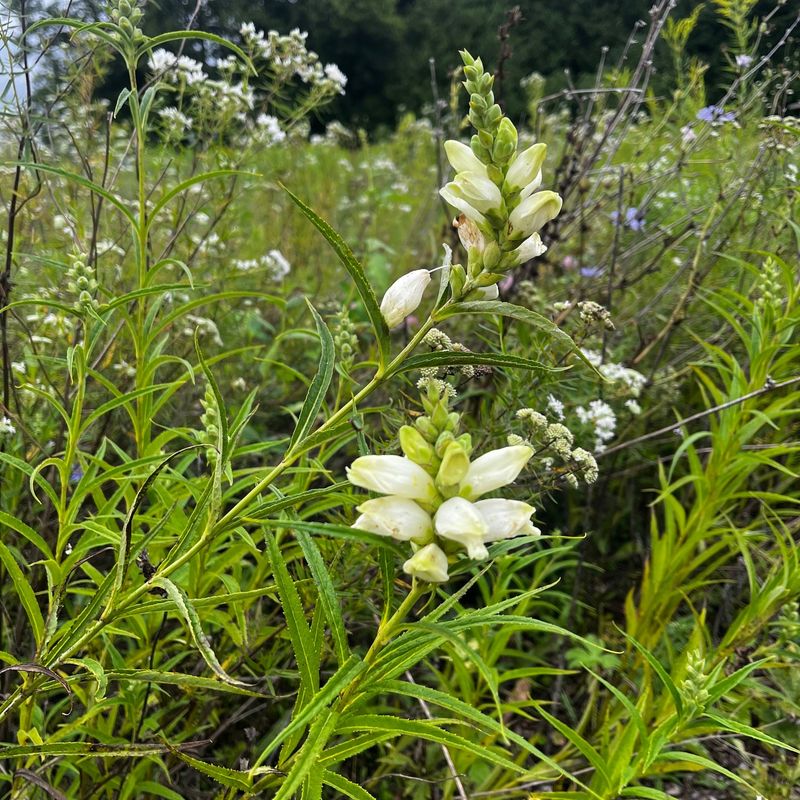
Look closely at a White Turtlehead flower and you will see exactly where the name comes from. Each bloom is shaped like the open mouth of a turtle, snapping slightly upward from a tight, rounded head.
It is one of the quirkiest-looking wildflowers in Pennsylvania, and it happens to be perfectly suited for saturated clay soil after heavy rains.
White Turtlehead is a native perennial that grows naturally along stream banks, in wet meadows, and at the edges of wooded wetlands across Pennsylvania. It reaches two to three feet tall and gradually spreads to form attractive, upright clumps.
Those clumps work really well planted at the edge of a rain garden, along a drainage swale, or anywhere in a border planting that stays consistently moist throughout the growing season.
The flowers bloom in late summer and early fall, which is a valuable time in the garden when many other plants have already finished for the year. They are creamy white, sometimes tinged with pink, and appear in dense clusters at the tops of the stems.
Baltimore checkerspot butterflies, which are native to the eastern United States, rely on White Turtlehead as a host plant for their caterpillars. Planting it supports a butterfly that is genuinely struggling in many areas.
White Turtlehead grows best in full sun to partial shade. It prefers rich, consistently moist to wet soil, which means a clay-heavy spot that holds water after rain is close to ideal. It rarely needs fertilizing if the soil is reasonably healthy.
For a wet, shady border that needs late-season color and wildlife value, White Turtlehead delivers on every front with very little effort from the gardener.
5. Swamp Milkweed
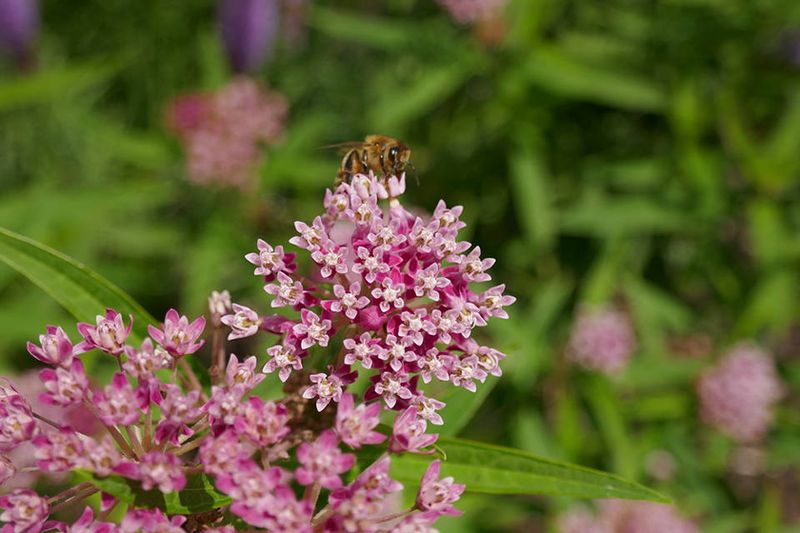
Most people know milkweed as the plant that monarch butterflies need to survive. What fewer people realize is that one of the best milkweed species for Pennsylvania gardens actually loves wet, waterlogged clay.
Swamp Milkweed is a native perennial that turns a soggy, drainage-challenged corner of your yard into a monarch butterfly haven.
Clay soil that holds water after every rainstorm is exactly the kind of spot Swamp Milkweed treats as home.
It grows naturally in marshes, wet meadows, and along stream banks throughout Pennsylvania, so standing water and heavy soil are not problems for this plant. They are simply the conditions it evolved in over thousands of years.
In midsummer, Swamp Milkweed produces rounded clusters of small, deep pink to mauve flowers that smell faintly sweet. Monarch butterflies will visit those flowers to feed on nectar, and female monarchs will lay their eggs on the leaves so their caterpillars can feed.
Beyond monarchs, the blooms attract a wide variety of native bees, skippers, and other pollinators that are important for a healthy garden ecosystem.
The plant grows three to four feet tall with narrow, lance-shaped leaves and an upright, well-behaved form that fits easily into a mixed border or rain garden planting.
In fall, long seed pods split open to release silky white seeds that drift on the breeze, adding one more moment of interest before the plant goes dormant for winter.
Full sun brings out the best bloom production. Swamp Milkweed is one of the most rewarding native plants you can grow in Pennsylvania if you have a wet, clay-heavy area that needs purpose and beauty at the same time.
6. Square-Stemmed Monkeyflower
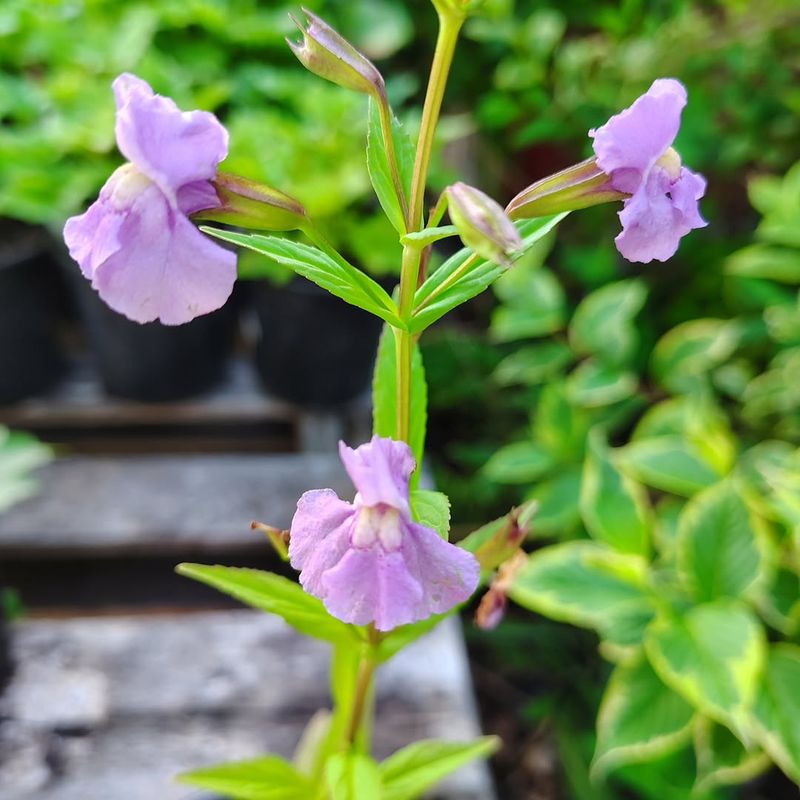
Run your fingers along the stem of a Monkeyflower and you will feel something unexpected. Instead of a round stem, it is square, with four distinct edges that give this wildflower its full name.
That small detail is one of the fun, surprising things about a plant that most Pennsylvania gardeners have never tried but absolutely should.
Square-Stemmed Monkeyflower grows naturally along streambanks, in wet meadows, and in roadside ditches throughout Pennsylvania. That range tells you everything you need to know about its tolerance for standing water and heavy, saturated clay.
It is not just surviving in those places. It is thriving, blooming, and seeding itself year after year without any human help.
The flowers are small but charming. Each one is a two-lipped lavender-purple bloom that somewhat resembles a tiny grinning face, which is where the common name comes from.
They appear from midsummer into early fall on upright stems that reach two to four feet tall. Bumblebees are especially fond of the flowers and will visit them repeatedly throughout the blooming period.
In a garden setting, Square-Stemmed Monkeyflower works well planted near the edge of a rain garden, along a low-lying border, or in a wet meadow mix with other native species like Swamp Milkweed and Turtlehead.
It spreads by seed and can naturalize gradually over time, filling in wet spots with cheerful summer color.
Full sun to partial shade suits it well. It needs consistently moist to wet soil to perform at its best, which makes it a natural fit for any Pennsylvania garden dealing with clay soil and poor drainage after heavy rains.
7. Cardinal Flower
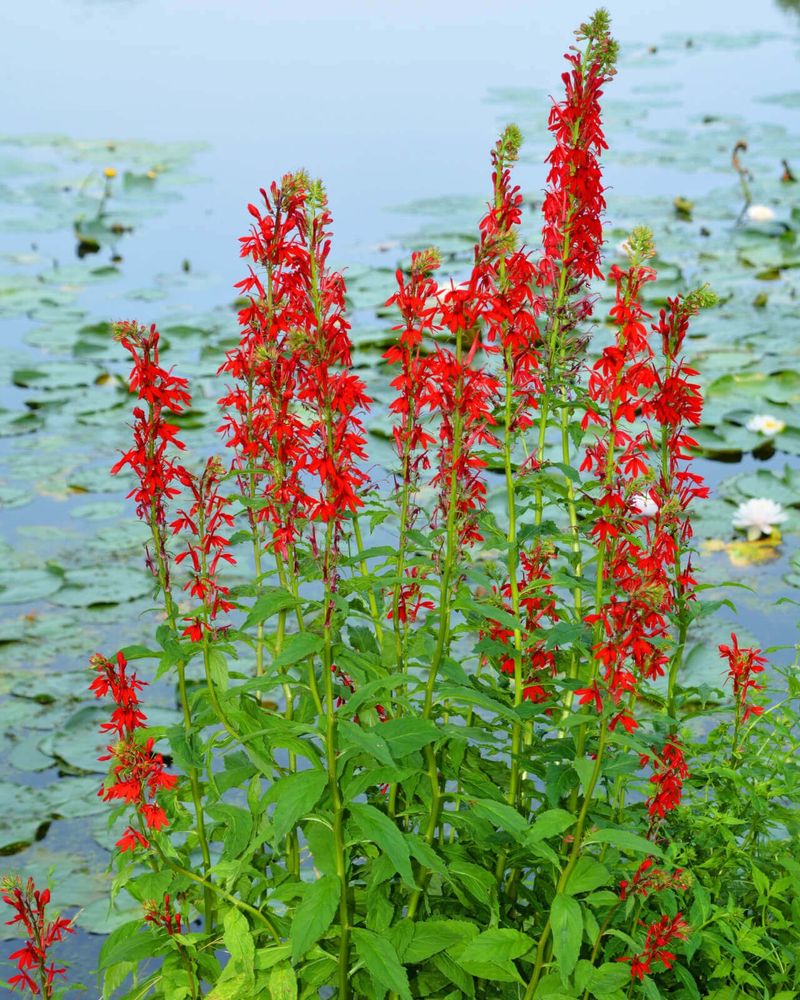
There is nothing subtle about Cardinal Flower. The moment it blooms, it commands attention.
Tall spikes of intense scarlet-red flowers shoot up from two to four feet above the foliage from midsummer into early fall, creating a display that is hard to ignore and almost impossible not to admire. In a wet, clay-heavy garden, it is the plant that makes people stop and ask what it is.
Cardinal Flower grows naturally along stream banks, in wet meadows, and at the edges of wooded areas throughout Pennsylvania. It is completely at home in the same wet, clay-heavy conditions that favor Swamp Milkweed and Square-Stemmed Monkeyflower.
Heavy rain that saturates the soil for days? Cardinal Flower barely notices. It simply continues producing those remarkable red flower spikes that are one of the most vivid colors found in any native Pennsylvania plant.
Ruby-throated hummingbirds are the plant’s most important pollinator. The long, tubular red flowers are shaped perfectly for a hummingbird’s beak, and the birds will return to feed on them repeatedly throughout the blooming season.
Planting Cardinal Flower near a window or a seating area means you will have front-row seats to some genuinely exciting hummingbird activity all summer long.
Cardinal Flower is a short-lived perennial, typically lasting two to three years in one spot. However, it self-seeds reliably in moist soil, so new plants appear nearby each season and the colony keeps going without any replanting effort from the gardener.
Plant it in full sun to partial shade in rich, consistently moist to wet soil. Combined with Swamp Milkweed and Monkeyflower, it creates a layered, wildlife-rich wet garden that is both beautiful and genuinely good for Pennsylvania’s native ecosystem.