The Pennsylvania Native Tree That Blocks Wind Without Constant Cleanup
Let’s be honest. Nobody gets excited about raking leaves every fall, especially after a long week.
That’s the problem with a lot of popular windbreak plants. They do a decent job blocking those icy Pennsylvania gusts, but they leave you with a mess to clean up season after season. Piles of leaves. Broken twigs. Endless bags at the curb.
Luckily, there’s a native tree that skips all the drama. It stays green all year, so it keeps blocking wind even in the middle of January.
Its dense branches create a sturdy natural barrier, and it barely drops a thing. It also handles poor soil, dry spells, and cold snaps like a champ. Songbirds love it, too.
If you want a windbreak that works hard and asks for very little, this one deserves a spot in your yard.
The Native Windbreak Evergreen
Farmers in Pennsylvania figured out a long time ago that eastern red cedar makes a great natural wall.
Walk past almost any old fencerow in the state and you will likely see one. Birds drop the seeds there, and the young trees sprout right along the fence line.
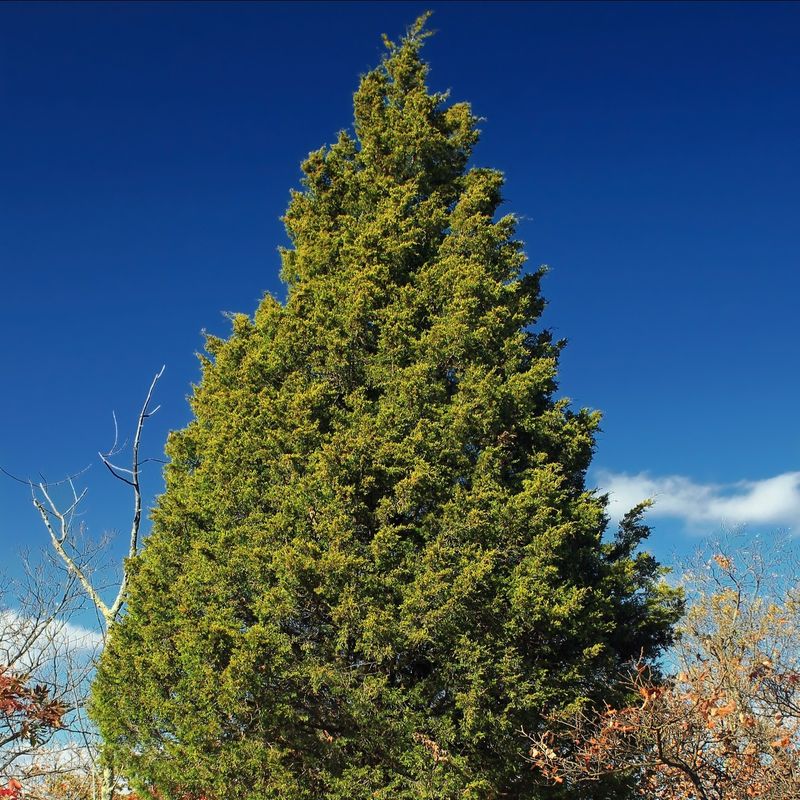
Eastern red cedar, or Juniperus virginiana, is native to most of Pennsylvania. It grows in old fields, along roads, and on rocky hillsides.
Despite the name, it is not a true cedar at all. It is actually a type of juniper.
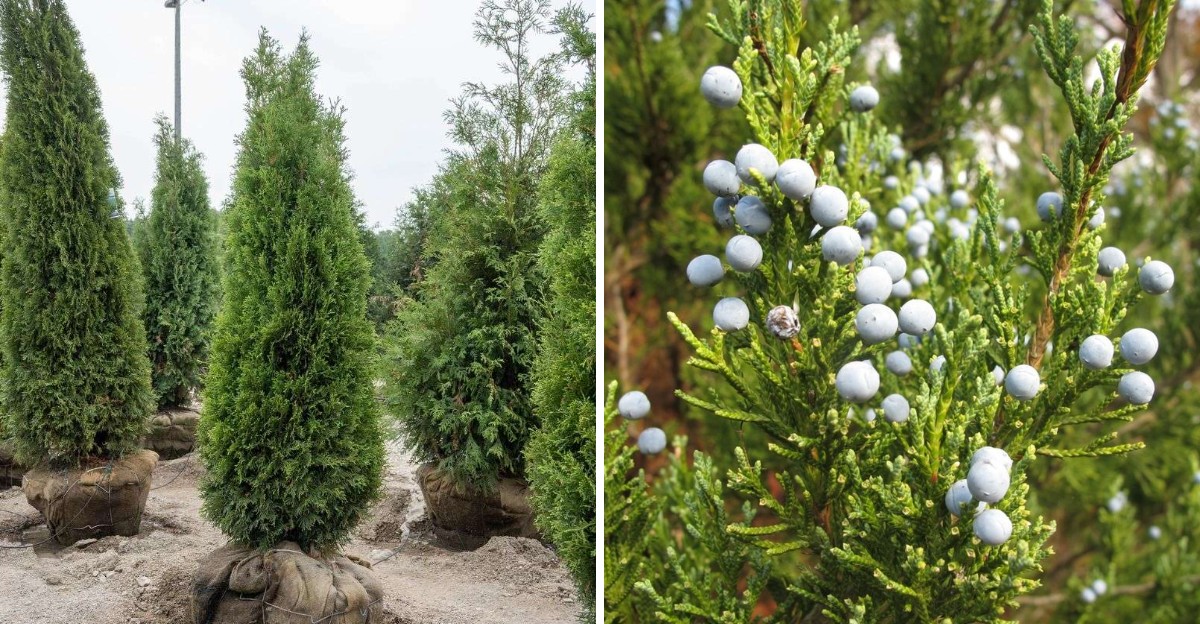
So why do people choose it for windbreaks? The answer comes down to shape and color. The plant grows in a thick, upright form, a bit like a green column or cone. Its branches stay packed close together from the ground up.
Better yet, it keeps its foliage all year long. Many trees look bare and open in January. Cedar stays full and green, even in the middle of a snowstorm.
Here is a fun fact. The wood of this tree smells sweet and strong. People have used it for years to line closets and chests, because the scent helps keep moths away from clothes.
Being native gives it another big plus. It is already used to local weather, soil, and bugs. You do not need to baby it the way you might with a plant from far away.
For homeowners, that means less work and fewer worries. Whether you have a small lot or a big country property, this evergreen can fit in.
It is a plant that has proven itself in Pennsylvania for a very long time, and it keeps doing its job with little fuss.
Dense Evergreen Foliage Blocks Wind All Year
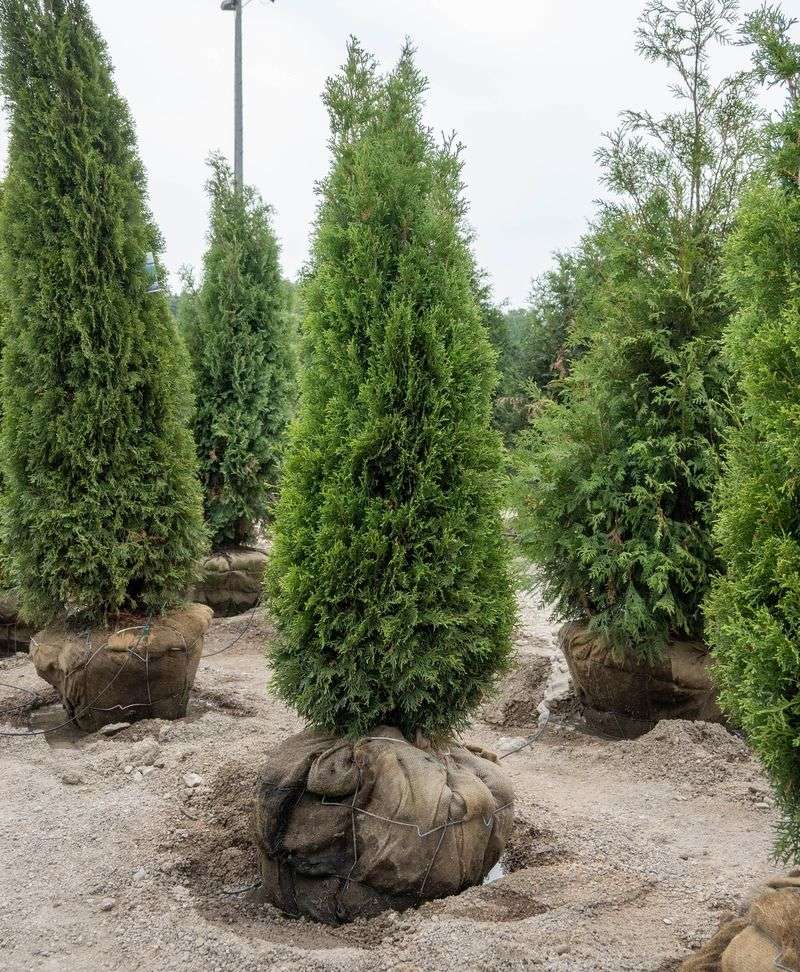
January wind can cut right through a coat. It also blows snow into deep drifts that bury driveways and paths. A good windbreak can change all of that.
Eastern red cedar has tiny, scale-like leaves that overlap like shingles on a roof. They grow tightly together on every branch. When wind hits the plant, those leaves slow it down instead of letting it pass right through.
Timing matters here. Deciduous shrubs and trees lose their leaves just when cold wind gets worst. Cedar holds onto its foliage all winter, so protection stays in place when you need it most.
Your Pennsylvania Garden Changes Every Week. Your Plan Should Too.
Gardening in Pennsylvania changes quickly throughout the season. Every Friday you’ll receive a simple weekly plan showing exactly what to plant, prune, fertilize, harvest, and protect so you never miss the right timing.
Want the best results? Plant your cedars in a row, or better yet, in a staggered double row. Staggering means the second row fills the gaps of the first, like bricks in a wall. A few simple spacing tips can help.
Set plants about 6 to 10 feet apart within each row. Keep the rows about 10 to 15 feet apart. Place the windbreak on the side where winter winds usually come from, which is often the north or west in Pennsylvania.
Distance from the house matters as well. A windbreak protects an area several times its height downwind. Planting it too close to a driveway can actually dump snow right onto it, so leave some open space.
The payoff is real. A calmer yard feels warmer, and your home may lose less heat on cold days.
Gardens behind the windbreak often do better too, since tender plants get shelter from harsh blasts. It is a quiet, steady helper that works around the clock, all season long.
No Leaves To Rake In Fall
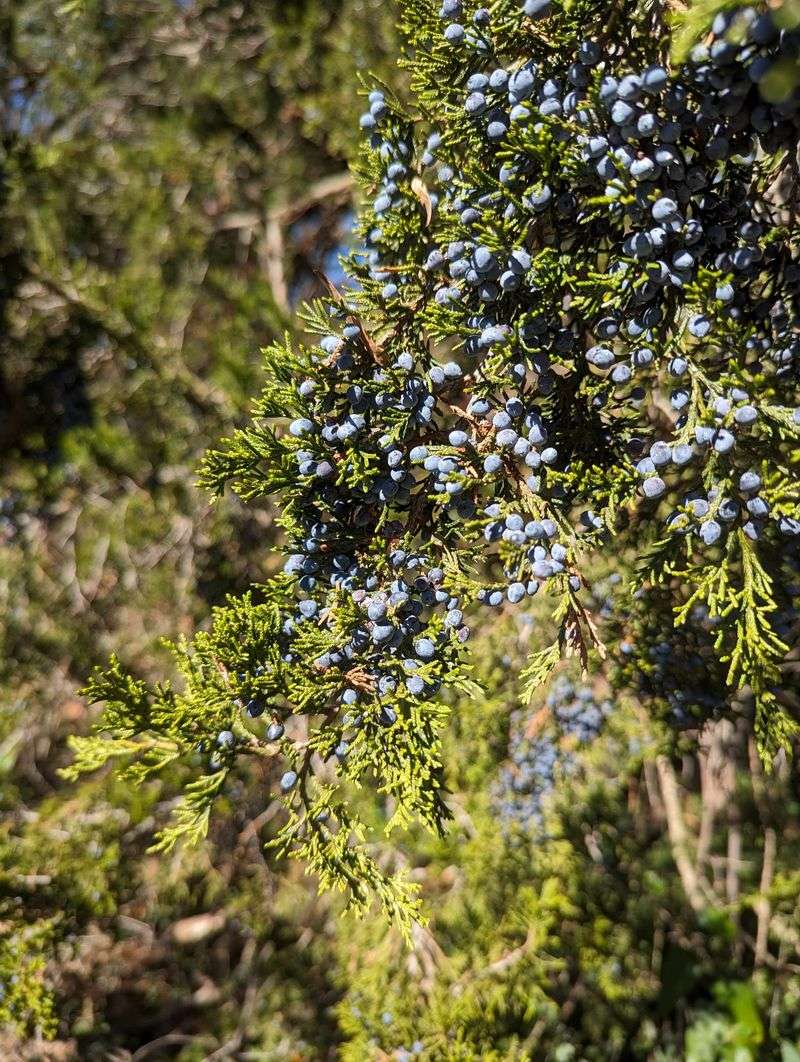
Ask anyone who owns a big maple tree how they spend their October weekends. The answer is usually the same. They are out in the yard with a rake, filling bag after bag with leaves.
Eastern red cedar skips that chore. Because it is evergreen, it does not dump a pile of leaves every autumn. Your lawn stays neat while the neighbors are hauling leaf bags to the curb.
To be fair, no plant is totally mess-free. Cedars do shed a small amount of old inner foliage now and then. It turns brown and falls quietly under the plant, where it acts like free mulch.
Honestly, that little bit of shedding is a good thing. It breaks down slowly and feeds the soil. You can simply leave it where it lands.
Pruning is another place where you save time. Cedar grows in a nice natural shape on its own. Most people never need to trim it at all.
If you do want to shape it, keep things light. Snip only the green, growing tips. Avoid cutting back into old, bare wood, because cedar does not easily sprout new growth from those spots.
Compare that with a fast hedge like privet. Those shrubs may need shearing two or three times each summer. That adds up to hours of work and piles of clippings.
With cedar, your weekends free up. You get a green screen that looks good year after year with almost no effort.
For busy families, retirees, or anyone who would rather relax than rake, that is a pretty sweet deal.
Tough Enough For Poor Soils And Harsh Conditions
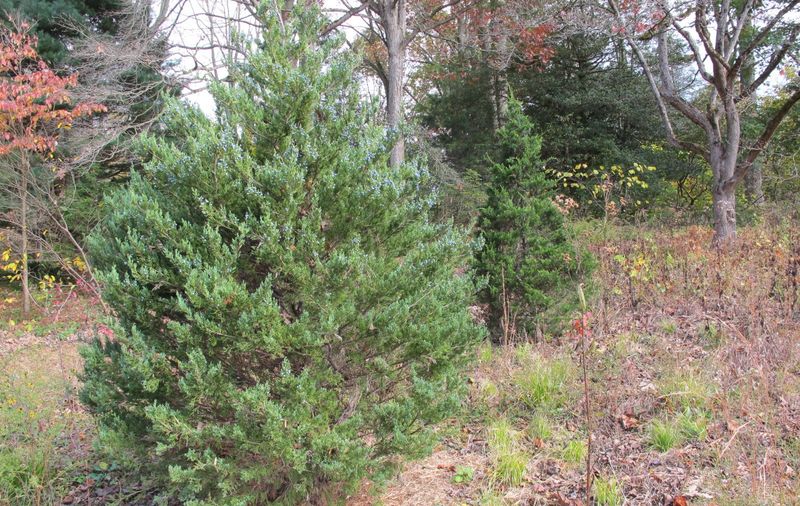
Some plants are fussy. Eastern red cedar is not one of them. It will happily grow in spots where roses and hydrangeas would give up.
Think about those rocky hillsides along Pennsylvania highways. Cedars often pop up there on their own, rooted in thin soil and broken stone.
That tells you a lot about how hardy they are. Here is what this plant can handle.
Dry, sandy, or rocky ground. Heavy clay that stays hard in summer. Soils that lean alkaline, like those over limestone in parts of the state.
Once it settles in, cedar is also very drought tolerant. Its deep roots reach down for water during long dry spells. You will not need to drag a hose out every week in July.
Young plants are a little different, though. Water them deeply once a week during their first growing season. After a year or two, you can mostly let rain do the job.
Cold is no problem either. Cedar shrugs off freezing winters, ice, and snow across the whole state. Many types handle temperatures well below zero.
There is one thing it truly needs, and that is sun. Give it at least six hours of direct light each day. In shade, it grows thin and sparse, which ruins its value as a windbreak.
So before you plant, watch your yard for a day. Note which areas get bright sun from morning into afternoon.
Put your cedars there, and they will reward you with thick, healthy growth for many years, even in soil you thought was hopeless.
Shelter And Food For Wildlife
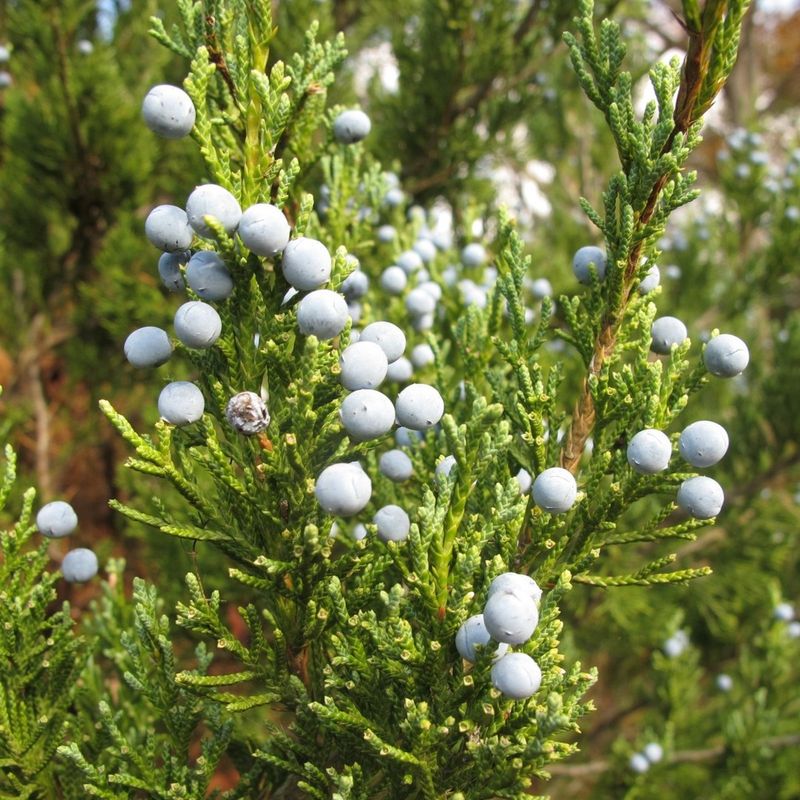
Did you know one bird is actually named after this plant? The cedar waxwing got its name from its love of cedar berries. Watch a flock land on a loaded cedar in winter, and you will see why.
Female eastern red cedars grow small, round, bluish fruits. They look like berries, but they are really tiny cones. A pale, frosty coating makes them look almost dusty.
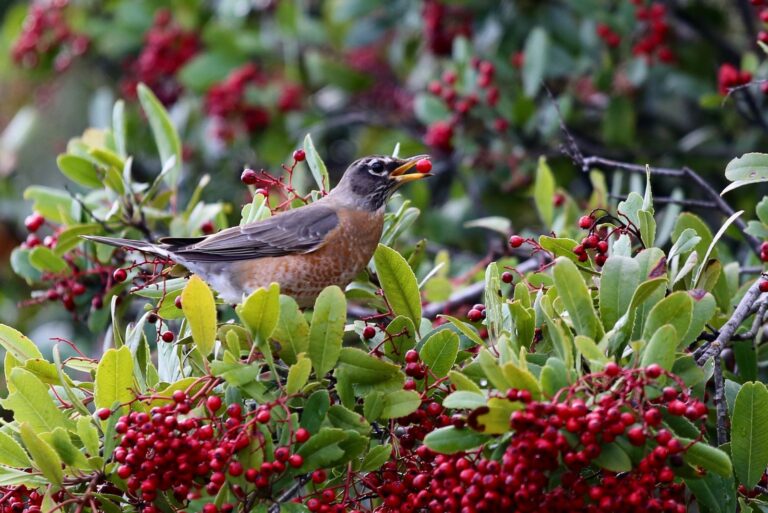
Songbirds go crazy for them. Cedar waxwings, robins, bluebirds, and mockingbirds all eat the fruit. It is an important food in late winter, when other snacks are hard to find.
Good news for tidy gardeners, too. These fruits are small, and birds usually grab them fast. You will not find piles of squashed berries staining your patio or sidewalk.
Food is only half the story. The thick, prickly branches also make a safe hiding place. On a freezing night, small birds tuck deep inside to stay out of the wind.
In spring, many birds build nests in cedars. Chipping sparrows and song sparrows are common guests. The dense foliage helps keep eggs and chicks hidden from hawks and cats.
Want more birds in your yard? Try planting a small group of cedars instead of just one. Remember that only female plants make fruit, so a mix of plants gives you a better chance of berries.
Add a birdbath or feeder nearby, and your windbreak turns into a busy wildlife hangout. It is a fun way to bring color and song to the quiet winter months while your cedars keep blocking the wind.
Choosing The Right Size And Spot
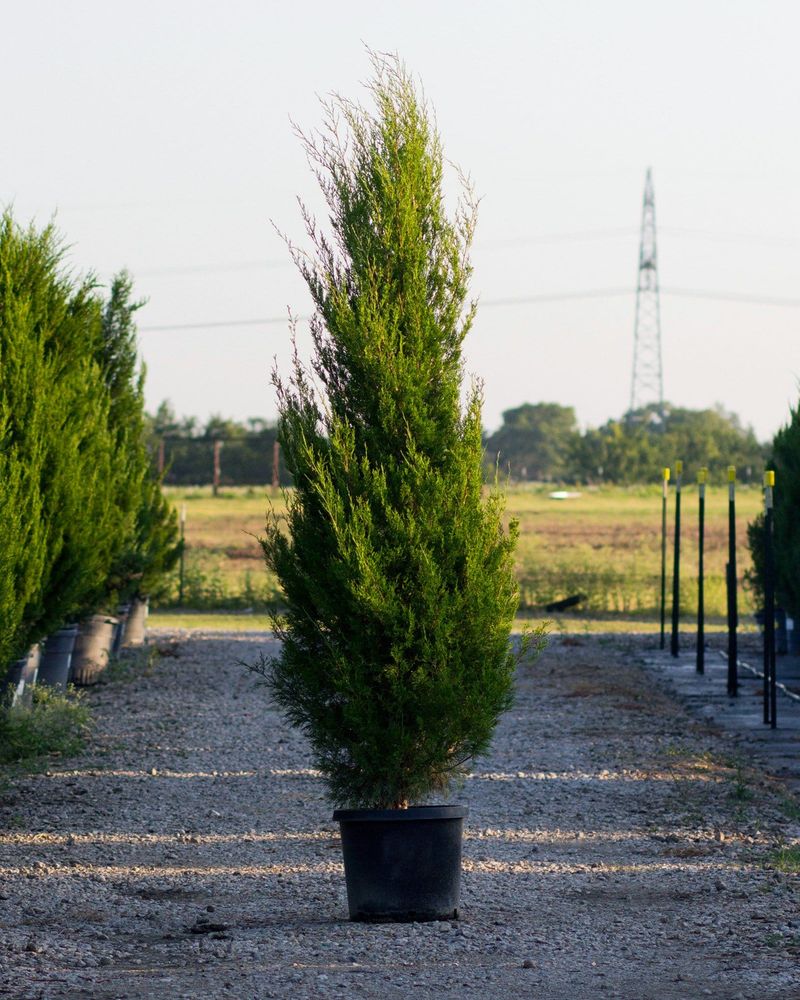
Size surprises a lot of people. That cute little cedar at the nursery can grow into a tree 30 feet tall or more in the wild. Planning ahead saves you headaches later.
If you want a shrub-height windbreak, look for compact or narrow cultivars. These are special selected types that stay smaller or slimmer.
Popular choices include Taylor, a tall but very skinny column, and Grey Owl, a low, spreading form.
Always read the plant tag before you buy. Check the mature height and width. Then measure your space to make sure it truly fits.
Give your plants room to fill in over time. Crowding them too close may look full at first, but it leads to weak, patchy growth later. Patience pays off here.
Now for the big warning. Keep eastern red cedar away from apple and crabapple trees. The two can share a fungal disease called cedar-apple rust.
This disease needs both plants to complete its life cycle. On cedars, it forms odd, orange, jelly-like growths in wet spring weather. On apples, it spots the leaves and can hurt the fruit crop.
A safe rule is to keep cedars at least a few hundred feet from apple trees if you can. If you already grow apples, choose rust-resistant apple types. That simple step helps protect both.
Finally, plant in spring or early fall, when the weather is mild. Dig a wide hole, water well, and add a ring of mulch. With smart choices up front, your cedar windbreak can stay healthy and useful for decades.