The Pennsylvania Trees To Fertilize In September And The Ones To Skip
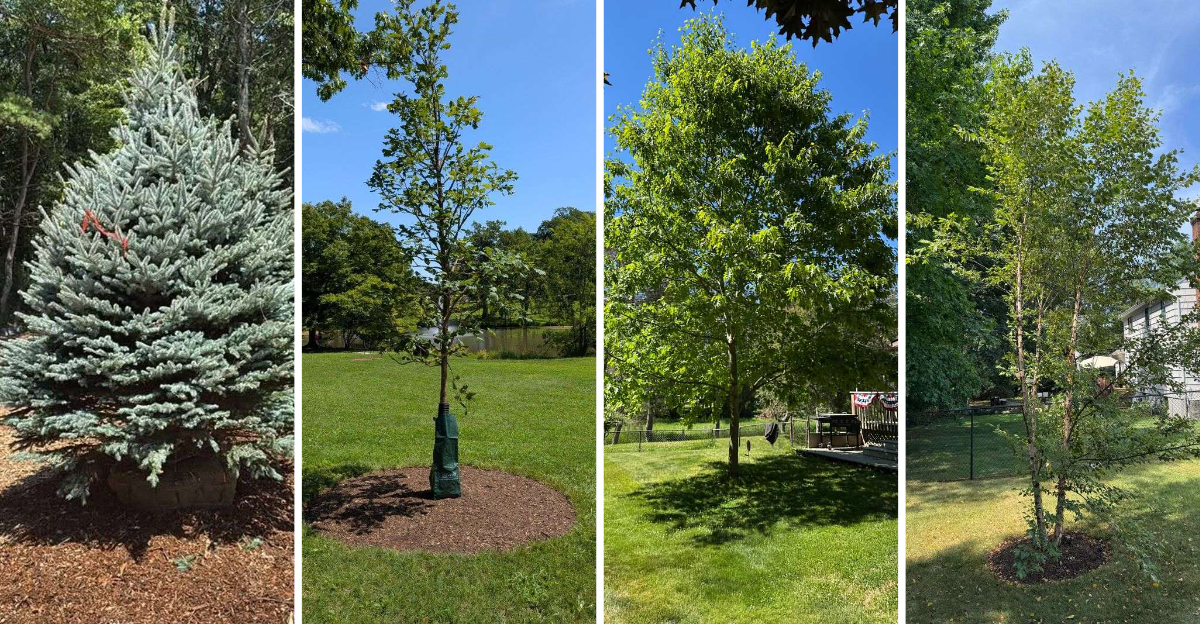
September puts your trees to a test you probably haven’t thought about yet. Roots you can’t see are already deciding how well your trees survive winter.
Timing shapes if that decision favors your trees or works against them. Pennsylvania weather turns unforgiving fast, and your margin for error shrinks every week you wait.
Fertilizer you apply now can build strength that carries your trees through the coldest months. Applied at the wrong moment, that same fertilizer pushes your trees into growth frost will destroy.
Certain species across Pennsylvania answer to this month in ways that surprise even seasoned gardeners, and choosing wrong costs you years of growth you can’t get back.
Eastern White Pine Handles September Feeding Well
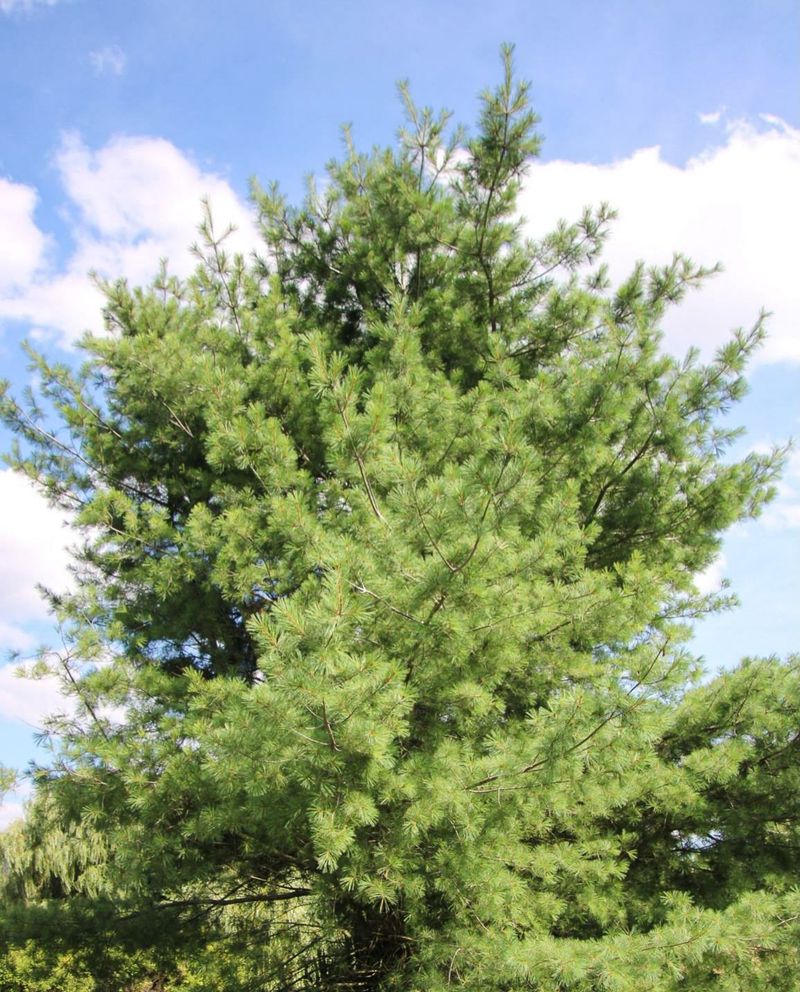
Soft needles, sky-high trunk, and the official state tree badge. Eastern White Pine handles a September feeding better than almost anything in your yard.
Roots on this conifer stay busy well into November. Nutrients absorbed now get stored and used the moment spring warmth arrives.
Look at the needles first. Pale yellow-green color or short new growth usually signals hungry soil, especially in sandy or heavily raked spots.
Use a slow-release granular fertilizer with a balanced ratio. Spread it over the whole root zone, which reaches far past the branch tips.
Skip the trunk. Roots near the bark absorb very little, and piling product there invites rot and pests.
Water the area well after application. Dry granules just sit and wait, doing zero good for a thirsty pine.
Pennsylvania soils east of the Alleghenies often run acidic, which suits this species fine. Avoid lime unless a soil test tells you otherwise.
One caution: young pines planted within the last year need only a light hand. Half the label rate protects tender roots from burn.
Fun bit of history here. Colonial shipbuilders prized these straight trunks for ship masts, and the king claimed the biggest ones.
Watch for needle drop on inner branches during fall. That’s natural shedding, not a nutrient problem, so don’t overcorrect.
Mulch two to three inches deep after feeding. Keep it pulled back from the trunk flare.
Come April, you’ll notice longer candles and richer color. That’s September doing quiet work while you weren’t looking.
Colorado Blue Spruce Needs Early Fall Nutrition
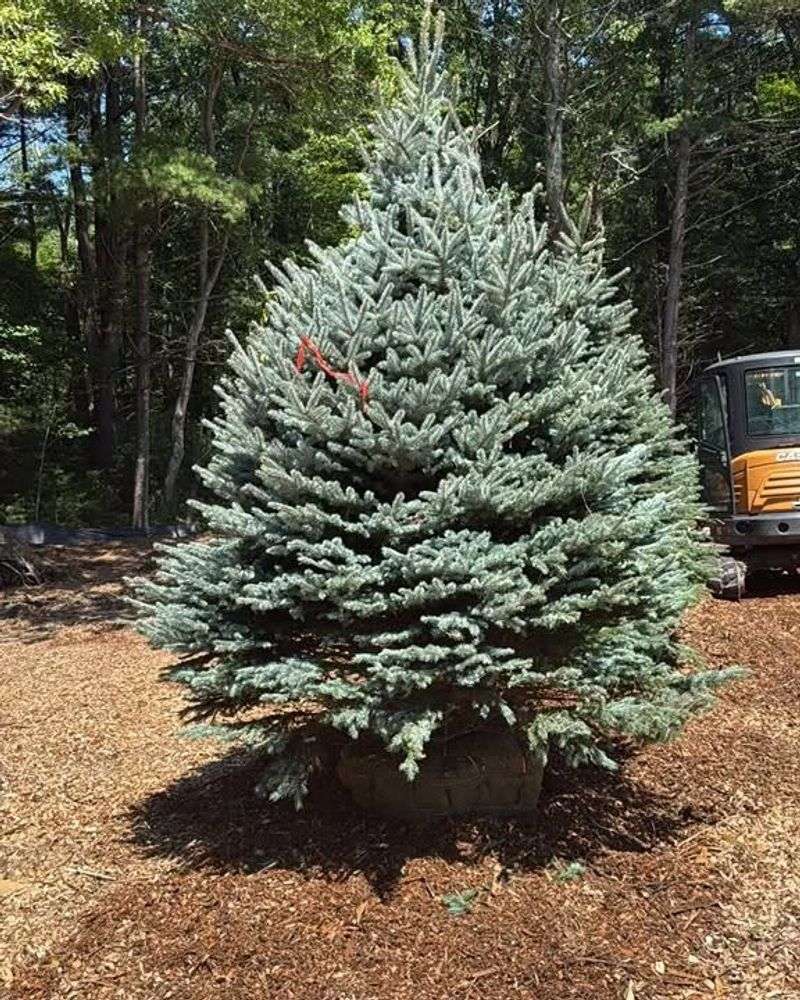
That silvery blue glow doesn’t happen by accident. Colorado Blue Spruce trees in Pennsylvania yards fade fast when soil runs thin.
Autumn feeding helps this spruce build reserves before winter wind arrives. Needles keep photosynthesizing on mild December days, so stored fuel matters.
Blue Spruce came from Rocky Mountain slopes with dry, lean ground. Our humid summers stress the tree, and stress opens the door to disease.
Rhizosphaera needle cast plagues these spruces across the state. A well-fed tree resists disease better than one running low on nutrients.
Choose a fertilizer with slightly higher potassium for winter toughness. Potassium supports cell strength and water regulation in cold months.
Broadcast granules from a few feet outside the trunk to just beyond the outer branches. Rake lightly so product reaches soil, not needle litter.
Your Pennsylvania Garden Changes Every Week. Your Plan Should Too.
Gardening in Pennsylvania changes quickly throughout the season. Every Friday you’ll receive a simple weekly plan showing exactly what to plant, prune, fertilize, harvest, and protect so you never miss the right timing.
Timing sweet spot falls between mid-September and mid-October. Soil should still feel warm a few inches down.
Avoid high-nitrogen lawn fertilizer near the base. Lawn blends push quick top growth and can scorch shallow spruce roots.
Air circulation deserves attention too. Prune out crowded lower limbs so moisture dries and fungus loses its grip.
Homeowners often plant these too close to driveways. Road salt spray plus poor nutrition equals brown, patchy branches by March.
A soil test costs little through your county extension office. Results beat guessing every single time.
Feed it this month and next summer’s color pops. Neighbors will assume you hired someone.
American Holly Appreciates September Nutrition
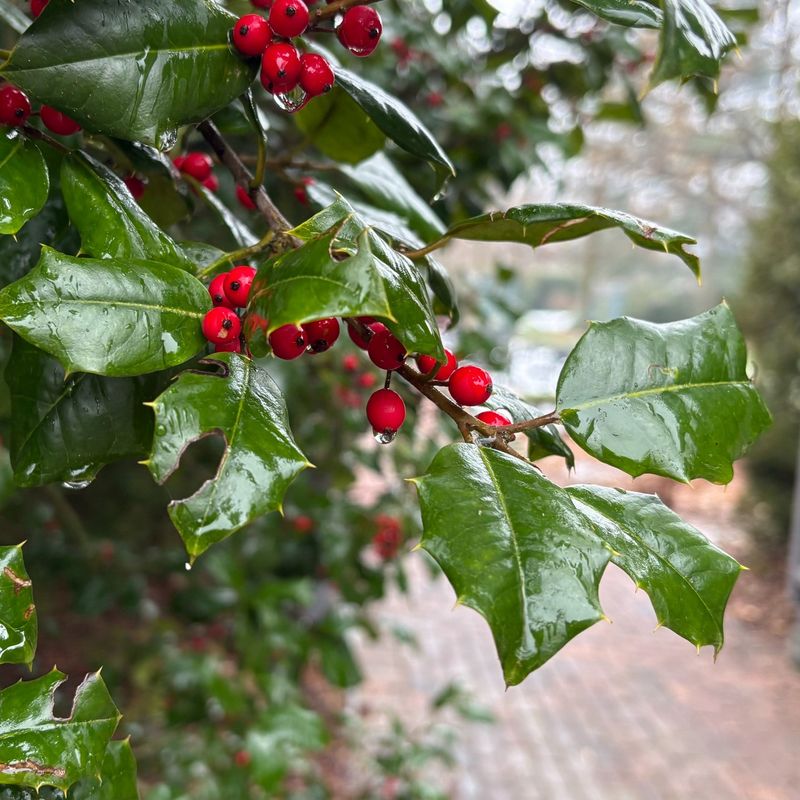
Glossy leaves, spiky edges, berries on the way. American Holly quietly builds its winter show during early fall.
Berry production drains a holly’s energy reserves. September nutrition helps replace what fruiting took away.
This broadleaf evergreen keeps leaves year-round, so it never fully shuts down. Roots absorb minerals while the ground stays above roughly 45 degrees.
Acid-loving is the key phrase here. Pick a fertilizer labeled for hollies, azaleas, or rhododendrons.
Yellow leaves with green veins point to iron trouble from alkaline soil. Sulfur or an acidifying blend usually corrects the balance.
Apply around the drip line and water it in thoroughly. Even moisture prevents leaf edges from browning through winter.
Hollies growing near concrete foundations struggle most. Lime leaches out of concrete and raises pH year after year.
Mulch with pine needles or shredded bark for a natural acid boost. Two inches does the job without smothering roots.
Remember that only female hollies carry berries. A male plant within a hundred feet or so handles pollination duty.
Wind protection helps too. Eastern exposure with afternoon shade keeps leaves from drying and curling in January.
Colonial families cut branches for winter doorways long before anyone sold wreaths. Same tree, same tradition, still going strong.
Go easy on nitrogen amounts. Heavy doses grow leaves at the expense of fruit.
Feed now and December branches will be loaded. Your holiday table decorations grow themselves.
Young Red Maple Saplings Need A Careful Hand
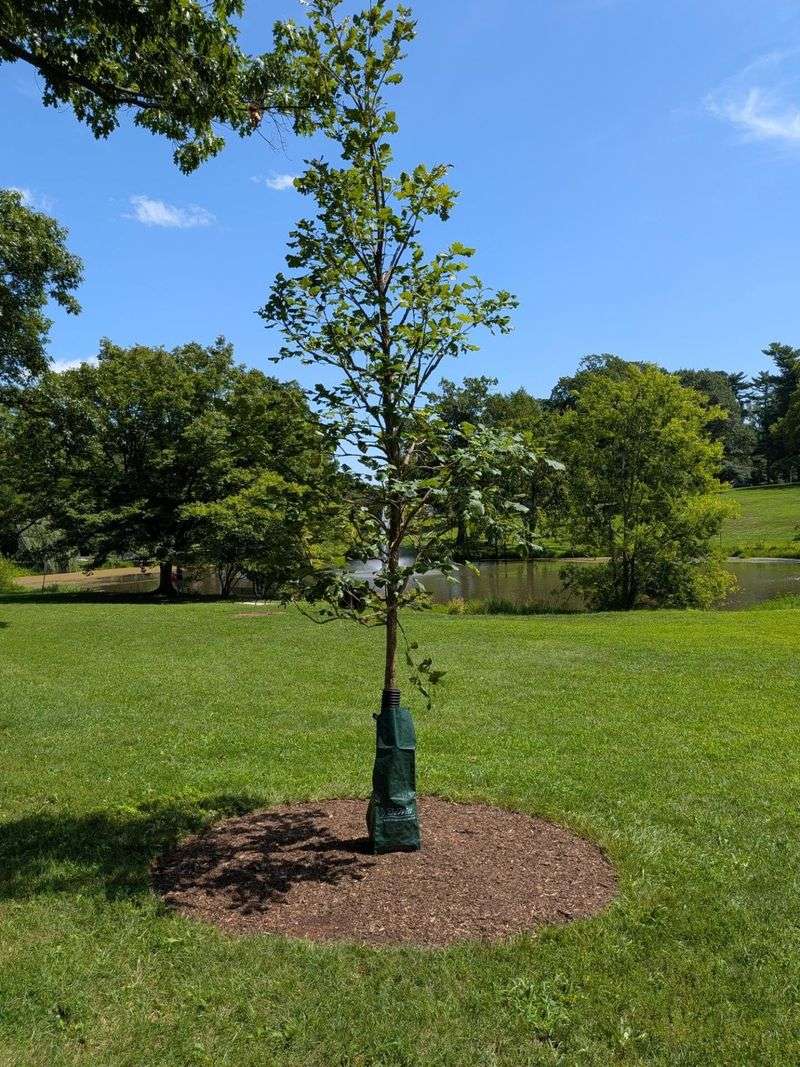
Freshly planted and barely taller than a mailbox. Newly set deciduous saplings like young Red Maple sit in a special category.
Standard advice says wait a full year before feeding a new tree. Roots need time to spread before chasing nutrients.
September changes that math slightly. A light dose of phosphorus-focused starter fertilizer supports root development without pushing leafy growth.
Nitrogen is the risk. Too much triggers soft shoots that frost turns black in October.
Read your product label carefully. Look for a low first number and a higher middle number.
Water matters more than any bag of fertilizer for a sapling. Ten to fifteen gallons weekly beats guesswork through dry fall stretches.
Check the mulch ring shape. A donut shape, not a volcano, keeps bark dry.
Pennsylvania clay soil compacts easily around new planting holes. Loosening the surrounding ground helps roots escape the original pit.
Remove nursery stakes and straps after the first full season. Forgotten straps girdle trunks and ruin young trees.
Deer treat Red Maple bark like a chew toy in autumn. A cheap wire cage saves heartbreak.
Watch the leaf color transition. Brilliant scarlet in October means the sapling is settling in nicely.
Patience pays here more than product. Give it two calm seasons and growth accelerates on its own.
Small tree today, shade over your porch in a decade. Feed it lightly and let time work.
Sugar Maple Skips September Fertilizer
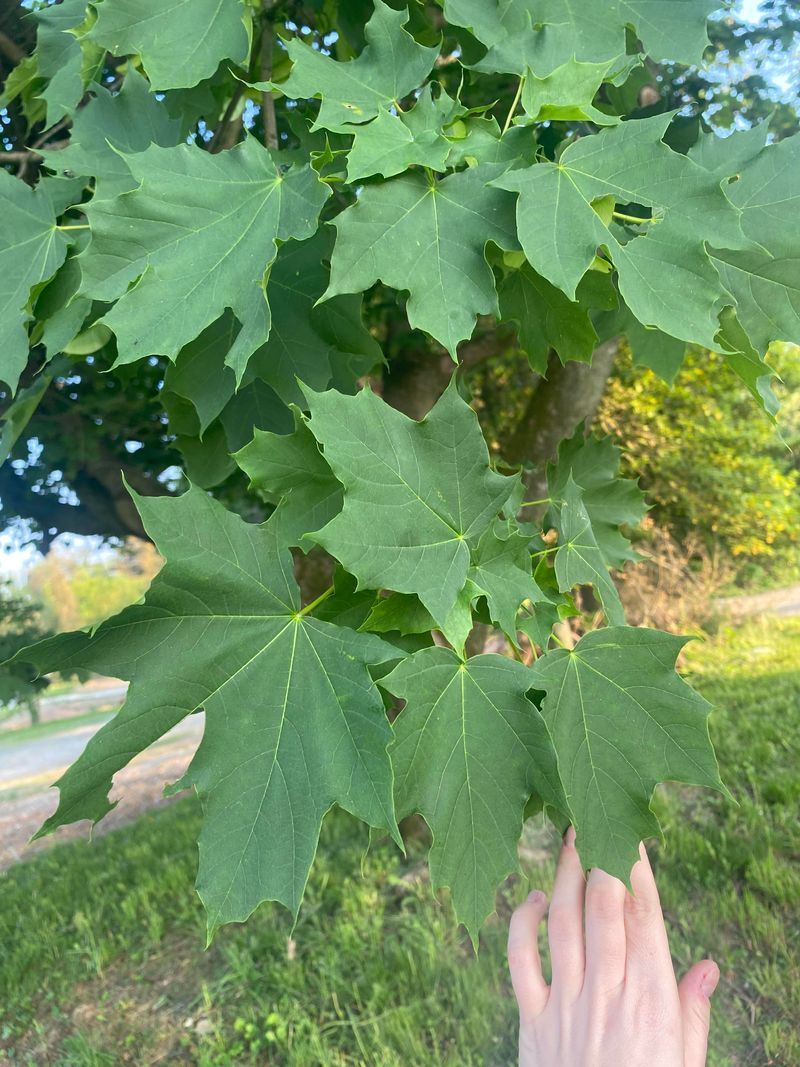
Orange fire in October, syrup in March. Sugar Maple earns admiration, and admiration means resisting the urge to fertilize in September.
Mature specimens pull nutrients from an enormous root network. Most established maples in Pennsylvania yards need nothing extra during fall.
Adding nitrogen now interrupts a careful process. The tree is busy moving sugars from leaves down into roots and trunk.
Push new growth into that cycle and you get weak twigs. Winter snaps them off, and wounds invite insects.
Surface roots complicate things further. Sugar Maple feeder roots run shallow, so granular products can scorch them easily.
Wait until late spring if the tree truly looks hungry. Thin canopy, small leaves, and early color change are actual warning signs.
Compaction usually causes those symptoms, not missing minerals. Foot traffic and mower wheels squeeze air out of soil.
Try a wide mulch ring instead of a feeding. Organic matter breaks down slowly and improves structure over years.
Rake leaves off the lawn but consider shredding some back under the canopy. Free nutrients, no bag required.
Sugar Maple also hates road salt more than most shade trees. Winter runoff along driveways causes far more damage than nutrient shortage.
Tapping trivia: it takes roughly 40 gallons of sap for one gallon of syrup. Patience runs in this family.
Skipping September feeding here is not laziness. It’s respect for a tree that already knows what it’s doing.
Pin Oak Does Better Left Alone This Month
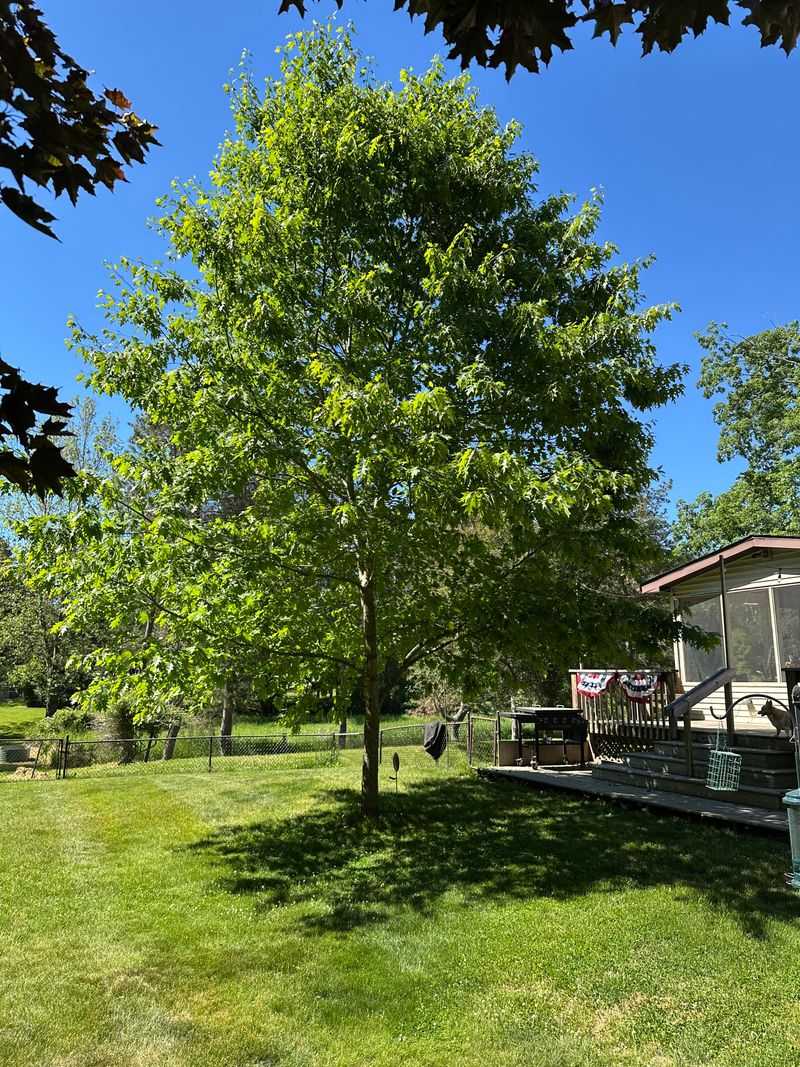
Straight trunk, pointy leaves, stubborn attitude. Pin Oak is one tree that rarely benefits from a September nutrient dose.
Oaks in general grow slowly and steadily. Rushing them with autumn nitrogen throws off natural hardening.
A second flush of growth called lammas shoots can appear late in the season. Those tender shoots freeze and wither, wasting energy.
Pin Oak has a different common problem entirely. Yellowing leaves with dark green veins signal iron chlorosis from high soil pH.
Fertilizer won’t fix that. Lowering pH with elemental sulfur addresses the real cause.
Test your soil before spending money on anything. Many Pennsylvania neighborhoods sit on fill dirt loaded with construction lime.
Spring is the better window for oak feeding. Roots and buds both wake up ready to use what you provide.
Meanwhile, focus autumn effort elsewhere. Deep watering during dry Septembers helps far more than granules.
Leave the acorns for wildlife if you can stand the mess. Squirrels, turkeys, and deer count on that crop.
Avoid pruning oaks in warm months too. Oak wilt spreads through fresh cuts when beetles are active.
Late winter is the safe time for saw work. Cold weather stops the beetles that spread the disease.
Historical side note: the name comes from short, pin-like branch stubs left behind when lower limbs die back in shaded conditions.
Hands off in September, and your oak keeps doing what oaks do best. Growing for a hundred years without your help.
Flowering Dogwood Prefers You Wait
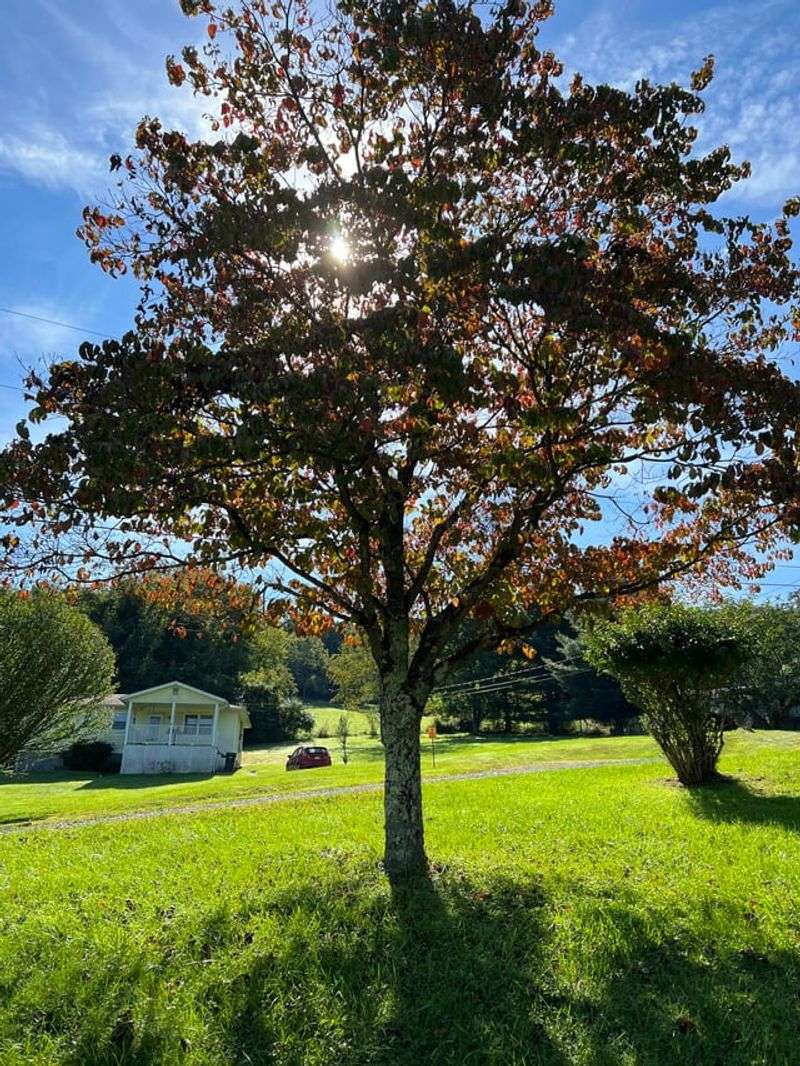
Spring’s showstopper turns burgundy in fall. Flowering Dogwood asks for zero fertilizer during September, and there’s good reason behind that.
Dogwoods grow as understory trees in Pennsylvania woodlands. Shallow roots evolved under a blanket of decaying leaves, not under fertilizer bags.
Autumn nitrogen delays dormancy in this species. Delayed dormancy means cold injury, and cold injury means fewer white blooms next May.
Bark on a dogwood stays thin and vulnerable. Frost cracks open pathways for borers, which already threaten weakened dogwoods.
Anthracnose disease also hits stressed dogwoods hard. Balanced growth beats forced growth every time.
Instead of feeding, build soil. A two-inch layer of shredded leaf compost mimics the forest floor beautifully.
Moisture management matters plenty. Dry Septembers stress dogwood roots, so a slow soak every week or two helps.
Afternoon shade protects leaf edges from scorching. Trees planted in blazing open lawns struggle year after year.
If leaves looked pale all summer, note it and act in April. Spring applications give the tree a full season to use nutrients.
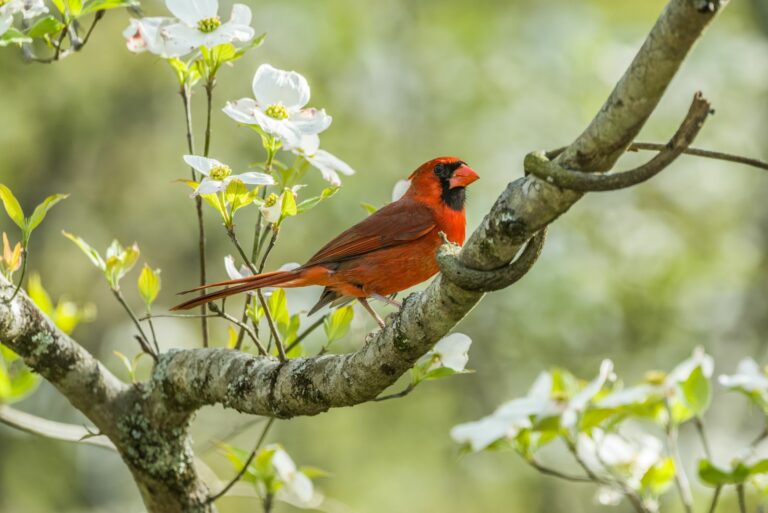
Berries turn bright red in September and vanish quickly. Robins and cardinals treat them like candy.
Native peoples used dogwood wood for tool handles because of its density. Weavers once made shuttles from it.
Resisting the September feeding urge is your best gift to this tree. Come spring, those white blossoms will thank you loudly.
River Birch Prefers Water Over Fertilizer
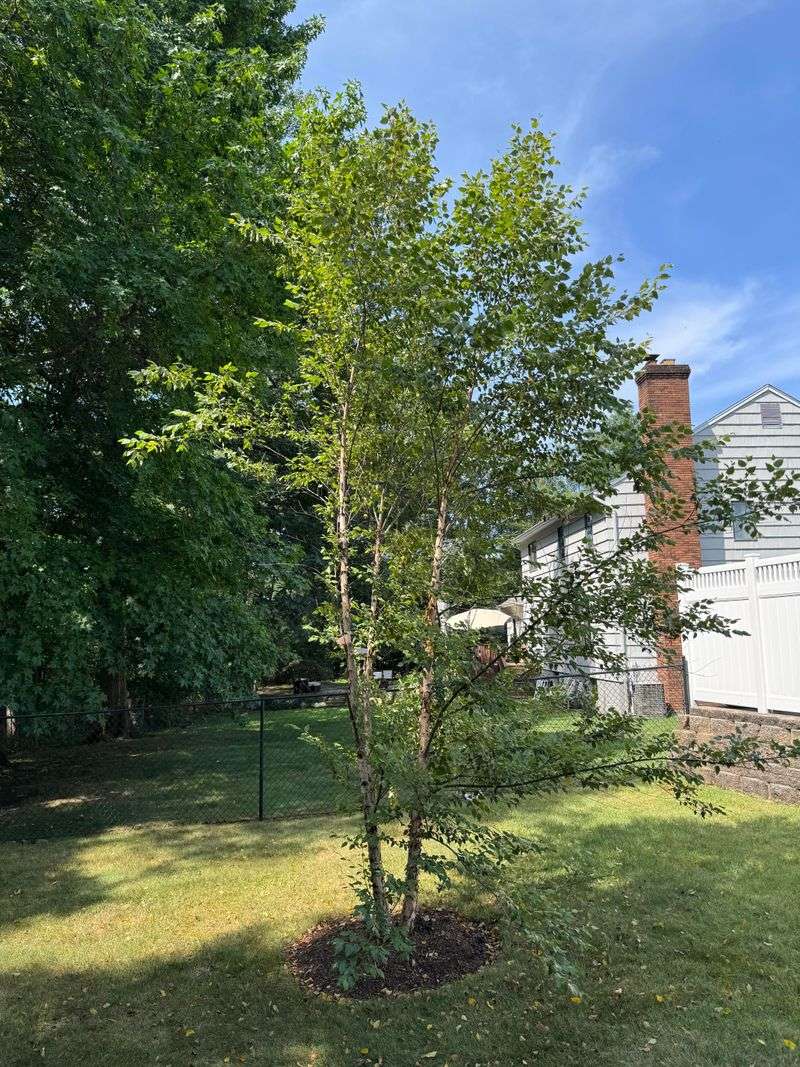
Peeling cinnamon bark, papery curls, multiple trunks. River Birch looks tough, but September fertilizer works against it.
Growth speed is already the issue with this species. Birches shoot up fast and produce weak wood that storms snap.
Extra nitrogen in fall makes that problem worse. Soft late shoots simply won’t survive a Pennsylvania cold snap.
Water is the real currency for River Birch. Native habitats sit along stream banks and floodplains with constant moisture.
Yellow leaves dropping in late summer usually mean drought, not hunger. Homeowners misread the signal and reach for fertilizer.
Give it a long, slow soak once a week during dry spells. A hose on a trickle for an hour beats sprinkler mist.
Mulch generously out to the drip line. Cool, damp soil keeps those shallow roots comfortable.
Bronze birch borer attacks stressed trees, and River Birch resists better than white birch. Keeping it hydrated maintains that advantage.
Hold pruning until midsummer. Cut in spring and sap runs freely from every wound.
Save any feeding for early spring after buds swell. A slow-release product then supports the whole growing season.
Landscapers love this tree for wet backyard corners where nothing else thrives. Right plant, right place, minimal fuss.
Knowing which Pennsylvania trees to fertilize in September, and which ones to skip, saves money and prevents damage. Your yard rewards restraint just as much as effort.