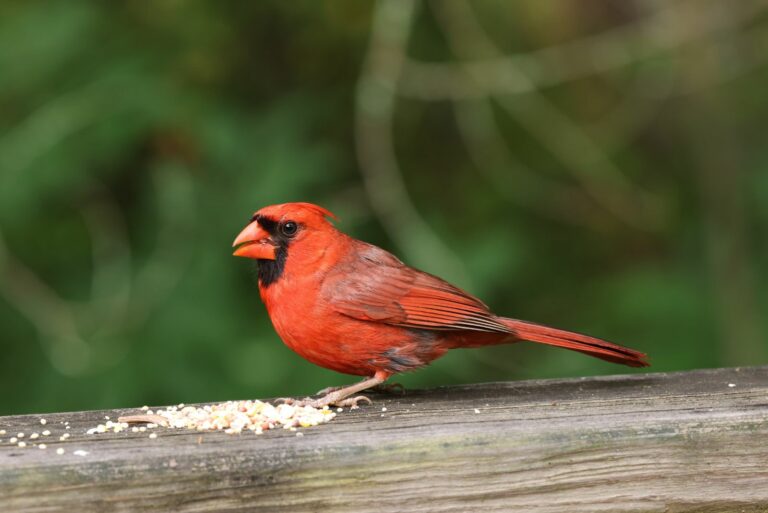
The Pennsylvania Plants Cardinals Need More Than Another Bird Feeder This Fall
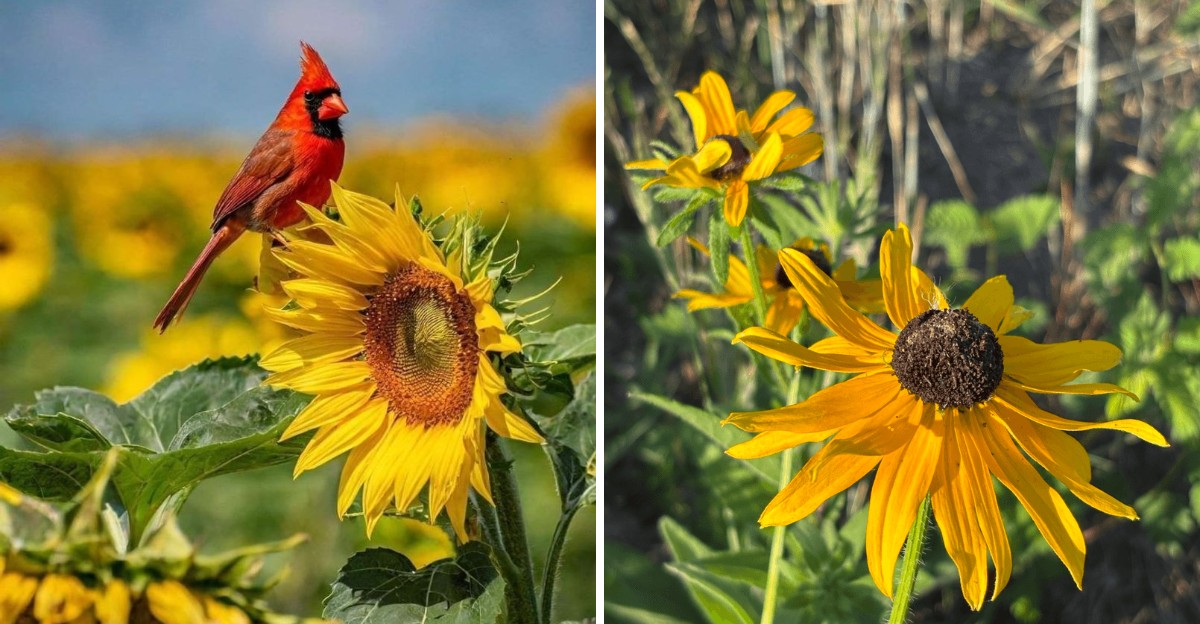
Most Pennsylvania homeowners who want more cardinals head straight for the bird feeder section. And feeders help.
Cardinals use them reliably and are easy to attract with the right seed. But if your goal is cardinals that stay, cardinals that nest, cardinals that become a consistent presence through fall and into winter, a feeder alone is only part of the answer.
What cardinals need more than another feeder is the right habitat. And habitat starts with plants.
The native Pennsylvania plants that cardinals depend on for shelter, nesting material, and natural food sources are doing something a feeder simply cannot replicate.
They make your yard a place cardinals want to live rather than just visit, and the difference between those two things shows up clearly once the right plants are in the ground.
1. Eastern Red Cedar
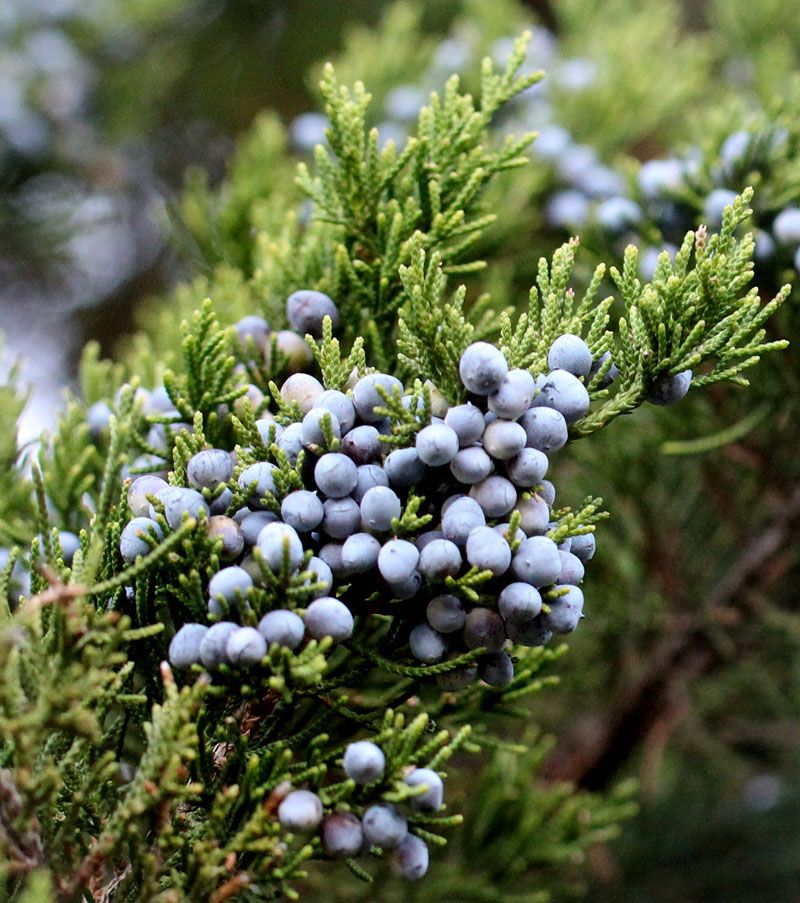
Picture a cardinal tucked deep inside a thick evergreen while cold winds blow outside. That is exactly what the Eastern Red Cedar offers all season long.
This hardy tree grows well across Pennsylvania and stays green even when other plants lose their leaves. Its dense branches give cardinals a safe place to hide from hawks and harsh weather.
During fall and winter, that shelter becomes priceless.
The tree also produces small blue berries that many birds enjoy, including cardinals. These berries stick around long after other food sources run out.
That makes the cedar a reliable snack when things get scarce.
Eastern Red Cedar is tough and does not ask for much care. It handles poor soil, dry spells, and cold winters without complaint.
Once it takes root, it pretty much looks after itself.
You can plant a row of them to create a natural windbreak. Cardinals love using these thick screens for nesting in spring too.
The privacy keeps their young ones protected.
Give this tree plenty of sun and room to spread. It can grow quite tall over the years, so pick a spot with space.
A back corner of the yard works perfectly.
Fun fact: the wood from this tree is often used to line closets because of its pleasant smell. Moths tend to stay away from it.
Adding an Eastern Red Cedar means giving cardinals shelter and food in one plant. It is a gift that keeps helping birds year after year.
Few trees do so much with so little fuss.
2. Wild Serviceberry
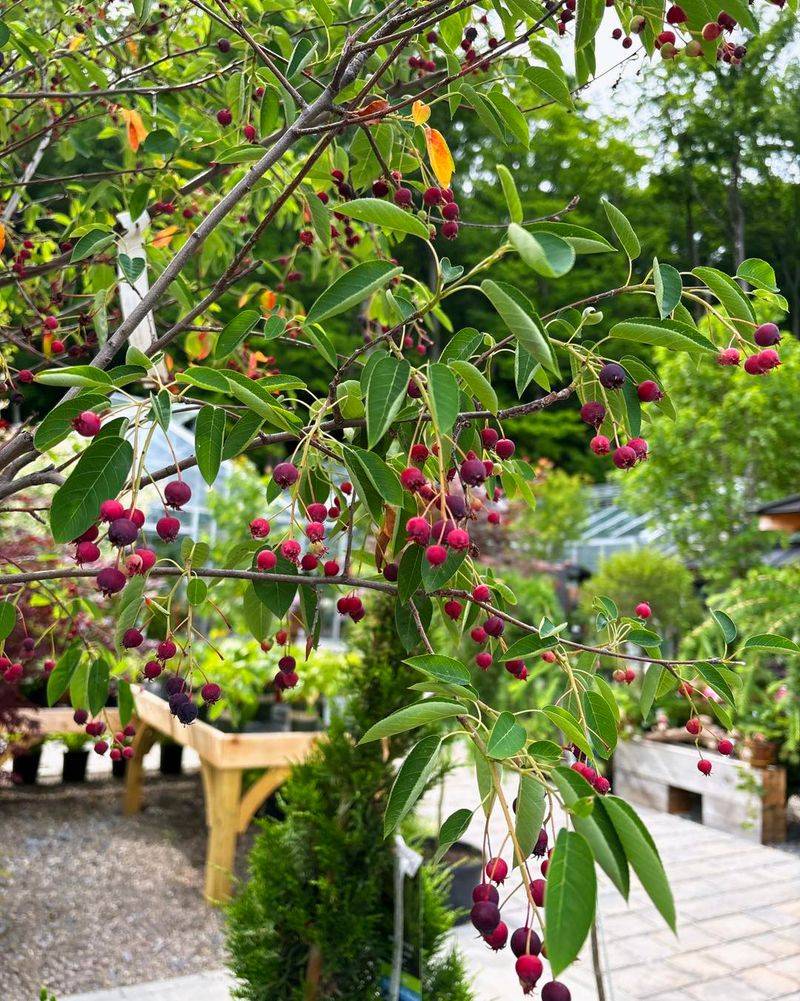
Some plants earn their keep by feeding birds early, and serviceberry is a champion at that. Cardinals flock to its sweet fruit as soon as it ripens.
This lovely shrub or small tree grows naturally throughout Pennsylvania. In spring it bursts with white flowers that look like little clouds.
By early summer those blooms turn into tasty berries.
The berries start red and then deepen to purple as they ripen. Cardinals gobble them up quickly, so you will want to enjoy the show while it lasts.
Other birds join the feast too.
Serviceberry also puts on a colorful display in fall. Its leaves shift to shades of orange and red, brightening up the yard.
Your Pennsylvania Garden Changes Every Week. Your Plan Should Too.
Gardening in Pennsylvania changes quickly throughout the season. Every Friday you’ll receive a simple weekly plan showing exactly what to plant, prune, fertilize, harvest, and protect so you never miss the right timing.
That makes it as pretty as it is useful.
Caring for this plant is simple. It likes sun or partial shade and average soil that drains well.
Once settled, it needs little watering.
Because it stays fairly small, serviceberry fits nicely in smaller yards. You can plant it near a window to watch cardinals up close.
The view is worth it.
Here is a neat bit of history: early settlers named it serviceberry because its spring blooms signaled that the ground had thawed enough for burials, which they called services.
Beyond feeding birds, the fruit is edible for people too and tastes a bit like blueberries. You might have to race the cardinals to get any, though.
Planting serviceberry gives cardinals a delicious meal and gives you a plant that shines in every season. It is a win for everyone in the yard.
3. Purple Coneflower
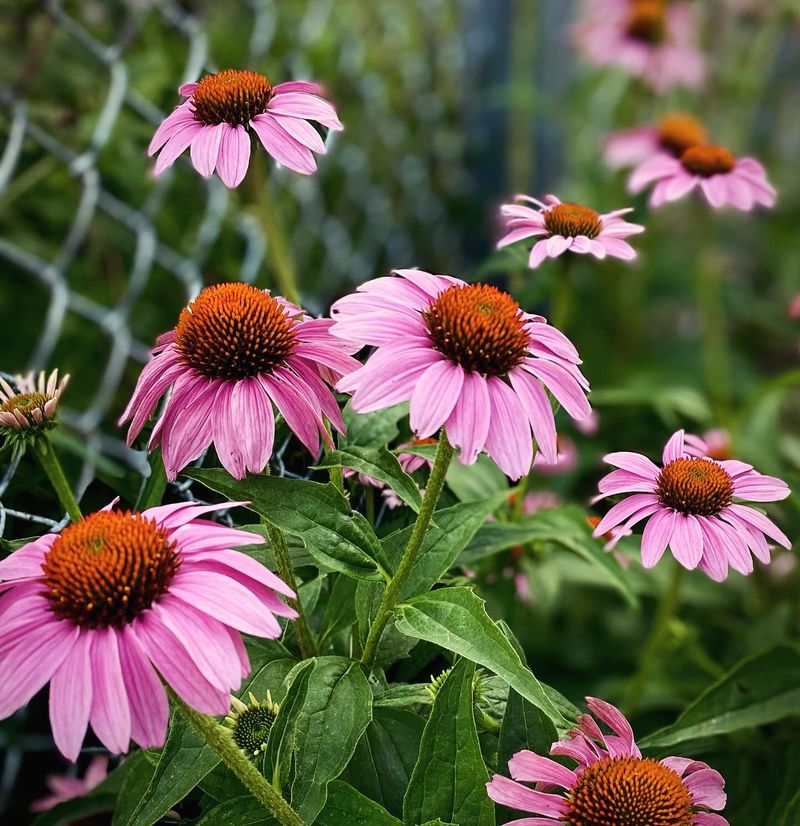
Ever notice how a garden full of dried flower heads suddenly becomes a bird buffet in fall? Purple coneflower is a big reason why.
This cheerful wildflower blooms all summer with pink and purple petals surrounding a spiky center. Bees and butterflies love it while it flowers.
Then the real gift comes later.
When the petals fade, those spiky centers fill with seeds. Cardinals perch right on the stems and pick out the seeds one by one.
It saves them a trip to the feeder.
Leaving the dried seed heads standing through fall and winter is the key. Many gardeners cut plants back too soon and miss this benefit.
Patience pays off with more birds.
Purple coneflower is easy to grow in Pennsylvania. It loves full sun and handles dry spells like a pro.
Poor soil does not bother it much.
The plant comes back year after year on its own. It also spreads gently, so you may find new plants popping up nearby.
That means more free food for cardinals.
Grouping several together makes a bright patch that birds can spot from far away. Cardinals feel safer feeding in a cluster too.
Numbers bring comfort.
People have used coneflower, also called echinacea, in teas and remedies for a long time. Its roots have a history in traditional plant medicine.
Adding purple coneflower means color for you in summer and seeds for cardinals in fall. It works overtime with almost no effort from you.
Skip the fall cleanup and let these flowers stand. Your red feathered friends will thank you all winter long.
4. American Beautyberry
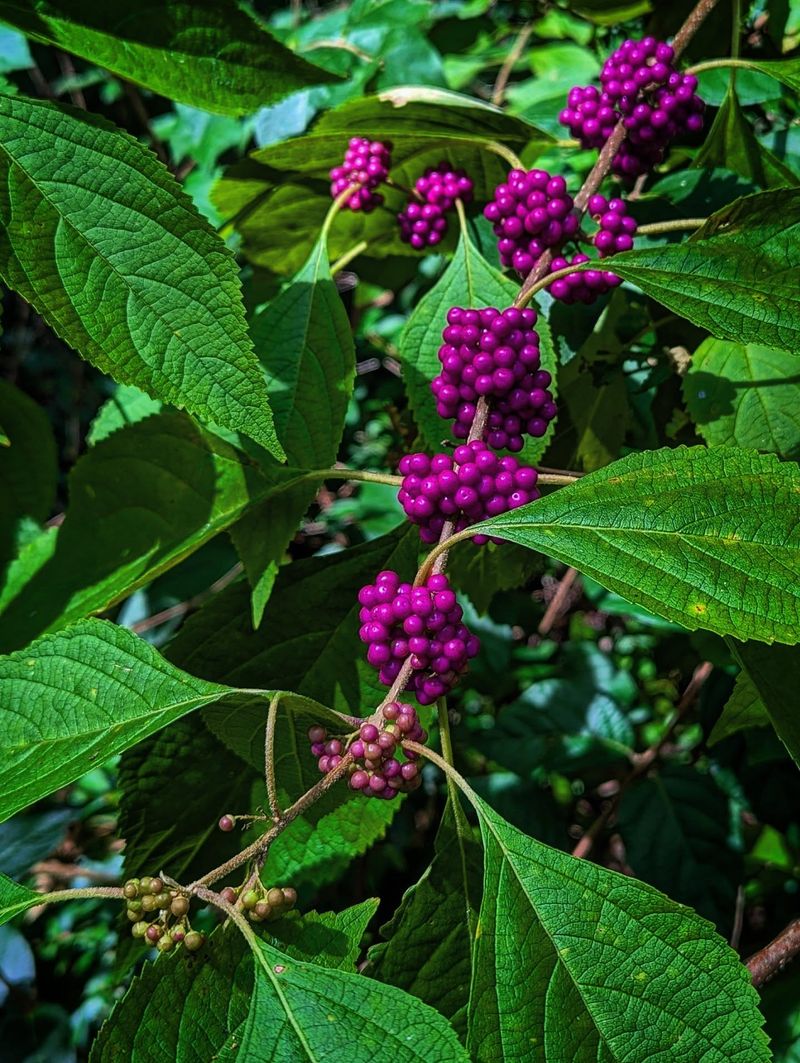
Few plants grab attention like the American beautyberry, with its clusters of shockingly bright purple berries. Cardinals find it just as eye-catching as we do.
The berries grow in tight bunches all along the branches. They show up in late summer and hang on well into fall.
That timing lines up perfectly with when birds need extra food.
Cardinals visit these shrubs to snack on the fruit when other options fade. The bright color makes the berries easy to spot from a distance.
Birds waste no time finding them.
This shrub grows nicely in Pennsylvania with a little care. It prefers spots with some shade and soil that stays a bit moist.
Too much dry heat can stress it.
Beautyberry stays a manageable size, usually around four to six feet tall. That makes it easy to fit along a fence or garden edge.
It fills space with style.
Pruning it back in early spring keeps it neat and encourages more berries. Fresh growth tends to produce the heaviest fruit.
A quick trim goes a long way.
The plant does more than feed birds. Some people crush its leaves to make a natural bug repellent for their skin.
It has a long folk history for keeping mosquitoes away.
Planting beautyberry adds a burst of unusual color that visitors always ask about. Meanwhile cardinals treat it like a well-stocked pantry.
If you want a shrub that turns heads and feeds birds, this one delivers both. The purple berries alone make it worth the space in any Pennsylvania yard.
5. Black-Eyed Susan
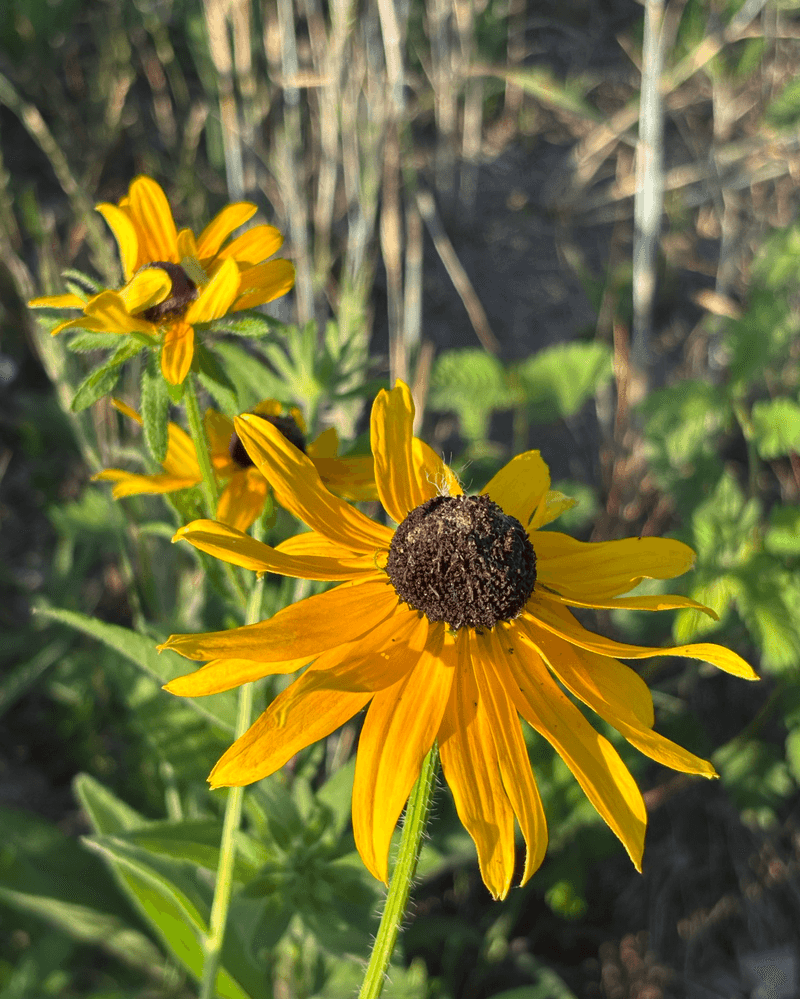
Golden petals dancing in a fall breeze often hide a secret snack bar for cardinals. Black-eyed Susan is one of the friendliest plants you can grow for them.
These bright yellow flowers with dark centers bloom for weeks in summer. They light up gardens and roadsides all across Pennsylvania.
Their cheerful look makes any yard feel sunny.
Once the blooms fade, the dark centers turn into seed-packed heads. Cardinals land on the sturdy stems and dig out the seeds.
It becomes a natural feeding station.
Leaving the spent flowers up through the cold months is the trick. Those seed heads keep offering food when snow covers the ground.
Birds count on them.
Black-eyed Susan is one of the easiest flowers to grow. It thrives in full sun and shrugs off dry conditions.
Bad soil does not slow it down.
The plant reseeds itself and returns each year with little help. Over time you get a bigger patch and more seeds for birds.
That is a great deal for lazy gardeners.
Pairing it with coneflower creates a whole meadow of bird food. Cardinals move from plant to plant, feeding safely in the open.
They love the variety.
This flower is actually Maryland’s state flower, but it grows just as happily next door in Pennsylvania. Its bright face pops up in many wild areas.
Growing black-eyed Susan brings color to your summer and meals to your winter cardinals. It asks almost nothing in return.
Let the seed heads stand tall after blooming. The cardinals will turn your flower bed into their favorite dining spot.
6. Staghorn Sumac
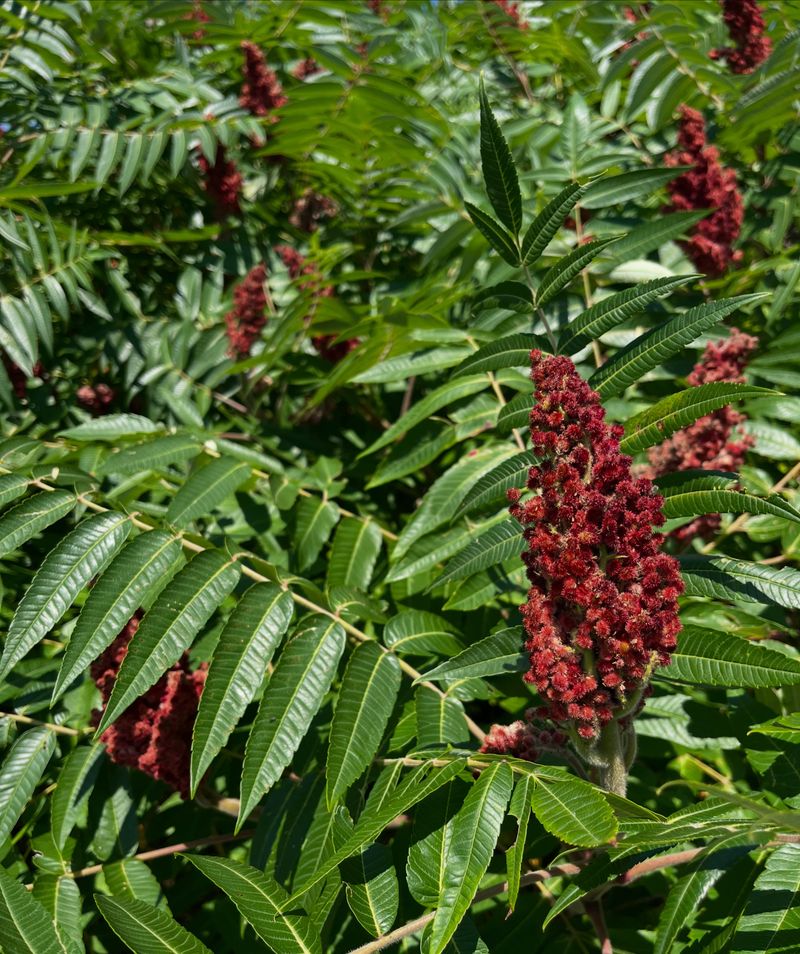
With its fuzzy red cones standing tall like torches, staghorn sumac looks almost too bold to be real. Cardinals treat those cones as winter lifesavers.
The plant produces clusters of red berries shaped like fuzzy spikes. These form in late summer and stay put through winter.
When food gets hard to find, they become a key meal.
Cardinals turn to sumac berries during the coldest stretches of the year. The fruit hangs on when almost everything else is gone.
That reliability keeps birds coming back.
Staghorn sumac grows fast and spreads across Pennsylvania with ease. It handles poor, rocky soil that other plants avoid.
Tough spots are no problem for it.
The name comes from the fuzzy branches that feel like the velvet on a deer’s antlers, or a stag’s horn. It is a fitting and memorable description.
In fall the leaves blaze into brilliant reds and oranges. Few shrubs put on such a fiery show.
Your whole yard glows for weeks.
Because it spreads by roots, plant it where it has room to roam. A back edge or slope suits it well.
Contain it if space is tight.
Sumac also helps hold soil in place on hillsides, so it does double duty. Birds and the land both benefit from it.
Long ago, people made a tangy pink drink from the berries that tasted a little like lemonade. The fruit is safe and quite refreshing.
Adding staghorn sumac gives cardinals a dependable winter pantry and gives you a fall color explosion. It is a bold and generous choice.
7. Common Sunflower
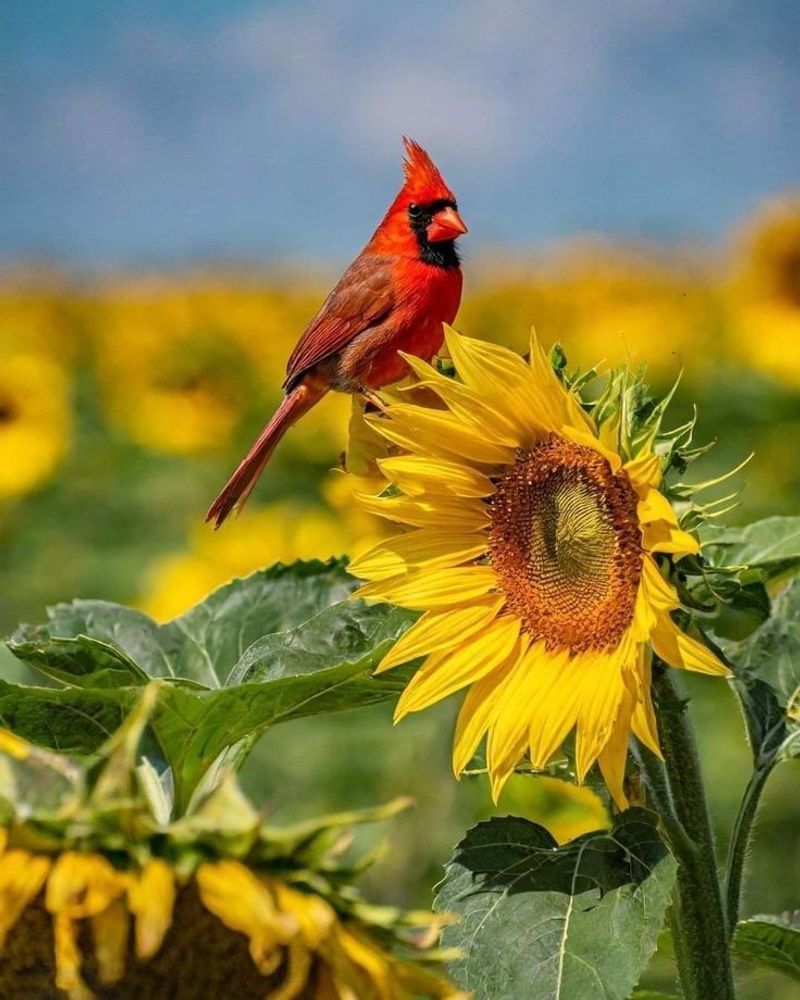
Nothing says bird food quite like a giant sunflower heavy with seeds. Cardinals adore these plants, and they are simple to grow from a single packet.
Sunflowers shoot up fast in summer, sometimes towering over your head. Their big bright faces follow the sun across the sky.
Kids and birds both love watching them grow.
The real prize is the center, which fills with rows of plump seeds. Cardinals cling to the heads and crack the seeds open.
It is like a built-in feeder in your garden.
Letting the flower heads dry on the stem gives cardinals easy access. You can also cut a head and hang it for the birds.
Either way works great.
Common sunflowers love full sun and rich soil. Give them water during dry spells and they reward you with huge blooms.
They grow quickly and forgive beginners.
Because cardinals favor sunflower seeds above almost all others, these plants pull them in fast. Word spreads quickly in the bird world.
Soon your yard becomes a hot spot.
Plant a few near a window for the best cardinal watching. The red birds against yellow petals make a beautiful sight.
It is a picture worth waiting for.
Sunflowers also drop seeds that sprout the next year, giving you volunteers. Squirrels and other critters may plant a few for you too.
These flowers came originally from North America and were grown by Native peoples for food thousands of years ago. They have fed people and birds for a very long time.
Growing sunflowers is the easiest way to treat your cardinals. One packet of seeds keeps the whole flock happy.