Missouri Tarantulas Are Crossing Roads For The Next Few Weeks
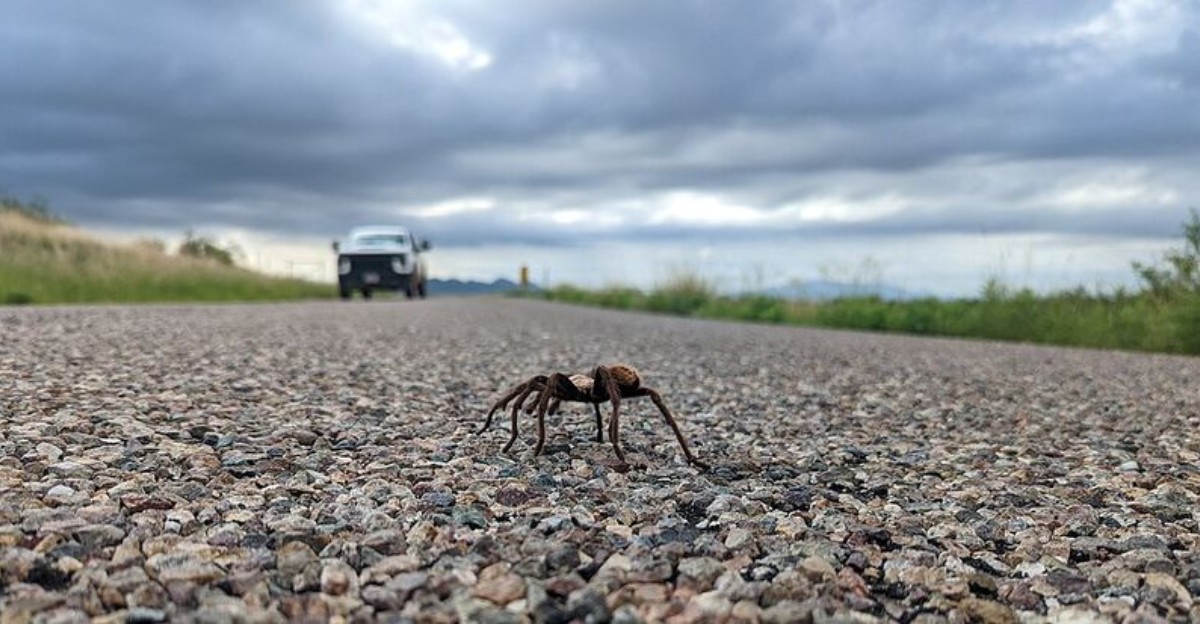
Southern Missouri roads get strange in early autumn, right around the time the evening air finally cools. Something small and fuzzy steps onto the warm blacktop, takes its sweet time, and owns the lane.
Drivers slow down, squint hard through the windshield, and question whether their eyes are working properly. Passengers usually shriek first, then get around to asking thoughtful questions a good while later.
The travelers are not lost, and they have no interest in anyone’s tires or picnic basket. Each one is on a personal mission that took nearly a decade of patient waiting underground.
Missouri hands out a few weeks of this odd spectacle every year, with no admission charge. Consider it the only parade where the marchers move slower than the floats behind them.
The Mating March Behind The Roadside Parade
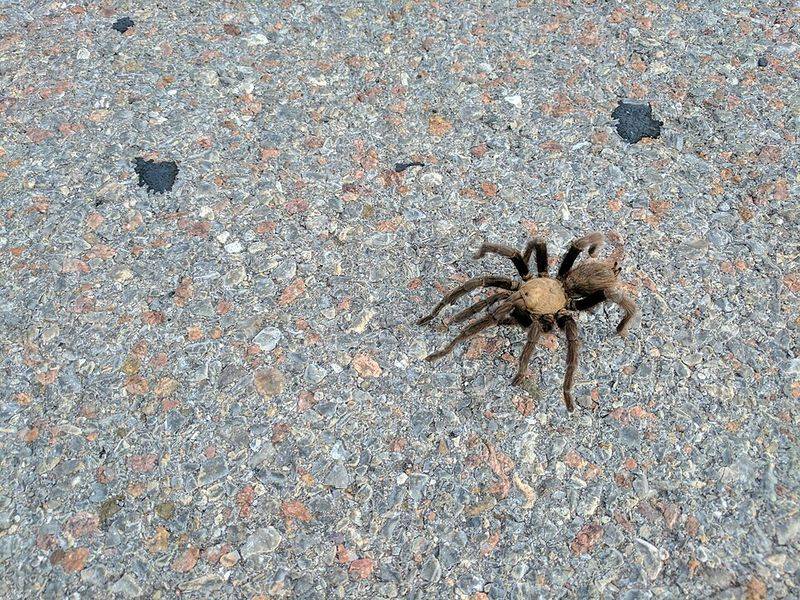
Romance, not hunger, nudges these eight-legged wanderers onto warm Missouri pavement during the shortening days of autumn. Male tarantulas leave the burrows they guarded for years, walking miles to find a willing female.
Missouri’s native species is Aphonopelma hentzi, often called the Texas brown tarantula despite its Ozark address. Females stay home in silk-lined tunnels, while males do every bit of the traveling.
Roads simply happen to cut through the glades, pastures, and rocky hillsides these spiders call home. A male following a scent trail does not recognize asphalt as anything unusual or dangerous.
Warm blacktop actually feels pleasant to a cooling spider, so some pause right on the stripe. That short rest stop explains many of the sightings drivers report each September evening.
Most movement happens in late afternoon and early evening, when temperatures dip into a comfortable range. Cloudy days stretch that window, putting more of them out during regular commute hours.
Males mature slowly, needing roughly seven to ten years before they are ready to search. Once that final molt happens, the clock runs fast, and instinct takes over the schedule.
Biologists call this seasonal push a mating march, and it repeats with reliable rhythm yearly. Southern Missouri counties near the Arkansas border tend to see the most sightings.
Seeing one is genuinely lucky, since the state sits at the northern edge of their range. Slow down, look twice, and you might witness a quiet natural event most Missourians miss.
Peak Weeks From Late August Through October
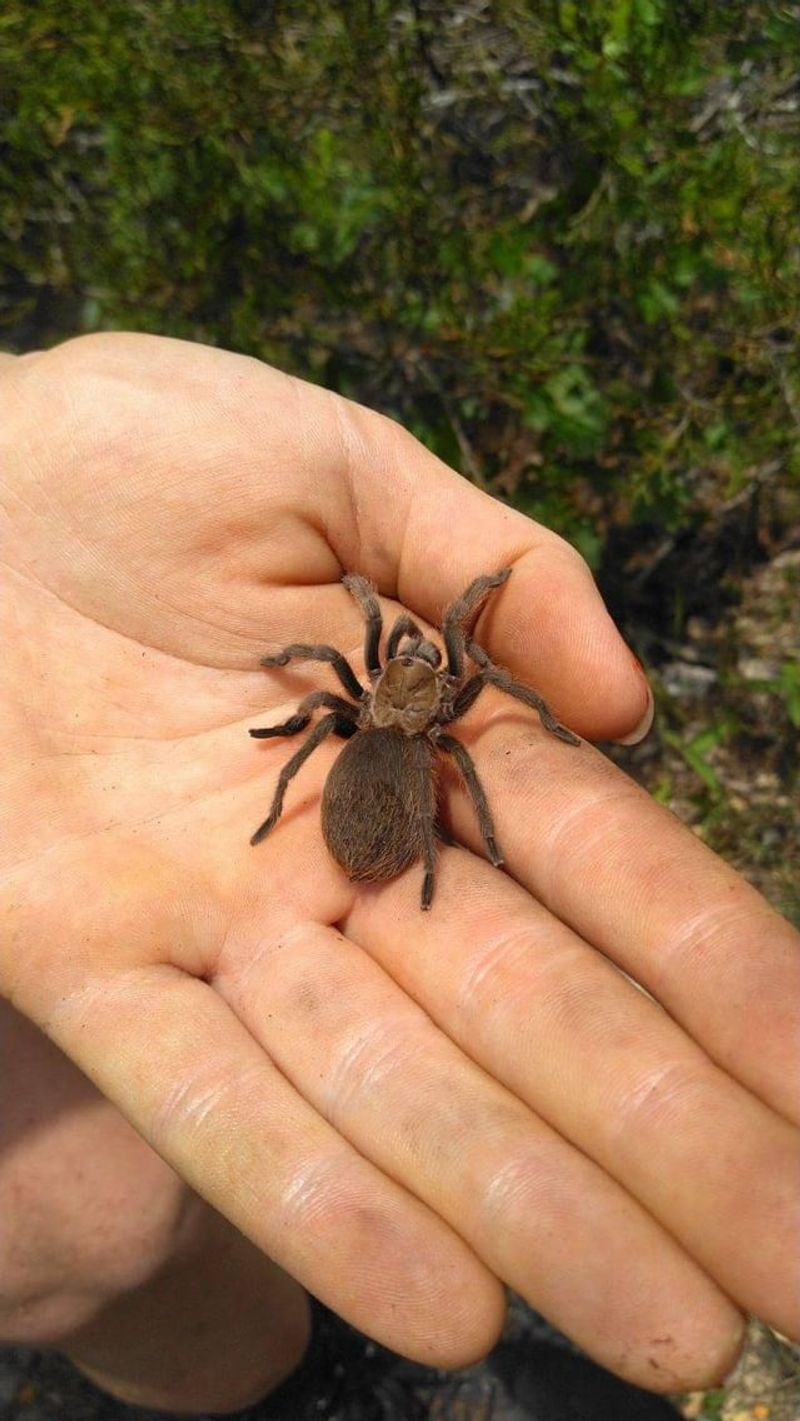
Calendars matter here, because the wandering season opens in late August and fades by mid-October. Peak activity usually lands in the first three weeks of September across southern Missouri.
Temperature drives the timing far more than any date printed on a kitchen wall calendar. A cool front arriving after a long hot stretch often triggers a noticeable burst of movement.
Late afternoon through dusk is prime time, roughly between four o’clock and full darkness. Headlights catch them best along gravel shoulders and quiet two-lane highways winding through the Ozark hills.
Autumn rain plays a role too, softening soil and raising humidity that these spiders appreciate. Evenings right after a shower often deliver the highest counts along rural county routes.
Your Missouri Garden Changes Every Week. Your Plan Should Too.
Gardening in Missouri changes quickly throughout the season. Every Friday you’ll receive a simple weekly plan showing exactly what to plant, prune, fertilize, harvest, and protect so you never miss the right timing.
Glade country holds the densest populations, especially around Branson, Springfield, and the Arkansas state line. Northern Missouri drivers rarely see any, because the range stops well short of those counties.
Weeks with steady seventy-degree afternoons and fifty-degree nights seem to produce the busiest roadside crossings. Once a hard frost arrives, the parade ends and wanderers settle into sheltered spots.
Photographers and hikers now plan weekend trips around these weeks, treating the event like a small festival. Glade-heavy conservation areas in the region can reward patient visitors with sightings.
Marking mid-September on your calendar gives you a solid shot at spotting one yourself this year. Bring a flashlight, drive slowly, and let plain curiosity set the pace for your evening.
Common Missteps Drivers And Hikers Make
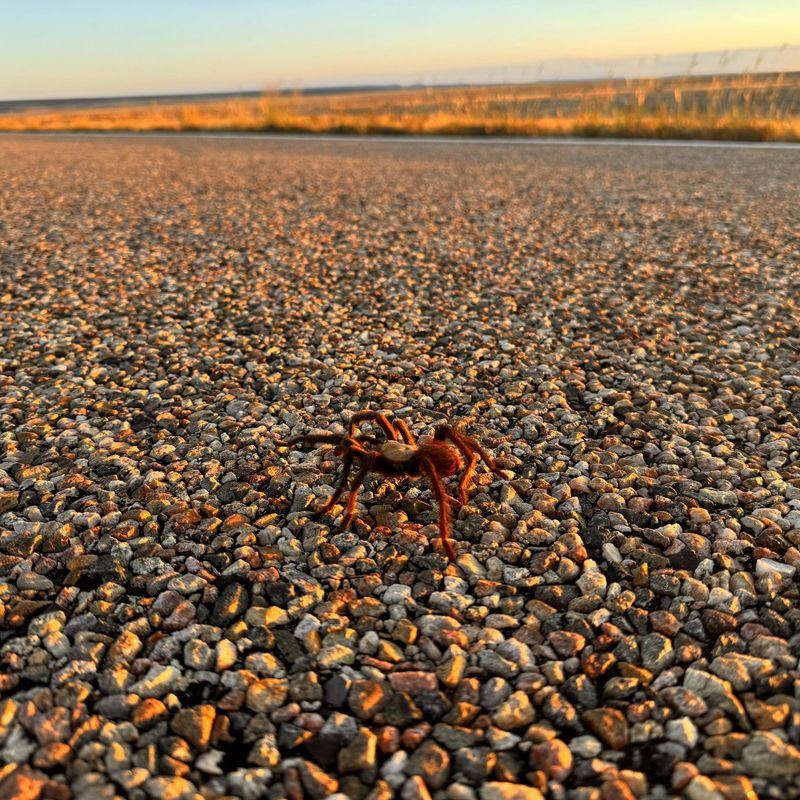
Swerving is the first mistake, and it puts people in far more danger than any spider. No arachnid is worth a ditch, a guardrail, or a badly frightened passenger in back.
Panic ranks second, since plenty of folks assume a big spider must mean a big threat. Aphonopelma hentzi carries mild venom, roughly comparable to a bee sting for most healthy adults.
Grabbing one with bare hands rarely ends well for either party involved in a roadside encounter. Tarantulas flick tiny barbed hairs from their abdomen, and those irritating hairs can itch for days.
Squeezing a spider to move it can rupture its soft abdomen, which heals very poorly. Even a short fall onto hard pavement can injure a heavy-bodied adult quite seriously.
Some people scoop them up as pets, forgetting that Missouri wildlife rules discourage casual collecting. Females can live two to three decades, so a single impulse decision becomes a very long commitment.
Assuming every wandering spider is male causes plenty of confusion at nature center programs each fall. Females stay close to their burrows, so roadside travelers are almost certainly roaming males.
Spraying insecticide around a yard because of one harmless visitor punishes all the wrong creatures. Chemicals linger for weeks, hurting pollinators and predators that keep real garden pests down.
Slowing down, staying calm, and leaving the spider alone solves nearly every roadside situation. Respect costs nothing, and it keeps drivers and eight-legged pedestrians in equally good shape.
Safe Roadside Rescue Without The Drama
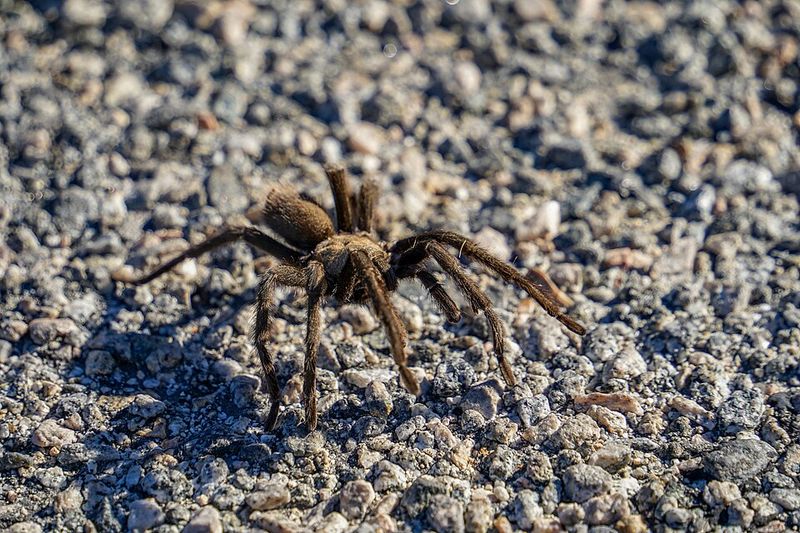
Pull over only when the shoulder is wide, visibility is clear, and traffic is genuinely light. Turn your hazard lights on, plant your feet, and check for cars before anything else.
A clean plastic container and a piece of stiff paper make the simplest rescue kit around. Slide the container gently over the spider, then ease the paper underneath like a lid.
Move it in the direction it was already heading, rather than back where it started. Males have a clear destination in mind, and turning them around simply doubles their long trip.
Ten or fifteen feet off the pavement is plenty, ideally near tall grass or brush. Set the container down, tilt it gently, and let the spider walk out on its own.
Gloves help if those itchy hairs bother your skin, though calm, steady hands usually avoid trouble. Keep your fingers away from the front end, and skip the dramatic photo poses.
Kids love helping, so hand them the flashlight job while an adult handles the container. Watching a tarantula stroll away safely beats any video they could ever find online.
Leave wild spiders wild, even when one seems friendly and slow-moving out on the road. Relocating them to faraway parks disrupts local populations and scrambles established mating routes.
One rescue takes maybe ninety seconds, and the payoff is a story worth retelling for years. Few Missouri road trips end with a genuinely good deed and almost no fuss.
Life After The Crossing For Ozark Wanderers
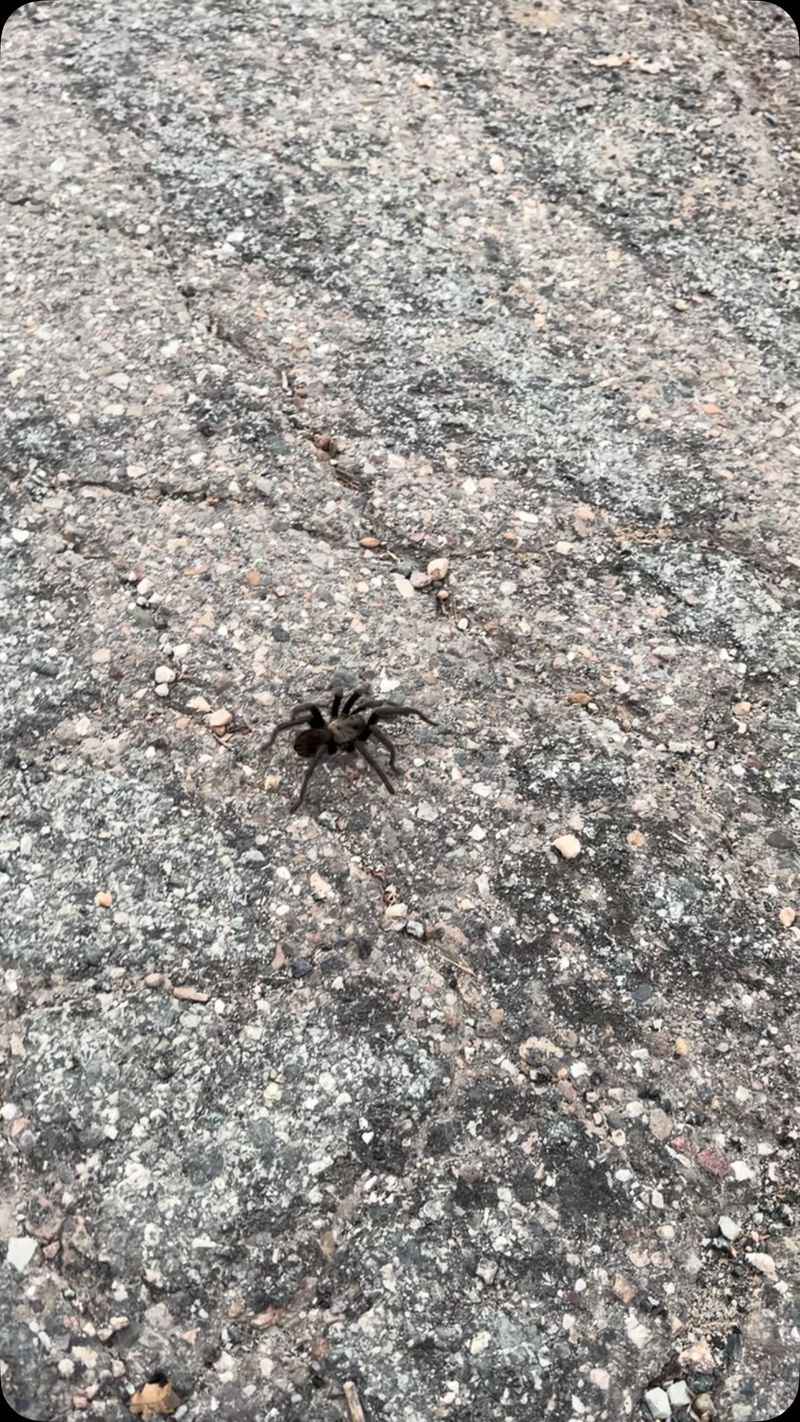
Once a male locates a female’s burrow, he taps a careful signal on her silk doorway. She may emerge, and a careful courtship dance unfolds before mating actually takes place.
Males carry special hooks on their front legs, used to hold her fangs safely back. Those hooks appear only after the final molt, marking the start of the travel year.
After mating, the male moves along, often searching for another burrow a mile down the hill. His remaining weeks stay busy, though cold weather usually ends the journey by early November.
Females store the sperm, then produce a silk egg sac the following spring deep underground. Several hundred spiderlings hatch, scatter widely, and dig tiny burrows of their own nearby.
Only a handful ever reach adulthood, since birds, wasps, and lizards take a steady toll. Tarantula hawk wasps have earned every bit of their fearsome reputation among glade residents.
Females that make it to adulthood may outlive the family dog by a wide margin. Some Missouri burrows have sheltered the same patient spider for twenty long years straight.
Wandering males represent the short-lived half of this story, lasting perhaps a single autumn season. That brief window explains their urgency and the risks they accept on open pavement.
Every spider that reaches the far shoulder adds something to next spring’s local population. A small kindness on a quiet county road echoes much longer than most people realize.
Habitat Care And Long-Term Protection
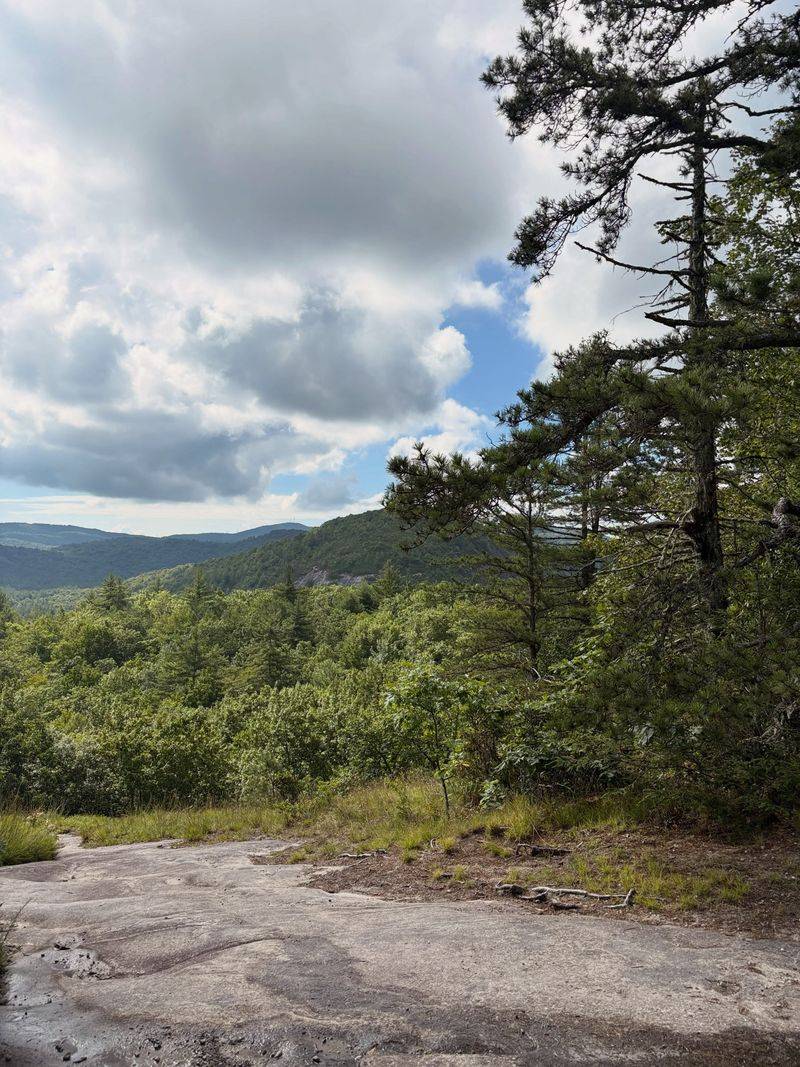
Glades hold the key, those open rocky hillsides dotted with cedar, lichen, and prairie grass. Missouri has lost plenty of them to development, fire suppression, and thick cedar encroachment.
Conservation crews now clear invasive cedars and use prescribed fire to restore healthy glade habitat. Tarantulas quietly benefit, regaining the warm, bare soil and loose rock their burrows need.
Homeowners near glade country can help by skipping broad pesticide sprays around the whole property. Leaving brush piles, flat rocks, and native grasses gives young spiders somewhere safe to settle.
Drivers matter more than anyone expects, especially along quiet rural routes on warm September evenings. Sharing the crossing season with neighbors turns one careful driver into a whole careful town.
Reporting sightings to the Missouri Department of Conservation helps researchers track range shifts and timing. Photos with a date and a precise location carry real scientific value for population studies.
Teaching kids that a big spider is not a villain changes local attitudes for decades. Fear fades quickly once a child watches one stroll calmly across a grown-up’s open palm.
Glade restoration also supports collared lizards, roadrunners, and wildflowers found in few other places. Protecting one odd species tends to protect an entire neighborhood of unusual Missouri wildlife.
Small habits stack up, and tarantulas keep marching each autumn because people quietly made room. Missouri feels a little wilder whenever its oddest residents reach the other side safely.