The Pennsylvania Trees With Weak Wood That Fail In Storms
Some backyard trees grow so fast that their own wood cannot keep up with the size of their limbs. Ice coating a single branch can multiply its weight many times over, and brittle limbs give way first.
Across Pennsylvania, summer thunderstorms and winter ice storms test every shade tree in the yard each year. Arborists often find the same handful of species sprawled across driveways and power lines after the wind calms.
I have to admit that I once loved a fast shade tree until a July gust dropped half of it. You might notice cracks or tight forks on your own trees once you know what to look for.
A few of the guilty species are native favorites, and a few are invaders now restricted in Pennsylvania nurseries. So which tree in your yard would you trust least when the next storm rolls over the ridge?
Silver Maple
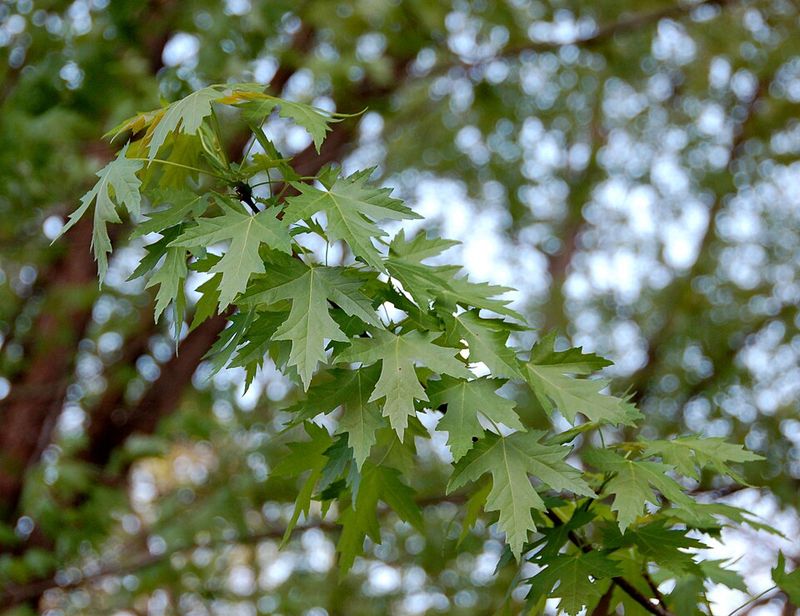
Silver maples can add more than two feet of growth in a single season, which sounds great until storms arrive. I love the way their leaves flash silver in the breeze, but that speed comes with a real cost.
Fast growth builds soft, brittle wood that snaps far more easily than the dense wood of sugar maples. Branches also form tight V-shaped forks where bark gets trapped inside the joint and weakens the connection.
Ice storms are especially rough on these trees because their long limbs collect heavy coats of frozen rain. Many utility crews in Pennsylvania know this species well from cleaning up broken limbs after winter weather.
Roots cause trouble too, since they spread wide and shallow in search of water near the soil surface. You may notice lifted sidewalks or cracked driveways near older silver maples planted too close to homes.
If you already have one, ask a certified arborist to check for cracks and weak forks in the canopy. Cabling or careful pruning can sometimes extend the life of a large tree that still looks healthy.
Silver maple is native to the state and supports wildlife, so it suits wet bottomlands far from buildings. Personally, I think it belongs along streams and open floodplains rather than right beside the back porch.
For yard shade, red maple or swamp white oak offer sturdier wood and handle similar damp conditions nicely. Choosing a slower grower now means fewer cleanup weekends and less worry every time the sky turns dark.
Bradford Pear
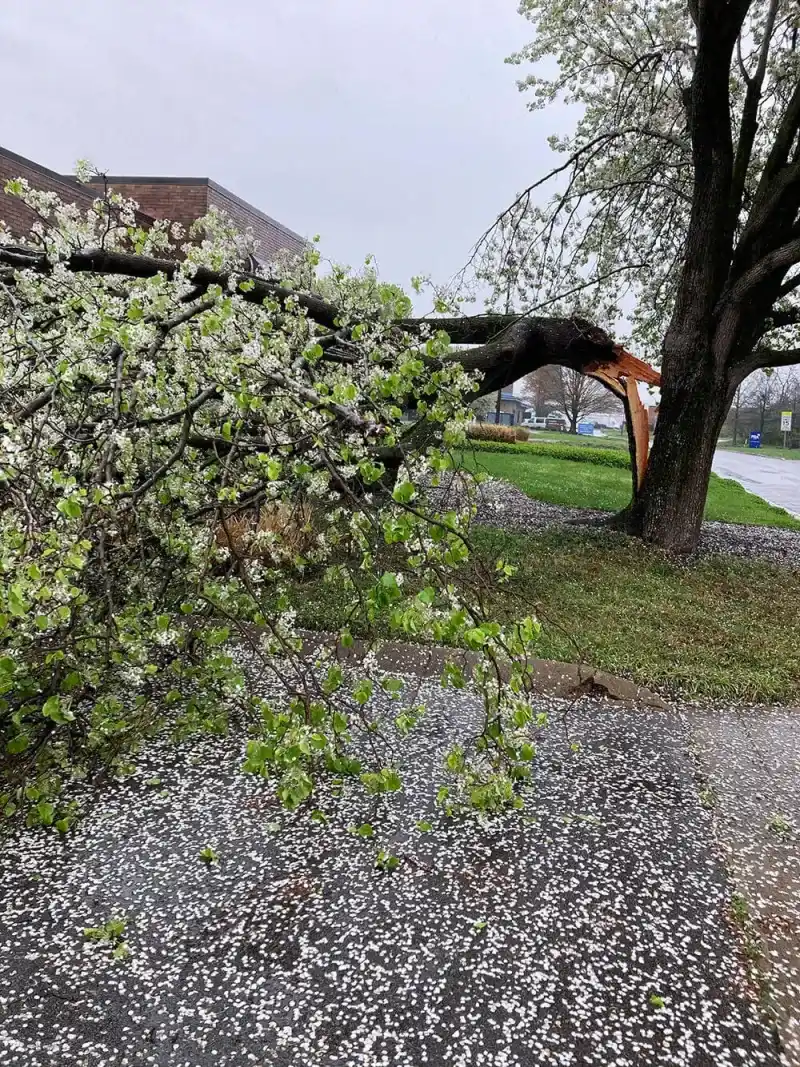
Every April, clouds of white blossoms cover Bradford pears, and the flowers smell a bit like old fish. I have to admit the show is pretty, though the tree hides a structural flaw inside its crown.
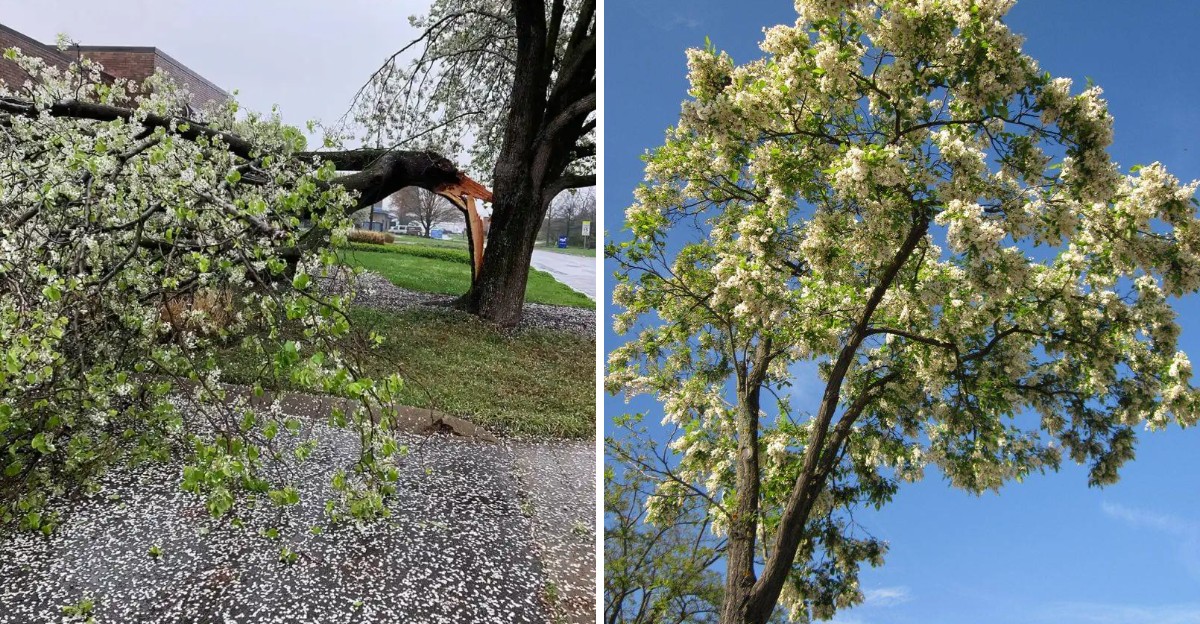
Bradford pears grow many upright branches from nearly the same spot on the trunk, creating narrow crotch angles. Those tight forks hold little real wood together, so wind and ice can pry the tree apart.
Around fifteen to twenty years of age, many trees split down the middle during an ordinary summer storm. Homeowners often walk outside after a squall and find half of the canopy resting on the lawn.
Weak wood is only part of the story, since Callery pear has become a serious invader across the eastern states. Different cultivars cross pollinate, and birds spread the fruit into fields where thorny thickets quickly form.
The Pennsylvania Department of Agriculture added Callery pear to its noxious weed list, and sales ended in 2024. Nurseries can no longer sell or plant it, though existing trees in yards are not required to come down.
You need to watch for seedlings popping up along fences and woodland edges if a pear grows nearby. Pull small ones by hand while the soil is moist, because older saplings develop stubborn roots and thorns.
Replacing a mature pear with a native serviceberry gives you spring flowers without the brittle limbs or invasive habit. Birds still enjoy the berries, and your roof will thank you during the next windy spring afternoon.
Eastern Cottonwood
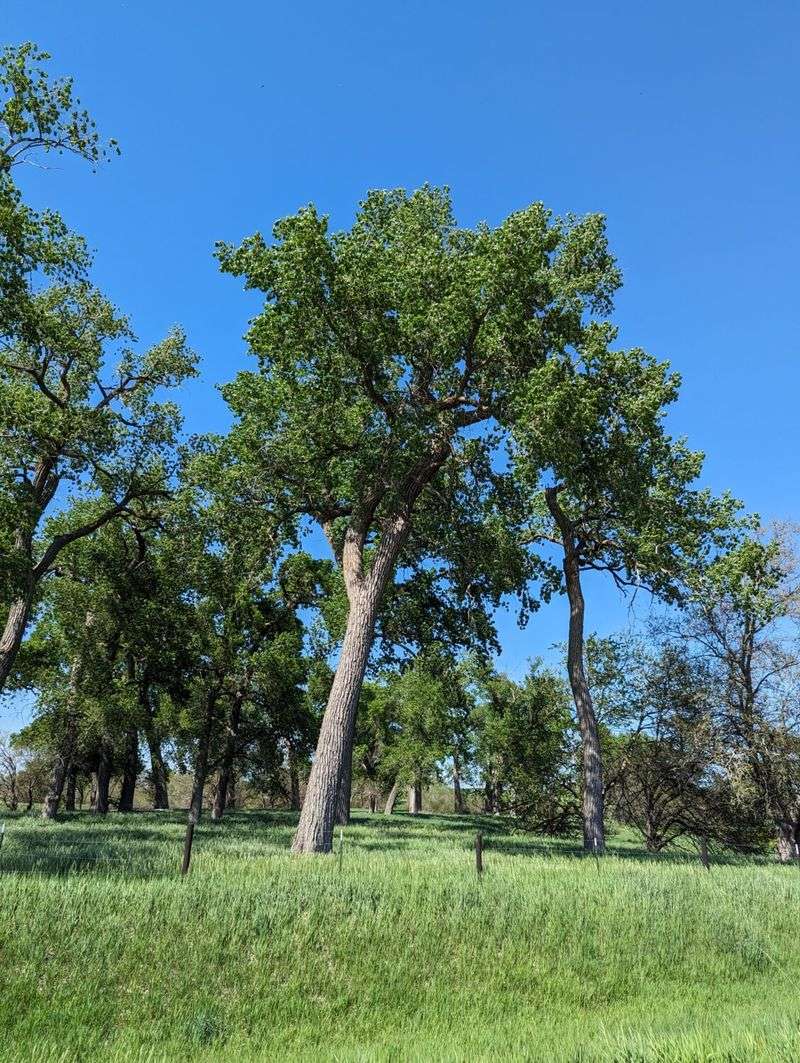
Cottonwood fluff drifting through June air looks like summer snow, and one large tree can release millions of seeds. What surprises me most is how such a massive tree can carry such fragile limbs high above the ground.
Eastern cottonwood ranks among the fastest growing native trees in North America, sometimes adding five feet a year. That rapid pace produces light, soft wood that bends poorly and cracks under heavy wind or ice.
Large branches sometimes drop even on calm, hot summer days, a habit arborists call summer branch drop. Nobody fully understands the cause, so giving these giants plenty of open space is the smartest plan.
Mature cottonwoods can top one hundred feet, which means a falling limb carries serious weight and force. You need to keep play sets and parked cars well outside the reach of their wide spreading crowns.
Their roots chase water aggressively and can invade old clay sewer pipes or crack nearby foundations over time. Most extension services advise planting them far away from houses and buried septic or sewer lines.
Along Pennsylvania rivers, cottonwoods still play a valuable role by holding stream banks and sheltering nesting birds. Bald eagles often build their huge nests in tall riverside cottonwoods, which I think is pretty amazing.
If you love the look, consider planting a cottonless male variety in a wet, open corner far from buildings. Regular checkups from an arborist help spot cracks early, before a strong gust turns them into trouble.
Boxelder
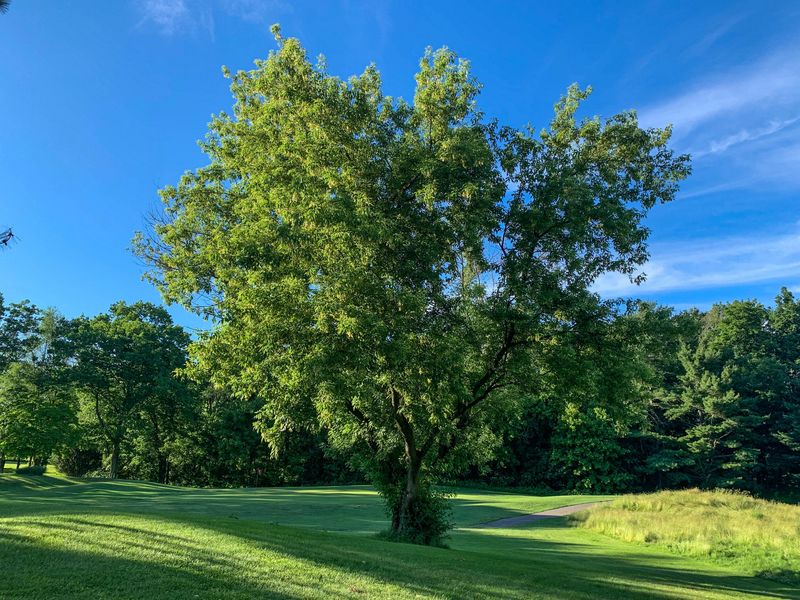
Boxelder is a maple that does not look like one, with leaves split into three to seven leaflets. Kids often mistake young plants for poison ivy, and honestly, I made that same mistake years ago.
Fast growth gives boxelder weak, soft wood, and its trunks often lean or fork into several competing stems. Heavy wet snow regularly peels those stems away from each other, leaving jagged wounds where decay creeps in.
Most boxelders live around sixty years, which is short compared with the centuries an oak can reach. Older trees frequently develop hollow trunks, so a healthy looking crown can hide a weak core.
Female trees attract boxelder bugs, the red and black insects that crowd onto sunny house walls in autumn. The bugs are harmless to people, but they sneak indoors to spend winter in attics and wall gaps.
Boxelder is native to Pennsylvania and grows happily along creeks and neglected fence rows with little help. Its seeds sprout so readily that one tree can fill a garden bed with seedlings each spring.
You might keep a boxelder at the back edge of a large property where falling limbs harm nothing. Squirrels and evening grosbeaks eat the winged seeds, so the tree does offer real wildlife value.
Near the house, though, replace it with a sturdier native such as hackberry or a well grown oak. Pull volunteer seedlings while they are small, because a three year old boxelder already fights back hard.
Tree Of Heaven
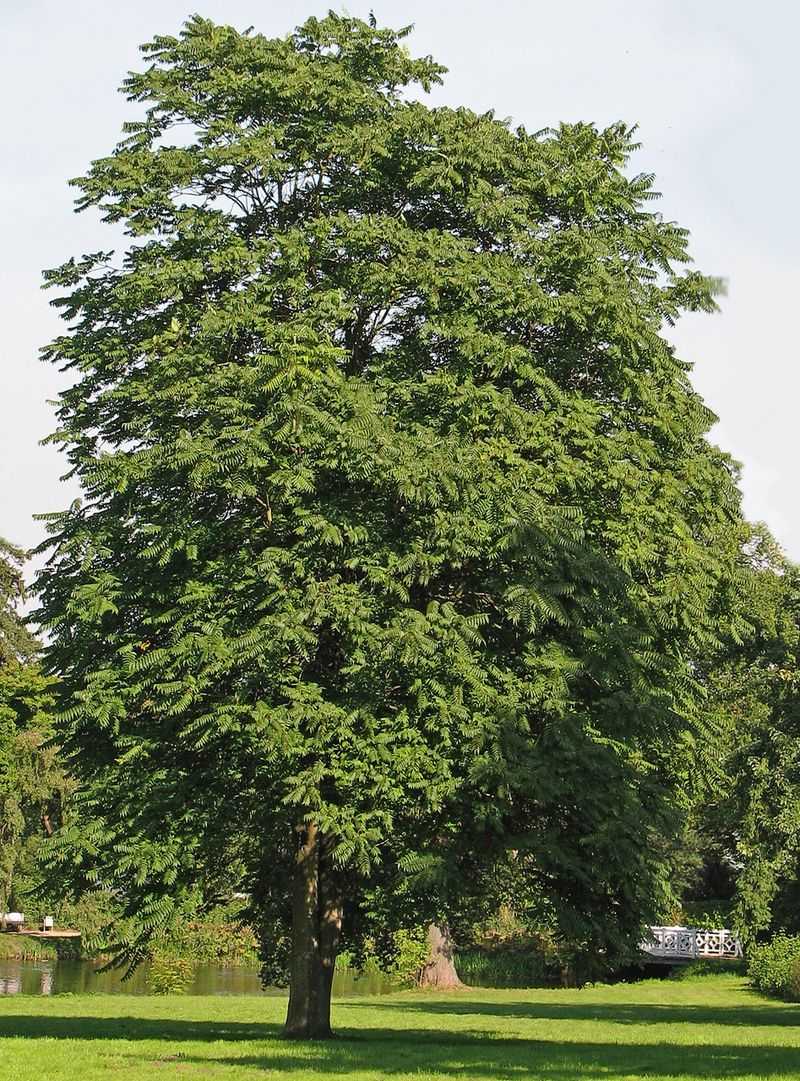
Crush a tree of heaven leaf and you will smell something close to burnt peanut butter or rancid nuts. Personally, I find the odor handy, since it helps separate this invader from native sumac and walnut.
Tree of heaven reached Philadelphia from China in 1784 and now thrives along highways and vacant city lots. Young stems can grow several feet in one summer, producing weak, brittle wood that splits without much warning.
Storms snap the trunks and limbs easily, and tree crews treat this species with extra caution during removal. Its wood can break unpredictably while being cut, which makes felling a job for trained professionals.
Spotted lanternflies love feeding on tree of heaven, and the pest was first found in Berks County in 2014. That connection gives you one more reason to manage these trees instead of letting them spread.
Cutting alone usually backfires because the roots respond by sending up dozens of new sprouts nearby. Penn State Extension recommends herbicide methods such as hack and squirt, usually applied from midsummer into early fall.
Pulling small seedlings by hand works if you get the full root, especially after a soaking rain. Wear gloves, since the sap can irritate skin and some people report headaches from the strong smell.
Once the invader is gone, fill the space with a native like black cherry or sassafras. You will gain sturdier shade and one less lanternfly hangout lurking at the edge of your yard.
Siberian Elm
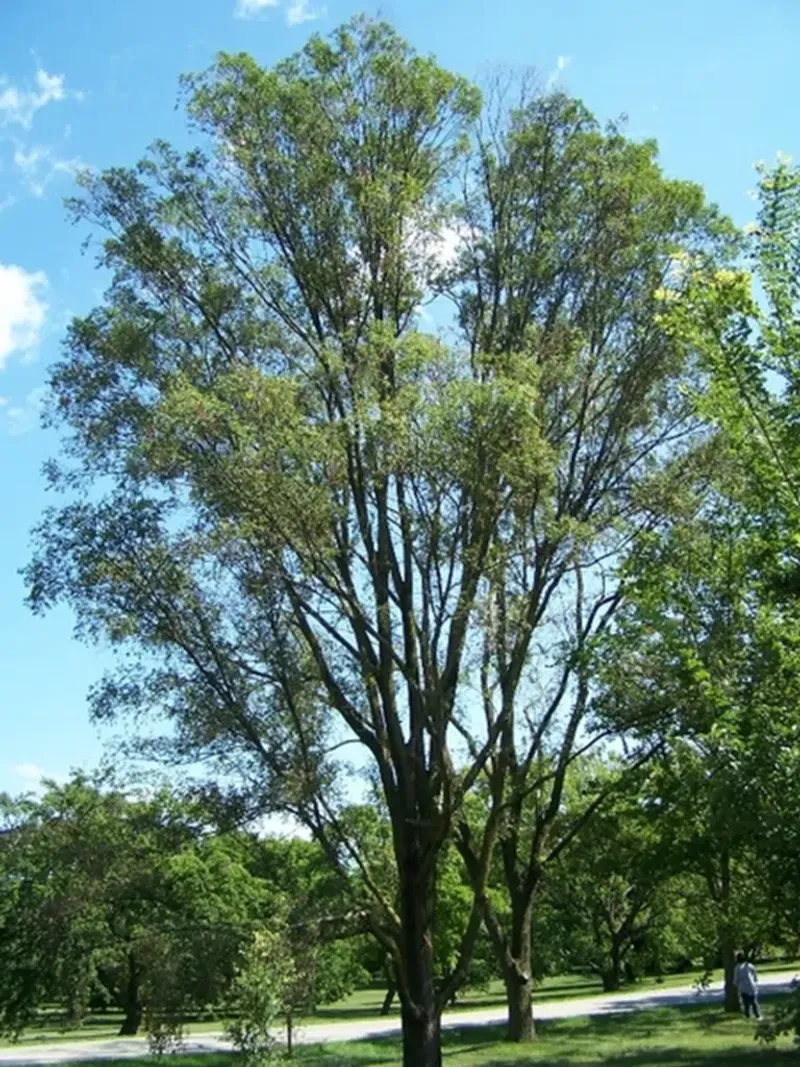
Siberian elm earned a reputation as the tree that would grow almost anywhere, even in dusty prairie windbreaks. That toughness made it popular after the Dust Bowl, yet its branches crack far too easily.
Wood from this elm is brittle, so limbs often break when ice or strong summer wind hits the crown. Narrow forks and dense twig growth catch extra weight, which adds more strain to already weak joints.
I can’t imagine a messier yard tree, since it sheds twigs and papery seeds through much of the year. Each spring a mature tree releases thousands of round, winged seeds that blow into gutters and garden beds.
Those seeds sprout readily, which is why many states list Siberian elm as an invasive or problem species. It crowds out native plants in open fields and disturbed ground across much of the country.
People sometimes confuse it with Chinese lacebark elm, a different species with smaller leaves and beautiful peeling bark. Siberian elm bark is rough and gray, while Chinese elm blooms in late summer rather than early spring.
Small seedlings pull out easily from damp soil, so check flower beds and fence lines each spring. For larger trees, an arborist can advise whether removal makes sense before the next round of storms.
If you want a tough replacement, Kentucky coffeetree handles city conditions and poor soils remarkably well. Its sturdy branches and bold winter outline make it a far better neighbor than any brittle elm.
Black Locust
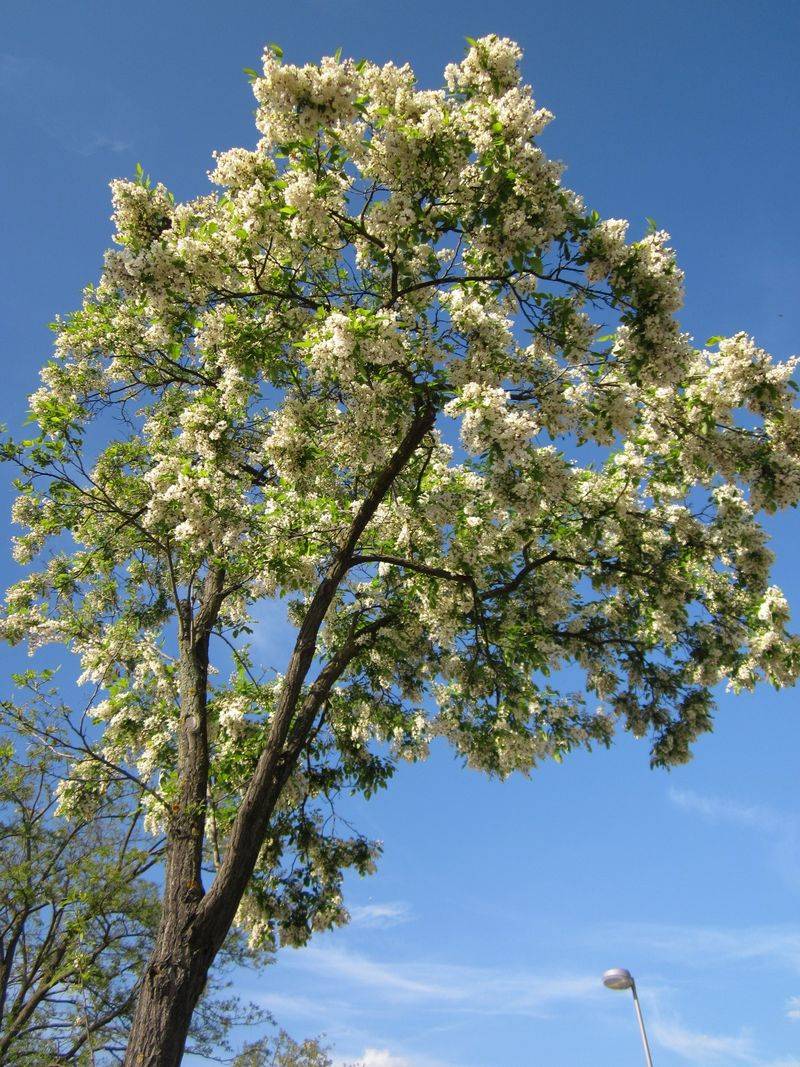
Black locust wood is so tough that farmers have used it for fence posts lasting decades in the ground. So why does this tree make a storm list at all, when the lumber itself resists rot so well?
The answer lies in its branches, which tend to be brittle and snap off when strong winds arrive. Extension foresters note that windstorms and ice can strip large limbs, leaving the crown ragged and lopsided.
Locust borers make things worse by tunneling through trunks and branches, weakening the wood from the inside. Look for yellow and black beetles on goldenrod in September, since adults feed there and lay eggs on locusts.
Black locust is native to the Appalachian region, including parts of Pennsylvania, yet it spreads aggressively through root suckers. Outside its original range, many agencies treat it as invasive because it forms dense thickets in open ground.
In late May, the drooping white flower clusters smell sweet, and bees turn them into excellent light honey. I love standing under one in bloom, though I keep my distance once the wind picks up.
Paired thorns along the twigs make pruning a prickly chore, so wear thick gloves and long sleeves. Prune during dormancy in late winter, when you can clearly see crossing branches and damaged limbs overhead.
A locust standing in an open field rarely threatens anything, but one hanging over a house deserves attention. Have an arborist inspect for borer holes and cracked limbs, especially after heavy ice or summer storms.