8 Habits That Helped Virginia Gardeners Survive the Drought Year
During the fall of 2023, parched Virginia forests fueled major wildfires, and smoke drifted over plenty of backyard tomato beds. Then 2026 brought a historic drought that pushed parts of the state into drought emergency status.
Truth be told, my own garden looked tired by July, with curled squash leaves and cracked clay underfoot. Still, a few gardeners around town kept their beds surprisingly green, and I badly wanted their secrets.
Funny thing is, none of them owned fancy gadgets or spent a fortune at the garden center. They simply leaned on small daily choices that slowly added up to healthier roots and wetter soil.
A couple of those choices sound almost too easy, yet one surprised even the veteran growers in Virginia. So which simple habit do you think made the biggest difference when the rain clouds stayed away?
1. Early Morning Soaker Hoses Water Thirsty Tomato Roots
Daytime sprinklers can lose twenty to thirty percent of their water to wind and evaporation before reaching roots. That number stung when I first read it, because I used to happily spray my beds at noon.
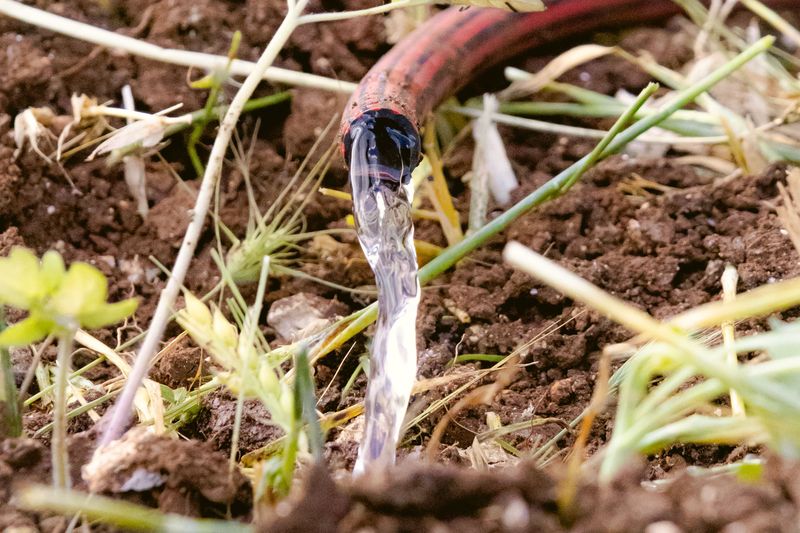
Gardeners who kept plants thriving switched to deep, less frequent watering that soaked the soil several inches down. Roots follow moisture, so a slow soak encourages them to stretch deeper where the ground stays cooler.
Quick daily sprinkles do the opposite, training roots to hang around the surface where heat dries everything fast. If you ask me, that shallow habit explains why so many gardens wilted by mid-afternoon last summer.
Timing matters too, and early morning stands out as the best window for giving plants a long drink. Cooler air means less water floats away, and leaves dry quickly once the sun climbs higher.
Soaker hoses and drip lines became favorite tools, since they deliver water right to the root zone. Keeping water off the foliage also lowers the chance of fungal diseases that love damp leaves.
I snake my soaker hose under the mulch, and it quietly does its job while I sip coffee. A simple timer helps too, especially on busy mornings when remembering the garden feels like a chore.
Most vegetable gardens do well with about an inch of water each week, including any rainfall. Set a tuna can in the bed, and you can easily measure how much your system delivers.
2. Thick Mulch Rings Keep Garden Soil Cool And Moist
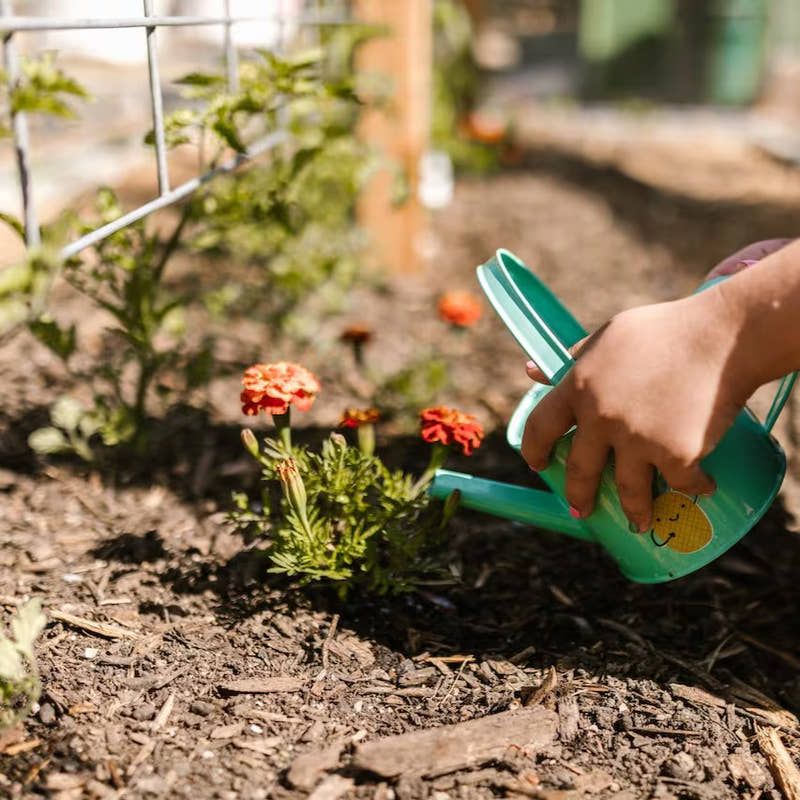
Bare soil on a scorching August afternoon can feel hot enough to warm your palm in seconds. Slide your fingers under a thick blanket of shredded leaves, though, and the ground feels cool and damp.
Experienced growers spread about three to four inches of organic mulch around their plants during the dry months. That layer shades the soil surface, so far less moisture escapes into the hot summer air.
Mulch also evens out soil temperatures, which keeps tender feeder roots from baking near the soil surface. On top of that, it blocks light from weed seeds that would happily steal your precious water.
My favorite option is shredded fall leaves, mostly because they cost nothing and break down into rich humus. Pine straw and shredded hardwood bark work well too, depending on what your beds need most.
One mistake shows up in many yards, and it involves piling mulch right against stems and trunks. Those so-called mulch volcanoes trap moisture against bark and can invite rot along with hungry gnawing rodents.
Pull the mulch back a few inches from each plant, leaving a little doughnut hole around the base. Your trees and perennials will breathe easier, and the mulch still holds moisture where roots spread out.
Water the soil before you lay down fresh mulch, since a dry layer can shed light rain. Once it settles, that cozy blanket works quietly all season and needs only an occasional top-up in late summer.
3. Butterfly Weed And Coneflowers Shrug Off Dry Summer Spells
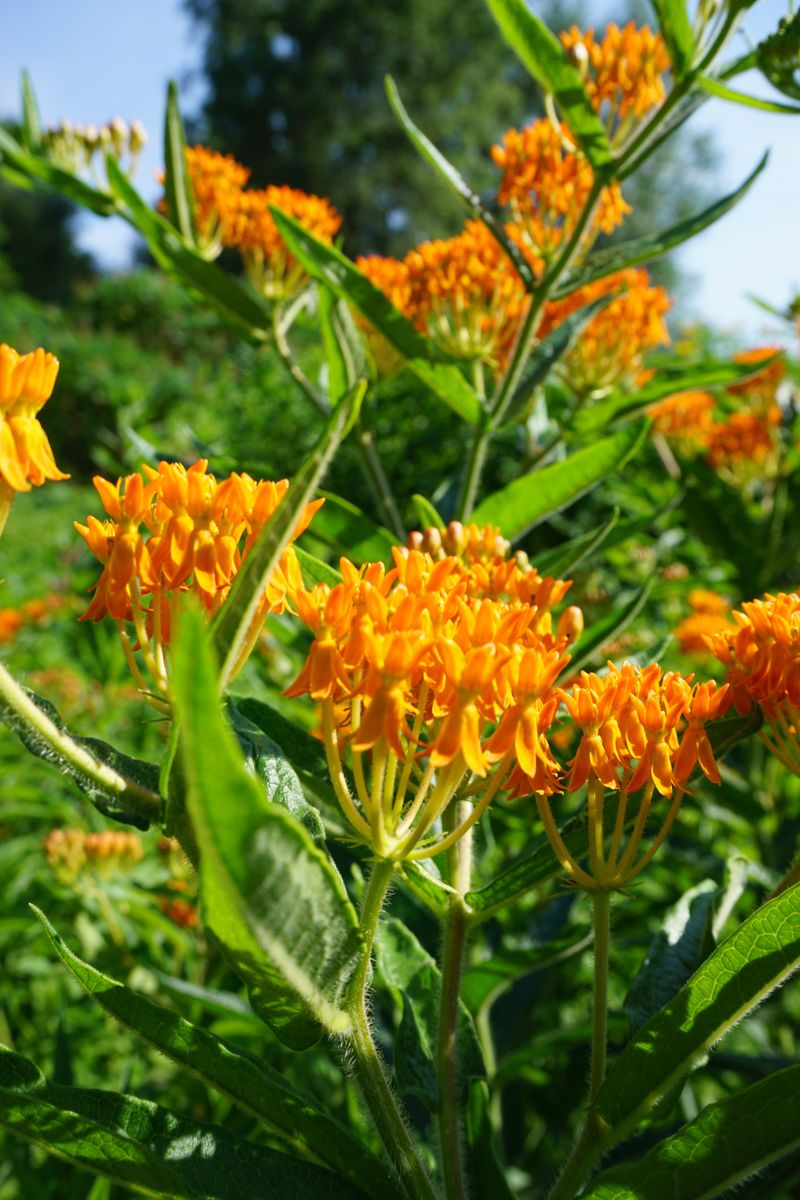
Butterfly weed sends down a long, thick taproot, which helps it find moisture far below thirsty lawn grass. That bright orange native barely blinked during the dry spell, while my thirsty hydrangeas sulked by lunchtime.
Smart growers leaned on the right plant, right place idea, picking species that naturally handle dry ground. Native plants adapted to local weather often coped better than many fussy imports during the long stretch.
Purple coneflower, known to botanists as Echinacea purpurea, handles summer heat nicely once its roots settle in. Black-eyed Susan, or Rudbeckia hirta, keeps flashing bright golden petals even when the clouds refuse to cooperate.
Little bluestem grass adds lovely coppery color in late fall and grows happily in lean, sunny spots. Pollinators adore these natives too, so your drought plan doubles as a buffet for local bees and butterflies.
Grouping plants by their water needs turned out to be another clever trick worth borrowing right away. Keep thirsty vegetables in one zone and tough natives in another, so nobody gets drowned or ignored.
Even drought-tolerant plants need regular watering during their first year while roots grow into the soil. Skipping that step is how many new natives struggle, so plan for a little extra care early.
Fall is a great time to plant natives across much of Virginia, since cooler air eases transplant stress. Groups like Plant NOVA Natives and your local extension office can help you pick winners for your yard.
4. Dark Crumbly Compost Turns Garden Soil Into A Sponge
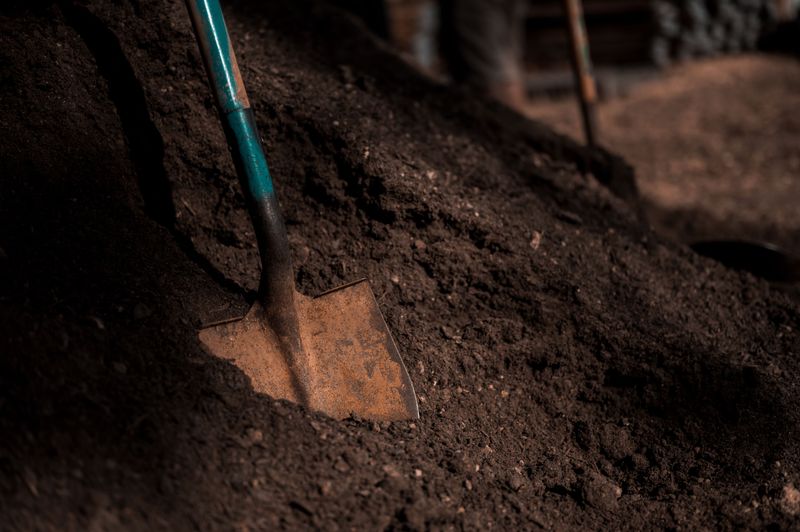
Grab a handful of rich, crumbly compost and squeeze it, and you will feel it hold water like a sponge. Now try that with hard red clay, and most of the water simply runs off your hand.
Organic matter improves soil structure, which helps the ground soak up rain instead of letting it race away. Healthier soil then holds that moisture longer, giving roots a steady drink between your watering sessions.
Many gardeners worked in at least an inch of compost each year, and their beds showed the payoff. Their plants wilted later in the afternoon and bounced back faster once cool evening shade finally arrived.
My garden taught me this lesson the hard way, back when my clay beds cracked like old pottery. After two seasons of steady compost, that same soil turned darker and far easier to dig.
Sandy soils in the eastern part of the state benefit just as much, since compost helps them hold moisture. Water drains through sand quickly, so adding organic matter gives each drop a better chance to linger.
Homemade compost from kitchen scraps and yard trimmings works wonderfully, and it keeps waste out of the landfill. Bagged compost or leaf mold from a local municipal program can fill the gap when your pile runs short.
A soil test through Virginia Cooperative Extension can also reveal your pH and nutrient levels before you add amendments. Knowing those numbers keeps you from guessing, and your plants will thank you with stronger growth.
5. Rain Barrels Under Downspouts Catch Free Water For Dry Weeks
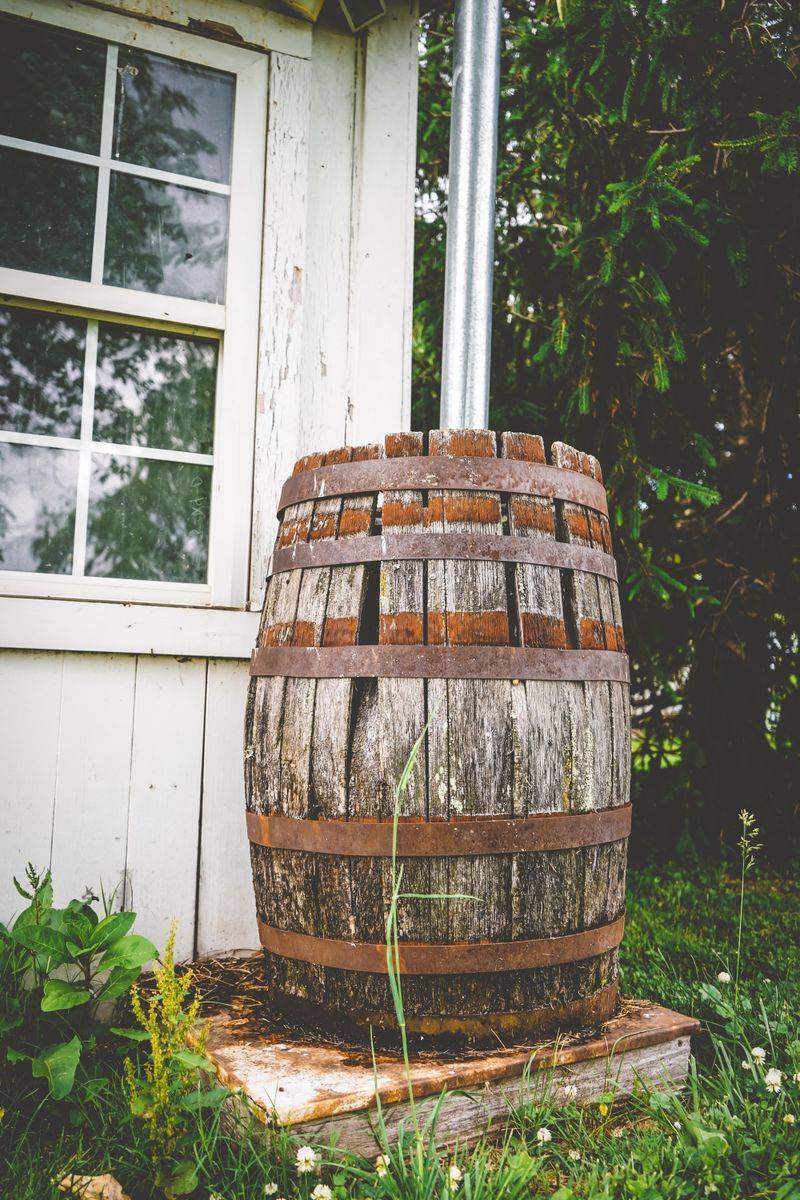
A single inch of rain falling on a 1,000 square foot roof produces roughly 600 gallons of runoff. Hearing that number made me look at my plain old downspout with a whole new level of respect.
Rain barrels became a lifeline for many gardeners, capturing storm water from rooftops before it disappeared down the street. That stored supply eased pressure on wells and city water during the driest weeks of the year.
Plants seem to love rainwater, since it arrives soft and free of the chlorine found in many tap supplies. My container herbs and potted ferns get first dibs on every bucket I fill from the barrel.
A few ambitious growers went bigger, linking several barrels together or installing large tanks with simple pumps. You do not need anything fancy to start, though, because one barrel under one downspout helps plenty.
Fit your barrel with a tight lid or fine screen, which keeps mosquitoes from laying eggs inside. Setting it up on sturdy blocks also adds gravity pressure, making it easier to fill watering cans.
Roof water is best used on ornamental beds and around the soil of edibles rather than on leaves. Extension experts often suggest avoiding splashing it on produce you plan to eat fresh from the garden.
Empty and disconnect your barrel before hard winter freezes arrive, since ice can crack the plastic. Hook it back up in early spring, and it will be ready to catch those first gentle showers.
6. Pulling Crabgrass And Thirsty Weeds Saves Water For Vegetables
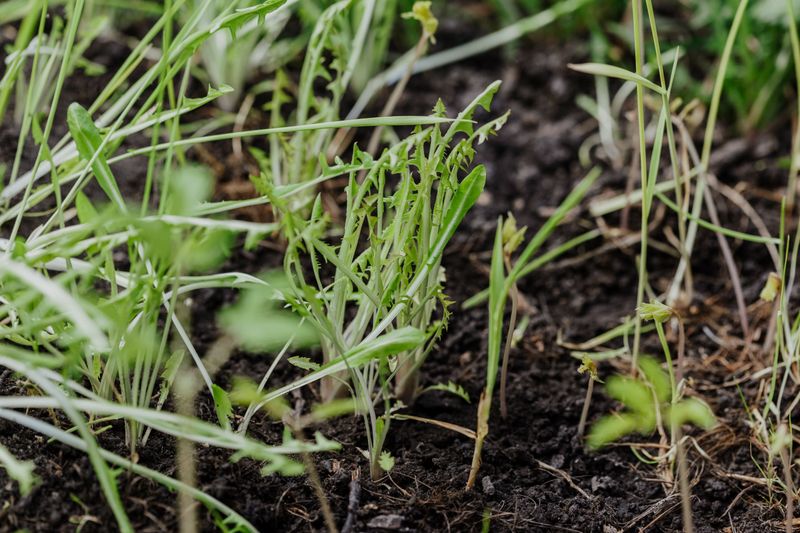
Weeds are sneaky little water thieves, and they often grow faster than the vegetables you actually planted. Every sip a crabgrass clump takes is one less sip for your thirsty pole beans and squash.
Gardeners who came through the drought in good shape tackled weeds early, before roots could spread deep. Young weeds pull out easily, while older ones hang on tight and compete hard for precious moisture.
For annual weeds, a sharp hoe slices them off at the soil line in just a few seconds. Many growers left those wilted bits on the surface, where they dried out and slowly broke down.
Tough perennial weeds like dandelions need a different approach, since their roots can resprout from small pieces. Dig them out with a narrow trowel, and try to lift the whole root in one piece.
Honestly, weeding is my secret stress reliever, especially during the cool quiet hour right after sunrise. Ten minutes a day with a hoe beats one exhausting Saturday spent wrestling waist-high weeds in the heat.
Moist soil makes pulling much easier, so try weeding the morning after you water or after rain. Dry, hard ground tends to snap stems off, leaving roots behind to sprout again in a week.
Pairing this habit with a thick layer of mulch keeps new weed seeds from sprouting in the first place. Fewer weeds means every drop you pour actually reaches the plants you worked so hard to grow.
7. Shade Cloth Over Lettuce Beds Blocks Harsh Afternoon Sun
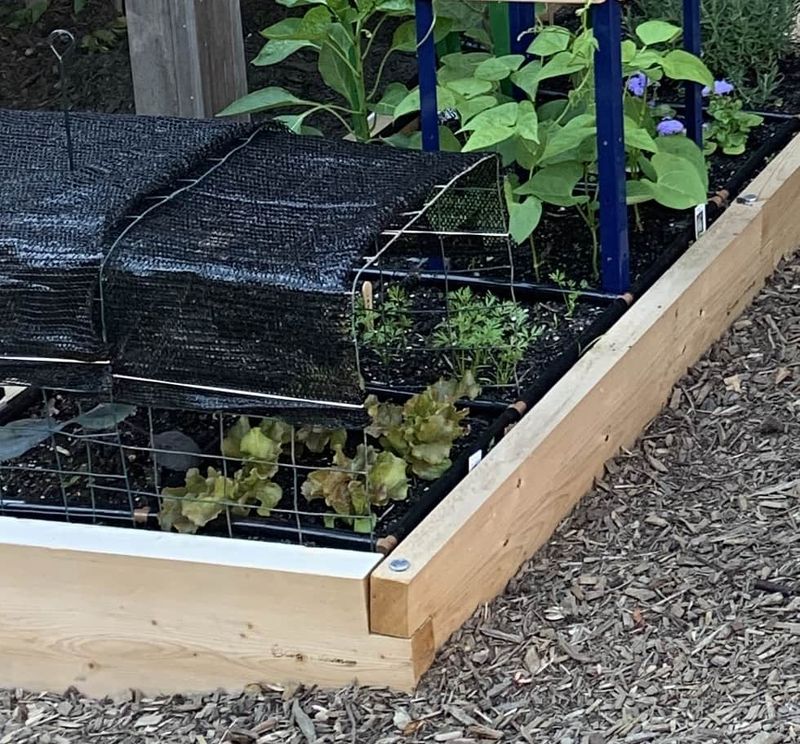
Lettuce has a dramatic streak, and a few blazing afternoons can make it bolt and turn bitter. Draping a light shade cloth overhead felt like handing my salad greens a cool pair of sunglasses.
During the drought, protecting tender plants from intense sun and drying winds became a smart survival strategy. Shade cloth rated around thirty to fifty percent cuts heat stress while still letting enough light through.
Leafy greens and newly planted transplants benefit the most, since their roots cannot keep up with fast evaporation. Peppers can also enjoy a little afternoon relief, which may help reduce sunscald on their developing fruit.
Some clever gardeners skipped the fabric and used tall crops like corn to cast shade on smaller neighbors. Sprawling squash and pumpkin vines also cover bare soil, acting like a living mulch under the leaves.
Wind gets overlooked, yet a steady breeze can pull moisture from leaves surprisingly fast on hot days. A sturdy fence or a tall row of sunflowers can act as a windbreak that slows drying gusts.
In my own yard, I clip shade cloth to simple hoops made from bent PVC pipe. Clothespins hold it in place nicely, and I can roll it back on cloudy days in seconds.
Position the cloth so it blocks the hottest sun, which usually hits from the west in late afternoon. Leave space for air to move underneath, because trapped heat can cause more trouble than it solves.
8. Checking Soil Moisture With A Finger Before Watering Wilted Plants
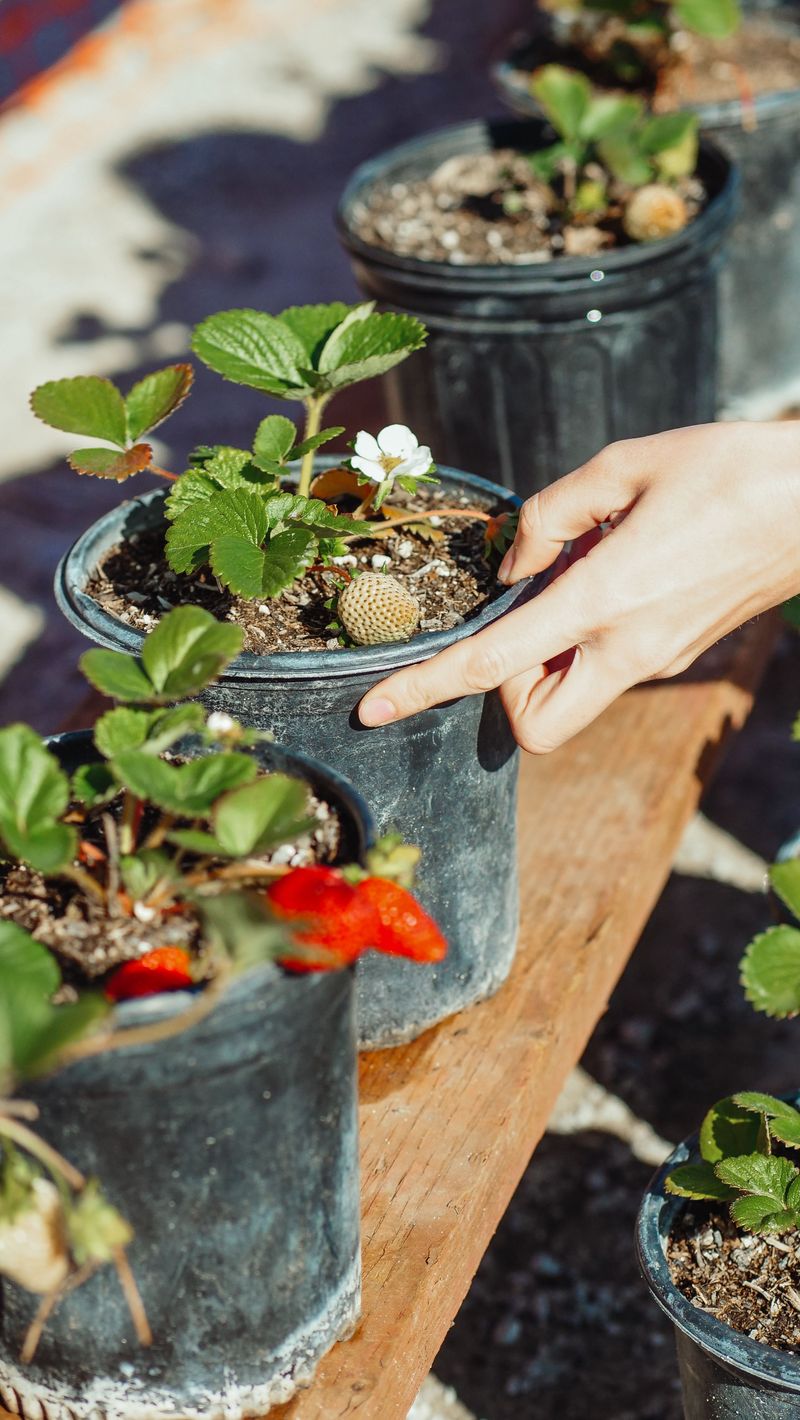
Droopy leaves at three in the afternoon do not automatically mean your plants are begging for water. Squash and cucumbers often wilt in midday heat as a defense, then perk up again by evening.
What caught my attention was how the best gardeners checked the soil before reaching for a hose. Pushing a finger about two inches into the ground tells you more than staring at the leaves.
If the soil feels dry at that depth, it is time to water deeply right at the base. If it still feels cool and damp, wait a full day and check again before adding more.
An inexpensive moisture meter helps too, especially for big containers or deep beds where fingers cannot reach. Overwatering can harm roots just as much as drought, so these quick checks protect plants from both problems.
Watch for warning signs that stick around into the cool morning hours, since those point to real stress. Crispy brown leaf edges and wilting that lingers past sunrise usually signal that roots need help soon.
My garden taught me to keep a small notebook, jotting down rainfall and watering dates each week. Patterns pop out fast, and you start noticing which beds dry quickly and which stay damp longer.
The U.S. Drought Monitor updates its maps every Thursday, and it shows conditions for your own Virginia county.
Checking it alongside your soil lets you adjust watering plans before small problems turn into big ones.