The Pennsylvania Weed That Keeps Coming Back No Matter How Many Times You Pull It
You pull it. It comes back. You pull it again, roots and all, certain that this time you got everything. Two weeks later it’s back, looking exactly as established as before, as if your effort meant nothing at all.
If you’ve been locked in this cycle with a particular weed in your Pennsylvania garden or lawn, you are fighting something that has been winning this battle for thousands of years. And it has a strategy you might not fully understand yet.
The most persistent weeds in Pennsylvania yards are not just difficult because they grow fast. They’re difficult because of specific survival mechanisms that make conventional pulling and treatment far less effective than it should be.
Root systems that regenerate from tiny fragments, seed banks that remain viable in the soil for years, growth patterns that exploit every gap in your timing. This weed uses all of it.
Understanding what you’re actually dealing with changes how you approach it. And approaching it correctly is the only way to stop losing this fight.
Canada Thistle Keeps Returning From Underground Roots
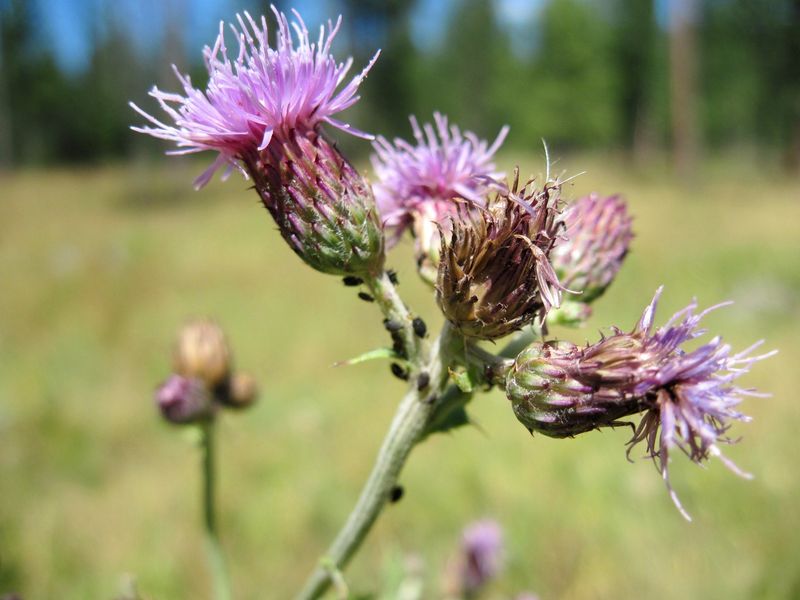
Most weeds are a nuisance, but Canada thistle (Cirsium arvense) is on a completely different level. Pull the top off, and you might feel like you have won.
But underground, the plant is already getting ready to send up new shoots. That is its secret weapon, and it is a powerful one.
Canada thistle is a perennial weed, which means it comes back year after year. Its root system grows horizontally through the soil, sometimes stretching several feet in every direction.
These roots store energy that the plant uses to regrow even after the leafy parts above the ground are completely removed. The roots can go down several feet deep, making them very hard to fully remove by hand.
Each section of root that stays in the soil has the ability to produce a brand new shoot. So even if you remove 90 percent of the plant, that remaining 10 percent underground can still sprout again.
The plant essentially rebuilds itself from scratch using stored nutrients in those root fragments.
Canada thistle originally came from Europe and Asia and was introduced to North America hundreds of years ago. It thrives in disturbed soils, roadsides, farm fields, and home gardens alike.
Pennsylvania’s climate gives it plenty of moisture and moderate temperatures to grow strong all season long. Once established, a single plant can spread its roots across a large area in just one growing season.
Knowing that the real problem is underground, not above it, changes how you need to approach controlling this persistent weed for good.
Pulling It Once Can Make The Problem Worse
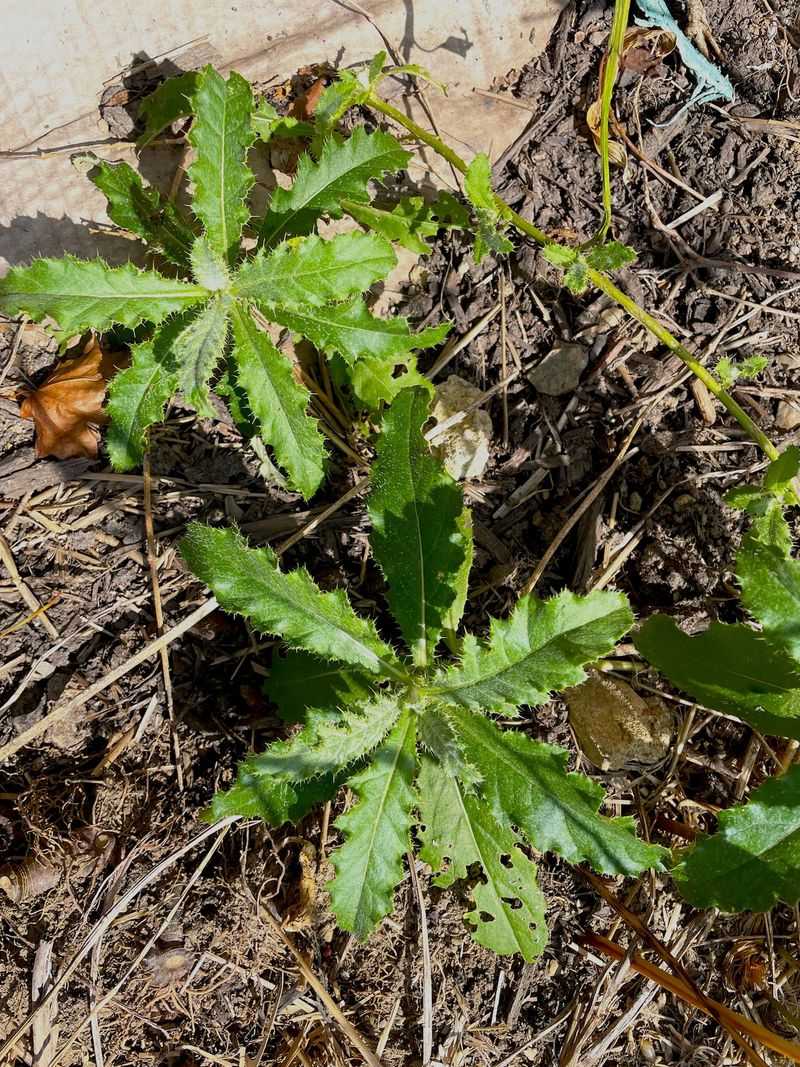
Here is something that surprises most gardeners: pulling Canada thistle by hand can actually make things worse. It sounds backwards, but the science behind it makes total sense once you understand how the plant responds to being disturbed.
When you yank the plant out of the ground, the roots almost always break apart and stay in the soil.
Your Pennsylvania Garden Changes Every Week. Your Plan Should Too.
Gardening in Pennsylvania changes quickly throughout the season. Every Friday you’ll receive a simple weekly plan showing exactly what to plant, prune, fertilize, harvest, and protect so you never miss the right timing.
Those broken root pieces do not just sit there quietly. Each fragment can respond by producing multiple new shoots.
So instead of one plant coming back, you might end up with two, three, or even more new plants sprouting from the same spot. Gardeners who pull thistle aggressively sometimes notice the problem getting bigger over the following weeks, and now you know exactly why that happens.
Hand pulling is most effective only when the plant is very young and the root system has not yet spread far. Even then, you need to get as much of the root as possible.
Using a long, narrow weeding tool that reaches deep into the soil gives you a much better chance of removing a larger portion of the root intact. Watering the soil before you weed also helps loosen the ground so roots come out more cleanly.
If you are dealing with an established patch of Canada thistle, pulling alone is rarely enough.
Repeated cutting at the soil line over the course of an entire growing season is often more effective because it slowly drains the plant’s underground energy reserves without breaking the roots into pieces that can sprout.
Patience and a smart strategy are more powerful than brute force when it comes to this stubborn weed.
One Patch Can Spread Far Beyond The Original Plant
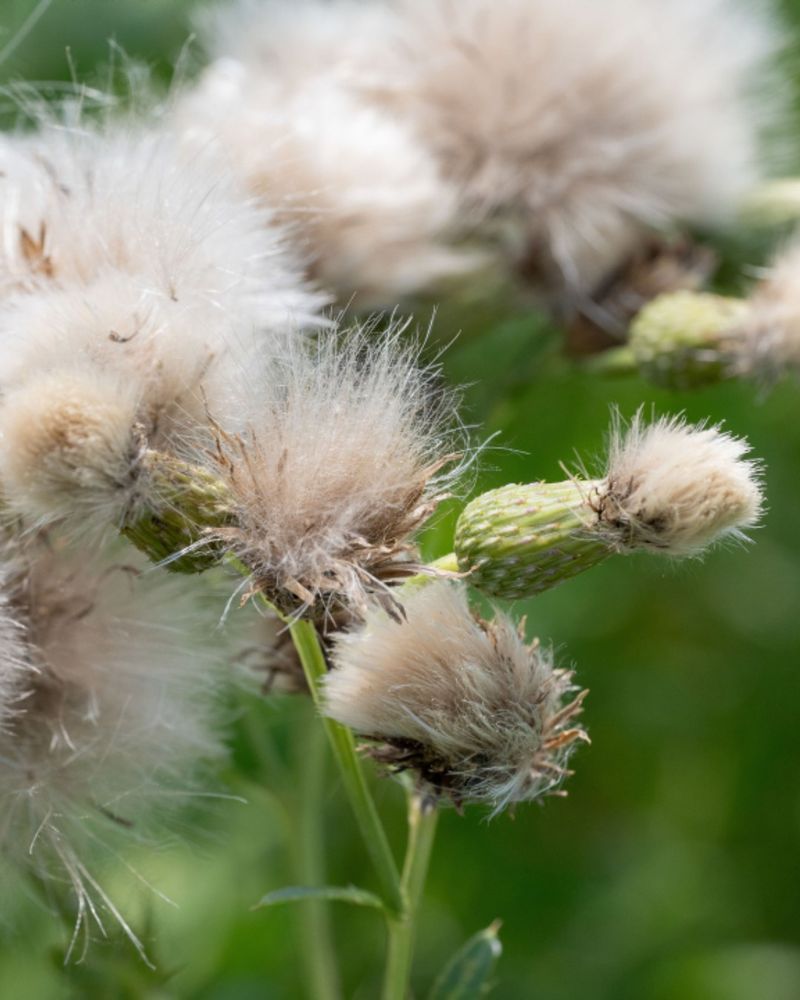
A single Canada thistle plant left alone for one full season can turn into a surprisingly large colony. The underground roots spread horizontally in all directions, quietly creating new plants as they go.
From the surface, it may look like you have a bunch of separate weeds, but they are often all connected underground as one massive root network.
Horizontal root growth is not the only way Canada thistle spreads. The plant also produces seeds, and each mature plant can release hundreds of them.
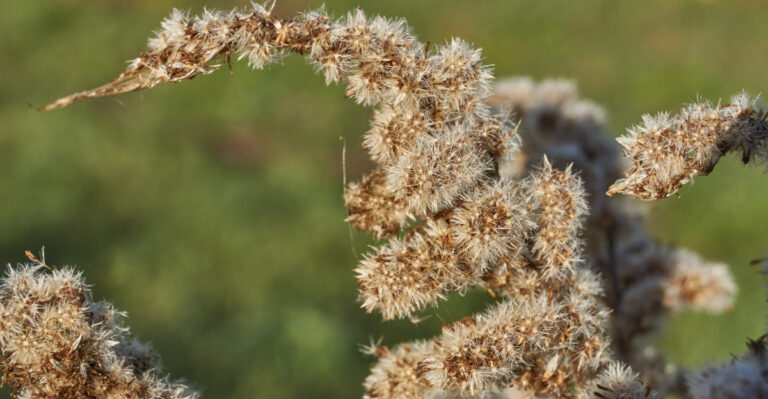
The seeds are attached to fluffy, white fibers, similar to dandelion seeds, that let the wind carry them far from the original plant. Seeds can travel across yards, over fences, and into neighboring gardens or fields without any help from people at all.
Once seeds land in a new spot with good soil and moisture, they germinate and start a brand new root system from scratch. This means a Canada thistle problem can jump from one part of your yard to a completely different area within a single growing season.
Roadsides, fence lines, and garden borders are common places where new patches start because seeds often collect in those spots.
Controlling the spread requires paying attention to both the roots and the seeds at the same time. Letting a patch go to flower and then to seed is one of the fastest ways to turn a small problem into a big one.
Monitoring your yard regularly, especially in spring and early summer when growth is fastest, helps you catch new patches early before the roots have time to spread wide and deep into the surrounding soil.
Repeated Control Is More Effective Than A One-Time Attack
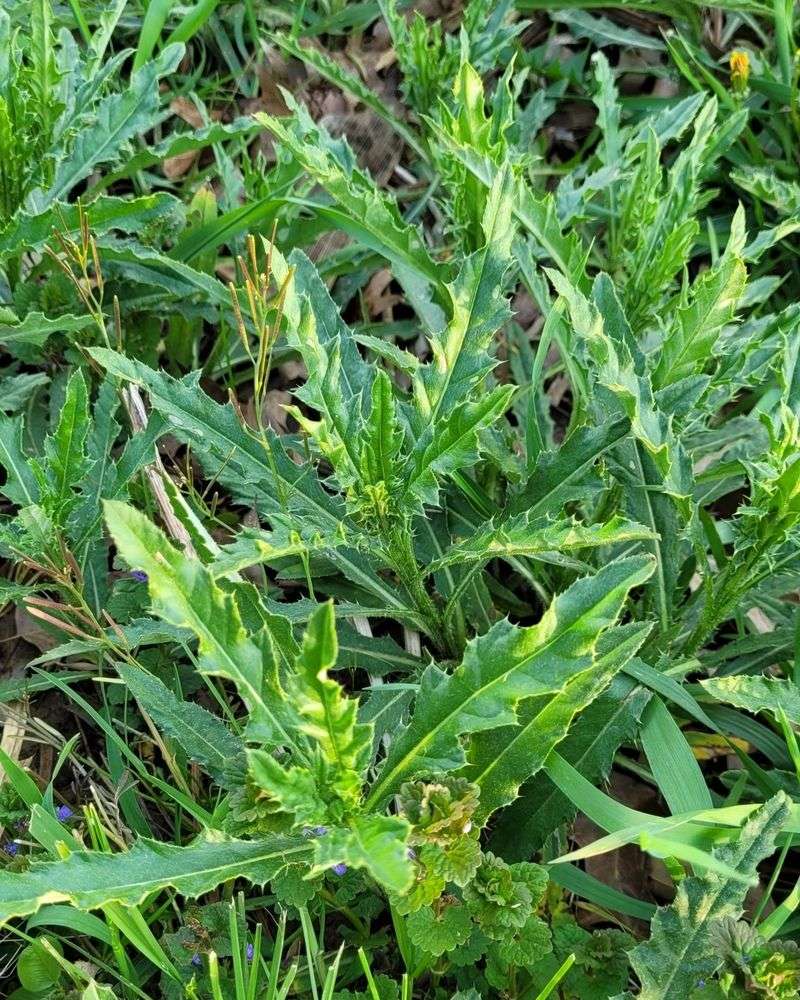
Trying to get rid of Canada thistle in one big effort almost never works. The plant has too much energy stored in its roots to give up after a single round of removal.
A smarter approach is to wear it down slowly over time by repeatedly cutting it back before it can rebuild its strength.
Every time Canada thistle sends up new shoots, it uses energy from the roots to do so. If you cut those shoots down before they can grow leaves and start making their own food through photosynthesis, the plant is forced to dip into its underground reserves again.
Do this enough times throughout the growing season, and the root reserves eventually get depleted. At that point, the plant becomes much weaker and easier to manage.
Cutting the plant back every two to three weeks during the growing season is a common and effective approach. You do not have to dig anything up.
Simply cutting or mowing the shoots at or just below the soil surface is enough to interrupt the plant’s recovery cycle. Consistency is the key ingredient here.
Missing even a few weeks gives the plant enough time to regrow leaves and start restoring its underground energy supply.
Some gardeners combine repeated cutting with other methods, like smothering the area with heavy mulch or cardboard, to block sunlight from reaching new shoots. Covering the ground tightly reduces the plant’s ability to recover between cuttings.
Over one to two full growing seasons of consistent effort, most Canada thistle infestations can be brought under control. Sticking with the plan even when progress feels slow is what separates success from frustration with this weed.
Don’t Let Flowers Turn Into Seed
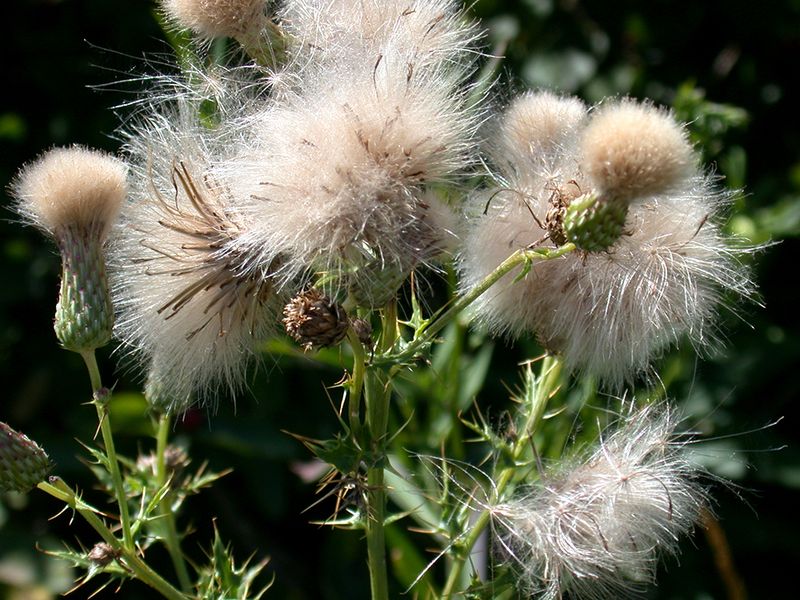
Catching Canada thistle before it flowers might be the single most important step you can take to slow its spread. Once those purple flowers open up and mature into seed heads, the plant is ready to launch hundreds of seeds into the air.
At that point, your problem is no longer just in one spot. Canada thistle flowers typically appear in mid to late summer in Pennsylvania. The blooms are small, purple, and clustered at the tops of the stems.
They look almost pretty, which makes it tempting to leave them alone. But each flower head that matures can release seeds that travel on the wind for long distances, starting new infestations in places you may not even notice right away.
Removing flowering stems as soon as you see them is a practical and important habit. You do not need to dig up the roots to do this.
Simply cutting the stems below the flower heads, before the seeds ripen, stops that round of seed production. Bag the cut stems and throw them away rather than leaving them on the ground or putting them in compost, because seeds can still mature even after the stem is cut.
Staying alert during mid-summer is especially important. Check your yard and garden every week or two during the peak flowering period.
A quick walk-through can catch new flower stalks early. Removing them promptly takes only a minute but saves you from dealing with dozens of new plants the following season.
Combining flower removal with repeated cutting of new shoots gives you a two-pronged approach that attacks both the spread and the underground root system at the same time.
Pennsylvania Officially Treats It As A Serious Weed
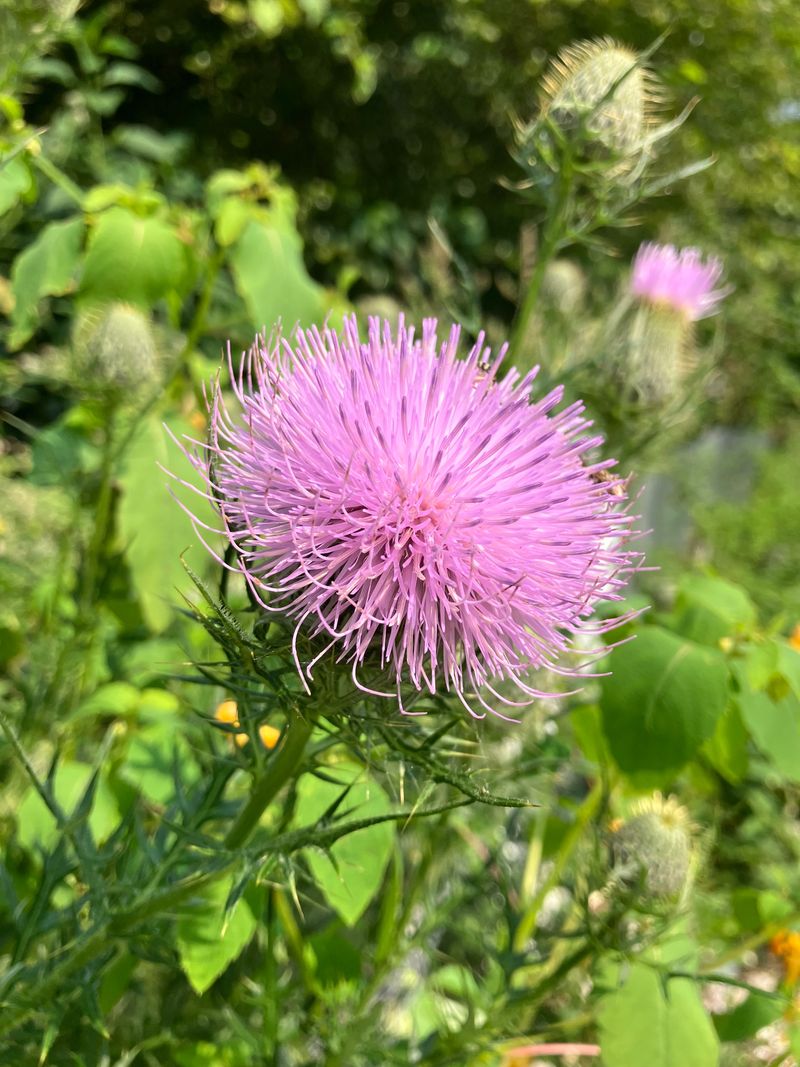
Pennsylvania does not take Canada thistle lightly. The state officially classifies it as a Class B noxious weed under the Pennsylvania Noxious Weed Control Law.
That classification means the state recognizes it as a plant that causes significant harm to agriculture, natural areas, and neighboring properties. Property owners across Pennsylvania are expected to manage it and prevent it from spreading.
A Class B designation means that while the weed is already widespread in the state, efforts to control and contain it are still required. Farmers, homeowners, and land managers are all responsible for keeping Canada thistle from spreading beyond their property lines.
Letting a large infestation go unchecked can affect neighboring farms, gardens, and natural habitats, which is why the state takes the classification seriously.
County conservation districts in Pennsylvania can provide guidance and resources to help landowners manage Canada thistle effectively. Some counties also offer educational programs and site visits to help property owners come up with a management plan.
Reaching out to your local extension office is a smart move if you are dealing with a stubborn or large infestation on your property.
Beyond the legal side of things, controlling Canada thistle is simply good neighborly practice. Seeds travel on the wind and do not respect property lines.
A patch left to go to seed on one property can quickly become someone else’s problem too.
Whether you have a small garden bed or a large field, staying on top of Canada thistle management protects your land, your neighbors, and the broader Pennsylvania landscape from this remarkably persistent and hard-to-stop weed.