7 Tough Pennsylvania Plants That Make Shady Spots Look Full
Shady spots in a Pennsylvania garden have a reputation for being difficult, and that reputation is at least partially deserved.
The combination of low light, root competition from overhead trees, and the kind of dry shade that develops under dense canopies creates growing conditions that rule out a surprisingly large number of otherwise reliable plants.
Most gardeners respond by planting hostas, running out of ideas, and leaving the rest of the shaded area to fend for itself.
Pennsylvania’s shaded garden spaces are actually capable of supporting a much more interesting and varied plant palette than that default approach suggests.
The right plants don’t just survive in shade – they use it, filling those darker corners with genuine fullness, interesting texture, and seasonal color that makes shaded areas feel intentional rather than like a problem that never got properly solved.
These tough Pennsylvania plants bring real presence to shady spots without needing conditions they’re never going to get in those spaces.
1. Hosta
Walk through almost any Pennsylvania neighborhood in summer, and you will spot hostas everywhere. That is not by accident.
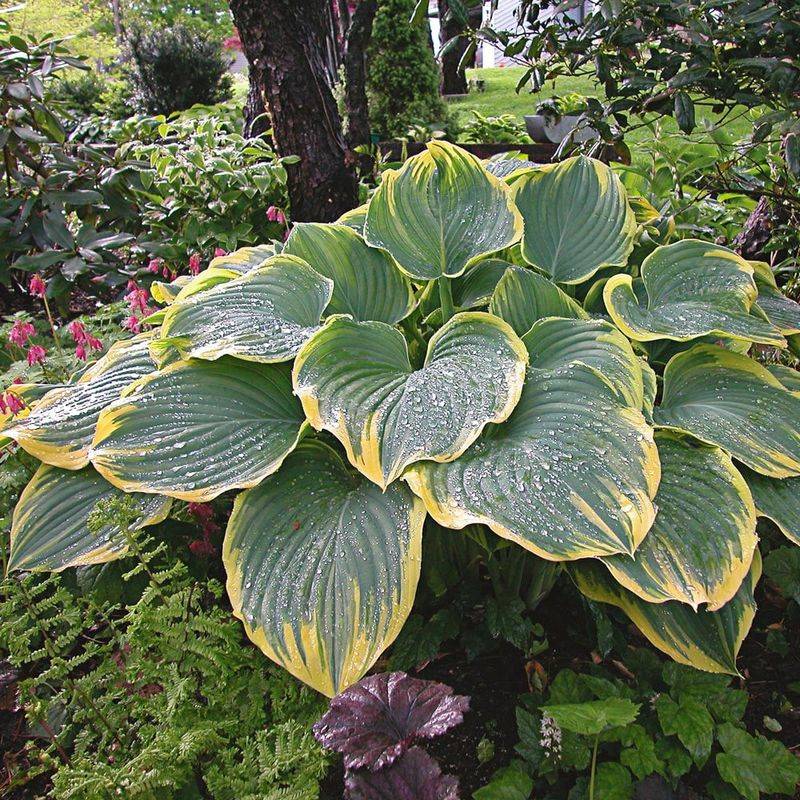
Hostas are one of the most reliable shade plants you can grow, and they earn that reputation every single season. Their big, bold leaves come in shades of green, blue, gold, and even white-edged varieties, so you get a lot of visual interest without doing much work at all.
Planting hostas is pretty straightforward. You just need decent soil, a shady spot, and some water during dry spells.
Once they settle in, they spread on their own and fill a bed quickly. A small clump can double in size over a few years, which means less empty soil and fewer weeds to deal with. That is a win for any gardener who wants results without constant fussing.
Hostas are also incredibly cold-hardy, which matters a lot in Pennsylvania. They go dormant in winter, disappear underground, and then come back strong every spring.
Some varieties even produce tall, slender flower stalks with lavender or white blooms in midsummer, adding a nice bonus to their already impressive foliage show.
If you are just starting a shade garden, hostas are a smart first choice. They are forgiving, flexible, and fast to establish.
Pair them with ferns or heuchera for a layered look that stays full from spring all the way through fall without requiring much attention from you at all.
2. Christmas Fern
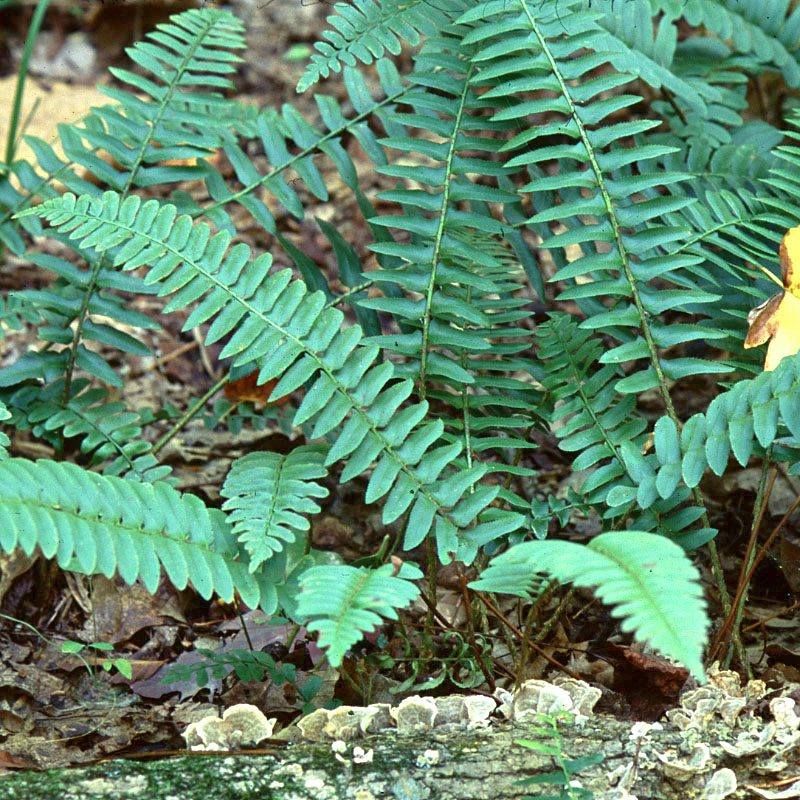
Most ferns fade away when cold weather hits, but the Christmas fern plays by different rules. Named because its fronds stay green right through the holiday season, this tough native plant keeps your shade garden looking alive even when snow is on the ground.
That kind of year-round presence is hard to find in a shade plant, and it makes the Christmas fern genuinely special.
Native to Pennsylvania, this fern grows naturally in woodland areas and along shaded slopes. It is well adapted to the state’s climate and soil conditions, which means it rarely needs babying.
Your Pennsylvania Garden Changes Every Week. Your Plan Should Too.
Gardening in Pennsylvania changes quickly throughout the season. Every Friday you’ll receive a simple weekly plan showing exactly what to plant, prune, fertilize, harvest, and protect so you never miss the right timing.
Plant it in a spot with decent moisture and some organic matter in the soil, and it will take care of itself for years. It handles dry shade better than many other ferns, which makes it useful in spots where water does not always reach.
Each plant grows in a graceful, arching clump about two feet tall. The deep green fronds have a slightly leathery texture that looks polished and clean all season long.
Over time, a single plant spreads slowly into a fuller clump, gradually filling the space around it without becoming invasive or crowding out neighboring plants.
Christmas ferns work beautifully along shaded paths, under trees, or mixed into a woodland-style garden. They pair well with hostas and wild ginger for a layered, natural look.
If you want a low-effort plant that gives back in every season, this native fern deserves a spot in your yard.
3. Foamflower
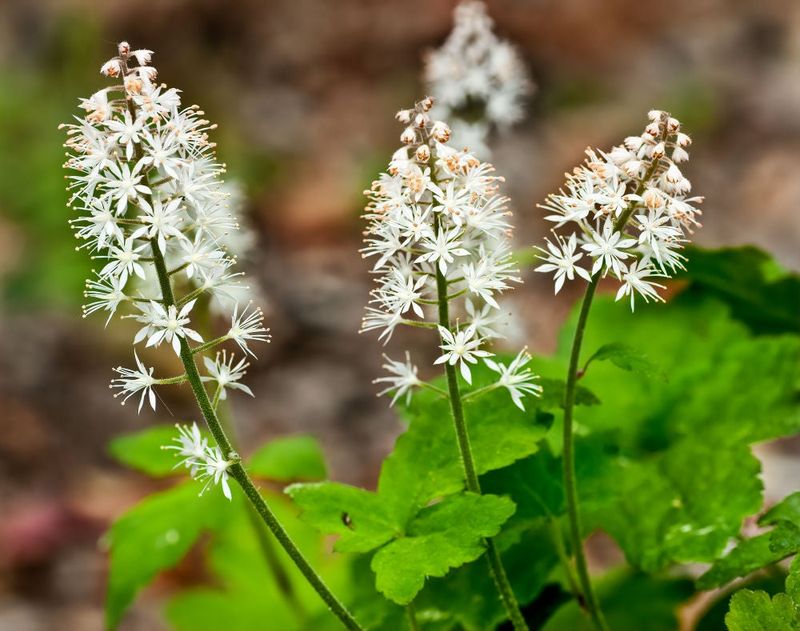
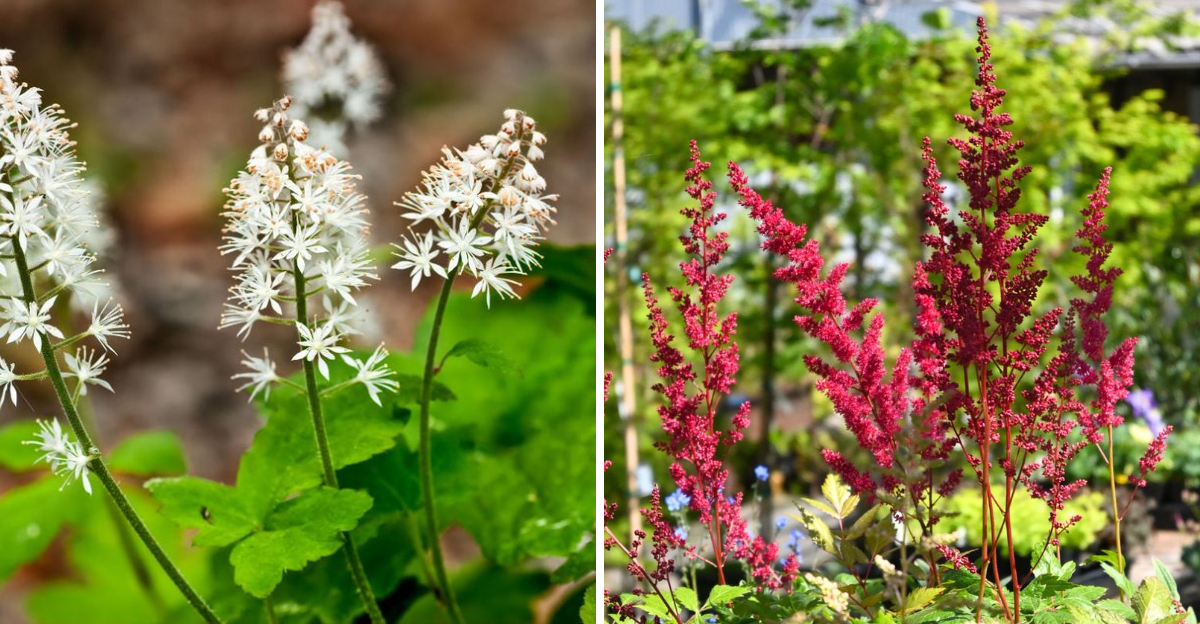
Picture a soft, foamy cloud of tiny white and pink flowers floating just above a carpet of heart-shaped leaves. That is exactly what foamflower looks like in spring, and it is one of the most charming sights a shade garden can offer.
Tiarella, as it is known botanically, is a native wildflower that feels right at home in Pennsylvania’s shaded landscapes.
Foamflower is a spreader, but a polite one. It sends out short runners that creep along the ground, slowly filling in bare patches without taking over the whole garden.
Over a couple of seasons, a few plants can form a dense, weed-suppressing mat of foliage that looks lush and intentional. The leaves themselves are often patterned with dark markings along the veins, which adds interest even when the plant is not blooming.
Spring is when foamflower really shows off. Slender stems rise up from the foliage and carry clusters of feathery flowers that attract early pollinators like bees and butterflies.
The blooms last several weeks, and after they fade, the attractive foliage keeps things looking full right through autumn. Some varieties even develop reddish or bronze tones on their leaves as temperatures drop in fall.
Foamflower thrives in moist, humus-rich soil with consistent shade or dappled light. It works wonderfully as a ground cover under trees or along the edges of a shaded path.
Combine it with ferns and wild ginger for a layered woodland garden that looks completely natural and effortlessly beautiful.
4. Wild Ginger
There is something quietly impressive about wild ginger. It does not bloom in a flashy way, and it does not grow tall.
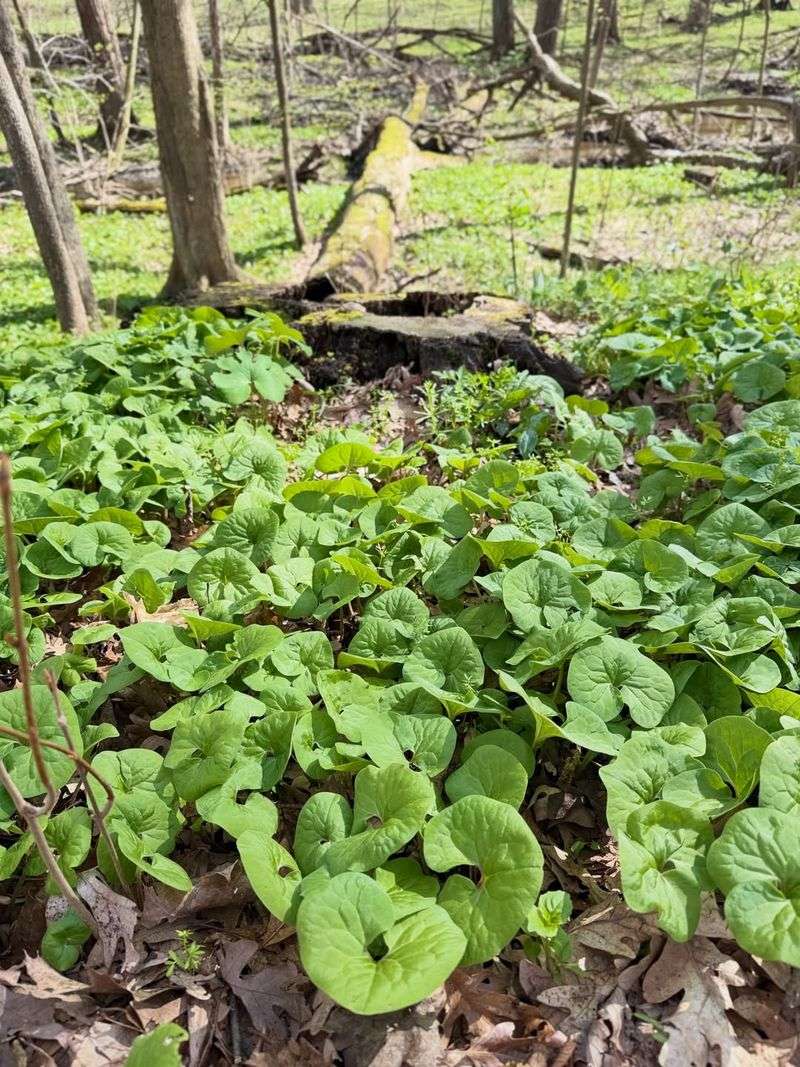
But give it a shady spot with moist soil, and it will slowly, steadily cover the ground with a thick mat of rich, dark green leaves that looks like it belongs in a forest. That low-key reliability is exactly what makes it so valuable in a shade garden.
Wild ginger, or Asarum canadense, is a native Pennsylvania plant that grows naturally on shaded forest floors. Its large, heart-shaped leaves emerge in spring and stay full and lush all the way through fall.
The plant does spread over time, but it moves slowly and stays well-behaved, making it a great choice for areas where you want coverage without constant management. It is also deer-resistant, which is a big deal for many Pennsylvania gardeners.
One fun fact: wild ginger does produce small, brownish-red flowers in early spring, but they hide underneath the leaves near the soil. Most people never even notice them, but they are a fascinating little surprise if you take a closer look.
The plant gets its name from the ginger-like scent of its roots when they are crushed or bruised.
Wild ginger works best in moist, shaded spots with rich, woodsy soil. It is a fantastic choice for filling in under trees or along shaded slopes where bare soil is a problem.
Pair it with ferns, foamflower, or Christmas fern for a complete, natural-looking ground layer that practically takes care of itself.
5. Heuchera
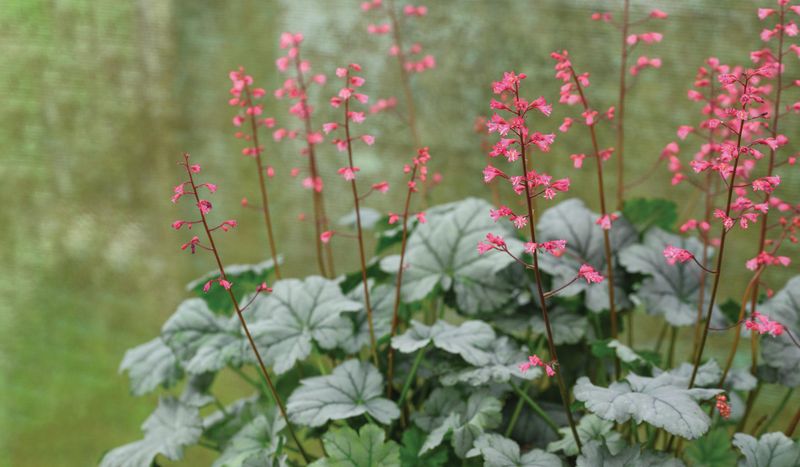
If you think shade gardens have to be all green, heuchera is about to change your mind. Also called coral bells, this plant comes in an almost unbelievable range of foliage colors, from deep burgundy and rich purple to caramel, lime green, and even silvery patterns.
It brings a burst of color to shaded spots that most other plants simply cannot match, and it does it with very little fuss.
Heuchera is a native plant to North America, and it handles Pennsylvania’s climate well. It prefers partial shade, making it ideal for spots that get a few hours of morning sun or filtered light through tree canopies.
Too much direct afternoon sun can scorch the leaves, so a shaded or semi-shaded bed is really its sweet spot. Well-drained soil with some organic matter keeps it happy and healthy through the seasons.
Beyond the foliage, heuchera sends up tall, slender flower stalks in late spring and early summer. The tiny, bell-shaped blooms are usually pink, red, or white and attract hummingbirds and pollinators.
Even after the flowers fade, the colorful leaves remain the real star of the show, holding their color from spring through the first hard frosts of fall.
Heuchera works beautifully along borders, in container gardens, or tucked between hostas and ferns. It stays relatively compact, usually reaching one to two feet tall, so it fits easily into smaller spaces.
For a shade bed that looks colorful and layered without a lot of effort, coral bells are a top-tier pick for Pennsylvania gardeners.
6. Pennsylvania Sedge
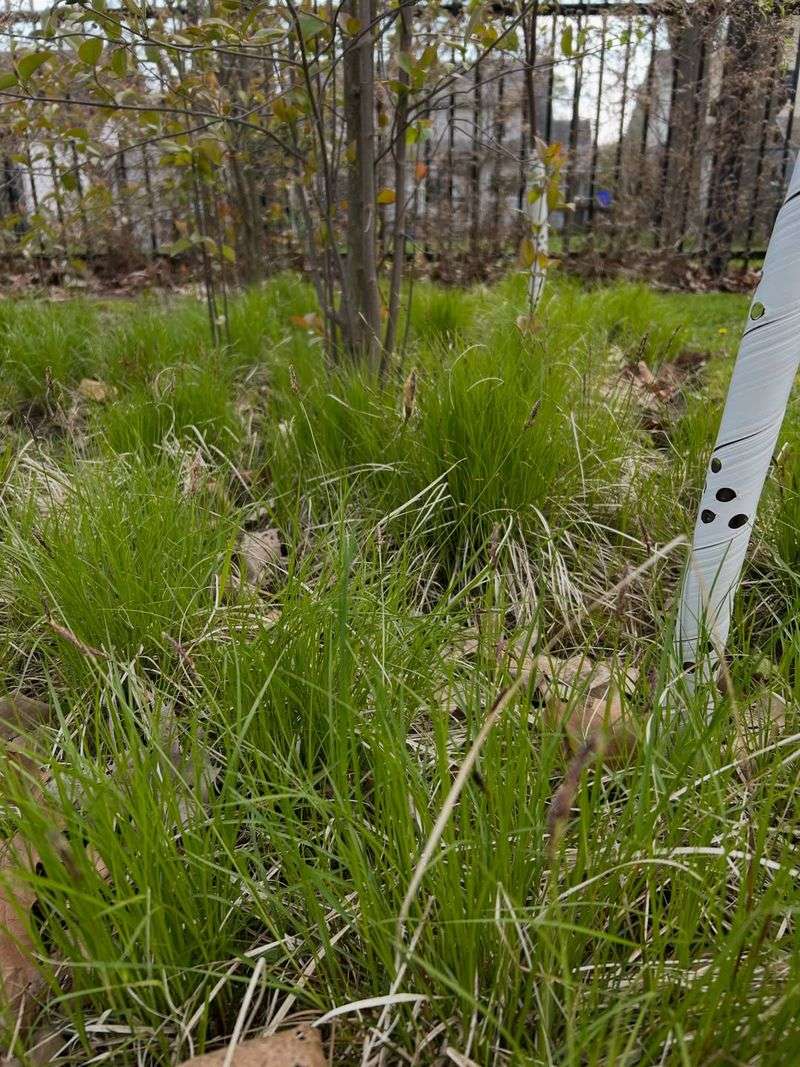
Not everything in a shade garden needs to be a broad-leaved plant. Pennsylvania sedge brings something different to the mix, a fine, grassy texture that softens the look of a garden and fills space in a way that feels completely natural.
Carex pensylvanica, to use its botanical name, is actually native to Pennsylvania and grows wild in the state’s woodland areas. It is one of those plants that looks like it simply belongs there.
Pennsylvania sedge grows in low, arching clumps of thin, bright green blades that stay tidy and attractive throughout the growing season. It spreads slowly by underground rhizomes, gradually filling in bare areas under trees and along shaded slopes.
Because it is a sedge and not a true grass, it stays short and does not need mowing, which makes it a popular choice for low-maintenance lawn alternatives in heavily shaded spots where regular grass refuses to grow.
This plant is remarkably tough. It handles dry shade, which is one of the most challenging conditions in any garden.
Once established, it rarely needs watering and can go through dry spells without looking stressed or ragged. It is also deer-resistant and tolerates the root competition that comes with growing under large trees, something many plants simply cannot handle.
Pennsylvania sedge pairs well with hostas, wild ginger, and foamflower for a layered, woodland-inspired planting. It works equally well as a standalone ground cover in a shaded yard.
For anyone looking to replace struggling turf grass under trees, this tough native sedge is one of the smartest solutions available.
7. Astilbe
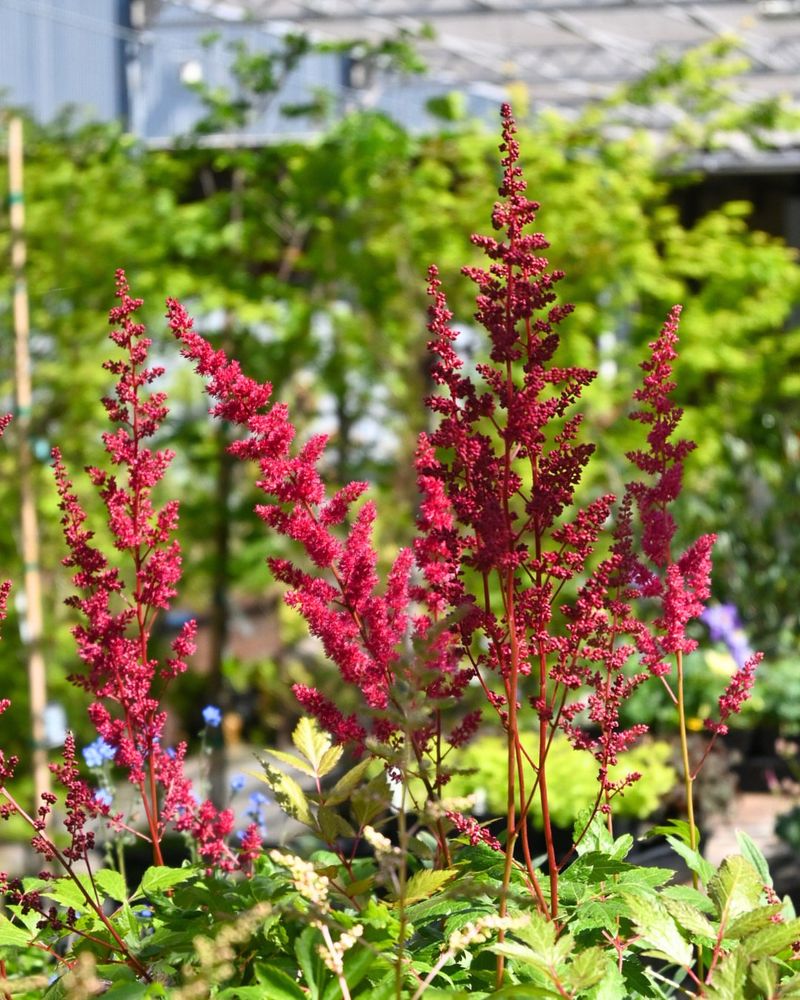
Few plants can match the drama that astilbe brings to a shaded garden. When it blooms in summer, it sends up tall, feathery plumes in shades of pink, red, white, lavender, and coral that stand out beautifully against dark green foliage.
In a shade garden that can sometimes feel quiet and understated, astilbe is the plant that turns heads and makes people stop and look twice.
Astilbe loves moisture and does especially well in Pennsylvania’s humid summers. It thrives in partial to full shade with consistently moist, fertile soil.
Low spots near a rain garden or along a shaded stream bank are perfect locations. If the soil dries out too much in summer, the leaf edges can turn crispy and brown, so a layer of mulch around the base helps hold moisture in and keeps the plant looking its best through the hottest months.
The foliage is attractive on its own, with deeply cut, fern-like leaves that emerge in spring and stay lush and full all season. Even after the blooms fade in late summer, the dried flower plumes hold their shape and add interesting texture to the garden well into fall.
Many gardeners leave the seed heads standing through winter because they look beautiful dusted with frost or snow.
Astilbe comes in a wide range of heights, from compact eight-inch varieties to tall plants that reach four feet. Mixing different heights and bloom times creates a layered, full look that stretches the flowering season across much of summer.
Pair it with hostas and heuchera for a shade garden that looks absolutely stunning from spring through fall.