The Plants California Fire Officials Want Removed Within 5 Feet Of Every Home
In California wildfire season, the most important real estate on your entire property is not the backyard, the front lawn, or the garden beds you spent all spring perfecting. It is the first five feet around your home.
That narrow strip, sometimes called Zone 0, is where embers land, catch, and start house fires before a single flame ever reaches the structure. And the uncomfortable truth is that a lot of well-intentioned California landscaping choices quietly load that zone with risk.
Woody shrubs against stucco, vines climbing walls, dense foundation plantings, dry grasses along fences, leaf litter tucked into corners, it all adds up fast.
California fire guidance is pretty clear on this point: defensible space is not just about plant selection.
It is about placement, spacing, maintenance, and keeping combustible material genuinely away from the house.
1. Woody Shrubs Against The House
Shrubs pressed flat against stucco or wood siding are one of the most common fire hazards California homeowners overlook during routine yard maintenance.
When a woody shrub grows close enough to touch the house, it creates a direct path for embers and flames to reach the wall, window frame, or soffit above.
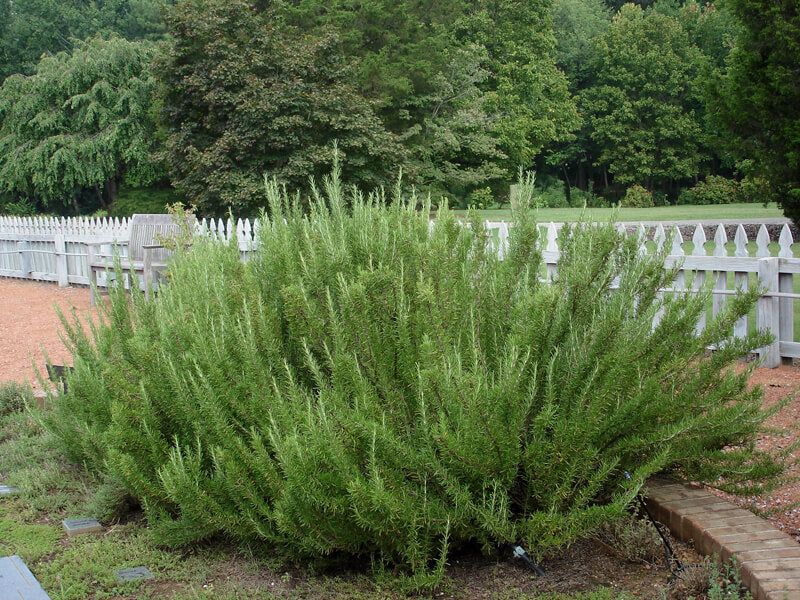
Many California yards have old rosemary, juniper, or ceanothus planted right at the foundation, where they were once small but have since grown into dense, resinous masses.
The problem with woody shrubs in that first 5-foot zone is not just their size. It is the combination of dry branches, resinous oils, and dense structure that makes them so combustible during the long dry season.
Even shrubs considered lower risk can become serious hazards when they go without water, fill with dry spent interior growth, or press into vents and window screens.
Removing or relocating woody shrubs from the first 5 feet around your home is one of the most effective steps you can take for defensible space.
If you want to keep some planting near the foundation, focus on low-growing, well-watered, low-resin options spaced away from the siding with room to breathe.
2. Dense Foundation Plantings

Walk around almost any older California neighborhood in late summer and you will likely spot foundation beds so packed with plants that you cannot see the ground underneath.
These dense plantings may look lush and well-established, but they trap heat, hold dry debris, and create layered fuel that connects the ground directly to the house wall.
Fire officials pay close attention to this kind of crowding because it can allow a ground-level ember to travel up through the planting and reach the siding or eaves.
Foundation plantings become especially risky when they include a mix of heights, meaning low ground cover beneath taller shrubs, with branches overlapping and touching the structure.
That layered arrangement, sometimes called ladder fuel, gives a small flame a way to climb.
In California’s warm inland valleys and foothill communities, these beds dry out quickly and can stay dangerously dry for months.
Thinning out foundation beds, removing plants that touch the house, and leaving open noncombustible ground in the first 5 feet can make a real difference.
Your California Garden Changes Every Week. Your Plan Should Too.
Gardening in California changes quickly throughout the season. Every Friday you’ll receive a simple weekly plan showing exactly what to plant, prune, fertilize, harvest, and protect so you never miss the right timing.
Gravel, decomposed granite, or concrete pavers are often recommended as alternatives that reduce fuel load without leaving the foundation looking bare or neglected.
3. Combustible Vines On Walls

Vines climbing up a wall can look charming, but in California’s fire-prone climate they present a serious problem that is easy to underestimate.
A vine that covers a large section of exterior wall creates a continuous layer of dry, combustible material directly attached to the structure.
When embers land on a dry vine mat, the plant can ignite quickly and carry fire straight up to the eaves, roof edge, or attic vents.
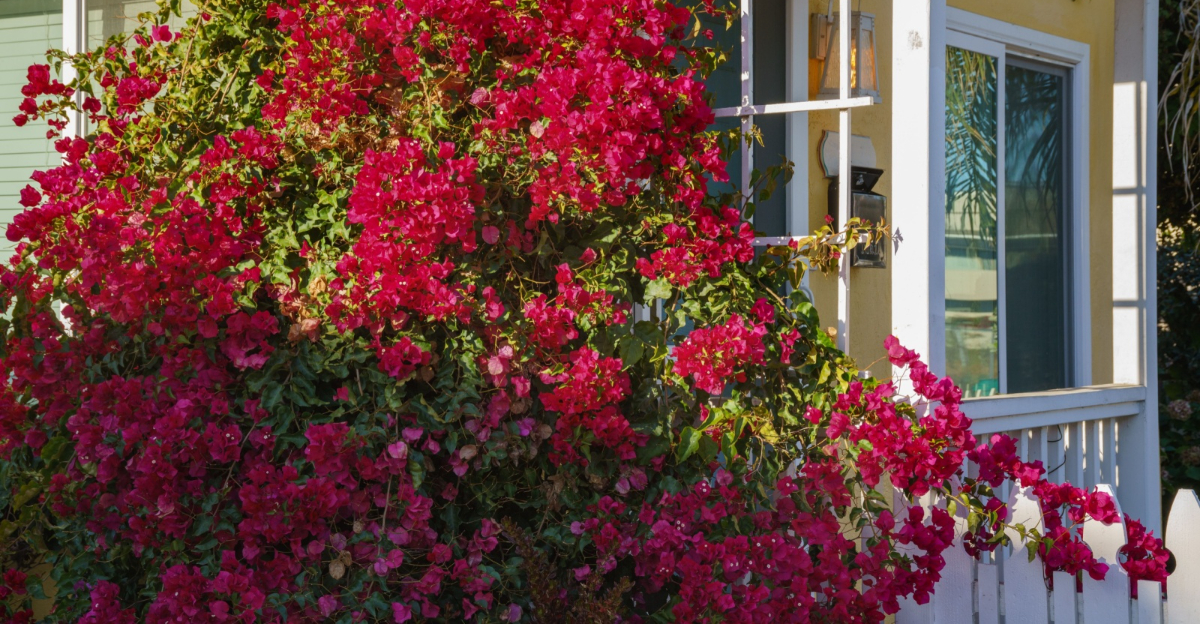
Common culprits in California yards include bougainvillea, wisteria, Virginia creeper, and ivy. All of these grow vigorously, dry out significantly during the summer months, and produce a tangle of stems and spent interior growth that burns readily.
Even a vine that stays green on the outside often has a layer of dry, woody stems underneath that adds to the fuel load against the wall.
If you have vines on your home’s exterior, the safest approach in Zone 0 is to remove them from the wall surface entirely, especially anywhere near vents, windows, or the roofline.
Redirecting a favorite vine to a freestanding trellis located farther from the house allows you to enjoy the plant without putting the structure at risk during wildfire season.
4. Plants Touching Windows Or Siding
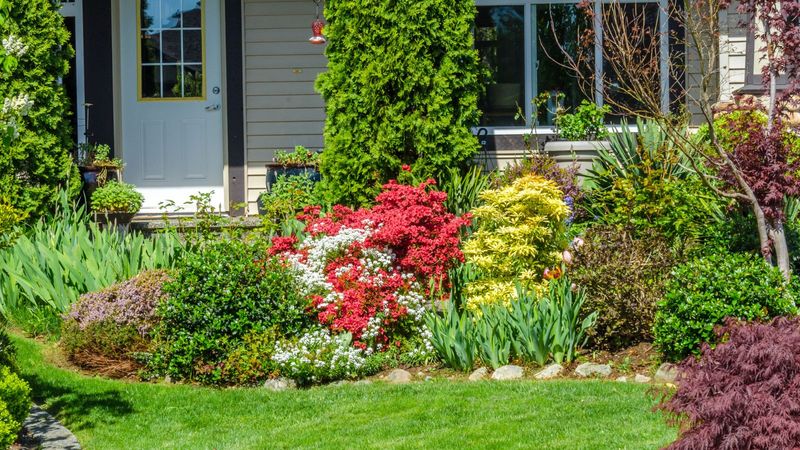
Most homeowners notice when a branch scrapes the window during a windstorm, but fewer think about what that contact means during a wildfire. Any plant touching a window frame, screen, or section of siding gives embers a direct transfer point to the house.
Window frames, especially older wood ones, can ignite from ember contact alone, and a plant pressed against the screen makes it far easier for that to happen.
In California, where the Santa Ana and Diablo winds can carry embers miles ahead of an active fire, this kind of direct plant-to-structure contact is taken very seriously by fire agencies.
Shrubs that have grown tall enough to brush second-story windows, ground covers that have crept up against the base of the siding, and ornamental grasses whose seed heads lean against the wall are all examples of the same problem at different scales.
Pruning plants back so that nothing touches the house is a basic but meaningful step.
A clear gap between any plant material and the exterior surface of your home, including the siding, window frames, screens, and foundation vents, reduces the chance that an ember landing nearby will find the easy path it needs to start a fire.
5. Tree Limbs Extending Into Zone 0
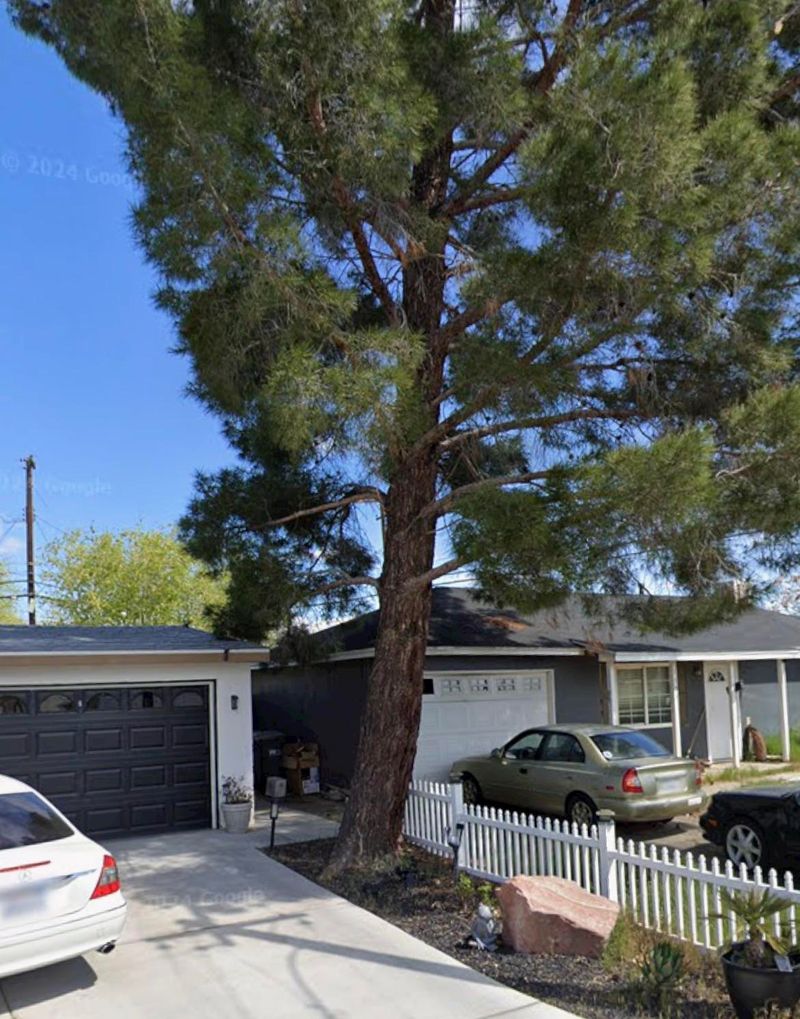
A mature tree in a California yard can be one of the most beautiful features of the property, but branches that extend into the first 5 feet around the house create a real fire risk that many homeowners do not fully appreciate.
When a limb hangs over the roof, reaches toward the eaves, or drops close enough to touch the gutter, it becomes a potential pathway for fire to move from the yard to the structure.
Embers can also land and collect in the spot where a branch meets the roofline.
Even a single large limb that passes over or into Zone 0 can hold enough dry leaves and bark to sustain a flame long enough to ignite roofing material or get into an attic vent.
In California foothill communities and suburban neighborhoods with large established trees, this is one of the most frequently cited concerns during home hardening inspections.
Pruning limbs that extend into the 5-foot zone, and ideally keeping any tree canopy well clear of the roofline, is a recommended step in California defensible-space planning.
Work with a licensed arborist if the limbs are large or the pruning requires climbing, and check local fire agency guidelines for specific clearance recommendations in your area.
6. Dry Grasses And Weeds Near Walls
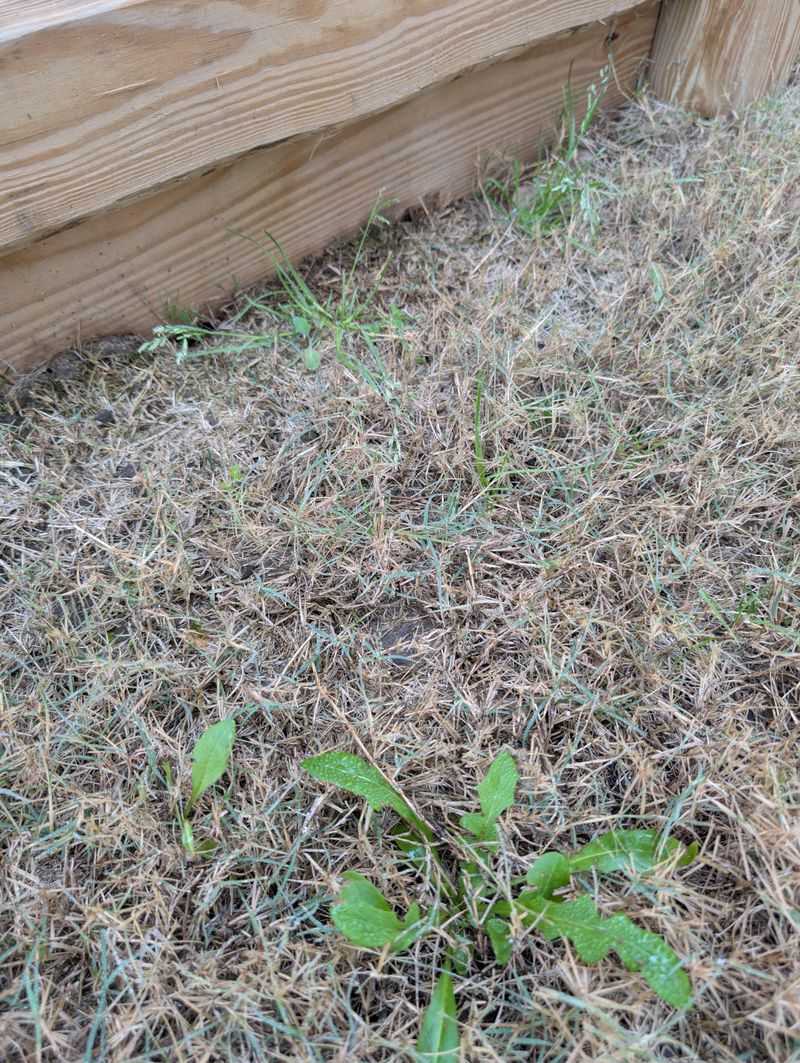
By midsummer in most California communities, the grasses and weeds that looked green in spring have dried to a pale gold.
When those dry grasses grow along a fence line, up against a wall, or in a narrow side yard between the house and a gate, they become some of the most flammable material on the property.
Dry grass ignites easily from a single ember and burns fast, which is why fire agencies consistently point to it as a priority removal item in the first 5 feet around any structure.
Side yards are especially prone to this problem. They tend to be narrow, shaded part of the day, and easy to ignore until wildfire season arrives.
Weeds like mustard, filaree, and foxtail can grow thick along the base of a wall without much attention, and by late July they are dry enough to carry a flame quickly from one end of the yard to the other.
Removing dry grasses and weeds from the immediate foundation zone should be a regular task throughout the fire season, not just a one-time spring cleanup.
Replacing them with gravel, pavers, or other noncombustible ground cover is a practical long-term solution that reduces the time you spend managing this risk every year.
7. Potted Woody Plants By Doors
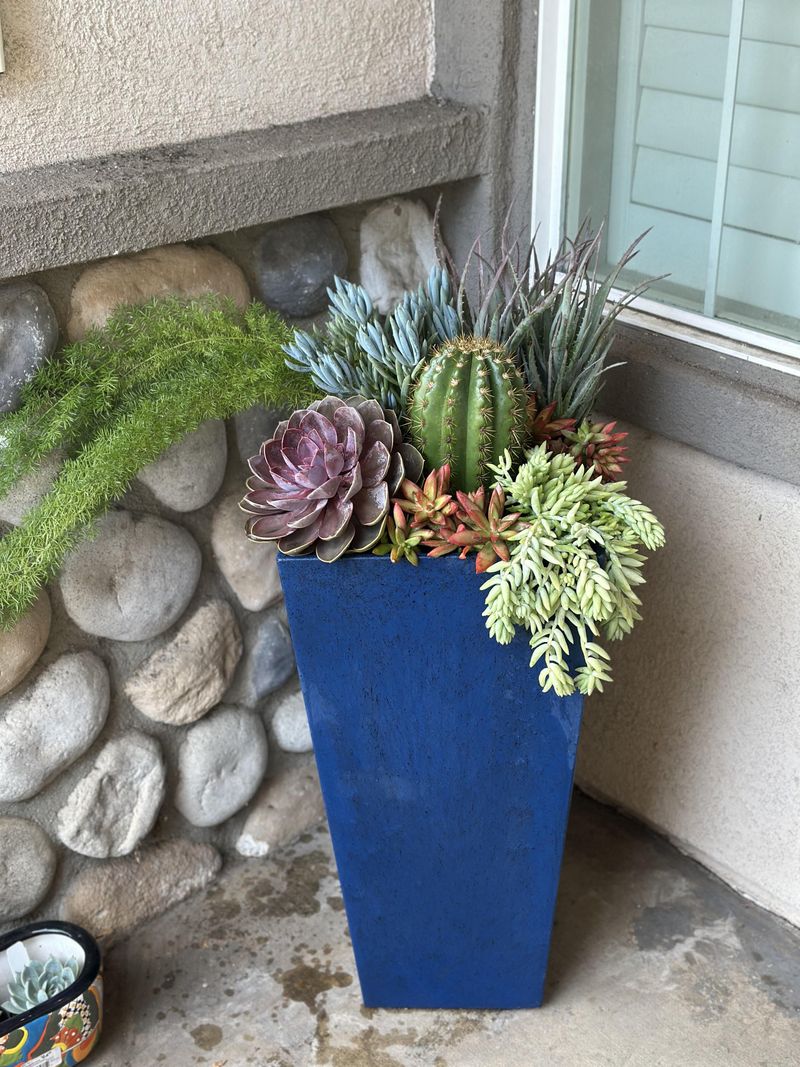
Potted plants by the front door are a welcoming touch, and most California homeowners do not think twice about placing a large container shrub or a pair of potted topiaries at the entryway.
The problem is that woody plants in containers carry just as much fire risk as the same plants in the ground, and they are often placed right next to a wood door, a door frame, or a glass sidelight that could be vulnerable to radiant heat.
During a wildfire event, ember showers can reach residential neighborhoods well ahead of the fire front.
A potted rosemary, boxwood, or juniper sitting beside your front door can ignite from an ember and, from that position, potentially transfer fire to the door or the wall beside it.
The fact that the plant is in a pot does not reduce its combustibility.
Relocating potted woody plants to an area farther from entry points is a straightforward adjustment that can meaningfully reduce risk.
If you want something near the door for curb appeal, consider swapping woody plants for low-water succulents, which tend to have higher moisture content and lower resin levels.
Even then, keep them well-watered and clear of dry leaves or accumulated debris that could catch an ember.
8. Combustible Mulch Around The Foundation
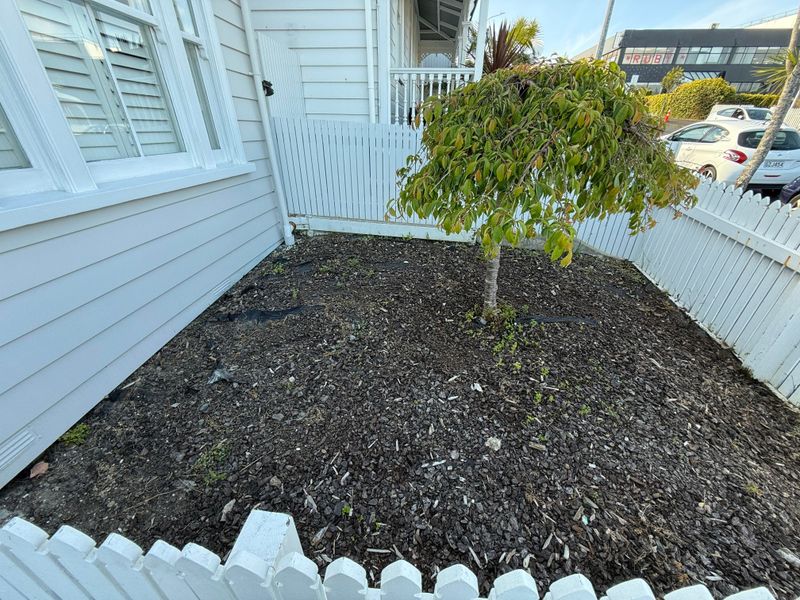
Mulch is one of the most common ground covers in California gardens, and for good reason: it holds soil moisture, suppresses weeds, and gives planting beds a tidy appearance.
The issue is that many types of mulch, particularly shredded wood, bark chips, and gorilla hair, are highly combustible and are often applied right up against the foundation.
That thin layer of organic material sitting at the base of the wall can catch an ember and smolder for a long time before anyone notices.
Shredded wood mulch and bark products are among the most ember-receptive materials you can place near a house.
They are light enough to be lofted by wind, dry out quickly in California’s summer heat, and can hold a slow burn that eventually reaches the siding or gets into a foundation vent.
Some homeowners apply mulch generously, layering it several inches deep right up to the base of the wall, which only adds to the problem.
Switching to noncombustible ground cover like decomposed granite, pea gravel, or river rock within the first 5 feet of the foundation is one of the most widely recommended Zone 0 adjustments in California.
These materials do not eliminate all risk, but they significantly reduce the chance that an ember landing near the house will find the fuel it needs to start a fire.
9. Leaf Litter Under Plants
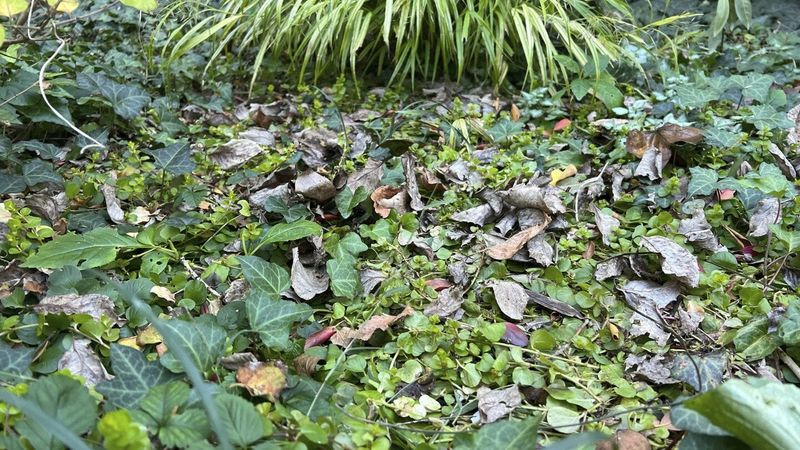
It is easy to forget about the ground under your plants, especially in areas that are hard to reach or out of the main sightline from the patio or driveway.
But leaf litter, dry twigs, seed pods, and bark that accumulates under foundation shrubs or along the base of the house can become a serious ignition risk.
In California, where properties can go months without rain, that debris dries thoroughly and stays that way through most of the fire season.
Leaf litter is particularly problematic because it catches embers so easily.
It is light, porous, and dry, which means a single ember landing in a thick pile of leaves under a shrub can start a slow burn that works its way toward the house before it produces enough smoke to notice.
Plants with deeply layered canopies, like large junipers or overgrown pittosporum, tend to collect the most debris underneath.
Clearing leaf litter from under plants near the house should be part of a regular seasonal routine, especially heading into summer.
Removing it from the first 5 feet of the foundation zone, along fence lines, and under any deck or porch is a simple task that makes a meaningful difference.
A clean, open ground surface is far less welcoming to an ember than a thick bed of dry organic debris.
10. Fire-Prone Trees Too Close To Structures
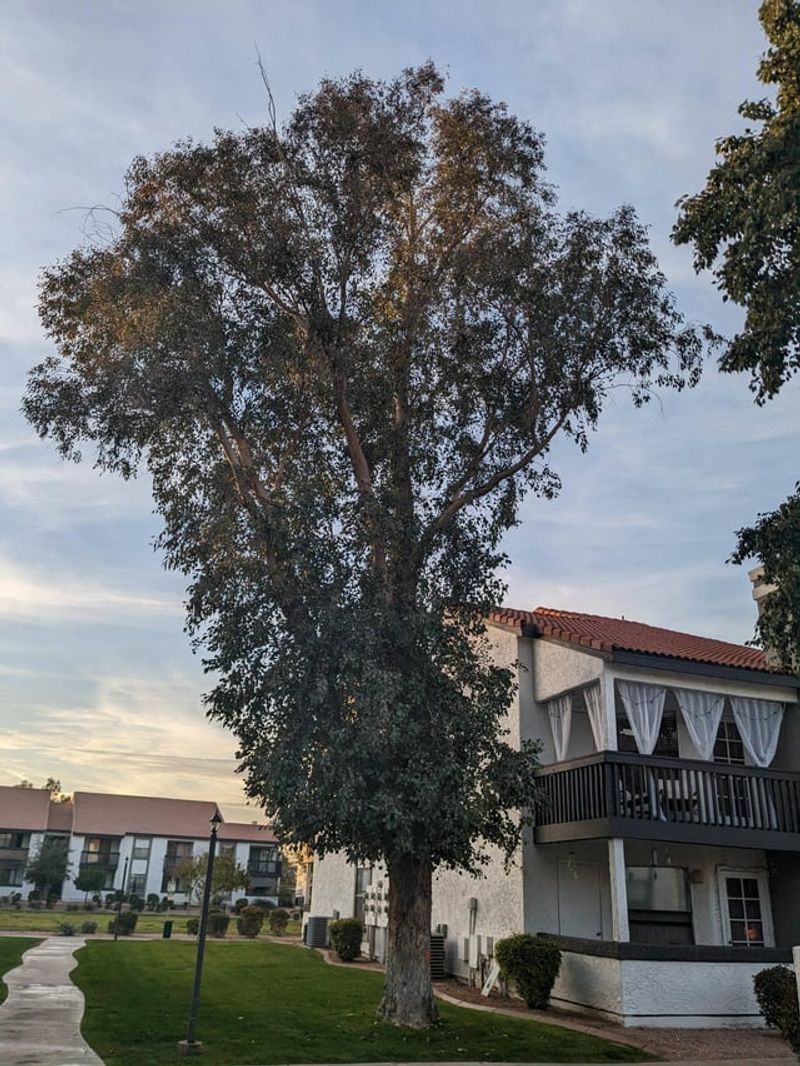
Some trees are more fire-prone than others, and in California, certain species show up repeatedly in discussions about wildfire risk near structures.
Eucalyptus, Monterey pine, acacia, and Italian cypress are among the trees most often flagged for their resinous bark, oil-rich leaves, or tendency to retain dry, shaggy debris that ignites easily.
When any of these trees are planted close enough to a home that their canopy, trunk, or surface roots fall within or near Zone 0, the risk picture changes considerably.
Even trees that are not considered especially fire-prone can become hazardous when they are too close to the house.
A large tree positioned within a few feet of the structure can drop bark, cones, and leaves directly onto the roof or into gutters, creating a buildup of dry organic fuel that is very difficult to keep clear.
In California’s foothill and mountain communities, this is a common scenario that fire inspectors note during defensible-space assessments.
Addressing a tree that is too close to the structure is not always straightforward, and removal or major pruning should involve a licensed arborist and possibly a permit.
The goal is to reduce the chance that the tree becomes a direct fuel source for the structure, so even partial pruning to clear the roofline and foundation zone can be a meaningful improvement.