The Plants Minnesota Gardeners Are Planting Right Now To Discourage Rats
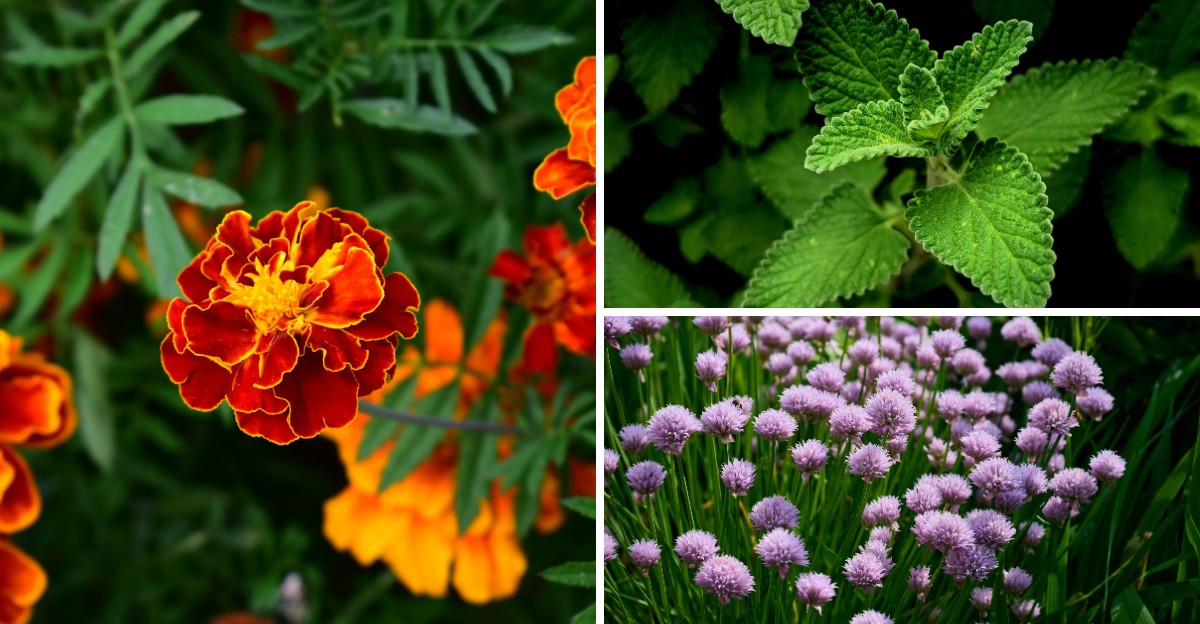
Rats carry more than a thousand working smell receptor genes, while people get by with roughly four hundred. That super nose helps them find food fast, and it may also send them away from certain gardens.
Gardeners across Minnesota have started tucking strong-scented herbs and flowers near sheds and compost bins this season.
Think of these plants as helpful extras, not magic shields, since sanitation and sealed gaps still matter most.
I skipped scented plants for years because they sounded like garden folklore with a pretty bow on top. After I tested a few near my woodpile, I noticed fewer chewed seedlings and far more happy pollinators.
You build your rodent plan one smell at a time, and a cold Minnesota yard gives plenty of choices.
Some fragrant plants endure our winters, and others earn a sunny spot by the door. Sort them right, and your yard smells great all year.
1. Peppermint
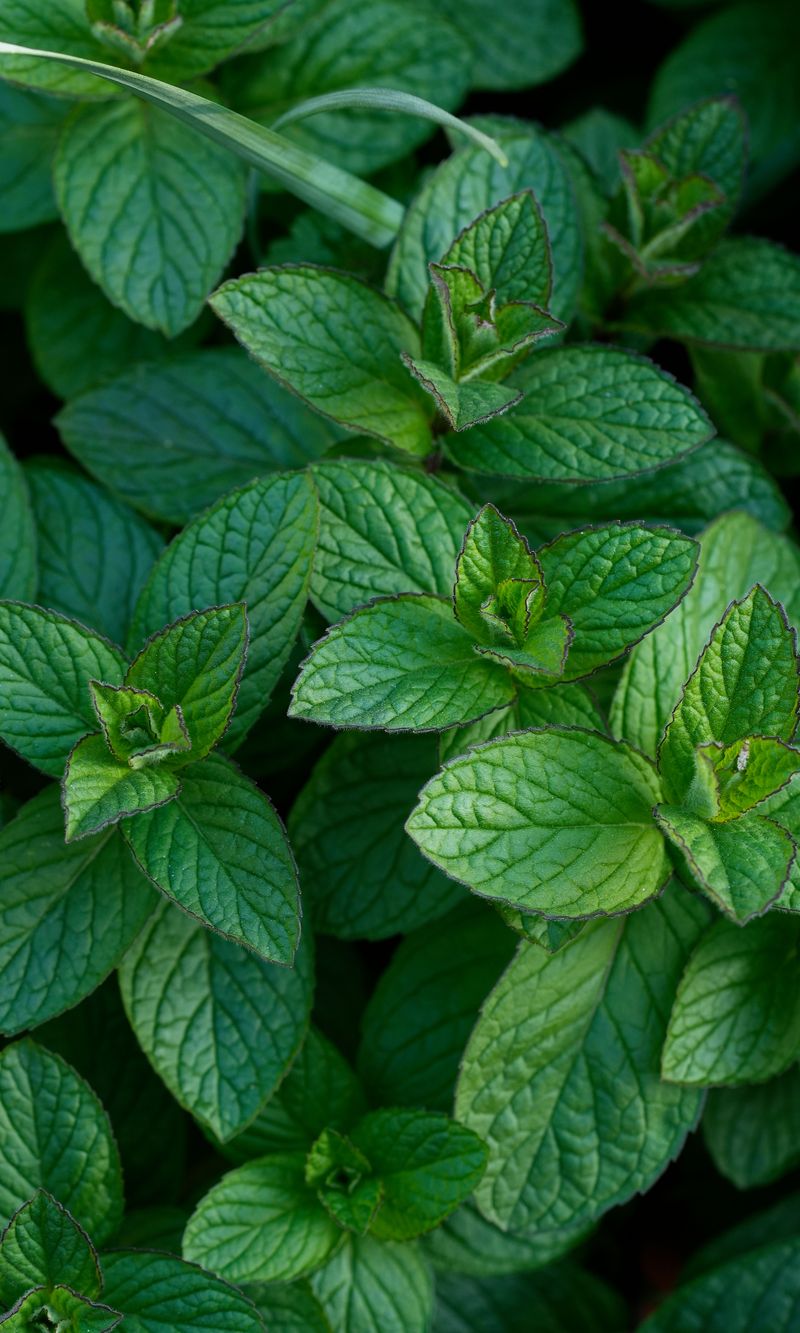
Crush one peppermint leaf between your fingers, and that cool blast hits your nose like an open freezer door. Rats rely heavily on smell, so many Minnesota gardeners hope that same punch makes rodents turn around.
Peppermint oil gets mentioned often in rodent advice, though research shows results fade as the scent weakens over time. I treat the living plant as a fragrant helper rather than a guaranteed fix for any rat problem.
Mentha x piperita is a hybrid of watermint and spearmint, and it handles winters down to zone 3, which covers even the coldest parts of Minnesota. That hardiness means it can return each spring in nearly every corner of Minnesota without fuss.
Expect plants about one to two feet tall, with square stems and dark green leaves that smell amazing after rain. Small purple flower spikes appear in summer, and bees seem to line up for a turn.
Peppermint loves moist, well-drained soil and grows happily in full sun or partial shade near your back porch. Its underground runners travel fast, so a sunken pot or sturdy container keeps it from bullying neighbors.
I like placing pots near the garage door and compost bin, where rodents tend to explore at night. Brush the leaves as you walk past, and you refresh the scent while enjoying a little aromatherapy yourself.
Snip stems often for tea or lemonade, since regular harvests keep plants bushy and full of fresh, fragrant growth. Pair it with tight trash lids and sealed foundation gaps for the best chance at fewer visitors.
2. English Lavender
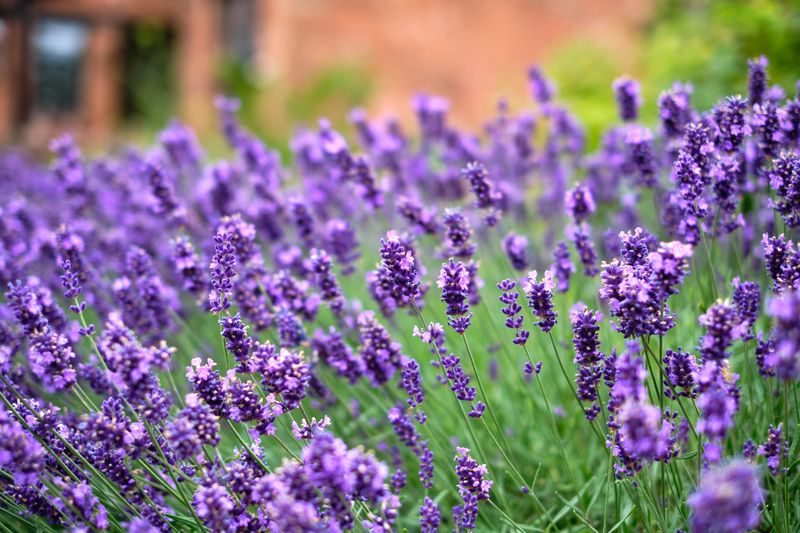
Few smells say summer like lavender drifting across a sunny path, yet rats reportedly find that perfume rather unwelcome. People adore it in soaps and sachets, which makes it one of the friendliest rodent deterrents around.
Evidence for lavender keeping rats away is mostly anecdotal, so I treat it as a bonus rather than a promise. Even so, a hedge of purple blooms near the patio beats staring at bare mulch any day.
English lavender, Lavandula angustifolia, is the type to grow here, since Spanish and French kinds struggle with harsh winters. Varieties like Munstead and Phenomenal are often rated for zone 4 when given some winter protection.
Plants form silvery mounds one to three feet tall, topped with slender purple spikes from early to midsummer. The foliage smells nearly as strong as the flowers, especially when warm afternoon sun heats the leaves.
Wet feet cause more lavender losses than cold, so pick a spot with sharp drainage and at least six hours of sun. Sandy or gravelly soil works beautifully, while heavy clay usually needs a raised bed or berm.
After the ground freezes, a light mulch of evergreen boughs helps shield crowns from harsh wind and winter thaw cycles. Wait until new green growth shows in spring before trimming, then shape plants gently above the woody base.
I tuck lavender along walkways leading to sheds, since every brush of a pant leg releases a fresh wave of scent. Cut a few stems for drying, and your closets get a lovely bonus from the same plants.
3. Rosemary
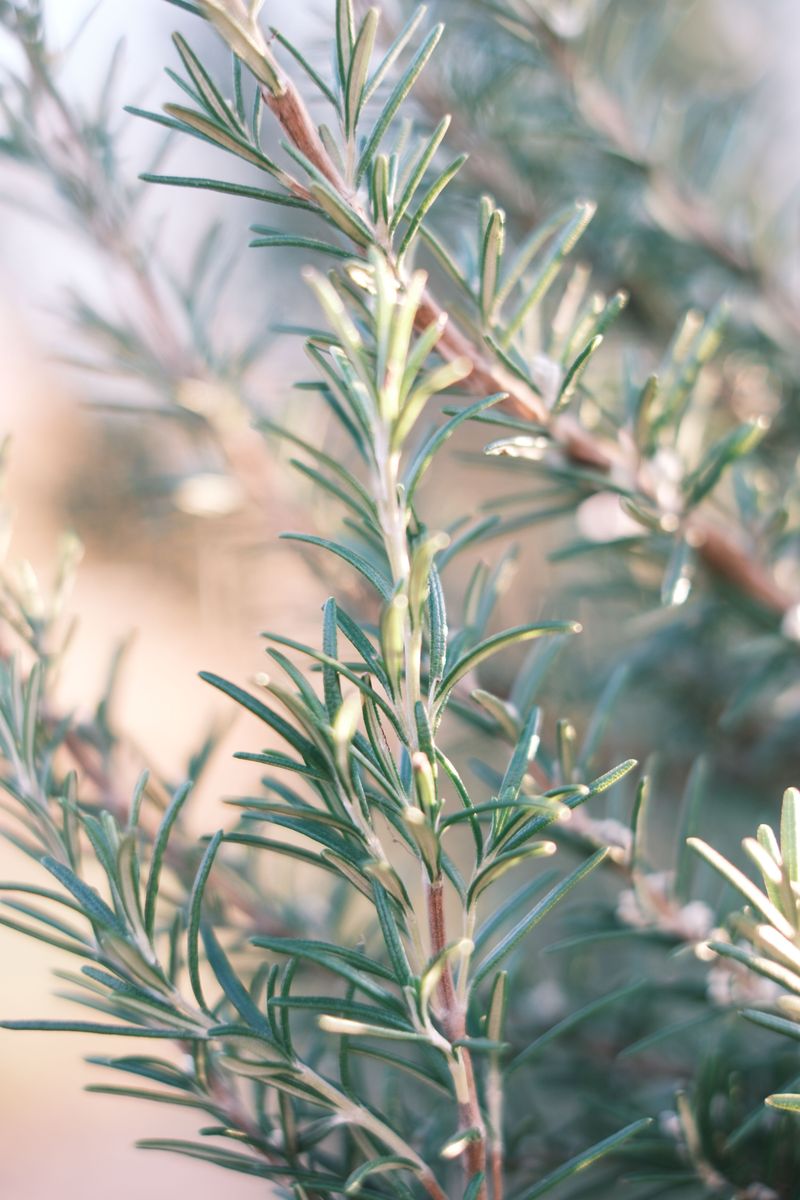
Rosemary smells like a holiday roast and a pine forest had a very fragrant baby, and rats reportedly dislike it. That resinous punch comes from oils in its needle-like leaves, which release scent at the lightest touch.
Scientists recently moved this herb into the sage genus, so its official name is now Salvia rosmarinus instead of Rosmarinus officinalis. Older seed packets and plant tags may still use the old name, which can confuse shoppers.
Rosemary is only reliably hardy in zones 7 through 10, so Minnesota winters will send outdoor plants into decline. Most local gardeners grow it as a summer container herb, then bring it inside before hard frost arrives.
Containers make rosemary a movable guard, and I like parking pots near doorways and garbage bins during warm months. Remember that its rodent-repelling reputation rests on gardener reports, so it works best alongside clean yards and sealed gaps.
Give it six to eight hours of direct sun and a gritty potting mix that drains fast after each watering. Let the top inch of soil dry between drinks, since soggy roots cause far more trouble than thirst.
Indoors, a bright south window and a cool room help plants survive the long stretch until Minnesota spring returns. Mist lightly or set pots on pebble trays, because dry furnace air can stress the leaves and cause browning.
Snip sprigs often for potatoes, bread, or roasted chicken, and the plant rewards you with denser, bushier growth. Small blue flowers sometimes appear too, giving early Minnesota bees a welcome snack when little else blooms.
4. Hardneck Garlic
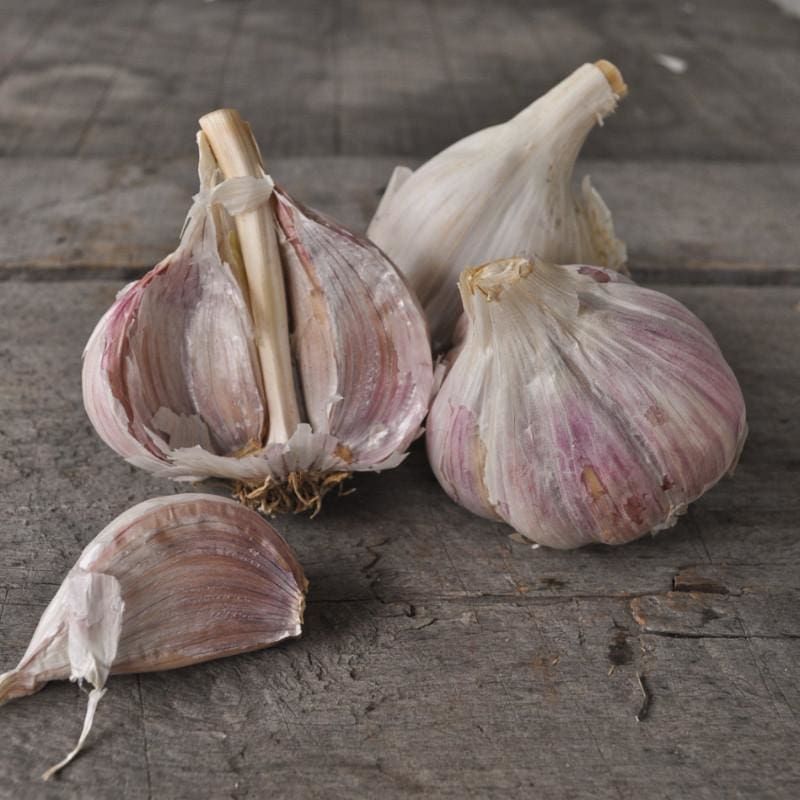
Garlic earns its spot by smelling exactly how you think it would, sharp and sulfurous even while still in the ground. Those same sulfur compounds that make your kitchen smell wonderful seem to put many rodents off their appetite.
Rodents rarely bother garlic bulbs, which is one reason gardeners plant cloves around more tempting crops like beans and squash. Results vary from yard to yard, but you still get a fantastic harvest even if visitors keep sniffing around.
Allium sativum is a natural fit here, since it needs a long cold spell to form big, plump bulbs. Hardneck types like Music and German Extra Hardy handle our harsh winters better than many softneck kinds sold in stores.
Timing matters more with garlic than almost any other crop on this list, so mark your calendar now. Cloves go into the ground from late September through October, roughly three to four inches deep and six inches apart.
Choose a sunny bed with rich, well-drained soil, and work in compost before planting for stronger growth next year. After the soil freezes, spread a few inches of straw mulch to protect cloves from harsh temperature swings.
Hardneck plants send up curly flower stalks called scapes in early summer, and snapping them off sends energy to the bulbs. Scapes taste amazing in pesto, so I consider them a sneaky bonus crop rather than garden waste.
Harvest once the lower leaves turn brown, usually midsummer, then cure bulbs in a shady, airy spot for a few weeks. Save your biggest cloves for replanting, and your garlic patch slowly adapts to your own backyard conditions.
5. Marigolds
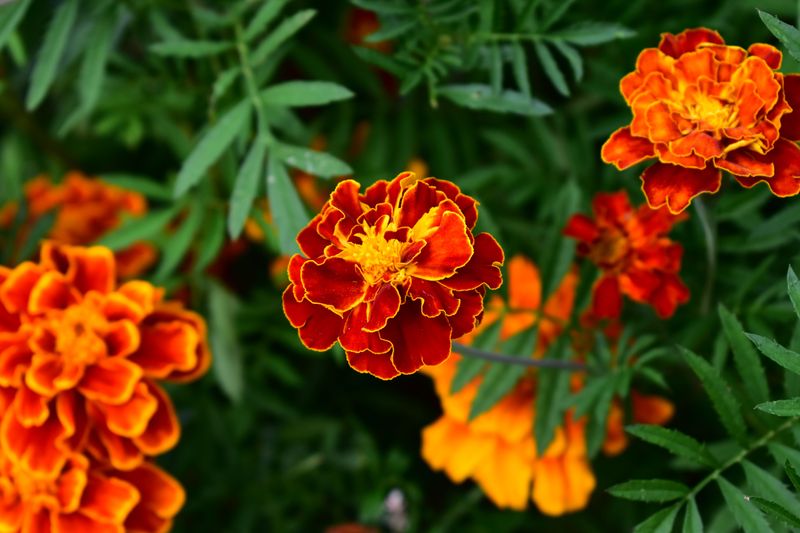
Marigolds look cheerful enough to brighten a gloomy Monday, but sniff the leaves and you get a pungent, musky surprise. That odd smell is the whole reason gardeners have planted them as pest deterrents for generations.
Honestly, marigolds are more of a mild nuisance to rats than a strong barrier, according to most pest experts. I still plant plenty, because they bring color and help attract helpful insects like hoverflies to the vegetable bed.
French marigolds, Tagetes patula, stay compact at six to eighteen inches, which makes them great edging plants along paths. African marigolds, Tagetes erecta, can stretch from one to four feet tall with huge pom-pom blooms.
Marigolds are tender annuals, so a single frost can turn their leaves to mush overnight in our chilly climate. Wait to transplant until frost danger passes and soil warms to about sixty degrees, usually around mid-May.
Full sun brings the most flowers, so aim for six or more hours daily in well-drained soil. They are not fussy eaters, and too much fertilizer often produces lush leaves with fewer blooms than you hoped.
Pinch off faded flowers every week, and plants keep pumping out fresh color until autumn frost closes the season. Some gardeners also let a few heads dry on the stem to save seeds for next spring’s border.
I like ringing raised beds and compost areas with marigolds, creating a bright, smelly border that looks intentional. Just remember that tidy surroundings and secure food storage do the heavy lifting when rodents come calling.
6. Catnip
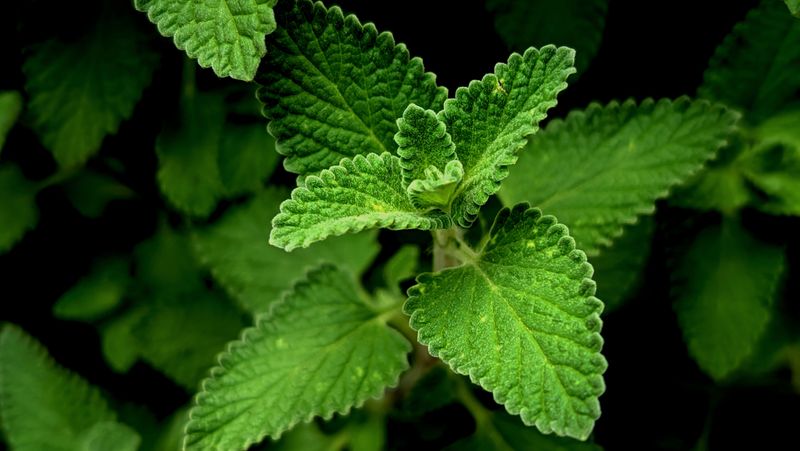
Your cat may roll around in pure bliss near catnip, but rats reportedly find its sharp minty odor far less charming. Nepetalactone, the compound behind the feline frenzy, has also repelled mosquitoes in laboratory studies.
Its effect on rodents comes mostly from gardener stories rather than solid research, so keep expectations reasonable. A fun side effect is that neighborhood cats may visit more often, and cats are famous rodent patrollers.
Nepeta cataria is a tough perennial hardy in zones 3 through 9, so it shrugs off even northern winters. Plants grow two to three feet tall and wide, with fuzzy gray-green leaves shaped like little hearts.
Small white flowers dotted with pale purple appear through summer, and bees treat them like a busy diner counter. Catnip handles dry spells well, so it suits that sunny, neglected corner where other herbs sulk.
Plant it in average, well-drained soil with full sun or part shade, then mostly leave it alone. Rich soil and heavy watering make stems floppy and weaken the scent, so a little tough love helps here.
Catnip reseeds readily and can wander beyond garden edges, so trim flower stalks before seeds ripen in late summer. Keeping it contained matters, since nobody wants a minty takeover along the alley or nearby natural areas.
I grow mine near the shed foundation, where its scent and the occasional curious cat both add a little security. Dry a few stems on a screen, and your indoor kitty gets a homemade treat all winter long.
7. Chives
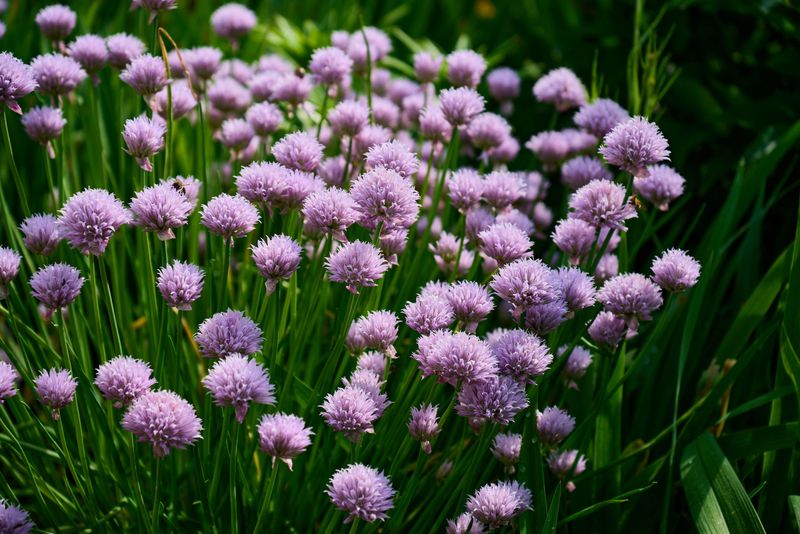
Chives pop up in early spring like the garden is waving hello after months of snow and gray skies. Those slender tubes carry an oniony bite that many rodents seem to avoid, much like their garlic cousins.
Members of the Allium family share sulfur-rich compounds, which explains that familiar smell when you snip a handful for eggs. Rodent avoidance is commonly reported, though chives work best as one small piece of a bigger cleanup plan.
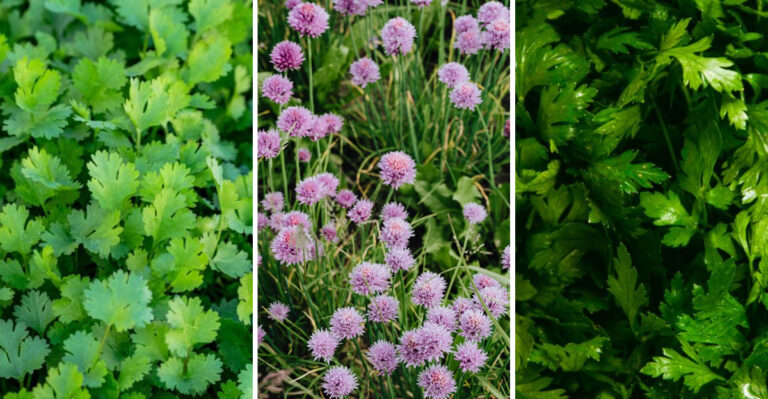
Allium schoenoprasum is hardy in zones 3 through 10, so it returns faithfully almost anywhere in Minnesota each spring. Clumps reach twelve to eighteen inches tall, with hollow grassy leaves and round lavender-pink flower heads in early summer.
Those blossoms are edible and taste mildly oniony, so I sprinkle them over salads for a pretty, peppery pop. Pollinators adore them too, especially bumblebees that bumble from one puffy bloom to the next.
Chives prefer full sun to light shade and moist, fertile, well-drained soil with plenty of compost mixed in. They handle cold beautifully, and established clumps rarely need much attention beyond an occasional drink during dry weeks.
Snip off flowers once they fade, because chives can self-seed heavily and pop up in places you did not plan. Divide crowded clumps every three or four years in spring to keep plants vigorous and share extras with friends.
I plant chives along the edges of vegetable beds, where their tidy clumps double as a neat living border. Harvest by cutting leaves near the base, and fresh growth returns quickly for several more harvests.
8. Cayenne Pepper
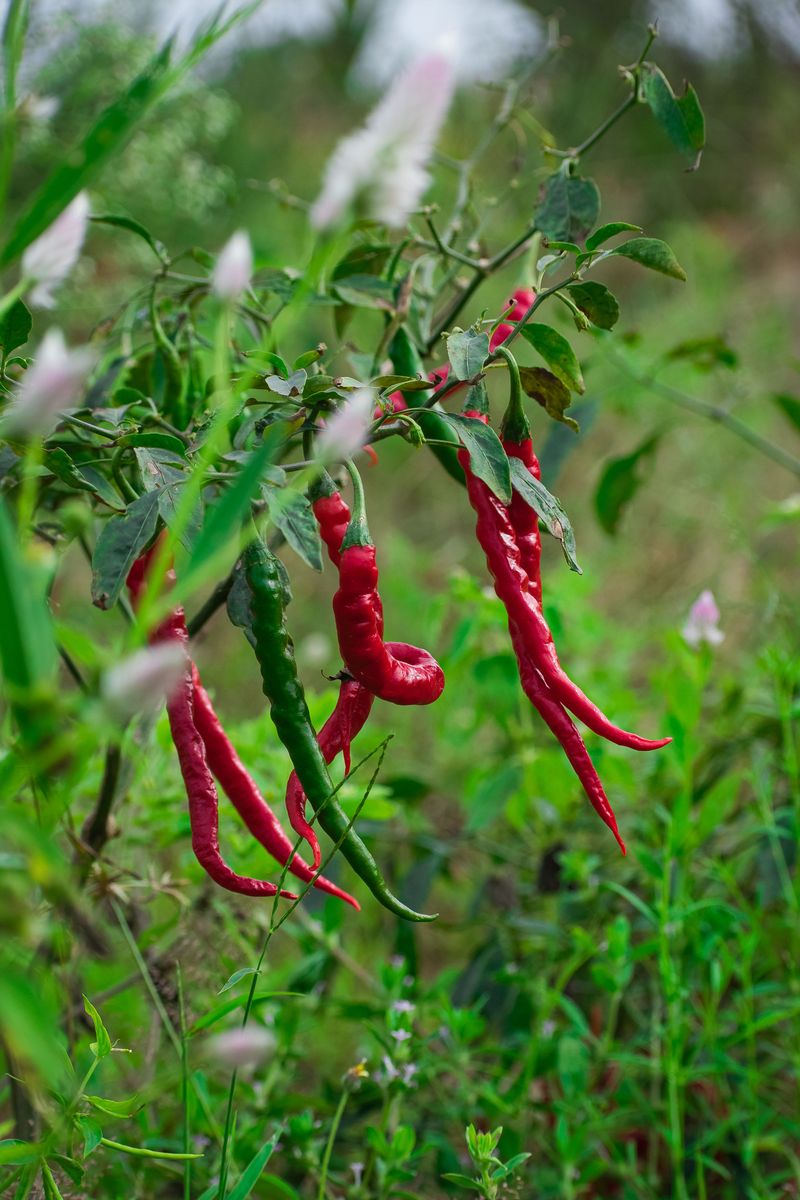
Anyone who has rubbed their eyes after slicing hot peppers knows exactly why capsaicin makes mammals back away fast. Cayenne plants pack that fiery compound into their slim red fruits, and rats share our dislike of the burn.
Birds cannot sense capsaicin the same way, which is why many birdseed blends include hot pepper to discourage squirrels. Whether growing plants actually keeps rats away is less certain, so treat them as a spicy supporting player.
Cayenne belongs to Capsicum annuum, the same species as bell peppers and jalapenos, and it craves warm weather. Here it grows as an annual, since even a light frost will damage the tender leaves and stems.
Start seeds indoors about eight weeks before your last expected frost, using a heat mat for faster germination. Move transplants outside once nights stay above fifty degrees, usually from mid-May to early June in our region.
Plants reach about one and a half to three feet tall, bearing long, skinny peppers that ripen from green to red. Give them six to eight hours of sun and warm, well-drained soil for the best harvest.
Black plastic mulch or a sunny spot near a south wall helps warm the soil during our short growing season. Water deeply but evenly, because uneven moisture can lead to blossom drop and fewer fiery pods by late summer.
I dry extra cayennes on a string and grind some into homemade flakes for cozy winter chili nights. Wear gloves while handling them, and keep the dried powder well away from curious kids and pets.