A Newly Arrived Elm Loving Bug Is Quietly Spreading Across Minnesota Neighborhoods
Your siding looks fine until you spot a cluster near the window. Something shifts the moment sunlight hits your warm siding. Tiny bodies begin moving where your window meets brick.
Minnesota homeowners keep spotting these clusters near your own siding. Nobody warned you, yet your screen tells its own story. Sour scent drifts near curtains before you even notice movement.
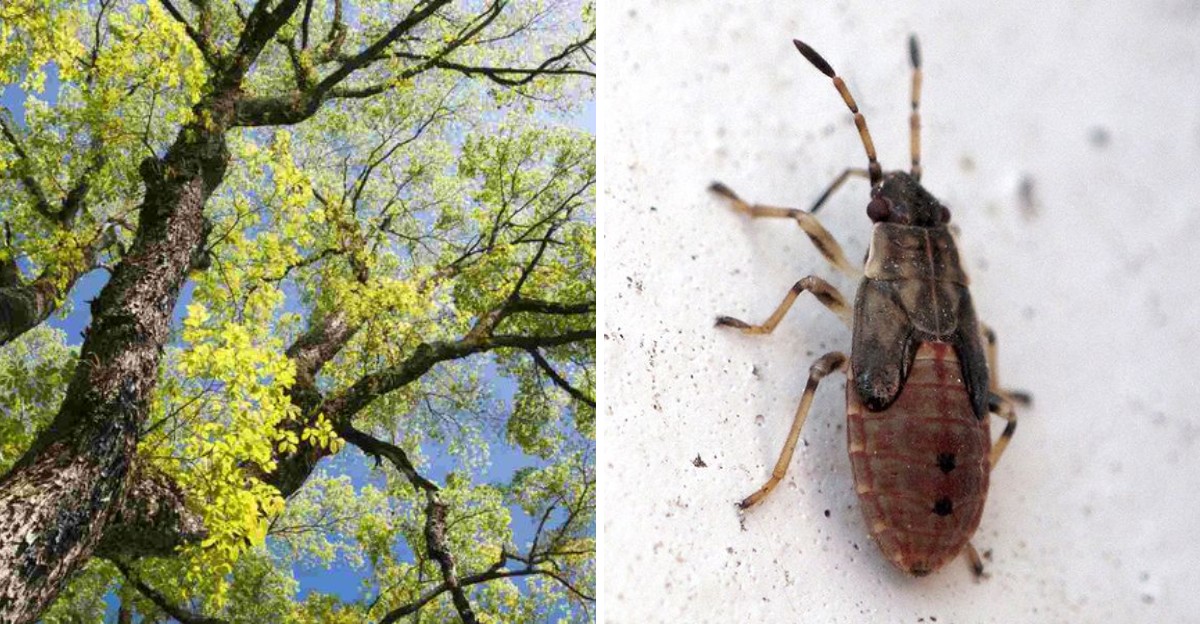
Elm trees stand quietly at the edge of your yard. Their seeds slowly pull these small travelers toward you as summer fades. You feel it before you see it, a small change.
Fall in Minnesota keeps carrying this pattern back to your porch. Curtains hide movement you would rather not discover alone. Screens offer less protection than you assume this season.
Evenings turn cooler while their numbers grow louder near you. Windowsills become common gathering points this time of year. Answers are waiting, and you will want them before dusk.
The Insect Behind The Windowsill Mystery
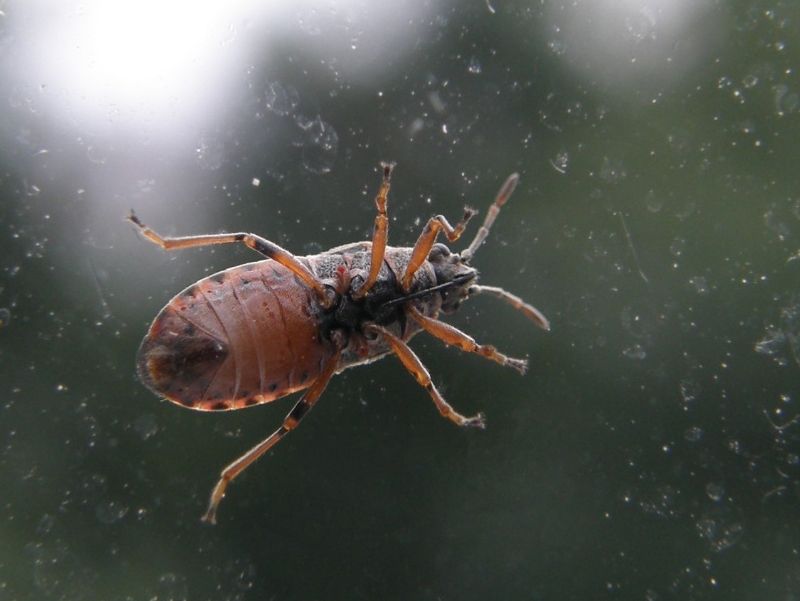
Picture a flat, seed-shaped insect about a third of an inch long, dressed in rusty orange and charcoal, with a row of black and white triangles along its sides.
That is the elm seed bug, a European species that turned up in Idaho around 2012 and has been working its way east ever since.
Minnesota officials confirmed the insect here fairly recently, and reports have trickled in from Twin Cities neighborhoods where large elms line the boulevards. It does not chew leaves or bore into wood, so trees generally carry on as usual.
The trouble is social rather than botanical. Elm seed bugs love warm surfaces and tight cracks, which makes south-facing walls, window frames, and door thresholds an appealing surface to gather on.
Adults spend the winter tucked into sheltered spots, then head back outdoors when spring warms up. That habit means a small autumn gathering can become an indoor surprise in February.
Fun bit of trivia: entomologists often compare the odor to bitter almonds, sharp enough that most people notice it immediately after a crush.
Because the species is still new to the state, sightings from ordinary residents help researchers map its spread. A clear phone photo and a rough address turn out to be surprisingly useful data.
Knowing the name and the look is step one. From there, telling this newcomer apart from Minnesota’s familiar fall insects gets much easier.
Sorting It Out From Boxelder Bugs And Other Fall Regulars
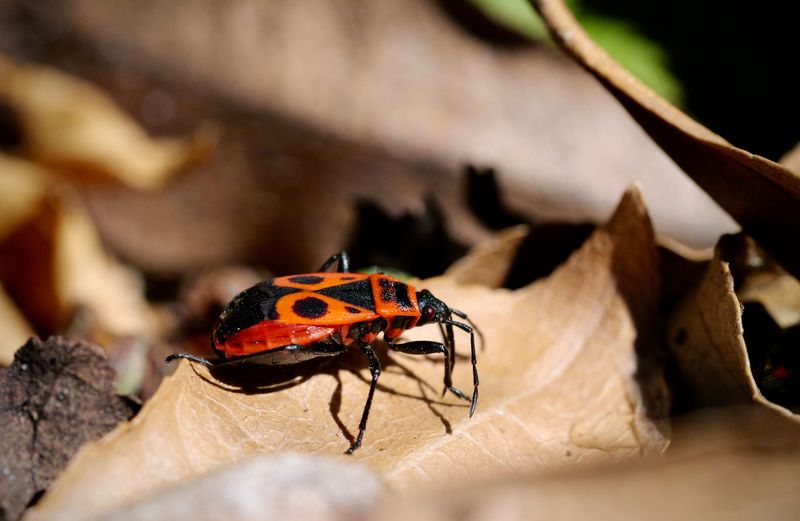
Boxelder bugs have been Minnesota’s autumn wall-crawlers for generations, so plenty of folks assume the new arrival is just a smaller cousin. Look closer and the differences pop.
Boxelder bugs are longer and narrower, marked with bold red lines that form a rough X across the back. Elm seed bugs are stubbier and more oval, colored brick red and dark brown, with a pale triangle behind the head.
The clearest giveaway sits along the edge of the abdomen. Elm seed bugs wear an alternating black-and-white checkered border that shows when the wings are folded.
Your Minnesota Garden Changes Every Week. Your Plan Should Too.
Gardening in Minnesota changes quickly throughout the season. Every Friday you’ll receive a simple weekly plan showing exactly what to plant, prune, fertilize, harvest, and protect so you never miss the right timing.
Size helps too. Adults measure roughly 8 to 8.5 millimeters, about a third of an inch, noticeably shorter than a boxelder bug and much smaller than the chunky western conifer seed bug that also drifts indoors this time of year.
Behavior offers another clue. Boxelder bugs tend to bask in loose crowds on siding, while elm seed bugs prefer to squeeze into narrow gaps and reappear one or two at a time on a windowsill.
Smell can settle the debate, though the test is a little unpleasant. Handle one roughly and you get a sharp, sour whiff that lingers on fingertips.
If you are still unsure, snap a photo with a coin or a fingertip beside the insect for scale. Extension offices and local master gardeners are glad to confirm an identification, and getting the name right shapes how you respond.
What Draws Elm Seed Bugs To Elm Trees

Seeds are the whole story behind the name. Elm seed bugs feed mainly on the papery seeds of elm trees, especially Siberian and American elms, using a slender straw-like mouthpart to sip from the developing kernels.
Minnesota happens to be elm country. Boulevard elms, backyard volunteers, and hedgerow seedlings give the insect plenty of buffet space, which explains why sightings cluster around older neighborhoods with big canopies.
Elms drop their seeds in late spring, and that flush fuels a generation of nymphs that matures by mid-June. Activity often peaks earlier in summer than many homeowners expect, though adults keep wandering into the fall in search of shelter.
Your house enters the picture at exactly that moment. Warm siding feels a lot like a sun-baked branch, and the crowd drifts closer.
Good news for gardeners: feeding does little visible harm to healthy trees. Leaves stay green, growth continues, and there is no need to treat the canopy with anything.
Watering during dry stretches and spreading mulch keeps established elms sturdy, which matters far more than a few bugs sipping seeds.
Raking up fallen seeds and pulling volunteer elm seedlings near the foundation trims the local food supply a bit. Thinning that clutter also removes hiding spots along the base of the wall.
Did you know Siberian elm was planted widely across the Midwest as a fast-growing windbreak? The same trees that once sheltered farmsteads now hand this newcomer a reliable pantry.
Signs The Insect Has Moved Indoors
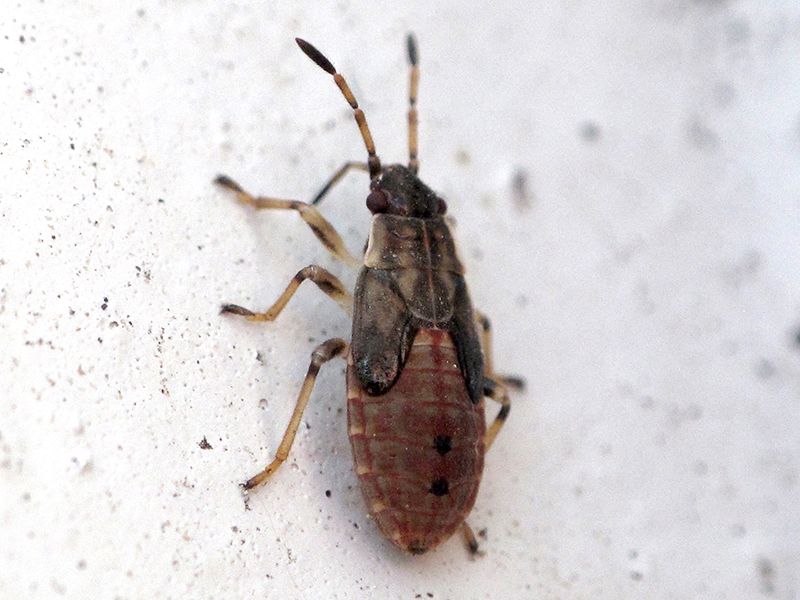
The first hint is often a sound: a soft tick against a lampshade on a September evening. Elm seed bugs fly clumsily and bump into things on the way to a window.
Windowsills tend to be the main stage. You might find two or three insects sitting in the corner of a frame, near a curtain hem, or behind a blind.
Odor is the second signal. Rooms with a hidden cluster can pick up a faint sour-sweet note, similar to bruised fruit left in a paper bag.
Check the sunniest walls outside as well. Late-morning warmth pulls the bugs onto brick and siding, where they line up along mortar joints and trim seams.
Other favorite outdoor hangouts include stacked firewood, patio umbrellas, potted plants beside the door, and the folds of a rolled-up hose.
Indoors, count rather than panic. A handful over a week is a normal nuisance level, while dozens a day suggests a gap around a window, vent, or attic soffit that needs attention.
Bathroom and basement sinks sometimes collect strays looking for moisture. Peek under radiators and behind furniture pushed against exterior walls too.
They do not bite, sting, chew fabric, or damage stored food, so the risk is mainly to your patience. Keeping a short notebook of dates and rooms helps you spot the pattern and pinpoint the entry point before winter settles in.
September Sealing Projects That Pay Off Twice
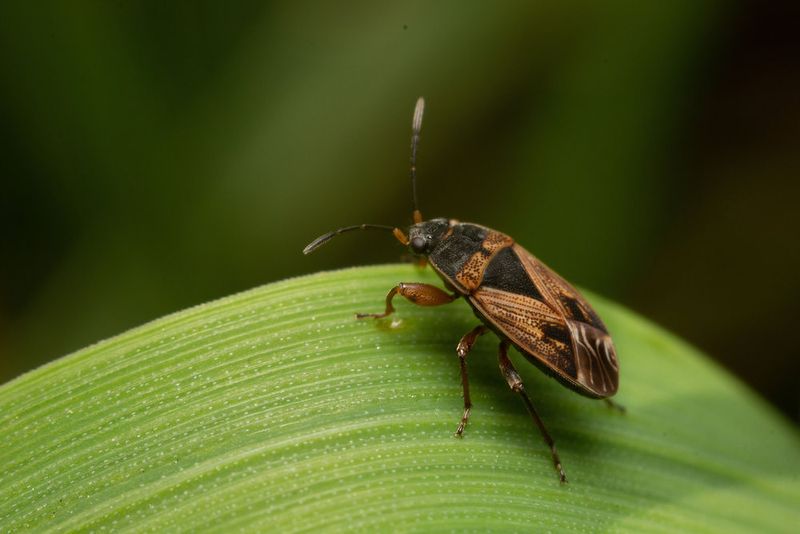
September is prime timing for exclusion work, because the insects are still outside looking for a way in. A weekend with a caulk gun beats a winter of windowsill patrol.
Start with windows and doors. Replace torn screens, add or repair weatherstripping, and install door sweeps where you can see daylight at the threshold.
Silicone or latex caulk handles the gaps around window trim, siding corners, and spots where cables or pipes pass through the wall. Copper mesh works well in larger openings before you caulk over it.
Vents deserve a look. Fine metal screening over attic vents, soffit gaps, and dryer exhausts blocks a favorite highway.
Outdoor lighting plays a small role as well. Swapping bright white bulbs for warm-toned ones near entry doors reduces evening traffic on the porch.
If you want a chemical assist, licensed applicators can treat the outside perimeter in late summer, though sealing gives longer-lasting results. Indoor sprays add little value against a nuisance visitor that wanders in one at a time.
Trimming shrubs so they no longer touch the siding improves airflow and takes away a shaded ladder to the wall. Moving firewood away from the house helps for the same reason.
Homeowners who tackle one wall each weekend usually finish before the first hard frost. The same repairs also trim your heating bills.
Tidy Cleanup, Plus Where To Report Your Sighting
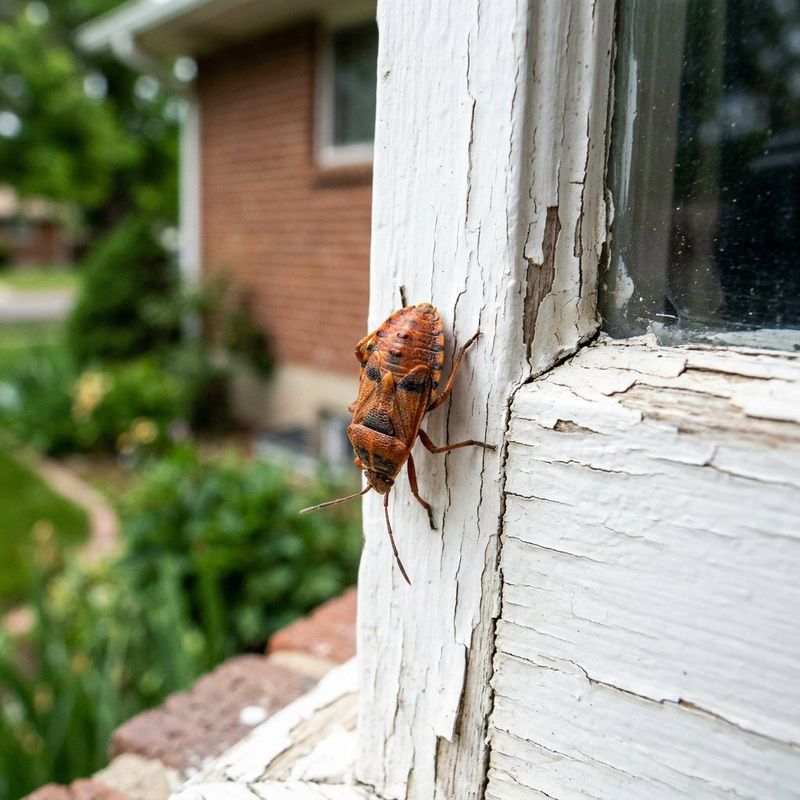
Vacuuming is the friendliest tool in the house for this job. A shop vac or a hose attachment scoops up strays without squishing them, which spares you the sour smell.
Empty the canister or bag outdoors afterward. A knee-high nylon stocking slipped over the nozzle end makes disposal even simpler.
Skip the swatting and the tissue-crush method. Pressure releases the odor, and the stain it leaves can mark painted trim or light fabric.
For outdoor clusters on siding, a bucket of water with a squirt of dish soap works nicely. Sweep them in with a broom, then pour the water on gravel away from garden beds.
Bug bombs and heavy indoor spraying are excessive here. The insects keep drifting in from outside, so the mist fades long before the source does.
Reporting matters more than you might expect. Minnesota tracks new arrivals through the Department of Agriculture’s Report a Pest service, and a photo with your city and date helps map how far the species has traveled.
University of Minnesota Extension pages are worth bookmarking for updates, since guidance shifts as researchers learn more about local behavior.
Chat with your neighbors, too. Blocks share elms, walls, and weather, so a coordinated round of caulking and screen repair does more good than one tidy house on the corner.