The Termite Swarm Texas Homeowners Should Never Ignore This July
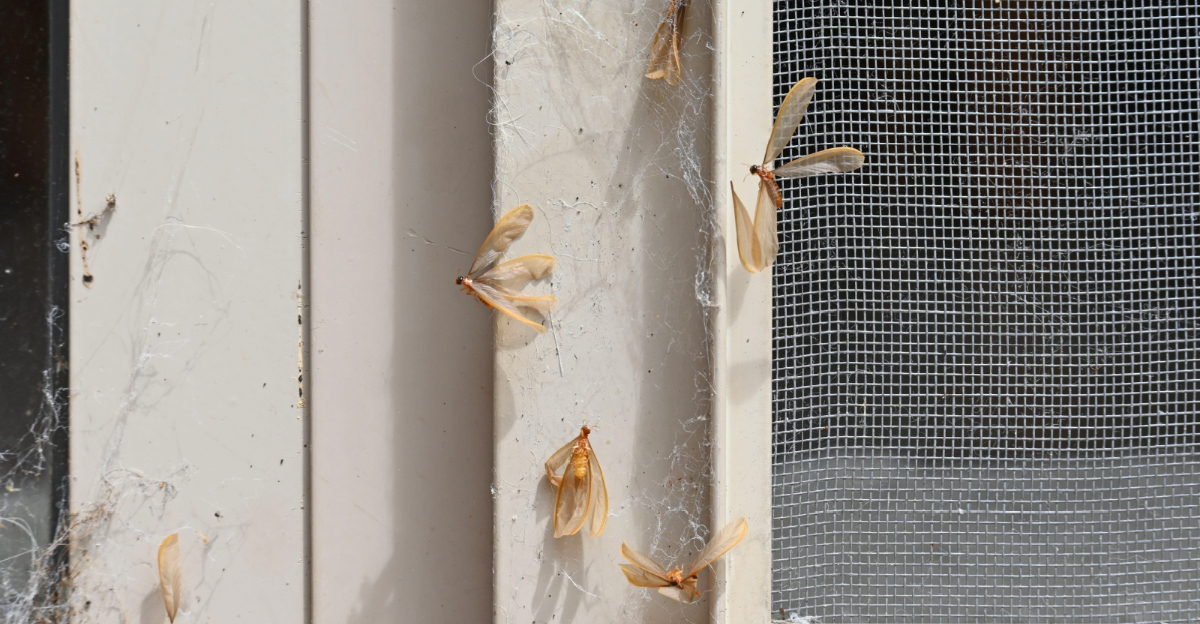
July in Texas already has a lot going on. The heat is relentless, the humidity is not helping, and now there is a small pile of tiny wings near your window that was definitely not there yesterday.
Welcome to termite swarmer season, and yes, it can absolutely extend well into summer depending on which species you are dealing with.
Subterranean termites tend to make their big entrance in spring across Texas, but drywood termites and Formosan termites in coastal areas have a habit of staying active long after most homeowners assume the threat has passed.
Spotting swarmers indoors or finding fresh signs near your home is the kind of thing that deserves immediate attention rather than a mental note to deal with later.
Knowing exactly what to look for makes a real difference in catching a problem early.
1. Swarmers Appearing Indoors In July
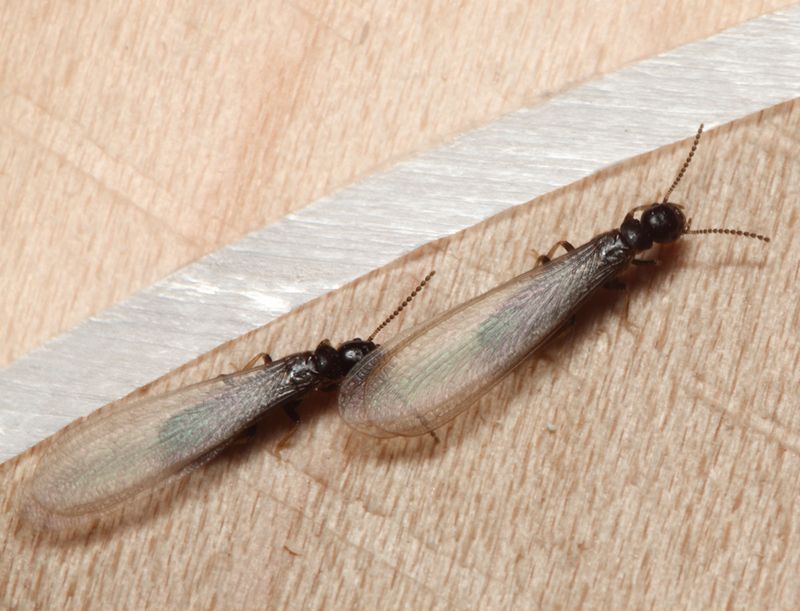
Finding winged insects inside your home on a warm July evening is not something to brush off. When swarmers appear indoors in Texas, it usually means a colony is already established somewhere within or very close to the structure.
Unlike swarmers you might spot outside near a tree stump, indoor swarmers are a much more direct signal that something needs attention.
Subterranean termites are among the most common termite types in Texas, though they tend to swarm most heavily in spring. Drywood termites, which live inside sound dry wood above ground, can produce swarmers during warmer months, including July.
Formosan termites, more common in coastal and Gulf Coast areas of Texas, are also known to swarm during summer evenings.
Before sweeping them up or spraying anything, take a moment to observe where they are coming from. Check nearby baseboards, window frames, wooden trim, and ceiling areas.
Photograph what you see and try to collect a few specimens in a sealed bag. A licensed pest-management professional can use that information to identify the species and recommend a proper next step.
2. Piles Of Shed Wings Near Windows
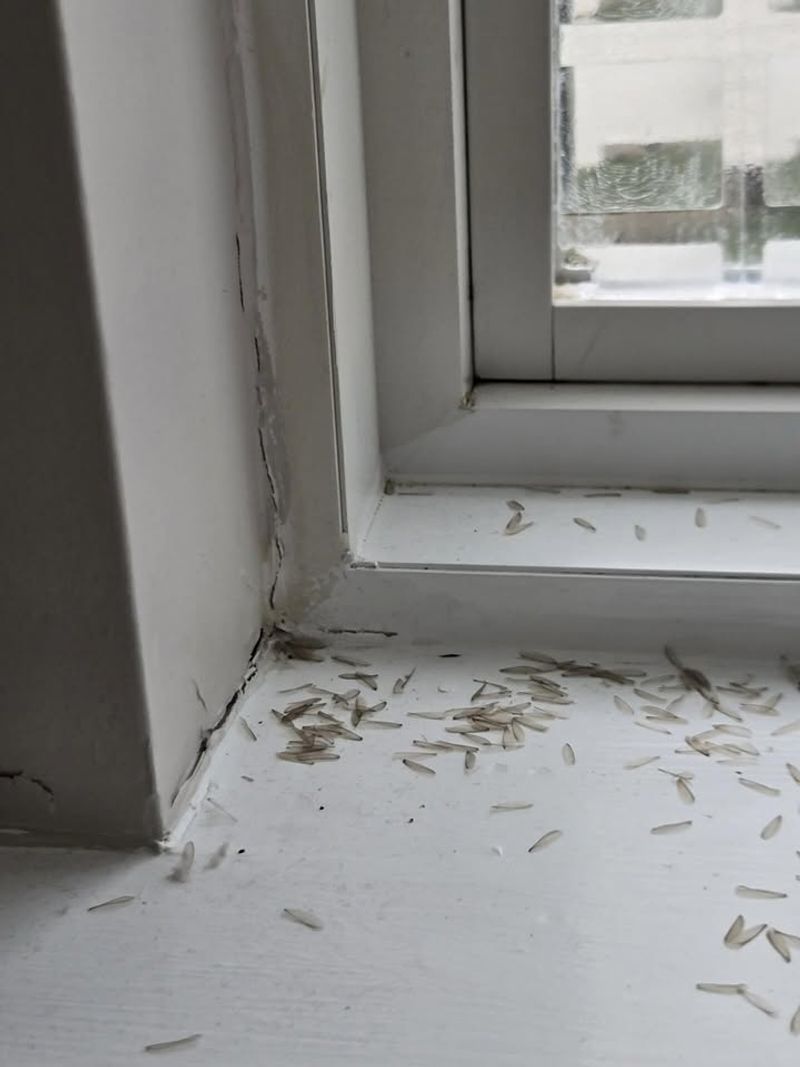
Tiny wings scattered across a windowsill can look almost harmless at first glance, like something the wind carried in. But those small, translucent wings are one of the clearest signs that termite swarmers have been active nearby.
After swarmers find a mate, they shed their wings quickly, and those piles tend to collect along window ledges, sliding door tracks, and other spots where light draws insects in.
In Texas homes during July, shed wings near windows may point to drywood termites, which can infest wooden window frames, trim, and sill areas directly.
Subterranean species may also leave wings behind if they have been swarming from a colony in the soil beneath or around the foundation.
Either way, the wings themselves are evidence worth preserving before you clean them up.
Use a piece of tape or a small container to collect some of the wings before vacuuming. Wings from termites and flying ants look different under close inspection, and a pest-management professional can tell them apart quickly.
Even a small pile of shed wings near a window in a Texas home is worth a phone call to schedule an inspection.
Your Texas Garden Changes Every Week. Your Plan Should Too.
Gardening in Texas changes quickly throughout the season. Every Friday you’ll receive a simple weekly plan showing exactly what to plant, prune, fertilize, harvest, and protect so you never miss the right timing.
3. Flying Termites Around Indoor Lights

A warm July night in Texas, the ceiling light is on, and suddenly there are dozens of winged insects circling the fixture. It is a scene that catches most homeowners off guard, and the instinct is often to grab a can of spray.
Before doing that, it helps to understand what you are actually looking at and why it matters.
Termite swarmers are strongly attracted to light, which is why indoor lights become gathering points when a swarm is happening inside a structure.
If swarmers are circling a light fixture in your living room, bedroom, or kitchen, the source is almost certainly inside the home or in an adjacent wall or ceiling space.
Swarmers from outdoor colonies tend to gather near porch lights or exterior fixtures instead.
The species involved makes a difference in how serious the situation is. Drywood termites live and swarm from within dry wood, meaning a swarm near an indoor light could indicate an infestation in attic framing, furniture, or structural wood nearby.
Formosan termites, found in some coastal Texas regions, can produce large swarms and build colonies inside wall voids. Documenting the event and contacting a licensed inspector is a practical next step.
4. Drywood Termites Emerging From Wood
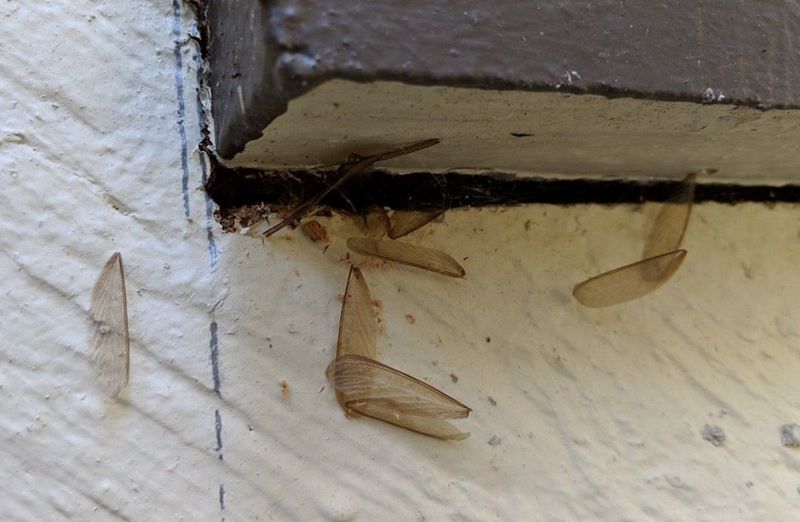
Unlike subterranean termites that travel through soil, drywood termites set up their entire colony inside sound, dry wood.
That means a piece of wooden trim, a door frame, attic rafter, or even a piece of furniture can quietly house a colony for years before any obvious sign appears.
July heat in Texas can trigger swarming activity in these colonies, and that is often when homeowners first realize something is going on.
When drywood termites swarm, they push through small exit holes in the wood surface. You might notice tiny round openings in a baseboard, wooden cabinet, or trim piece, sometimes with a small scattering of wings or frass nearby.
Frass from drywood termites looks like fine, sandy pellets, which helps distinguish their activity from other wood-damaging insects.
Because drywood termites do not need soil contact, they can infest wood in upper areas of a home, including attic spaces, roof framing, and high window trim. Infestations can be harder to detect without a thorough inspection.
If you spot swarmers emerging from any wood surface in your Texas home during July, avoid filling the exit holes right away. Let a professional assess the situation before any repairs or treatments begin.
5. Formosan Termites Swarming In Coastal Areas
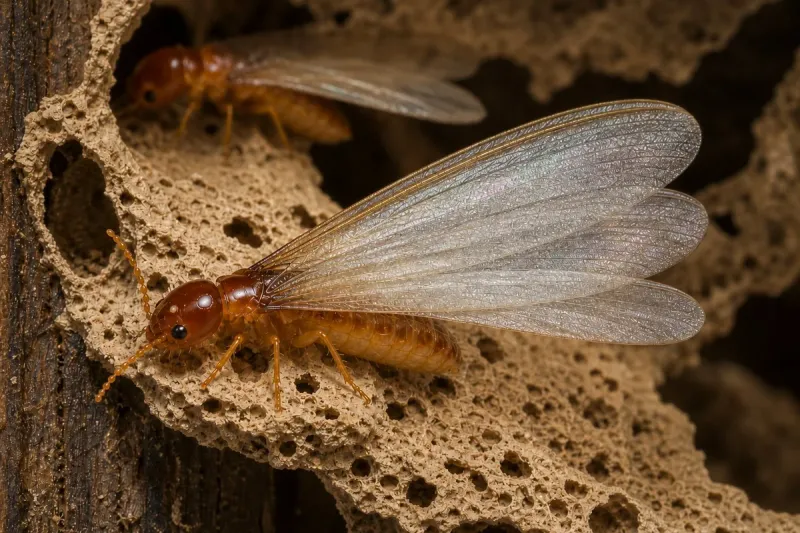
Coastal Texas homeowners have a particular reason to pay attention during summer evenings: Formosan termites.
This species, established in parts of Texas along the Gulf Coast and in some urban areas, is known for producing large, dense swarms that often happen after warm, humid evenings, sometimes following a brief rain.
Seeing a massive cloud of winged insects near a porch light in a coastal Texas neighborhood is not unusual during summer months.
What makes Formosan termites worth taking seriously is their colony size.
Mature Formosan colonies can be significantly larger than those of native subterranean termites, and they are capable of building carton nests inside wall voids, attic spaces, and other enclosed areas without soil contact.
That means damage can accumulate in less visible areas of a home.
If you live near the Texas Gulf Coast and notice a large swarm of winged insects gathering around outdoor lights, look for shed wings on the ground, porch, or windowsills the following morning. Try to collect a few specimens if possible.
Formosan swarmers look similar to other termite swarmers but have slightly different features that a professional can identify. A prompt inspection after any large swarm event near a coastal Texas home is a reasonable and practical response.
6. Termite Swarmers Mistaken For Flying Ants
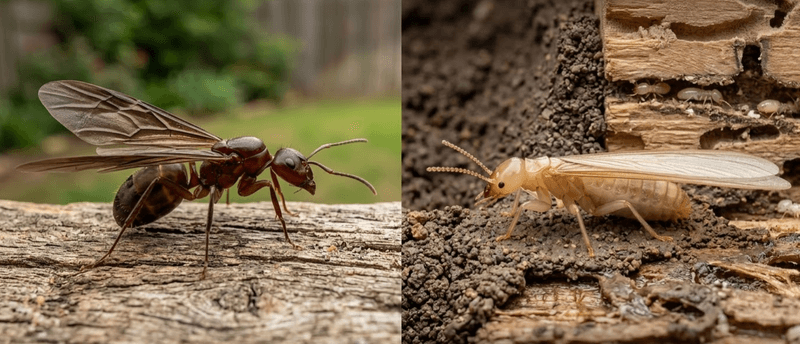
Plenty of Texas homeowners have spotted winged insects indoors in July and assumed they were just flying ants. It is an easy mistake to make, since both insects have wings and tend to appear around the same time of year.
Getting the identification right, though, can make a real difference in how you respond.
There are a few reliable ways to tell them apart. Termite swarmers have two pairs of wings that are roughly equal in length, and their wings extend well beyond the body.
Flying ants have wings too, but the front pair is noticeably longer than the rear pair. Termites also have a broad, straight waist, while ants have that familiar pinched waist.
Antennae offer another clue: termite antennae are straight and bead-like, while ant antennae are bent or elbowed.
If you find winged insects inside your Texas home and are not sure which one you are dealing with, collect a few in a small container or bag and keep them for identification.
Pest-management professionals and university extension services can help confirm the species.
Acting on a flying ant sighting the same way you would a termite swarm would be an overreaction, but dismissing actual termite swarmers as ants could mean missing a real problem.
7. Small Exit Holes Or Pellets Near Wood
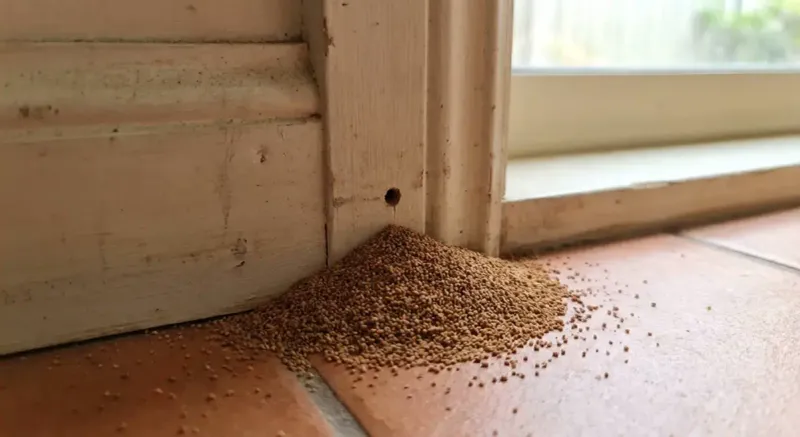
Pellets beneath a wooden trim area or tiny holes in a baseboard might seem like minor cosmetic issues, but they can be telling signs of drywood termite activity.
Drywood termites push their fecal pellets, called frass, out of the colony through small kick-out holes in the wood surface.
These pellets are about the size of a grain of sand and often form small piles on surfaces below the infested wood.
In Texas homes, this kind of evidence can appear in window frames, door casings, baseboards, wooden furniture, garage framing, and attic areas.
During July, when temperatures are high and colonies may be more active, homeowners sometimes notice fresh piles of pellets that were not there before.
The pellets are typically uniform in shape and have a gritty texture, which helps distinguish them from sawdust or debris.
Finding exit holes or fresh pellet piles is a reason to act rather than wait. Avoid filling the holes or cleaning up the pellets until a professional has had a chance to look.
The location and quantity of frass can help an inspector assess the extent of activity and determine which areas of the home may need further evaluation. Early attention often leads to more straightforward management options.
8. Outdoor Swarms Close To The House
Spotting a swarm of winged insects near the exterior of your Texas home does not automatically mean you have an infestation inside, but it does mean the situation is worth watching carefully.
Outdoor swarms near a house can involve termites emerging from a colony in the soil, a nearby tree stump, a wood pile, a fence post, or landscape timbers.
Any of these sources can be close enough to a structure to pose a concern.
Subterranean termites, which are common throughout Texas, build their colonies underground and forage through the soil or mud tubes to reach wood.
If a colony is established in the yard near the foundation, swarmers from that colony may appear very close to the home during a swarm event.
In some cases, new colonies can establish themselves in soil adjacent to a slab or crawl space over time.
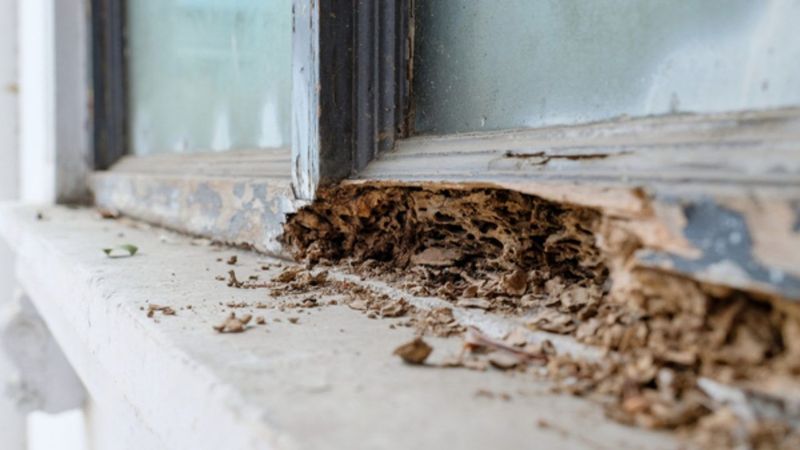
After noticing an outdoor swarm near your home, walk the perimeter and look for mud tubes along the foundation, damaged wood near soil contact points, or softened areas in wooden siding or trim.
Remove wood piles, old lumber, or decaying stumps close to the house when possible.
Having a professional assess the yard and foundation after a nearby swarm is a sensible precaution, especially in Texas where conditions favor termite activity.
9. A Professional Inspection After Any Indoor Swarm
When a termite swarm happens inside a home, calling a licensed pest-management professional is one of the most straightforward steps a Texas homeowner can take.
An indoor swarm is not proof of widespread structural damage on its own, but it is a strong enough signal that a thorough inspection is worth scheduling without much delay.
Swarmers inside a structure generally mean a colony is close by, and the sooner that is confirmed or ruled out, the better.
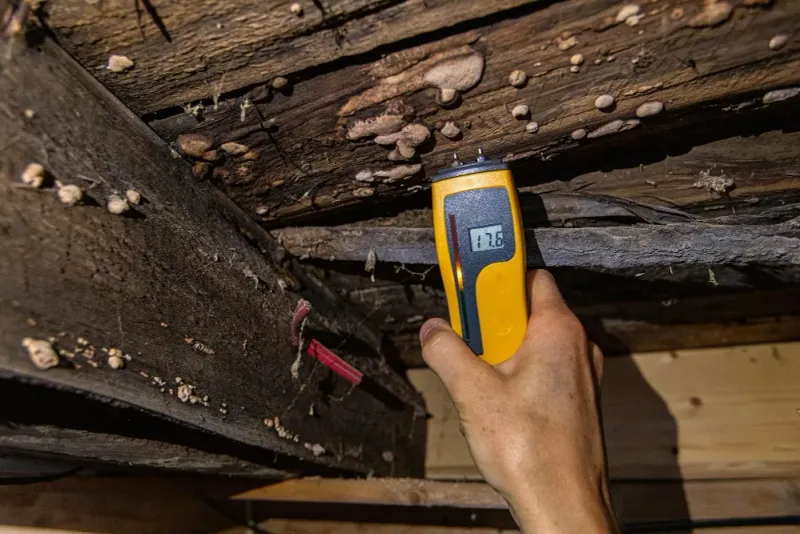
During an inspection, a professional will examine areas like baseboards, window frames, attic spaces, crawl spaces, slab perimeter, wooden trim, and other common problem areas.
They look for mud tubes, frass, exit holes, damaged wood, and moisture conditions that make a home more vulnerable.
The inspection findings help determine whether treatment is needed and, if so, which approach fits the situation.
July in Texas is a good time to be proactive. The heat and humidity that define Texas summers also create conditions that support termite activity.
If you have seen swarmers indoors, collected shed wings, or noticed exit holes or pellets, bring that evidence to the inspection. Even photographs can help a professional understand what happened and where to focus their evaluation.
Getting an expert opinion is a practical and reasonable response to any indoor swarm event.