The Real Reason Florida Avocado Trees Produce One Year And Not The Next
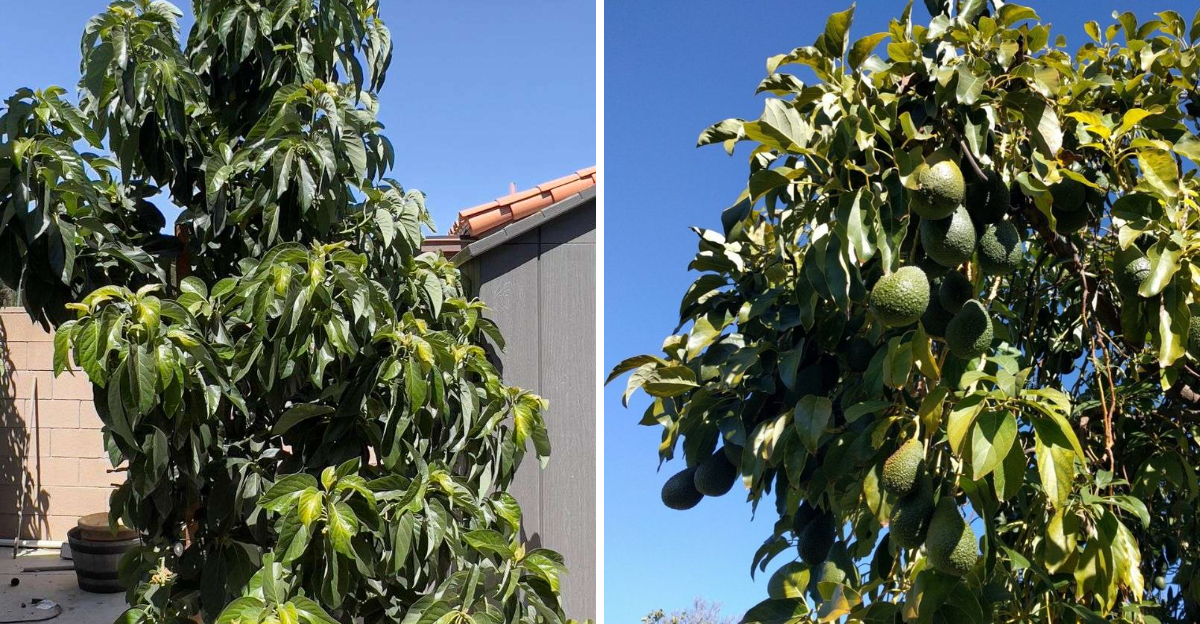
An avocado tree can look perfectly healthy in Florida, load up with fruit one year, then give you almost nothing the next. That swing leaves a lot of gardeners confused, especially when the tree seems strong, full, and well established.
The problem usually is not random bad luck. Avocados are known for falling into a heavy-light cycle, where one big crop drains the tree so much that the next season comes up short.
Add in stress from weather, pruning, watering, nutrition, or poor pollination, and the pattern can get even worse. What feels unpredictable often has a real cause behind it.
Once you understand why Florida avocado trees bounce between boom years and disappointing ones, the pattern starts to make a lot more sense.
1. Alternate Bearing Is Often The Real Reason Behind The Swing
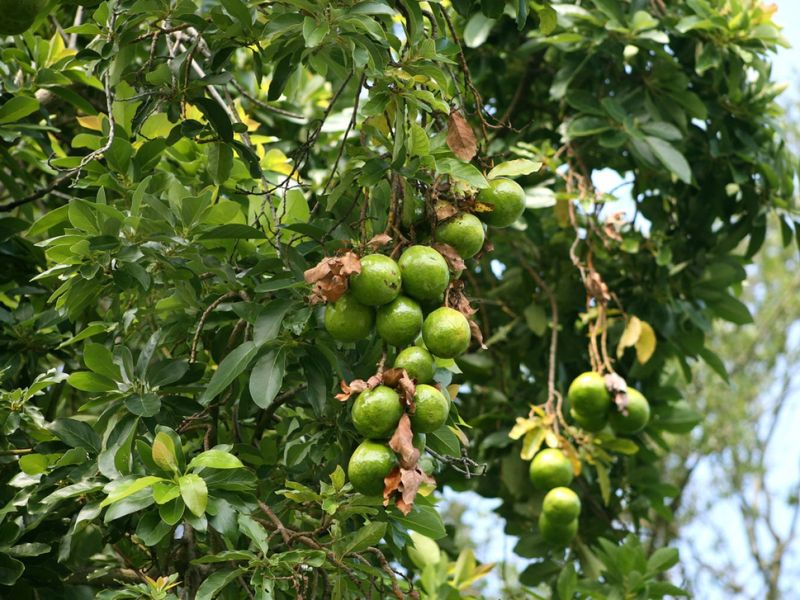
Plenty of Florida gardeners assume something went wrong when their avocado tree barely fruits after a bumper harvest. Most of the time, nothing went wrong at all.
The tree is simply following a biological pattern called alternate bearing, where it produces a heavy crop one year and a noticeably lighter crop the next.
Alternate bearing is deeply rooted in how avocado trees manage their internal resources. During a big production year, the tree pours enormous energy into growing and ripening fruit.
By the time that harvest wraps up, the tree’s carbohydrate reserves are significantly drawn down. With those reserves running low, the tree has less fuel available to push out a strong flush of flowers for the following season.
Researchers at the University of Florida and other land-grant institutions have confirmed that alternate bearing is one of the most common production challenges avocado growers face. Florida’s long growing season and warm winters do not eliminate this pattern.
In fact, the combination of the state’s climate and the avocado’s natural biology makes the cycle very consistent in many home orchards. Recognizing alternate bearing as the root cause is the starting point for everything else.
2. Heavy Crops Can Set Up A Lighter Year Ahead
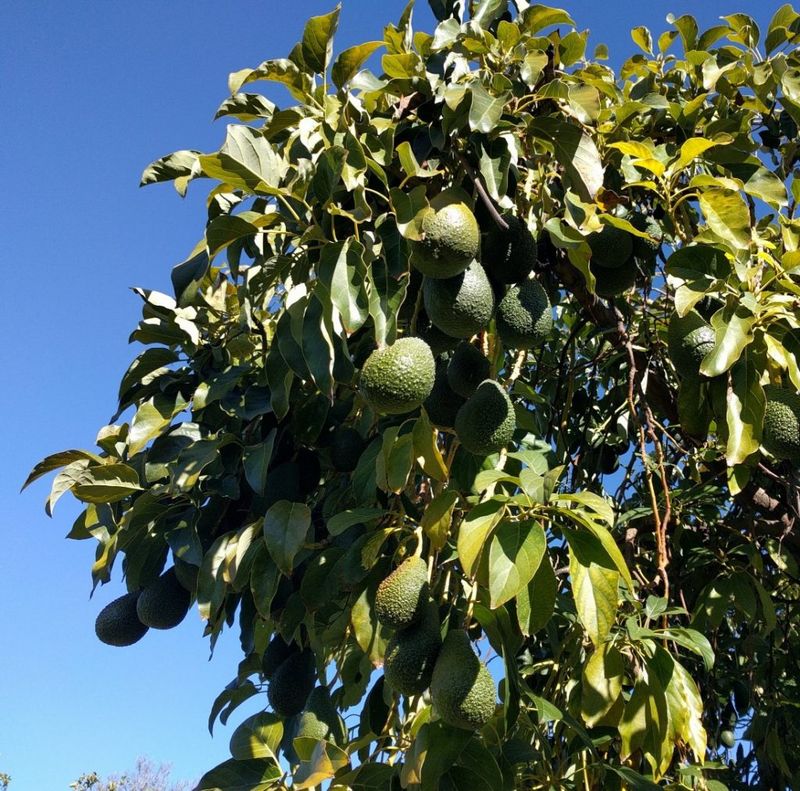
A record-breaking harvest feels like a reward, but that big crop quietly sets the stage for a quieter season ahead. Carrying hundreds of avocados through an entire growing season places enormous demand on the tree.
Every fruit requires water, sugars, and nutrients to develop properly, and the tree supplies all of it from its own stored reserves.
By the end of an “on” year, those reserves are seriously depleted. Carbohydrates that the tree would normally bank for future growth and flowering have already been spent keeping that heavy crop alive and developing.
Studies on alternate bearing in fruit trees consistently show that carbohydrate depletion after a large crop is one of the strongest predictors of reduced performance the following year.
Florida avocado varieties like Choquette and Monroe are capable of producing enormous crops when conditions align. That very productivity, while exciting, creates a biological debt the tree spends the next season repaying.
Lighter fruit loads in the off year are not a sign of a struggling tree. They are a sign of a tree that worked incredibly hard the previous season and needs time to rebuild its internal energy before it can perform at full strength again.
3. One Big Harvest Can Drain The Tree More Than You Think
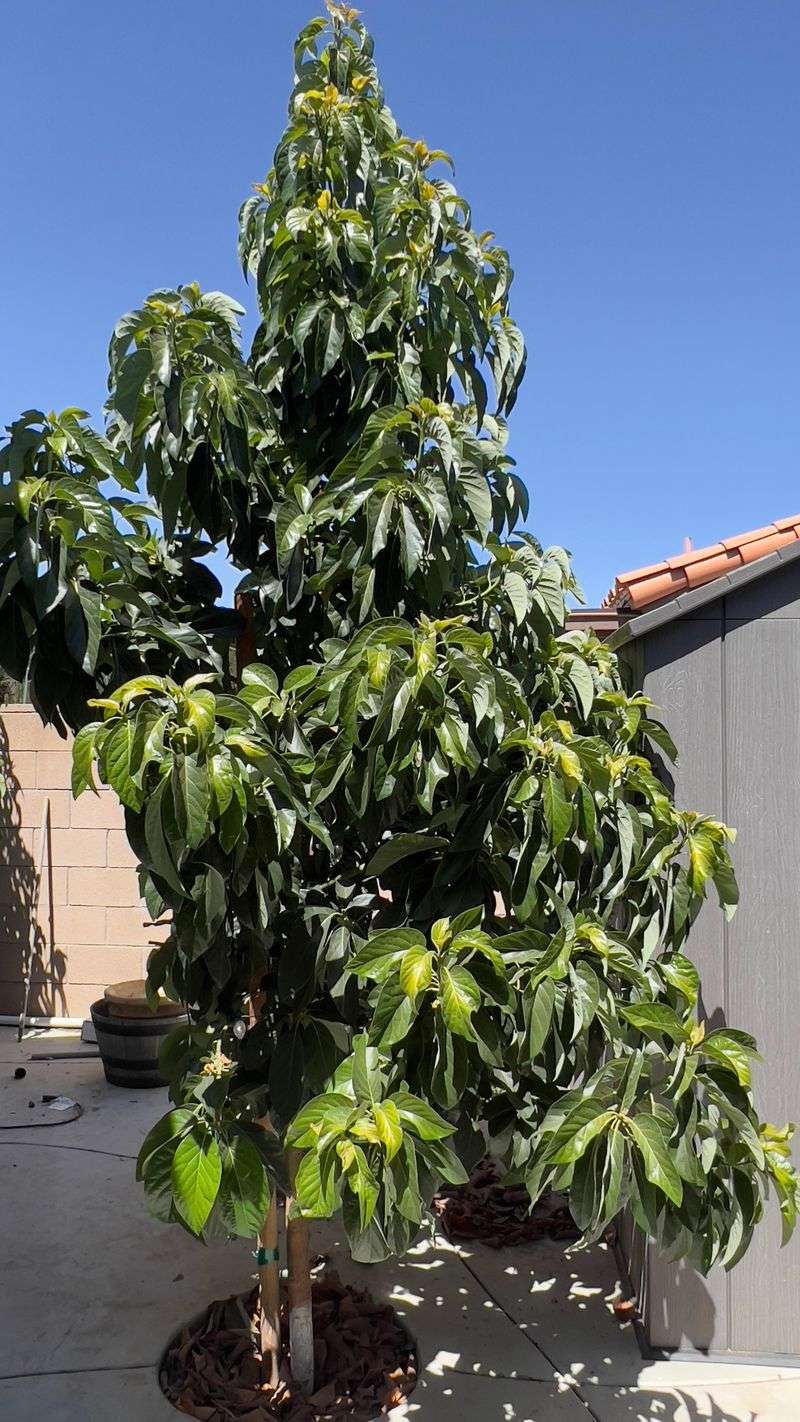
Growing fruit is one of the most energy-intensive things any tree can do. For avocados, the demand is especially high because the fruits are large, oil-rich, and take many months to mature.
A single avocado contains far more fat and calories than most other fruits, and all of that energy comes directly from the tree itself.
During a heavy fruiting season, the tree pulls carbohydrates from its leaves, branches, trunk, and roots to keep up with the demand. Photosynthesis alone cannot always produce enough sugars fast enough to meet the needs of a large crop.
The tree draws from its stored reserves to make up the difference, and those reserves take time to rebuild after harvest.
Hormonal signals add another layer to this drain. Developing avocado fruits produce plant hormones, including gibberellins, that travel through the tree and can actively suppress new flower bud formation.
So not only is the tree low on energy after a big year, it is also receiving chemical signals that work against a strong bloom the following season. Florida gardeners who understand this internal dynamic are better prepared to support their trees during recovery and set them up for a more productive return.
4. Flowering Next Season Can Drop After A Heavy Fruit Load
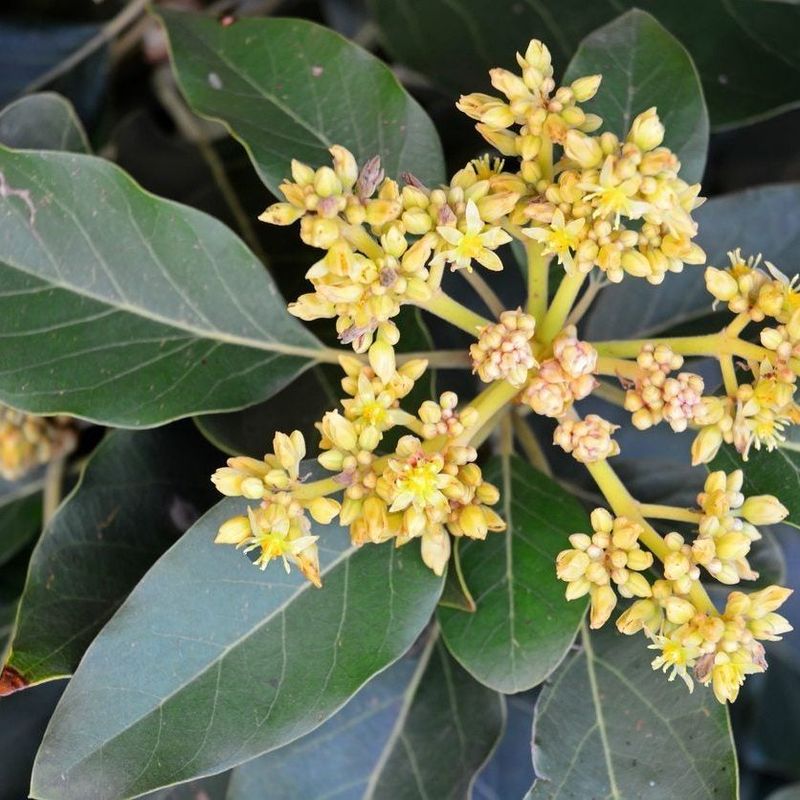
Flowers are where every avocado starts its journey, so a season with fewer blooms almost always leads to a season with fewer fruits. After a heavy production year, many Florida avocado trees simply do not generate the volume of flowers needed to set a full crop.
The connection between the previous year’s fruit load and the current year’s bloom is direct and well-documented.
Avocado flowers are unusual in that each flower opens twice over two days, first as female and then as male, a trait that makes pollination timing tricky even in a good year. When the tree produces far fewer flowers than usual, that already narrow pollination window becomes an even bigger obstacle.
Fewer available flowers mean fewer opportunities for fruit to set, even if pollination conditions happen to be ideal.
Florida’s avocado bloom season typically runs from late winter into spring. A tree recovering from a massive harvest may push out only a fraction of the flower clusters it produced the previous cycle.
Gardeners sometimes mistake this reduced bloom for a disease or a care problem, but the cause is usually the tree’s depleted state from the prior season. Supporting strong leaf coverage and healthy growth year-round can help the tree build enough reserves to flower more reliably.
5. Weather During Bloom Can Make The Pattern Even Worse
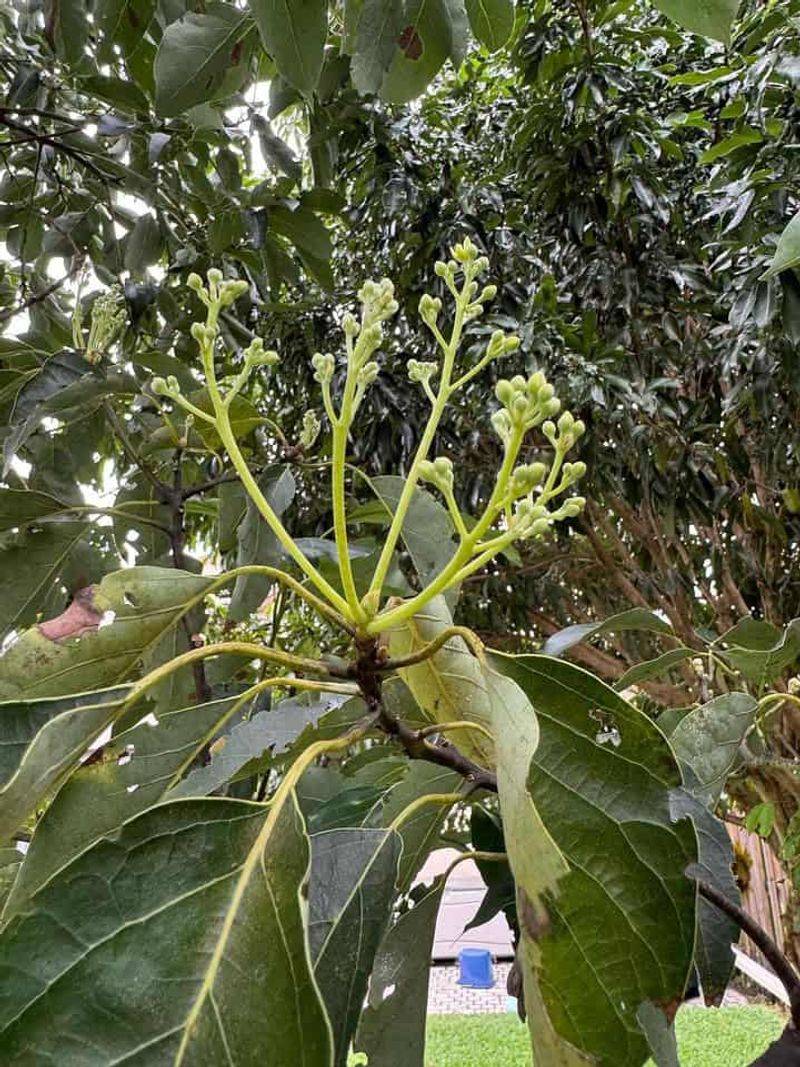
Florida’s weather during bloom season can be a wild card that pushes an already uneven production pattern into more extreme territory. The avocado bloom window is sensitive, and conditions that seem mild by Florida standards can still interfere with flower survival and early fruit set in meaningful ways.
Temperatures that drop unusually low during bloom can damage the delicate flowers or slow the activity of pollinators. Warm, gusty winds common in South Florida during late winter and early spring can dry out flowers quickly, reducing the time they remain receptive.
Heavy rainfall during bloom can wash away pollen before it reaches its target, cutting the chances of successful fruit set even further.
According to UF/IFAS extension resources, Florida’s subtropical climate generally supports avocado production, but bloom-season weather variability remains a real challenge. In years when the alternate bearing cycle already has the tree in an off phase, bad bloom-season weather can make a light year look nearly bare.
In contrast, a tree in its on phase with ideal bloom-season weather may produce an especially heavy crop, which then sets up an even more dramatic swing the following season. Florida’s unpredictable spring weather is not the root cause of alternate bearing, but it can absolutely amplify the highs and lows.
6. Poor Pollination Can Turn An Off Year Into A Bare One
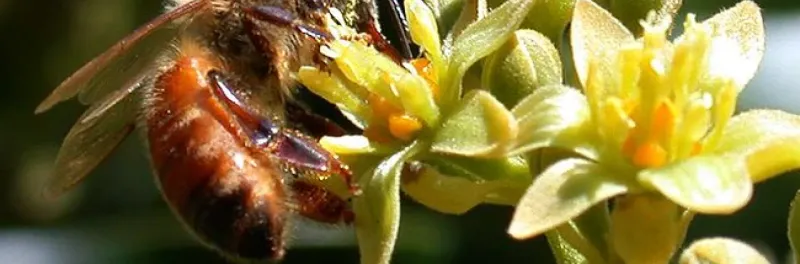
Even when a Florida avocado tree manages to push out a reasonable number of flowers during an off year, poor pollination can slash the final fruit count down to almost nothing. Avocados have a unique flowering behavior called protogynous dichogamy, meaning each flower functions as female first, closes, then reopens as male.
For cross-pollination to happen, a Type A variety and a Type B variety need to be blooming nearby at overlapping times.
When only one variety is present in the yard, or when the nearest matching tree is too far away, many flowers simply never get pollinated. Bees and other insects do most of the pollination work in Florida backyards, and anything that reduces pollinator activity during bloom can hurt fruit set.
Rainy days, cold snaps, or heavy pesticide use in the neighborhood can all lower bee visits right when the flowers need them most.
A tree already in a light-flowering off year has very little margin for pollination failure. If only a small percentage of its reduced flower count gets successfully pollinated, the resulting crop can be disappointingly small.
Planting a compatible second avocado variety nearby is one of the most reliable ways Florida gardeners can improve fruit set and make sure even off-year blooms have a fair chance of producing fruit.
7. Pruning And Feeding Mistakes Can Add To The Problem
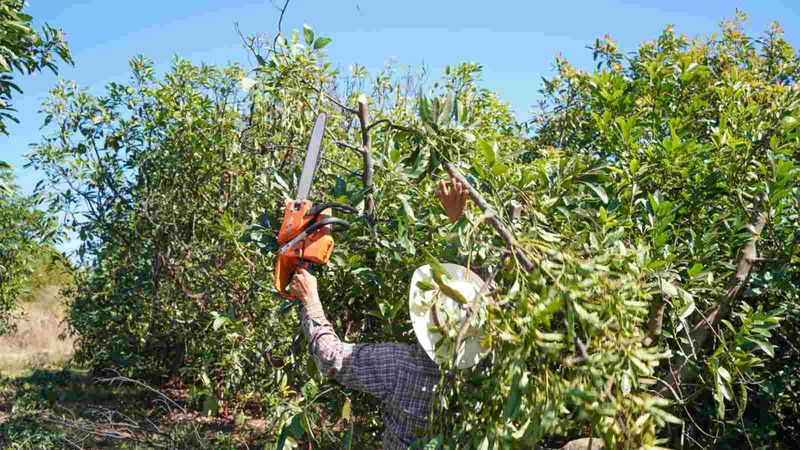
How you care for your avocado tree between harvests matters more than most people realize. Pruning and fertilizing mistakes do not cause alternate bearing on their own, but they can make the natural cycle noticeably worse.
Poor timing or heavy-handed pruning is one of the most common care errors Florida avocado growers make.
Avocado trees set their flower buds on mature wood from the previous season’s growth. If you prune heavily right before or during that growth flush, you remove the very branches that would have carried next season’s blooms.
Cutting back too aggressively can push the tree into a long vegetative recovery phase, delaying flowering and reducing the crop further in a year when you were already expecting less.
Fertilizer choices matter too. Excess nitrogen encourages lush leafy growth at the expense of flowering.
A tree that is being pushed to grow lots of new shoots may not channel enough energy into reproductive development. UF/IFAS guidelines recommend balanced fertilization with attention to micronutrients like zinc and boron, which support healthy flowering and fruit set in Florida avocados.
Feeding at the right times, using the right ratios, and avoiding over-pruning during critical growth windows are all practical steps that keep management mistakes from turning a mild off year into a serious disappointment.
8. Better Care Can Help Smooth Out The Boom And Bust Cycle
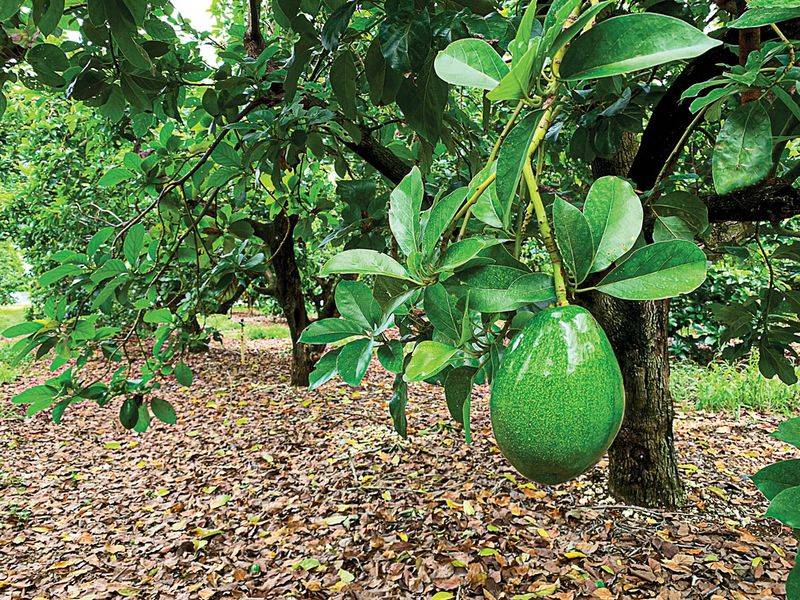
Alternate bearing in avocados cannot be completely eliminated, but thoughtful, consistent care can reduce how dramatic the swings feel from one year to the next. Florida gardeners who pay attention to their tree’s needs throughout the entire calendar year, not just during harvest, tend to see steadier results over time.
Thinning fruit during a heavy on year is one of the most effective tools available. Removing some developing fruits before they reach full size reduces the overall energy demand on the tree, leaving more reserves available for the following season’s bloom.
It feels counterintuitive to remove avocados you worked hard to grow, but growers who thin selectively often report more consistent production across multiple seasons.
Regular, balanced fertilization timed to the tree’s growth cycles helps maintain carbohydrate reserves and supports healthy flowering year after year. Mulching the root zone, keeping irrigation steady during dry spells, and avoiding unnecessary pruning during flower bud development are all habits that add up over time.
Planting a second compatible avocado variety nearby improves pollination in both on and off years. No single practice will guarantee a perfect harvest every season, but combining these strategies gives Florida avocado trees their best chance at producing reliably and rewarding the gardeners who tend them with patience and care.