The Real Reason Hydrangea Flowers Are Fading So Fast
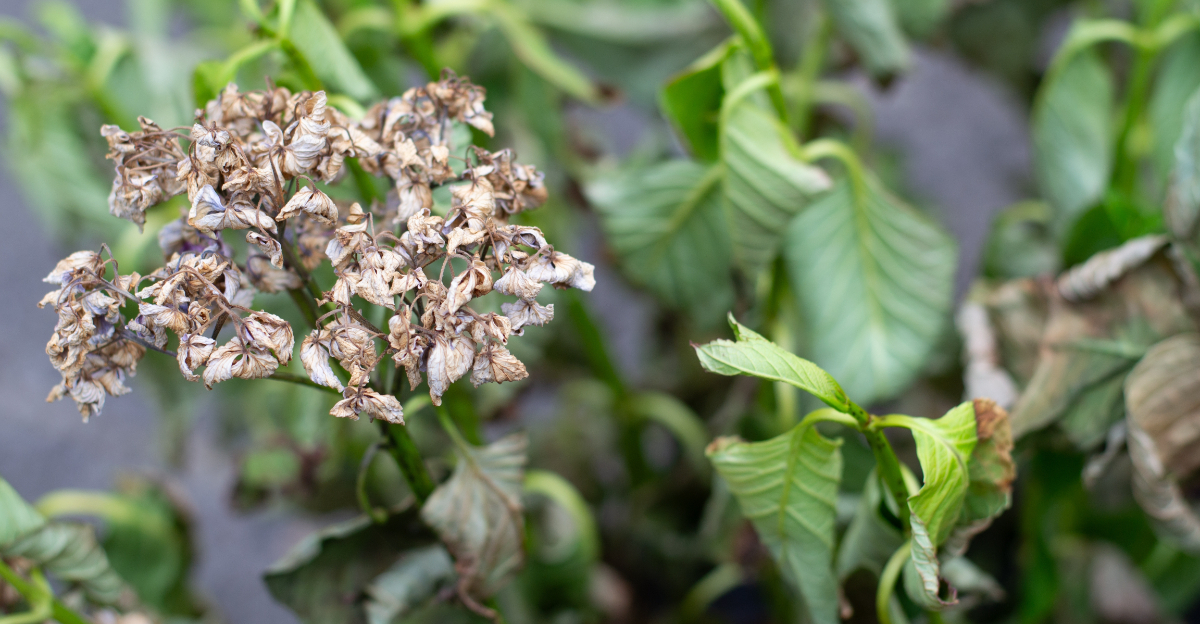
Something breaks the moment your hydrangeas stop looking triumphant, fading from full color to pale disappointment within days. Petals that once dazzled now droop before you even reach the garden hose.
Blooms lose their intensity faster than most gardeners expect, and the shift often catches you completely off guard. Your usual care routine might already be working against you without any obvious warning signs.
Certain conditions push your plants past their limit quicker than you’d think, and color drains almost immediately after that point. Even attentive gardeners like you can lose vibrant blooms within a single afternoon.
Timing separates a thriving hydrangea bed from a collapsing one, often by mere hours of unexpected stress. Small shifts in care now could completely change how your blooms hold up later.
Nothing about this decline happens by accident, and ignoring it only accelerates the damage. You need real answers before your color disappears for good.
Rising Temperatures Are Cutting Bloom Life Short
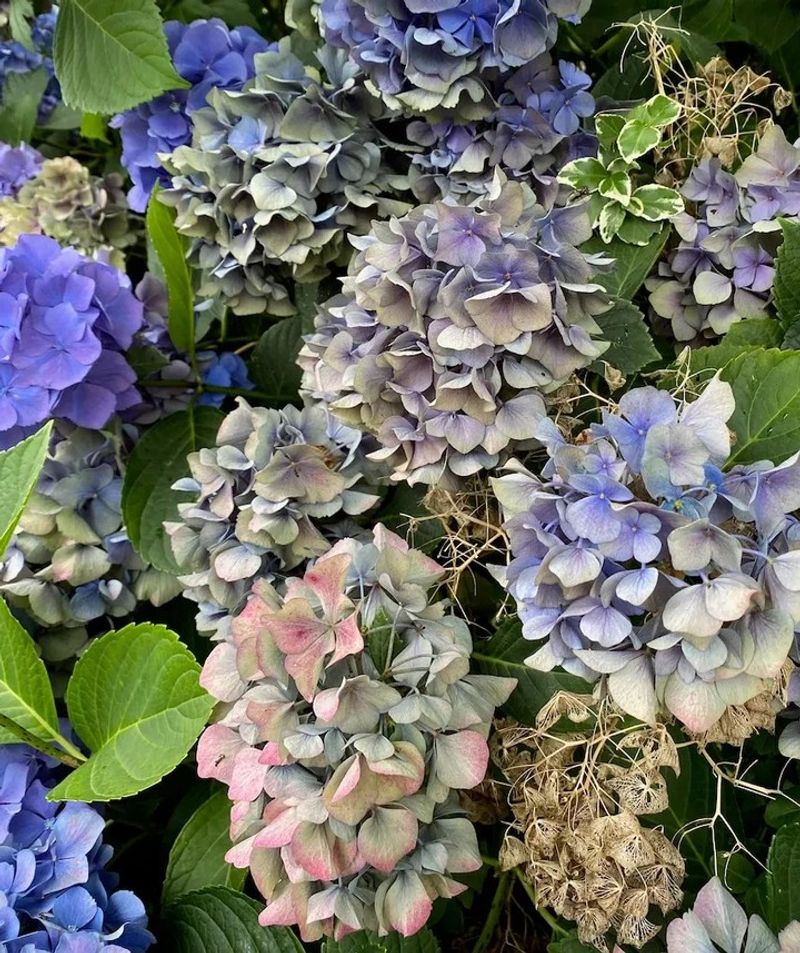
Heat takes a heavy toll on hydrangeas. Once temperatures climb past a certain point, hydrangea flowers start to fade faster than you might expect.
That fading speed comes down to something happening deep inside the petals themselves. Pigments break down rapidly under intense heat exposure.
Most hydrangea varieties were bred for mild, temperate climates. Pushing them into hot summers stresses the entire plant system significantly.
When a plant is stressed by heat, it redirects energy away from blooms. Flowers are not a survival priority when the plant is struggling to stay alive.
Blooms that typically last several weeks in cooler conditions can fade within days during a heat wave. That dramatic difference surprises even experienced gardeners every single season.
Rising temperatures also speed up the plant’s respiration rate. Faster respiration means the plant burns through moisture and nutrients at an accelerated pace.
Once that internal balance tips, petals lose their firmness and vibrant color almost overnight. You are not doing anything wrong; the weather is simply working against you.
Knowing heat is the main trigger gives you real power to act. You can take targeted steps to protect your blooms before the next hot spell hits your garden.
Signs Heat Stress Is Affecting Your Blooms
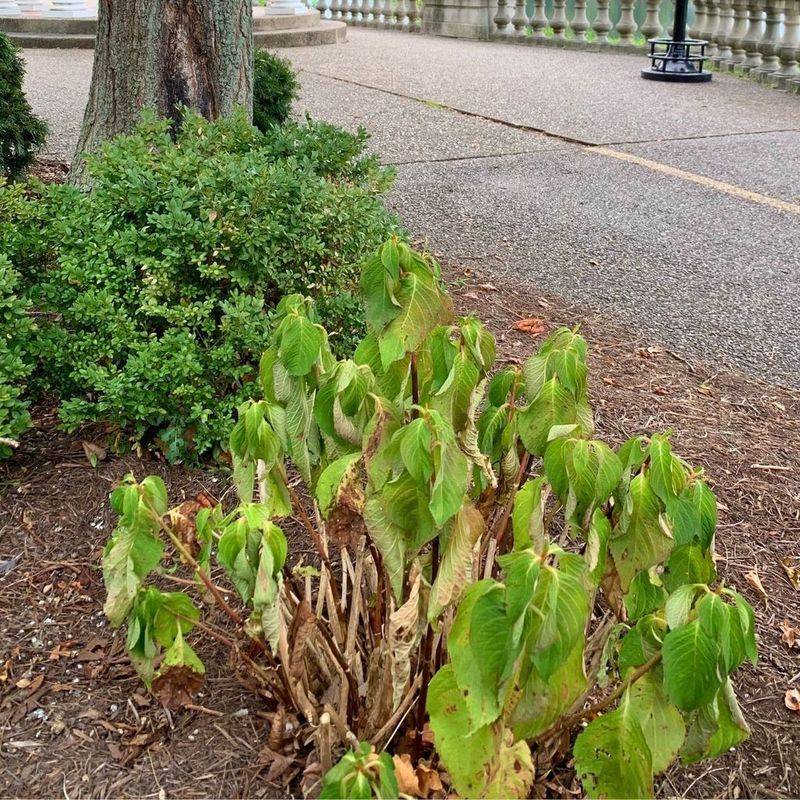
Your hydrangeas are talking to you. Learning to read the signs of heat stress early can save an entire season of blooms.
The first clue is petal edges turning brown or tan while the center of the bloom still holds some color. That browning is not a disease; it is a heat response.
Flower heads that droop dramatically in the afternoon but perk back up at night are showing classic heat stress behavior. If they stop recovering overnight, the damage is becoming more permanent.
Faded, washed-out color is another major signal. Blooms that were once deep pink, purple, or blue can look almost white or papery after just a few hot days.
Leaves may also curl inward along their edges during peak afternoon hours. The plant does this to reduce the surface area exposed to direct sunlight and heat.
Wilting stems that feel soft rather than firm indicate the plant cannot pull enough moisture to keep tissues plump. This is a serious sign that action is needed quickly.
Sticky or tacky-feeling leaves sometimes appear when heat combines with humidity. That stickiness can attract pests, adding another layer of stress to an already struggling plant.
Catching these signs early makes a real difference. Once you spot two or more of these symptoms together, your hydrangeas are sending a clear message that conditions have gone too far.
Times Of Day When Sun Exposure Does The Most Damage
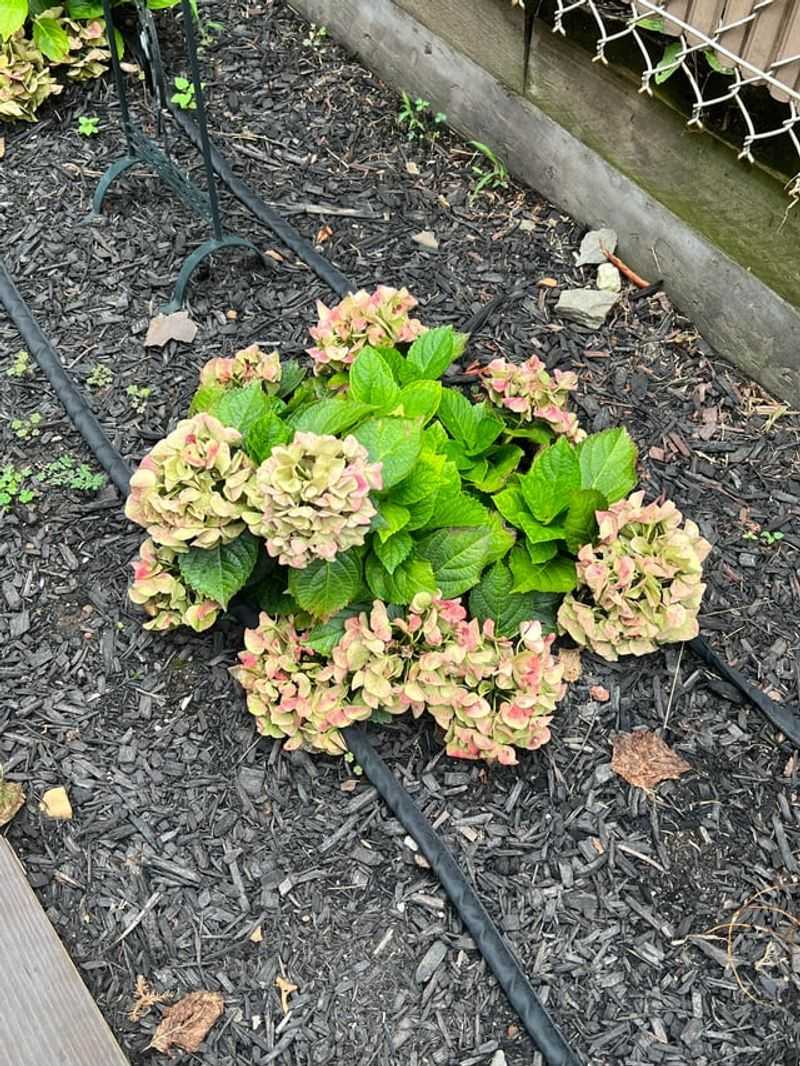
Not all sunlight hours are created equal. The time of day your hydrangeas receive sun matters enormously for bloom longevity.
Morning sun, roughly from 7 a.m. to 11 a.m., is gentle and beneficial. It helps dry dew from leaves and provides light without intense heat buildup.
The riskiest window runs from about noon to 4 p.m. During those hours, the sun angle is most direct and temperatures peak sharply.
UV intensity during peak afternoon hours can climb well above morning levels. Petals simply are not built to handle that level of sustained sun exposure for long periods.
Even heat-tolerant plants experience accelerated moisture loss between noon and 4 p.m. Hydrangeas, which are naturally thirsty plants, suffer especially hard during that window.
Late afternoon sun from around 4 p.m. to 6 p.m. carries less intensity. However, if the plant is already heat-stressed from midday, even late sun can tip it further toward damage.
Evening shade allows the plant to begin recovery. Temperatures drop, transpiration slows, and the plant can start pulling moisture back into stressed tissues.
Knowing this timeline helps you plan watering, misting, and shade cloth placement more effectively. Targeting that noon-to-four window for protection is one of the most effective scheduling decisions you can make for your blooms.
Placement Choices That Increase Heat Exposure
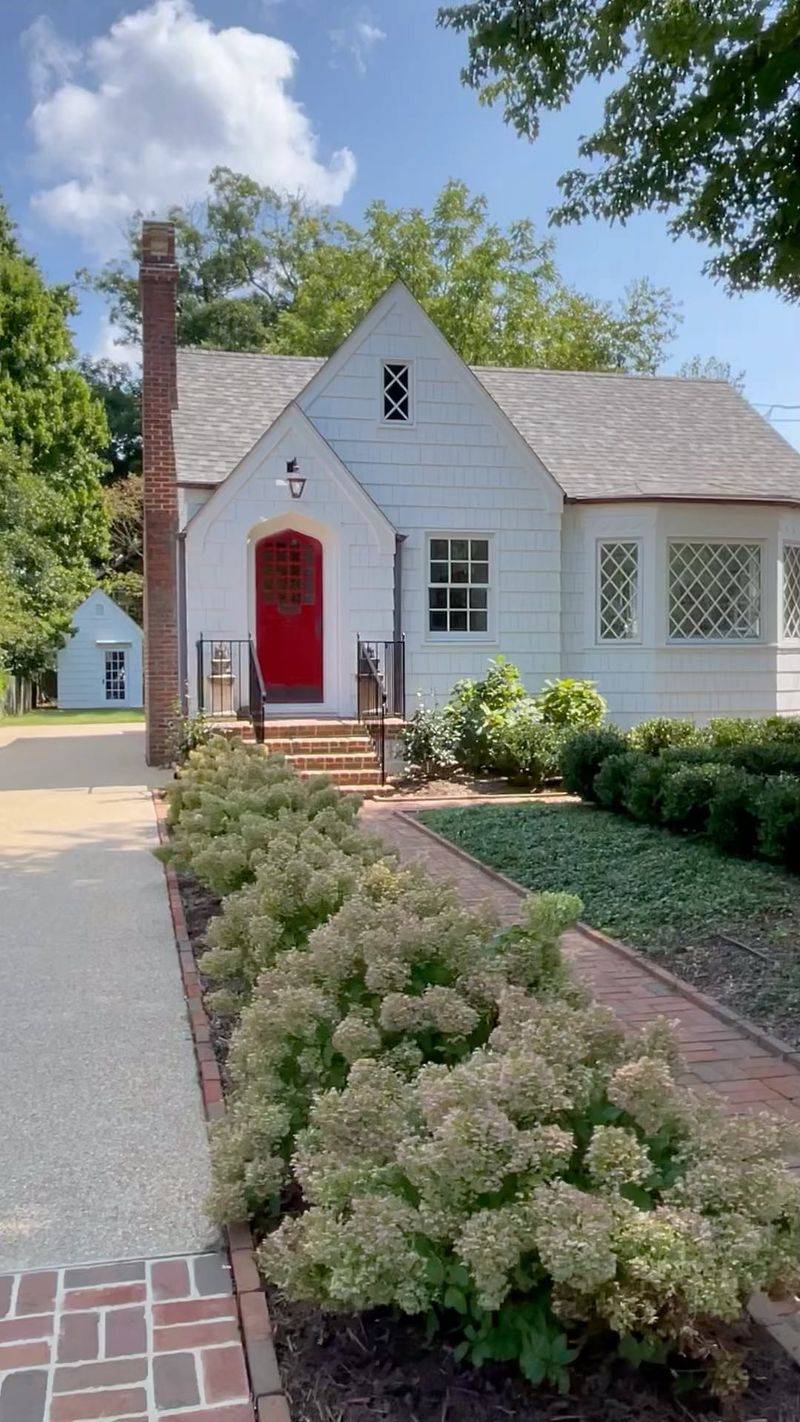
Where you plant your hydrangeas can quietly work against them all season long. Placement mistakes are an often overlooked reason blooms fade prematurely.
Planting near south-facing brick or concrete walls is a common problem. Those surfaces absorb heat all day and radiate it back onto nearby plants well into the evening.
Spots near driveways or patios create a similar effect. Hardscaping amplifies ambient temperatures by several degrees, turning a tolerable location into a heat trap for sensitive plants.
Planting in open, unshaded areas with full western exposure is another risky choice. Western sun hits plants at the hottest part of the day, delivering intense heat right when temperatures peak.
Containers placed on sunny decks or patios face heat from two directions at once. The pot itself heats up, warming the root zone, while the sun simultaneously scorches the blooms from above.
Low-lying spots near fences can trap hot air with no airflow to cool things down. Stagnant hot air around a plant accelerates moisture loss and speeds up petal deterioration.
Even placement near light-colored walls can cause problems. Pale surfaces reflect sunlight directly back onto blooms, creating an unintended spotlight of concentrated heat and UV exposure.
Reconsidering placement is sometimes the most effective fix available. Moving a struggling container plant or transplanting a young shrub to a better-shaded spot can dramatically extend bloom life through the hottest months.
Watering Adjustments To Offset Hot Conditions
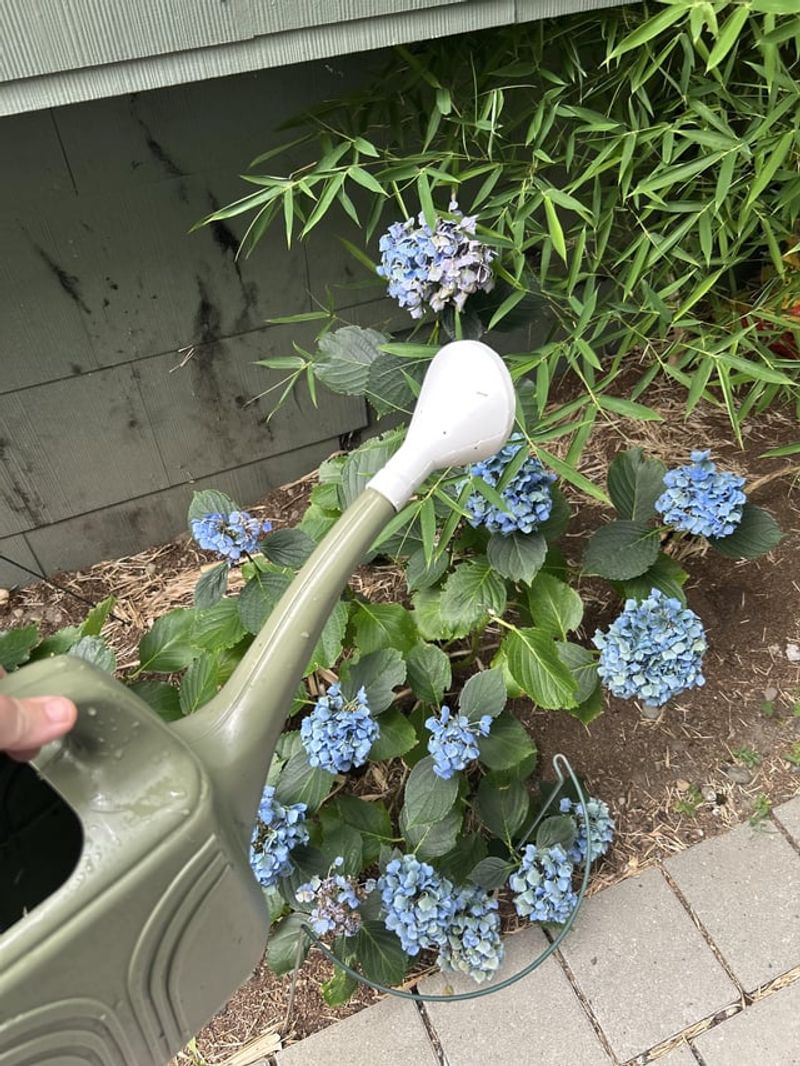
Water is one of your most effective tools against heat stress. Getting the timing and method right can add days, sometimes weeks, to your bloom life.
Morning watering is the gold standard for hydrangeas in hot weather. Watering early allows moisture to reach roots before the sun starts pulling it back out of the soil.
Avoid watering in the afternoon heat when evaporation rates are at their highest. Water applied at peak heat often evaporates before roots can absorb a meaningful amount of it.
Evening watering is a debated practice, but it works well in hot, dry climates. In humid areas, wet foliage overnight can encourage fungal problems, so aim for base watering only.
Deep, slow watering is far more effective than frequent shallow sprinkles. Shallow watering encourages surface roots that dry out quickly, making the plant more vulnerable during heat spikes.
During a heat wave, hydrangeas in the ground may need watering every day. Container plants can dry out even faster and may need checking twice daily in extreme conditions.
Adding a diluted liquid fertilizer to your watering routine helps replenish nutrients lost through rapid transpiration. A balanced formula applied every two weeks supports bloom color and overall plant resilience.
Consistent, deep moisture at the root zone is the foundation of heat protection. Pair good watering habits with shade strategies, and your hydrangeas will hold their color far longer than you might expect.
Shade And Mulching Strategies To Protect Blooms
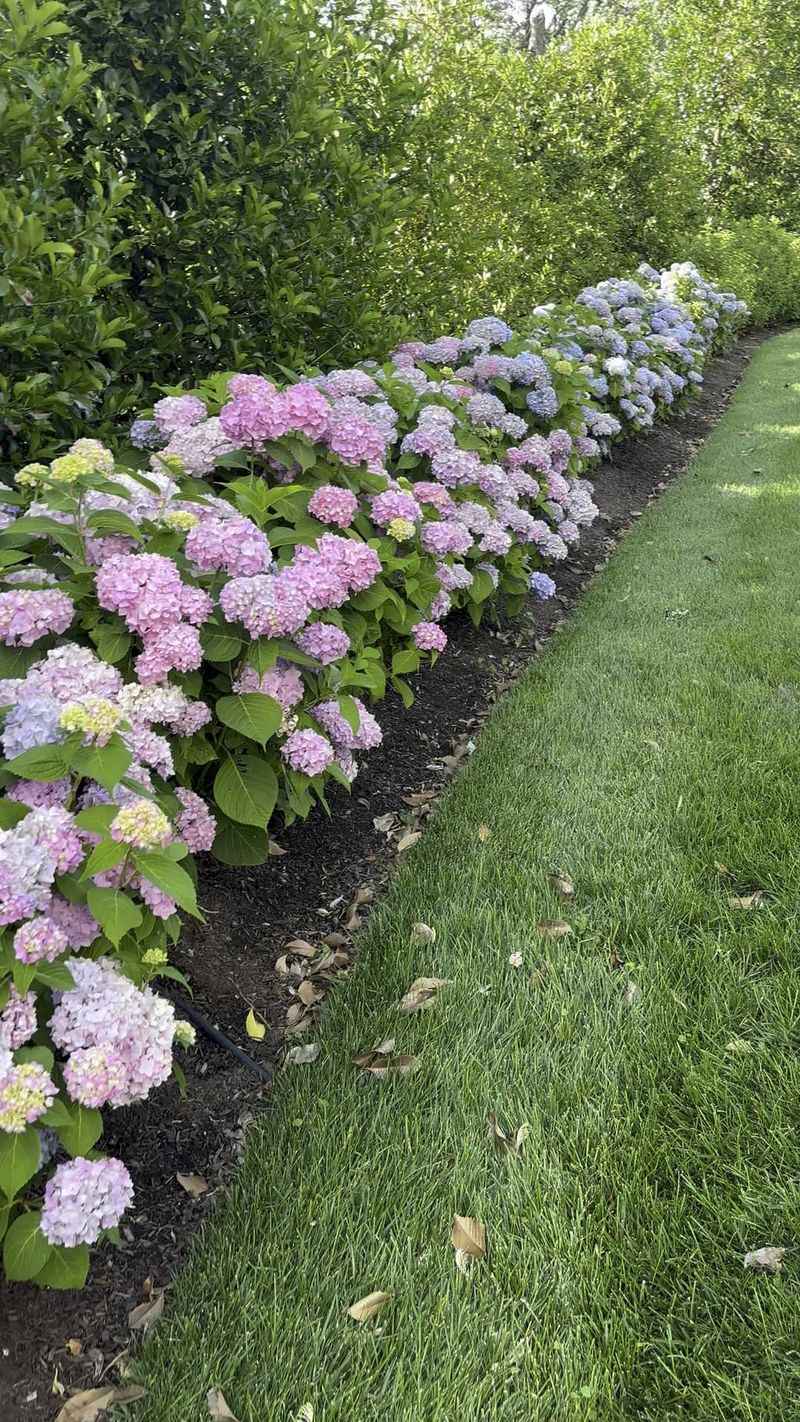
Shade and mulch are two of the most underrated tools any gardener can use. Used together, they create a microclimate that significantly slows bloom fading.
Shade cloth rated at 30 to 40 percent is ideal for hydrangeas during peak summer months. It blocks enough intense light to reduce heat stress without cutting off the light plants need to thrive.
Temporary shade structures like garden umbrellas or pop-up canopies work surprisingly well for container plants. Moving a pot under cover during the hottest hours takes only seconds and makes a measurable difference.
Natural shade from trees or tall shrubs is a strong long-term solution. Positioning hydrangeas where they receive dappled afternoon shade is one of the best placement decisions you can make.
Mulching around the base of your plants works just as well. A three-to-four-inch layer of organic mulch keeps soil temperatures significantly lower than bare ground during hot spells.
Wood chips, shredded bark, and straw all work well as mulching materials. They also retain soil moisture, reducing how often you need to water during the hottest stretches of summer.
Keep mulch pulled back a few inches from the main stem to prevent moisture buildup and rot near the base. A small gap there protects the plant while still delivering all the cooling benefits.
Combining shade and mulch gives your hydrangea flowers the best possible chance of holding their color all season long. That combination is the real secret to blooms that last.