How To Handle Rust Mites After Harvest In Connecticut Orchards
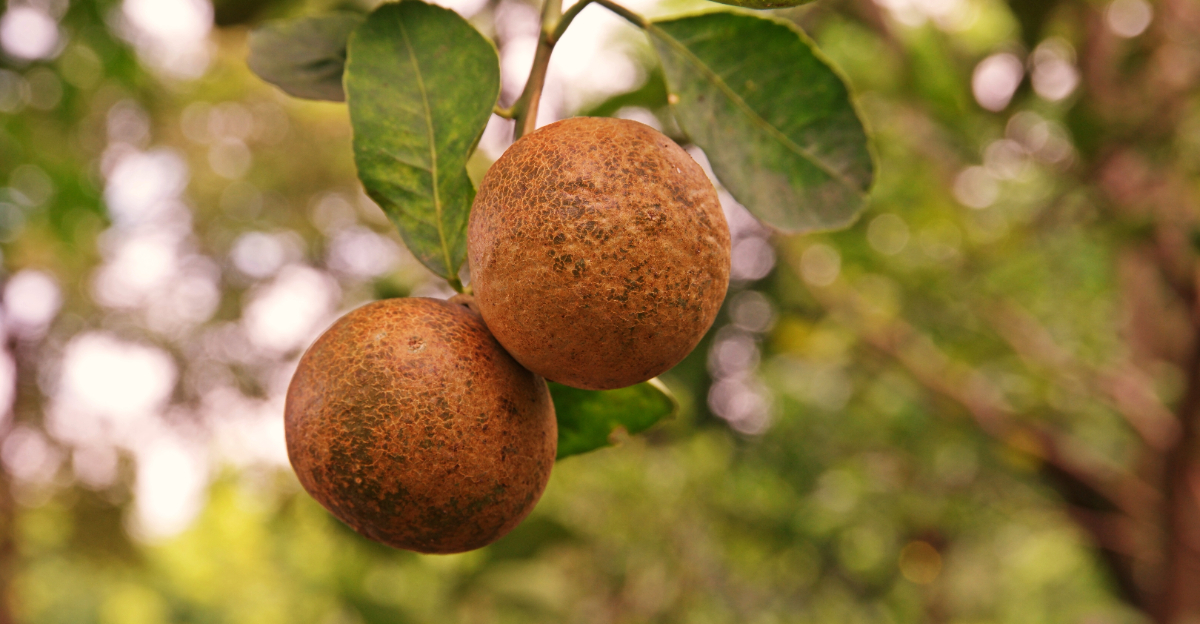
Something is already stirring beneath your orchard’s bark right now. You might not notice it, but rust mites rarely leave completely. Connecticut winters seem quiet, yet these pests stay remarkably active.
Bronzed leaves next spring often trace back to choices you make now. Bark crevices, bud scales, and leaf litter hold more than expected. Waiting until buds swell means you’ve already used valuable time.
Every decision you make this winter shapes next year’s harvest. Growers here face a brief window before mites settle in. Scouting, spraying, and soil care all work together, not separately.
Skip any part of this plan and you soften the rest. Your trees in Connecticut depend on what you do during dormancy. Nothing here is passive, every choice you make counts.
Overlooking this quiet dormant season can still shape orchard outcomes and future yields. Stay ahead now, because your orchard’s entire future is counting on you.
1. Inspect Leaves And Bark For Mites Before Frost
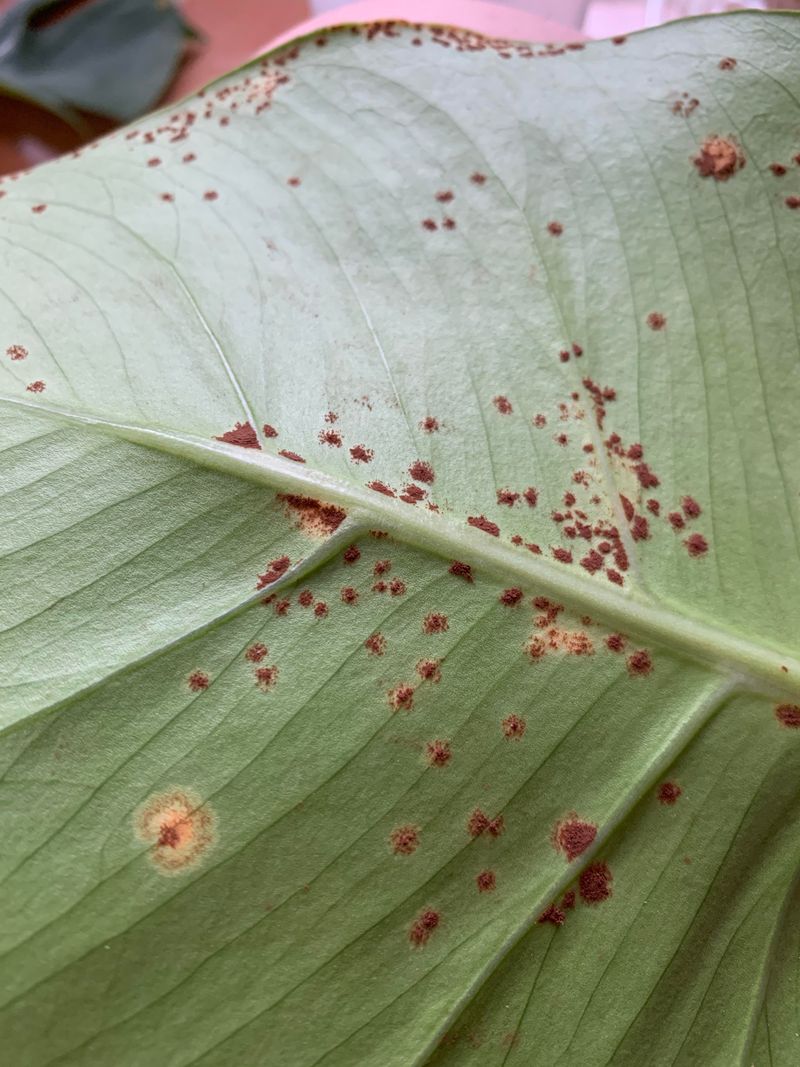
Grab a hand lens and get close to your trees before the first hard frost hits. Rust mites are smaller than a period on a printed page, so your naked eye will miss them completely.
Start with the undersides of leaves still clinging to branches. Look for a bronze or silvery sheen, which signals high mite populations feeding on plant tissue.
Check the bark along smaller scaffold branches next. Mites often cluster in rough, scaly patches where they are sheltered from wind and temperature swings.
Pay special attention to the crotches of branches where bark tends to be thicker. These warm, protected spots act like tiny hotels for overwintering pest populations.
Use a white piece of paper to tap branches over and watch for movement. Rust mites will fall onto the surface and appear as slow-moving orange or brown specks.
Document what you find with a simple notebook or phone photo. Knowing which trees carry the heaviest loads helps you prioritize where to focus your dormant oil application later.
Early scouting also helps you catch secondary pests like European red mites. Spotting multiple species at once lets you choose products that address more than one problem.
This pre-frost inspection provides key data for your post-harvest management plan. The data you collect now shapes every spray decision you make through winter and early spring.
2. Apply Dormant Oil Once Trees Are Fully Dormant

Dormant oil is one of the most reliable tools an orchard grower has in their pest management kit. When applied correctly, it smothers overwintering mite eggs and crawlers right on the bark surface.
Timing is everything with this product. Trees must be completely dormant, meaning all leaves have dropped and temperatures are consistently above 40 degrees Fahrenheit during application.
Choose a calm, dry day with no rain forecasted for at least 24 hours. Wet bark dilutes the oil and reduces coverage, making your spray far less effective.
Mix the oil according to label directions, usually around 2 percent concentration for dormant applications. Going heavier does not improve results and can damage bark tissue on sensitive trees.
Your Connecticut Garden Changes Every Week. Your Plan Should Too.
Gardening in Connecticut changes quickly throughout the season. Every Friday you’ll receive a simple weekly plan showing exactly what to plant, prune, fertilize, harvest, and protect so you never miss the right timing.
Cover the entire tree thoroughly, including the trunk, major limbs, and smaller twigs. Rust mites hide in every crack and crevice, so incomplete coverage leaves populations intact.
Avoid spraying when temperatures may drop below freezing within a few hours of application. Oil that freezes on bark before it penetrates can cause phytotoxicity and bark cracking.
Spraying early in the morning on a warming day gives the product the best chance to spread and soak in. Afternoon applications on cold days tend to dry unevenly and leave gaps in coverage.
A single well-timed dormant oil spray can significantly reduce mite populations heading into spring. That kind of reduction can ease pest management through the growing season.
3. Remove Fallen Leaves To Cut Overwintering Sites
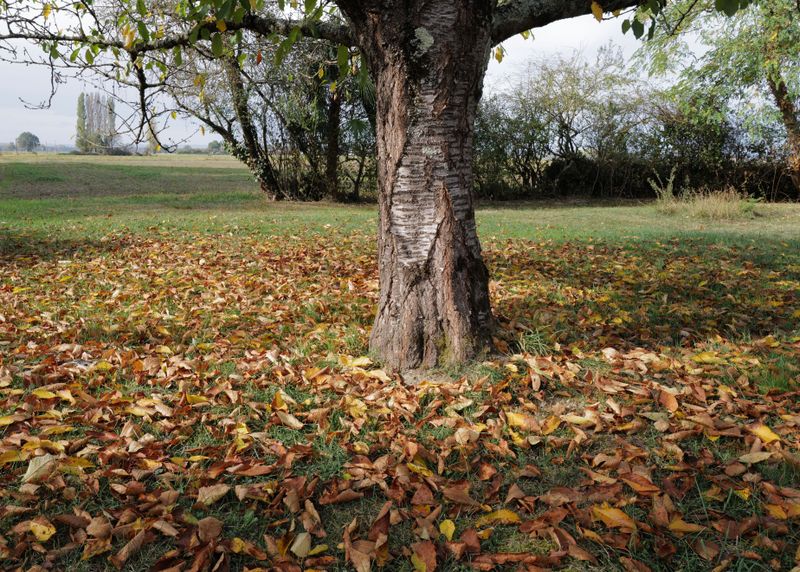
Fallen leaves create favorable overwintering conditions for rust mites looking to survive the winter. Leaving them on the ground gives pests a warm, moist hiding place packed with organic matter.
Start leaf removal as soon as most of the foliage has dropped from your trees. Waiting too long allows mites to settle deeper into the leaf layer and become harder to remove.
Rake thoroughly under the full canopy spread of each tree. Mites that drop from branches often land just beneath the drip line, so that zone deserves extra attention.
Bag the leaves or move them far from the orchard before composting. A compost pile right next to your trees can re-introduce pests as adults emerge in warmer weather.
Consider using a leaf blower to clear debris from tight spots between tree rows. Hand raking alone often misses clumps tucked against trunk bases and low-growing grass clumps.
If you mulch your orchard floor, pull the mulch back from the base of each trunk before winter. Mites and other pests use deep mulch as a buffer against cold temperatures.
Mowing the orchard floor short in late fall also helps reduce pest harborage. Short grass dries faster after rain and offers far less protection than tall, matted vegetation.
Removing leaf litter is one of the simplest and most cost-effective steps in handling rust mites after harvest. Clean ground now means fewer headaches when buds swell in April.
4. Prune Out Heavily Infested Branches In Dormancy
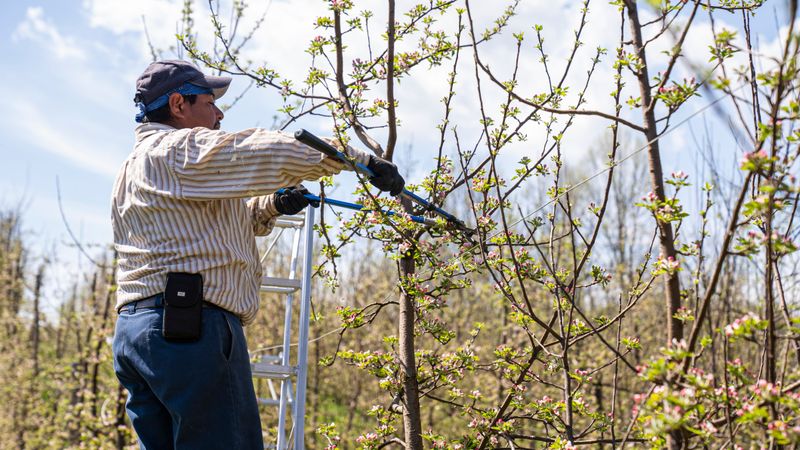
Some branches carry mite populations so dense that spraying alone may not fully solve the problem. Cutting those branches out during dormancy removes the pest load physically and improves the tree’s overall structure.
Wait until the tree is fully dormant before making any cuts. Pruning too early, while the tree is still moving sugars downward, can stress the plant and invite fungal infections into fresh wounds.
Focus on branches with heavily scarred, rough bark where mites clustered during your pre-frost inspection. These are the sections most likely to harbor large egg masses through the winter.
Use sharp, clean tools for every cut. Dull blades crush tissue instead of cutting cleanly, and unclean blades can spread disease from one branch to the next.
Make cuts just outside the branch collar, the slight swelling where the branch meets a larger limb. Cutting flush removes the collar and slows the tree’s natural wound-sealing response.
Dispose of pruned material away from the orchard immediately. Piling cut branches near the trees gives mites a chance to crawl back onto healthy wood before you can remove the debris.
Pruning also opens the canopy to better air circulation and light penetration. Both factors reduce the humid, shaded conditions that mites prefer for feeding and reproduction.
Think of dormant pruning as a two-for-one deal: you reduce pest pressure and set the tree up for stronger growth. Better structure means better spray coverage when the growing season begins again.
5. Monitor Bud Scales For Sheltering Mites
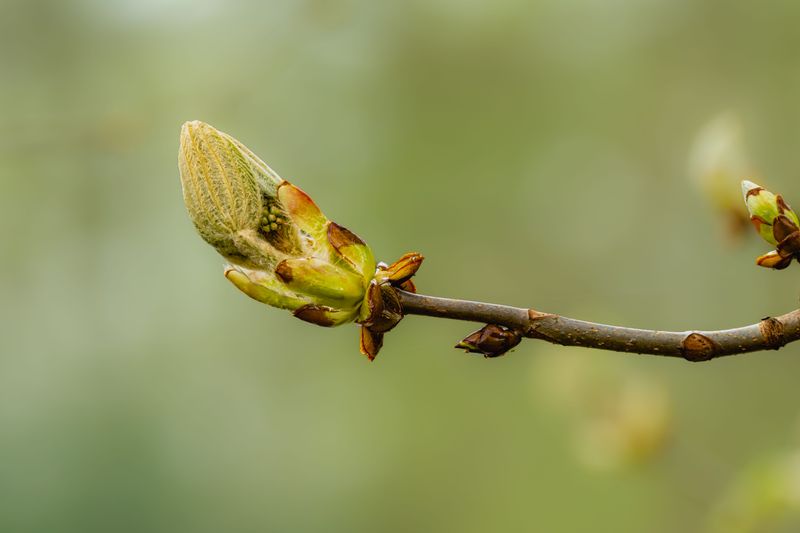
Bud scales provide insulated shelter for rust mites during the coldest months of the year. These overlapping layers of protective tissue trap warmth and moisture, creating ideal shelter for pest populations.
Check bud scales starting in late November and again in January and February. Mite activity slows in deep cold but never fully stops, and populations can shift between locations on the same tree.
Use a 10x or 14x hand lens to examine individual buds on multiple branches per tree. Look for the characteristic orange-brown coloring of rust mites pressed tightly between the scale layers.
Sample at least five buds from the upper canopy and five from lower branches on each tree. Mite distribution is rarely uniform, so sampling only one zone gives you an incomplete picture.
Record your counts in a simple log, noting the date, tree location, and estimated mite density. Comparing counts across monitoring dates reveals whether populations are growing, stable, or declining.
If you find high numbers clustered in bud scales on multiple trees, adjust your dormant oil timing to target this life stage. A well-timed spray at the silver tip stage can disrupt mite survival before egg hatch begins.
Bud scale monitoring also helps you spot predatory mites, which are beneficial insects that naturally suppress pest populations. Seeing predators present is a sign your orchard ecology is working in your favor.
Keeping a close eye on bud scales through winter gives you site-specific data that generic recommendations can’t fully replace. Your specific trees, your specific site, your specific pest pressure, that is the information that matters most.
6. Schedule A Delayed-Dormant Spray For Spring
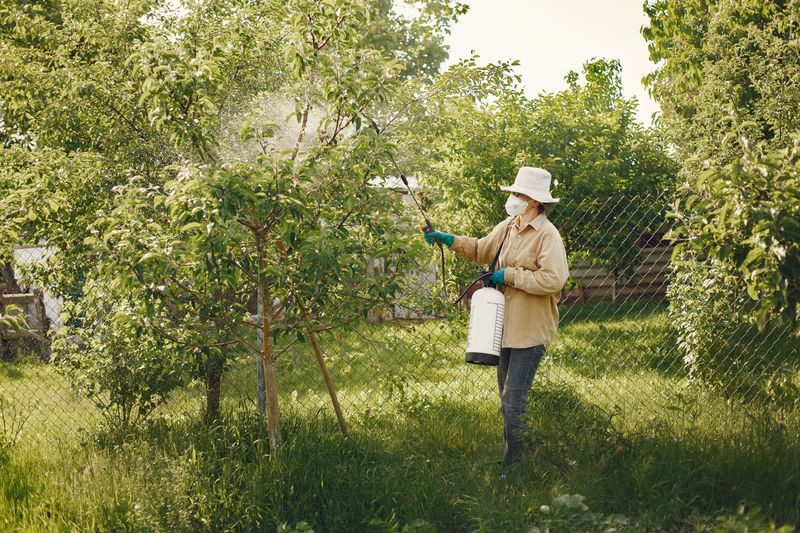
The delayed-dormant window is one of the most powerful spray opportunities in an orchard grower’s calendar. This brief period, between silver tip and green tip bud stages, catches mites as they become active but before natural enemies return in force.
Timing this spray correctly requires daily monitoring of bud development starting in late February. Buds change fast once temperatures warm, and missing the window by even a few days reduces effectiveness significantly.
A superior horticultural oil at 1 to 2 percent concentration works well during this period. Some growers add a miticide like bifenazate or hexythiazox for extra knockdown power against heavy populations.
Check product labels carefully for temperature and humidity restrictions before mixing anything. Applying oil when temperatures are too cold or too warm can cause leaf burn and bark damage on tender new growth.
Spray early in the morning when wind speeds are low and temperatures are climbing. Calm conditions improve coverage and reduce drift onto non-target plants and water sources nearby.
Cover every part of the tree, from the trunk base to the outermost twig tips. Rust mites move fast once temperatures rise, and skipping any section lets survivors rebuild populations quickly.
Rotate your spray chemistry if you applied a miticide during the dormant period. Using the same mode of action repeatedly encourages resistance, which makes future control much harder.
A well-executed delayed-dormant spray is your strongest line of defense for handling rust mites after harvest in Connecticut orchards. Correct timing gives you a strong advantage entering the growing season.
7. Test Soil And Tissue For Tree Stress

Stressed trees are more susceptible to mite infestation. When a tree lacks key nutrients or struggles with compacted, waterlogged soil, it produces weaker tissue that pest populations exploit more easily.
Soil testing should happen every two to three years at minimum, with post-harvest autumn being an ideal time to collect samples. Fall results give you all winter to plan amendments before spring growth begins.
Collect soil from multiple spots under each tree’s canopy, mixing them into a single composite sample per zone. Send samples to the UConn Soil Nutrient Analysis Lab or a certified private lab for full nutrient and pH analysis.
Tissue testing, also called foliar analysis, involves sending dried leaf samples to a lab during the growing season. Results show how well the tree is actually absorbing nutrients from the soil, not just what is present in the ground.
Some research suggests that nutrient deficiencies, including low magnesium and calcium, may contribute to higher mite pressure in apple orchards.
Correcting those deficiencies through targeted soil amendments may improve the tree’s resilience over time, though results vary by site and severity.
Soil pH in the 6.2 to 6.8 range supports optimal nutrient uptake for most fruit tree species. If pH is off, even a perfectly fertilized tree cannot access what it needs to build strong, pest-resistant tissue.
Compaction testing with a simple penetrometer tells you whether roots can reach water and nutrients effectively. Compacted soil below the tree canopy limits root growth and creates chronic stress that feeds mite outbreaks.
Healthy trees are generally more resistant to pest pressure, complementing the results of a spray program. Investing in soil and tissue testing is one of the smartest long-term moves an orchard grower can make.
8. Consult A CT Extension Agent For Timing
No two orchards in Connecticut face identical conditions, and that is exactly why talking with a local extension agent is worth every minute. They track regional pest pressure, weather patterns, and variety-specific data that generic online guides simply cannot provide.
The UConn Extension program offers orchard-specific resources including pest management guides, spray timing calendars, and direct consultation with trained specialists. Reaching out after harvest gives you time to plan before the season’s busiest moments arrive.
Extension agents can review your scouting records and help you interpret mite counts in context. A number that seems alarming on paper might be within acceptable thresholds given your specific tree species and local predator populations.
They also stay current on pesticide registrations and label changes in Connecticut. Using a product that is no longer approved in your state can jeopardize your orchard certification and create compliance issues.
Ask your agent about the New England Tree Fruit Management Guide, a regional resource updated annually by extension specialists across multiple states. This guide covers rust mites specifically and includes threshold-based decision tools for spray timing.
Regional pest alerts are another valuable service extension offices provide during the growing season. Signing up for email updates keeps you informed about unusual mite activity or new resistance patterns reported by nearby growers.
Consider joining a local grower network or orchard association connected to extension programs. Talking with other Connecticut growers about what worked and what flopped saves you from repeating expensive mistakes.
Handling rust mites after harvest in Connecticut orchards is far easier when you have expert support behind you. An extension agent is not just a resource, they are a genuine partner in your orchard’s long-term success.