The Real Reason Texans Plant Rosemary By Their Front Doors

If you’ve ever walked up to a Texas home and noticed a rosemary plant by the front door, it’s not just there for looks, or even for cooking.
While rosemary is a hardy, fragrant herb that grows well in Texas heat, many locals plant it near their entryways for a deeper reason rooted in tradition.
For generations, rosemary has been seen as a symbol of protection, remembrance, and even good luck.
In Texas, where hospitality and heritage often go hand in hand, planting rosemary by the front door is a quiet nod to old customs that still hold meaning today.
Beyond symbolism, it’s also practical: rosemary is drought-tolerant, keeps pests away, and fills the air with a fresh, earthy scent every time you brush past it.
Want to know the full story behind this charming garden habit? Let’s dig into the real reasons Texans love this front-door favorite.
1. Repels Mosquitoes And Other Pests Naturally
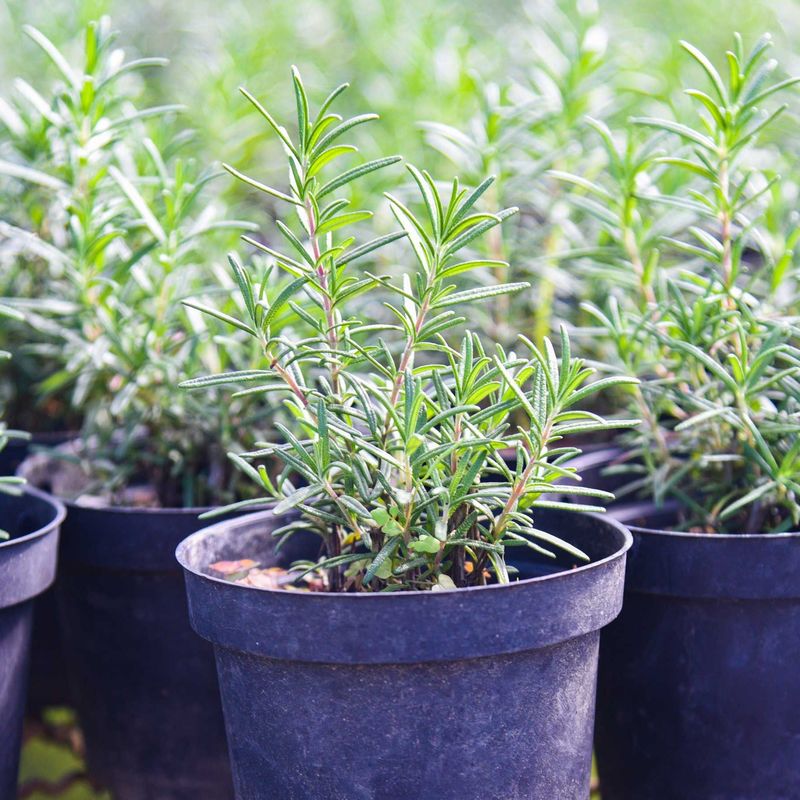
Mosquitoes can make Texas evenings miserable, especially during the humid summer months. These buzzing pests love warm weather and standing water, which means they thrive in many parts of the state.
Rosemary contains natural oils that mosquitoes absolutely hate, making it an excellent deterrent. When you brush against the plant or when the sun warms its leaves, these oils release into the air and create a protective barrier around your entrance.
Many Texans prefer natural solutions over chemical sprays that can harm beneficial insects. Rosemary offers a safe, non-toxic way to keep mosquitoes at bay without worrying about pets or children.
The plant also repels other unwanted visitors like flies, moths, and even some beetles. Having this protective herb right by your front door means fewer pests entering your home when you open the door.
The scent that drives bugs away smells wonderful to humans. You get double benefits with every whiff.
Crushing a few leaves between your fingers before heading outside can even provide temporary protection as you move through your yard.
In cities like San Antonio and Dallas, where mosquito-borne illnesses occasionally make headlines, natural pest control becomes even more important.
Rosemary grows thick and bushy when properly cared for, creating a larger barrier. The bigger your plant, the more protection it offers.
Texans appreciate practical solutions that work with nature rather than against it. Rosemary delivers exactly that while adding beauty to your entryway.
No need for expensive pest control services when a simple herb does the job naturally and effectively.
2. Thrives In Hot, Dry Texas Climate
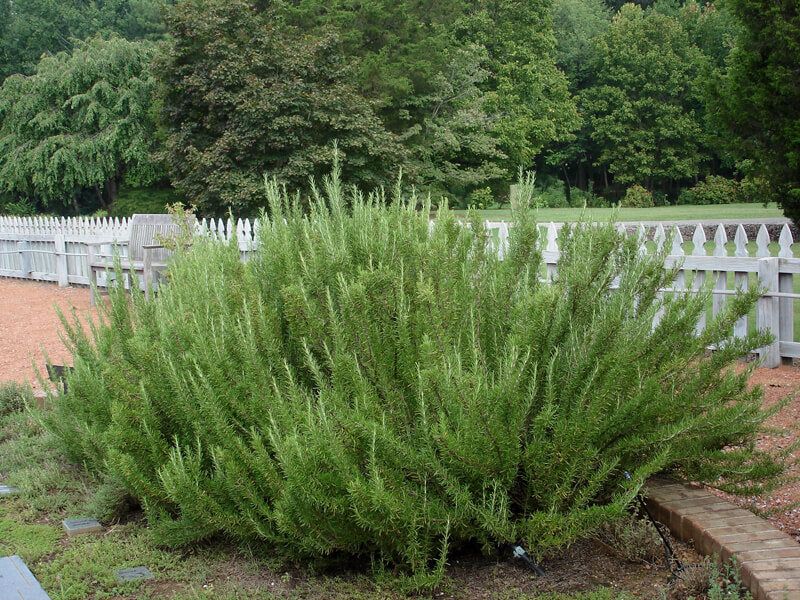
Texas heat can be brutal, with temperatures regularly climbing above 100 degrees during summer months. Many plants wilt and struggle under these conditions, requiring constant watering and attention.
Rosemary actually loves hot weather and full sun, making it perfectly suited for the Texas climate. This Mediterranean native evolved in similar conditions, so it feels right at home in the Lone Star State.
Once established, rosemary needs very little water to survive and flourish. This makes it ideal for regions where water conservation matters and drought restrictions frequently apply.
Texans in areas like West Texas and the Hill Country especially appreciate plants that don’t demand constant irrigation. Your water bill stays lower, and you spend less time with the hose in hand.
The plant’s needle-like leaves help it retain moisture even during the driest periods. This adaptation means rosemary keeps looking green and healthy when other plants turn brown and crispy.
You won’t find yourself constantly replacing plants that couldn’t handle the heat.
Rosemary also tolerates the occasional cold snap that hits Texas during winter. While it prefers warmth, it can handle brief freezes better than many tropical plants.
This resilience makes it a year-round option for Texas gardeners who want consistency in their landscaping.
From the Panhandle to the Rio Grande Valley, rosemary adapts to different Texas microclimates with ease. The plant grows well in both clay and sandy soils common throughout the state.
Texans love low-maintenance plants that deliver high rewards, and rosemary checks every box for reliable performance in challenging conditions.
3. Provides Fresh Herbs For Cooking
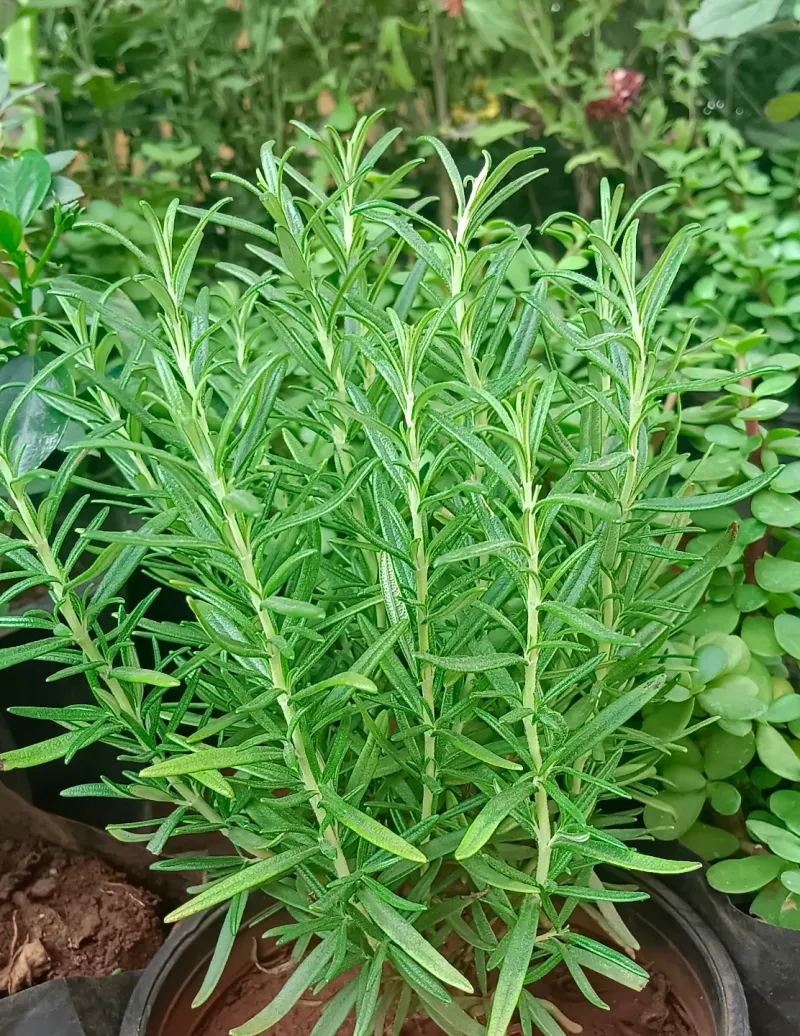
Having fresh herbs just steps from your kitchen door makes cooking more enjoyable and flavorful. Rosemary adds a distinctive taste to countless dishes, from roasted meats to vegetables and breads.
Instead of buying expensive packages of herbs at the grocery store, Texans can simply snip a few sprigs from the plant by their front door. The convenience factor alone makes this placement incredibly practical.
Texas barbecue culture means many households regularly grill and smoke meats. Rosemary branches can be thrown directly onto hot coals or used as skewers for kebabs, infusing food with aromatic flavor.
The herb pairs beautifully with beef, pork, chicken, and lamb, all staples of Texas cuisine. Fresh rosemary tastes significantly better than dried versions from the spice rack.
Many Texans enjoy cooking with seasonal ingredients and homegrown produce. Adding rosemary to your front door garden connects you to this farm-to-table movement.
You know exactly where your herbs come from and that no pesticides or chemicals have touched them. This matters to families who prioritize healthy, natural ingredients.
The plant produces enough leaves to use regularly without harming its growth. In fact, regular harvesting encourages bushier, healthier plants.
You can use rosemary in soups, stews, marinades, and even cocktails or lemonade for a unique twist.
During holiday seasons, fresh rosemary makes beautiful garnishes for serving platters. Texans love entertaining, and having attractive, edible decorations readily available adds a special touch.
The herb’s piney, slightly citrus flavor elevates simple meals into something memorable without requiring fancy cooking techniques or hard-to-find ingredients.
4. Welcomes Guests With Pleasant Fragrance

First impressions matter when guests arrive at your home. The scent that greets visitors sets the tone for their entire experience.
Rosemary releases a clean, refreshing fragrance that instantly makes people feel welcome. Unlike artificial air fresheners or overpowering flowers, rosemary offers a subtle, natural aroma that most people find appealing and comforting.
The essential oils in rosemary become more pronounced when temperatures rise or when someone brushes against the plant.
This means your front entrance naturally smells wonderful during the warm months when you’re most likely to have doors and windows open.
Guests often comment on the pleasant scent before they even realize where it’s coming from.
Many Texans take pride in their hospitality and want their homes to feel inviting. A fragrant rosemary plant signals that you care about details and creating a pleasant atmosphere.
The scent has been associated with remembrance and friendship throughout history, adding symbolic meaning to its practical benefits. Your choice of plants communicates thoughtfulness to everyone who visits.
The aroma of rosemary has also been linked to improved mood and mental clarity in various studies.
Welcoming people with this uplifting scent might actually help them feel more relaxed and happy. It’s a small touch that can make a meaningful difference in how people perceive your home.
Unlike flowers that bloom briefly and then fade, rosemary maintains its fragrance year-round. You get consistent aromatic appeal regardless of the season.
The scent also doesn’t attract bees or wasps the way sweet flowers might, making your entrance safer for people with allergies or fears of stinging insects.
5. Symbolizes Protection And Good Luck
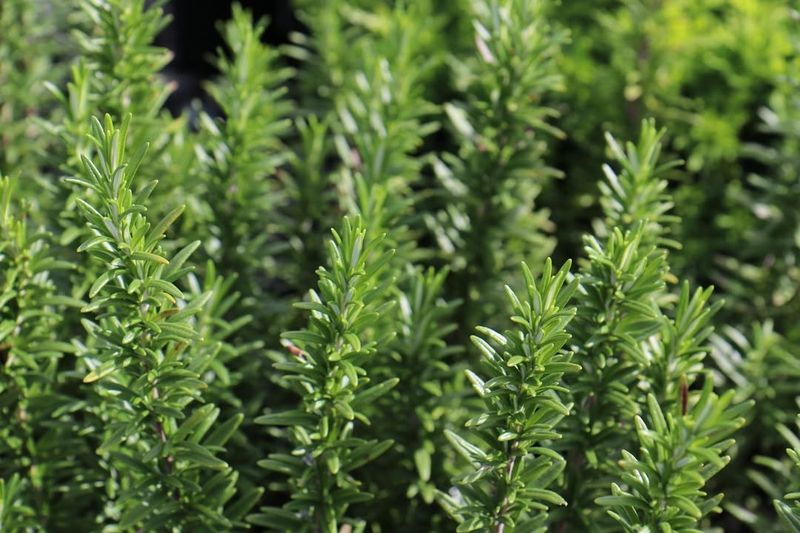
Ancient traditions hold that rosemary planted near entrances protects homes and brings good fortune to residents. Many cultures throughout history believed this herb possessed special powers to ward off negative energy and evil spirits.
While modern Texans might not worry about supernatural threats, the symbolism still resonates with those who appreciate meaningful traditions. Planting rosemary becomes a way to honor these old customs while enjoying practical benefits.
In medieval Europe, people hung rosemary branches over doorways for protection. The practice spread across continents as people migrated and brought their traditions with them.
Texas has always been a melting pot of cultures, with influences from Spanish, Mexican, German, and other European settlers. These diverse backgrounds contribute to the popularity of rosemary as a protective plant.
Some Texans enjoy the idea of adding an extra layer of symbolic protection to their homes. Whether you believe in the mystical properties or simply appreciate the historical significance, rosemary serves as a living connection to the past.
The plant represents continuity between generations and the wisdom of ancestors who valued this herb.
Rosemary has also been associated with remembrance, love, and loyalty throughout literature and folklore. Shakespeare mentioned rosemary in several plays, cementing its place in cultural consciousness.
Having this symbolic plant by your door adds depth and meaning to your landscaping choices beyond just aesthetics.
Many Texas homeowners find comfort in traditions that have stood the test of time. If people have been planting rosemary for protection for centuries, there must be something to it.
Even if the benefits are purely psychological, feeling protected and fortunate in your own home has real value for peace of mind and wellbeing.
6. Requires Minimal Maintenance And Care
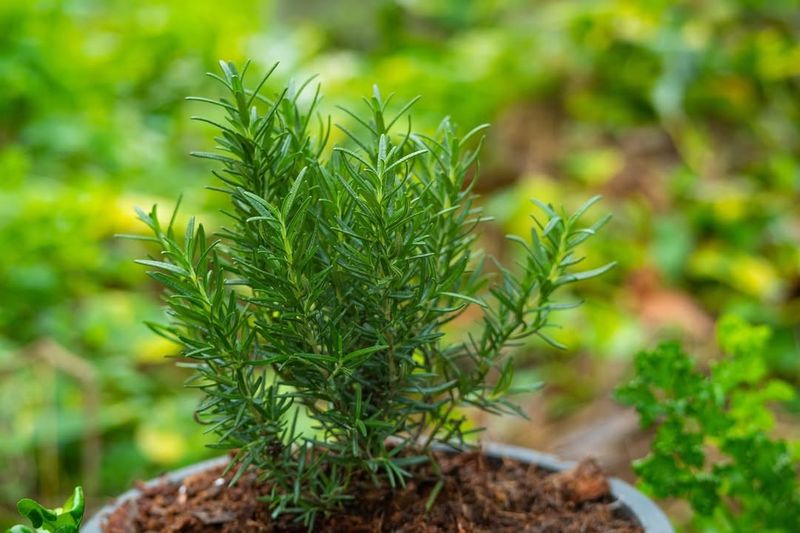
Busy Texans need plants that don’t demand constant attention and fussing. Rosemary ranks among the easiest herbs to grow, requiring far less maintenance than most ornamental plants.
Once you get it established in the right spot, it practically takes care of itself. This low-maintenance quality makes it perfect for people who want beautiful landscaping without spending every weekend gardening.
The plant doesn’t need fertilizer more than once or twice a year, if at all. Rich soil can actually harm rosemary by encouraging weak, leggy growth.
Texas soil, which often leans toward alkaline and rocky, suits rosemary just fine without amendments. You save money on gardening supplies and time on soil preparation.
Rosemary rarely suffers from diseases or pest problems when grown in appropriate conditions. The same oils that repel mosquitoes also protect the plant from many common garden pests.
You won’t find yourself battling aphids, spider mites, or fungal infections like you might with roses or tomatoes. This resilience means less troubleshooting and fewer plant emergencies.
Pruning requirements are minimal and flexible. You can shape rosemary as needed or let it grow naturally into a rounded bush.
Trimming for cooking serves as pruning, so maintenance becomes productive rather than just another chore. The plant forgives mistakes and bounces back quickly from overzealous cutting.
For Texans juggling work, family, and other responsibilities, rosemary offers guilt-free gardening. You can travel for weeks without worrying about your plant suffering.
This reliability makes rosemary especially appealing to first-time gardeners or those who have struggled with needier plants in the past. Success feels good, and rosemary practically guarantees it.
7. Adds Evergreen Beauty Year-Round
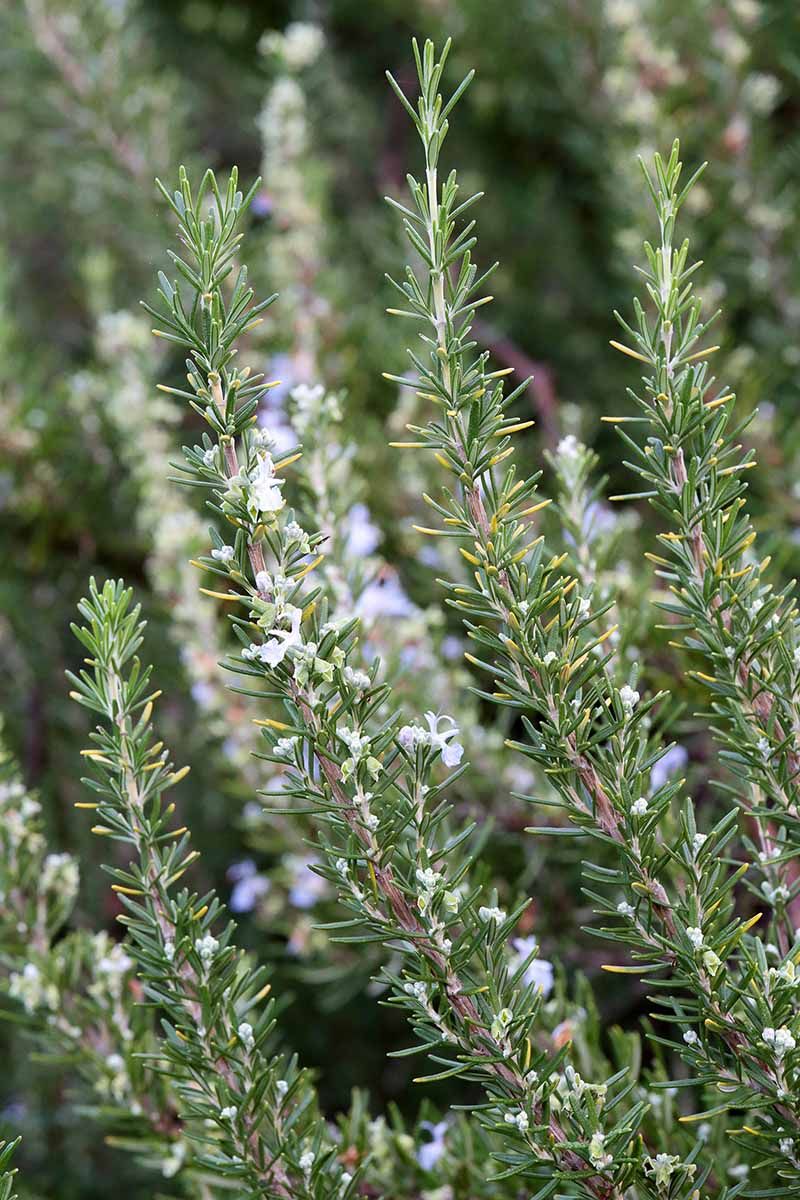
Many Texas landscapes look bare and brown during winter months when deciduous plants lose their leaves. Rosemary stays green and attractive throughout the entire year, providing consistent color and texture.
This evergreen quality makes it valuable for maintaining curb appeal regardless of the season. Your front entrance always looks intentional and cared for, even when other plants are dormant.
The needle-like foliage of rosemary adds interesting texture that contrasts nicely with broader-leafed plants. Landscape designers often use rosemary for its structural qualities and ability to anchor planting compositions.
The plant can be shaped into formal hedges, left as natural mounds, or even trained into small topiaries. This versatility means rosemary works with various design styles from modern to rustic.
In spring, rosemary produces small blue, purple, or white flowers that attract beneficial pollinators like bees and butterflies. These blooms add an extra layer of beauty without being showy or overwhelming.
The flowers complement rather than dominate the overall appearance of the plant. Pollinators visiting your rosemary help other plants in your yard as well.
Texans take pride in their homes and want them to look good from the street. A well-placed rosemary plant by the front door creates a focal point that draws the eye and frames the entrance.
The deep green color provides a classic, timeless look that never goes out of style. Unlike trendy annuals that need replacing every season, rosemary delivers lasting value.
The plant’s compact growth habit makes it suitable for small spaces and container gardening. Apartment dwellers and townhouse residents in Texas cities can enjoy rosemary even without traditional yards.
This accessibility means more people can experience the benefits of having this beautiful, functional herb right outside their doors.