The Real Reasons Birds Are Avoiding Your Feeder And How To Fix It
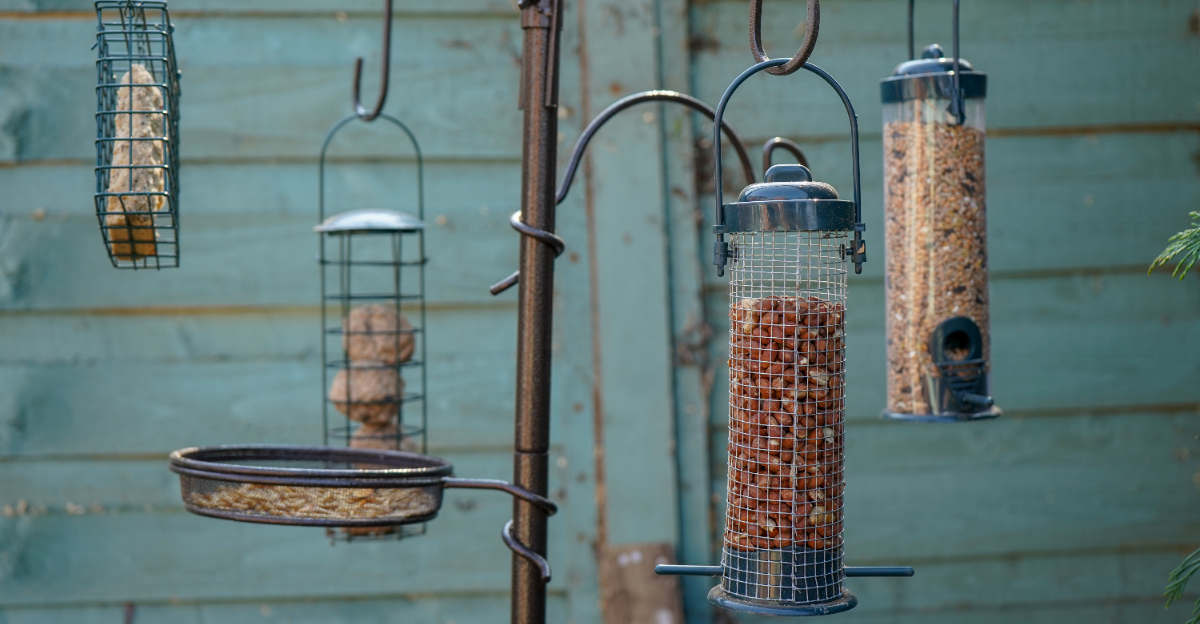
Three days in, and that feeder still hangs untouched. At some point, bad luck stops being the explanation.
Most yard owners blame the season, a nosy cat, or plain rotten timing. Few suspect the small stuff they set up themselves, the height, the mounting spot, even the faint smell clinging to a fresh coat of paint.
Birds don’t weigh risk the way people do. One wrong detail and the whole yard gets marked as off-limits. A squirrel circling the pole only muddies the real cause further.
After the actual deterrent gets spotted, fixing it usually takes an afternoon, not a season.
1. Old Or Wet Seed Inside The Feeder Turns Birds Away
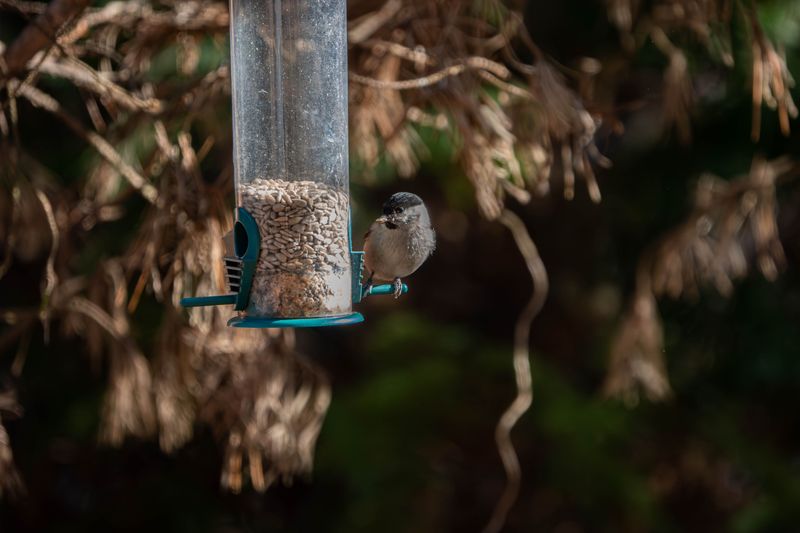
Stale seed smells bad, and birds notice it immediately. Fresh seed has oils and aromas that attract birds from far away.
When seed gets wet, it clumps together and starts to grow mold quickly. Mold can make birds sick, so they instinctively avoid it.
Check your feeder every few days, especially after rain or humid weather. Wet seed at the bottom is a common problem that goes unnoticed for weeks.
Sunflower seeds, millet, and safflower all go bad faster than most people expect. Even seed sitting in a hot feeder for two weeks can lose its appeal to passing birds.
Buy seed in smaller bags so you use it up before it spoils. Store unused seed in a sealed, airtight container away from moisture and heat.
Pour out any clumped or discolored seed right away. Do not wait to see if birds will eat it anyway, because they usually will not.
Tipping the feeder slightly or adding drainage holes at the bottom helps water escape after rain. Small fixes like these make a huge difference in how fresh your seed stays.
Birds have strong survival instincts that guide most of their food decisions. Once you serve consistently fresh seed, your feeder will feel like a trusted restaurant worth returning to every single day.
2. Feeder Placement Too Close To Windows Creates Danger
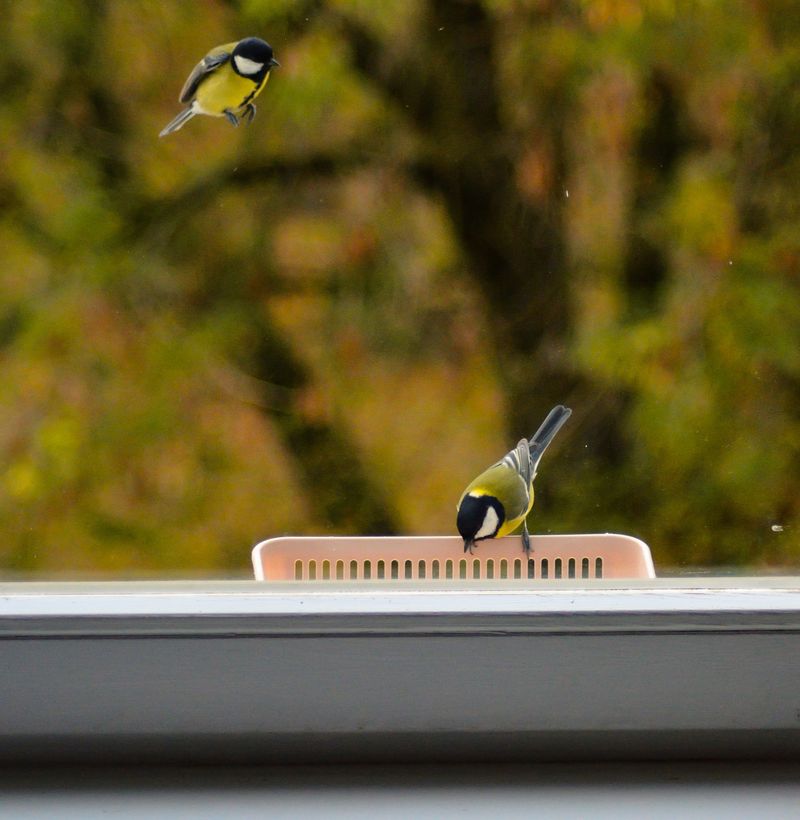
Windows fool birds far more often than people expect. Glass reflects sky and trees, making it look like open space to a flying bird.
When a feeder sits between three and ten feet from a window, birds build up dangerous speed before impact. Placing the feeder either under three feet or beyond thirty feet significantly cuts collision risk.
Feeders very close to windows, under three feet away, are actually safer. Birds cannot gain enough speed at that short distance to seriously hurt themselves.
Feeders far from windows, thirty or more feet out, give birds plenty of space to spot the glass before flying toward it. Both options are better than the risky middle zone most people accidentally choose.
Window decals, screens, or tape strips placed on the outside of glass help birds see the barrier. These solutions are inexpensive and easy to apply on any window.
Hanging sheer curtains or closing blinds partway also reduces dangerous reflections. Small changes to how your window looks from outside can save bird lives consistently.
Check your feeder placement today by standing outside and looking at your windows. If you see a clear sky reflection near the feeder, move it or treat the glass right away.
Birds deserve a safe landing zone, not a trap. Fix the placement once, and your yard becomes a genuinely welcoming stop on their daily route.
3. Nearby Predators Or Cats Keep Birds On Guard
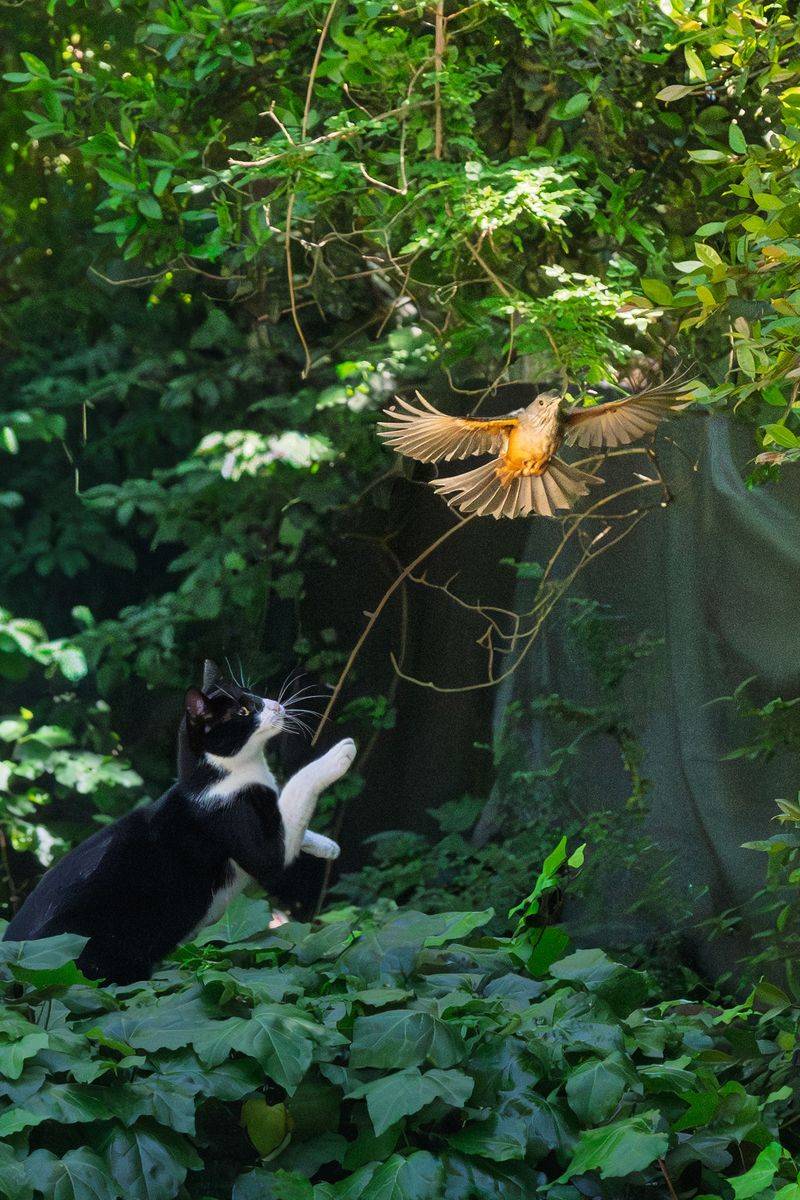
A single cat spotted near your feeder can shut down bird visits for hours. Birds share danger information with each other through alarm calls that travel fast.
Outdoor cats are one of the biggest threats to backyard birds across North America. Studies estimate cats are responsible for billions of lost bird lives every single year.
Even a cat that rarely catches anything still makes birds nervous and keeps them away. The smell alone can signal danger to birds that have sharp survival instincts.
Hawks, raccoons, and snakes also make birds abandon feeders quickly. If any predator visits regularly, birds will start choosing safer spots to feed.
Move your feeder at least ten feet away from shrubs, fences, or structures where a cat could hide and catch a bird off guard. Open space around the feeder gives birds time to spot danger and escape safely.
Adding a baffle, which is a dome-shaped guard, to your feeder pole prevents climbing predators from reaching the seed. These are affordable and easy to install on most standard poles.
If you have outdoor cats, consider keeping them inside during peak bird feeding times, usually morning and late afternoon. Indoor cats live longer and birds stay safer when this one habit changes.
Your feeder can become a peaceful gathering spot. Remove the threat, and the birds will return with surprising speed.
4. A Dirty Feeder Spreads Disease And Discourages Visits
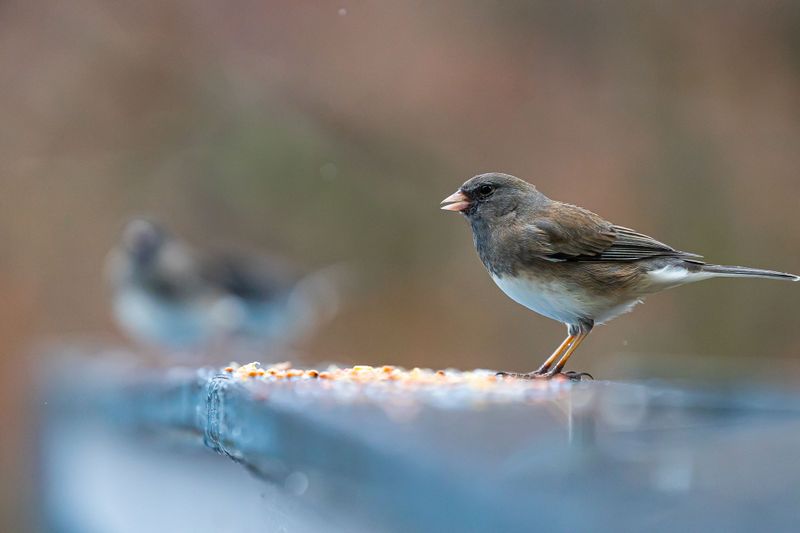
Bird droppings, old hulls, and damp seed create a bacteria-filled mess inside feeders fast. Birds can smell and sense contamination, and they will skip a feeder that feels unsafe.
Salmonella and other harmful pathogens spread easily through dirty feeders, especially in warm weather. Sick birds spread illness to healthy ones when they share a contaminated food source.
Clean your feeder at least once every two weeks during cooler months. During summer or high-traffic periods, bump that up to once a week to stay ahead of buildup.
Take the feeder apart and scrub every piece with a solution of one part bleach to nine parts water. Rinse thoroughly and let it dry completely before refilling with fresh seed.
Pay special attention to perches, ports, and the inside floor of the feeder where moisture and waste collect. Those hidden spots harbor the most bacteria and often get skipped during quick rinses.
Tube feeders with small ports are harder to clean but more important to scrub regularly. Bottle brushes and pipe cleaners work well for getting into tight spaces inside narrow feeders.
Also rake up old seed hulls and droppings from the ground below the feeder. Ground-feeding birds like sparrows and doves pick through that debris and can get sick just as easily.
A clean feeder is an honest invitation. Birds that feel safe eating at your station will come back and bring their whole flock with them.
5. Wrong Seed Type Fails To Match Local Bird Species
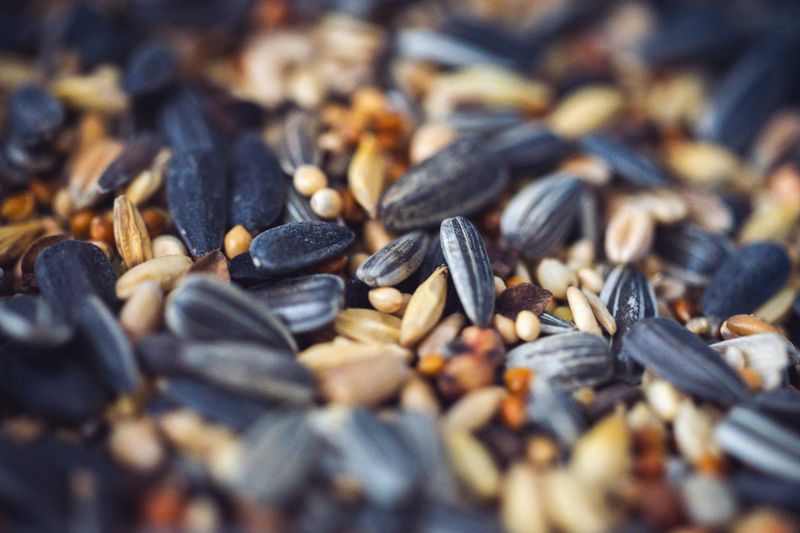
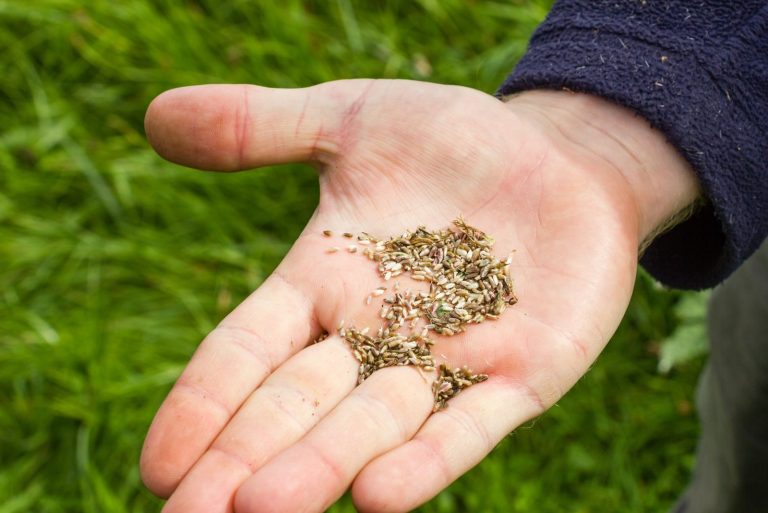
Not all birds eat the same thing, and most generic seed mixes are full of filler seeds birds toss aside. Red millet, wheat, and oats are cheap fillers that most songbirds tend to ignore.
Black oil sunflower seeds are the gold standard for attracting the widest variety of backyard birds. Chickadees, finches, nuthatches, and cardinals all love them and will visit consistently when you offer them.
Safflower seeds attract cardinals and doves while being naturally unappealing to squirrels. That makes safflower a smart choice if furry raiders keep emptying your feeder before birds get a chance.
Nyjer seed, also called thistle, is a favorite of goldfinches and pine siskins. You need a special feeder with small ports to dispense it properly without wasting seed on the ground.
Peanuts, either in the shell or shelled, bring in blue jays, woodpeckers, and titmice. Suet cakes are excellent for woodpeckers and other birds that need high-fat food during cold months.
Research which birds are common in your region before buying seed. A quick search using your zip code and local birding groups will tell you exactly which species pass through your yard.
Switching to the right seed can transform a quiet feeder into a busy one within just a few days. Match the menu to the locals, and the locals will show up reliably.
6. Too Much Noise Or Foot Traffic Scares Birds Off
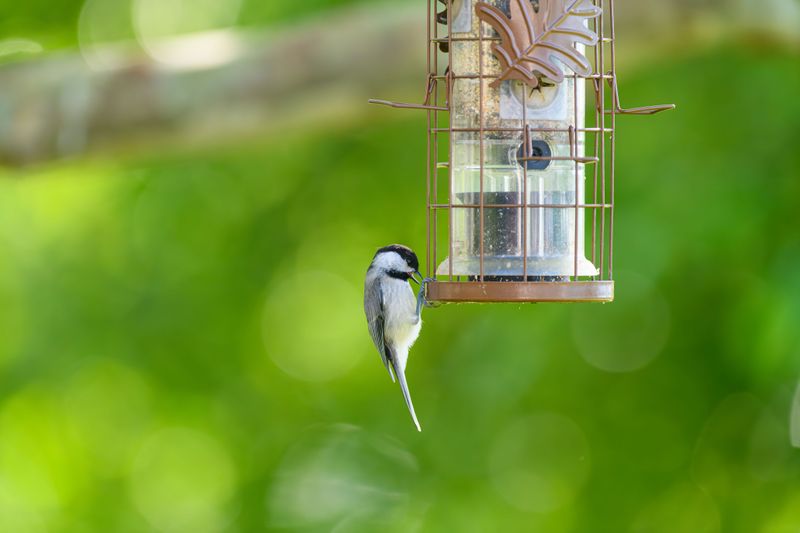
Birds are easily startled, and they treat sudden noise like a warning alarm. A feeder near a busy patio or high-traffic walkway will sit empty most of the day.
Lawnmowers, barking dogs, and loud music all push birds away from feeding areas fast. Even the sound of a sliding door opening repeatedly throughout the day is enough to keep nervous species at a distance.
Move your feeder to a quieter corner of your yard, away from doors and activity zones. Birds prefer calm, predictable environments where they can eat without feeling like they need to escape.
Dense shrubs or small trees planted near the feeder give birds a safe perch to watch before landing. Cover nearby makes birds feel confident enough to approach even if some background noise exists.
Morning hours before the household gets busy are peak feeding times for most bird species. Positioning your feeder where it catches morning light and faces away from the house helps birds feel less watched.
Children and pets running through the yard are major disruptions that most people do not connect to empty feeders. Try keeping activity away from the feeder zone for at least the first two hours after sunrise.
Consistency matters more than silence alone. Birds learn routines, and if your yard feels calm at the same times each day, they will build that stop into their daily schedule.
Peace and patience are the best tools you have. Give birds a quiet corner, and they will reward you with a front-row show every morning.
7. Competing Feeders Nearby Split Up Visiting Flocks
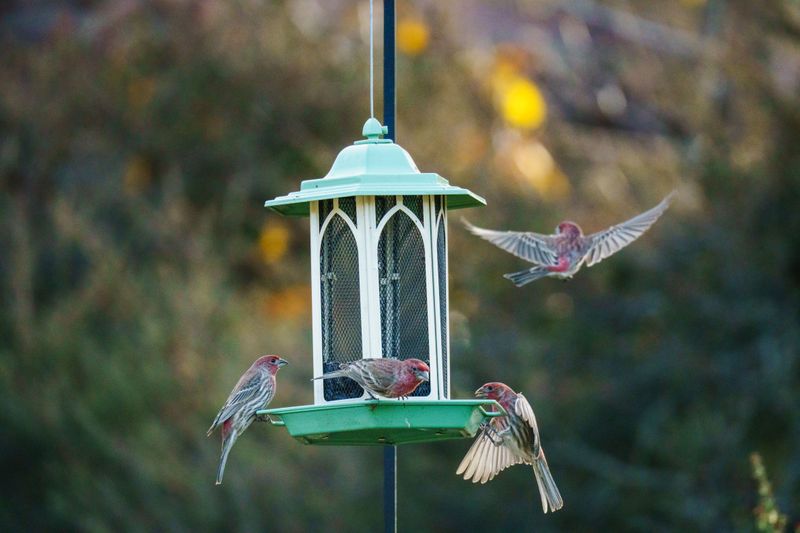
Having too many feeders in a small space can actually hurt your bird traffic. When resources are spread thin, flocks split up and no single feeder looks busy or inviting.
Birds are social creatures that feed in groups because numbers mean safety. An empty-looking feeder signals to passing birds that something might be wrong with that spot.
If you have multiple feeders, space them at least fifteen feet apart and fill each one with a different seed type. That strategy attracts different species to each station rather than dividing one flock between identical options.
A busy feeder attracts more birds because activity itself is a signal that food is safe and plentiful. Starting with just one well-placed, well-stocked feeder is often smarter than spreading out too early.
Neighbors with feeders close to your yard boundary can also split local bird populations. You cannot control what they offer, but you can make your feeder more appealing with premium seed and better placement.
Seasonal changes affect how many birds are in your area at any given time. During migration, traffic naturally spikes, and during summer, many species are busy nesting rather than visiting feeders regularly.
Track your feeder activity for a week using a simple notebook or phone app. Patterns will reveal whether competition, timing, or placement is the real issue holding back your bird traffic.
One great feeder usually beats three mediocre ones. Focus your energy, and the birds will focus on you.
8. Missing Water Source Nearby Reduces Overall Bird Activity
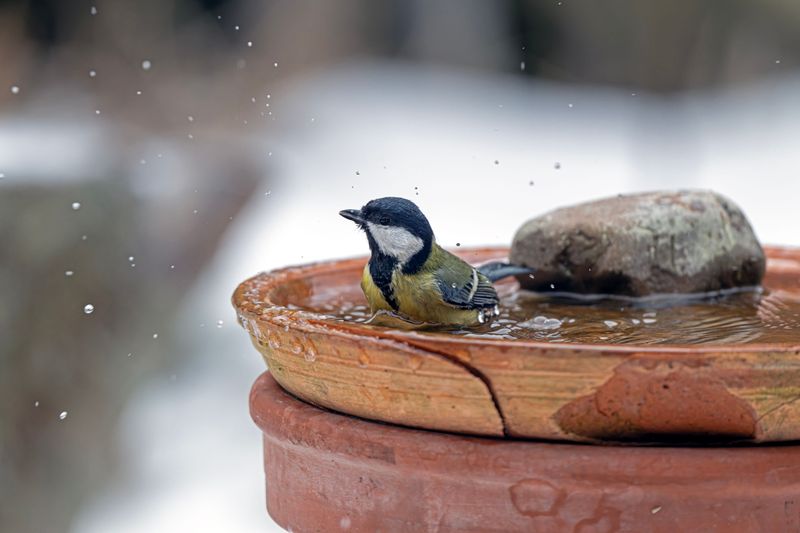
Seed alone is not enough to keep birds coming back to your yard regularly. Water is just as important to birds as food, and many skip feeders that lack a nearby drinking or bathing spot.
A simple birdbath placed within ten to fifteen feet of your feeder creates a complete habitat station. Birds that stop for water often notice the feeder and stay to eat, making both more effective together.
Keep the water shallow, no deeper than two inches, because most songbirds cannot swim and avoid deep basins. A rough or textured bottom also helps birds grip the surface while drinking or bathing safely.
Change the water every two to three days to prevent mosquito larvae and algae from forming. Stagnant water drives birds away just as fast as dirty seed does, so freshness matters equally for both.
In winter, a heated birdbath or a small submersible heater keeps water liquid when temperatures drop. Birds struggle to find open water in freezing conditions, making a heated source a strong draw during cold months.
Running water is even more attractive to birds than still water. A small solar-powered fountain or dripper attachment creates movement and sound that birds can hear from a surprising distance away.
Place the bath in partial shade to slow evaporation and keep algae growth down naturally. Shade also makes bathing more comfortable for birds during hot summer afternoons when direct sun makes water uncomfortably warm.
Add water, and you unlock a whole new level of bird activity in your yard. The real reasons birds are avoiding your feeder often come down to missing this one simple essential.