7 Nevada-Friendly Plants That Flower Nearly Year-Round
Desert soil looks lifeless, but it hides fierce botanical potential waiting to unfold. Nevada’s summers heat everything except a few stubborn plants.
Winters here drop hard, freezing anything left unprepared and exposed. Rainfall barely exists, yet flowers keep appearing anyway.
Most gardeners assume color cannot last through this kind of climate. Certain plants disagree, thriving precisely where others struggle.
Heat fuels rapid growth instead of halting it. Drought sharpens resilience rather than weakening it.
Native species understand that the Nevada climate favors boldness over caution. Blossoms push through seasons most gardens simply give up on.
Toughness and beauty rarely share space this convincingly elsewhere. Your own yard can carry that same defiant spirit.
Specific flowering plants master this exact, delicate balancing act. Each blooms boldly, stubbornly, endlessly, no matter the season.
Something unexpected is waiting just ahead, ready for you. What comes next will change how you see this desert.
1. Lantana
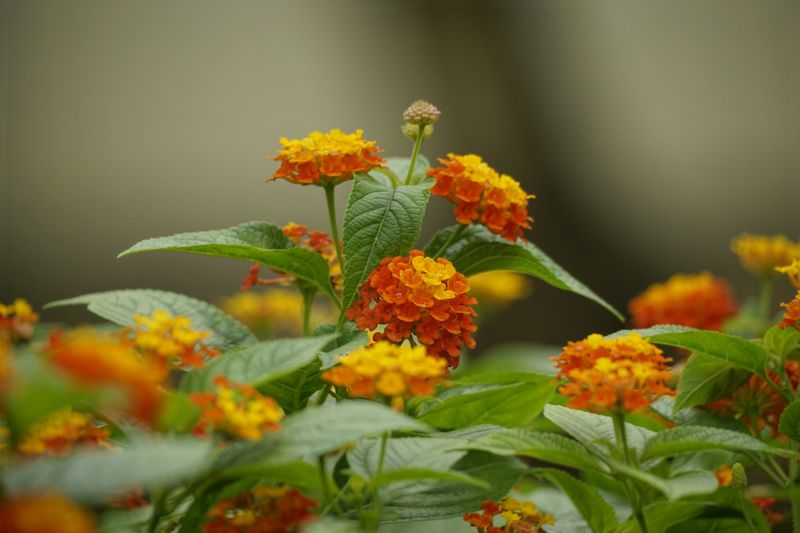
Few plants put on a show quite like lantana. This tropical charmer blooms in clusters of orange, yellow, pink, and red that shift color as the flowers age.
Lantana thrives in full sun and tolerates triple-digit heat with ease. It needs almost no water once established, making it a dream plant for Nevada-friendly gardens where drought is the norm.
Plant it in well-drained soil and give it room to spread. Lantana can grow two to four feet tall and just as wide, creating a bold, bushy display.
Butterflies absolutely love it. The nectar-rich blooms attract monarchs, swallowtails, and hummingbirds all season long, turning even a small yard into a lively, buzzing habitat.
Blooming starts in spring and keeps going strong through fall. In warmer parts of the state, it may push blooms into early winter without missing a beat, rewarding gardeners with lingering color.
Trim it back lightly in late winter to encourage fresh, vigorous growth. Avoid heavy pruning during peak bloom season or you will slow the flower production.
Lantana is also generally considered deer-resistant, which can be a bonus in rural Nevada yards. Its slightly pungent foliage often discourages browsing, though results can vary by region.
One fun detail: lantana berries are toxic to pets and children, so plant with care near play areas. Keep it elevated in pots or along borders where curious hands and paws cannot reach easily.
With its bold colors and no-fuss attitude, lantana earns its spot on every Nevada-friendly plants list. Once you plant one, you will wonder why you waited so long.
2. Red Yucca
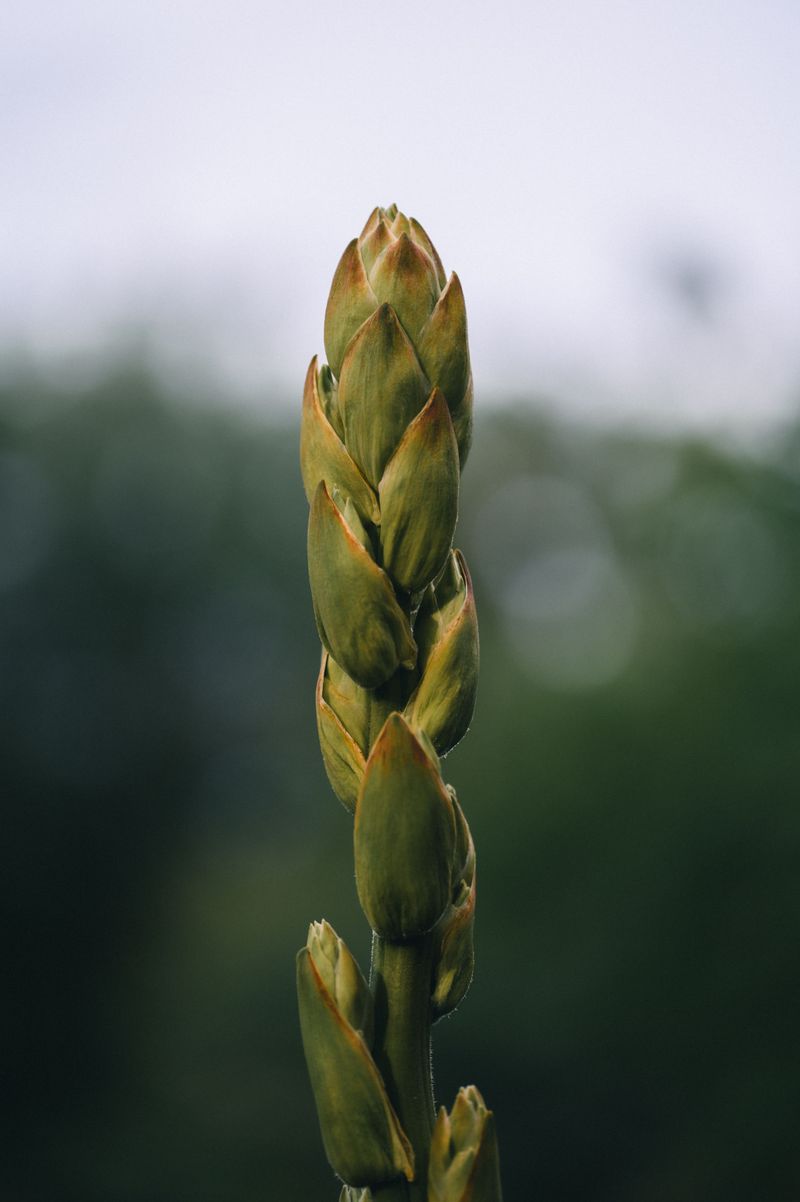
Red yucca is not actually a true yucca at all. It belongs to the agave family, but its graceful, arching leaves and towering flower spikes make it look like something out of a fantasy garden.
Those spikes shoot up four to five feet and are covered in coral-pink, tubular blooms. Hummingbirds treat them like an all-you-can-eat buffet from spring through late summer.
This plant is built for the desert. It handles heat, drought, poor soil, and cold snaps without flinching, making it one of the toughest Nevada-friendly plants available today.
Your Nevada Garden Changes Every Week. Your Plan Should Too.
Gardening in Nevada changes quickly throughout the season. Every Friday you’ll receive a simple weekly plan showing exactly what to plant, prune, fertilize, harvest, and protect so you never miss the right timing.
Plant red yucca in full sun and forget about it. Seriously, overwatering is the only real way to harm this plant, so restraint is your best gardening tool here.
The foliage stays attractive all year, even when blooms fade completely. Those long, slender leaves add texture and movement to a garden bed through every season.
It pairs beautifully with boulders, gravel mulch, and ornamental grasses. Use it as a focal point or plant several together for a dramatic, sculptural effect in your landscape.
Red yucca grows slowly but steadily over time. Give it a few seasons to settle in and it will reward you with an abundant number of blooms.
Fun fact: related plants in the yucca and agave family have long been valued for fiber and food across generations. Red yucca carries that same tough, resilient spirit right into your modern garden.
If you want effortless beauty with serious staying power, red yucca delivers every single time. It is a reliable, low-maintenance addition truly worth adding to your yard.
3. Autumn Sage
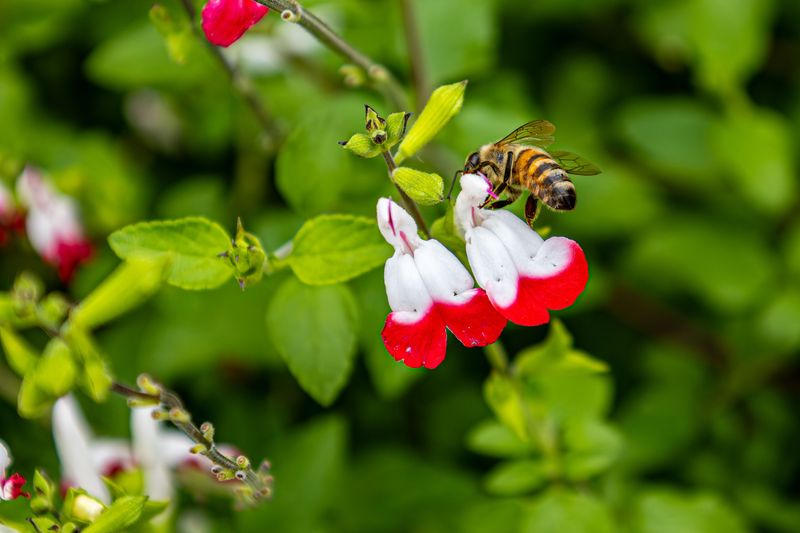
Autumn sage earns its name honestly. While other plants wind down as temperatures drop, this scrappy little shrub keeps pumping out cherry-red blooms well into the cooler months.
Native to the mountains of Texas and Mexico, autumn sage has adapted beautifully to the desert Southwest. It handles heat, cold, and drought with remarkable ease and very little fuss.
The blooms are tubular and bright, ranging from red to coral to soft pink depending on the variety. Hummingbirds cannot resist them, and neither can most gardeners who see them for the first time.
Autumn sage grows two to three feet tall and wide. It fits perfectly into borders, rock gardens, and xeriscape designs that need reliable color without constant maintenance.
Plant it in full sun for the best bloom production. Partial shade works, but you will get fewer flowers and a slightly leggier plant that flops around more than you want.
Water it deeply but infrequently. Once established, it only needs supplemental watering during the hottest stretches of summer when rainfall is completely absent.
Cut it back by about one-third in late winter. That simple trim encourages a flush of new growth and sets the stage for months of nearly nonstop flowering ahead.
Autumn sage is also generally considered deer-resistant and attracts beneficial pollinators beyond hummingbirds, though deer resistance can vary by region.
Among all the Nevada-friendly plants that bloom long and hard, autumn sage stands out for its reliability. Plant it once and enjoy the payoff for years to come.
4. Blanket Flower
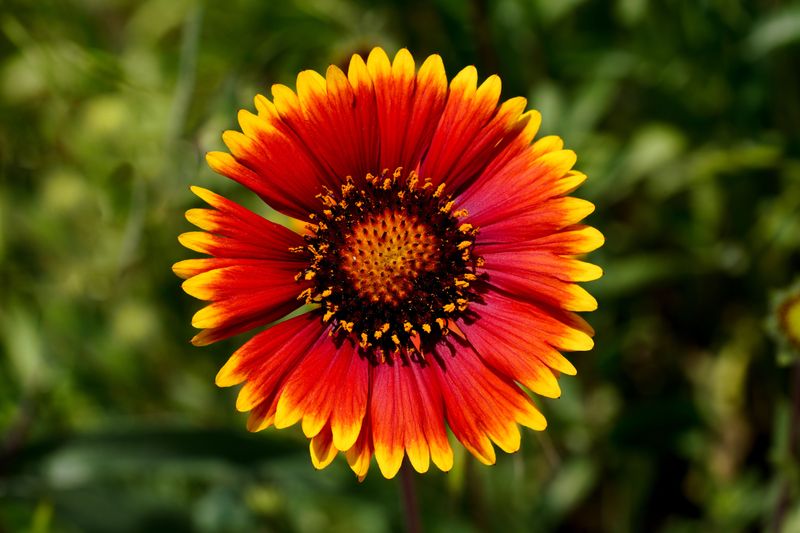
Blanket flower looks like summer painted a daisy. Its petals blaze in bold rings of red, orange, and gold that outshine most other plants in the garden.
Also called gaillardia, this tough perennial is native to North America and completely at home in hot, dry climates. It was practically made for Nevada-friendly gardens.
Blooming begins in late spring and continues through fall without much encouragement. Some gardeners report flowers right up until the first hard frost, which is a notable benefit in the high desert.
Full sun is non-negotiable for blanket flower. Give it at least six hours of direct light daily and it will reward you with an abundant number of blooms.
Soil drainage is critical. Blanket flower performs poorly in wet soil and will decline quickly in heavy clay or waterlogged ground.
Removing spent blooms keeps new flowers coming in strong waves. Spend five minutes every few days snipping off faded heads and the plant will keep producing all season.
It reaches about one to two feet tall and spreads at a similar width. Use it along walkways, in containers, or as a cheerful front-of-border plant that draws the eye immediately.
Blanket flower is also a magnet for native bees and butterflies. Its pollen-rich center disc feeds pollinators while the showy petals flag them down from a distance.
Few plants offer this much color for this little effort. Blanket flower shows that toughness and beauty can coexist in the same garden bed.
5. Yarrow
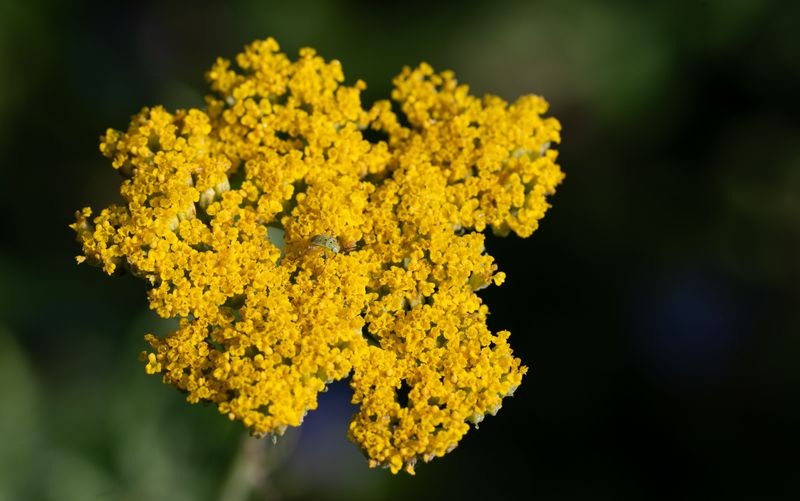
Yarrow has grown wild across the Northern Hemisphere, including the American West, for thousands of years.
Its flat-topped flower clusters and feathery, aromatic leaves have a timeless, old-fashioned charm that feels both familiar and fresh.
This perennial thrives in poor, dry soil where most plants would give up entirely. That stubborn resilience makes it one of the most dependable Nevada-friendly plants for low-water landscapes.
Blooms appear in late spring and keep coming through midsummer. Cut the spent flower heads back and yarrow often rebounds with a second flush of color in early fall.
Colors range from classic white and yellow to rich pink, red, and copper. The newer hybrid varieties offer even more options, so you can match yarrow to nearly any color scheme.
Plant it in full sun and well-drained soil for the strongest performance. Yarrow planted in shade tends to flop over and produce fewer blooms, so placement really matters here.
Once established, it needs almost no supplemental watering. A deep soak every two to three weeks during summer is usually plenty to keep it healthy and flowering steadily.
Yarrow spreads by rhizomes underground and can fill in a bare patch quickly. Divide clumps every three years or so to keep plants vigorous and prevent them from crowding neighbors.
Pollinators are strongly attracted to yarrow. Its flat flower heads act like landing pads, making it easy for bees, butterflies, and beneficial wasps to feed comfortably.
Yarrow also dries beautifully, so you can cut stems and bring the color indoors. A garden that keeps giving long after the blooms fade is a garden worth tending.
6. Russian Sage
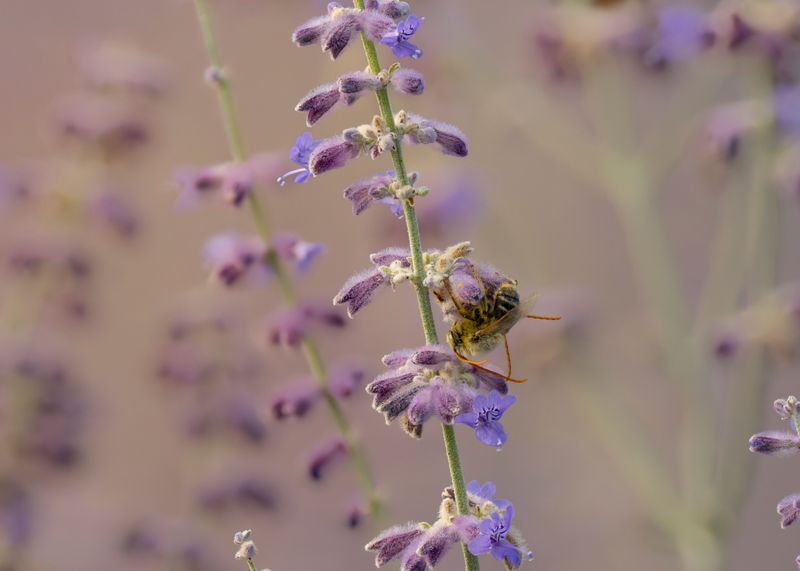
Russian sage does not actually come from Russia. It hails from central Asia and Afghanistan, which explains why it handles heat, cold, and very low rainfall exceptionally well.
Those tall, airy spikes of lavender-blue flowers are strikingly attractive. They sway in the breeze and catch the light in a way that makes the whole garden feel more alive and dynamic.
Bloom time stretches from midsummer through fall, longer than almost any other shrubby perennial in a Nevada-friendly garden. The silver stems stay attractive even after the flowers finish.
Plant Russian sage in full sun and very well-drained soil. It performs poorly in wet, heavy ground and will rot quickly if drainage is poor.
Once established, it is essentially drought-proof. A deep watering every few weeks during the driest part of summer is all it needs to stay lush and blooming.
Cut it back hard in late winter, down to about six inches from the ground. That hard pruning may seem drastic, but it encourages vigorous new growth every spring.
Russian sage grows three to five feet tall and equally wide. Use it as a background plant in borders or as a soft, feathery screen between garden zones.
Bees are strongly and consistently drawn to it. The small tubular flowers are perfectly sized for native bees and honeybees to work efficiently all day long.
Among all Nevada-friendly plants, Russian sage offers the most dramatic visual impact for the least amount of effort. Plant it once and let it stand out in the garden every summer.
7. Coreopsis
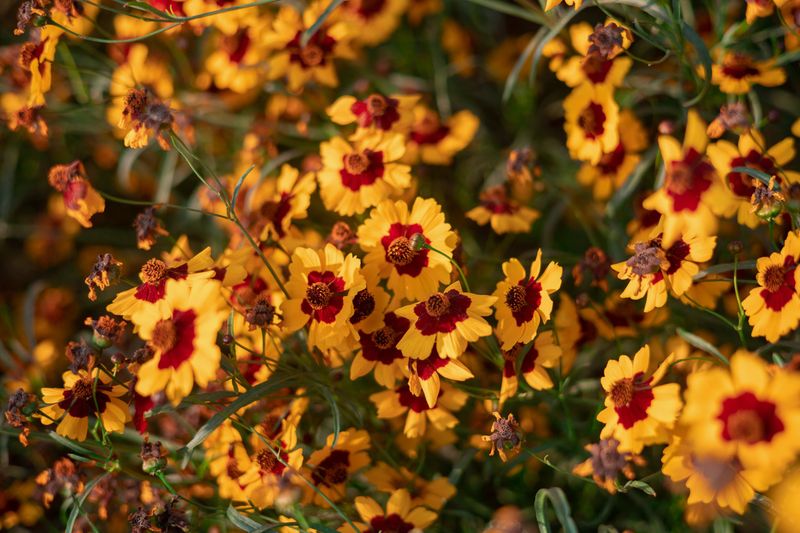
Coreopsis produces bright, sunny yellow blooms that light up any garden bed. Its cheerful golden-yellow blooms radiate warmth and energy from late spring all the way through the first frost of autumn.
Also called tickseed, coreopsis is one of the most floriferous perennials you can grow. It blooms so heavily that the foliage often disappears completely beneath a blanket of flowers.
Heat does not slow it down. Coreopsis performs well as temperatures rise, which makes it a natural fit among Nevada-friendly plants built for hot, dry conditions.
Plant it in full sun and well-drained soil and step back. This plant does not need fertilizer, frequent watering, or constant attention to produce a large amount of color all season.
Trimming encourages continuous blooming throughout the season. Snip spent flowers regularly and the plant redirects its energy into producing fresh buds rather than setting seed prematurely.
Coreopsis grows one to three feet tall depending on the variety. Compact types work beautifully in containers and window boxes, while taller forms make great mid-border fillers.
The thread-leaf varieties, like coreopsis verticillata, handle drought especially well. Their fine, feathery foliage looks elegant even between bloom cycles and adds texture to mixed plantings.
Native bees, butterflies, and goldfinches all benefit from coreopsis. Birds especially love the seed heads that form after blooming, so leaving a few stems up in fall helps local wildlife through winter.
If you want one plant that sums up what Nevada-friendly plants should be, coreopsis is the answer. It blooms reliably, asks for little, and keeps the garden consistently colorful.