The Reason Some Hydrangeas Stay Green Not Pink
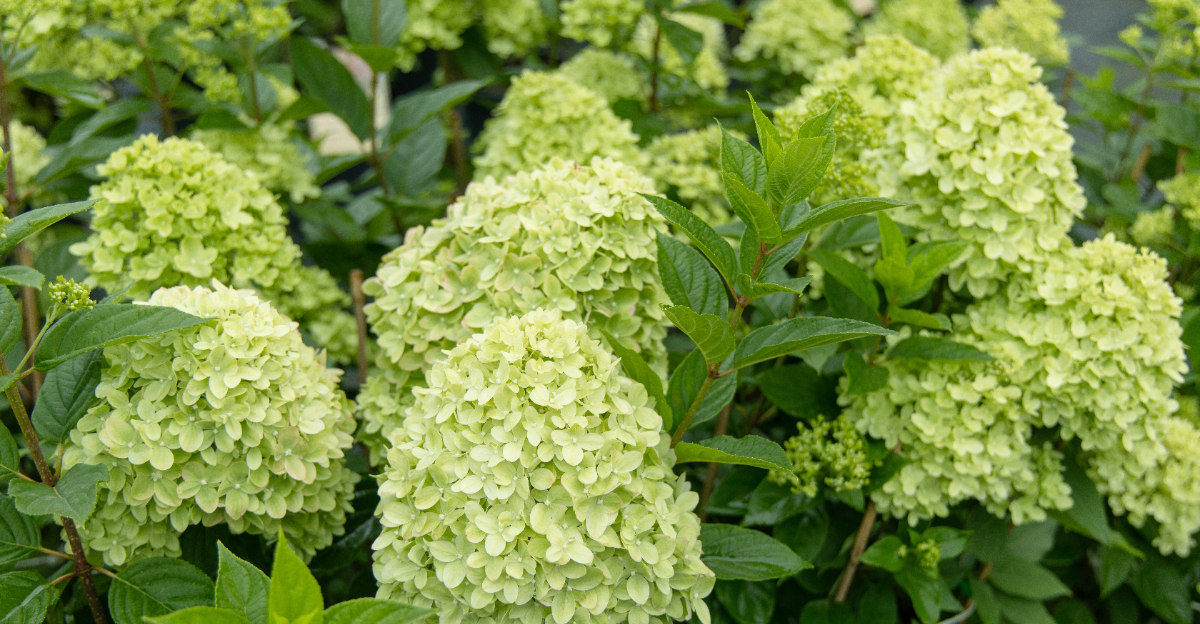
Green blooms where pink ones should be can feel like a small betrayal, but the story underneath is far more interesting. Inside that lime or pale sage tint sits a tiny working lab: pigments still forming, soil chemistry pulling strings, and a bloom stage setting the pace.
Some flowers simply haven’t reached their final color yet. Others are flagging that something in their environment needs adjusting, and telling these two apart changes your entire approach.
A green hydrangea rarely spells trouble for the plant itself. More often it’s a precise interplay of aluminum availability, soil acidity, and timing that pigments need to fully develop.
Ahead, we unpack exactly what’s happening inside those stubborn buds and how to nudge the color back where you want it.
Immature Sepals Start Out Green Before Pigment Develops
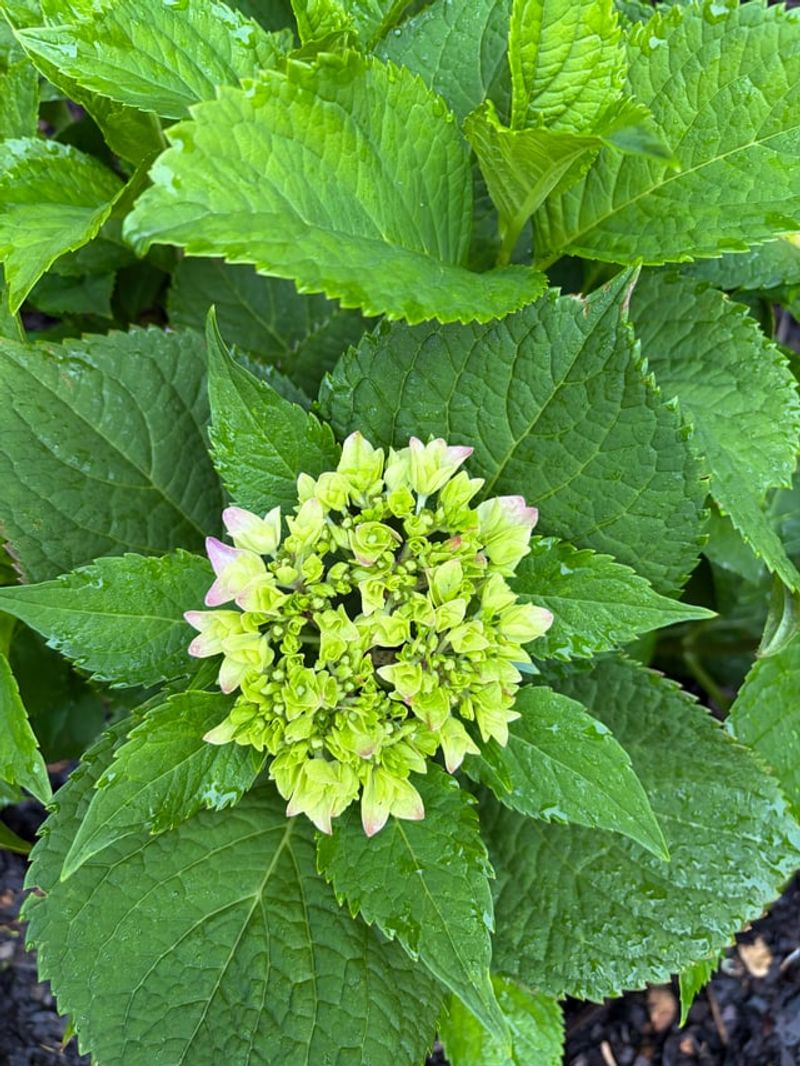
Green hydrangeas are not broken. They are just getting started.
Most hydrangea blooms begin their life as a green bud packed with chlorophyll. That waxy green color comes from the same pigment that makes grass and leaves look lush.
Chlorophyll is the dominant color at first, and it simply takes time for it to fade. As the bloom matures, the plant begins producing anthocyanins.
These are the pigments responsible for pink, blue, and purple tones in flowers. Without enough time to develop, the blooms stay green longer than most gardeners expect.
Think of it like a tomato that starts out green and slowly blushes red. The hydrangea is doing the same thing, just at its own pace. Rushing it is not an option, but patience usually pays off.
Young plants, especially newly transplanted ones, tend to stay green much longer. Their root systems are still getting established, so energy goes toward survival rather than flower color.
Once rooted, pigment production typically picks up speed. Blooms that open in cooler spring temperatures often lag behind in color development.
Warmer weather actually accelerates pigment production in many varieties. So a bloom that looks green in May might be a deep rose by July.
If your hydrangea is relatively new and the blooms are light green, give it another few weeks before worrying. Nature has a timeline, and your plant is likely right on schedule. Trust the process and watch those sepals transform.
Insufficient Light Blocks Pink Pigment Formation
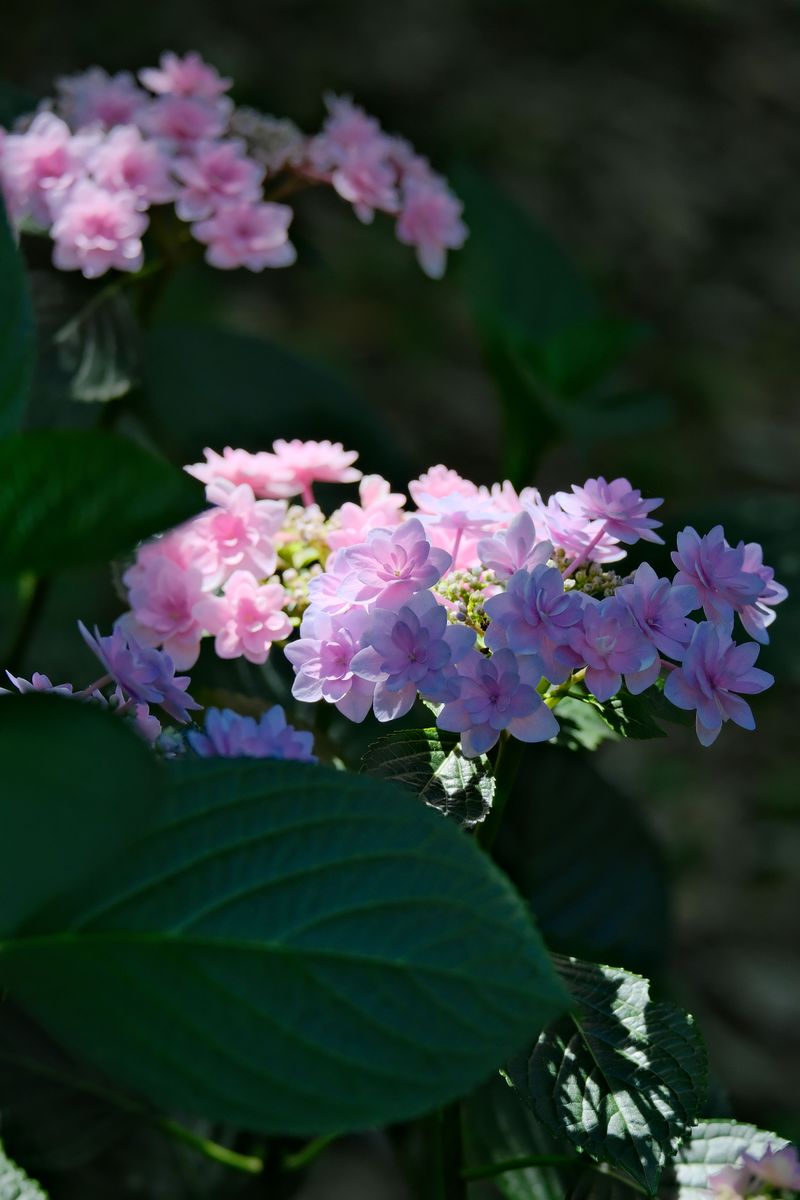
Shade is sneaky. It looks harmless, but it quietly steals your pink blooms.
Hydrangeas need sunlight to produce the pigments that create color. Without enough light exposure, the plant lacks the energy reserves needed to support strong pigment development.
Low light equals low pigment, and low pigment equals green flowers. Most pink-blooming varieties need at least four to six hours of direct sunlight each day.
Morning sun is ideal because it is bright but not scorching. Afternoon shade is actually welcome, especially in hot climates, but full shade all day is a problem.
If your plant sits under a dense tree canopy, it may never get enough light to develop strong color. The blooms open green and stay green because the plant lacks the solar energy to push pigment production forward.
Moving the shrub to a sunnier spot can make a dramatic difference. Gardeners often notice that blooms on the sunny side of the shrub are pinker than blooms tucked in shadow.
That contrast tells you everything. Light is directly controlling what color you see on each individual bloom. Pruning nearby trees or shrubs to let in more light is a simple fix.
Even removing one large branch overhead can change how much sun reaches your hydrangea. Small changes in light exposure lead to big changes in bloom color.
The reason some hydrangeas stay green not pink is often just a matter of repositioning. Sunlight is the simplest tool in your garden toolkit, and it is completely free to use.
Soil pH Imbalance And Its Effect On Pigment
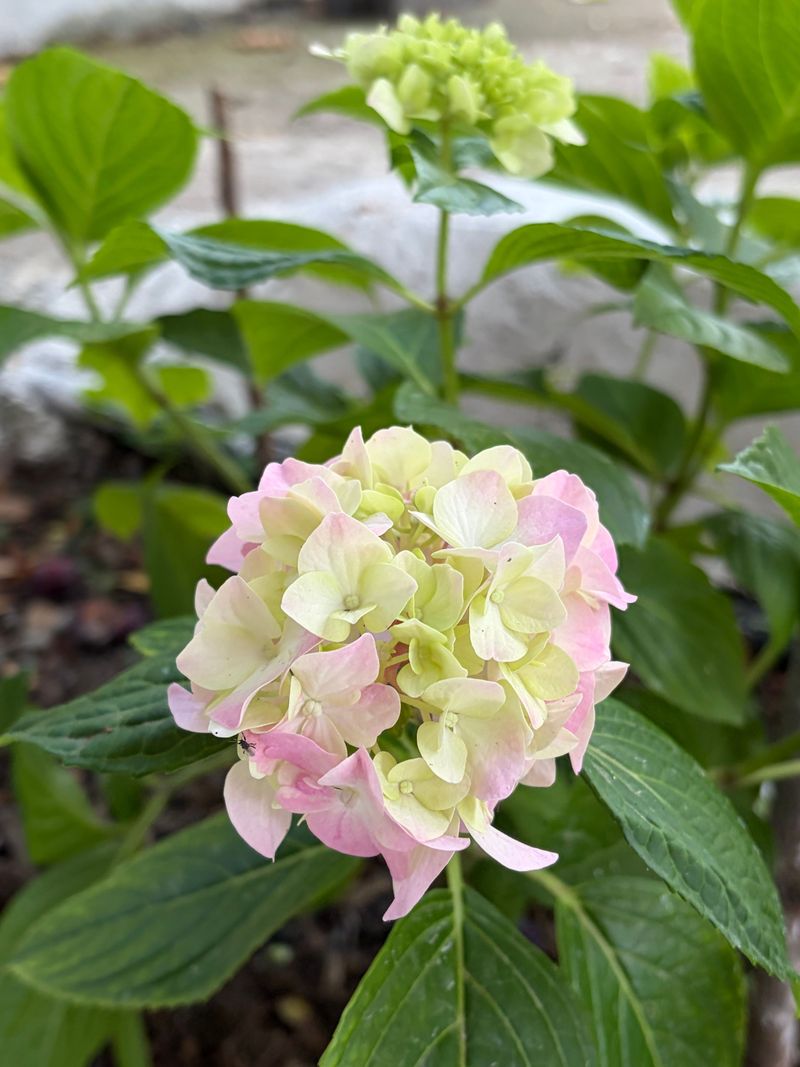
Your soil is basically a chemistry lab. And your hydrangea is reading every result.
Soil pH has a direct impact on which pigments a hydrangea can access and display. For pink blooms, you generally want a higher pH, somewhere between 6.0 and 6.5.
When the soil swings too acidic, aluminum becomes more available to the plant, which shifts colors toward blue. Most gardeners know that acidic soil turns hydrangeas blue. But fewer realize that a severely imbalanced pH can prevent color development altogether.
The result is blooms that stay a murky, washed-out green with no hint of pink or blue at all. Testing your soil is the smartest first step.
Simple pH test kits are available at any garden center and take about five minutes to use. Knowing your baseline gives you a clear target to work toward.
To raise soil pH and encourage pink tones, gardeners often add garden lime. Dolomitic lime works well and also adds magnesium, which supports overall plant health.
Apply it in fall so it has time to break down before spring growth begins. Avoid adding aluminum sulfate if pink is your goal.
That amendment is used intentionally to push blooms toward blue, and adding it by mistake will only deepen your green problem. Read labels carefully before amending your soil.
Consistent soil management is the key to consistent color. Check your pH every season and adjust as needed.
A well-balanced soil gives your hydrangea the chemical foundation it needs to bloom with confidence and color.
Hydrangea Variety Bred To Stay Green
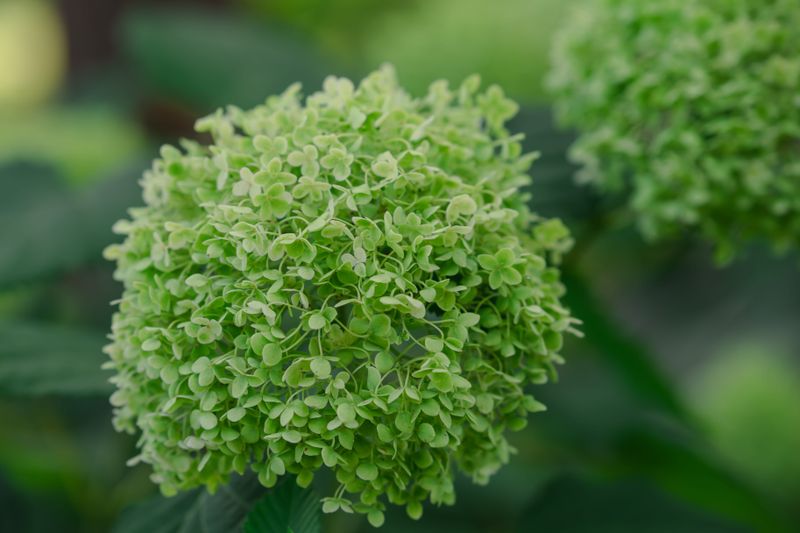
Not every green hydrangea is a problem. Some were born to be green, and they are proud of it.
Certain hydrangea varieties are specifically bred to produce green or chartreuse blooms. Limelight is one of the most popular, offering huge lime-green flower heads that hold their color through most of the season.
These plants are not failing to produce pink. They are simply doing exactly what their genetics say to do.
Annabelle is another well-known variety that opens creamy white and fades to soft green as summer progresses. Many gardeners mistake this natural aging process for a color problem.
In reality, the green is the intended final act of a beautiful bloom cycle. Green varieties have become wildly popular in the floral design world.
Florists love them because the color is sophisticated, neutral, and pairs beautifully with almost anything. What looks like a garden disappointment is actually a cutting-garden treasure.
If you bought your plant from a big-box store without checking the label, you may have accidentally purchased a green variety. The tag often has the answer right on it.
Look for variety names like Incrediball, Hayes Starburst, or Limelight to confirm what you have. Embracing a green variety means working with it rather than against it.
Pair it with deep purple salvia or bright coral lantana to make those green blooms pop. The contrast creates a garden moment that is genuinely stunning.
The reason some hydrangeas stay green not pink is sometimes pure breeding. Know your variety and let it shine on its own terms.
Plant Stress And Delayed Color Development
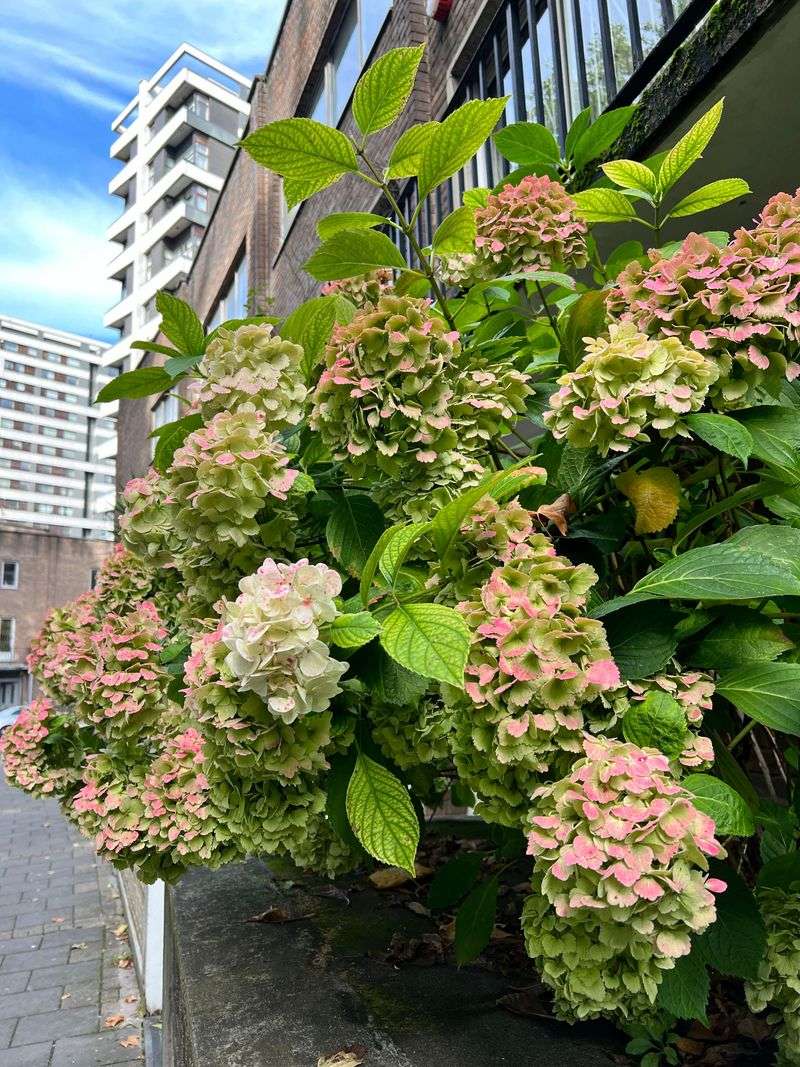
Stress in plants looks a lot like silence. The blooms stop talking in color and just go quiet in green.
When a hydrangea is under stress, it redirects energy away from color production and toward basic survival. Drought, root damage, transplant shock, and pest pressure can all trigger this protective response.
The bloom stays green because the plant has bigger problems to solve first. Newly planted hydrangeas are especially vulnerable to stress-related green blooms.
Moving from a nursery pot to your garden soil is a big adjustment. The root system needs weeks, sometimes months, to settle in before the plant feels secure enough to invest in bloom color.
Overwatering is just as stressful as underwatering. Soggy roots cannot absorb nutrients efficiently, which means the building blocks for pigment never reach the bloom.
Finding the right watering balance is crucial for both plant health and flower color. Pest damage to leaves reduces the plant’s ability to photosynthesize.
Less photosynthesis means less energy overall, and color development gets cut from the budget first. Checking the undersides of leaves for aphids or spider mites is always worth doing.
Fertilizer timing matters more than most gardeners realize. Too much nitrogen in late summer pushes leafy green growth instead of bloom development.
Switch to a low-nitrogen, high-phosphorus fertilizer after midsummer to support color rather than foliage. Once stress is addressed, most plants bounce back with improved color in the next bloom cycle.
Give your hydrangea stability, and it will reward you with the pink display you have been waiting for.
Steps To Encourage Pink Blooms
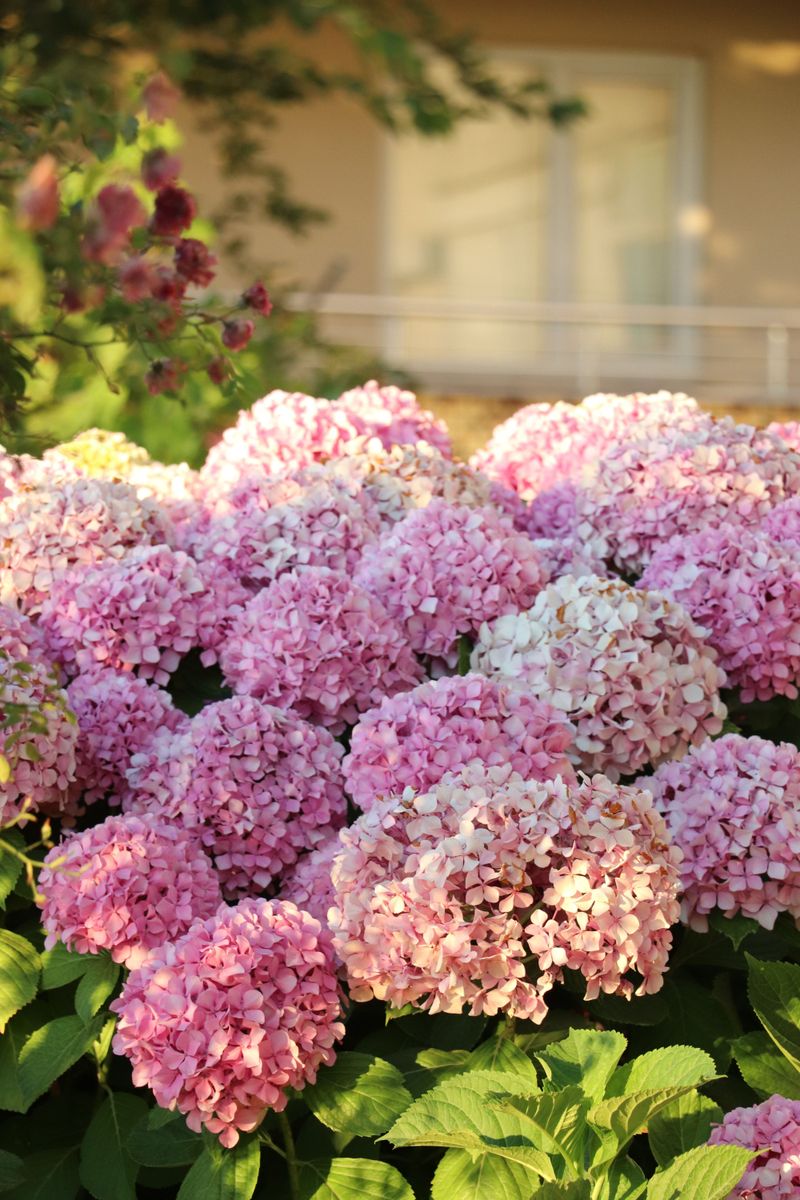
Pink blooms are not luck. They are the result of a few smart, consistent moves in the garden.
Start by testing your soil pH and adjusting toward the 6.0 to 6.5 range. Garden lime is your best friend here, and it works gradually over several months.
Apply it in fall and retest in spring to see where you land. Make sure your plant gets at least five hours of direct sun each day.
Morning exposure is ideal because it is strong without being harsh. If shade is the issue, consider transplanting in early fall when the weather is cooler and root stress is lower.
Choose a fertilizer labeled for flowering shrubs, with a higher middle number on the label. That middle number represents phosphorus, which supports bloom development and color intensity.
Avoid high-nitrogen blends after early summer, as they push green growth over flower production. Water deeply but infrequently to encourage strong root growth.
Shallow watering keeps roots near the surface, which makes them more vulnerable to stress. Deep watering once or twice a week is far better than a quick daily sprinkle.
Mulching around the base of your plant helps retain moisture and regulate soil temperature. A two to three inch layer of shredded bark or compost works well.
Keep mulch a few inches away from the main stem to prevent rot. The reason some hydrangeas stay green not pink is almost always fixable with the right approach.
Take these steps one season at a time, and your garden will be blushing pink before you know it.