Why Your Cucumber Plant’s Leaves Are Turning Yellow
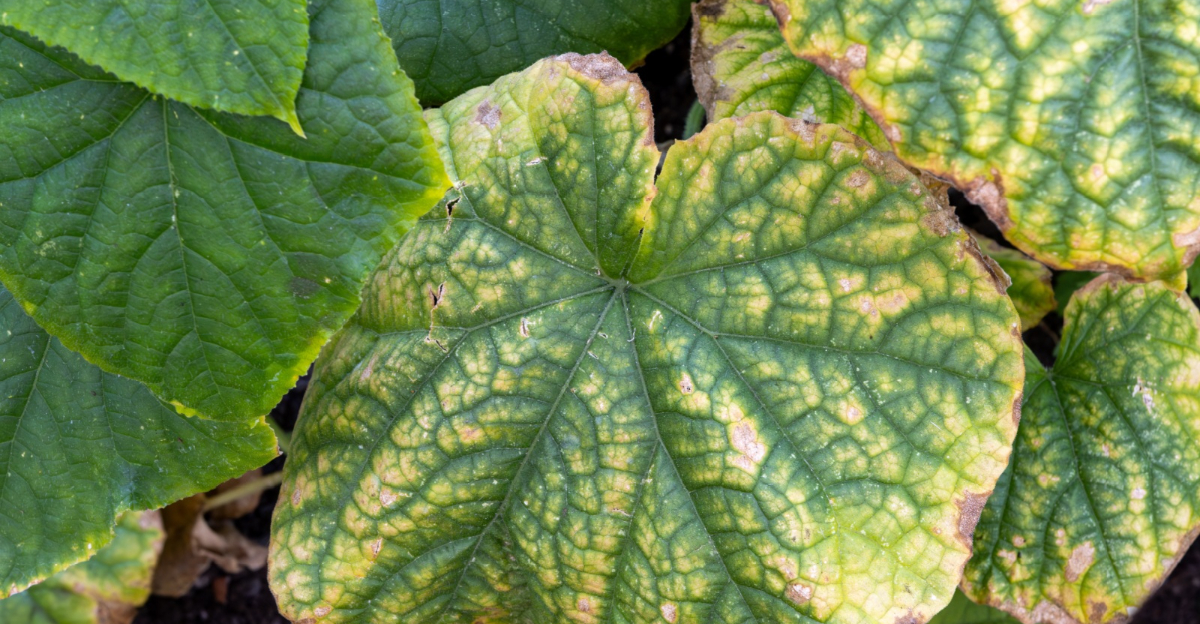
You step into the garden expecting the same lush green wall of leaves you left behind yesterday, but instead you notice something different.
Patches of yellow have spread across the foliage overnight, dulling what used to be vibrant and full of life. It’s tempting to jump straight to fertilizer or start pulling plants, but pause for a moment first.
Cucumber leaves don’t turn yellow without a reason, and that shift in color is your plant’s quiet way of showing that something feels off beneath the soil or in the air around it.
Maybe it’s thirsty. Maybe it’s getting too much water. Maybe something small and unseen is affecting its roots.
Whatever the cause, letting it go unnoticed rarely ends well, and your harvest could be at stake.
Understand what this change really means, and you might be able to turn things around before the damage sets in for good.
1. Nitrogen Deficiency Causes Older Leaves To Yellow First
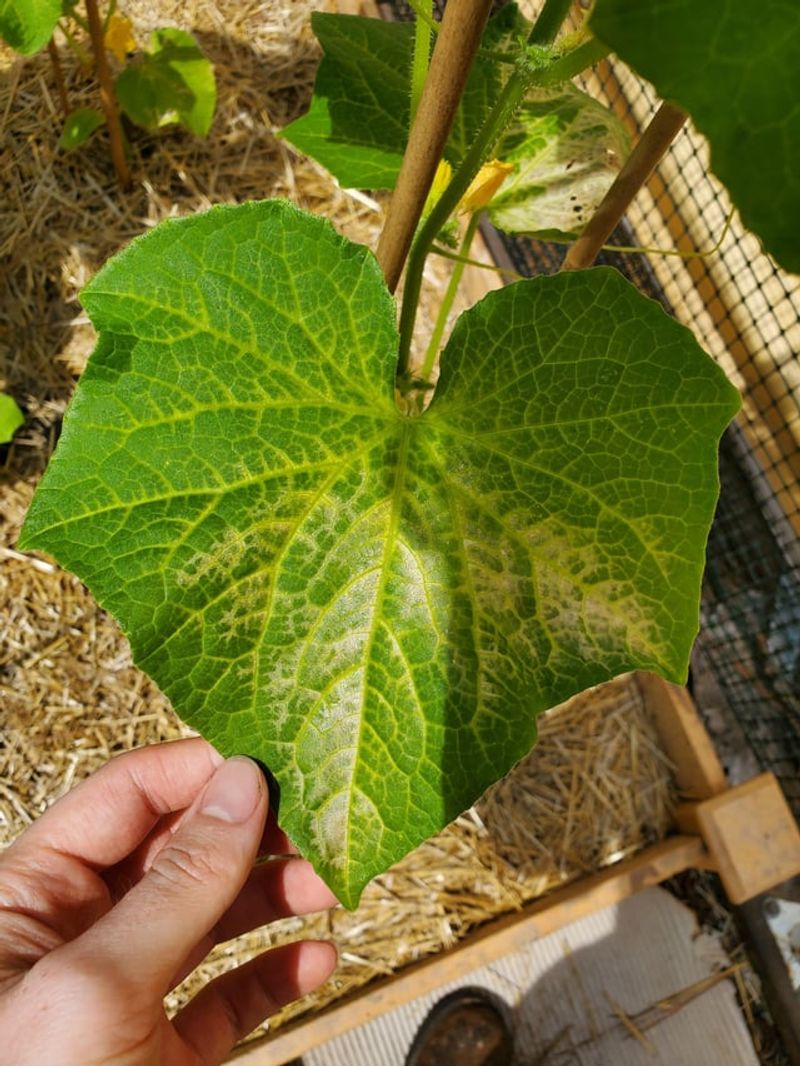
Pale, tired leaves creeping up from the bottom of your cucumber plant are a classic cry for nitrogen. Yellow leaves on your cucumber plant often start at the oldest growth when the soil runs low on this critical nutrient.
Nitrogen is the engine behind green, leafy growth. Without enough of it, your plant pulls nitrogen from older leaves to feed newer ones, leaving those bottom leaves looking washed out and weak.
The fix is simpler than it sounds. A balanced liquid fertilizer or a side-dressing of compost works fast to replenish what the soil is missing.
Fish emulsion is a fan favorite for quick nitrogen boosts. It smells terrible, but your cucumbers will absolutely love it.
Granular slow-release fertilizers are another solid option if you want longer-lasting results. Apply them around the base of the plant and water them in well.
Always test your soil before adding fertilizer. Too much nitrogen causes its own set of problems, like lots of leafy growth but very few cucumbers.
Soil test kits are inexpensive and available at most garden centers. They take about ten minutes and give you a clear picture of what your garden actually needs.
Once you feed the plant, watch for new growth to come in strong and green. That bright new color is your garden telling you the problem is solved.
2. Overwatering Leads To Root Damage And Yellowing
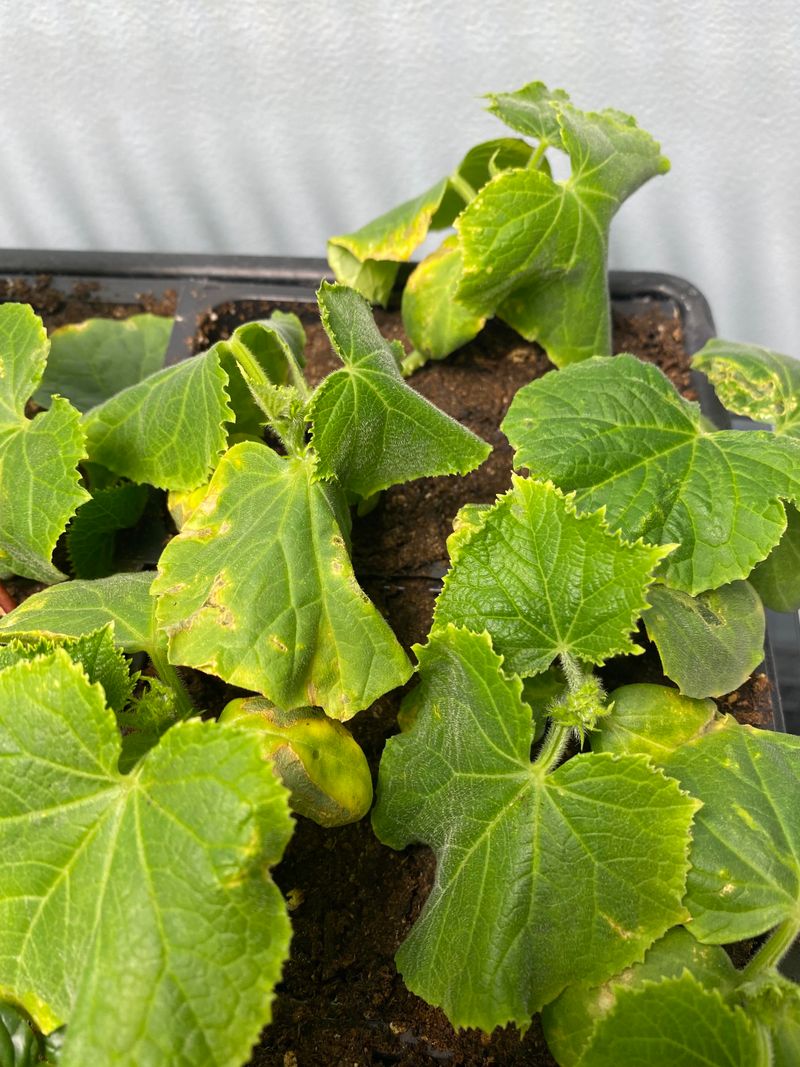
Too much love in the form of water is one of the sneakiest ways to hurt your cucumber plants. Roots sitting in soggy soil cannot breathe, and a plant that cannot breathe starts showing stress fast.
Overwatering cuts off oxygen to the root system. When roots are deprived of oxygen, they lose the ability to pull up nutrients, and those nutrients are what keep your leaves green and healthy.
The tricky part is that overwatered plants often look just like underwatered ones. Both show yellow, droopy leaves, which makes diagnosing the problem a bit like solving a mystery.
Check the soil before you water every single time. Stick your finger about two inches into the ground near the plant base.
If the soil feels wet or even just damp, hold off on watering for another day. Your cucumbers need the soil to dry out slightly between waterings.
Good drainage is your best defense against this problem. Raised beds and well-amended garden soil with compost or perlite help water move through instead of pooling.
Container growers should always check that drainage holes are clear and functioning. Standing water at the bottom of a pot spells trouble fast.
Cutting back on watering frequency and improving soil structure can turn things around quickly. Your plant is tougher than it looks once its roots can breathe again.
3. Underwatering Stresses Plants And Turns Leaves Pale Yellow
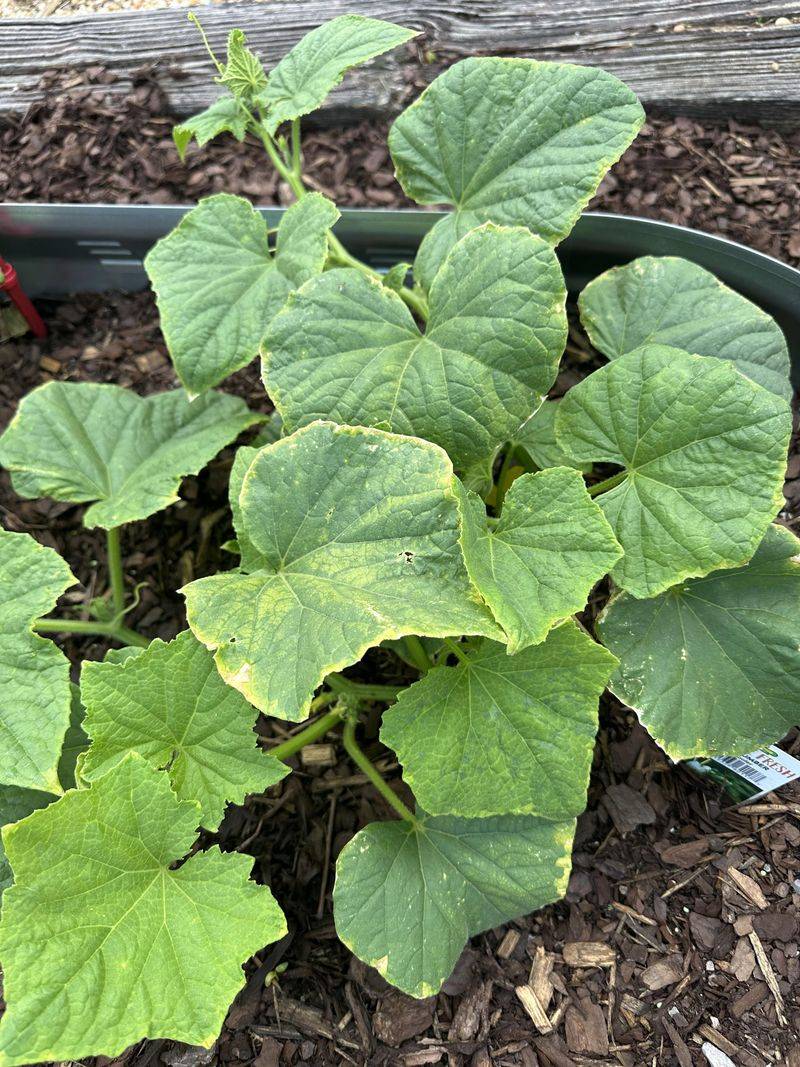
Crispy edges and a washed-out yellow color are clear signs your cucumber plant is under stress. Underwatering is one of the fastest ways to stress a cucumber, and these plants are not shy about showing it.
Cucumbers are made up of roughly 95 percent water. That means consistent moisture is not optional for them, it is absolutely essential for healthy growth and fruit production.
When water is scarce, the plant shuts down non-essential functions first. Older leaves get abandoned so the plant can focus its remaining energy on the newest growth and any developing fruit.
Hot summer days make the problem worse in a hurry. High temperatures increase how quickly soil dries out, meaning your watering schedule may need adjusting as the season heats up.
A general guideline is about one inch of water per week, though this can vary depending on soil type, climate, and whether you’re growing in containers or in-ground. During heat waves, plants often need closer to two inches.
Mulching around the base of your plants is a game-changer for moisture retention. A two-to-three inch layer of straw or wood chips slows evaporation dramatically.
Morning watering is the most efficient time of day. It gives the soil time to absorb moisture before afternoon heat pulls it back out into the air.
Once you establish a steady watering routine, those pale leaves will green back up. Consistency is the secret ingredient your cucumber garden has been craving.
4. Powdery Mildew Fungus Creates Yellow Halos Around White Spots
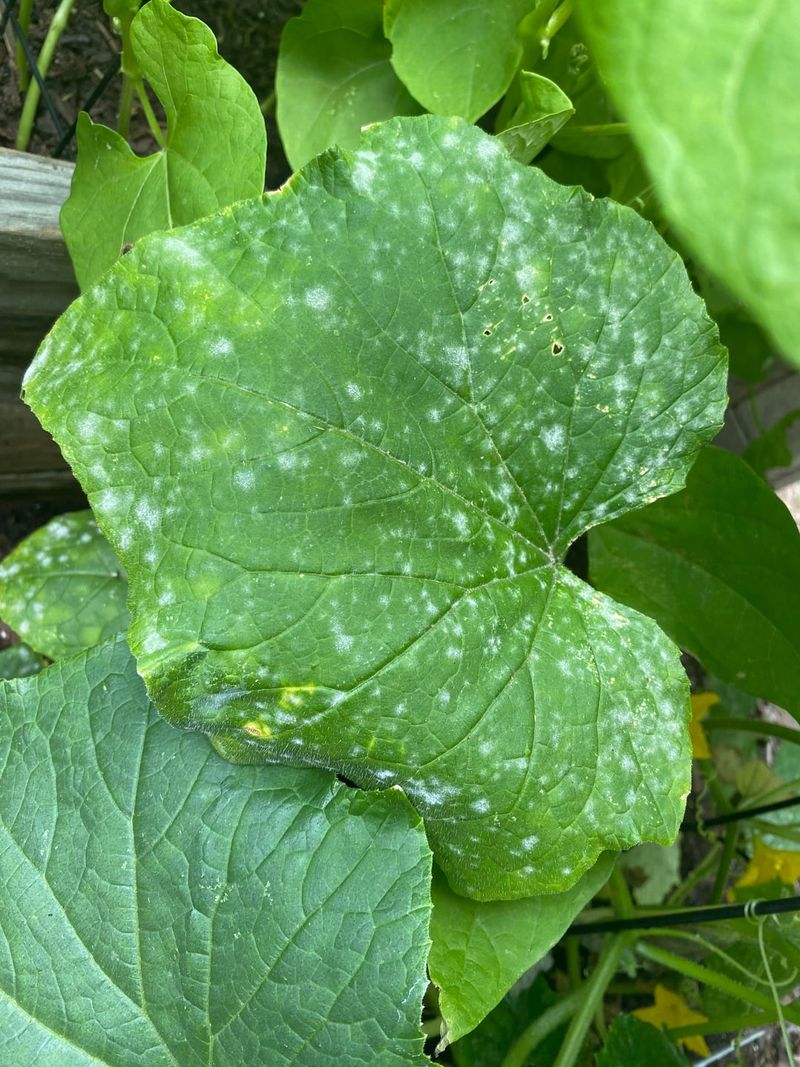
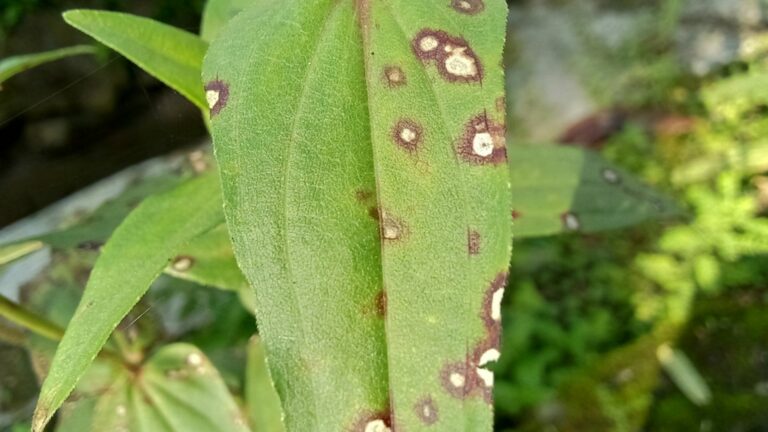
White dusty patches surrounded by yellow halos are a sure sign that powdery mildew has moved into your cucumber patch. This fungal disease is one of the most common problems home gardeners face, especially in warm and humid conditions.
Powdery mildew spreads through airborne spores that land on leaf surfaces. Once it takes hold, it blocks sunlight from reaching the leaf tissue, which triggers that telltale yellowing around the infected areas.
Unlike most fungal diseases, powdery mildew actually thrives in dry conditions with high humidity. Hot days followed by cool nights create the perfect environment for spores to spread rapidly.
Spacing your plants properly is one of the best preventive measures you can take. Good airflow between plants reduces the humid pockets where fungal spores love to settle.
A homemade spray is a popular home remedy some gardeners use to help slow the spread, though results can vary.
Mix one tablespoon of baking soda with one quart of water and a few drops of dish soap, then apply it to affected leaves.
Neem oil is another popular organic option that works well against this fungus. It disrupts the spore cycle and also doubles as a mild insect repellent.
Remove heavily infected leaves promptly and dispose of them away from the garden. Leaving diseased foliage on the ground gives spores a place to overwinter and reinfect next season.
Catching powdery mildew early makes all the difference. A small patch treated quickly rarely develops into a widespread infection.
5. Downy Mildew Infection Produces Yellow Patches Between Veins
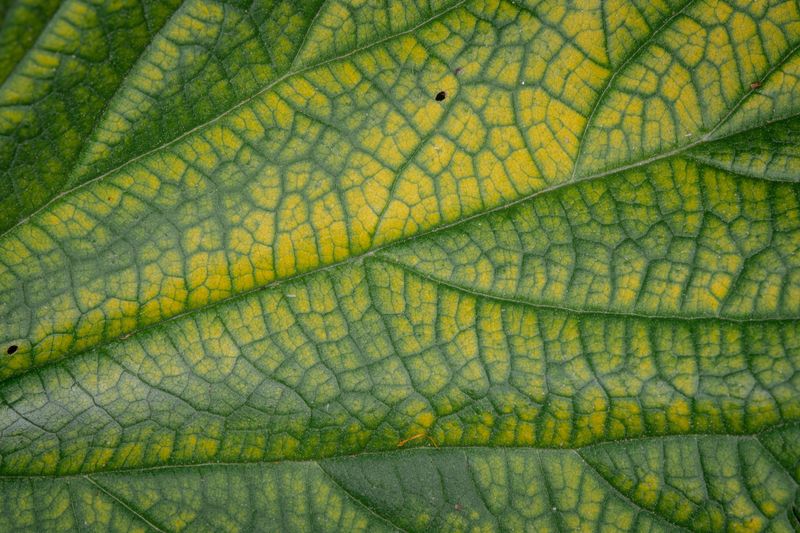
Angular yellow patches that follow the natural lines of the leaf veins are the unmistakable signature of downy mildew. This disease is sneaky because it starts on the underside of leaves before becoming visible on top.
Flip a suspicious leaf over and look for a grayish or purplish fuzzy coating. That fuzzy growth is the fungal spore mass, and spotting it early gives you the best chance of managing the outbreak.
Downy mildew spreads fastest during cool, wet weather with lots of overhead moisture. Unlike powdery mildew, this one needs water on the leaf surface to germinate and spread its spores.
Drip irrigation is a smart upgrade if downy mildew is a recurring problem in your garden. Keeping water off the foliage removes one of the key conditions this pathogen needs to thrive.
Copper-based fungicides are among the most effective treatments available to home gardeners. Apply them at the first sign of infection and repeat every seven to ten days as needed.
Resistant cucumber varieties are also worth seeking out at your local nursery. Plant breeders have developed several options that hold up much better against this particular disease.
Crop rotation is your long-term strategy for keeping downy mildew under control. Avoid planting cucumbers or other cucurbits in the same spot two years in a row.
Your garden has more defenses than you think. A few smart choices now protect next season before it even begins.
6. Natural Aging Makes Lower Leaves Yellow And Drop Off
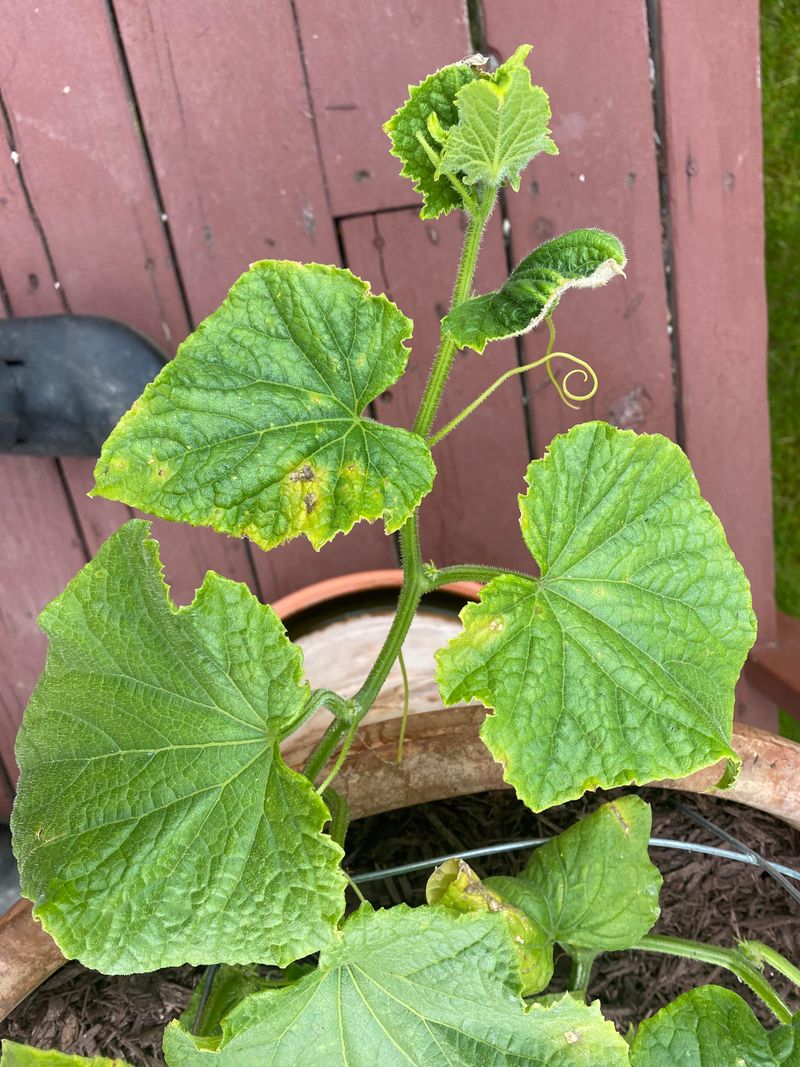
Not every yellow leaf means something is wrong, and that is genuinely good news for anxious gardeners. Sometimes a leaf turns yellow simply because it has done its job and the plant is ready to move on.
Cucumber plants naturally shed their oldest leaves as the season progresses. This happens from the bottom of the plant upward, which is a key detail that separates natural aging from disease or deficiency.
As the plant grows taller and produces more fruit, lower leaves receive less and less sunlight. Shaded leaves become inefficient for photosynthesis, so the plant stops investing energy in maintaining them.
This process actually frees up nutrients that the plant redirects toward fruit development. Think of it as the plant making a smart business decision about where to spend its resources.
You can simply remove these naturally yellowing leaves to keep the garden tidy. Use clean pruning shears and cut the stem close to the main vine without damaging healthy tissue.
Removing spent lower leaves also improves airflow around the base of the plant. Better airflow means less humidity, which reduces the risk of fungal diseases taking hold.
Compost those removed leaves if they show no signs of disease. They will break down into rich organic matter that feeds your garden in future growing seasons.
Recognizing natural aging saves you from unnecessary panic and unnecessary treatments. Your cucumber plant is simply growing up, and that is worth celebrating.
7. Poor Soil Drainage Triggers Root Rot And Yellow Leaves
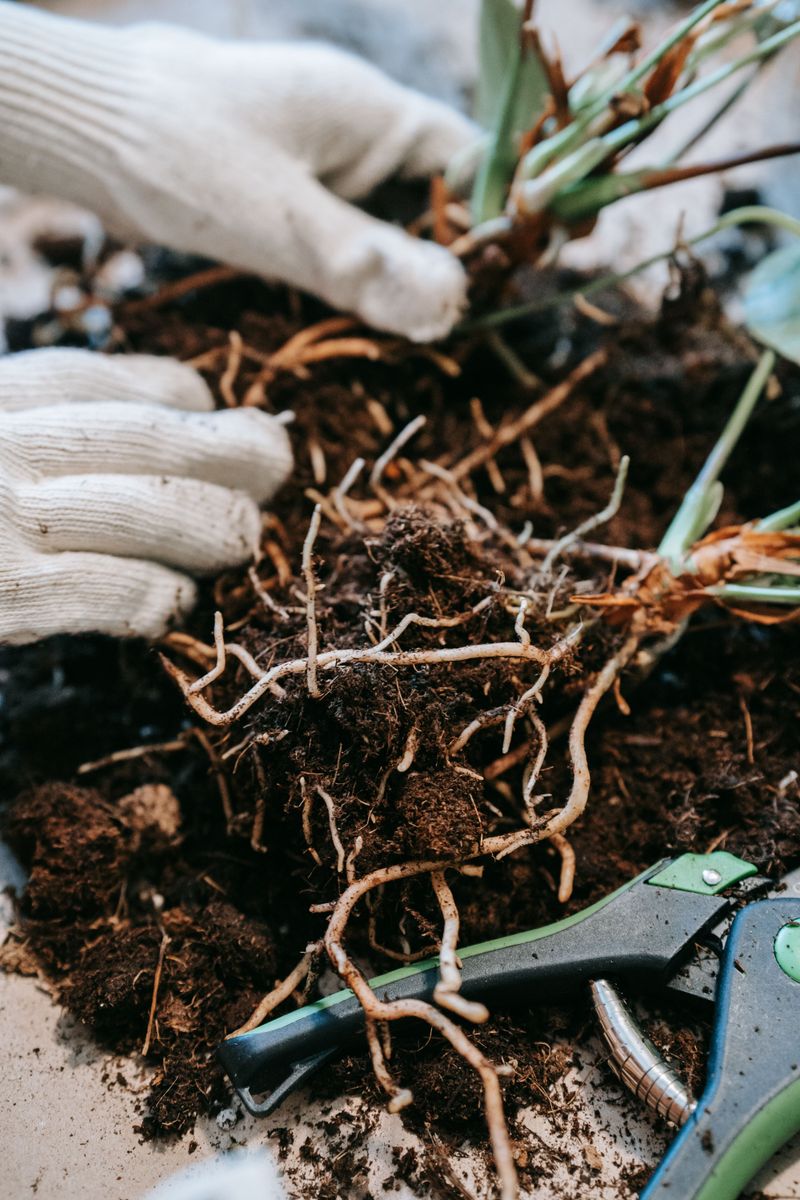
Heavy clay soil that holds water like a sponge is one of the most hostile environments for cucumber roots. When water cannot drain away properly, roots sit in saturated conditions and begin to break down.
Root rot is the result, and it’s a serious problem for the plant’s health. Rotting roots cannot absorb water or nutrients, which means the whole plant starts shutting down from the ground up.
Yellow leaves are often the first visible clue that something is wrong underground. By the time you see significant yellowing across multiple leaves, root rot may already be well established.
Pull back the soil gently near the base of a struggling plant. Healthy roots look white and firm, while rotted roots appear brown, mushy, and may have an unpleasant smell.
Improving drainage is the most effective long-term solution. Mixing compost, perlite, or coarse sand into heavy clay soil opens up air pockets and helps water move through more freely.
Raised garden beds are the gold standard for growers dealing with drainage problems. Filling them with a custom blend of garden soil and compost gives you complete control over soil structure.
Avoid working soil when it is wet, as this compacts it further and makes drainage worse over time. Wait until soil crumbles easily before digging or amending.
Fix the foundation and the plant above it will have a fighting chance. Healthy soil is where every great garden story begins.
8. Nutrient Lockout From Wrong Soil pH Causes Yellowing
Your soil could be packed with nutrients and still starve your cucumber plant. That sounds contradictory, but it happens all the time when the soil pH is off.
Soil pH controls whether nutrients are available for plant roots to absorb. Even if iron, magnesium, and manganese are present in the soil, the wrong pH locks them away where roots cannot reach them.
Cucumbers prefer a soil pH between 6.0 and 6.8. Outside that range, nutrient absorption slows dramatically, and yellow leaves on your cucumber plant become an almost guaranteed outcome.
Iron deficiency from high pH shows up as yellowing between the veins on younger, newer leaves. This pattern is called interveinal chlorosis, and it is a clear indicator that pH adjustment is needed.
A basic soil pH test takes just a few minutes and removes all the guesswork. Affordable test kits are available at garden centers, or you can send a sample to your local agricultural extension office for a detailed analysis.
If pH is too high, sulfur or acidifying fertilizers can bring it down gradually. If pH is too low, agricultural lime raises it back into the ideal range for cucumbers.
Adjust pH slowly over several weeks rather than all at once. Drastic changes shock the soil ecosystem and can create new problems while solving the original one.
Getting pH right unlocks everything your soil already has to offer. Yellow leaves on your cucumber plant may be closer to green than you think.