The Reasons Why Your Texas Petunias Are Leggy And Weak
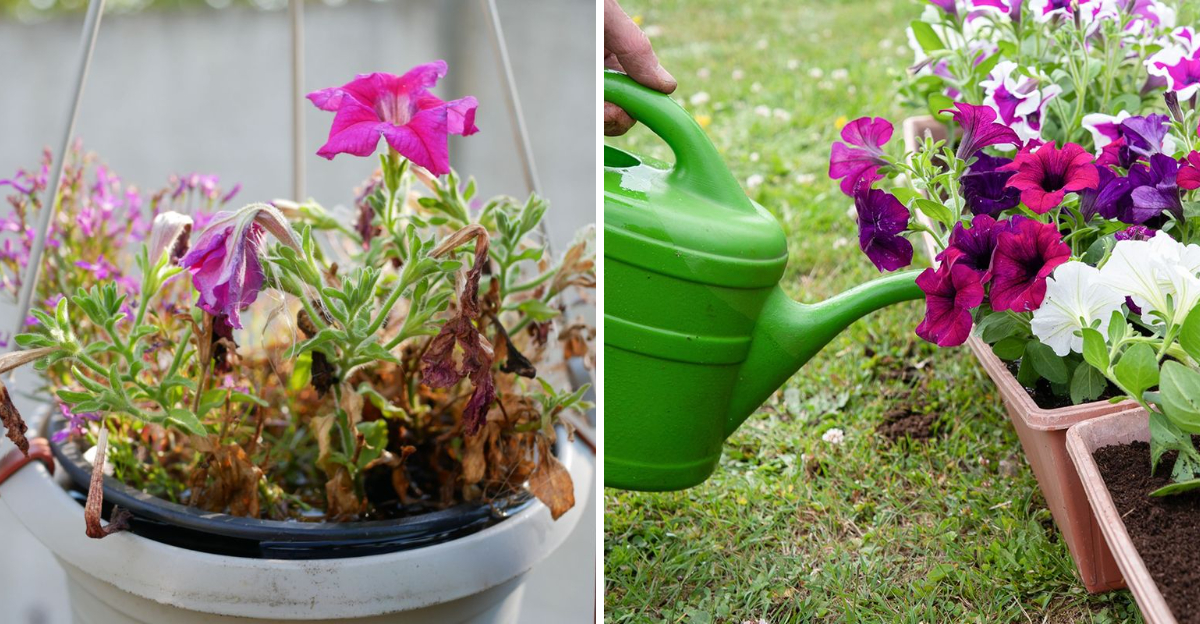
Petunias are supposed to be one of the easiest, most rewarding flowers you can grow in a Texas garden. And when they’re performing well, they deliver exactly that.
Big, colorful blooms spilling generously over containers and beds, flowering with an enthusiasm that makes the whole setup look effortless.
But when petunias go leggy and weak, the gap between what they’re supposed to look like and what they actually look like can be genuinely frustrating. Leggy petunias are not a random outcome. Something specific is causing it.
Several distinct factors produce the same result in Texas petunias, long, weak, stretched stems with sparse foliage and declining bloom production.
And the fix for one cause is often completely different from the fix for another, which means approaching the problem without understanding what’s behind it leads to a lot of wasted effort and continued disappointment.
Texas growing conditions add specific complications to petunia care that aren’t always accounted for in general gardening advice written for cooler, less intense climates.
Here’s exactly why your Texas petunias are going leggy and what to do about each possible cause.
1. They Aren’t Getting Enough Sun
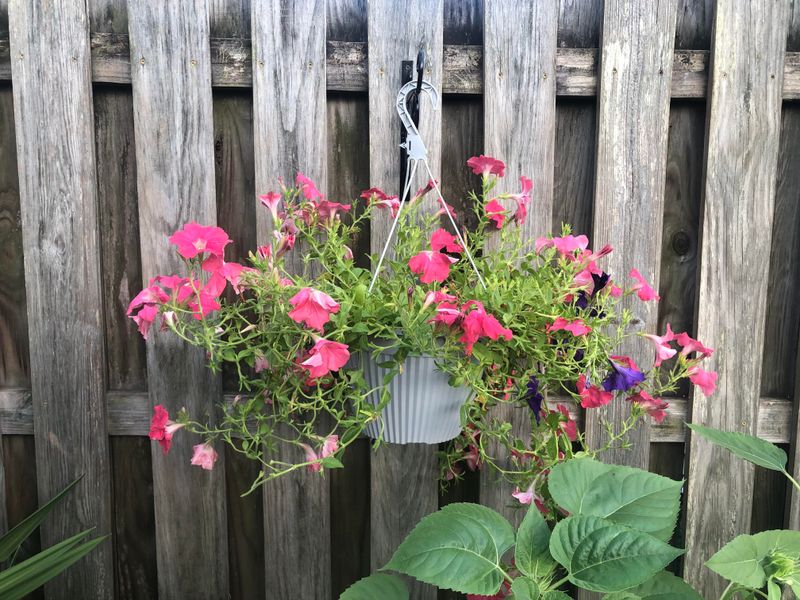
Sunlight is like fuel for petunias, and without enough of it, they start doing something sneaky. They stretch their stems as far as possible, reaching toward any light they can find. This stretching is what makes them look long, weak, and spindly instead of full and bushy.
Petunias need at least six hours of direct sunlight every day to grow the way they should. In Texas, finding a sunny spot is usually not the problem.
However, if your petunias are planted under a tree, near a fence, or in the shadow of your house, they may not be getting what they need.
Moving your containers to a sunnier location can make a noticeable difference pretty quickly. If your petunias are in the ground, consider trimming back nearby shrubs or trees that may be blocking the light.
Even just one or two extra hours of direct sun can help your plants grow more compact and produce more blooms.
Petunias that grow in full sun also tend to be more resistant to pests and disease. Strong light helps the plant build sturdy stems that hold flowers upright. A shaded petunia is always going to struggle, no matter how well you water or feed it.
So before you try anything else, take a good look at how much sun your plants are actually getting throughout the day. Walk outside at different times and observe where the shadows fall.
You might be surprised to find that your petunias are sitting in more shade than you realized.
2. Texas Heat Is Wearing Them Down
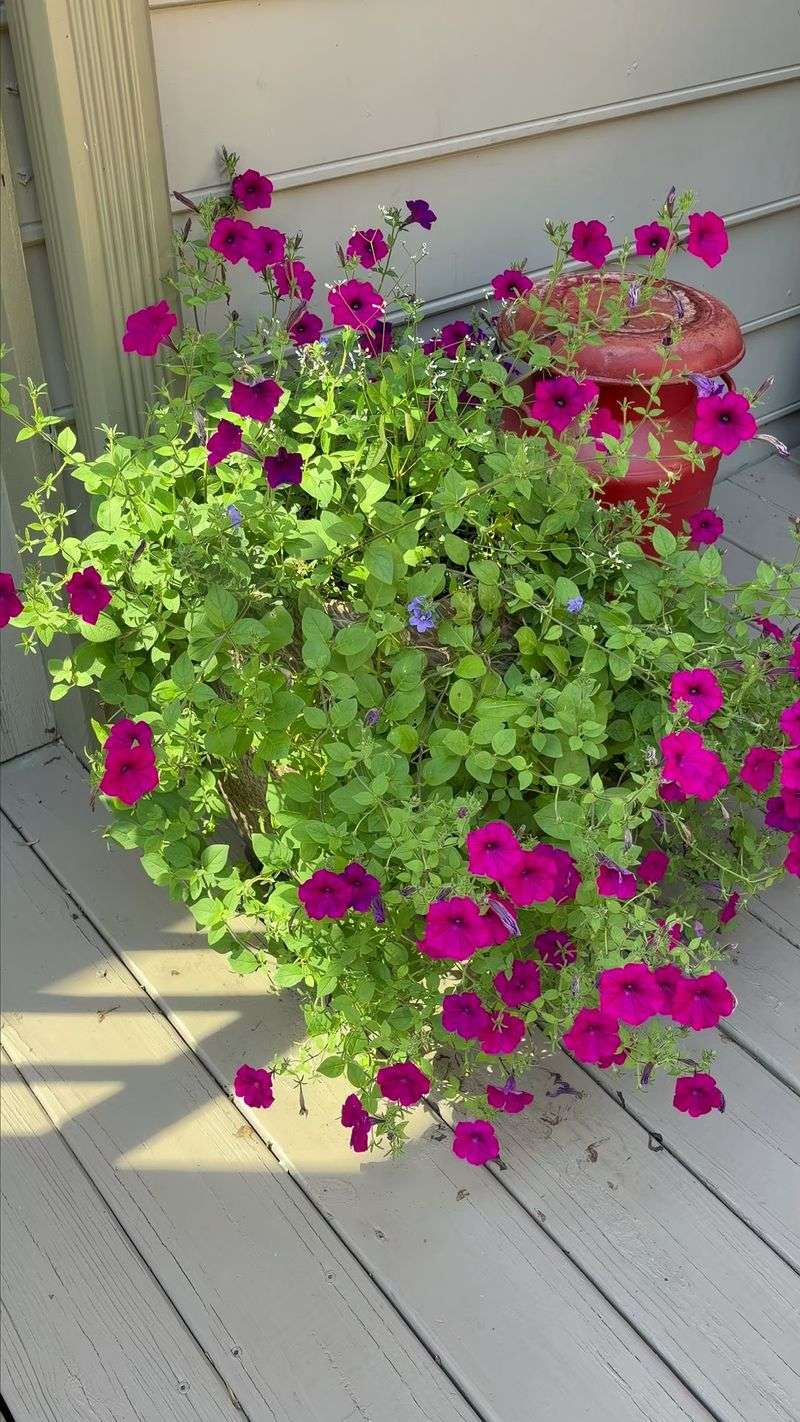
Texas summers are no joke. Temperatures regularly climb above 95 degrees Fahrenheit, and that kind of heat puts serious stress on petunia plants.
When the heat gets extreme, petunias often slow down their flower production and start looking thin and worn out.
During the hottest weeks of summer, petunias may drop their lower leaves, stop blooming, and generally look like they have given up. This is a natural response to heat stress. The plant is trying to conserve energy and water by cutting back on growth and flowering.
Your Texas Garden Changes Every Week. Your Plan Should Too.
Gardening in Texas changes quickly throughout the season. Every Friday you’ll receive a simple weekly plan showing exactly what to plant, prune, fertilize, harvest, and protect so you never miss the right timing.
One helpful trick is to give your plants some afternoon shade during the peak summer months. Morning sun is great, but the scorching afternoon heat in Texas can be too much.
A shade cloth or a nearby taller plant can block some of that intense afternoon sun without leaving your petunias in full shade.
Keeping the soil consistently moist also helps during heat waves. When soil dries out too fast in extreme heat, roots struggle to absorb nutrients, which makes the plant look even worse.
Mulching around the base of your plants can slow down moisture loss and keep roots a little cooler.
The encouraging news is that petunias often bounce back once temperatures start to drop in late summer or early fall. Many Texas gardeners cut their plants back in August and wait for cooler weather to bring on a fresh flush of growth.
Patience goes a long way when it comes to managing petunias through a brutal Texas summer.
3. They Haven’t Been Cut Back
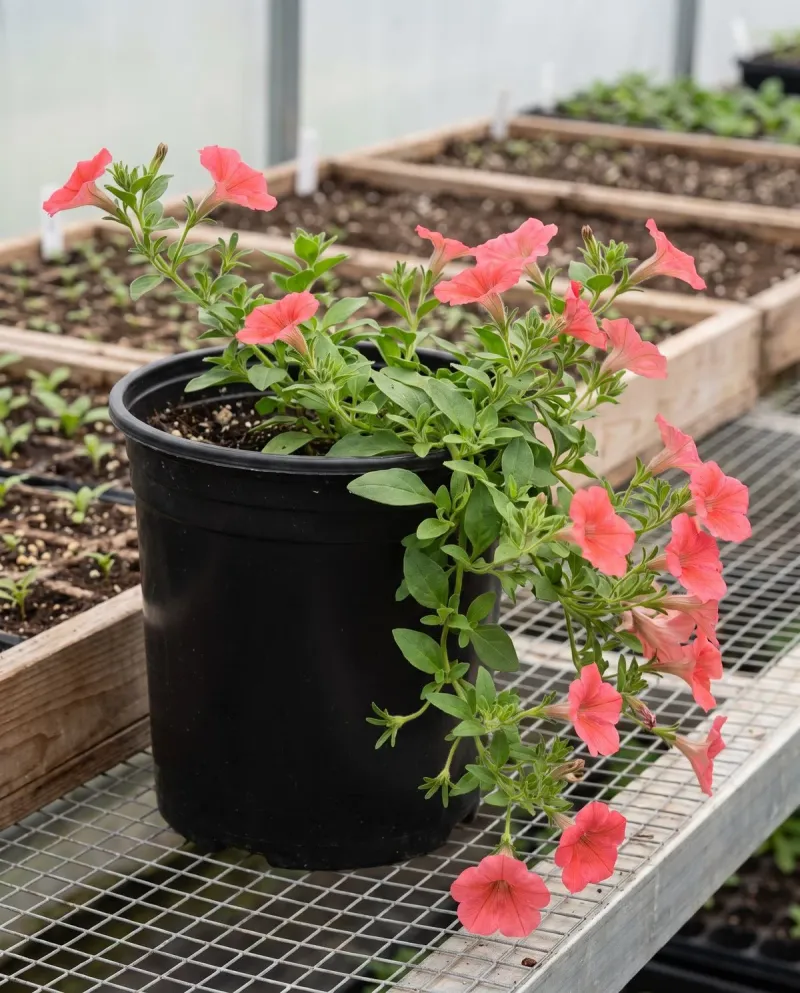
Petunias are not the kind of plant you can just plant and forget about. Left to grow on their own, they will keep stretching out longer and longer as the season goes on. Without regular trimming, the stems become long, bare at the base, and weak at the tips.
Cutting petunias back is one of the most effective things you can do to keep them looking full and healthy. Many gardeners feel nervous about cutting their plants back hard, but petunias are surprisingly tough.
Trimming them by about one-third to one-half of their length encourages the plant to push out fresh new growth from lower on the stem.
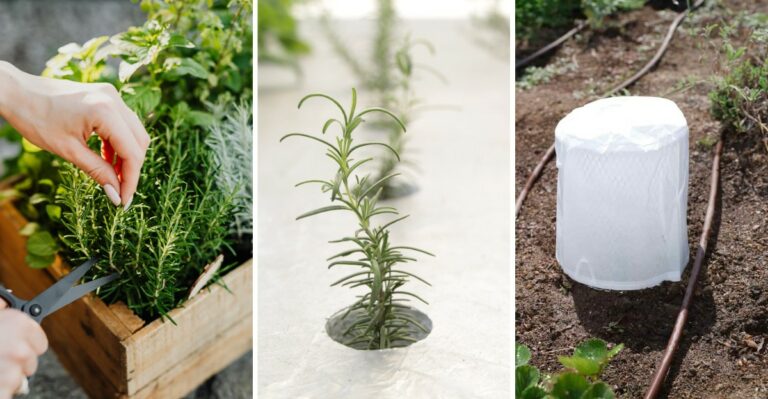
You do not need any special tools for this. A clean pair of scissors or garden shears works perfectly.
Try to make your cuts just above a leaf node, which is where a leaf meets the stem. New growth tends to sprout from those spots, leading to a much bushier plant.
In Texas, many experienced gardeners cut their petunias back two or even three times during the growing season. The first cutback often happens in early summer when plants start to look stretched.
A second cutback in late summer can refresh the plant for a nice fall display. After cutting back, give your petunias a light feeding and make sure they have consistent moisture.
Within a few weeks, you should start to see fresh green growth appearing along the stems. It can feel dramatic to cut them back so much, but the results are almost always worth it.
4. You’re Giving Them Too Much Nitrogen
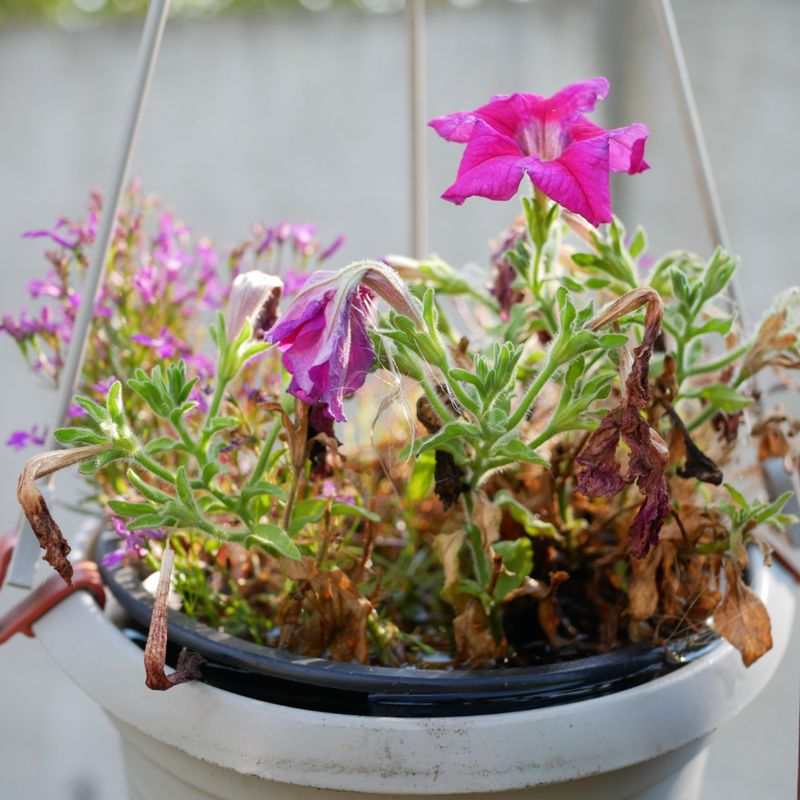
Fertilizer seems like it should always be a good thing, but too much of it can actually work against you.
When petunias get too much nitrogen, they put all their energy into growing big, leafy stems instead of producing flowers. The result is a plant that looks green and lush but is stretched out and weak.
Nitrogen is the nutrient in fertilizer that pushes leafy, vegetative growth. It is great in small amounts, but overfeeding leads to soft, sappy stems that flop over easily.
These kinds of stems are also more attractive to pests like aphids, which makes the problem even worse.
A better choice for petunias is a fertilizer that is higher in phosphorus and potassium than in nitrogen. Look for a balanced bloom-boosting fertilizer that is labeled for flowering plants.
Products with numbers like 10-30-20 on the label are generally a good fit because they support flowering rather than leafy growth.
Also, avoid the habit of feeding your petunias every single week. Many gardeners over-fertilize because they think more food means better plants.
But stressed or struggling petunias do not benefit from extra feeding. In fact, pushing fertilizer on a stressed plant can make things worse by burning the roots.
Feed your petunias every two to three weeks during the growing season, and always water the soil before applying fertilizer. This helps prevent root burn and allows the nutrients to spread evenly through the soil.
Getting the fertilizer balance right can make a real difference in how compact and bloomy your plants become.
5. They’re Being Watered Too Often
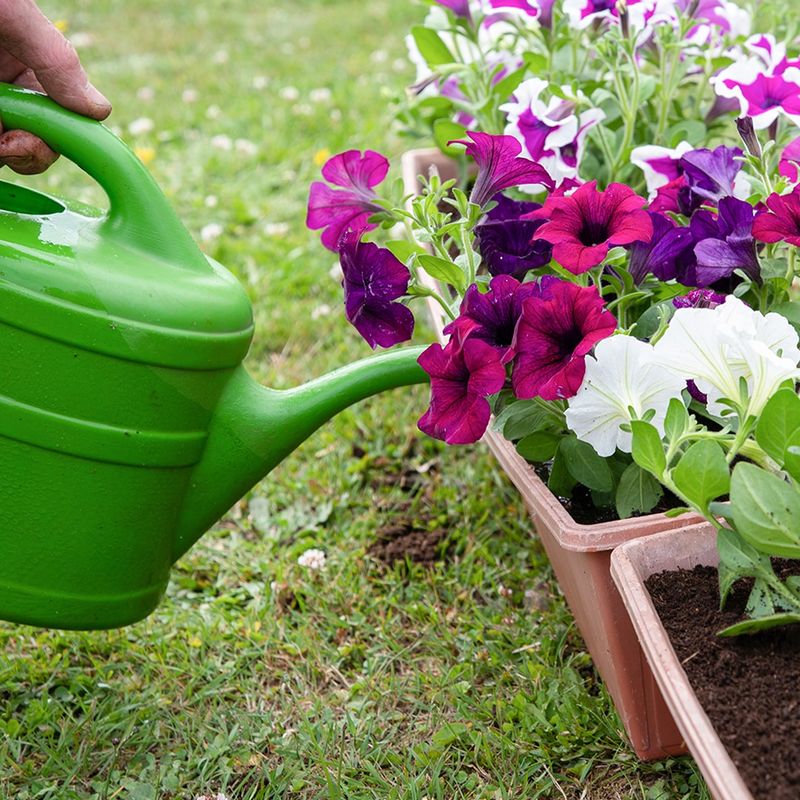
Watering every single day might feel like the caring thing to do, especially during a Texas summer. But petunias actually prefer a bit of a dry spell between waterings.
Constantly wet soil creates conditions where roots cannot breathe properly, and that leads to weak, unhealthy growth above ground.
When roots sit in soggy soil for too long, they can start to rot. Root rot does not show up overnight, but over time it makes it impossible for the plant to absorb water and nutrients effectively.
You might notice yellowing leaves, soft stems, and poor growth even when you are watering regularly.
A much smarter approach is to check the soil moisture before reaching for the hose. Stick your finger about an inch into the soil near the base of the plant.
If it still feels damp, wait another day. If it feels dry, go ahead and water deeply so the moisture reaches the roots.
Deep, less frequent watering actually encourages roots to grow downward in search of moisture. This creates a stronger root system overall, which supports healthier and more compact plant growth above the soil.
Shallow daily watering keeps roots near the surface, where they are more vulnerable to heat and stress.
For container petunias, drainage is especially important. Make sure your pots have holes in the bottom so excess water can escape.
Pots without drainage hold onto water much longer than garden beds. Adjusting your watering habits is one of the simplest and most effective ways to improve your petunia’s overall health and appearance.
6. Container Roots Are Overcrowded
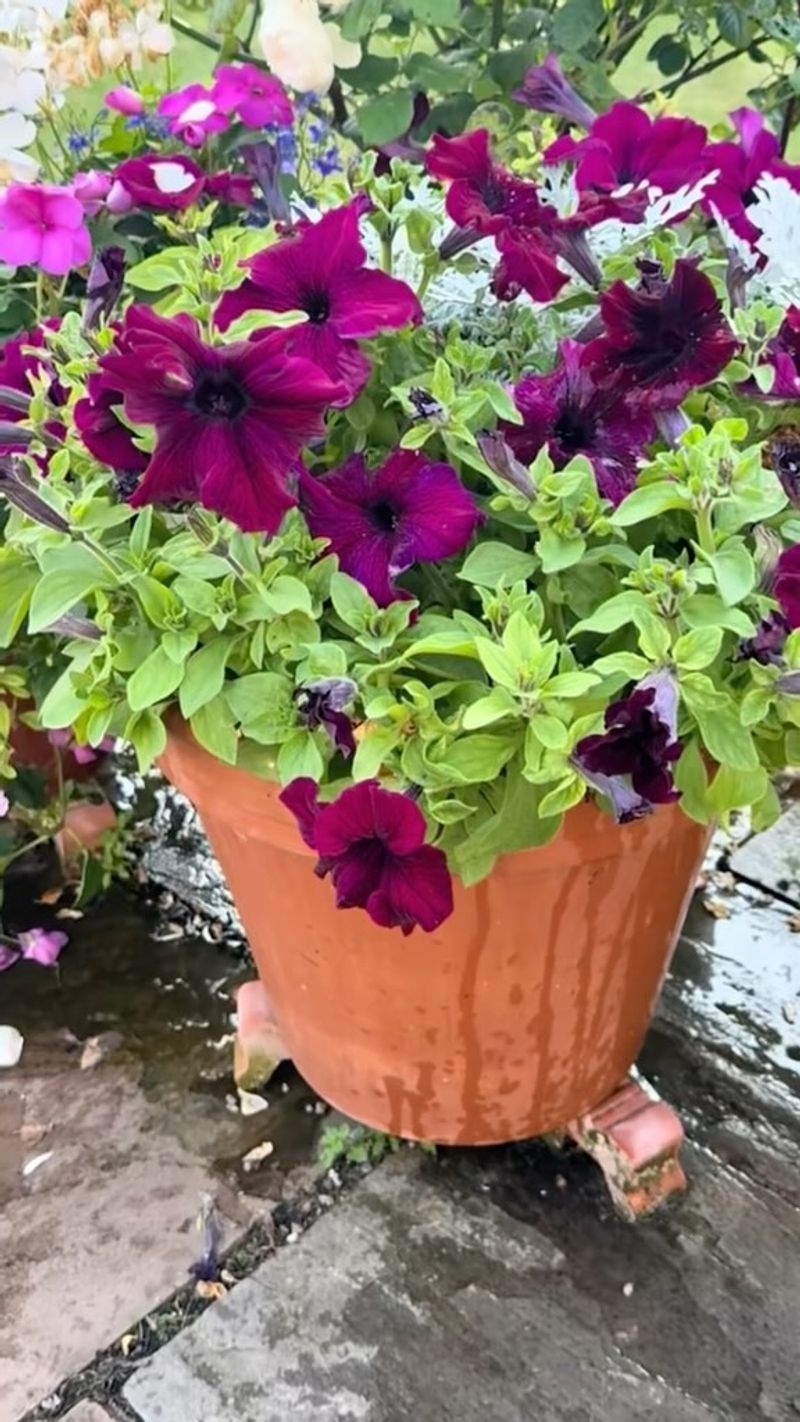
Growing petunias in containers is super popular, especially on Texas patios and porches. But there is a common mistake that many container gardeners make without even realizing it.
Planting too many petunias in one small pot, or leaving them in the same pot for too long, can cause serious overcrowding.
When roots run out of room to grow, the plant becomes stressed. It cannot absorb enough water or nutrients because there is simply not enough soil left to hold them.
This stress shows up as weak, leggy growth and very few flowers, even when you are doing everything else right.
You can tell if your petunia is root-bound by looking at the drainage holes at the bottom of the pot. If roots are growing out of those holes, it is a clear sign that the plant needs more space.
Gently removing the plant and checking the root ball can also reveal whether the roots have completely taken over the container.
Repotting into a larger container gives the plant room to spread its roots and access fresh soil with new nutrients. When you repot, use a good quality potting mix that drains well.
Avoid using regular garden soil in containers because it tends to compact and hold too much moisture.
As a general guide, plant one or two petunias per 10 to 12 inch pot. Giving each plant enough personal space reduces competition for resources and leads to much healthier, fuller growth.
Sometimes less really is more when it comes to container planting, and your petunias will reward you for it.
7. Spent Flowers And Old Growth Are Building Up
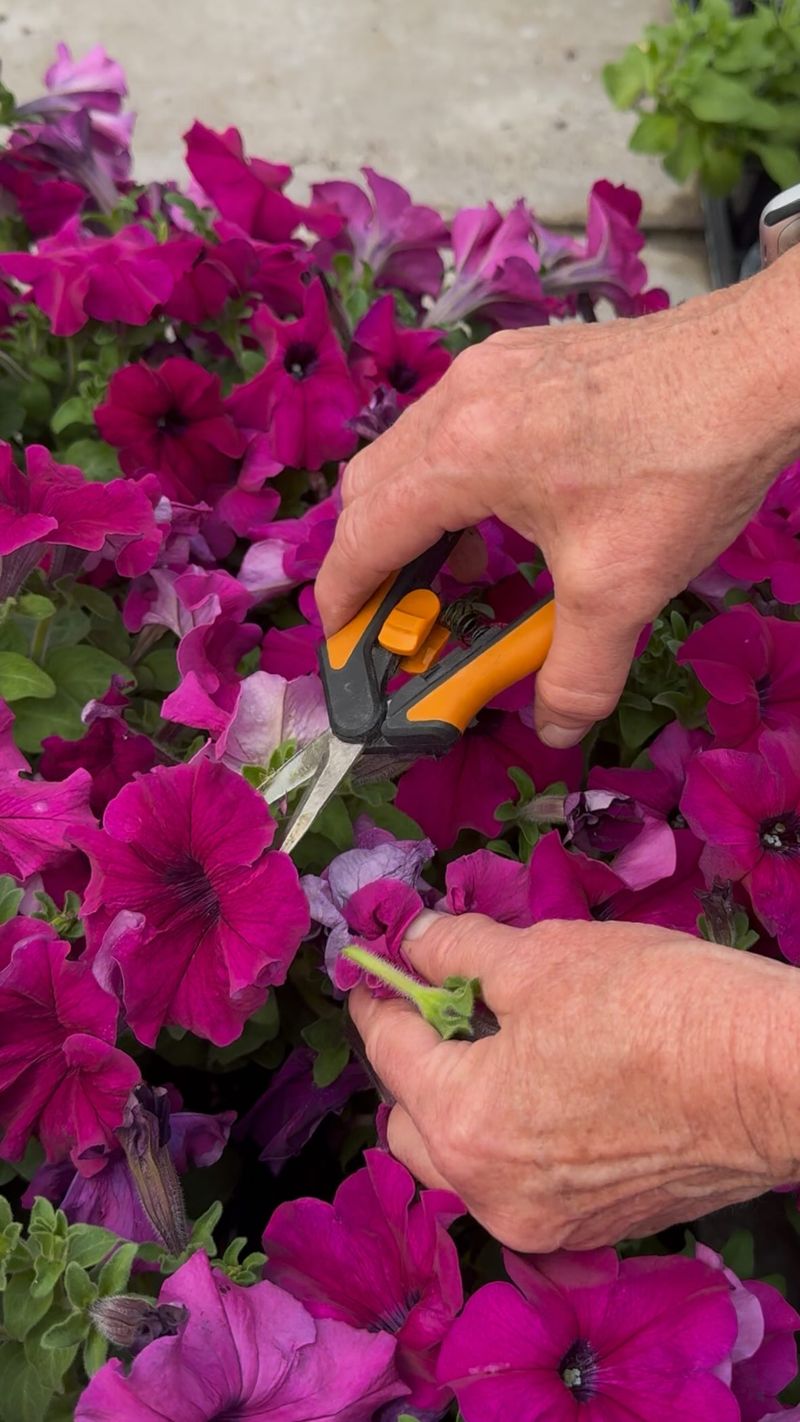
Here is something that surprises a lot of new gardeners. When petunia flowers fade and are left on the plant, the plant starts putting its energy into making seeds instead of making new blooms.
Over time, all that old, faded growth builds up and makes the plant look tired, messy, and stretched out.
Deadheading is the practice of removing spent flowers before they can set seed. It sounds like extra work, but it really pays off.
Regular deadheading signals to the plant that it has not finished its job yet, which encourages it to keep producing fresh flowers.
Along with removing old flowers, take a few minutes each week to clear away any yellowed leaves or dry stems. This kind of general cleanup does more than just make your plant look better.
It also improves air circulation around the plant, which helps reduce the risk of fungal problems that love warm, humid Texas weather.
You do not have to remove every single faded bloom the moment it drops. But making it a habit to do a quick cleanup every few days will keep your petunias looking much neater and more vigorous throughout the season.
A small amount of regular attention goes a long way. Combining deadheading with a light trim every few weeks creates an even more dramatic improvement. Think of it like giving your plant a fresh haircut.
Removing the tired, old parts of the plant redirects its energy toward producing bright, new growth and colorful blooms that make your garden stand out well into the fall season.