The Recovery Plan Your New York Kentucky Bluegrass Lawn Needs After Chinch Bugs Damage
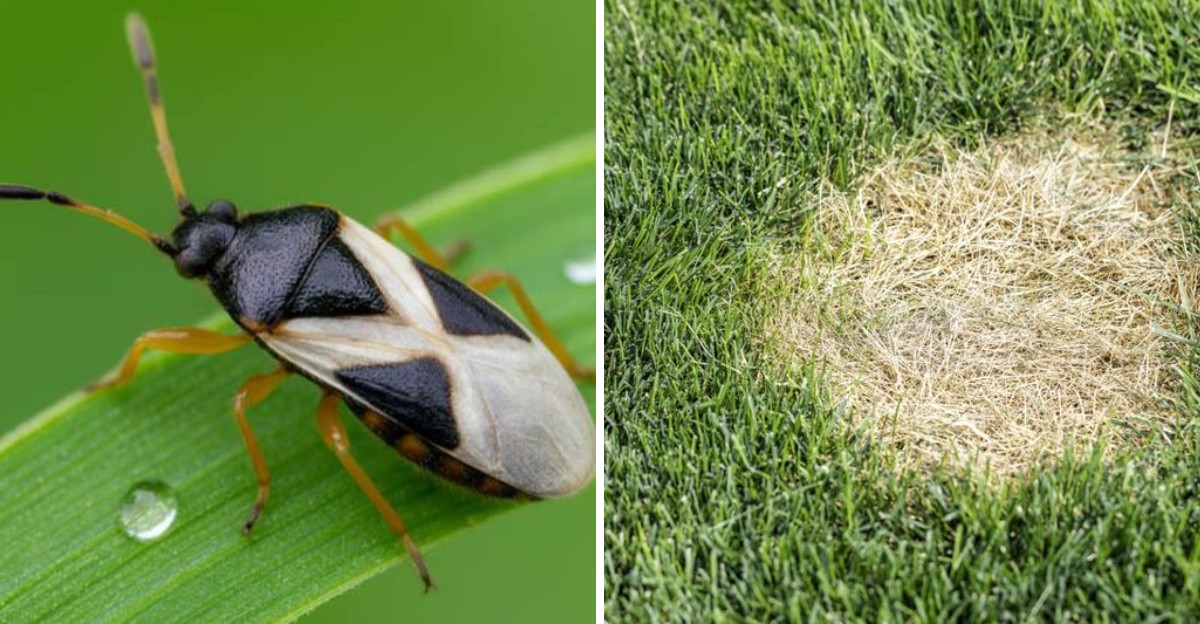
Nothing ruins a summer barbecue like crunchy grass that snaps underfoot like stale cereal. If your New York lawn looked lush in June but scorched by August, chinch bugs may be to blame.
These tiny pests suck the juices from grass, leaving brown patches that spread like spilled coffee. Damage often starts in the sunniest, driest parts of the yard.
Fortunately, Kentucky bluegrass is stubborn and loves a comeback. Its underground runners can creep back into thin spots once the lawn gets the right care.
Some fixes happen with a rake, some with a sprinkler, and a few simply mean doing less. The trick is knowing which steps come first and which ones can wait.
1. A Quick Test To Confirm Chinch Bugs Caused The Damage
Before you spend a dime on seed, play detective for a few minutes. Brown grass can fool you, since chinch bug damage looks a lot like plain drought stress.
Here is the easy clue to start with. Thirsty grass usually greens up within several days of steady watering, but bug-damaged grass stays brown.
If watering did nothing, grab an old coffee can and cut out both ends. A large soup can or any metal cylinder works fine too.
Choose a spot right at the edge of a brown patch. Bugs gather where healthy grass meets damaged grass, because the fresh blades still have juice to steal.
Push the can a few inches into the soil with a twist. Then slowly fill it with water and keep the level topped up.
Wait about five to ten minutes and watch closely. A squirt of dish soap in the water can help coax the bugs up faster.
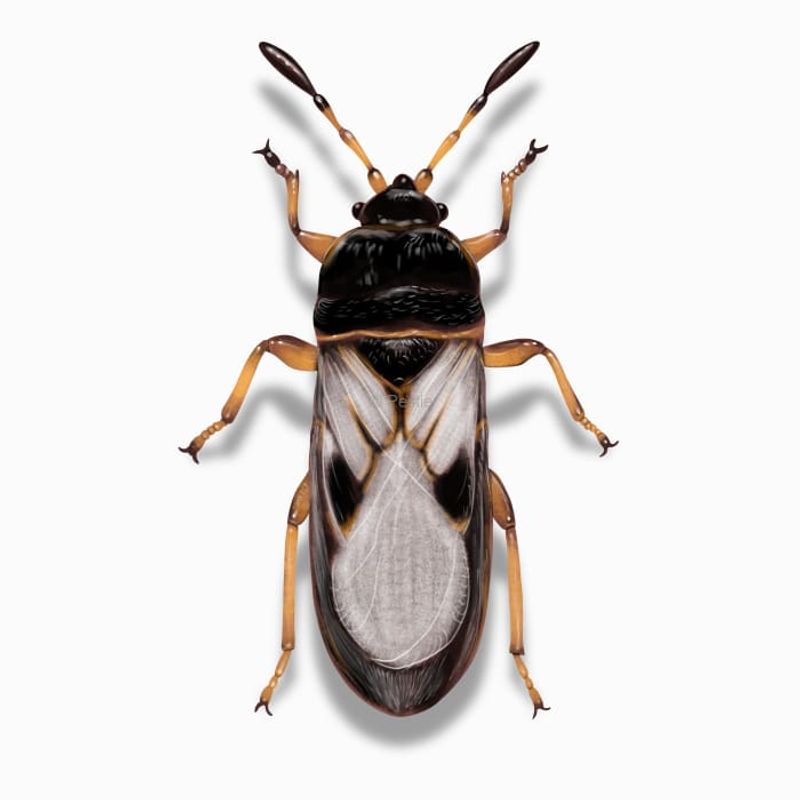
Chinch bugs are tiny, about the size of a grain of rice or smaller. Adults are black with white wings, while young ones look reddish or orange.
Count what floats to the top of the water. A dozen or more bugs means you have an established population that needs attention.
Try the test in two or three different spots for a clearer picture. One empty can does not mean your whole yard is safe.
Once you know the truth, you can plan smarter. Guessing wastes money, but a simple can test gives you real answers in minutes.
2. A Rake-Out Of Brown, Matted Patches
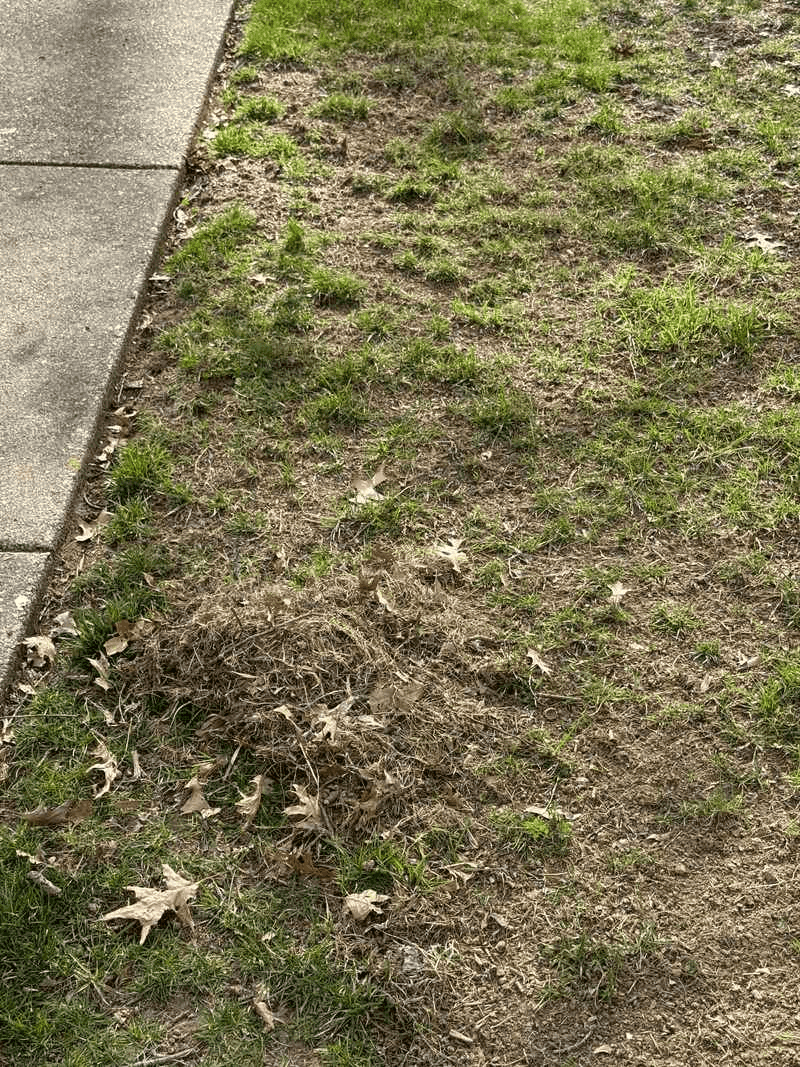
Think of a flattened brown patch like a messy bed that needs stripping. You cannot put fresh sheets on until the old tangled ones come off.
After the bug problem is under control, it is time to clear the mess. Grab a sturdy thatch rake or a stiff leaf rake with firm tines.
Pull hard across the brown areas in short strokes. You want to lift out the lifeless, matted grass and expose the soil below.
Why bother with all that elbow grease? Thick thatch over half an inch deep makes a cozy hideout where chinch bugs love to live.
Removing that layer takes away their shelter and makes your New York yard far less welcoming. Bugs prefer dry, cushy thatch over open ground.
Your New York Garden Changes Every Week. Your Plan Should Too.
Gardening in New York changes quickly throughout the season. Every Friday you’ll receive a simple weekly plan showing exactly what to plant, prune, fertilize, harvest, and protect so you never miss the right timing.
Raking also helps any treatments you apply reach the soil better. Products soak in more easily without a thick mat blocking the way.
Loosen the top quarter inch of soil as you go. Seed needs direct contact with dirt to sprout, not a perch on crispy straw.
Bag or compost the debris instead of leaving piles around. Old clippings left in heaps can shelter pests and smother nearby healthy grass.
Work in cooler parts of the day to save your energy. Early morning or late afternoon makes the job feel less like a workout.
Your back may grumble a little afterward. Still, the clean, bare soil you uncover is the perfect stage for your lawn’s big return.
3. Core Aeration To Break Up Thick Thatch
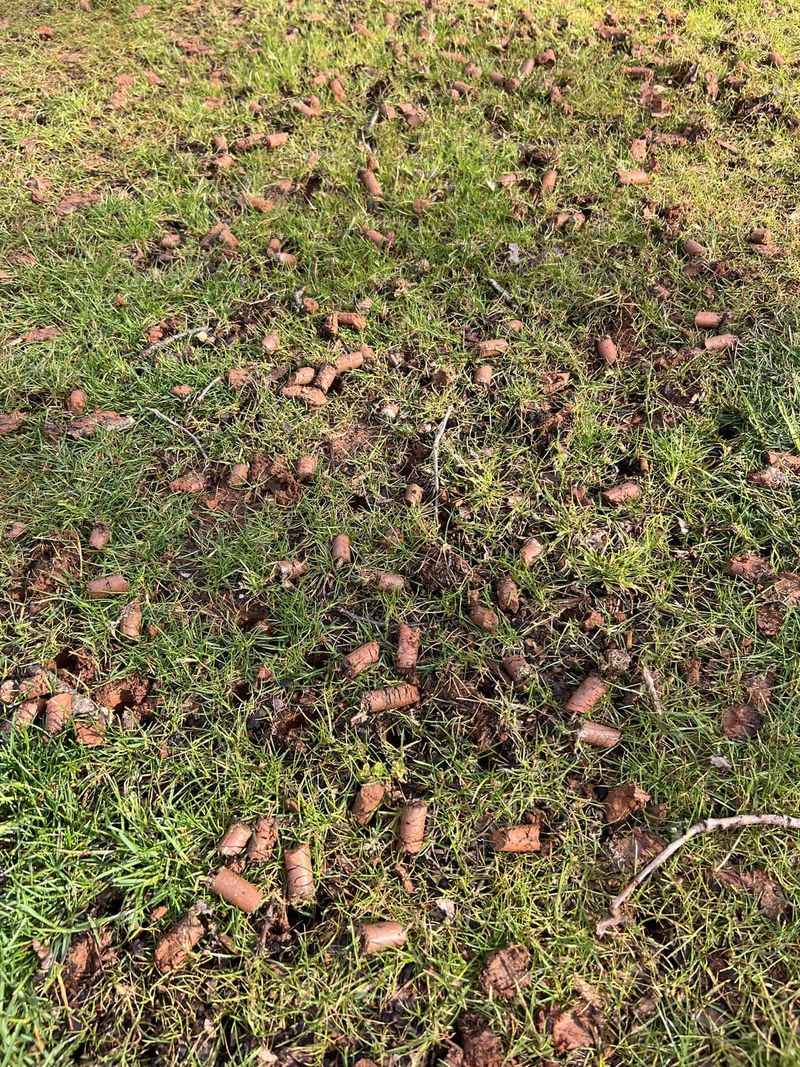
Picture your soil trying to breathe through a pillow. Packed dirt and heavy thatch do exactly that, smothering roots that crave air and water.
Core aeration fixes the problem by pulling small plugs of soil out of the ground. Each hole lets oxygen, water, and nutrients slide right down to the roots.
Compacted soil acts like a traffic jam for those important supplies. Roots stay shallow and weak when they cannot push deeper into the earth.
Fall is the sweet spot for cool-season grasses like Kentucky bluegrass. Many lawn pros make aeration part of a full autumn renovation plan.
You can rent a core aerator from most hardware stores for a few hours. Splitting the rental with a neighbor can cut the cost nicely.
Timing the job right makes a big difference. Aerate when soil is moist but not soggy, usually a day after a good rain.
Dry, rock-hard ground makes the machine bounce instead of digging in. Muddy ground, on the other hand, just smears and clogs the tines.
Leave the little soil plugs where they fall on the lawn. They break down within a couple of weeks and help chew through leftover thatch.
Here is a fun bonus for later steps. Those fresh holes make cozy pockets where new seed can settle and sprout.
Mark sprinkler heads with flags before you start. Hitting one with a heavy aerator turns a lawn project into a plumbing project fast.
4. Endophyte-Enhanced Seed For The Bare Spots
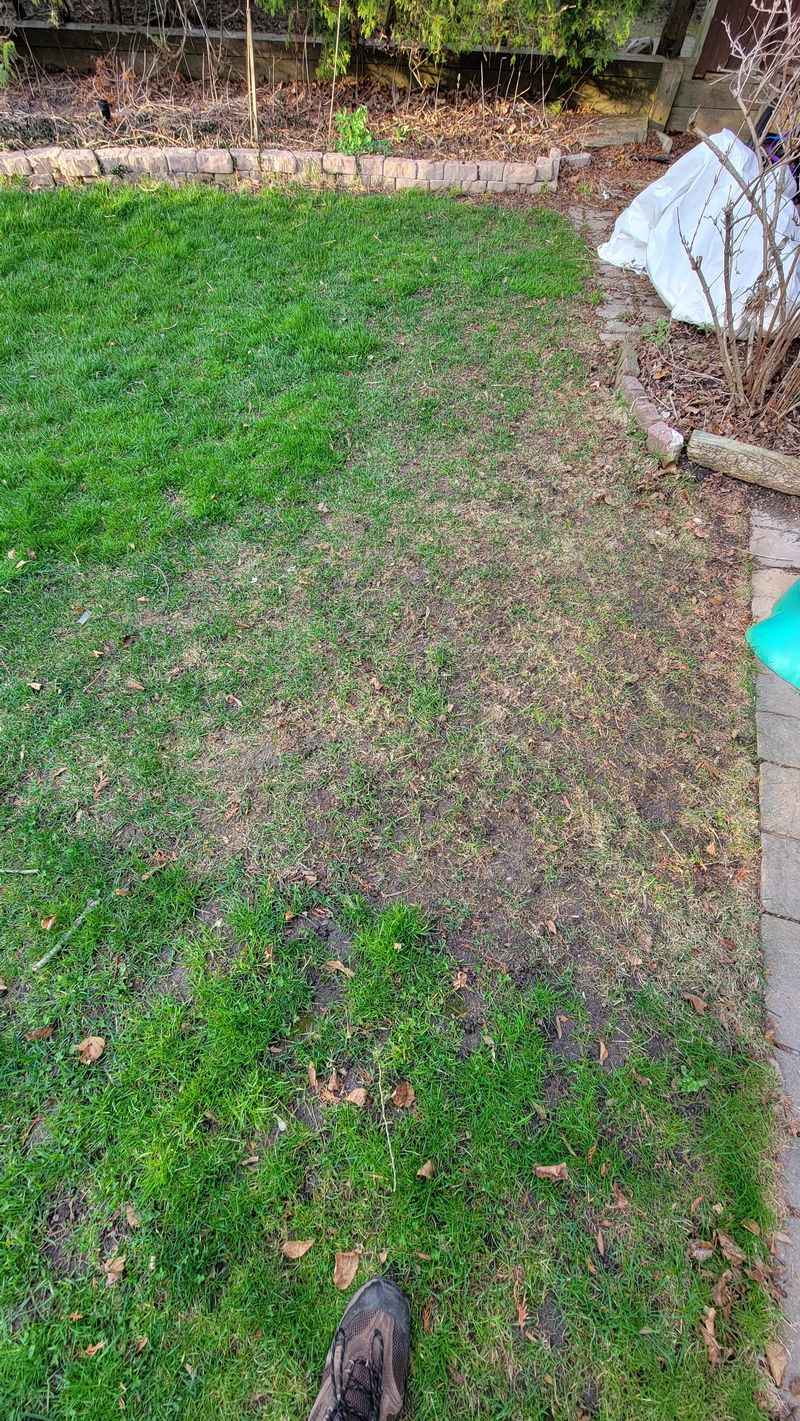
Did you know some grass seed comes with its own tiny bodyguards? Friendly fungi called endophytes live inside certain grass plants and help protect them.
These helpful fungi make natural compounds called alkaloids. Chinch bugs and other surface-feeding insects find them unpleasant and tend to move along.
You will spot endophytes in perennial ryegrass, tall fescue, and fine fescue. Kentucky bluegrass doesn’t carry them, which is why blends with these grasses help.
When shopping, flip the seed bag over and read the label closely. Look for words like endophyte-enhanced or insect resistant.
Many New York homeowners choose a blend of bluegrass with some ryegrass or fescue mixed in. The mix fills gaps fast and adds built-in pest defense.
Freshness matters with these seeds, so check the packing date. Endophytes can fade if seed sits too long in a hot garage or warehouse.
Spread seed evenly over your raked and aerated spots. Aim for good contact by lightly raking it in or pressing it down with your feet.
A thin layer of compost or peat moss on top helps hold moisture. It also hides seed from hungry birds looking for an easy snack.
Beyond bug protection, endophyte grasses often show extra vigor. They handle heat, drought, and other stress a bit better than plain types.
Spending a little more on smart seed now can save you headaches later. Bare spots become the strongest parts of your lawn instead of weak links.
5. Steady Moisture While New Seed Sprouts
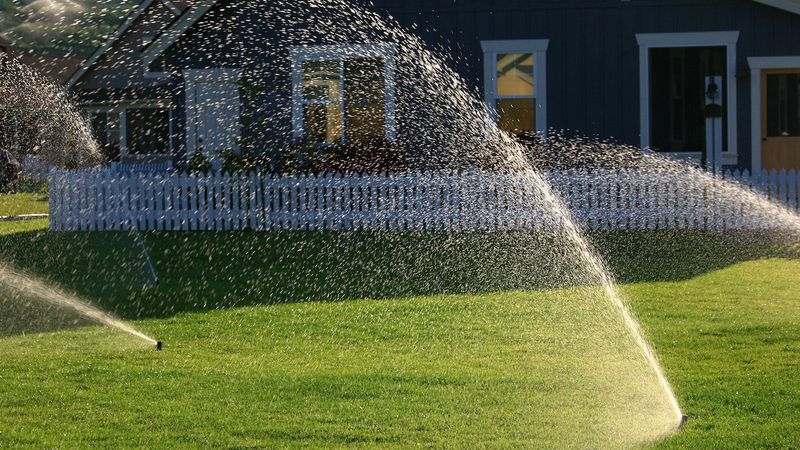
Baby grass is a bit like a newborn. It needs frequent, gentle care, and forgetting it for one hot afternoon can undo weeks of work.
Your main goal is keeping the top one to one and a half inches of soil moist. Aim for damp like a wrung-out sponge, not a swamp.
Plan on light watering two to four times a day. Each session usually runs about five to fifteen minutes until sprouts appear.
Kentucky bluegrass tests your patience more than most grasses. It can take up to 30 days to germinate, so daily watering may stretch for weeks.
Use a mist setting on your hose or a gentle oscillating sprinkler. Strong water pressure can wash tiny seeds into puddles or off the patch.
An inexpensive hose timer makes life much easier. You can set it and stop worrying when work or school keeps you away.
Once seedlings poke up, start shifting your routine. Water less often, but let each session run longer than before.
Longer, less frequent soaks push new roots deeper into the ground. Deeper roots mean tougher grass that can handle next summer’s heat.
Keep foot traffic, pets, and kids off the new area for now. Tender sprouts bruise easily, and footprints can crush them flat.
A few stakes and some string make a simple reminder fence. Your seedlings will thank you with a soft, green carpet in a few weeks.
6. A Light Fall Feeding Before The December 1 Cutoff
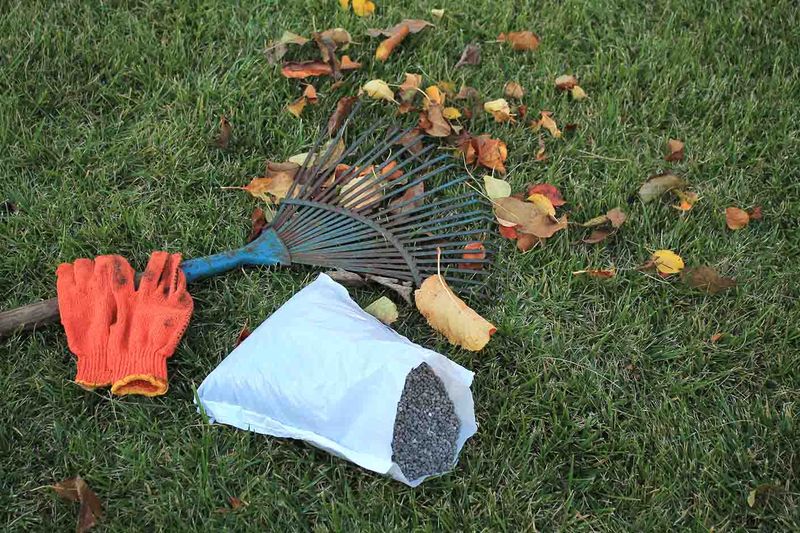
Autumn is dinner time for Kentucky bluegrass, and it happens to be the most important meal of its year. Fall feeding helps grass bounce back from summer stress.
A good autumn meal builds strong root reserves for winter. It also sets up an earlier, greener lawn when spring rolls around.
Here is where New York rules come into play. The state’s Nutrient Runoff Law bans lawn fertilizer from December 1 through April 1.
The law protects lakes, rivers, and drinking water from runoff. Fertilizer on frozen ground tends to wash away instead of feeding grass.
Phosphorus has its own limits, too. You can only use it if a soil test shows a shortage or you are starting a new lawn.
For your last feeding before the cutoff, a quick-release nitrogen like urea often works well. Cool grass can still grab it before winter sets in.
Keep it light and measured. Aim for about half to three-quarters of a pound of actual nitrogen per 1,000 square feet.
Not sure how to figure that out? Check the bag’s first number, which shows the nitrogen percentage, and follow the spreader chart printed on it.
Sweep any granules off sidewalks and driveways back onto the grass. Pellets on pavement wash straight into storm drains with the next rain.
Mark the date on your calendar in early November. Beating the deadline gives you peace of mind and a happy lawn next spring.
7. A Taller Mowing Height
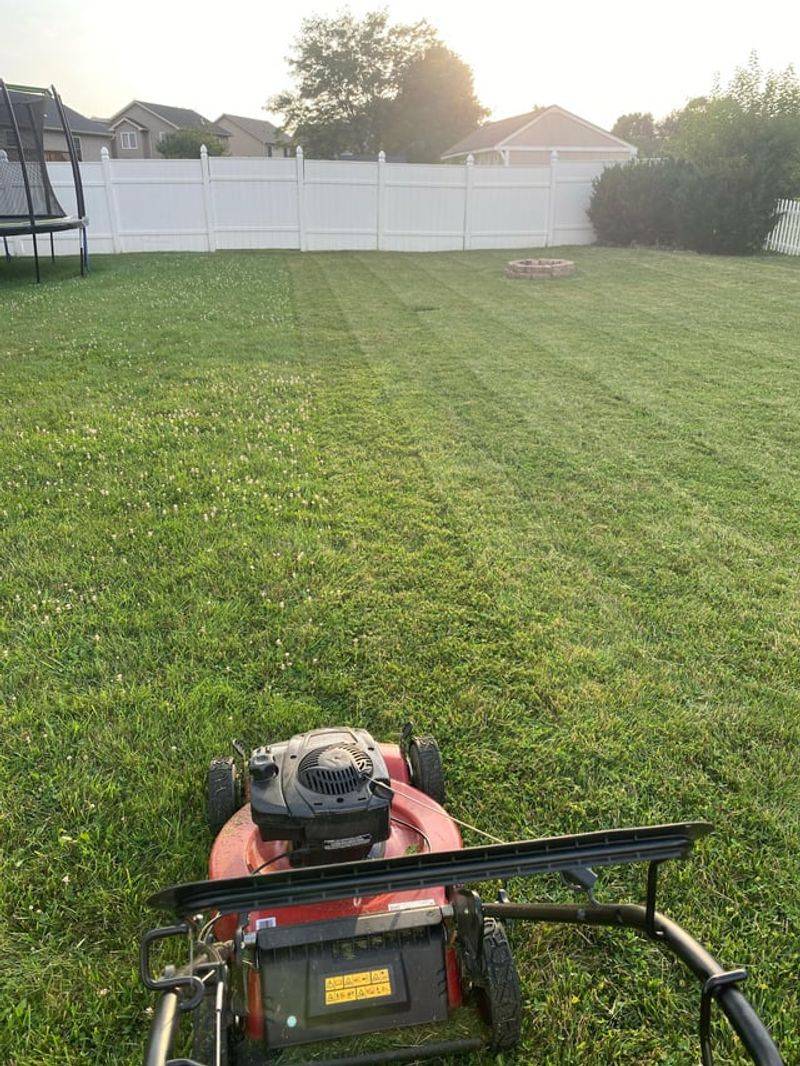
Sometimes the easiest lawn upgrade is just clicking a lever. Raising your mower deck costs nothing, yet it pays off all season long.
For Kentucky bluegrass, aim for a height between 2.5 and 3.5 inches. Many homeowners find the top of that range works best in summer.
Taller blades act like tiny umbrellas over the soil. They shade the ground, keep it cooler, and slow down moisture loss.
Cooler, damp soil helps your lawn handle dry spells much better. It also happens to be less inviting for chinch bugs, which love hot, dry turf.
Longer leaves also mean more surface for soaking up sunlight. More sunlight power fuels deeper roots and stronger overall growth.
Weeds get a tough break, too. A thick, tall lawn blocks the light many weed seeds need to sprout.
Follow the one-third rule every time you mow. Cut no more than a third of the blade at once to avoid shocking the grass.
Keep your mower blade sharp as well. Dull blades tear grass, leaving ragged tips that turn brown and invite stress.
Leave the clippings on the lawn if they are short. They break down quickly and return free nutrients to the soil.
Grab a ruler and measure after your next mow. Many people are surprised to find they have been scalping their grass for years.
8. Fewer Fungicides So Natural Predators Can Work
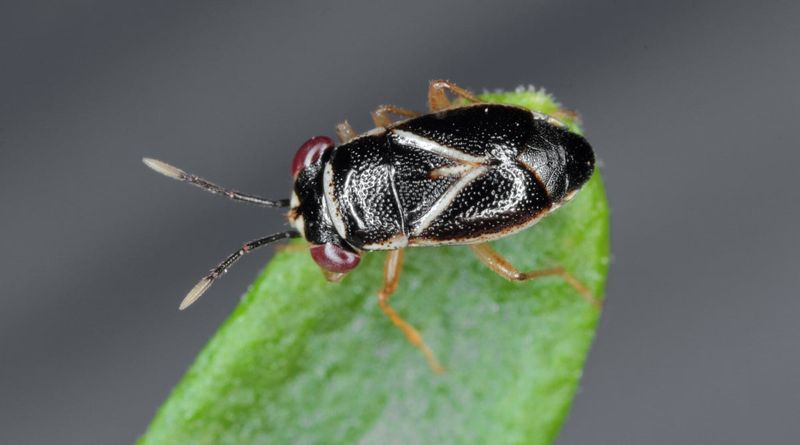
Your lawn has its own tiny security team working for free. Big-eyed bugs, spiders, and ground beetles snack on chinch bugs every day.
Other helpful hunters include ants, earwigs, and parasitic wasps. Together, they keep pest numbers in check without any help from you.
Big-eyed bugs are especially fun to spot. They look a bit like chinch bugs but have bulging eyes and a big appetite for them.
Beneficial nematodes also join the fight. These microscopic worms live in soil and attack chinch bugs where they hide.
A natural fungus called Beauveria bassiana helps too. It infects chinch bugs and lowers their numbers in a gentle, natural way.
Here is the catch that many people miss. Heavy use of insecticides, and fungicides that harm helpful fungi, can wipe out these helpers along with the pests.
With predators gone, chinch bugs sometimes bounce back even stronger. Pests often recover faster than the creatures that eat them.
Use treatments only when a real problem shows up. Spot-treat small areas instead of spraying the entire yard just in case.
Healthy habits like good mowing and watering prevent many diseases anyway. Less disease means less need for fungicides in the first place.
Giving nature a chance builds a balanced, healthier lawn. Your backyard becomes a tiny ecosystem that helps protect itself.
9. A Summer Scouting Plan Before Bugs Return
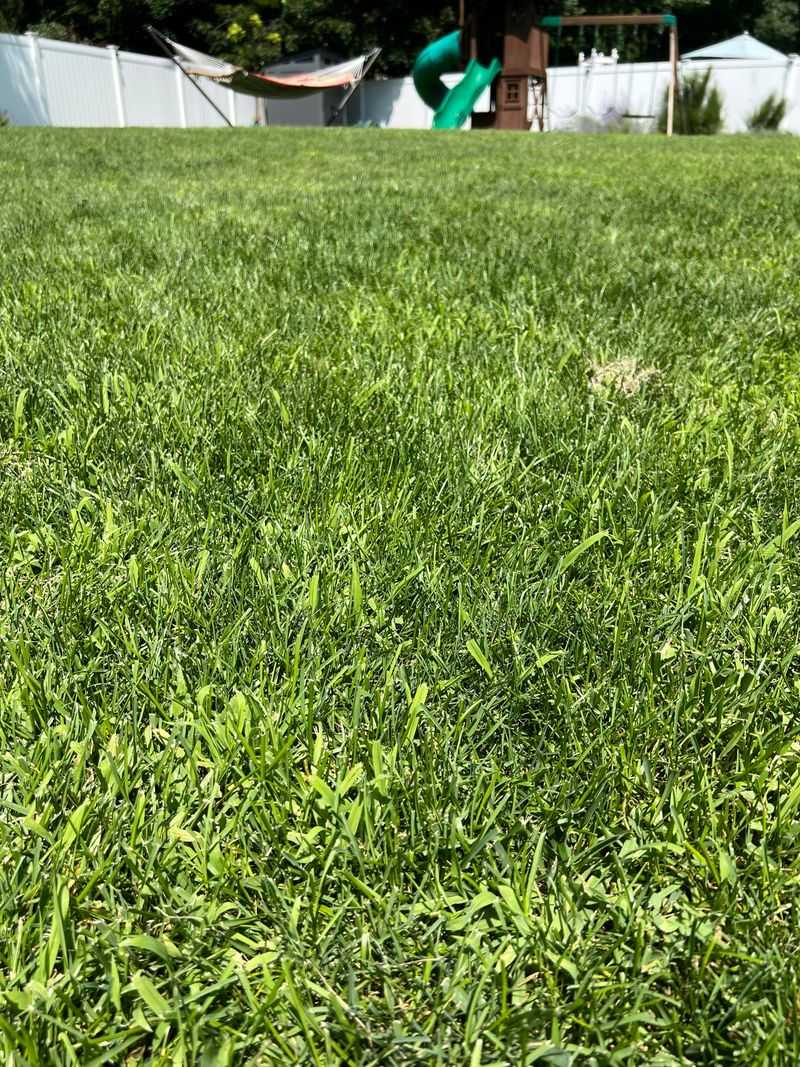
Catching trouble early beats fixing a disaster later. A simple scouting routine can stop chinch bugs before they chew through your hard work.
These pests love hot, dry weather. In New York, damage usually shows up from early July through late August.
Walk your lawn once a week during those months. Morning coffee strolls make the habit easy and even a little relaxing.
Look for irregular yellow or brown patches that keep spreading. The biggest clue is grass that stays brown even after steady watering.
Pay extra attention to sunny, dry spots. Areas along sidewalks and driveways heat up fast and often get hit first.
Spot something suspicious? Grab your coffee can right away and run a quick float test at the patch’s edge.
Early detection makes treatment smaller, cheaper, and more effective. A few bugs are easy to handle, while thousands are a real headache.
Jot down what you find in a notebook or phone app. Tracking problem areas year to year shows where bugs like to return.
Keep up the good habits from earlier steps as well. Proper watering, tall mowing, and fall aeration help the lawn defend itself.
Watch your thatch layer, since chinch bugs thrive in thick mats. With a smart plan, your bluegrass can stay green and springy all summer.