The Red Dirt Soil Tricks Every New Oklahoma Homeowner Should Know
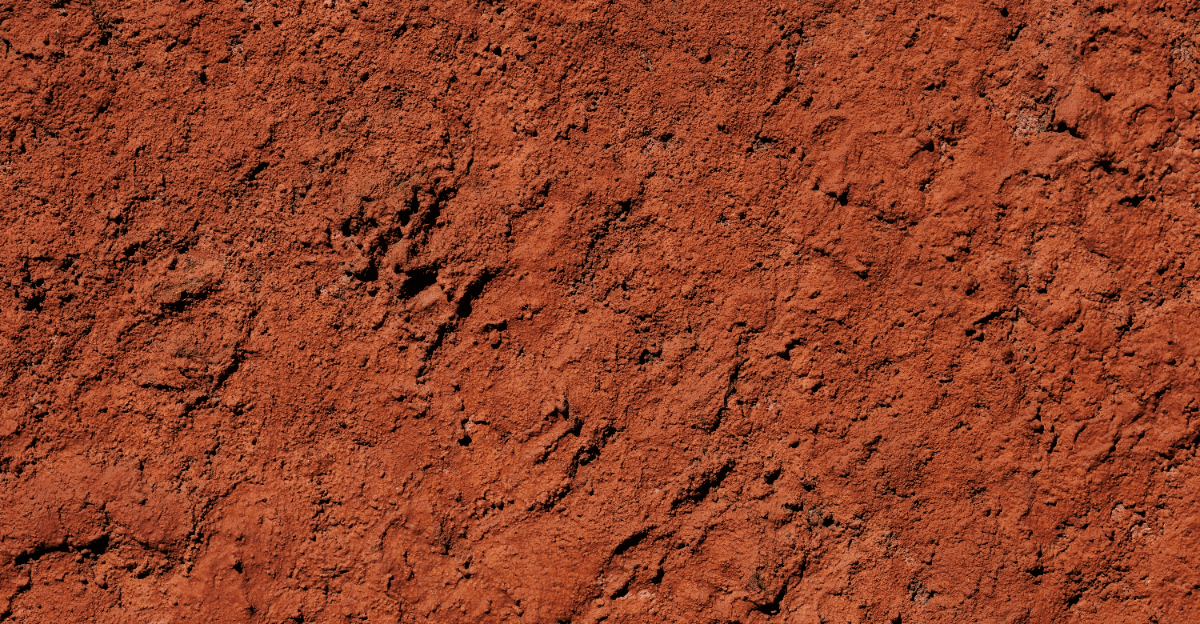
Oklahoma pulls you in with wide horizons and that unmistakable rust-colored ground beneath your boots. Then you grab a shovel for the first time, and the red clay pushes back like it has something to prove.
Bone-dry stretches turn the soil into something close to concrete. A single rainstorm then flips the script into a sticky, boot-swallowing mess.
Roots struggle to break through, and water pools instead of soaking in. New gardeners often walk away convinced nothing will ever grow here.
Red clay carries a stubborn reputation, but it also holds onto nutrients better than sandy soil ever could. Learn its rhythm, feed it right, and that cracked patch of yard turns into the best-kept secret in your neighborhood.
Testing Your Soil Comes Before Any Amendment
Skipping a soil test is like driving blindfolded on a new road. You might get somewhere, but you will probably hit something hard along the way.
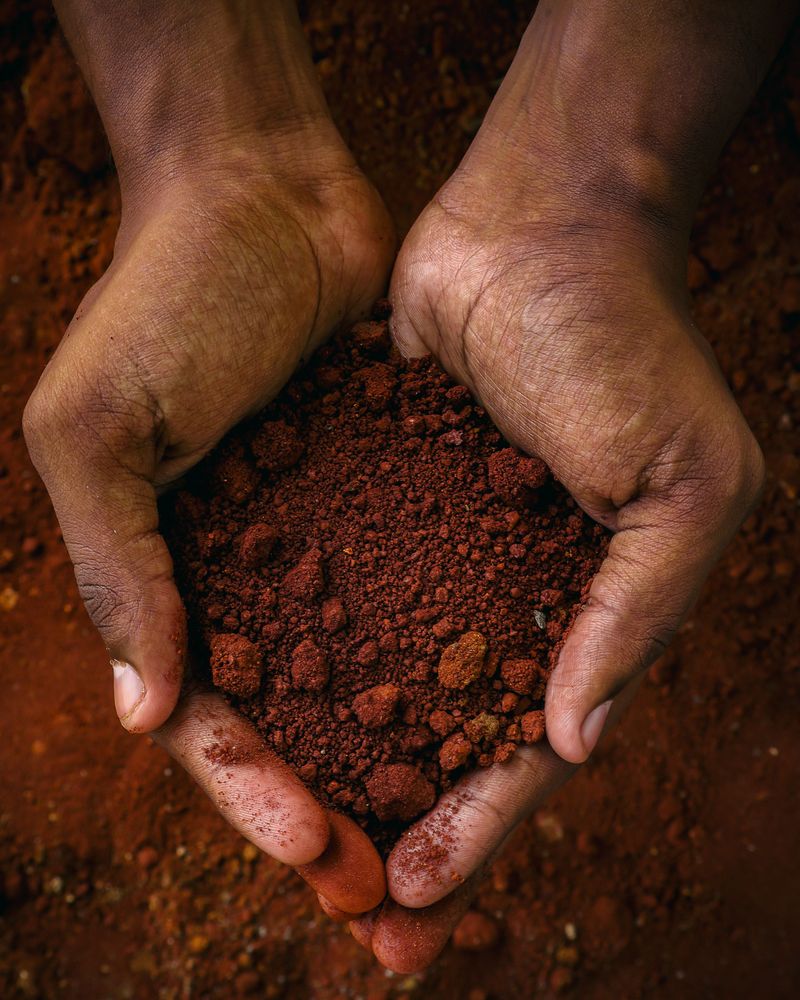
Red dirt soil in Oklahoma is notoriously high in clay and often lacks balanced nutrients. A simple test tells you exactly what your ground is missing before you spend money on the wrong fixes.
Soil test kits are available at most garden centers for under twenty dollars. Your local county extension office can also run a detailed lab test for a small fee, giving you a full breakdown of pH, nitrogen, phosphorus, and potassium levels.
Oklahoma red clay tends to run neutral to slightly alkaline in many parts of the state, though levels can shift toward acidic depending on your region. Knowing your number helps you pick the right amendments instead of guessing and wasting cash.
Once you have your results, you can target specific problems with specific solutions. High pH soil might need sulfur, while low phosphorus calls for bone meal or a balanced fertilizer blend.
Testing every two to three years keeps you ahead of changes in your soil. Seasons, rainfall, and added amendments all shift the chemistry over time.
Think of your soil test as the foundation of every gardening decision you make. Without that baseline, even the best products and plants will struggle to perform well in Oklahoma red dirt soil.
Compost And Organic Matter Loosen Compacted Clay
Red clay packs together like concrete when it dries out in the summer heat. Adding organic matter is the single best way to break that cycle and give your soil some breathing room.
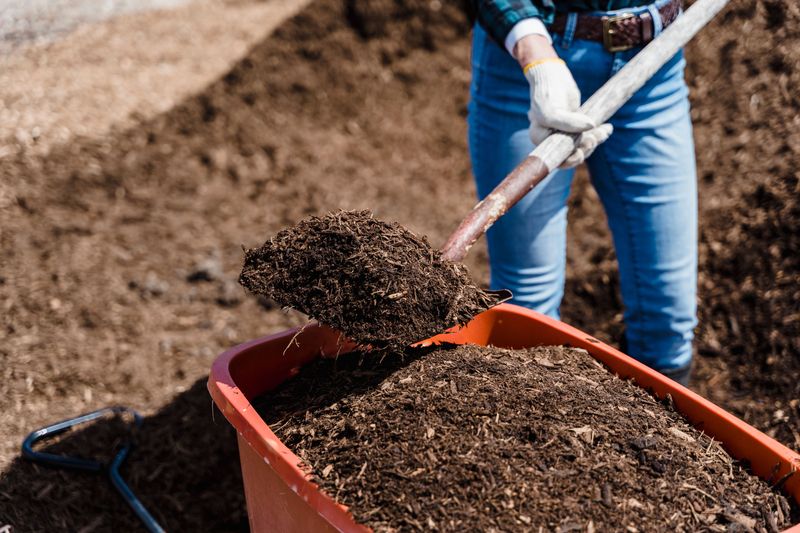
Compost introduces billions of tiny microbes that physically separate clay particles over time. Those microbes create air pockets and pathways that roots desperately need to spread and absorb water.
You do not need a fancy setup to start composting at home. A simple pile of kitchen scraps, dry leaves, and grass clippings will break down into rich, dark material within a few months.
Aim to work two to four inches of compost into your top six inches of soil each season. Consistent yearly additions make a noticeable difference in texture and water retention within just one growing cycle.
Your Oklahoma Garden Changes Every Week. Your Plan Should Too.
Gardening in Oklahoma changes quickly throughout the season. Every Friday you’ll receive a simple weekly plan showing exactly what to plant, prune, fertilize, harvest, and protect so you never miss the right timing.
Aged wood chips, shredded leaves, and well-rotted manure all serve as excellent organic boosters alongside compost. Mixing different sources gives your soil a wider range of nutrients and microbial diversity.
One common mistake new homeowners make is adding sand to clay, hoping it will loosen up the ground. Without enough organic matter, sand and clay actually bond together and create something closer to cement.
Stick with compost and you will watch your red dirt transform season by season. Healthy, crumbly soil is absolutely achievable in Oklahoma, and organic matter is the magic ingredient that makes it happen.
Raised Beds Solve Drainage Problems From The Start
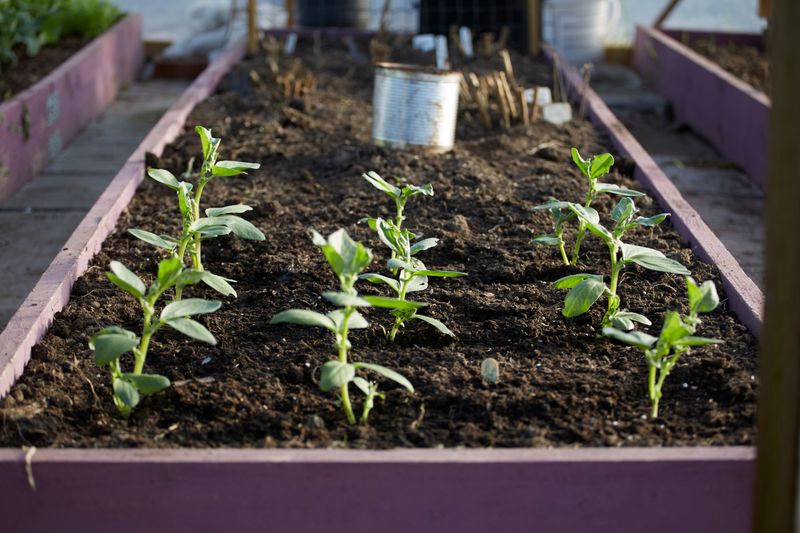
Oklahoma red clay does not drain well, and standing water after a rainstorm is a common headache for new homeowners. Raised beds are one of the fastest ways to sidestep that problem entirely.
When you build up instead of digging down, you control the entire soil environment from the beginning. You fill the bed with a custom mix that drains freely and holds just enough moisture for healthy roots.
A basic raised bed mix includes one part compost, one part topsoil, and one part coarse perlite or aged wood chips. That combination stays loose and airy even after heavy Oklahoma spring rains.
Beds that are at least ten to twelve inches deep give most vegetables and flowers enough room to thrive. Deeper beds also warm up faster in spring, which extends your growing season on both ends.
Cedar is a popular lumber choice because its natural oils resist moisture and rot for many seasons, while pine offers a cheaper option but breaks down faster unless sealed.
Place your raised beds where they get at least six hours of direct sun each day. Oklahoma summers are intense, so a spot with afternoon shade can also help cool-season crops survive a bit longer.
Starting with raised beds means you spend less time fighting your native red dirt and more time actually growing things. That early investment in structure pays off every single planting season.
Gypsum Improves Structure Without Changing pH
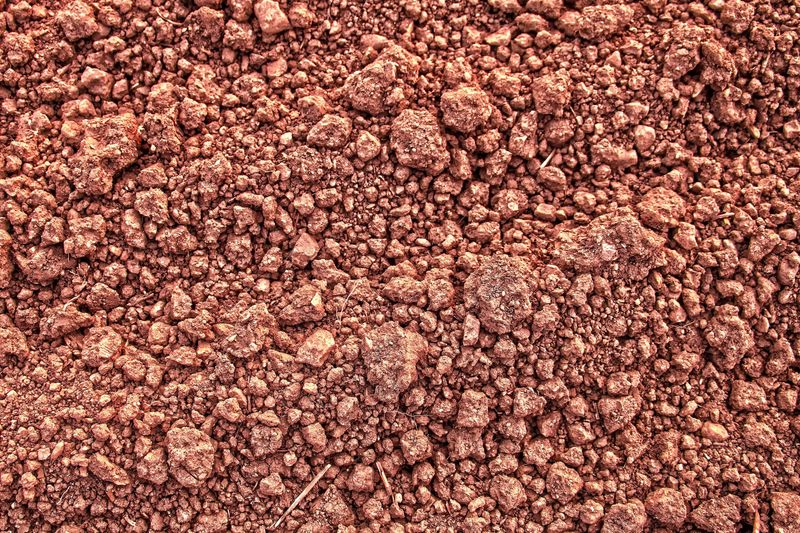
Here is a trick most new Oklahoma homeowners rarely hear about at the garden center. Agricultural gypsum can dramatically improve clay soil structure without touching your pH levels at all.
Gypsum works by introducing calcium and sulfur ions that cause clay particles to clump into larger aggregates. Those clumps create space between them, which improves both drainage and root penetration without any dramatic chemical shift.
This makes gypsum especially useful when your soil pH is already where you want it. Other amendments like lime also add calcium but push pH upward, which can throw off your nutrient balance.
Apply gypsum at a rate of about forty pounds per one thousand square feet of garden area. Water it in well after spreading so it can start working its way down through the clay layers.
Results from gypsum are not instant, so patience is part of the process. Most gardeners notice improved soil texture within one full growing season after a single heavy application.
Combining gypsum with compost gives you a powerful one-two punch against compacted red dirt. The gypsum opens up the clay structure while the compost fills those new spaces with organic nutrients and biology.
You can find agricultural gypsum at farm supply stores across the state for a very reasonable price per bag. Using it consistently each year keeps your red dirt soil in Oklahoma loose, workable, and ready for whatever you want to plant next.
Mulch Protects Soil From Compaction And Moisture Loss
Bare soil in an Oklahoma summer is basically an open invitation for trouble. The sun bakes the clay surface into a hard crust that sheds water instead of absorbing it.
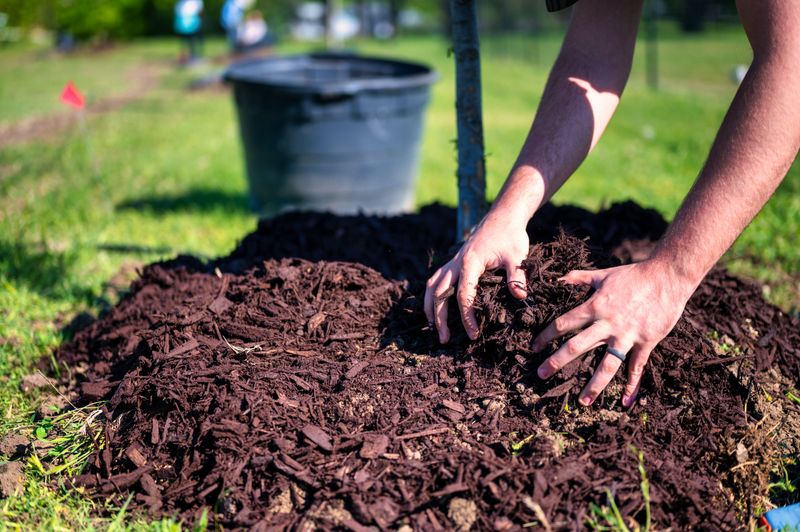
A thick layer of mulch acts like a protective blanket over your garden beds. It keeps the soil cooler, holds moisture in, and prevents rainfall from hammering the surface into a compacted mess.
Aim for a mulch layer that is three to four inches deep around your plants. Too thin and it dries out quickly; too thick and it can block air circulation near plant stems.
Wood chips, shredded bark, and straw are all excellent choices for Oklahoma gardens. Each breaks down slowly over time, adding organic matter back into your red clay as it decomposes beneath your feet.
Mulch also suppresses weeds, which means less time pulling and more time enjoying your yard. Fewer weeds also means less competition for water and nutrients in your already-challenging clay soil.
Pull mulch back a few inches from plant stems to prevent rot and fungal problems. That small gap gives stems room to breathe while still protecting the surrounding soil from the blazing Oklahoma sun.
Reapplying mulch once or twice a year keeps your protection layer fresh and effective. Consistent mulching is one of the simplest habits that separates struggling Oklahoma gardens from ones that genuinely flourish through hot summers.
Choosing Plants Suited To Clay Cuts Down On Maintenance
Fighting your soil is exhausting, but working with it is surprisingly rewarding. Choosing plants that actually thrive in clay-heavy ground changes everything about how much effort your garden demands.
Native Oklahoma plants evolved alongside red dirt soil for thousands of years. They developed deep root systems and drought tolerance that make them far more forgiving than finicky imported varieties.
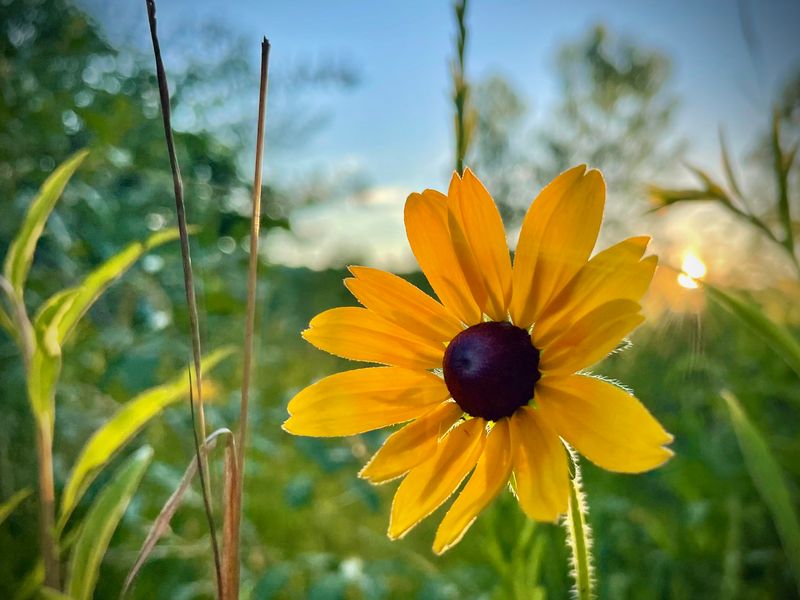
Black-eyed Susans, purple coneflowers, and switchgrass are all excellent native choices for clay-heavy yards. They handle compaction, summer heat, and unpredictable rainfall with a toughness that most ornamental plants simply cannot match.
Fruit trees like persimmons and native plums also perform well in Oklahoma clay with minimal amendment. Their deep roots break up the soil over time, actually improving conditions for everything planted nearby.
When shopping at a nursery, look for plants labeled as clay-tolerant or native to the southern plains region. Staff at locally owned garden centers often know which varieties hold up best through a full Oklahoma growing season.
Grouping plants with similar water needs reduces both overwatering and underwatering problems in your clay soil. Clay holds moisture longer than sandy soil, so many clay-adapted plants need far less irrigation than you might expect.
Matching the right plant to red dirt soil in Oklahoma is not a compromise at all. It is actually the smartest strategy for a yard that looks great, stays healthy, and asks very little from you in return.