Things To Do With Lantana So It Stays Full And Doesn’t Get Leggy By August In Georgia
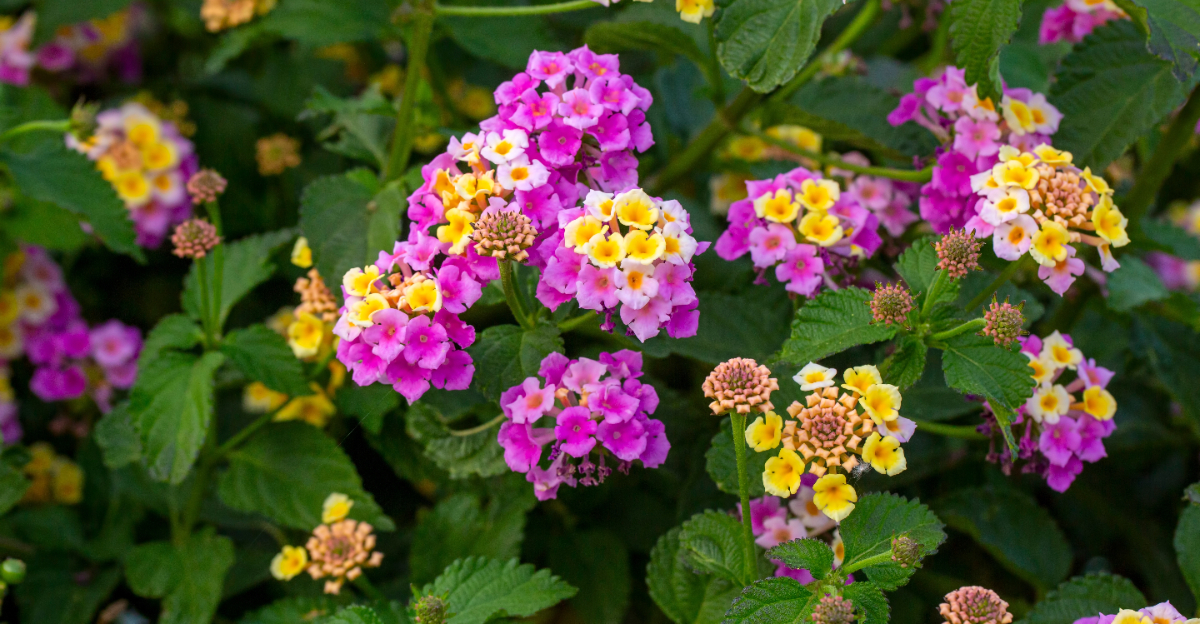
Summer can change the look of a flower bed faster than you expect. One week everything looks full of color, and the next something feels different even though the blooms are still there.
A plant does not have to stop flowering before it starts looking tired. Extra space between the stems is often enough to make the whole area seem less lively.
Once you notice the change, it becomes difficult to ignore because your eye goes straight to it every time you step outside.
Lantana often reaches that point by August in Georgia unless it receives the right care through the season. A few simple adjustments can help the plant stay compact and full instead of becoming thin and leggy.
The result is a brighter display that keeps its shape much longer and gives the entire landscape a fresher appearance
1. Give Plants Full Sun Every Day
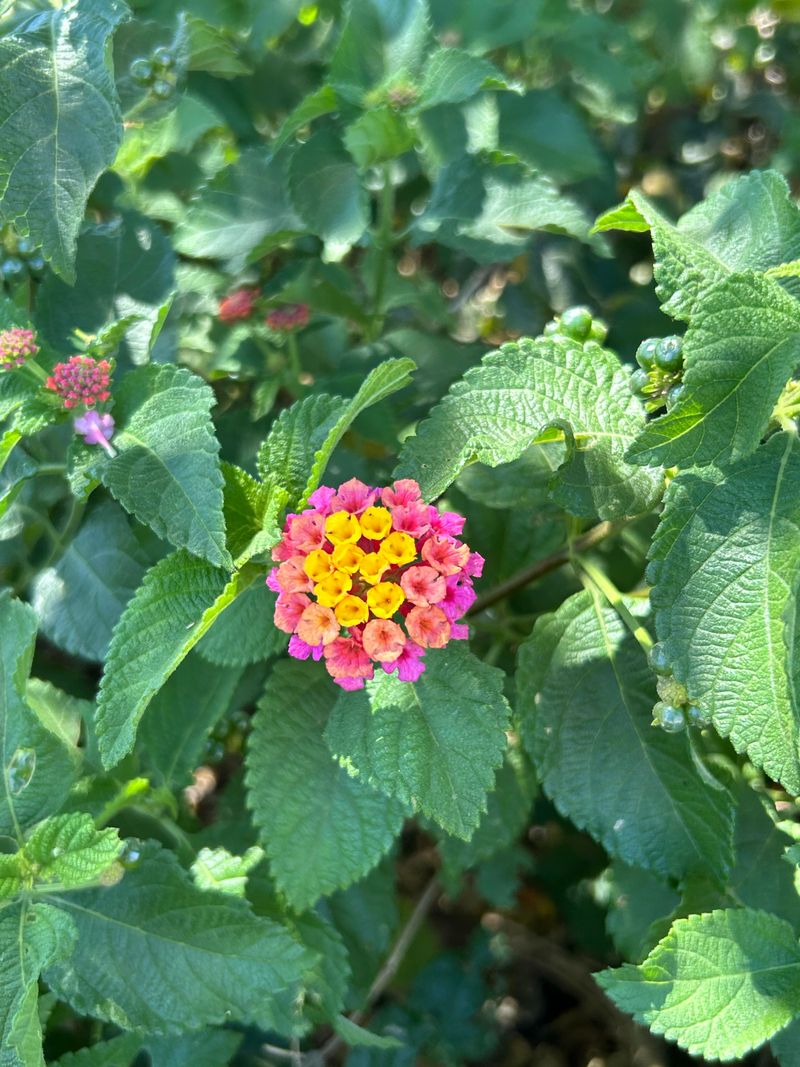
Lantana doesn’t negotiate with shade. Even a few hours of filtered light each day can cause stems to stretch outward as the plant reaches for brighter spots.
That stretching is exactly what leads to leggy, open growth by late summer.
In the Southeast, summer sun is intense and long. Lantana thrives in those conditions when planted where it receives at least six to eight hours of direct sun.
A south-facing bed or an open yard spot without tree cover is usually the right choice.
Plants grown in partial shade tend to produce fewer blooms and weaker stems. Full sun encourages compact branching and stronger flower clusters.
You’ll notice the difference in plant density within just a few weeks of the growing season.
If your lantana is in a container, you have flexibility. Move the pot to the sunniest location you have.
Patios, driveways, and open deck areas often offer better sun exposure than garden beds near fences or structures.
One thing worth knowing: even sun-loving plants can struggle during extreme heat waves if they’re also drought-stressed. Full sun works best when paired with consistent watering.
2. Water Deeply When The Soil Dries Out
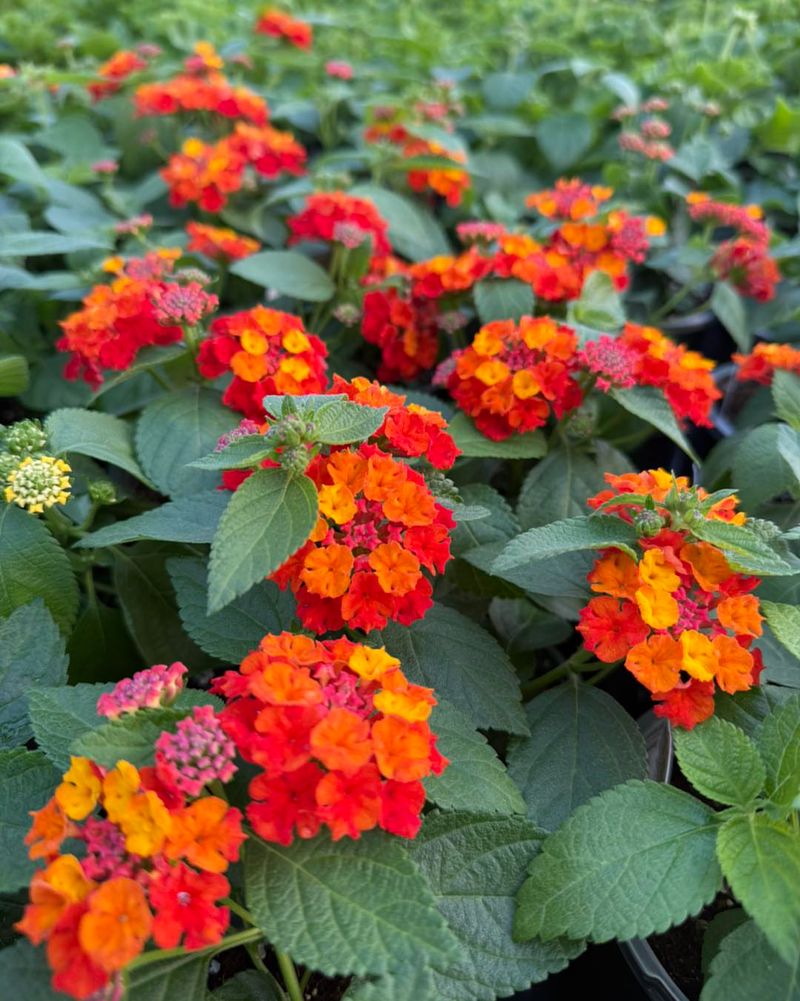
Shallow watering is one of the sneakiest reasons lantana gets weak and leggy over time. When roots only get moisture near the surface, they stay shallow.
Shallow roots mean the plant struggles to support strong, upright growth during hot weather.
Deep watering encourages roots to grow downward. That deeper root system gives the plant more stability and access to soil moisture even when the top few inches dry out fast in summer heat.
Check the soil before watering. Stick your finger about two inches into the ground near the base of the plant.
If it feels dry at that depth, it’s time to water. If it still feels slightly cool and damp, hold off for another day or two.
When you do water, go slow and soak the area thoroughly. A slow trickle for several minutes is more effective than a quick splash.
Let the water absorb rather than run off the surface.
Lantana is reasonably drought-tolerant once established, but during its first season or during extended dry stretches, consistent deep watering matters.
Your Georgia Garden Changes Every Week. Your Plan Should Too.
Gardening in Georgia changes quickly throughout the season. Every Friday you’ll receive a simple weekly plan showing exactly what to plant, prune, fertilize, harvest, and protect so you never miss the right timing.
Container plants dry out faster than in-ground ones and may need attention every couple of days depending on pot size and temperatures.
Avoid wetting the foliage when possible.
3. Avoid Too Much Nitrogen Fertilizer
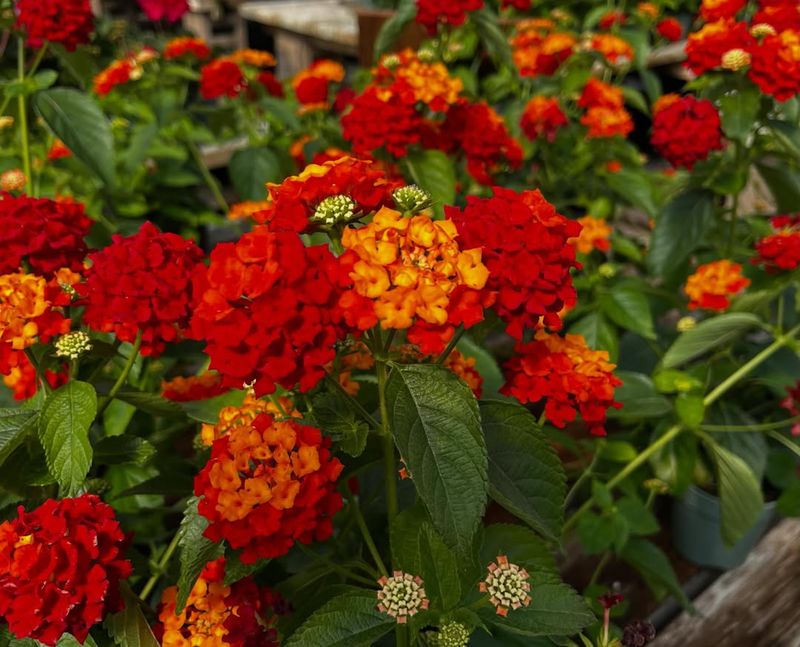
Fertilizer seems like an obvious way to help plants grow stronger, but with lantana, too much of the wrong kind can backfire quickly. Nitrogen pushes leafy, green growth, and that sounds good until your plant is all stems and leaves with very few blooms.
Heavy nitrogen feeding encourages long, soft stems that flop over or grow outward instead of staying compact.
By August, a nitrogen-heavy lantana can look like a tangled mess with almost no flower clusters at the tips.
Balanced fertilizers work better for lantana. Look for options with roughly equal parts nitrogen, phosphorus, and potassium, or choose a blend slightly higher in phosphorus, which supports root development and flowering.
Slow-release granular fertilizers applied once in spring are often enough for in-ground lantana growing in decent soil.
Avoid feeding every few weeks with high-nitrogen liquid fertilizers unless your soil is genuinely poor and a soil test confirms a deficiency.
Container-grown lantana may need more regular feeding since nutrients wash out with frequent watering. A diluted balanced liquid fertilizer every two to three weeks during the growing season is usually sufficient without overdoing it.
Compost worked into the soil before planting is a gentler way to improve soil fertility.
4. Trim Back Long Stems Before They Stretch
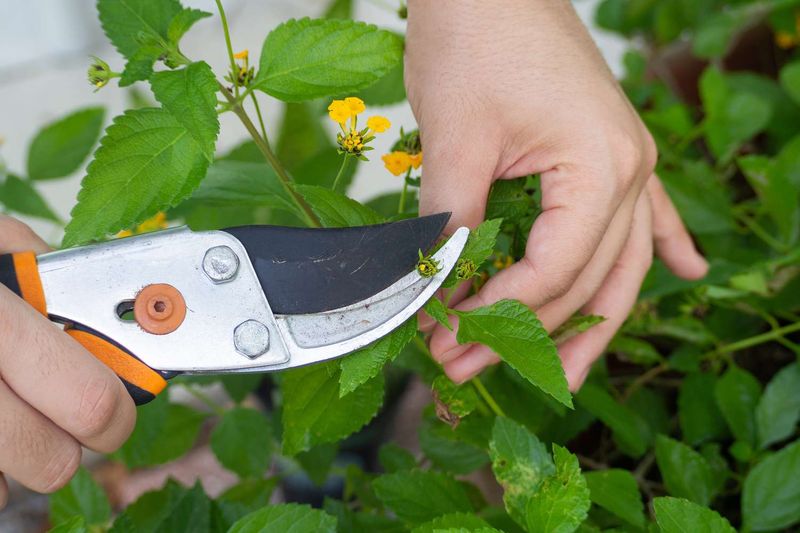
Pruning lantana feels counterintuitive when the plant looks healthy and is starting to bloom, but trimming early is one of the most effective ways to prevent the leggy look that shows up by late summer.
When stems get long without being cut back, the plant puts energy into extending those existing branches.
New growth sprouts from the tips rather than from lower nodes, and the base of the plant gradually becomes bare and woody-looking.
Cutting stems back by about one-third in late spring or early summer encourages the plant to branch out from lower points. More branching points mean more stems, and more stems mean a fuller, denser plant overall.
You don’t need special tools. Clean, sharp pruning shears work well for most lantana varieties.
Make cuts just above a leaf node or side branch junction. Avoid cutting into thick, woody stems too aggressively unless you’re doing a hard rejuvenation cut.
After trimming, the plant may look sparse for a week or two. Don’t worry about that.
New growth typically appears quickly, especially in warm weather. Within a few weeks, you’ll notice thicker, bushier regrowth filling in the shape.
Regular light trims every few weeks through June and July are more effective than one major cutback in August.
5. Leave Enough Space For Good Airflow
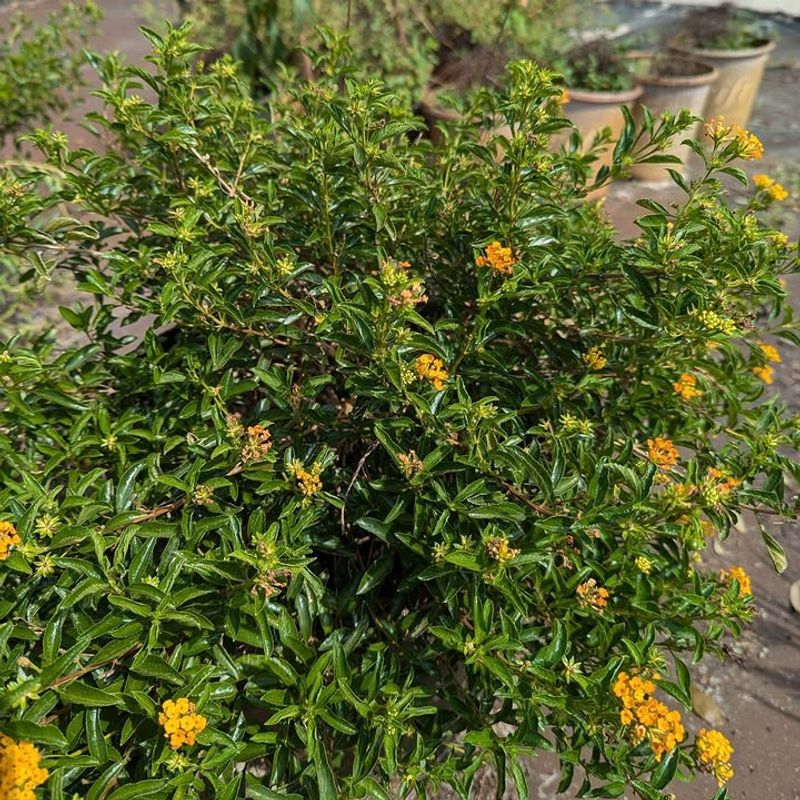
Crowding plants together is a common mistake that causes more problems than most gardeners expect.
When lantana is planted too close to other plants or to itself, airflow drops and stems start reaching sideways and upward searching for open space and light.
Poor air circulation also creates humid pockets around the foliage. In the Southeast, where summer humidity is already high, that trapped moisture can encourage fungal diseases that weaken stems and reduce overall plant density.
Standard lantana varieties typically need about two to three feet of space between plants. Spreading varieties may need even more room depending on the cultivar.
Check the tag or description when purchasing so you know what mature size to plan for.
Good spacing doesn’t mean bare soil between plants. Mulch fills those gaps nicely while also helping with moisture retention and weed suppression.
The goal is to give each plant enough open air around its canopy without leaving the bed looking empty.
When plants are properly spaced, stems grow outward evenly in all directions.
That balanced growth pattern naturally creates a fuller, rounder shape without requiring as much corrective pruning later in the season.
If existing plants are already too close together, consider transplanting one or more in early spring before heat sets in.
6. Mulch Helps Keep Roots Cooler In Summer
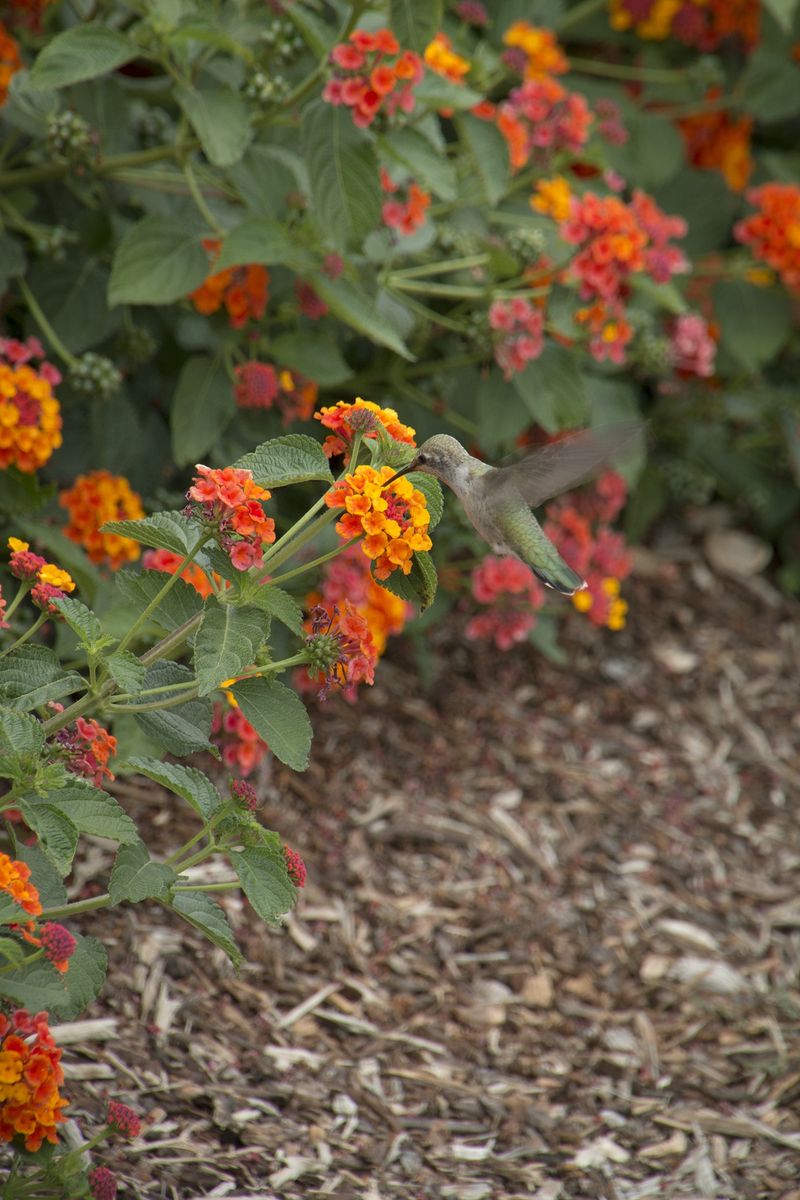
Soil temperature matters more than most people realize. When the ground heats up intensely during summer, roots experience stress that can slow plant growth and affect how well stems and foliage develop above ground.
Mulch acts as insulation. A two to three inch layer of organic mulch around lantana plants keeps soil temperature more stable throughout the day.
Roots stay cooler and more consistently moist, which supports steady, even growth rather than stressed, erratic stretching.
Wood chips, shredded bark, and pine straw all work well. Pine straw is especially common in parts of Georgia and breaks down gradually while still providing good coverage.
Avoid piling mulch directly against the base of the stems, which can trap moisture and cause rot at the crown.
Pull mulch back a few inches from the main stem and spread it in a ring outward toward the drip line of the plant. That coverage area is where the feeder roots are most active and where temperature regulation matters most.
Mulch also reduces weed competition. Weeds pull moisture and nutrients away from lantana, and heavy weed pressure can stress plants enough to affect their shape and density over time.
Replenish mulch as it breaks down. By midsummer, organic mulches may have thinned out considerably.
7. Avoid Crowding Nearby Plants
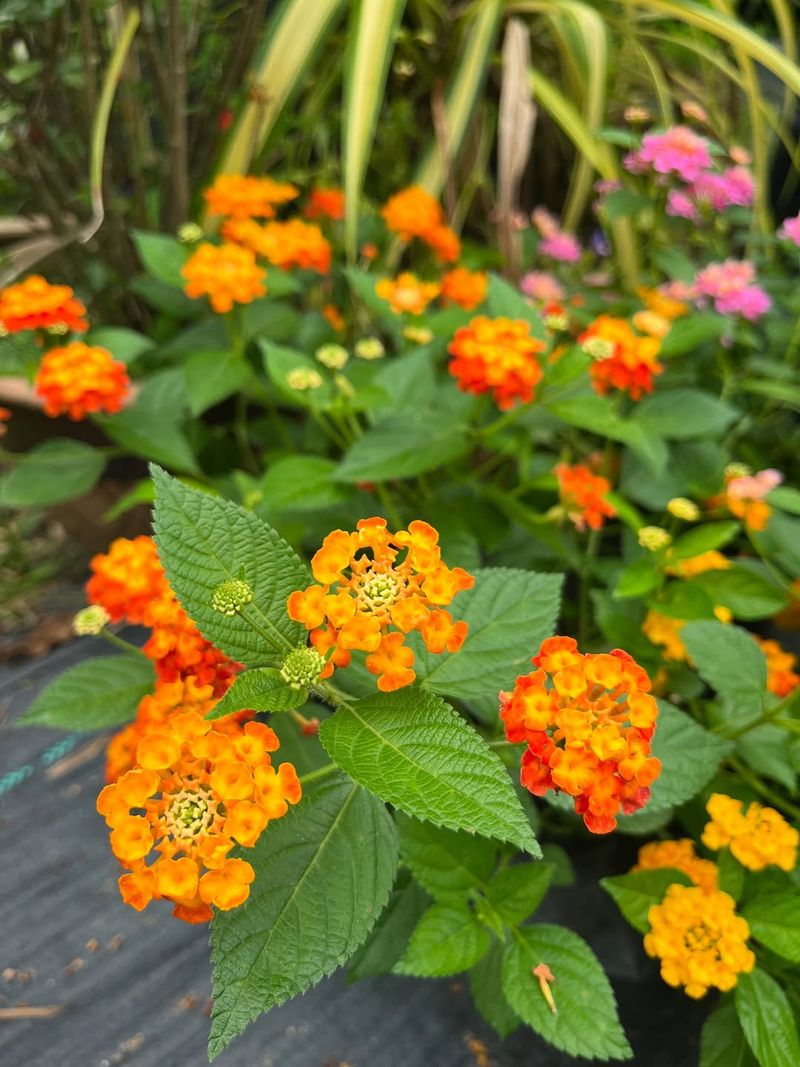
Nearby plants compete for the same resources, and that competition affects how lantana grows more than most gardeners notice until late summer.
When a fast-growing shrub or aggressive perennial starts encroaching on lantana’s space, the lantana responds by reaching upward and outward toward open light.
That reaching behavior is exactly what creates the tall, sparse, leggy look that’s so frustrating by August. It’s not always about what you’re doing wrong with the lantana itself.
Sometimes the problem is what’s growing next to it.
Take a look at the plants surrounding your lantana in early spring. Identify anything that tends to spread aggressively or grow tall enough to cast shade by midsummer.
Plan to give those plants regular edging or trimming so they don’t gradually take over lantana’s growing space.
Ornamental grasses, large perennials, and spreading groundcovers are the most common culprits.
They look manageable in April but can double or triple in size by July, pressing into lantana from the sides and reducing its access to sunlight and air.
Rethinking your planting layout can help if crowding is a recurring issue. Lantana pairs well with lower-growing companions that won’t compete aggressively.
Creeping plants that stay close to the ground near the front of the bed work better than tall, spreading neighbors at the same level.