The Right Fall Watering Schedule For Rosemary Most People Miss

Picture a fragrant herb on your patio that smells like a kitchen when you brush it. Now picture that same plant turning gray and floppy, even though you gave it loving care.
Fall has a sneaky way of changing what your garden wants, and many gardeners overlook it. The air turns crisp, the sun sits lower, and soil stays damp much longer than before.
Many plant owners keep pouring water on the same old schedule they used during hot months. That habit feels helpful, yet it can quietly soak roots that would rather stay a bit on the dry side.
This tough shrub comes from rocky Mediterranean hillsides, where rain arrives in bursts and drains fast. It thrives on a bit of neglect, so too much kindness becomes one of its problems.
Few plants send a thank-you note for a skipped chore, but this one comes close. It just prefers to deliver its message through fragrance instead of paper.
Once Every Two To Three Weeks Is Enough For Most Plants

Watering rosemary every single morning in October is a common habit, and it tends to leave the plant looking tired. A deep drink every few weeks gives the roots time to dry out in between.
For most rosemary planted in the ground, watering once every two to three weeks works well in fall when rainfall is light. Established plants have deep roots that pull moisture from lower soil layers long after the surface dries.
Shorter days and cooler nights slow down growth, so the plant simply uses less water than before. Evaporation also slows in October, so each watering stays in the soil longer than it would in August.
When you do water, soak the area slowly until moisture reaches about six to eight inches down. A quick sprinkle only wets the top layer and encourages shallow roots that struggle during dry spells.
Rainfall counts too, so check your local forecast and skip a session after a soaking autumn storm. A cheap rain gauge stuck in the garden makes tracking weekly totals easy.
Young rosemary planted this year is the exception, since its roots have not spread far yet. Those newcomers often need water about once a week until they settle into their new home.
Think of the two to three week window as a helpful starting point rather than a strict rule. Your yard, soil type, and weather will nudge that number up or down a little each season.
Soil Dryness Checks That Beat A Fixed Calendar
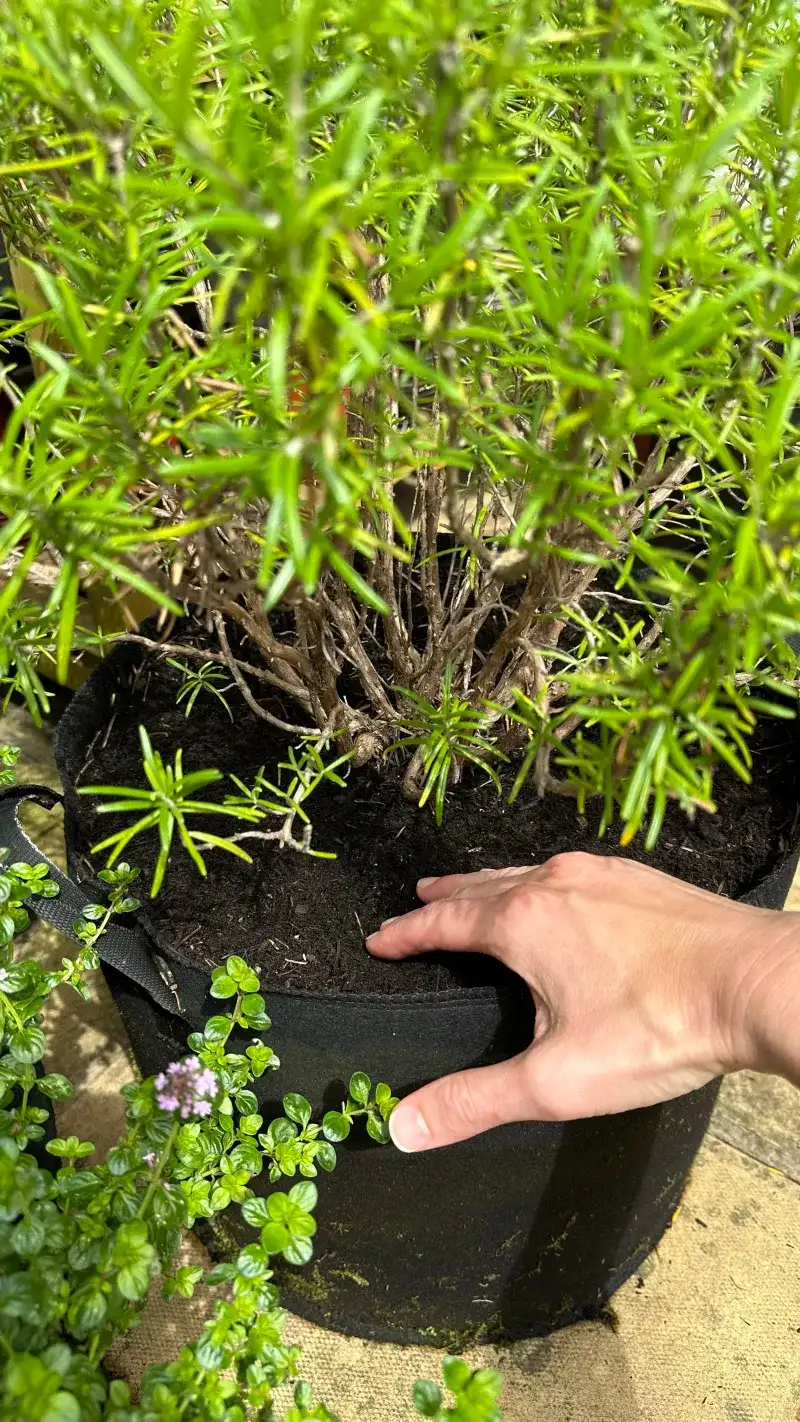
Your finger is a free and reliable moisture meter. Calendars cannot feel the soil, but your hand can tell you a lot about what the roots are experiencing.
Push one finger about two inches into the soil near the base of your rosemary plant. If it feels cool and slightly damp, wait a few more days before you reach for the hose.
Dry, crumbly soil that falls away from your fingertip is the signal that watering time has arrived. Rosemary actually prefers this slightly thirsty stage, since its roots dislike sitting in wet dirt for long.
If you prefer gadgets, a simple moisture meter from the garden store gives a quick and handy reading. For rosemary, wait until the needle drops into the dry zone at the low end of the scale.
Another old-school trick involves poking a wooden chopstick into the soil and leaving it for about ten minutes. A dark, damp stick means plenty of moisture remains, while a clean, dry stick means it is time.
Checking once or twice a week takes less than a minute and saves you from guessing wrong. In early October, many gardeners find the soil stays moist far longer than their calendar suggests.
Fun fact: the name rosemary comes from Latin words meaning dew of the sea, a nod to the coastal hillsides where it grows wild. Those dry, breezy slopes help explain why the plant prefers light moisture over heavy, frequent soaking.
Container Plants Need A Different Routine Than Garden Beds
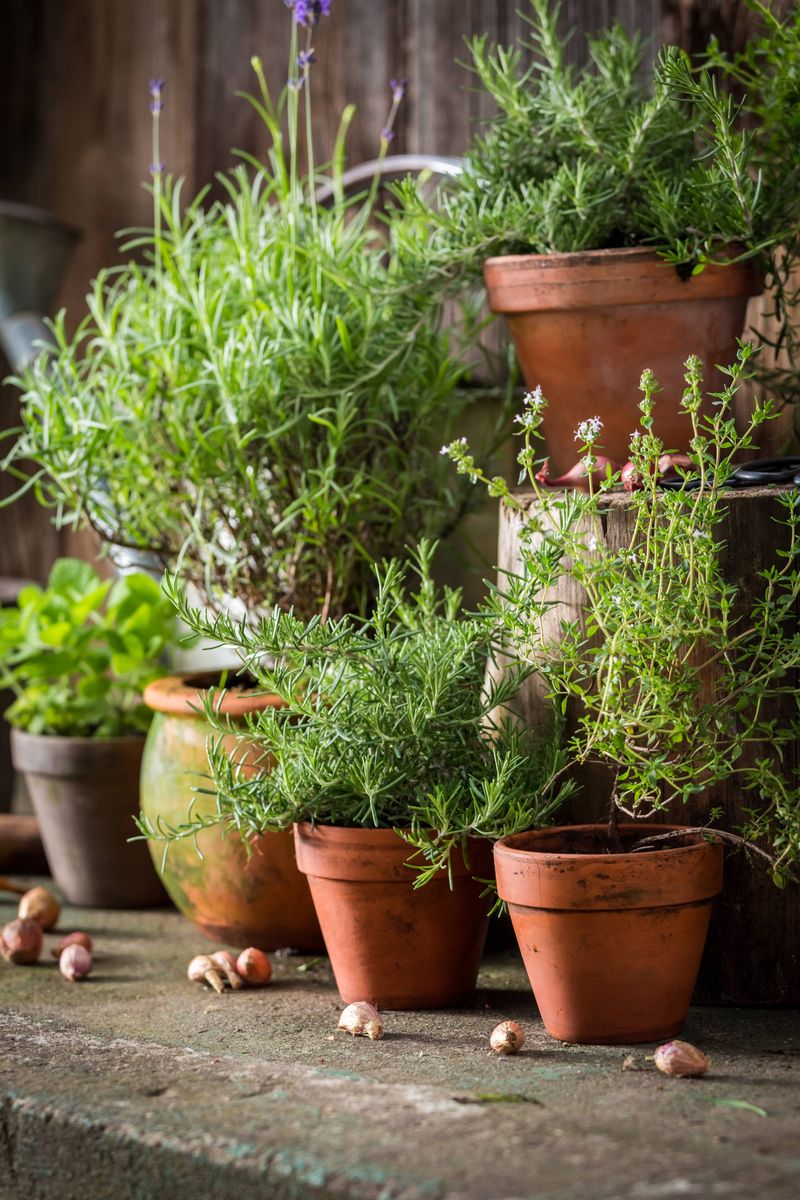
A clay pot on a sunny porch can lose moisture much faster than the soil in a garden bed. Potted rosemary lives in a small world, so its water needs look quite different from ground plants.
In early fall, most container rosemary needs a drink about every seven to ten days, depending on pot size and weather. Small pots dry out faster, while larger containers hold moisture for a longer stretch between waterings.
The material matters as well, because terracotta breathes and pulls water out through its porous walls. Plastic and glazed ceramic pots trap moisture inside, so those plants may need water less often.
Lift your pot right after watering and again a few days later to feel the weight change. A light, airy pot usually means the soil is dry and your rosemary is ready for more.
When watering containers, pour slowly until water drips from the drainage holes at the very bottom. Empty the saucer underneath after about fifteen minutes so the roots do not soak in a puddle.
Garden bed rosemary, on the other hand, can stretch two to three weeks between deep drinks this time of year. The surrounding earth holds moisture and buffers roots from quick changes.
If you plan to bring potted rosemary indoors later this fall, start easing back on water now. Indoor plants get less sun and wind than a breezy patio, so their soil dries more slowly.
Early Signs Of Too Much Water
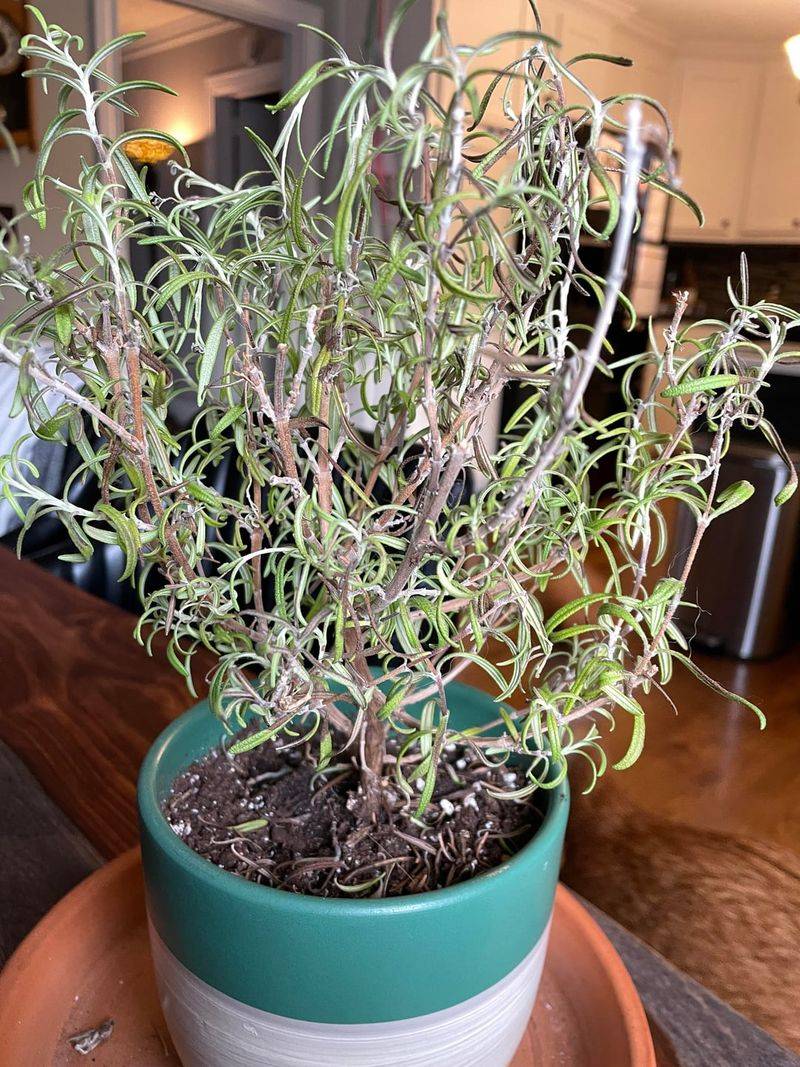
Think of yourself as a garden detective, because overwatered rosemary leaves behind plenty of clues to spot. Catching those hints early gives your plant a much better chance of bouncing back before winter arrives.
Yellowing needles near the bottom of the stems are often the first warning sign you will notice. Healthy rosemary stays a deep green or silvery green, so any fading color deserves a closer look.
Soft, droopy tips are another clue, which surprises many people who expect drooping only from thirst. Waterlogged roots cannot pull in oxygen, so the plant wilts even while sitting in cold, soggy soil.
Next, take a sniff near the base, since a sour or musty smell often points to root trouble. Fresh rosemary soil should smell earthy and clean, much like a forest path after light autumn rain.
You might also spot fuzzy white mold on the soil surface or tiny gnats hovering around the pot. Fungus gnats love constantly damp soil, so their buzzing presence is a clear hint to cut back.
Blackened or mushy stems at the soil line signal a more serious problem that needs quick action. Gently pull the plant from its pot and look for brown, slimy roots instead of firm white ones.
If you find a few soft roots, trim them away with clean scissors and repot in fresh, dry mix. Then hold off on watering for a week or so while the plant recovers its strength.
Drainage Adjustments That Prevent Soggy Roots
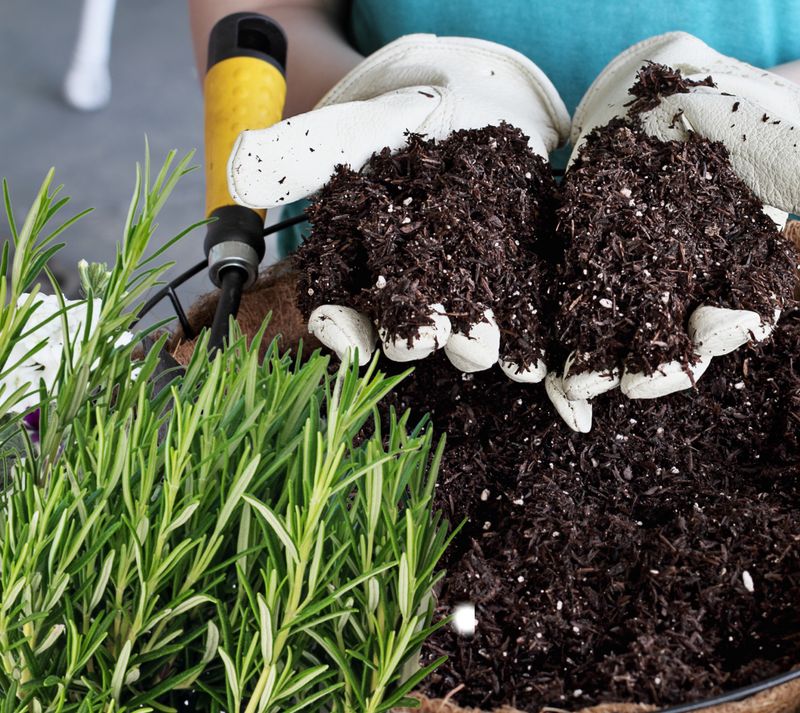
Rosemary does best with its roots on the dry side and its leaves in full sun. Good drainage makes that possible, especially as autumn rains start soaking the ground more often.
For garden beds, mix coarse grit, small gravel, or compost into heavy clay before planting new rosemary. Those additions open up tiny air pockets so water flows down instead of pooling around the roots.
Raised beds and small mounds work well too, lifting the root zone a few inches above soggy ground. Even a simple berm of extra soil can keep rosemary happy through a wet October and November.
Container growers should choose pots with at least one large drainage hole, and more is even better. Use a gritty potting mix made for cactus or succulents rather than heavy, moisture-holding garden soil.
Many people still place rocks in the bottom of pots, thinking it helps water escape more easily. That layer can actually raise the soggy zone closer to the roots, so skip the rocks and use better soil.
Pot feet or a few bricks under the container lift it off flat patios where rainwater can collect. That small gap lets excess water drain freely and keeps the bottom roots from sitting in puddles.
Mulch can help as well, but choose pea gravel or small smooth stones instead of thick wood chips. Stone mulch dries quickly after rain and gives your herb garden a tidy Mediterranean look.
Cooler Weather Changes What Rosemary Needs
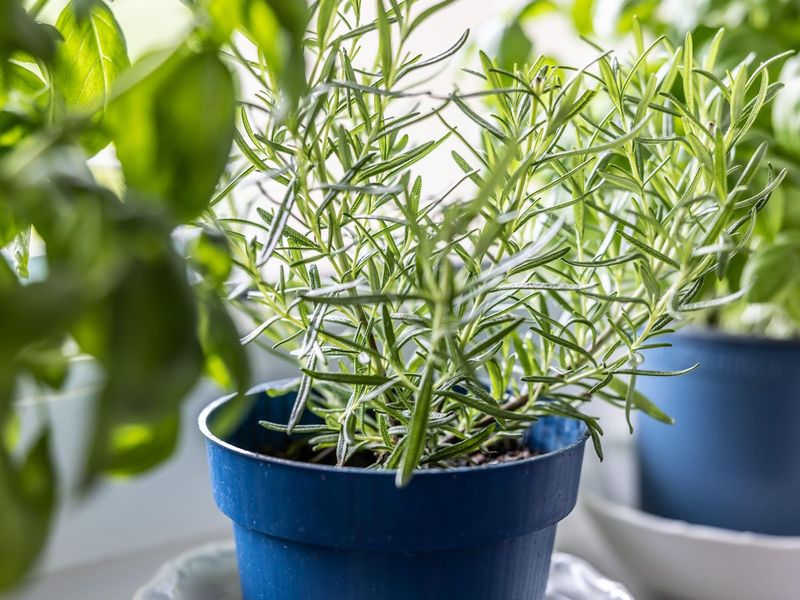
Crisp mornings, crunchy leaves, and pumpkin displays on porches around the neighborhood tell rosemary to slow its busy pace. The plant shifts into a calmer mode, growing less and drinking less water than it did before.
Once nighttime temperatures dip into the forties, stretch the time between waterings a little more each week. Cold, wet soil is harder on rosemary than cold, dry soil, especially for plants growing outdoors.
Water in the morning instead of the evening so leaves and soil have the whole day to dry. Evening watering leaves moisture sitting overnight, which can invite fungal problems and chilly, soggy roots.
Skip fertilizer from now until spring, since feeding pushes tender new growth that frost can easily damage. A light trim is fine in early October, but save any heavy pruning for warmer months ahead.
In colder regions, potted rosemary usually comes indoors before the first hard frost settles over the yard. Place it near a bright, sunny window and water only when the top two inches feel dry.
Gardeners in milder areas can leave rosemary outside, but a frost cloth helps on surprise chilly nights. Watering a day before a forecasted freeze can help, because moist soil holds warmth better than dry dirt.
Pay attention to how your plant looks and smells as the season changes from week to week. A rosemary that stays firm, fragrant, and green is telling you that your fall routine works nicely.