The Right Soil Mix Means Better Blooms And A Thriving Christmas Cactus
In the wild, this holiday favorite grows high in the trees of Brazil’s coastal mountains. Its roots cling to bark and mossy branches, far above the forest floor.
I used to think every plant with a spiny-sounding name wanted dry desert sand. Truth is, this one has no real spines at all. It lives in misty, shady forests where rain falls often and drains away fast.
Here’s what gets me about that. Most of us pot it in heavy bagged soil and wonder why the flowers skip a year. I learned the hard way that soggy roots and pretty blooms rarely go together.
So what does a tree-dwelling plant actually want in a pot on your windowsill? The answer is simpler than you might expect, and a few cheap ingredients can make a big difference this season.
Those Christmas Cactus Roots Were Built For Tree Branches
Gardeners are often surprised to learn that the Christmas cactus comes from the Atlantic coastal forests of southeastern Brazil. There, it grows as an epiphyte, which means it lives on trees or mossy rocks instead of in the ground. It takes no food from the tree, so it is not a parasite.
Its roots are thin, wiry, and made to grab bark. They soak up rainwater quickly, then dry out as breezes move through the canopy. Bits of fallen leaves and moss collect around them and slowly break down into a loose, spongy food source.
Now compare that to a pot of dense garden soil. The space between particles is tiny, so water fills every gap and air has nowhere to go. Roots built for open treetops simply cannot breathe in that kind of mud.
Once I understood this, my whole approach changed. I stopped treating my plant like a desert cactus and started thinking about forest litter instead. Light, airy, and slightly moist became my new goal for every pot.
That one idea explains almost every soil tip in this article. When you copy the treetop home, the plant spends its energy on fresh stems and flower buds instead of struggling.
Soggy Potting Soil Is The Fastest Way To Rot Christmas Cactus Roots
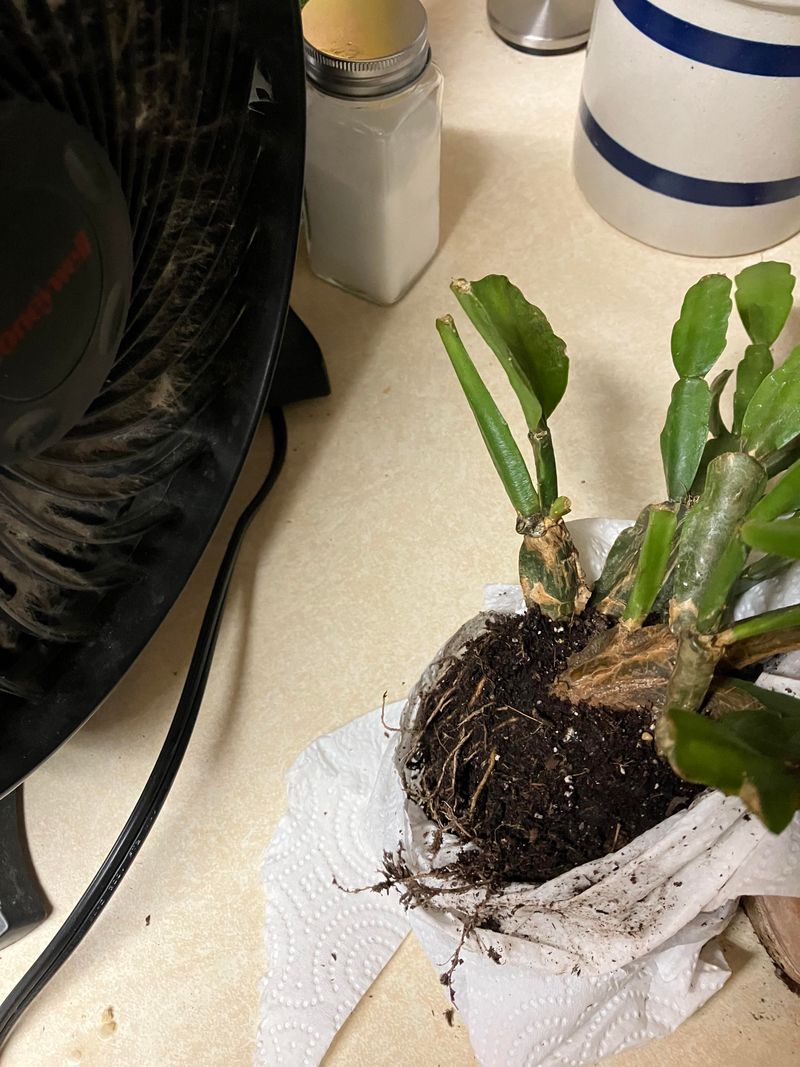
Wet feet cause more Christmas cactus trouble than almost anything else. University extension experts point to root rot as one of the most common problems with this plant, and heavy, waterlogged soil is usually behind it.
Here is how it happens. When soil stays wet for days, the roots run low on oxygen. Fungi and water molds that love those conditions move in, and the roots turn brown, soft, and mushy.
Above the soil, you might notice limp, wrinkled segments that look thirsty. That fools a lot of people into adding more water, which only makes things worse. Stems may also drop off at the base or turn soft near the soil line.
Not going to lie, I once lost half a plant this way before I figured it out. The fix starts with a mix that drains fast. Water should run out of the bottom within seconds, not sit on top like a puddle.
Always pick a pot with drainage holes, too. Empty the saucer after watering so the roots are not soaking. Let the top inch of soil feel dry before you water again. Good drainage keeps roots firm, white, and ready to feed those winter blooms.
Mix Your Own Christmas Cactus Soil With Perlite And Bark
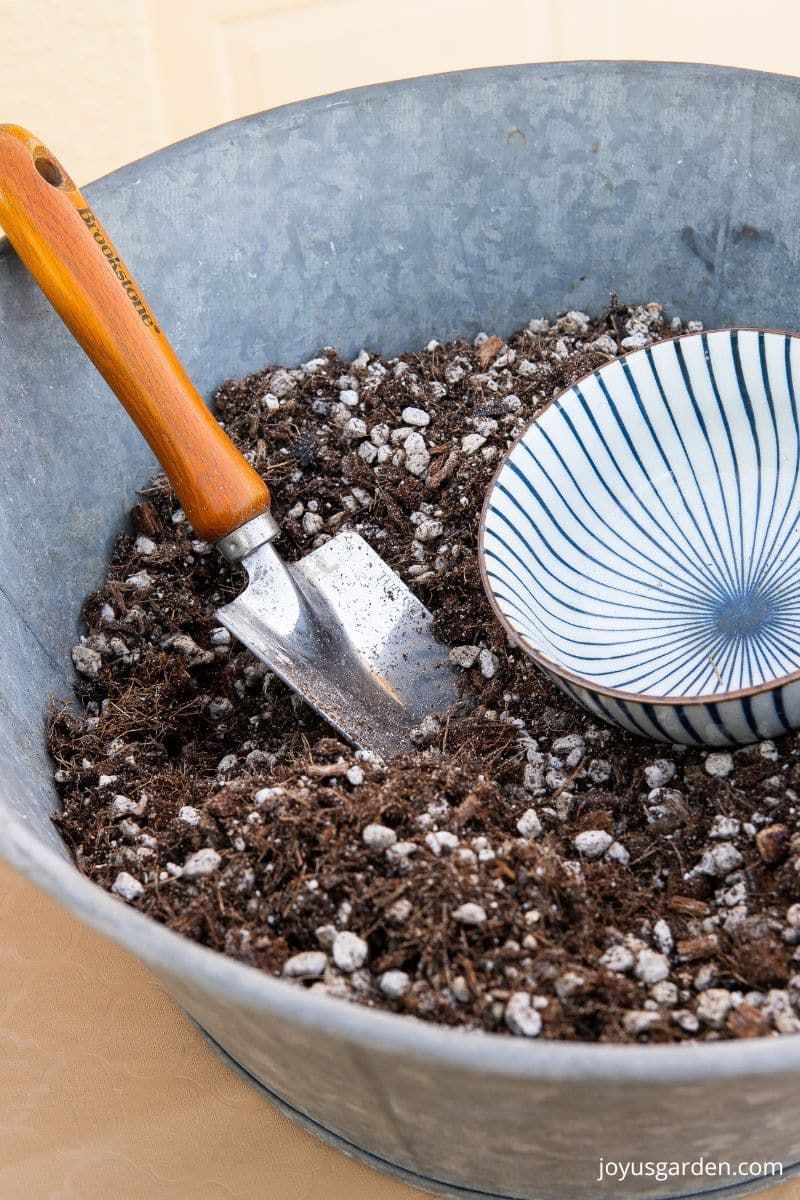
Making a custom blend takes about five minutes and costs very little. You only need a few basic ingredients from any garden center.
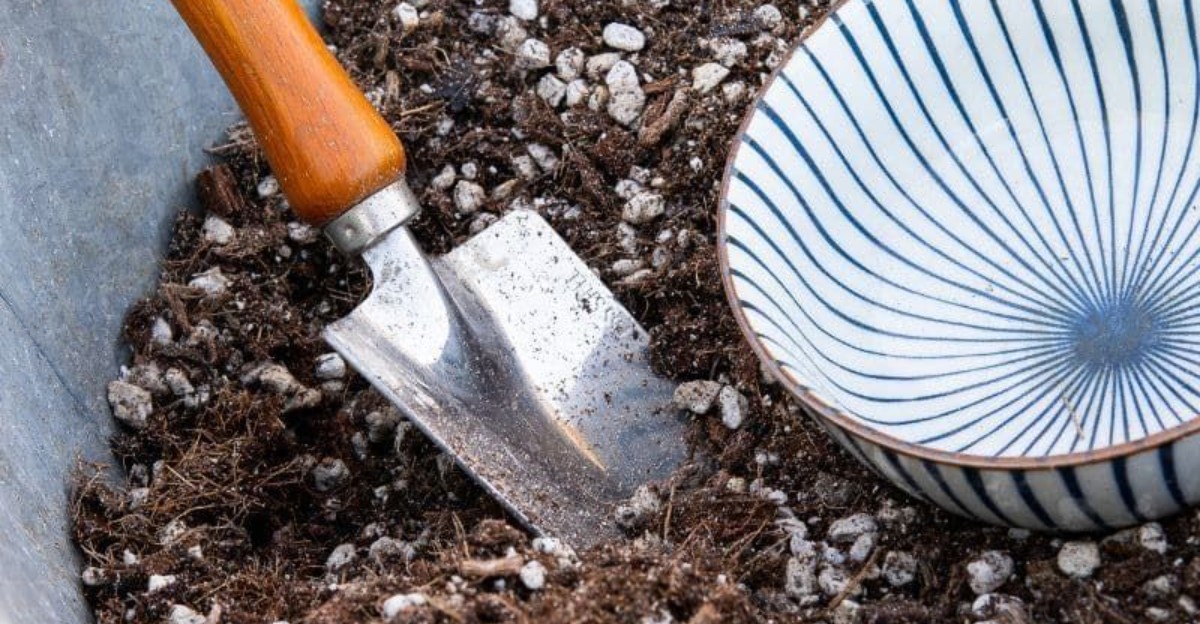
A simple recipe that many growers trust is three parts quality indoor potting mix and two parts perlite. The potting mix holds moisture and nutrients. The perlite, those little white crumbs, creates air pockets and helps water drain away.
Want to get closer to that forest feel? Try equal parts potting mix, perlite, and fine orchid bark. The bark acts like the chunky bits that collect on tree branches in the wild. Some gardeners also add a handful of coarse sand or pumice for extra drainage.
I like to stir everything in a bucket and lightly dampen it before planting. Dry mix can shed water at first, so a little pre-moisture helps it settle around the roots.
Squeeze a handful when you are done. It should hold together loosely, then crumble apart when you poke it. If it forms a tight, sticky ball, add more perlite or bark.
Skip garden soil from your yard. It packs down hard in pots and may carry pests or diseases you do not want indoors.
Bagged Cactus Mix Works Better With A Little Tweak
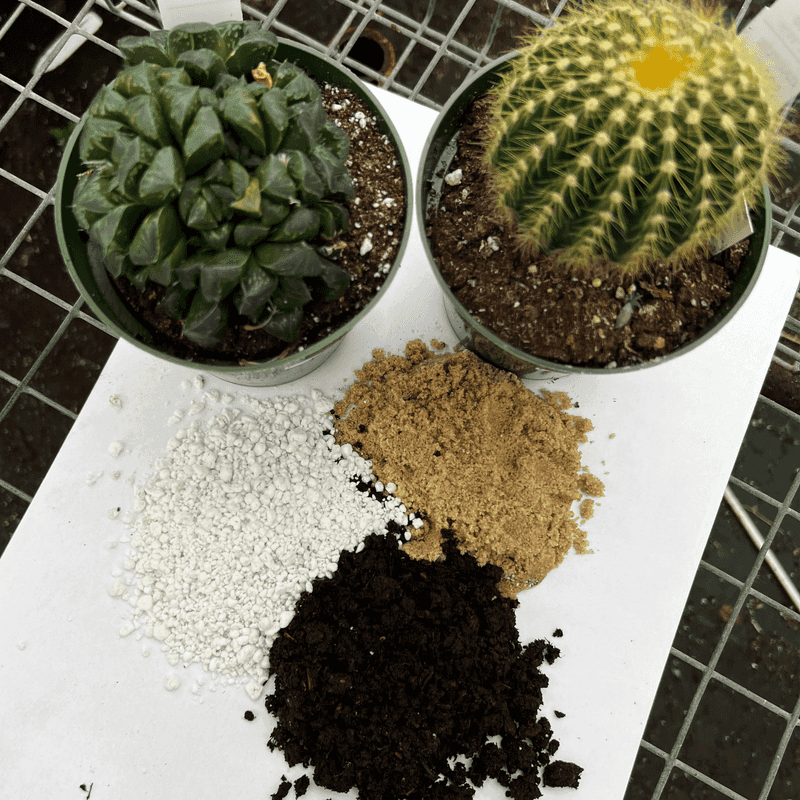
Short on time? A store-bought bag can work just fine. You just need to know which bag to grab and how to adjust it.
Cactus and succulent mixes drain well, which is a great start. However, many are made for desert plants and can dry out faster than a Christmas cactus likes. This plant prefers soil that stays lightly moist between waterings, not bone dry for weeks.
My go-to trick is blending about two parts cactus mix with one part regular potting mix or compost. That adds enough organic matter to hold a bit more water while keeping the drainage you need.
Orchid or epiphyte mixes are another option. They are chunky and airy, much like a tree branch home. On their own, though, they can drain almost too quickly, so mix in some potting soil to help them hold moisture.
Read the label before you buy. Avoid mixes with water-holding crystals or lots of added slow-release fertilizer, since both can cause problems for this sensitive plant.
Guilty as charged, I have bought the wrong bag more than once. A quick tweak at home saved the day every time, and the plant never seemed to mind.
Slightly Acidic Soil Helps Christmas Cactus Leaves Stay Green
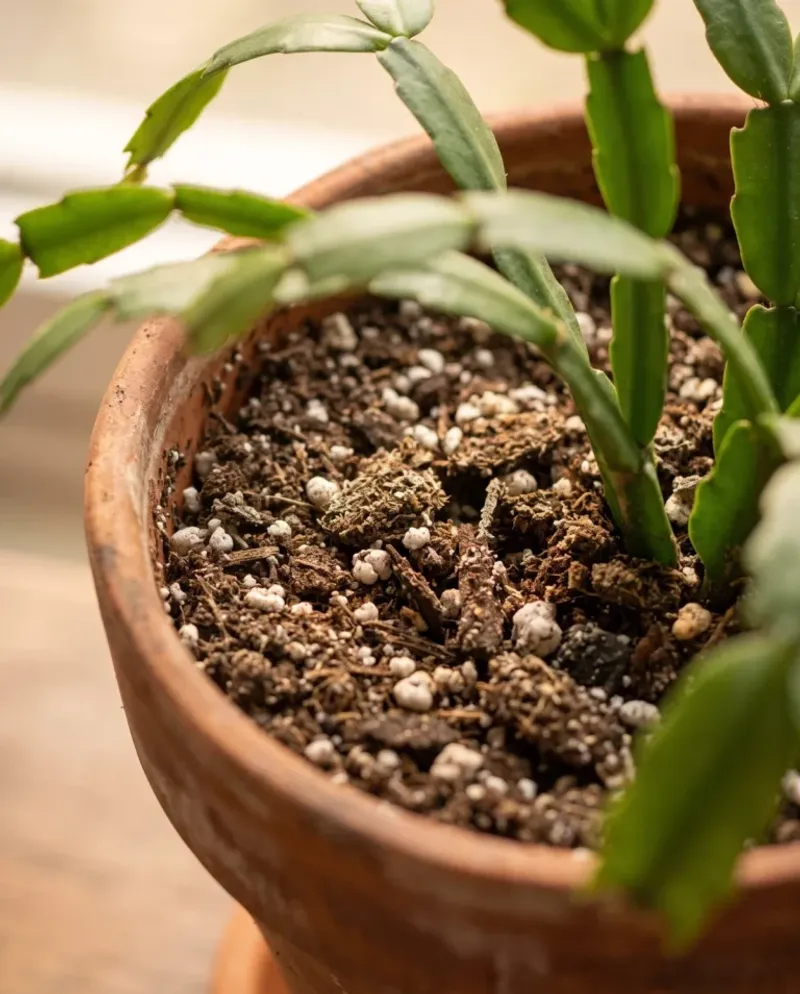
Soil acidity sounds like a science class topic, but it matters more than you might guess. Christmas cactus does best in slightly acidic soil, with a pH around 5.5 to 6.5.
Why should you care? pH controls how easily roots can take up nutrients. When soil drifts too far toward alkaline, some minerals get locked up, and the plant can look pale or grow slowly even if you feed it.
Most bagged potting mixes already fall in a good range because they contain peat moss or similar materials. Peat is naturally acidic and also holds moisture well. Coconut coir is a popular substitute, though it tends to sit closer to neutral.
Hard tap water can slowly raise pH over time. If your water leaves white crust on pots or faucets, consider using rainwater or filtered water now and then. Repotting into fresh mix every few years also resets things nicely.
Curious about your own pot? Inexpensive pH test kits or meters are easy to find. I tested mine on a whim once and learned my old mix had crept up quite a bit. Fresh soil brought back that rich green color within a few months.
A Snug Pot Can Mean More Christmas Cactus Flowers
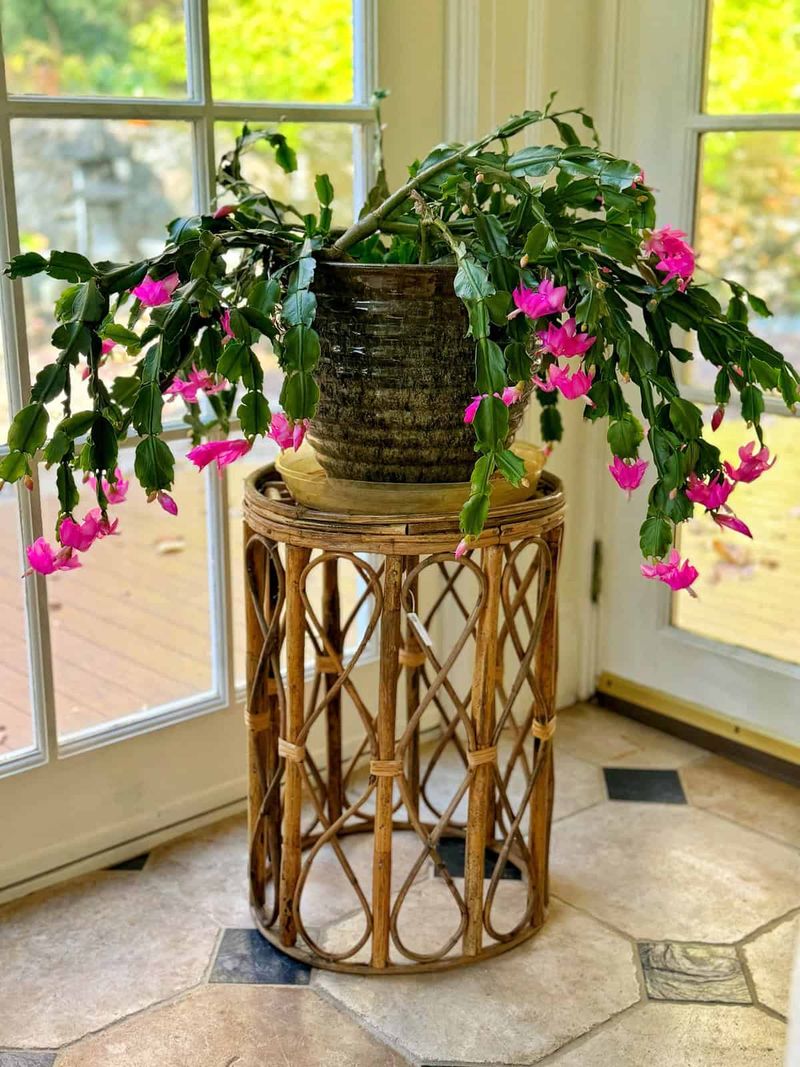
Call me stubborn, but I used to move my plant into a bigger pot every single year. It turns out that was doing more harm than good.
Christmas cactus actually likes being a little crowded. Many growers find it blooms better when its roots fill the pot. A huge container holds extra wet soil that roots cannot reach, and that soggy zone invites rot.
Plan on repotting about every two to three years. The best time is late winter or spring, after the flowers fade and new growth starts. Avoid repotting in fall, when the plant is setting buds, since the stress can cause them to drop.
Choose a new pot only one size larger, about an inch or two wider than the old one. Terra cotta is a smart choice because it breathes and helps soil dry evenly. Plastic works too if you water a bit less.
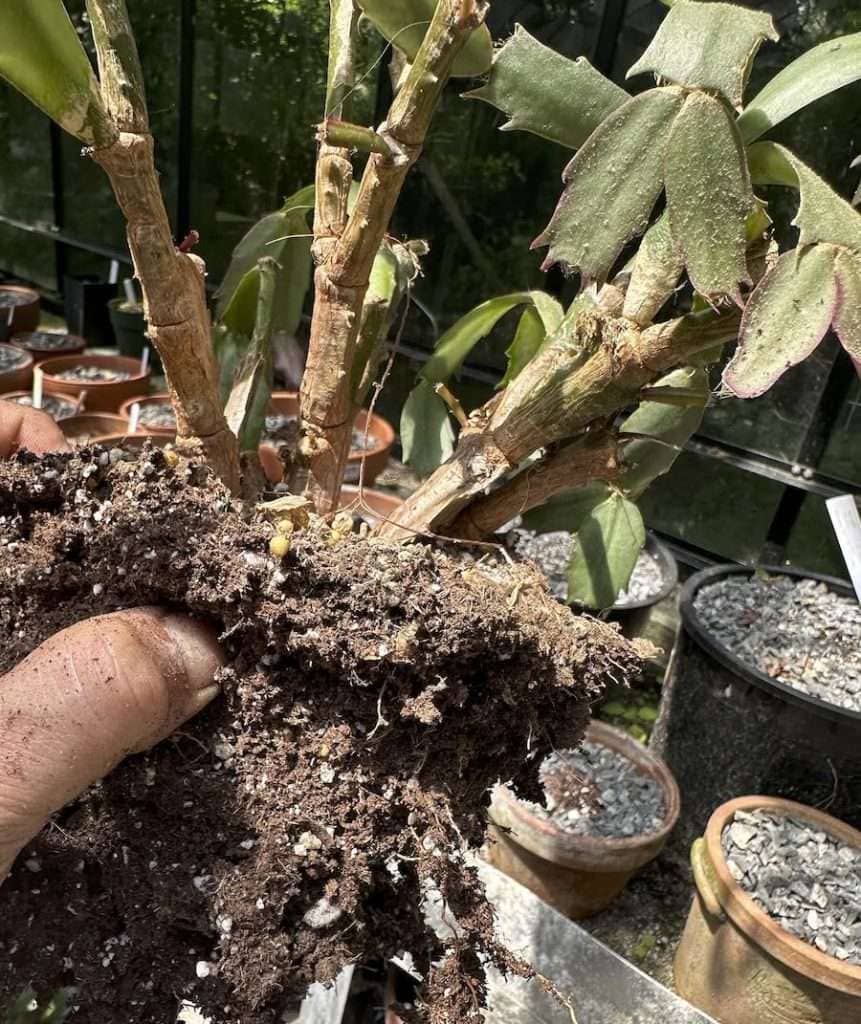
Gently loosen the root ball and shake off old, tired soil. Trim any brown, mushy roots with clean scissors. Set the plant at the same depth as before, fill around it with fresh mix, and wait a few days before watering so small root wounds can heal.
Feed Your Christmas Cactus Right And Watch The Buds Pile Up
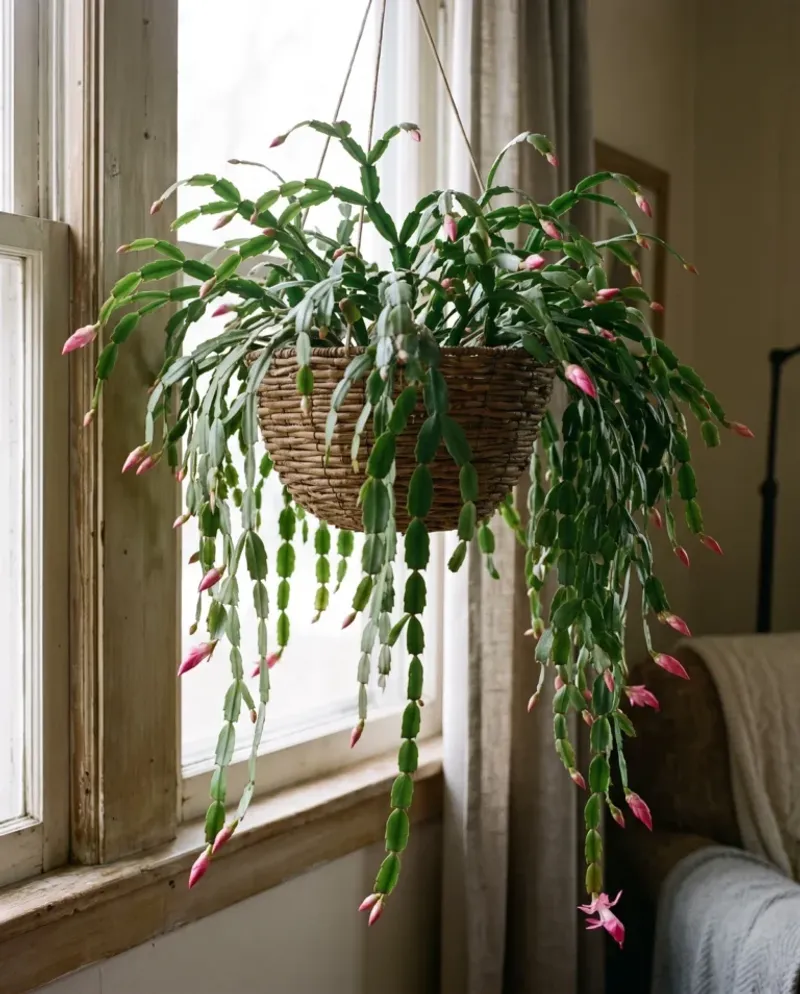
Great soil sets the stage, but a little food helps the show really shine. Think of fertilizer as a light snack, not a big feast.
From spring through summer, feed with a balanced houseplant fertilizer at half strength about once a month. A 20-20-20 or similar water-soluble blend works well. Water the plant first so the roots do not get burned by the fertilizer.
By late summer or early fall, stop feeding. That pause, along with cool nights around 55 to 60 degrees and long, dark nights, encourages the plant to form buds. Hold off on fertilizer while it blooms, too.
Some growers add Epsom salt for magnesium, about one teaspoon per gallon of water once a month during the growing season. Christmas cactus seems to use more magnesium than many houseplants. Just do not mix it into the same watering as your regular fertilizer.
Every so often, run plain water through the pot until it drains freely. That rinses out built-up salts that can harm roots in any mix.
Trust me on this one: airy soil, a snug pot, and gentle feeding add up. Get those basics right, and your plant can reward you with blooms for decades.