10 Winter Storage Steps To Put Your Lawn Mower Away Right And Start Easy Come Spring
Gasoline sitting in a small engine can start breaking down in as little as thirty days, according to Briggs and Stratton. That means summer fuel left in a tank until April has had months to turn stale and gummy.
Fuel blended with ethanol also pulls moisture from the air, and that water can corrode tiny carburetor passages over time. Those passages are thinner than a pin in some spots, so even a little varnish can block them.
Not going to lie, I once spent a whole spring Saturday yanking a starter cord until my shoulder ached. The repair shop fixed it in ten minutes and gently explained that my fall laziness had caused the whole mess.
Truth is, a single afternoon of simple chores now can spare you that same sore arm and repair bill. But which small jobs actually matter, and which ones can you safely skip before the snow flies?
1. Scrape The Clippings From Under The Mower Deck
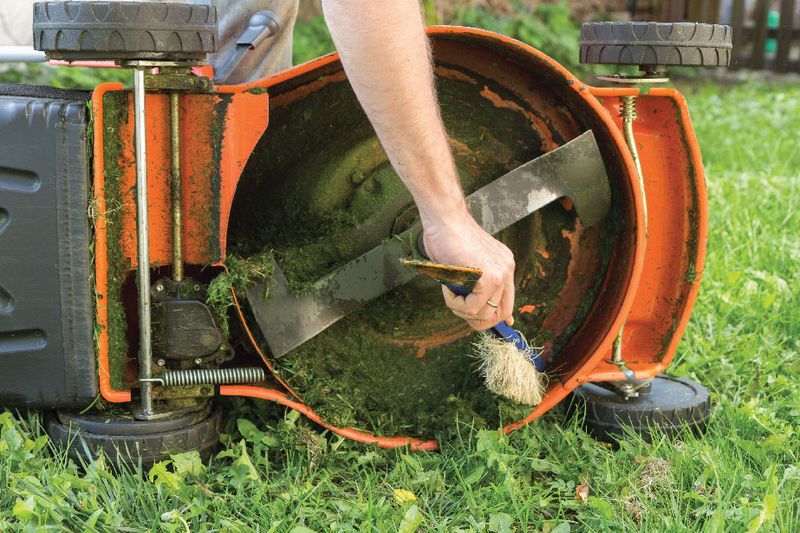
Wet grass clippings packed under a deck hold moisture against bare steel, and that is how rust quietly gets started. I flipped my old mower one November and found a crusty green layer that smelled like a forgotten compost pile.
Before tipping anything, pull the spark plug wire off so the blade cannot turn the engine over by accident. Then tilt the mower with the air filter and carburetor side facing up, which keeps oil and fuel from leaking.
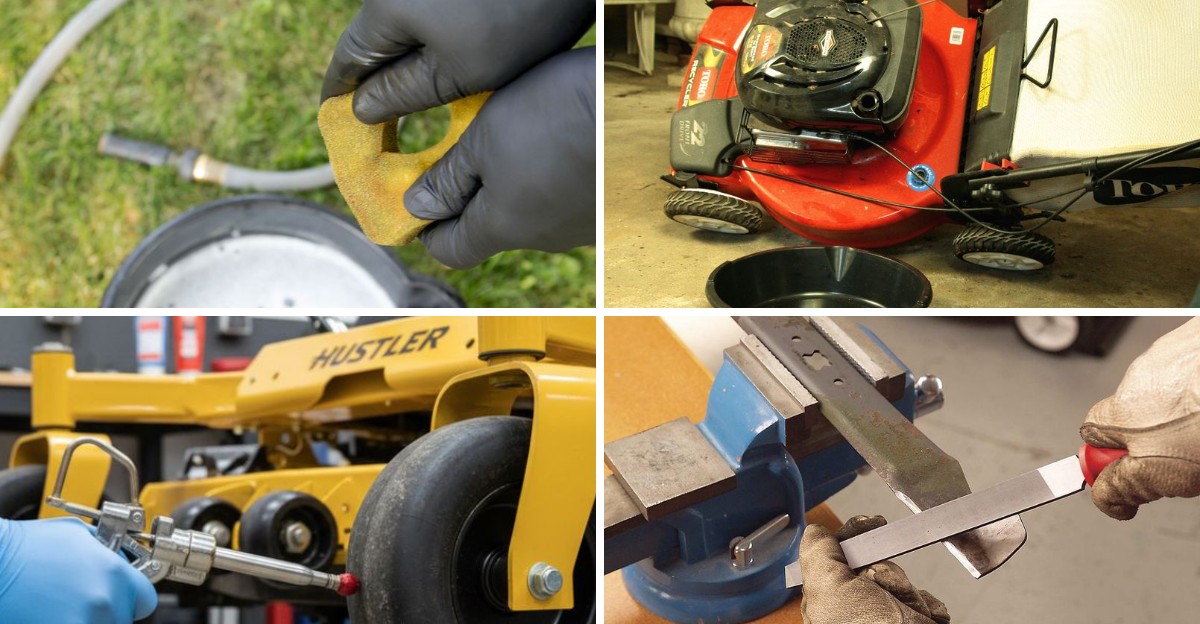
A plastic putty knife or stiff brush loosens most buildup, while a wire brush handles stubborn crusted chunks near the edges. Work slowly around the blade so you do not slice a glove or knuckle on a sharp spot.
Many newer mowers include a washout port, which lets you connect a garden hose and flush clippings with the engine running. Check your manual first, since the port only works with the blade spinning and the mower sitting level on the ground.
After rinsing, let everything air dry in the sun or wipe it down with old towels until no damp spots remain. Moisture trapped overnight in a cold garage can undo all that scrubbing faster than you might expect.
Some folks spray a light coat of silicone or deck coating afterward to help clippings slide off next season. I tried it last year, and my first spring cleanup took about half the usual time and effort.
2. Stabilize Or Drain The Gas Tank Before Storage
Stale gasoline is one of the most common reasons small engines refuse to start in spring, and repair shops see it constantly every April. Fuel can begin breaking down within a month, leaving sticky varnish that clogs the tiny jets inside a carburetor.
You have two solid options, and both work well when done correctly before the mower goes into storage. Check your owner’s manual first, because some engine makers prefer one method over the other for their models.
For the stabilizer route, fill the tank with fresh gas and add the amount of stabilizer listed on the bottle. Run the engine for about five minutes afterward so treated fuel travels through the lines and reaches the carburetor.
A full tank leaves less room for air, which means less condensation forming inside the tank over the cold months. That small detail matters most with ethanol blends, since ethanol readily absorbs water from humid air in storage.
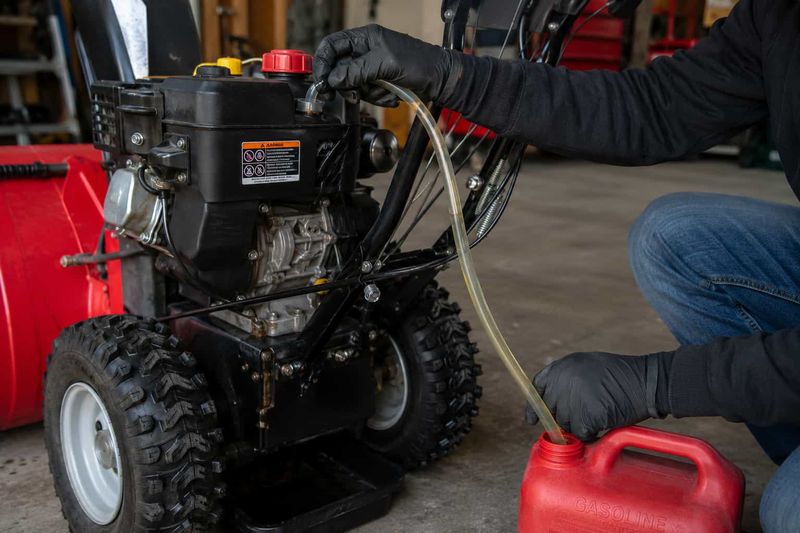
The other route is draining, either by siphoning the gas into an approved container or running the tank until empty. Let the engine stop on its own, then you know the carburetor bowl has very little fuel left inside.
Honestly, I lean toward stabilizer because it feels less messy and my mower usually fires up on the second pull. Whichever path you choose, label your gas can with the date so old fuel does not sneak back in.
3. Drain The Old Oil And Pour In Fresh
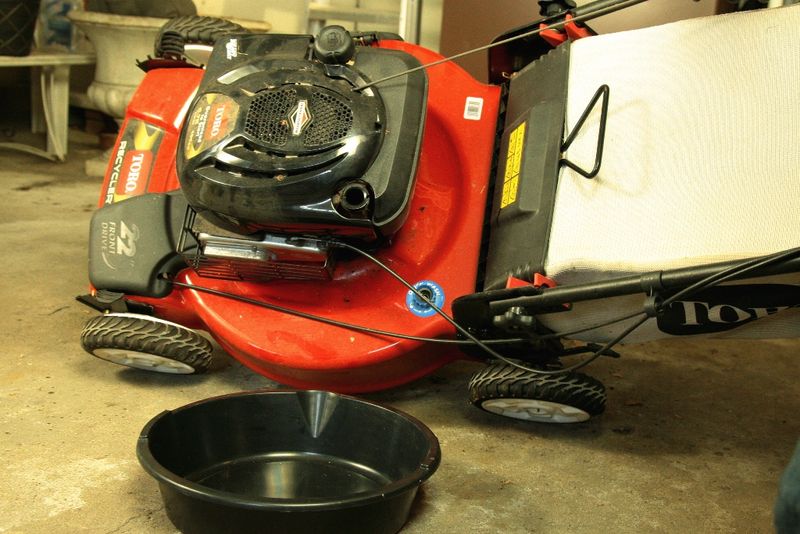
Dark, gritty engine oil looks harmless on the dipstick, yet it carries acids and metal bits from a whole summer. Leave it sitting all winter, and those leftovers get months to nibble at bearings and other internal engine parts.
I used to change oil only in spring, but switching that chore to fall made a noticeable difference in starting. My engine now rests in clean lubricant through the cold season instead of soaking in grimy sludge.
Run the mower for a few minutes first, because warm oil flows faster and carries more debris out with it. Then shut it off, disconnect the spark plug wire, and let the muffler cool before you get your hands close.
Some mowers have a drain plug underneath, while many others drain by tipping the machine and pouring through the fill tube. An inexpensive oil siphon pump also works nicely and keeps your driveway free of slippery black puddles.
Refill with the oil type and amount listed in your manual, often SAE 30 or 10W-30 for many small engines. Check the dipstick as you go, since overfilling can cause smoking and other troubles once you start mowing again.
Pour the used oil into a sealed jug and drop it at an auto parts store or local recycling center. Many of those places accept it free, and it keeps oil out of storm drains and backyard soil.
4. Swap Out A Crusty Spark Plug For A Fresh One
A spark plug costs less than a fancy coffee, yet a worn one can turn spring startup into a frustrating workout. That little porcelain part fires well over a thousand times a minute, so it takes quite a beating over one mowing season.
Start by pulling the rubber boot off the plug, which also protects you from any surprise starts during other chores. A spark plug socket and ratchet will loosen it, usually with a counterclockwise turn and a bit of steady pressure.
Take a close look at the tip once it comes out, especially the small metal electrode and the gap. Heavy black carbon, a cracked white insulator, or rounded electrodes all signal that a replacement is the smarter move.
Check your manual or the old plug for the correct part number, since plugs are not one size fits all. Use a gap tool to confirm spacing matches the engine specs, because even new plugs sometimes arrive slightly off.
Thread the new plug in by hand first so you do not cross the threads in the soft aluminum head. Snug it with the wrench afterward, but avoid cranking down hard, since overtightening can strip those delicate threads quickly.
Some people leave the wire disconnected until spring as a reminder that the mower still needs fresh fuel and checks. I tape a note to the handle, because my memory in March is not nearly as sharp as I hope.
5. Wash Or Replace A Clogged Air Filter
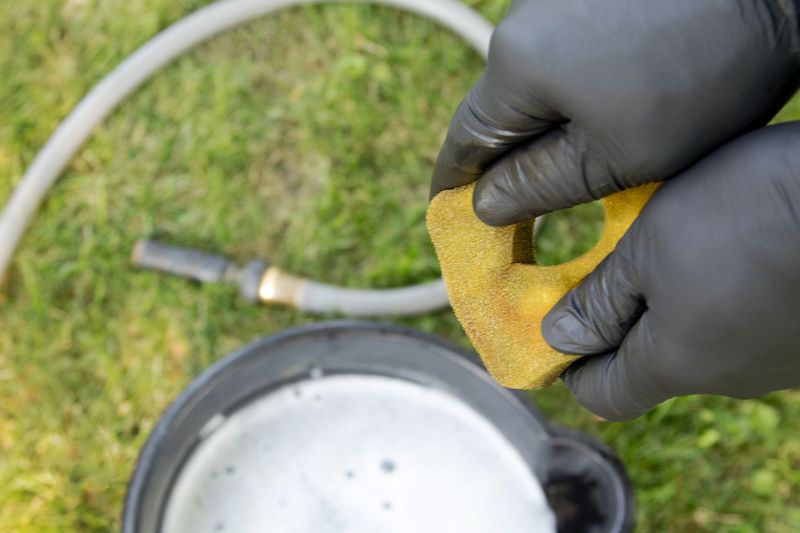
An engine breathes far more air than fuel, so a dusty filter is a bit like mowing with a stuffy nose. Mine looked like burnt toast last fall, and honestly I could not remember the last time I checked it.
Pop off the filter cover, which usually unlatches by hand or loosens with a single screw on most push mowers. Lift the filter out carefully so loose dirt does not tumble down into the carburetor throat below it.
Foam filters can be washed in warm soapy water, squeezed gently, and left to dry before going back in. Once dry, many manufacturers suggest working in a small amount of clean engine oil, then squeezing out the extra.
Paper filters are a different story, because water and oil can ruin the pleated material inside them for good. Tap a lightly dusty paper filter against a hard surface, but replace it if it looks dark or oil stained.
Some mowers use both styles together, with a foam pre-cleaner wrapped around a paper element to catch the bigger particles. Treat each piece according to its material, and check the rubber seals for cracks while you have it apart.
Fresh filters cost only a few dollars, so I keep a spare on the shelf near my mower. Come spring, that small purchase saves a trip to the hardware store during the busiest weekend of the year.
6. Sharpen The Mower Blade While The Grass Rests
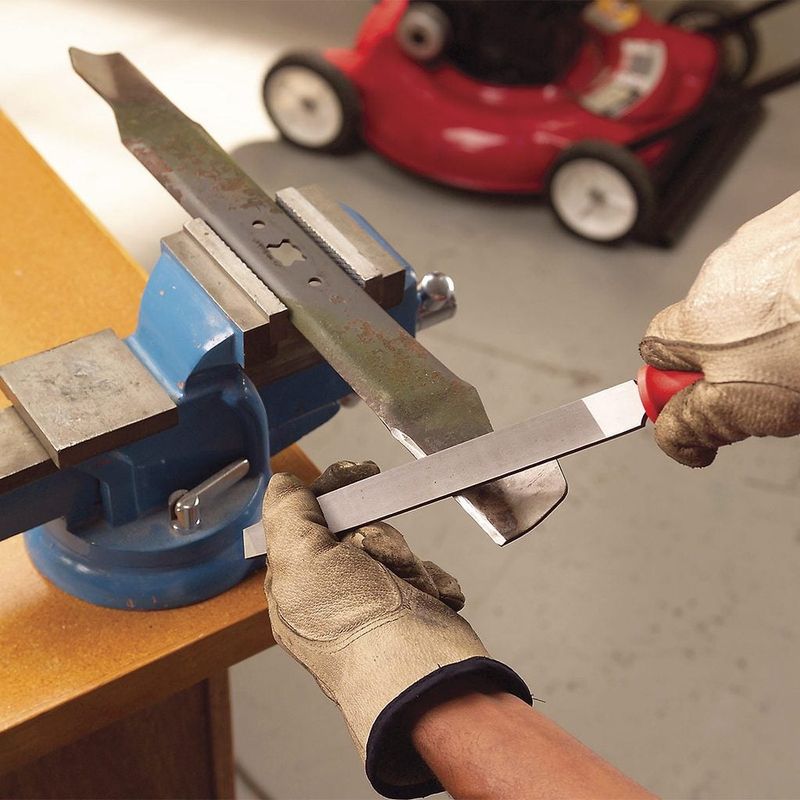
A dull blade tears grass instead of slicing it, leaving frayed brown tips that make a lawn look tired. Those ragged edges also lose more moisture and can give fungal diseases an easier way into the grass blades.
Winter is a perfect time to fix the problem, since nobody misses the mower while the lawn sits dormant. Disconnect the spark plug wire first, then put on thick work gloves before your hands go anywhere near the blade.
Mark the bottom side with paint or a marker so you reinstall it facing the correct direction later on. Wedge a block of wood against the blade to hold it still, then loosen the center bolt with a wrench.
Look closely for bends, deep nicks, or cracks, since a damaged blade should be replaced instead of sharpened. A file or bench grinder can restore the cutting edge, following the original angle as closely as you can manage.
Balance matters more than most people realize, because a lopsided blade causes vibration that strains the engine and mower deck. Hang it on a nail or a cheap blade balancer and grind a little more from the heavy side.
I take mine to a local small engine shop some years, and the cost is usually quite reasonable. Either way, the first spring cut feels crisp and satisfying, almost like getting a fresh haircut after a long winter.
7. Bring The Mower Battery Indoors For The Winter
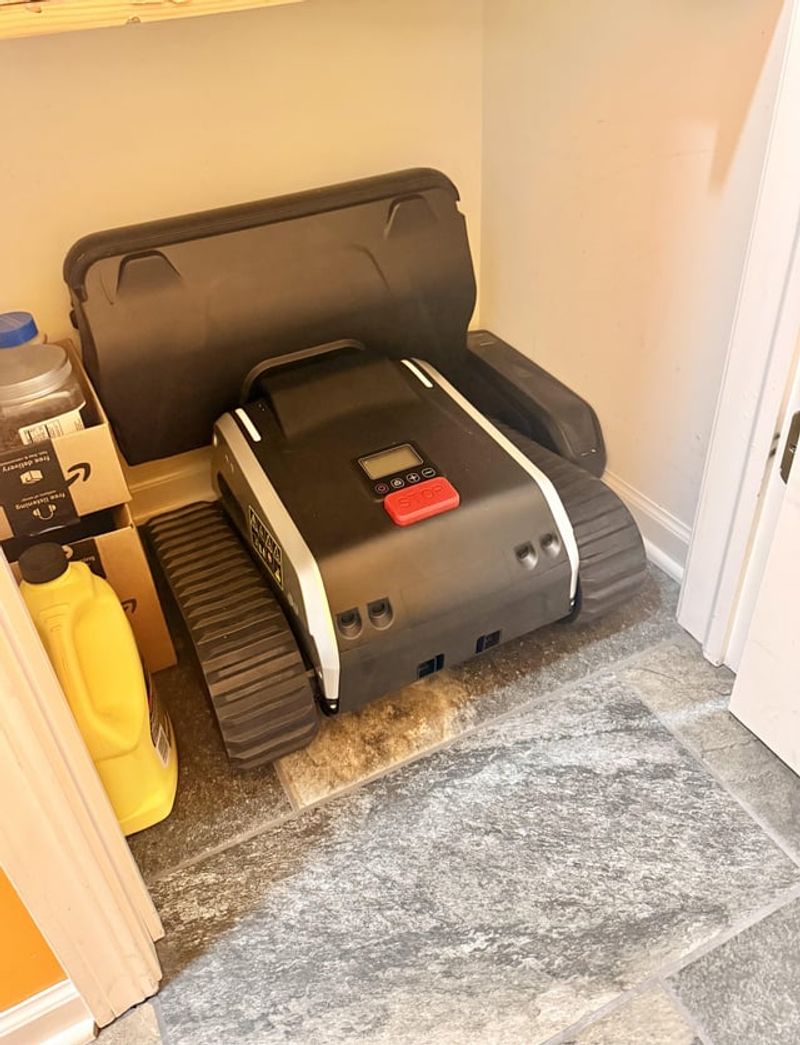
Cold weather drains batteries faster than many folks expect, and a fully discharged lead acid battery can freeze solid. Learning that after buying a replacement battery each spring for two years in a row was not my finest moment.
Riding mowers and electric start push mowers both rely on batteries, so removal is a smart move before storage. Disconnect the negative cable first, then the positive, which reduces the chance of sparks touching nearby metal parts.
Clean any white crusty corrosion on the terminals with a paste of baking soda and water plus a stiff brush. Rinse lightly, dry everything well, and consider a thin coat of terminal protector or petroleum jelly afterward.
Store the battery somewhere cool and dry where temperatures stay above freezing, like a basement shelf or utility room. Many people set it on wood or plastic out of habit, though modern battery cases are less sensitive to concrete.
A battery maintainer or trickle charger keeps lead acid batteries topped off without overcharging them through the long winter months. Smart chargers switch to a gentle float mode automatically, so you can plug them in and mostly forget about them.
Cordless mowers use lithium ion packs instead, and those follow different storage rules listed in the manufacturer’s manual. Many brands suggest storing them partly charged indoors, so check your model before leaving one plugged in for months.
8. Grease The Wheels Cables And Pivot Points
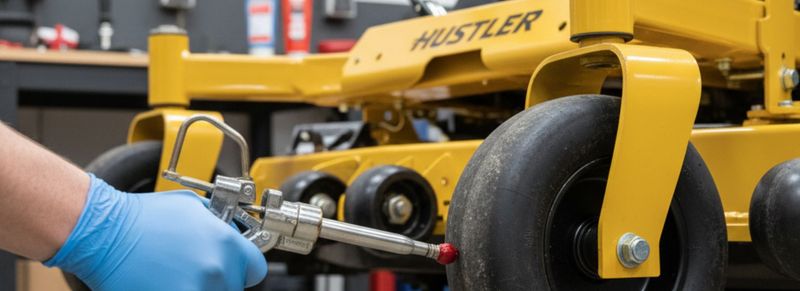
Squeaky wheels on a mower are more than an annoying sound, because they often signal dry metal grinding against metal. My old push mower squealed like a grumpy shopping cart until I finally gave its moving parts a little attention.
Fall is a smart time to lubricate, since a fresh coating helps keep moisture from settling into joints over winter. Grab your owner’s manual to find any grease fittings, which look like small nipples on spindles or front axles.
A basic grease gun pumps fresh lubricant into those fittings, pushing older dirty grease out around the seals. Wipe away the extra that squeezes out, since sticky globs collect dust and debris while the mower sits idle.
Wheel axles, height adjustment levers, and throttle cables also benefit from a few drops of light machine oil. Work each lever back and forth several times so the oil spreads evenly into the tight spaces and pivots.
Some gardeners brush a thin layer of grease or oil on the freshly sharpened blade to discourage rust. Just remember to wipe it down before mowing again, so you do not fling oily spots across the lawn.
Skip heavy grease on cables inside housings, since it can thicken in the cold and cause sluggish movement. A spray lubricant made for cables works better there, and it reaches deep without making a gooey mess.
9. Pump Up Riding Mower Tires Before They Sit
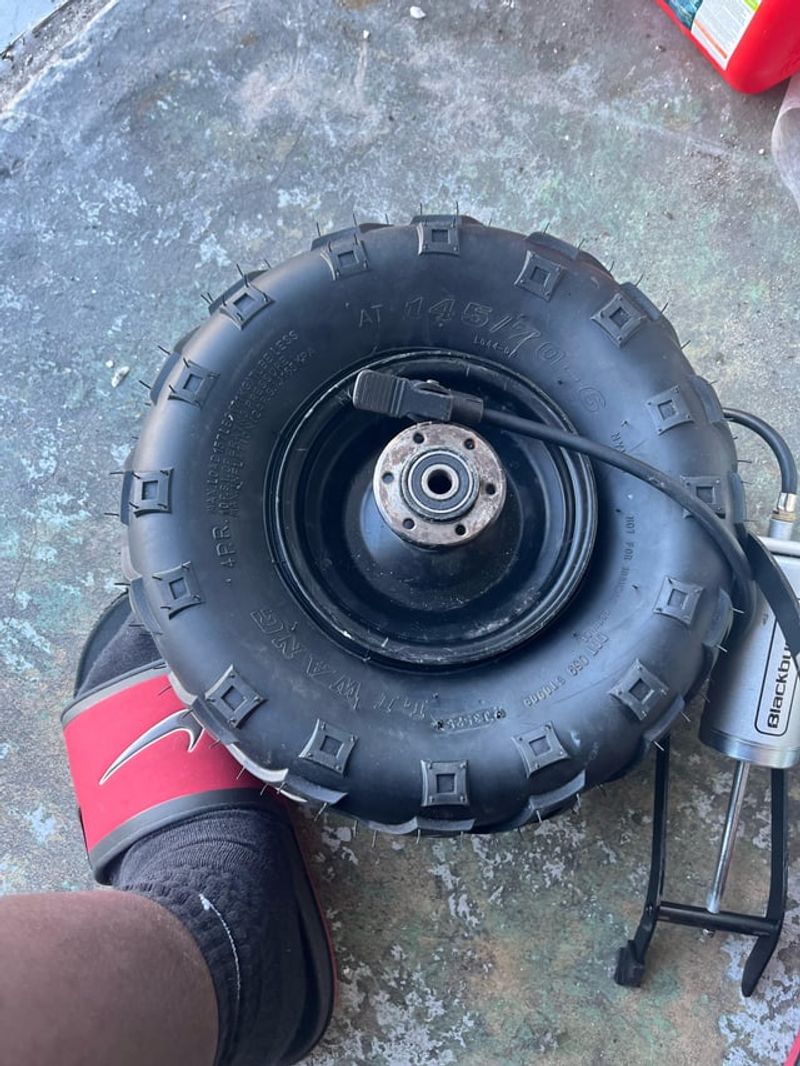
Tires on a riding mower can slowly lose air over winter, and sitting heavy for months may cause flat spots. I once rolled out a lopsided tractor in April that thumped across the yard like a wobbly wagon.
Uneven tires also tilt the deck, leaving a scalped strip on one side and taller grass on the other. Checking pressure takes only a few minutes, and a simple gauge from any hardware store does the job nicely.
Look for the recommended PSI on the tire sidewall or in your manual, since front and rear numbers often differ. Many riding mower tires run much lower than car tires, sometimes in the range of about ten to fourteen PSI.
Some owners add a pound or two extra before storage to offset slow leaks during the cold months ahead. Avoid going over the maximum pressure printed on the sidewall, and remember to adjust back to normal before mowing.
Cold air naturally lowers tire pressure, so a reading taken on a chilly morning may look lower than expected. Recheck once or twice during winter if you can, especially after a long stretch of freezing weather outdoors.
For extra protection, some people park on blocks or jack stands to take weight off the tires during long storage. That trick is optional, but it may help if your mower will sit untouched for several months in a row.
10. Park The Mower In A Dry Shed Or Garage

Where your mower sleeps for the winter matters almost as much as every other chore on this list. A drafty spot exposed to rain or snow invites rust and can turn all that careful prep into wasted effort.
A dry, well ventilated garage or shed is the ideal home, since airflow helps keep condensation from building up. Keep the mower away from furnaces, water heaters, and other open flames if any fuel remains in the tank.
Bare concrete can feel cold and damp, so I slide a scrap of plywood or a rubber mat underneath. It gives the tires and deck a buffer from moisture, and it makes sweeping around the mower much easier later.
A breathable cover keeps dust and curious critters off without trapping humidity the way a plastic tarp often does. Mice love cozy engine compartments, so check occasionally for nests or chewed wires if your shed sees rodent visitors.
Many walk behind mowers have folding handles, and some models are designed to stand upright when garage space runs short. Check your manual before tipping any mower on end, because certain engines can leak oil or fuel that way.
Once it is tucked away, hang the keys and your spare parts nearby so spring startup feels quick and simple. I like knowing my mower is resting snugly, ready to roar back to life the first warm weekend.