The Right Time To Fertilize A Christmas Cactus For More Blooms
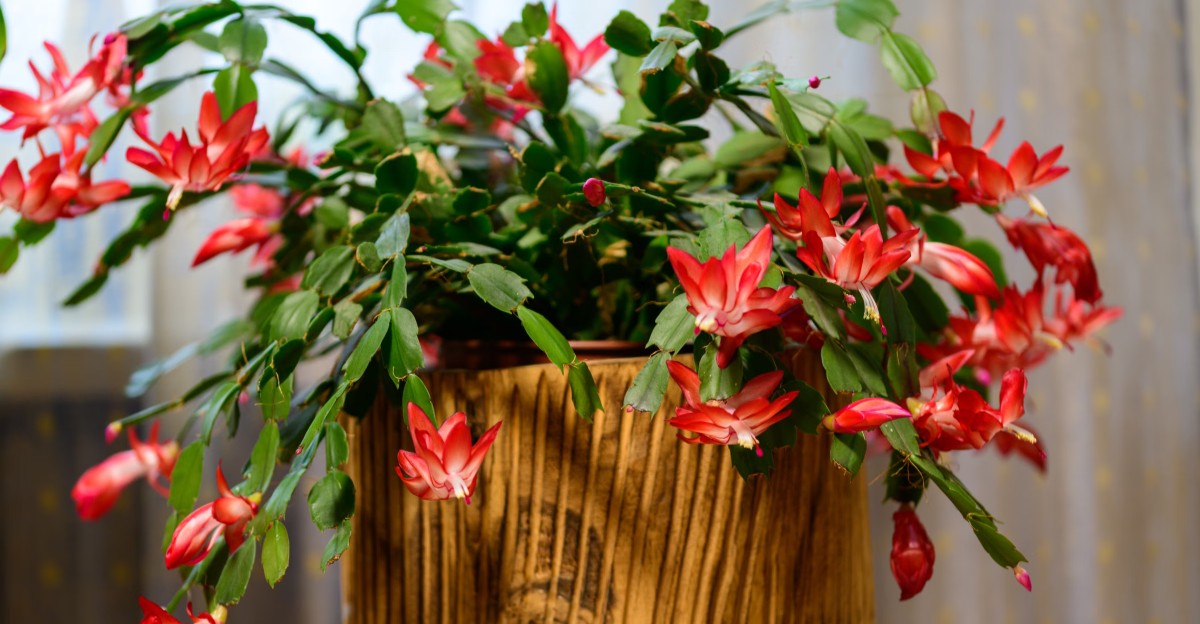
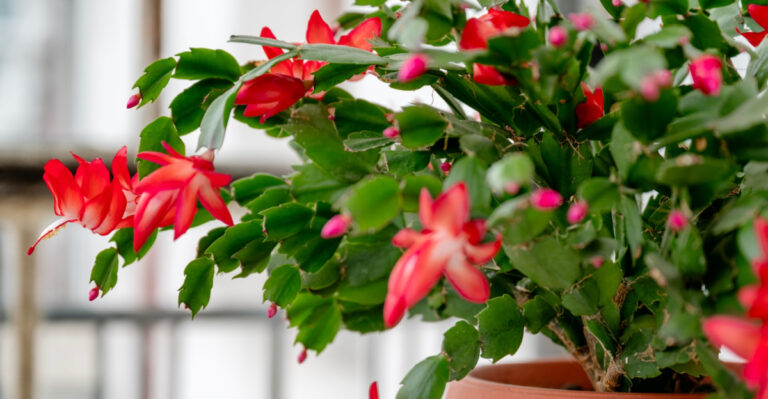
The plant on your windowsill grew up hanging from tree branches in a Brazilian mountain forest. It never touched desert sand in its life.
That surprised me more than I’d like to admit. I spent years treating mine like a desert dweller, and it sulked through every December with a few lonely flowers.
Here’s what gets me now. The winter flower show is mostly decided during the warm months, long before a single bud shows up. Feeding at the wrong moment can quietly push the plant toward leaves instead of flowers.
For years, I tossed plant food at it whenever I remembered. You’d think more food means more flowers, but this plant keeps a strict calendar of its own.
So when does the real feeding window open, and when should the bottle go back on the shelf?
Those Holiday Cactus Buds Start Long Before Snowfall
Fall gets all the credit, but spring and summer do the heavy lifting. Christmas cactus, known to botanists as Schlumbergera, builds its strength during the warm months when it pushes out fresh stem segments.
Those flat, jointed pieces matter more than you might guess. Flower buds form at the tips of the stems, so a plant with plenty of healthy new segments has more spots to bloom later. A skinny, tired plant simply has fewer places to put flowers.
I learned this after years of wondering why my cactus looked fine but flowered weakly. The answer was sitting right there in its summer growth, or the lack of it.
University extension services, including the University of Minnesota, point to the same pattern. Active growth runs from roughly spring through late summer, and that is when the plant can actually use extra nutrients.
In winter and right after blooming, the plant rests. Food given then mostly sits in the soil unused, which can build up salts around the roots.
So the timing question has a clear answer. Feed while the plant is growing, and stop when it needs to switch gears toward flowers. Every other tip in this article hangs on that simple rhythm.
Start Feeding When Fresh Green Stem Tips Appear
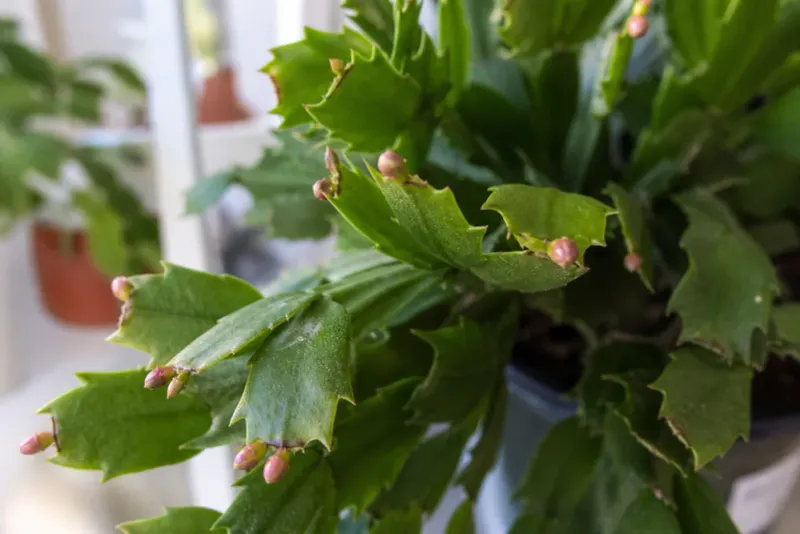
Your plant will tell you when it’s hungry. After the holiday flowers fade, most Christmas cacti take a short rest of about four to six weeks, often lasting into late winter.
Watch the stem tips closely around March or April. Tiny, pale green segments popping out at the ends are your green light to start feeding.
Not going to lie, I used to start on a calendar date and ignore the plant itself. Some years it was ready, and some years I was feeding a sleeping plant. Waiting for those new tips takes out the guesswork.
Once growth begins, a light feeding roughly every two to four weeks works well for most homes. Many extension guides suggest monthly feeding as a simple, safe routine.
Indoor conditions change things a bit. A plant in a bright south window may wake up earlier than one in a dim room, so trust the plant over the date.
Water the soil first if it’s dry before adding fertilizer. Feeding dry roots can scorch them, while moist soil helps nutrients spread evenly. That small habit keeps the whole season running smoothly and gives those new stems a steady supply of energy.
A Balanced Houseplant Fertilizer Keeps Christmas Cactus Happy
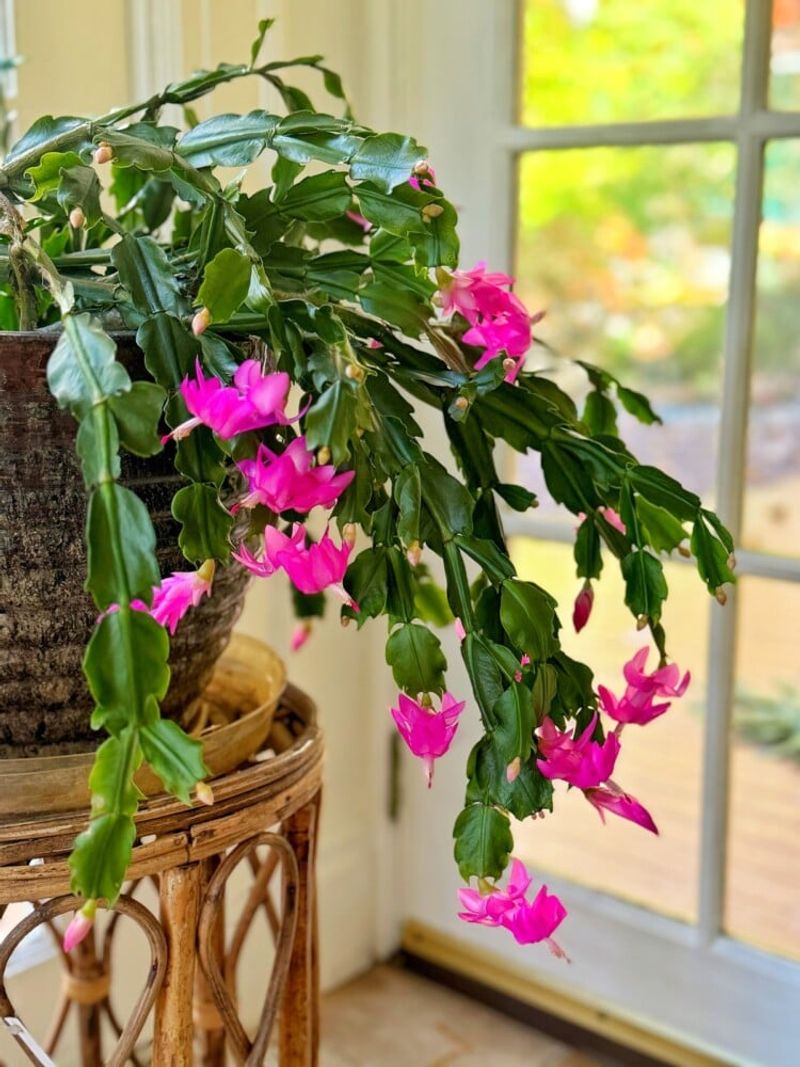
Good news for your wallet, this plant isn’t picky. A balanced, water-soluble houseplant fertilizer, such as 20-20-20 or 10-10-10, covers its needs nicely.
Those three numbers stand for nitrogen, phosphorus, and potassium. Nitrogen fuels leafy growth, phosphorus supports roots and flowers, and potassium helps overall health. A balanced mix gives the plant a bit of everything without tipping it too far in one direction.
Some gardeners swear by fertilizer made for blooming houseplants or African violets. I’ve used both, and they work well too, since they’re designed for flowering indoor plants with similar tastes.
Skip heavy cactus fertilizers made for desert species. Remember, this plant comes from humid forests, where it lives on tree branches and gathers nutrients from decaying leaves and rainwater.
Slow-release pellets are another option, but liquid food gives you more control. When it’s time to stop feeding in late summer, you just stop, with no pellets still releasing nutrients in the pot.
Fun fact for your next plant chat. Wild Schlumbergera grows as an epiphyte in the coastal mountains of southeastern Brazil, much like many orchids. That forest background explains why it prefers gentle feeding over a heavy meal.
Half-Strength Fertilizer Protects Those Delicate Cactus Roots
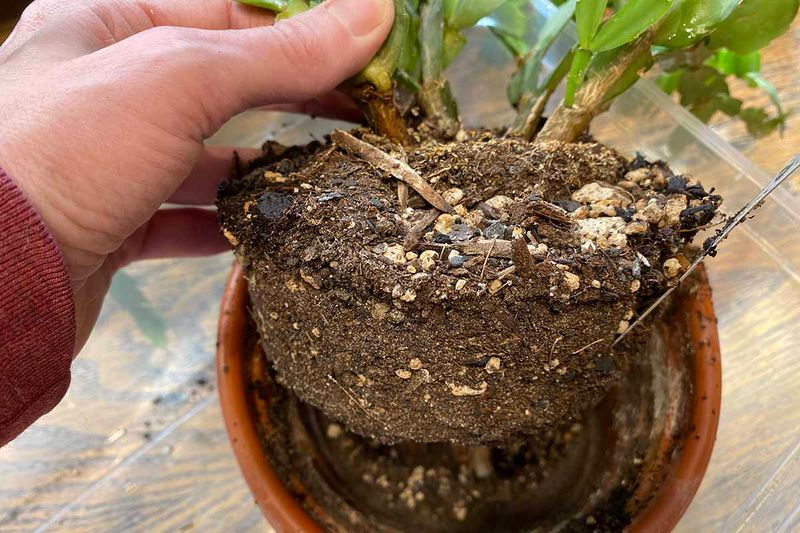
Call me cautious, but I mix my fertilizer at half the label strength every time. Christmas cacti have fine, shallow roots that burn easily when food is too concentrated.
Overfeeding shows up in sneaky ways. You might see brown, crispy stem edges, a white crust on the soil surface, or segments that wilt even when the soil is moist.
That white crust is salt buildup from fertilizer. Over time, it makes it harder for roots to pull in water, which stresses the whole plant.
A simple fix helps a lot. Every couple of months, water slowly and deeply until it runs out the drainage holes for a minute or two. This flushes extra salts out of the pot.
Drainage matters here too. A pot without holes traps both water and salts, setting the stage for root rot. A loose, airy mix with some bark or perlite suits this plant far better than heavy soil.
Think of it like seasoning soup. A little makes things better, but dumping in the whole shaker ruins dinner. Gentle, regular feeding gives you sturdy stems and keeps the roots strong enough to support a big flower show later.
Christmas Cactus Stems May Be Asking For Extra Magnesium
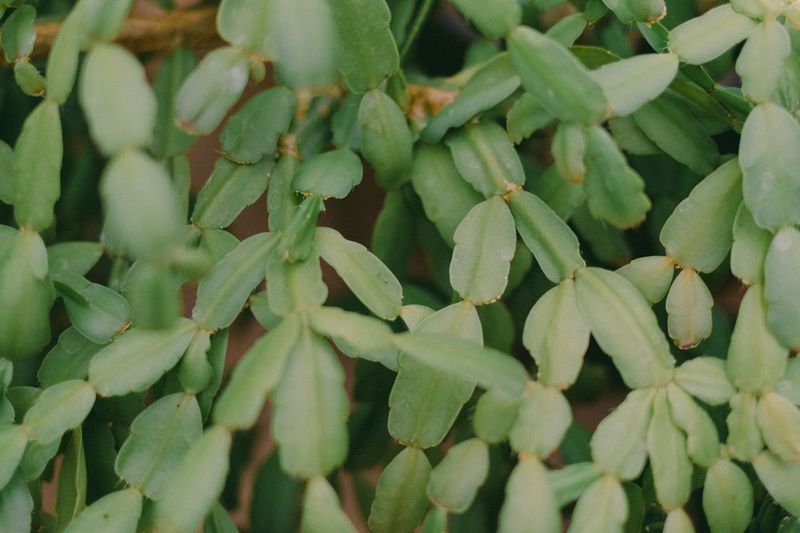
Here’s a tip that sounds like an old wives’ tale but has real support. Many growers report that Christmas cacti respond well to extra magnesium, which is why Epsom salt is a popular addition.
Magnesium sits at the center of chlorophyll, the green pigment plants use to turn light into food. When it runs low, stems can look pale or yellowish.
Many growers add Epsom salt, which is magnesium sulfate. A common recipe is one teaspoon dissolved in one gallon of water, given about once a month during the growing season.
Fair warning, don’t pile it on. Use it in a different week from your regular fertilizer, and skip it entirely if your plant looks deep green and healthy. Extra minerals the plant doesn’t need just add to salt buildup.
I started this routine after my cactus looked a little washed out one summer. Within a few weeks, the new segments came in a richer green, though better light may have helped too.
If you use a fertilizer that already lists magnesium, you may not need Epsom salt at all. Check the label first, because the simplest plan is often the best one.
Put The Fertilizer Away When Late Summer Arrives
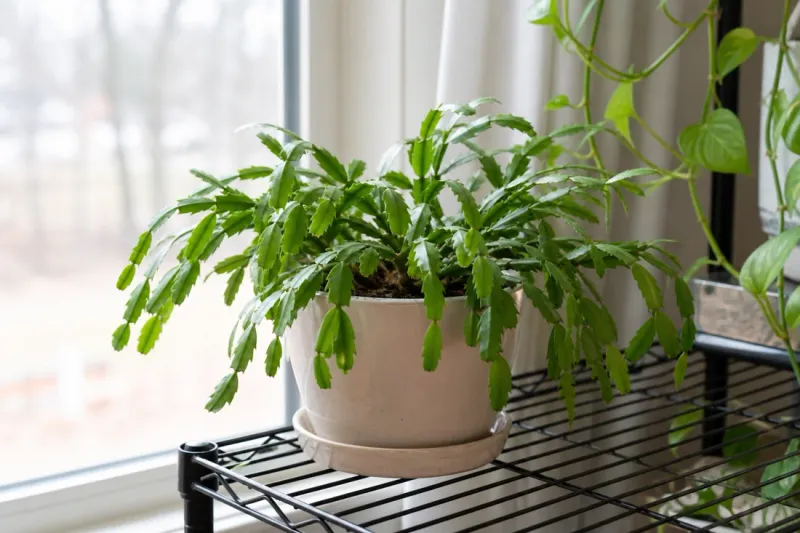
Late August is when I tuck the fertilizer bottle into the cabinet. Most extension guides recommend stopping by late summer or early fall, usually sometime between August and mid-September.
Why stop right before the big moment? The plant needs a signal to quit making stems and start making buds. Steady feeding keeps it focused on leafy growth, which can delay or reduce flowering.
I’m not proud of this, but I once fed straight through October. The plant grew lovely new stems and gave me about five flowers. Lesson learned.
Watering changes a bit during this period too. Let the top inch or so of soil dry before watering, and avoid letting the pot sit in a saucer of water.
Don’t let it go bone dry for weeks, though. Stressing it too hard can cause buds to drop before they open.
Once flowering wraps up in winter, keep holding off on food during the rest period. You’ll pick back up when those fresh spring tips appear again. This on-and-off pattern is the heart of the whole timing question, and it costs nothing except a little patience.
Cool Nights And Long Darkness Wake Up Those Flower Buds
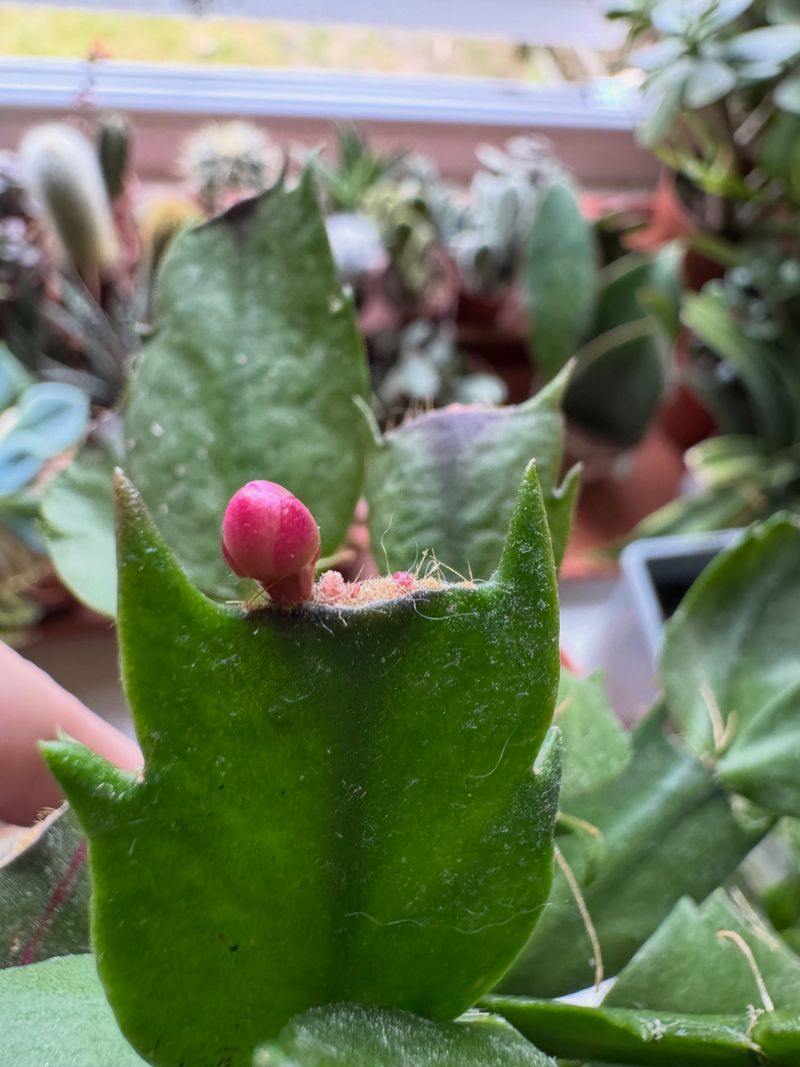
Fertilizer builds the plant, but light and temperature flip the flowering switch. Christmas cacti are short-day plants, meaning long nights tell them it’s time to set buds.
University extension guidance generally suggests 12 to 14 hours of uninterrupted darkness each night for about six weeks in fall. Cool temperatures help even more.
Nights around 50 to 55 degrees Fahrenheit can trigger buds even without strict darkness. Warmer rooms, around 60 to 65 degrees, usually need the long dark nights as well.
Trust me on this one, a single lamp switched on each evening can confuse the plant. A spare bedroom, a cool porch before frost, or a closet at night can work wonders.
If your plant summers outdoors, bring it inside before nights drop below about 50 degrees. Cold snaps and frost can harm the tender stems quickly.
Days should still offer bright, indirect light so the plant keeps making energy. Harsh afternoon sun can turn the stems reddish, which is a sign of stress.
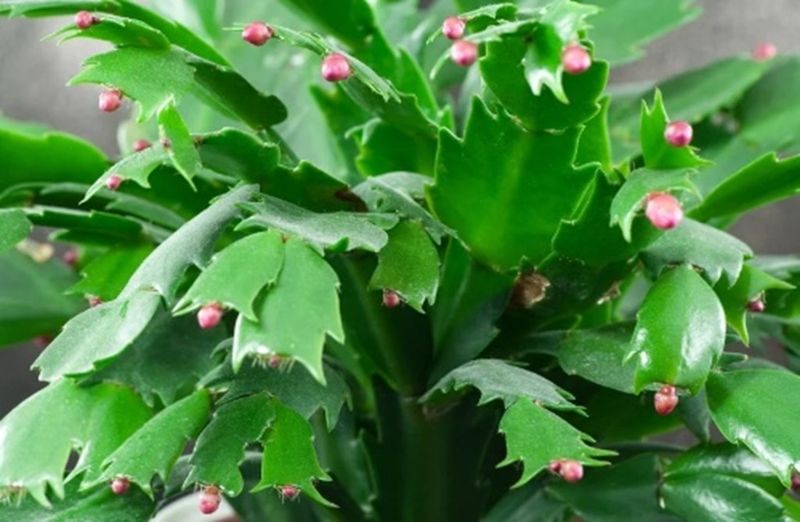
Little bumps at the stem tips usually show up within a few weeks. Those tiny knobs are flower buds, and seeing them for the first time feels like winning a small prize.
Keep Those Christmas Cactus Buds Steady Until They Open
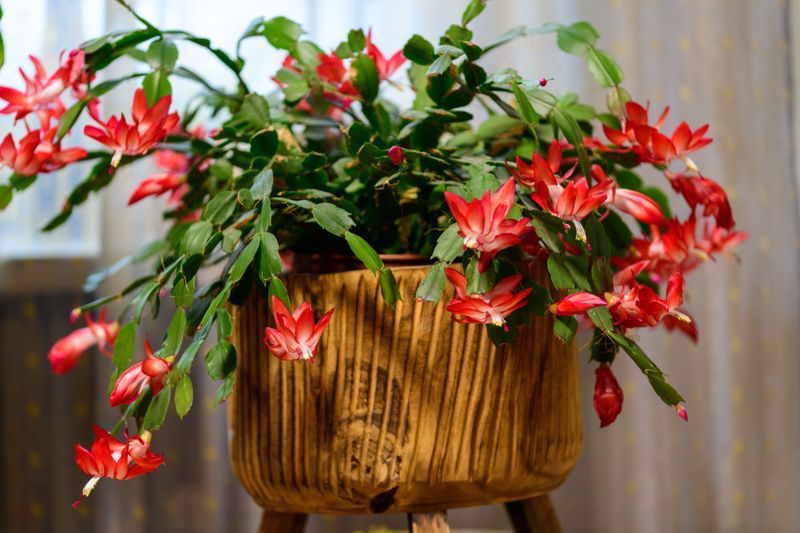
Buds are on, and now the job is simple. Keep things calm and steady so they open instead of dropping to the floor.
Bud drop is the most common heartbreak with this plant. Sudden changes in temperature, cold drafts, hot air from heaters, or swings between soggy and dry soil can all cause it.
Moving the plant to a new spot is a classic trigger too. I’ll say this much, I once carried mine to the dining table for guests and found buds scattered the next morning.
Pick a bright place away from heat vents and drafty doors, then leave it there. Water lightly whenever the top of the soil feels dry.
Hold off on fertilizer while it blooms. The plant already has what it needs for the show.
Once the flowers fade, let it rest for several weeks with less water. Then watch for fresh stem tips in spring, and start that half-strength feeding again.
Here’s the real takeaway. Feed in spring and summer, stop in late summer, and give cool, dark fall nights. Follow that yearly loop, and your plant can bloom for decades, sometimes outliving the person who first potted it.