8 Vegetables You Should Plant In November For A Late Harvest
Frost can actually make certain vegetables taste sweeter, because chilled plants turn stored starch into protective sugars. That natural antifreeze trick explains why a cold garden bed often produces the most flavorful meals of the year.
Several crops even need a long chilly rest before they can form the plump heads you see at markets. Many more simply grow slowly through short days, then race ahead the moment spring sunshine warms the soil again.
Late autumn used to feel like quitting time in my own backyard garden. These days, I look forward to those crisp afternoons with cold fingers and a fresh packet of seeds.
Your local frost dates matter most, so a quick check with your county extension office helps a lot. Which of these sleepy-season crops will earn a spot in your beds before the year ends?
1. Garlic
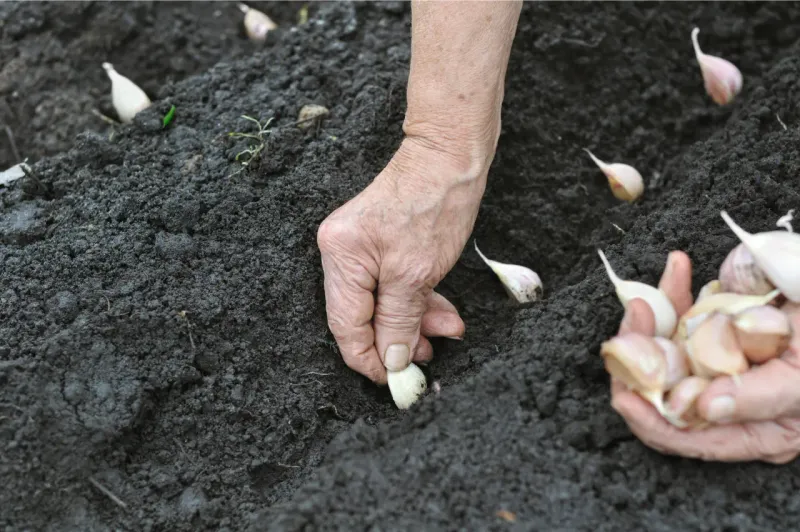
Garlic cloves tucked into chilly soil right now will quietly grow roots for months before showing much above ground. Most hardneck types actually need several weeks of cold to split properly into those fat, separate cloves.
I love how little work it asks once planted, which makes it my favorite lazy crop of late fall. In many areas, extension experts suggest planting a few weeks before the ground freezes solid.
Gardeners in milder southern regions can often plant through November and sometimes into December without any trouble. Break the bulb apart just before planting, keeping the papery skin on each clove for protection.
Set each clove pointed end up, about two inches deep and roughly six inches from its neighbors. Pick the biggest cloves for planting, since larger cloves usually grow into larger bulbs next summer.
Loose, well-drained soil with plenty of compost keeps the cloves from rotting during soggy winter weeks. Raised beds work beautifully if your yard tends to hold puddles after heavy autumn rains.
After planting, spread a thick layer of straw or shredded leaves to soften harsh temperature swings. You can pull some mulch back in spring once green shoots start poking up through the surface.
Expect to dig your bulbs in early summer, when about half of the lower leaves have turned brown. Grocery store garlic sometimes struggles, so buy seed garlic from a trusted garden supplier instead.
2. Spinach
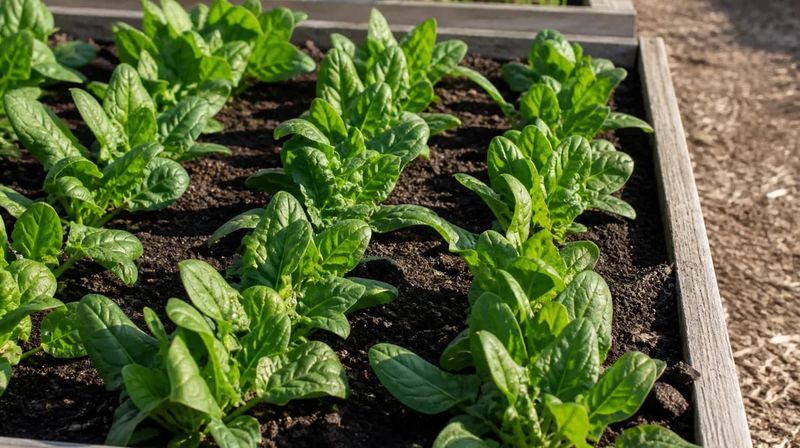
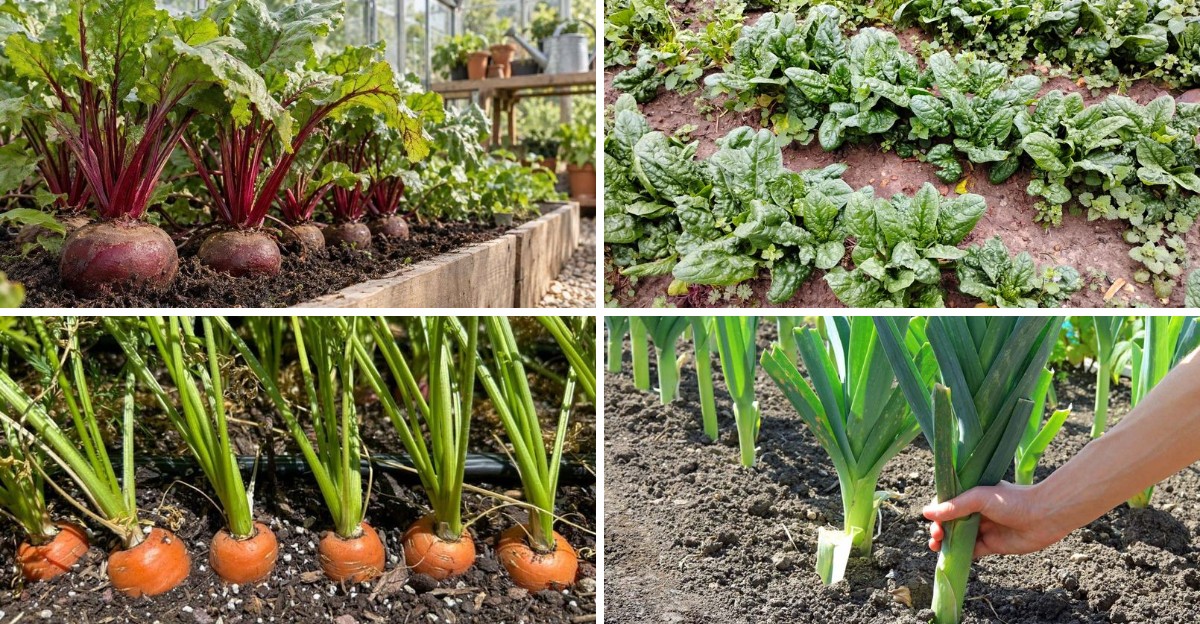
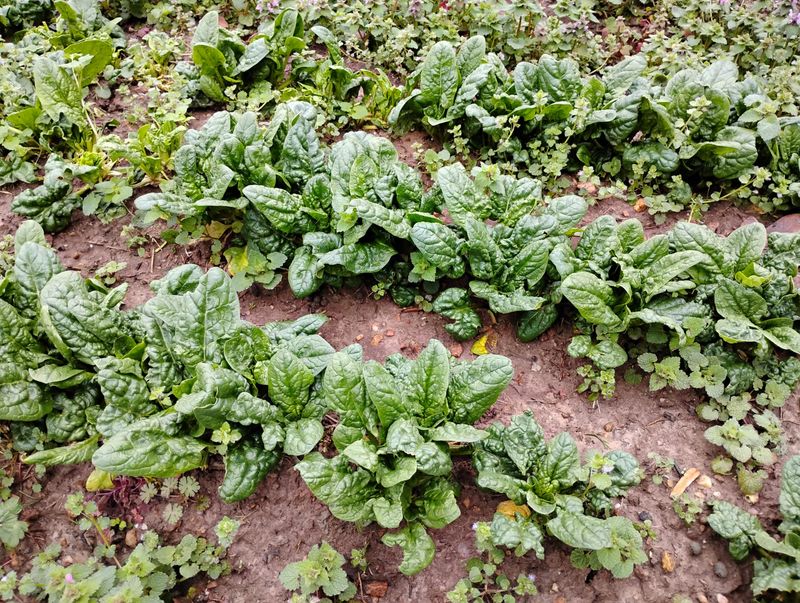
Spinach leaves can handle temperatures in the low twenties, and they often taste sweeter after a frosty night. I still grin when I brush snow off a row and find glossy green leaves underneath.
Mild winter regions are perfect for a November sowing, since spinach germinates well in cool soil. Seeds sprout slowly in cold ground, so give them a week or two before you start worrying.
Sow seeds about half an inch deep, then thin the seedlings so each plant has a few inches of space. Crowded plants compete for light and water, which leads to smaller leaves and weaker growth.
In colder zones, a simple row cover or cold frame can stretch your harvest well into winter. Spinach planted under cover often survives the coldest weeks, then bursts back to life when days lengthen.
Rich soil with steady moisture keeps leaves tender, but soggy beds can invite root rot problems. Mix in compost before sowing, and water only when the top inch of soil feels dry.
Spinach bolts quickly as days get long and warm, which is one big reason fall planting works so well. Short winter days keep plants focused on leaves rather than flowers and seeds.
Harvest the outer leaves first, letting the center keep growing for many more pickings over the season. You might notice that a few handfuls from your own bed taste nothing like bagged spinach.
3. Kale
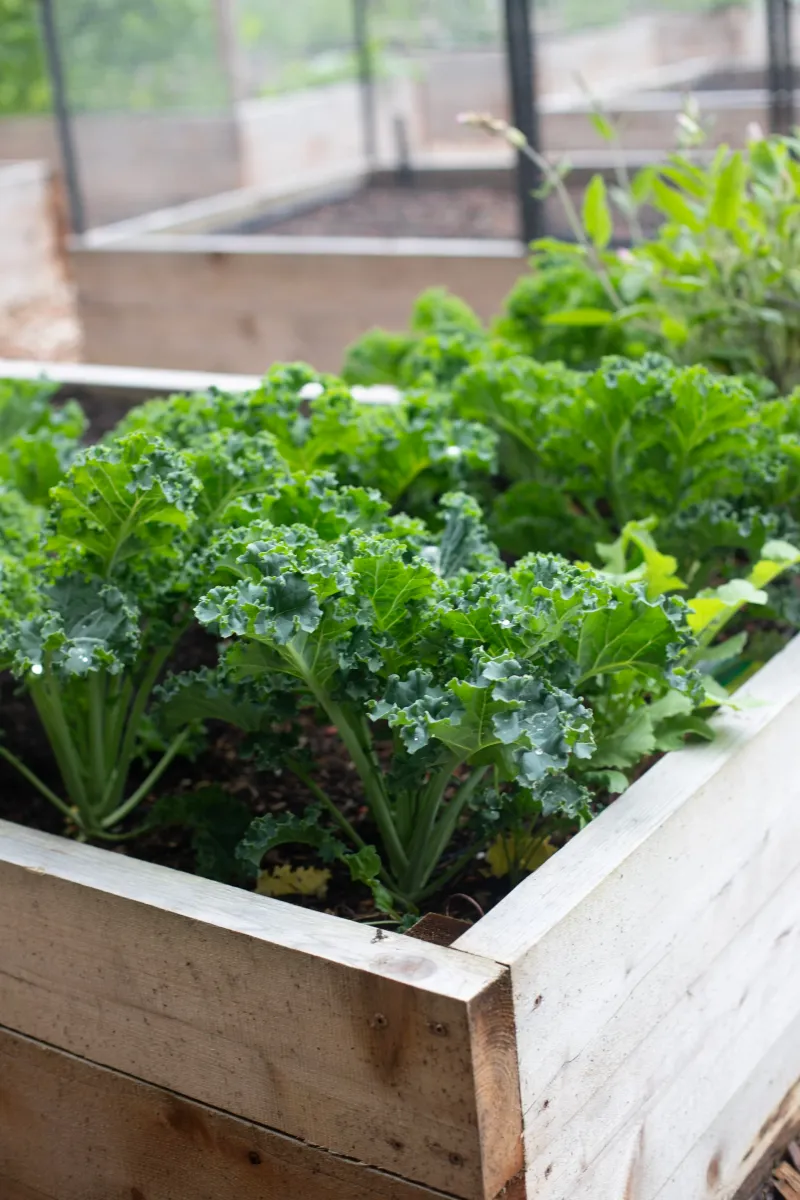
Kale might be the toughest leafy green in the whole garden, often shrugging off frosts that flatten tomatoes. A few cold nights turn its sturdy leaves noticeably sweeter, which surprises many first-time growers.
Personally, I think a frosted kale leaf crunched straight from the plant beats any store-bought bunch. In milder regions, November planting works well, especially when you start with healthy transplants from a nursery.
Transplants give kale a valuable head start, since growth slows down quite a bit as the days shorten. If you prefer seeds, sow them half an inch deep and keep the soil evenly moist.
Space plants about twelve to eighteen inches apart, because mature kale gets surprisingly wide and leafy. Good airflow between plants also helps reduce fungal problems during damp, gray winter weather.
Kale prefers full sun and fertile soil, but it tolerates partial shade better than many vegetables. A side dressing of compost or balanced fertilizer keeps leaves coming steadily through the cool months.
Watch for cabbage worms and aphids, which slow down in cold weather yet can still show up. Floating row covers keep many pests away while also adding a few degrees of frost protection.
Pick the lowest leaves first and let the top keep growing, almost like a tiny leafy palm tree. You can enjoy baby greens in about a month, with full-sized leaves arriving a few weeks later.
4. Carrots
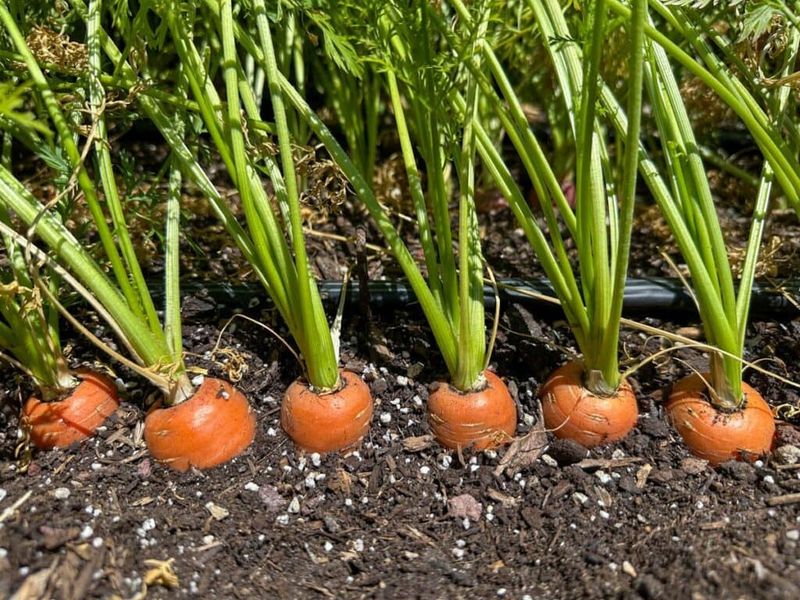
Carrots pulled after a hard frost can taste almost like candy, thanks to starches turning into natural sugars. I have to admit that my first winter carrot tasted so sweet I ate it right there.
November sowing makes the most sense in mild regions, roughly USDA Zones 8 through 10, where soil stays workable. Gardeners in colder areas usually sow in late summer, then leave mature carrots under thick mulch.
Loose, deep soil free of rocks lets roots grow long and straight instead of forking in odd directions. Heavy clay can be loosened with compost, or you can grow shorter varieties like Danvers or Chantenay.
Scatter the tiny seeds about a quarter inch deep, then cover them with a fine layer of soil. Carrot seeds may take up to three weeks to sprout, so patience truly pays off here.
Keep the soil surface moist during germination, because a dry crust can block those delicate seedlings. A light board or burlap sheet laid over the row helps hold moisture until sprouts appear.
Thin the seedlings to about two inches apart once they reach a couple of inches tall. Snipping extras with scissors works better than pulling, since tugging can disturb roots of the plants you keep.
Winter carrots grow slowly, so expect a harvest in late winter or early spring rather than within weeks. You can leave mature roots in the ground and dig them as needed for fresh meals.
5. Beets
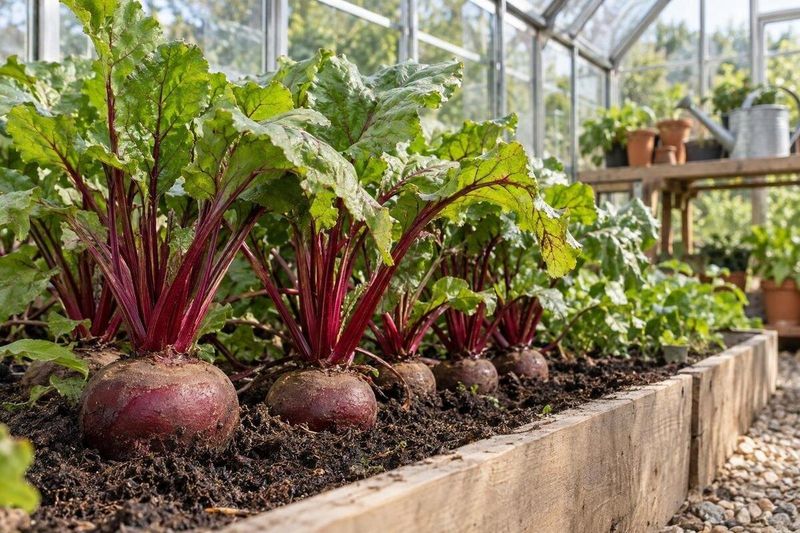
Each wrinkly beet seed is actually a cluster of several seeds, so one planting spot often sprouts multiple seedlings. That quirky detail makes thinning important, but it also means you get bonus baby greens.
Mild winter areas, especially Zones 8 through 10, suit a November beet planting nicely for cool-season harvests. Beets prefer cool weather, and their roots often develop a deeper, earthier sweetness as temperatures drop.
Soak the seeds for a few hours before planting to soften their tough, corky outer coating. Then plant them about half an inch to one inch deep, spacing seeds a couple of inches apart.
Thin seedlings to about three or four inches apart, and toss the tender thinnings into salads or stir-fries. I like how nothing goes to waste with beets, since the leaves taste wonderful too.
Beets grow best in loose soil with a pH between about 6.0 and 7.0, according to many extension guides. A simple soil test from your local extension office can reveal whether you need any adjustments.
Even moisture helps roots stay smooth and tender, while drought can make them tough and woody. Mulching lightly around plants holds moisture and keeps soil temperatures steadier during chilly winter swings.
Harvest roots when they reach golf ball to tennis ball size, which is when flavor tends to peak. Larger beets can turn fibrous, so check a few roots regularly once the shoulders peek above ground.
6. Cold Hardy Lettuce
Certain lettuce varieties, like Winter Density and Arctic King, were bred to handle chilly nights without much fuss. I love how a cold frame full of crisp lettuce feels like a secret salad bar.
Lettuce seeds germinate well in cool soil, but they struggle when soil temperatures climb too high. That quirk makes late fall sowing a smart move in mild regions where frosts stay fairly light.
Sow seeds very shallowly, about an eighth to a quarter inch deep, because they need some light to sprout. Press them gently into the soil so they make good contact, then water with a gentle sprinkle.
In colder zones, a cold frame or hoop tunnel can protect young plants from harsh winter nights. Lettuce leaves can freeze and recover, yet hard repeated freezes may damage tender growth beyond repair.
Loose-leaf types often handle winter better than big heading varieties, and they regrow after cutting. Try harvesting outer leaves only, which lets the center keep producing for several more weeks.
Steady moisture keeps leaves sweet and crisp, but avoid watering late in the day during cold spells. Wet leaves sitting overnight in chilly air can encourage rot and fungal trouble inside covered beds.
Small plants that stall during the darkest weeks often surge with fresh growth as spring daylight returns. You might be eating homegrown salads while neighbors are still flipping through seed catalogs by the fire.
7. Fava Beans
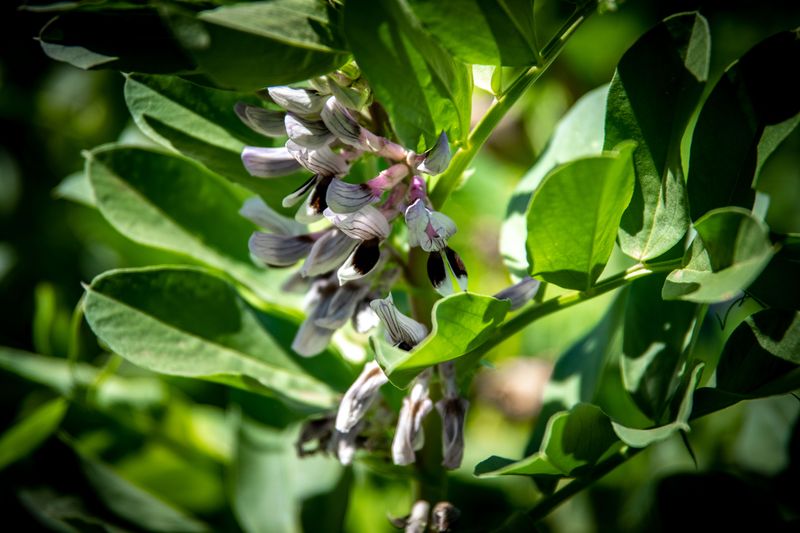
Fava beans have been grown for thousands of years, making them among the oldest cultivated crops in the world. Their chunky green pods and fragrant black-and-white flowers bring surprising charm to a sleepy winter garden.
Mild winter regions, roughly Zones 8 and warmer, are great places to sow favas during late fall. Many varieties tolerate light frosts, though very hard freezes can damage young plants in colder areas.
Plant the large seeds about one to two inches deep and roughly six inches apart in a sunny spot. Soaking seeds overnight can speed things up, but avoid planting them into cold, waterlogged soil.
Favas are legumes, so they partner with soil bacteria to capture nitrogen from the air around their roots. Personally, I chop the spent plants into the soil afterward, giving my summer crops a helpful boost.
Tall varieties can reach several feet, so a few stakes and some twine keep them standing after windy storms. Pinching the growing tips once pods start forming may also discourage aphids, which love tender shoots.
One important caution is that some people with a genetic condition called G6PD deficiency should avoid eating favas. Anyone unsure about that condition should talk with a doctor before adding these beans to meals.
Pods are usually ready in spring, once they feel plump and the beans inside look bright green. Shelling them takes a little effort, but that buttery, nutty flavor makes every minute worthwhile.
8. Leeks
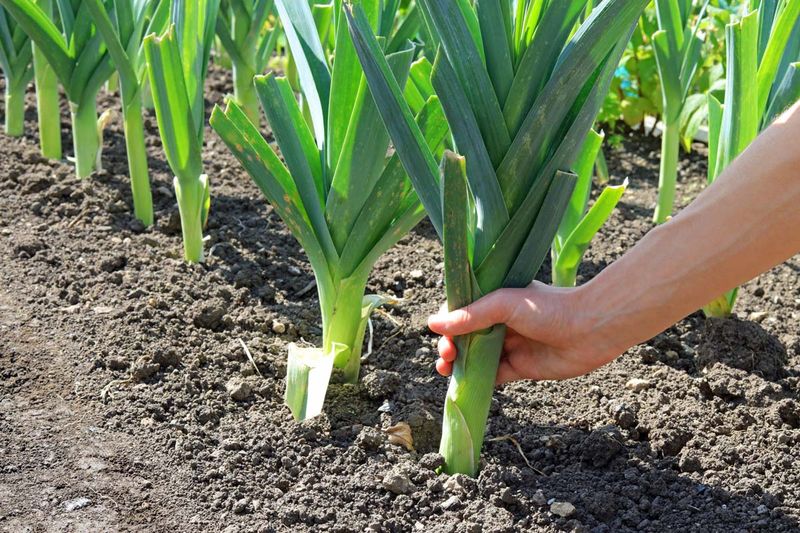
Leeks can stand in frosty ground for months, waiting patiently until you are ready to pull one for soup. I can’t imagine a cozier winter harvest than a thick white leek tugged from cold soil.
Seeds usually start months earlier, so November planting works best with sturdy transplants in mild regions. Gardeners in warmer zones can set out nursery seedlings now and harvest during late winter or spring.
Dig a trench or drill holes about six inches deep, then drop one young leek into each opening. Water them in gently, letting soil wash loosely around the roots rather than packing it tightly.
Space plants about six inches apart, giving each stem enough room to thicken over the coming months. Rows should sit roughly a foot or more apart, so you can easily hill soil against them.
Gradually piling soil or mulch around the stems blocks sunlight, which creates that long, tender white section. This blanching trick has been used by gardeners for generations and makes a big difference in flavor.
Leeks enjoy rich soil and consistent moisture, since their shallow roots dry out faster than you might expect. A layer of straw keeps the soil evenly damp while also adding extra insulation during cold snaps.
Pull leeks whenever stems reach about an inch thick, leaving the rest to keep sizing up. Rinse them well before cooking, because grit loves to hide between those tightly layered leaves.