The Right Time To Harvest Sweet Potatoes In Georgia Gardens
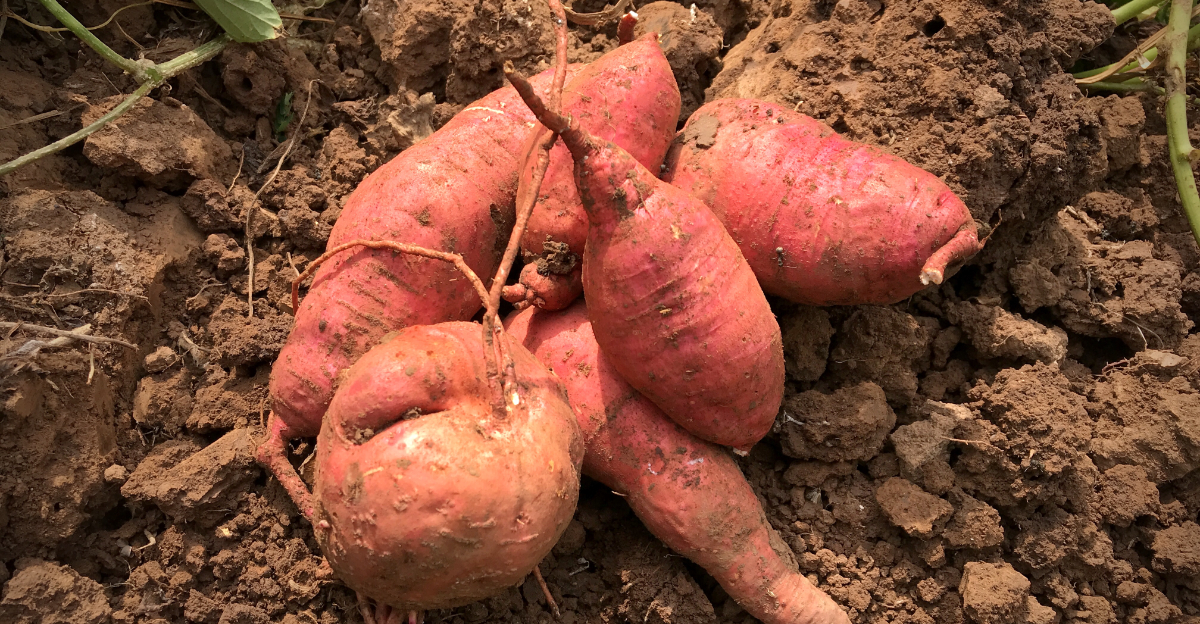
Sweet potatoes don’t give you the best harvest just because the vines look big. Many Georgia gardeners dig them too early and miss out on better size and flavor.
Don’t let impatience cost you a more rewarding harvest. A few simple clues tell you when the timing is right.
Before you reach for a shovel, take a closer look at what your plants are telling you. Waiting a little longer can make a surprising difference.
Keep reading before you start digging. Knowing the right moment helps protect your hard work and rewards you with fuller, healthier sweet potatoes that store better and taste even better at the dinner table.
One smart decision today can pay off with every basket you harvest this season without unnecessary disappointment or wasted effort later.
1. Most Crops Are Ready From Late August Through October
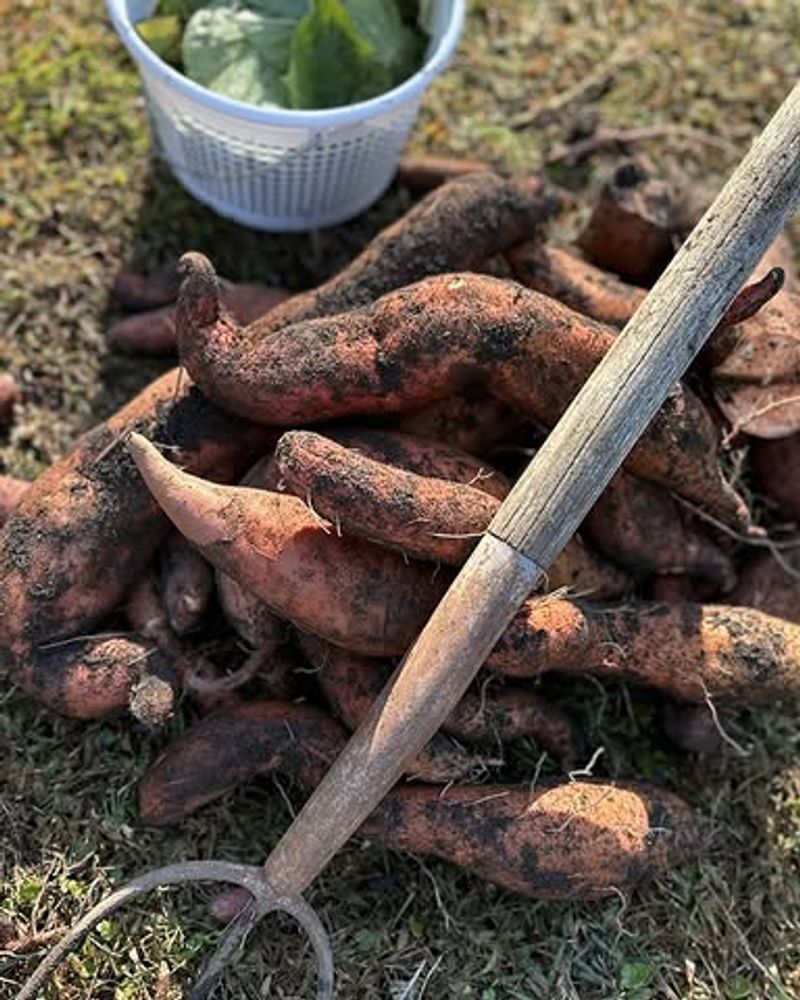
Late August is when most sweet potato gardeners in Georgia start paying close attention. After about 90 to 120 days from transplanting slips, roots are typically approaching full size.
The exact timing depends on your variety and planting date, but that window from late August through October covers most home gardens reliably.
Beauregard and Covington are two of the most popular varieties grown in the Southeast. Both tend to mature closer to the 90-day mark under good conditions.
Other varieties, like Georgia Jet, can be ready even a bit sooner.
Watching the calendar is a useful starting point, but it should not be your only guide. Soil temperature, rainfall, and summer heat all affect how fast roots develop.
A cooler or wetter summer can push maturity back by a few weeks.
Vines naturally begin to yellow and thin out as the season winds down. That visible change is a helpful cue that the plant is shifting its energy.
Roots are no longer putting on much new growth at that stage.
Most experienced gardeners aim to finish harvesting by mid-October at the latest. Waiting past that point in many parts of the South increases the risk of hitting cold nights.
Consistent soil temps below 55 degrees Fahrenheit can affect root quality noticeably.
2. Test One Hill Before Digging The Entire Crop
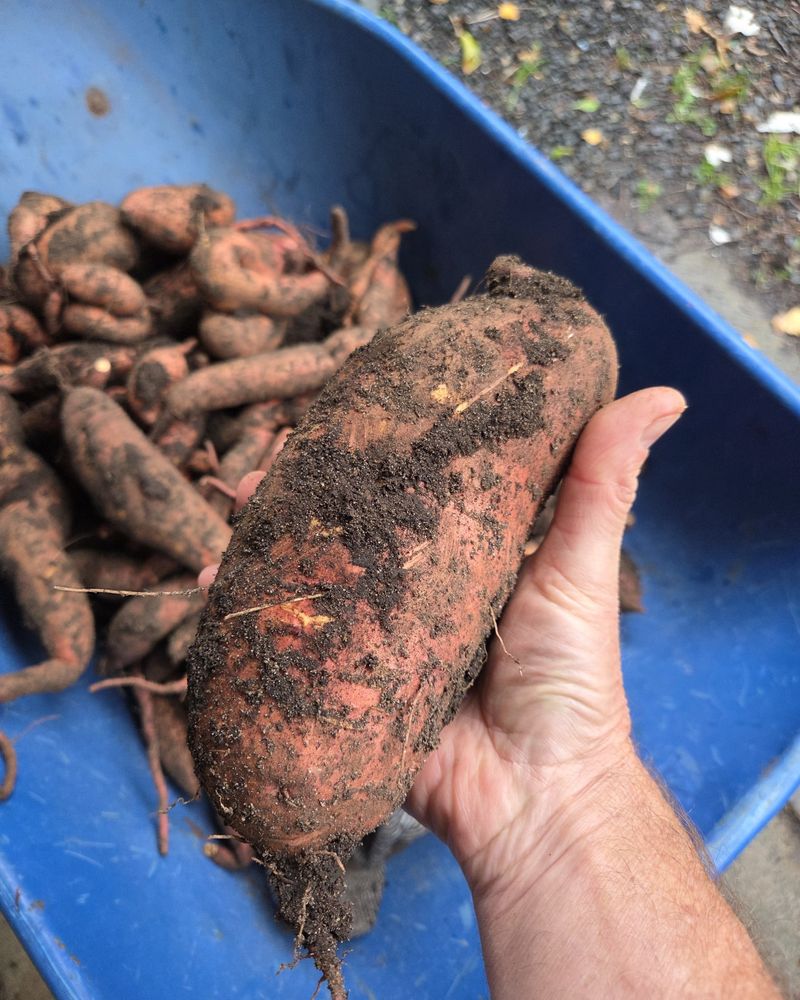
Digging up an entire bed before you know what is down there is a risk not worth taking. A smarter move is to pick one hill near the middle of a row and dig it carefully by hand.
What you find tells you a lot about whether the rest of the crop is ready.
Push a trowel or fork into the soil about six inches from the base of the vine. Work slowly and feel for resistance.
Roots that are firm, smooth, and well-sized are a strong sign the crop is on track.
Size alone is not the final word on readiness. Some gardeners get excited when they see a big root and assume everything is perfect.
Flavor and skin set are just as important as raw size when judging maturity.
Rub your thumb firmly across the skin of a freshly dug root. Mature sweet potatoes have skin that resists slipping off easily.
Your Georgia Garden Changes Every Week. Your Plan Should Too.
Gardening in Georgia changes quickly throughout the season. Every Friday you’ll receive a simple weekly plan showing exactly what to plant, prune, fertilize, harvest, and protect so you never miss the right timing.
If the skin peels away with almost no pressure, the roots likely need more time in the ground.
Check two or three roots from that test hill before making your decision.
One oddly small root does not mean the whole crop is behind. Look at the group as a whole and use what you see to guide your next step.
3. Growing Conditions Can Speed Up Or Delay Maturity
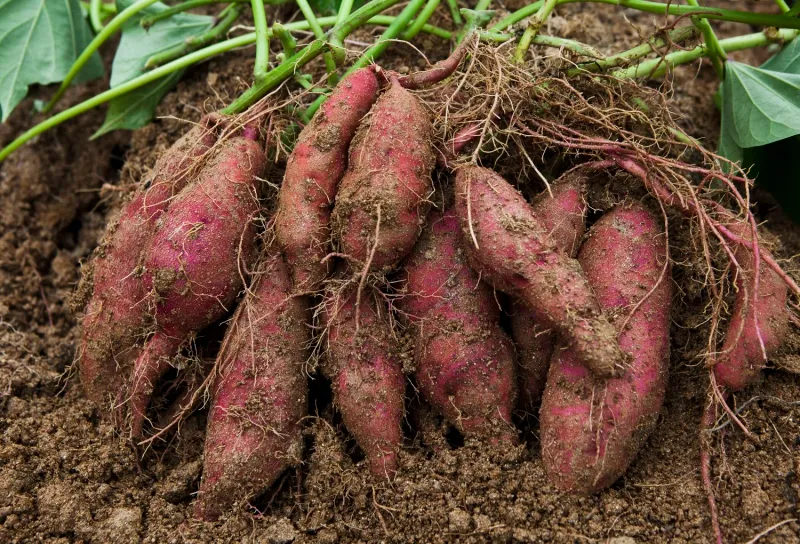
Not every season plays out the same way, and sweet potatoes respond directly to what the weather does. A hot, dry summer with consistent warmth can push roots to mature a little faster than the seed packet suggests.
A cooler or wetter season does the opposite.
Soil type plays a real role too. Loose, sandy loam drains well and warms up faster, which tends to support quicker root development.
Heavy clay soils hold moisture longer and can slow things down, especially after heavy rain events.
Fertilizer choices matter more than people often realize. Too much nitrogen late in the season encourages leafy vine growth instead of root bulking.
Gardeners who ease off nitrogen after midsummer tend to see better root development by harvest time.
Pest pressure and disease can also affect when you need to pull the crop. Severe vine damage from insects or fungal issues can interrupt the plant’s ability to move energy into the roots.
In those cases, harvesting earlier than planned may actually protect what you have.
Raised beds tend to produce slightly different results compared to in-ground rows. Beds drain faster and warm up sooner in spring, which can shift your whole growing timeline by a week or two.
Adjust your harvest expectations based on your specific setup, not just general guidelines.
4. Finish Harvesting Before The First Frost Arrives
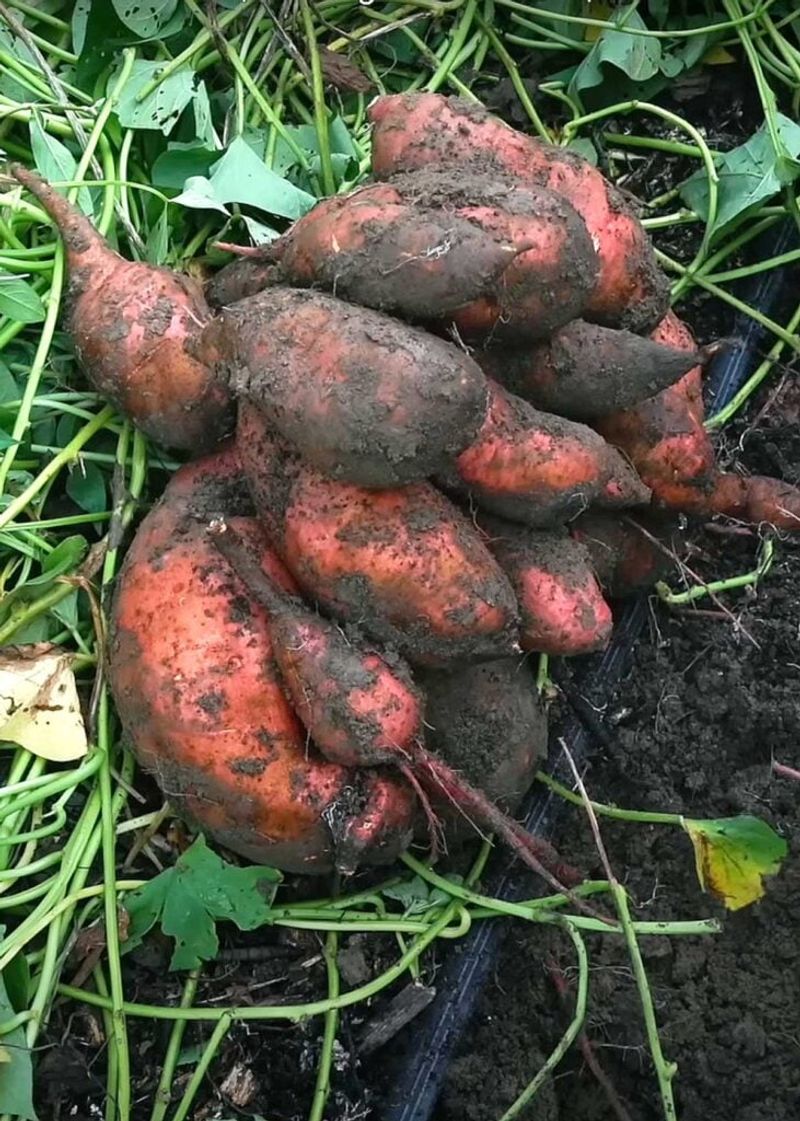
Frost is the key timing point every sweet potato grower needs to respect. Once soil temperatures drop sharply overnight, roots can suffer cold injury that shortens storage life significantly.
The damage is not always visible right away, which makes it easy to miss until roots start breaking down weeks later.
In Georgia, the first frost typically arrives somewhere between late October and mid-November depending on your location. Northern parts of the state see cold nights earlier than coastal or southern areas.
Knowing your local average frost date is a practical starting point for planning your harvest window.
Aim to have all roots out of the ground at least one to two weeks before your expected first frost date. That buffer gives you room if an early cold snap moves in ahead of schedule.
Weather in the South can shift quickly in fall, and surprises happen.
Roots left in cold soil after a frost event may look fine on the outside. Cut one open and you might find discoloration or soft spots forming near the skin.
Those damaged areas can spread during storage and affect surrounding roots over time.
Watch your local forecast closely once September arrives. A few nights in the low 40s are not usually a crisis, but anything approaching 32 degrees is a real concern.
5. Handle Freshly Dug Roots With Care
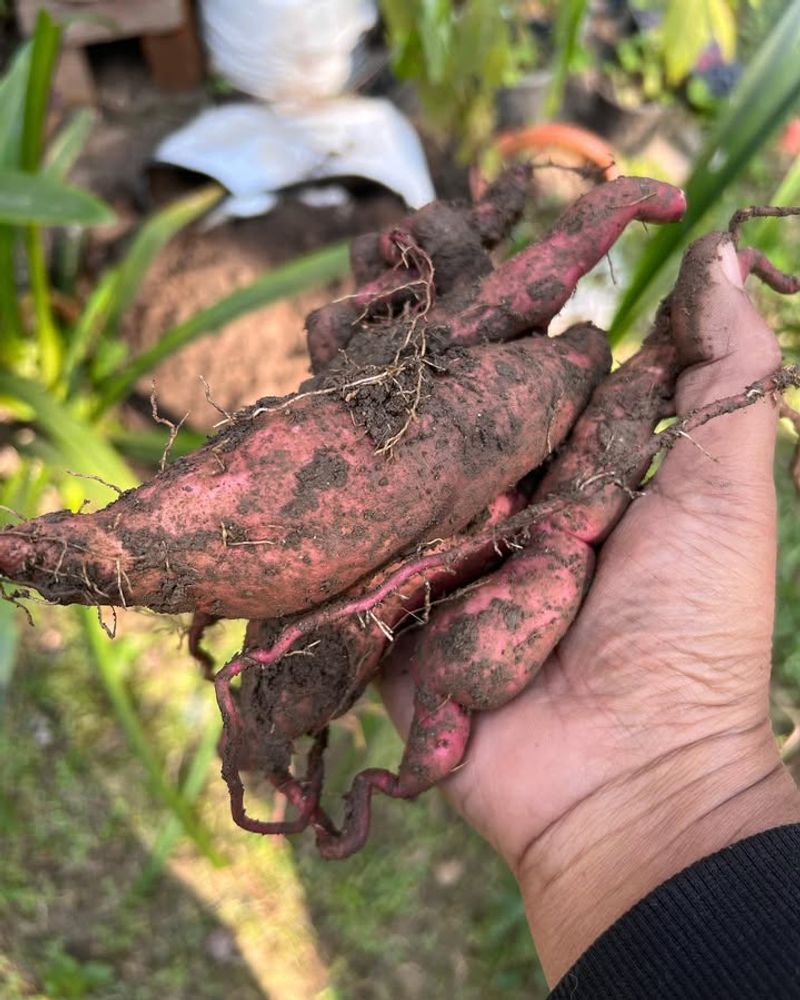
Right out of the ground, sweet potato skin is surprisingly thin and easy to scratch. Even a small cut or bruise can become an entry point for rot during storage.
Handling roots gently from the moment they leave the soil makes a real difference in how long they keep.
Use a broad fork or spading fork to loosen the soil before lifting. Avoid stabbing directly into the center of a hill.
Work from the outside in and let the roots rise naturally rather than pulling them forcefully.
Once roots are out, set them down carefully rather than tossing them into a pile. Stacking them loosely in a crate or shallow bin keeps pressure off individual roots.
Avoid dropping them onto hard surfaces, even from a short height.
Skip washing the roots right after harvest. Wet skin is softer and more prone to damage during the curing process.
Brush off loose soil with your hands or a soft cloth instead.
Sort through your harvest and set aside any roots with cuts, punctures, or obvious damage. Those should be used first since they will not store as well as undamaged ones.
Eating them fresh within a week or two is usually the best option.
6. Cure The Harvest Before Long Term Storage
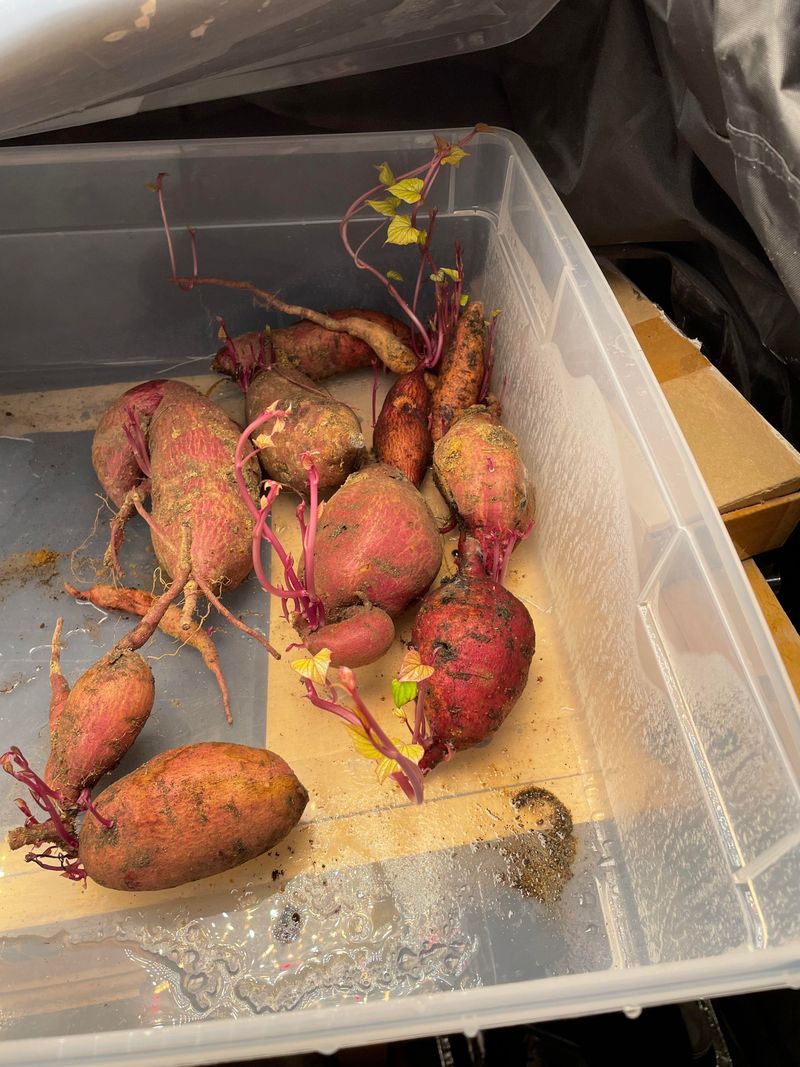
Curing is one of those steps that many first-time growers skip, and it almost always shows in how the roots hold up over winter. Skipping it means shorter storage life and a higher chance of rot spreading through your whole supply.
A simple curing setup is genuinely worth the effort.
Fresh sweet potatoes need a warm, humid environment to cure properly. Aim for temperatures between 80 and 90 degrees Fahrenheit with relative humidity around 85 to 90 percent.
Maintaining those conditions for about 10 to 14 days allows the skin to toughen and small surface wounds to heal over.
A spare bathroom, a warm closet, or a heated garage can work well as a curing space. Placing roots in a single layer on a rack or shelf helps air circulate around each one.
Avoid stacking them during this stage.
Curing also triggers a chemical change inside the root. Starches begin converting to sugars, which is what gives properly cured sweet potatoes their sweeter, richer flavor.
Roots pulled straight from the ground without curing often taste noticeably more starchy.
After curing is complete, let the roots cool down gradually before moving them to a cooler storage area. A sudden temperature shift right after curing can stress the roots.
Give them a day or two at room temperature before relocating them.
7. Store Sweet Potatoes In A Warm Dry Place
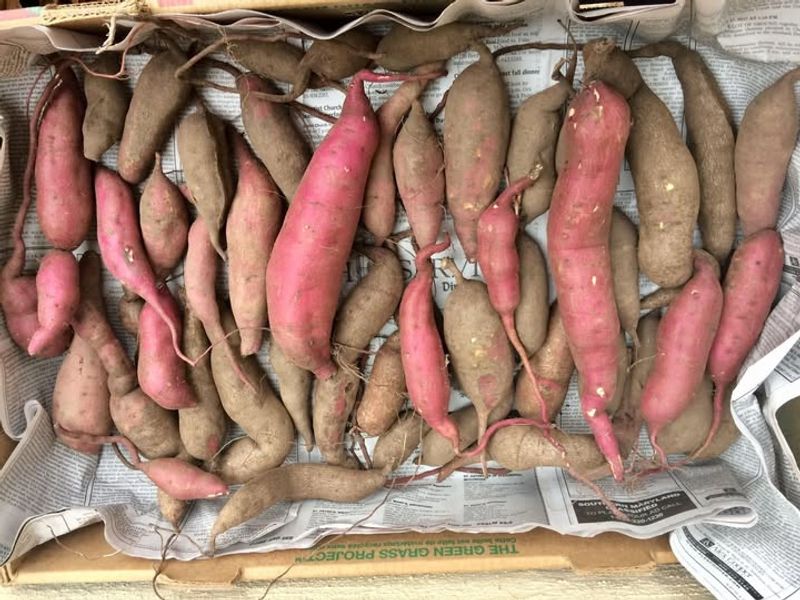
Cold storage is one of the worst things you can do to a sweet potato. Unlike white potatoes that prefer near-freezing conditions, sweet potatoes need warmth to stay in good shape.
Temperatures below 50 degrees Fahrenheit can cause internal damage called chilling injury, which leads to hard spots and off flavors.
After curing, move your roots to a spot that stays consistently between 55 and 60 degrees Fahrenheit. A pantry, a basement corner that stays warm, or a spare room away from drafts can all work.
Avoid storing them in a refrigerator or unheated garage during winter months.
Humidity matters in storage too, but in a different way than during curing. Aim for moderate humidity levels around 60 to 70 percent.
Too dry and the roots will shrivel. Too humid and you risk encouraging mold growth.
Wrapping individual roots loosely in newspaper or placing them in a cardboard box with ventilation holes helps regulate moisture. Avoid sealed plastic bags, which trap condensation and speed up rot.
Airflow around each root is important for long-term keeping.
Check your stored roots every couple of weeks. One soft or rotting root left unchecked can affect others stored nearby.
Catching problems early keeps the rest of your supply in better shape longer.
Properly cured and stored sweet potatoes from a Georgia garden can keep well for several months under good conditions.