Georgia Gardeners Should Avoid Pruning These Shrubs In Late September
Late September in Georgia smells like warm pine straw, sweet tea, and the first hint of cool mornings. Something in that crisp air makes tidy gardeners restless, itchy, and suddenly far too ambitious.
The shed door swings open, and suddenly every shrub in the yard looks a little shaggy and due for a trim. That itch to tidy up hits hardest right when several popular shrubs can least afford it.
Plants keep score, and autumn pruning decisions show up again next spring. A wrong cut now can mean a noticeably thinner bloom months from now.
Georgia’s growing calendar keeps a few quiet rules, and these final September days sit in an awkward spot. Cross that line, and your garden gets even later, with the patience of an elephant’s memory.
1. Azaleas Hold Next Spring’s Flowers Right Now
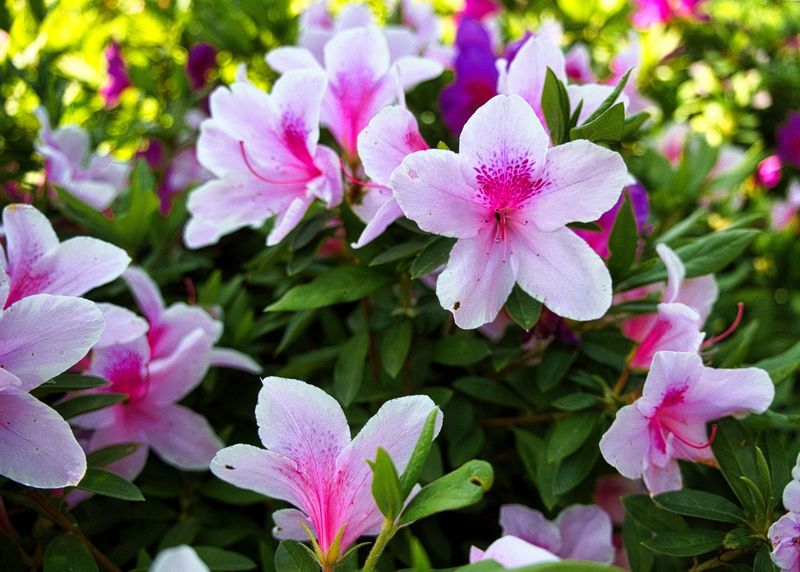
Walk past an azalea this week and the plant looks like it is doing nothing important. Inside those woody stems, next April’s flower buds are already formed and quietly waiting.
Shearing now removes those buds, so spring arrives with plenty of leaves and few blossoms. Georgia azaleas finish setting buds by midsummer, which makes autumn cuts an expensive mistake.
The safest window opens right after the flowers fade, usually late April through early June. Mark that stretch on your calendar, then let the shears nap peacefully in the garage.
Encore azaleas confuse plenty of gardeners because they bloom more than once every single season. They still prefer spring shaping, right after that first big flush of color fades.
Broken branches and obvious storm damage can go anytime, because safety beats flower counts. Keep that work surgical, snipping only what is genuinely damaged or hanging at odd angles.
Instead of cutting this month, check your mulch depth and water during those dry spells. Azalea roots sit shallow, so two inches of pine straw helps them handle dry weather.
Lace bugs also leave stippled leaves behind, and fall is a fine time to scout. Treating pests beats trimming branches when you want a strong flower show next spring.
Gardeners across Atlanta and Macon learn this lesson the hard way, and usually only once. One flowerless spring convinces almost anybody to hide the hedge trimmer until next May.
Patience pays here, oddly enough, and doing nothing counts as real garden work. Your azaleas will repay that restraint with buckets of color.
2. Bigleaf Hydrangeas Carry Buds On Old Stems
Nothing stings quite like a hydrangea that grows beautifully all summer, then refuses to bloom. Late cuts cause that heartbreak more often than soil, shade, or plain bad luck.
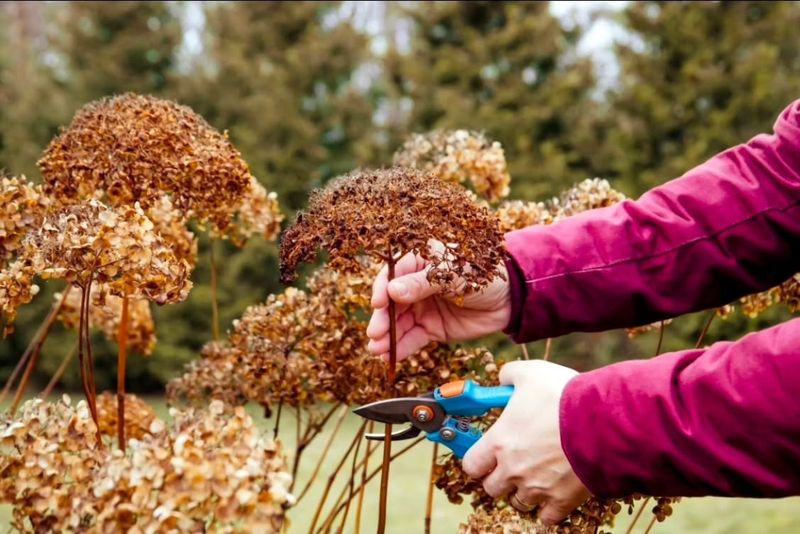
Bigleaf types, the blue and pink mopheads, build flower buds on last year’s stems. Those buds are already formed now, tucked in tight and dressed for winter.
Snip the stem tips this month and you remove the whole show in one pass. Even a light tidy-up around the edges can erase dozens of future flowers.
Georgia heat makes leaves flop and brown, which tempts everyone toward the pruners. Pull off the crispy leaves by hand instead and leave every woody stem alone.
Your Georgia Garden Changes Every Week. Your Plan Should Too.
Gardening in Georgia changes quickly throughout the season. Every Friday you’ll receive a simple weekly plan showing exactly what to plant, prune, fertilize, harvest, and protect so you never miss the right timing.
Reblooming kinds like Endless Summer forgive more, since they flower on new wood too. Still, cutting now trades reliable early blooms for a thinner second round.
The right moment comes just after flowering, roughly mid to late summer. Remove spent heads down to the first strong pair of buds, and stop there.
Brittle, hollow stems snap easily and can be removed whenever you notice them. Scratch the bark with a fingernail first, since green tissue means the stem lives.
Old flower heads left standing look lovely in frost and protect the buds beneath. Skip the fall haircut and enjoy the dried blooms as free winter decoration.
Hydrangea color comes from soil pH, not pruning, so save experiments for spring. Lime nudges stems pink, while aluminum sulfate leans them toward moody blue.
3. Camellias Are Loading Up For Winter Blooms
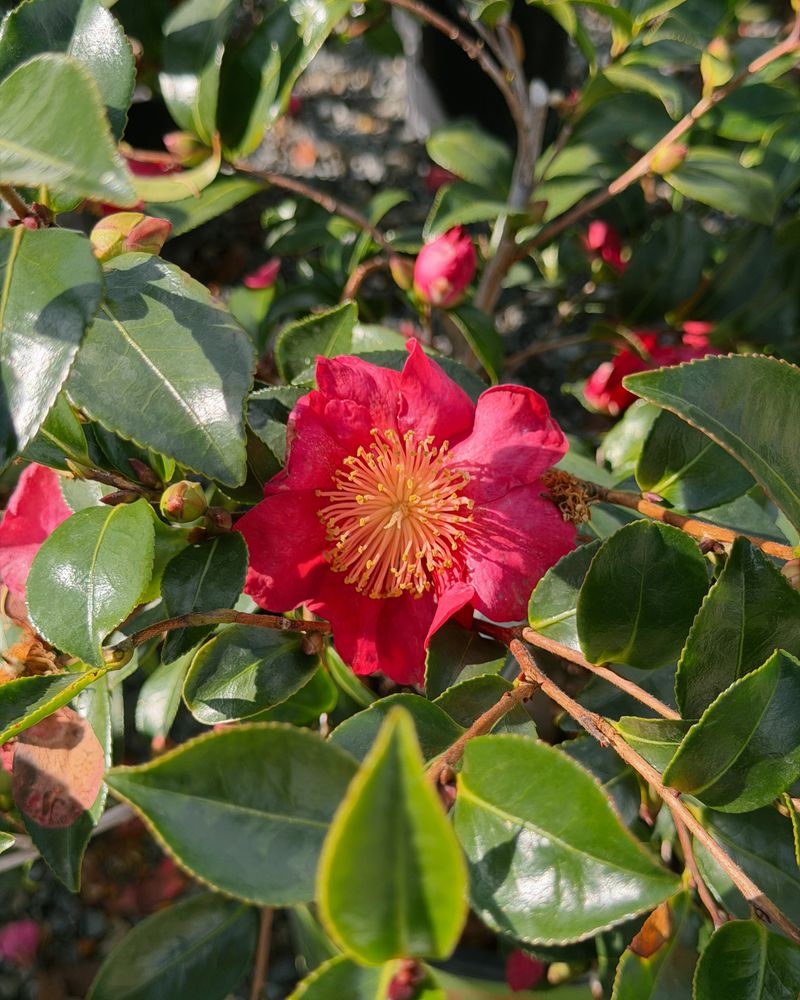
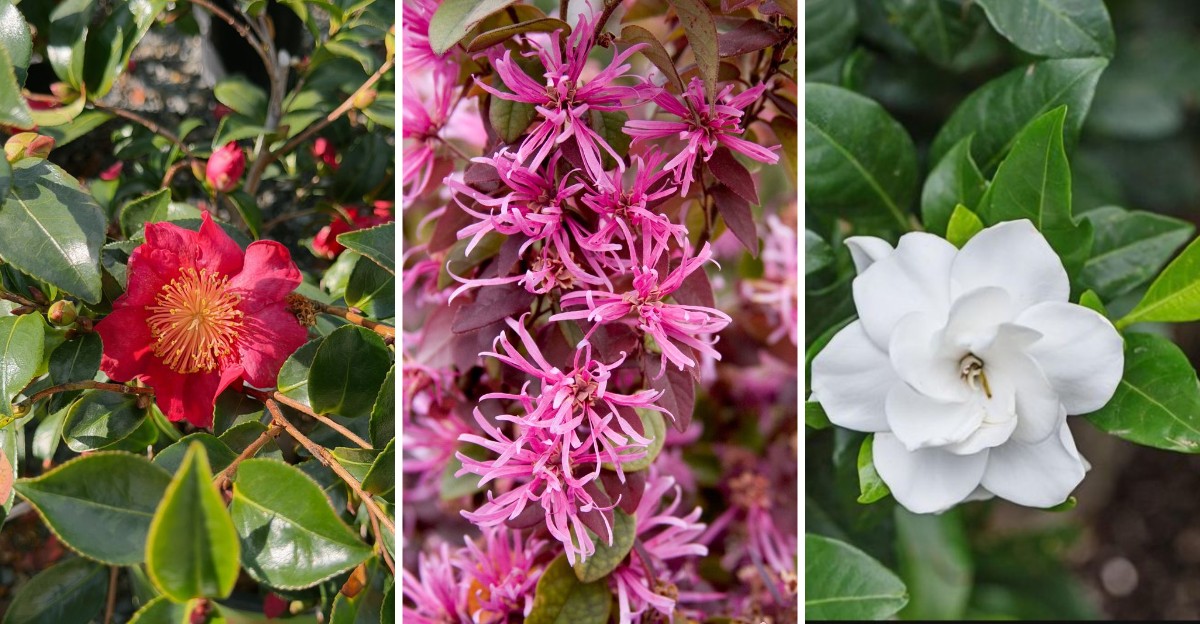
Camellias are the South’s winter showoffs, blooming when everything else looks half asleep. Cut them in late September and you cancel that party before it begins.
Sasanqua camellias open in October and November, with buds swelling on the branches now. Japonica types wait for January through March, and their buds are set as well.
Fat, round buds along the stems tell the whole story if you look closely. Every one you remove is a flower somebody would have photographed this winter.
Timing for shaping falls right after blooming ends, before new growth pushes out. For sasanquas that means late winter, and for japonicas it usually means early spring.
Sudden fall cuts also expose inner branches that have not toughened against cold wind. Tender new shoots may sprout, then suffer during the first hard Georgia freeze.
Camellias grow slowly, so heavy shearing takes several years to disappear from view. Thin a few crossing branches instead, and let the plant keep its natural shape.
Yellow leaves this month usually signal iron shortages or drainage trouble, not overgrowth. Test the soil and adjust your watering habits rather than reaching for the loppers.
Petal blight spreads through fallen flowers, so rake beneath the plants every winter. Fresh mulch each year keeps those spores from splashing back onto healthy new buds.
Some Georgia camellias have been blooming for more than a century, untouched by shears. Slow, patient plants clearly know something about outlasting impatient gardeners with sharp tools.
4. Gardenias Resent Late Cuts Before Cold Weather
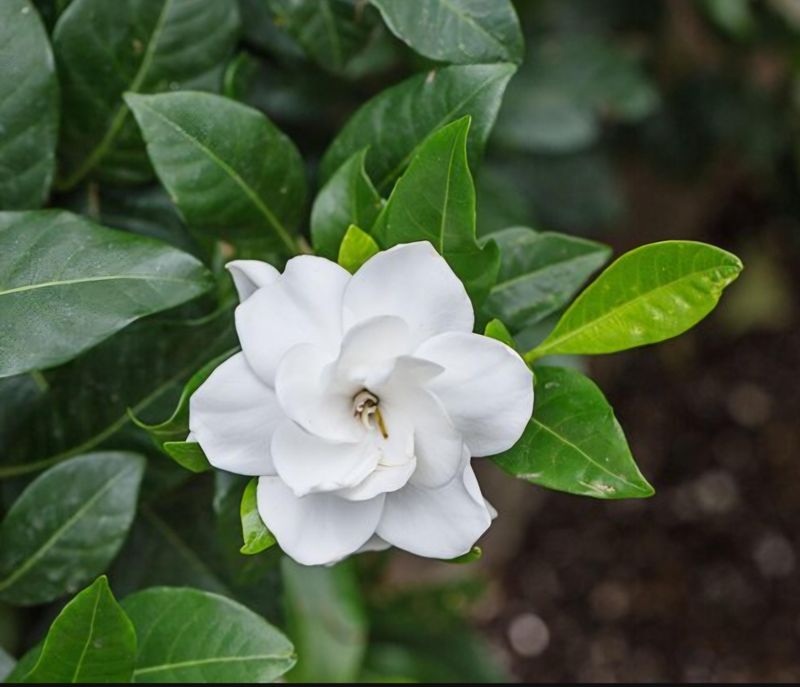
That heavy, sweet perfume drifting across Georgia porches in May comes from gardenia buds. Those buds formed months earlier, which is exactly why a September trim causes trouble.
Gardenias set their flower buds on growth that hardened through the late summer heat. Cutting now removes that wood and forces soft shoots at the worst moment.
Soft new growth cannot handle a sudden December cold snap in Athens or Rome. Damaged tips usually mean fewer flowers and a stressed shrub when spring arrives.
Pruning belongs in the weeks right after the main bloom finishes, around July. Shorten wayward branches then, and the plant has plenty of time to rebuild sturdy wood.
Whiteflies and scale love gardenias, and sticky leaves with sooty mold give them away. Fall is perfect for treating those pests with horticultural oil on a cool day.
Yellowing lower leaves in autumn worry people, though it is often normal shedding. Feed with an acid-loving fertilizer next spring instead of pruning anything in September.
Container gardenias need extra attention because roots chill much faster in pots. Move them beside a warm wall, water well, and resist tidying the branches.
Frozen branch tips can be cleaned up in spring, once real growth appears. Waiting lets you see exactly what survived, which saves plenty of healthy wood.
Fun fact: gardenias were named for Alexander Garden, a Charleston doctor and botanist. He probably would have told you to set those clippers down for now.
5. Forsythia Wands Already Hide April’s Yellow Flowers
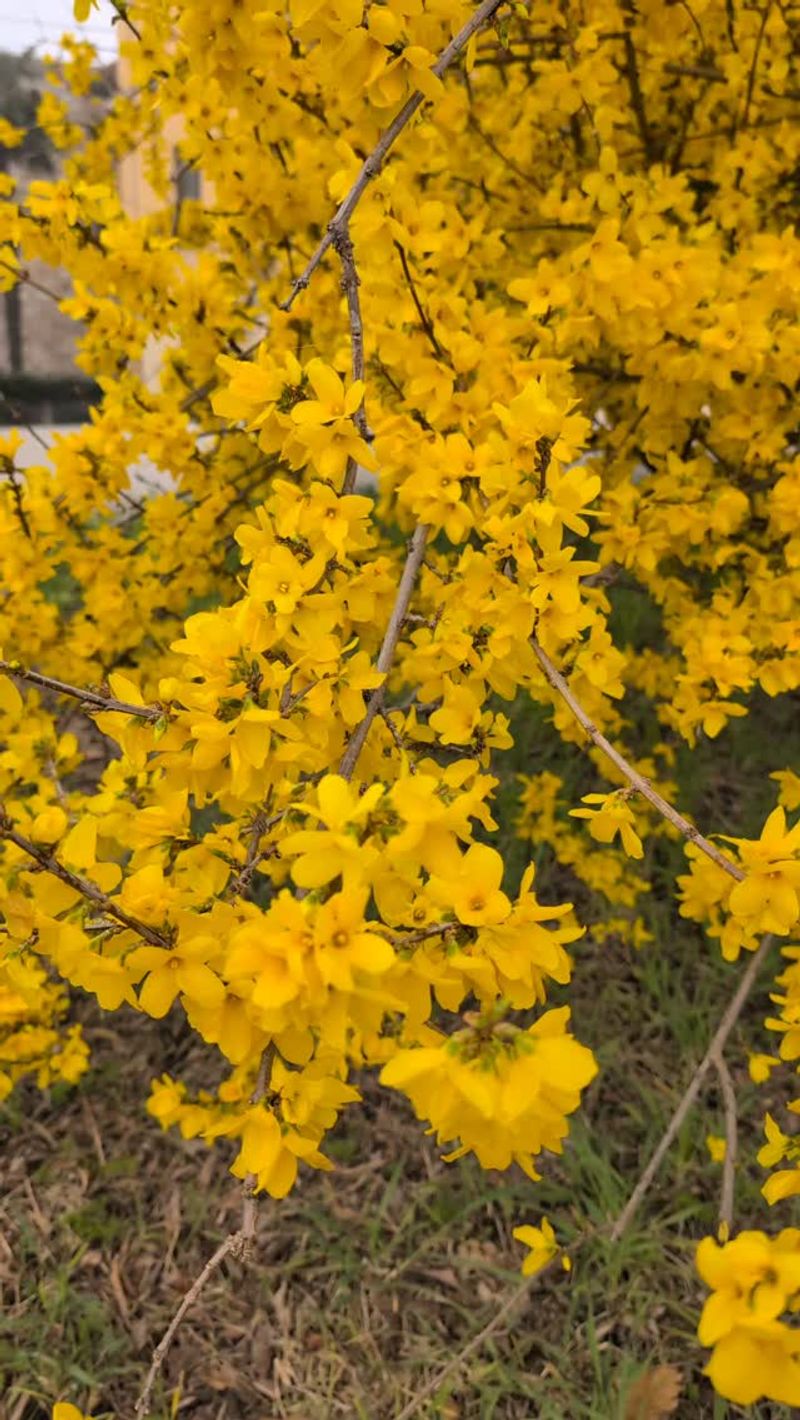
Few shrubs shout spring louder than forsythia, with those bright yellow wands in March. Every single one of those flowers is already packed inside the stems this month.
Forsythia blooms on wood that grew during the previous season, so timing matters enormously. A September shaping produces a tidy green blob and almost no yellow at all.
The plant grows fast and sprawls everywhere, which is why people keep attacking it. Let it arch naturally and it rewards you with an explosion of color.
Right after the flowers fade, cut the oldest canes back near the ground. That renewal trick keeps the shrub young without sacrificing next year’s golden display.
Shearing forsythia into a meatball also fights everything the plant wants to do. Fountain shapes suit it much better, and they need far less work from you.
Warm Georgia autumns sometimes trick freshly pruned forsythia into blooming during November. Those wasted flowers will not return in spring, leaving the branches strangely empty.
Cuttings root easily, so save your trimming energy for making free plants later. Stick pencil-sized pieces into moist soil during late winter and watch them take root.
Deer mostly ignore forsythia, which makes it valuable in rural north Georgia yards. Protect that advantage by leaving the branches thick and undisturbed through this fall.
Forsythia arrived from Asia and was named after William Forsyth, a Scottish gardener. He supervised royal gardens, likely while telling everybody to stop hacking their shrubs.
6. Loropetalum Pushes Tender Growth After Autumn Trims
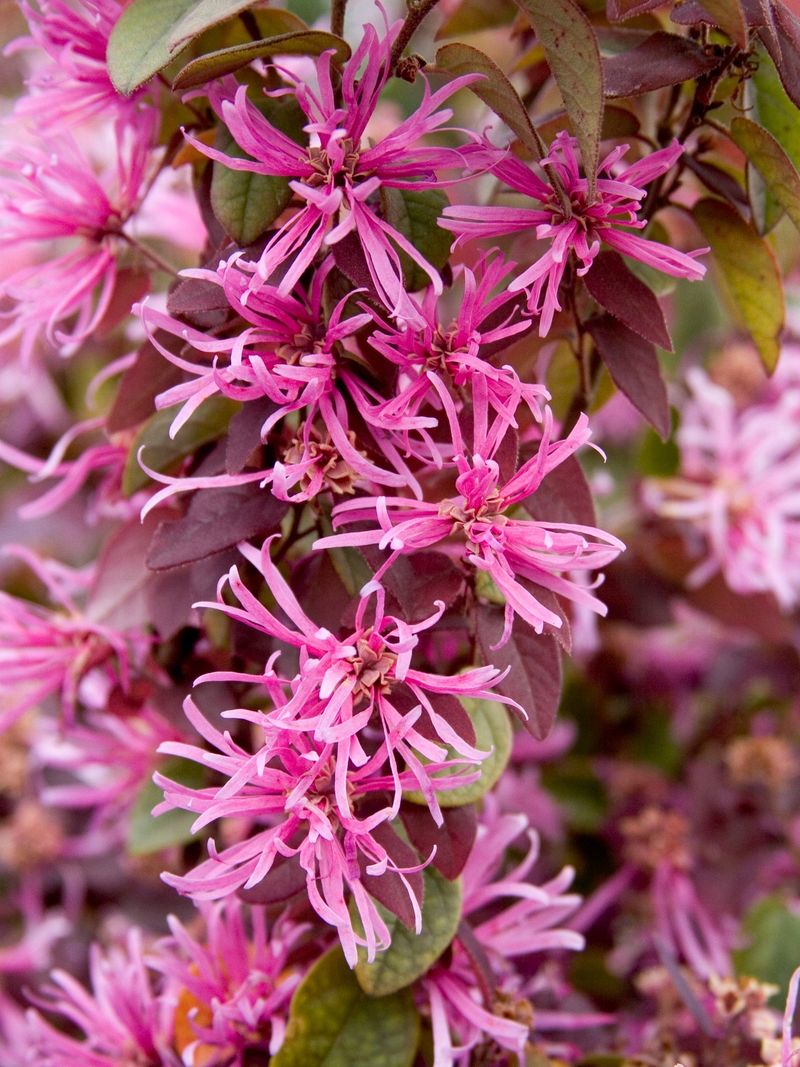
Loropetalum, the Chinese fringe flower, shows up in half the new Georgia landscapes today. Builders plant it everywhere, then nobody mentions that it truly despises autumn haircuts.
Fringe flowers bloom on old wood in early spring, sometimes again in fall. Late September cuts remove those pink fringes and waste months of the plant’s quiet work.
Pruning also pushes soft red shoots that can freeze during the first cold snap. Burned tips can look rough through winter and slow the plant down next spring.
Many varieties genuinely want to be eight feet tall, not two feet wide. Check the plant tag and choose a compact type if your space is tight.
Constant shearing creates a dense outer shell with bare, twiggy centers hidden inside. Reach in and thin whole branches in spring for better airflow and light.
The ideal pruning window sits right after the spring flower show, around April. That timing gives the shrub a full season to grow and set new buds.
Purple leaf kinds fade toward dull green in shade, which pruning cannot fix. Give them six hours of sunshine and the burgundy color deepens beautifully.
Overgrown plants can be cut hard, but save that job for late winter. February renewal pruning lets the warm weather push fresh growth right back out.
Neighbors may be out shearing theirs this weekend. There’s no need to join in.
7. Oakleaf Hydrangeas Remember Every Late Season Snip
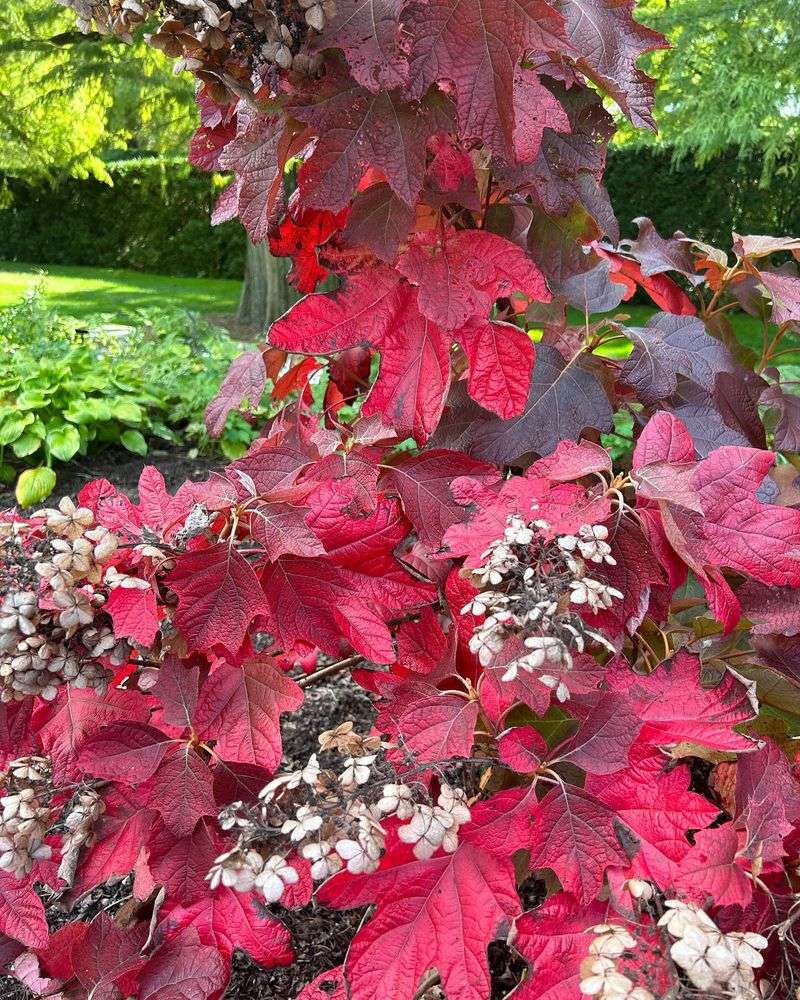
Oakleaf hydrangea is a true Georgia native, and it earns its keep every season. Cone-shaped blooms, oak-like leaves, and burgundy fall color make it a genuine standout.
Flower buds form during late summer, sitting right at the tips of woody stems. Trim those tips in September and next June arrives without a single cone.
Big specimens can stretch eight feet across, which surprises people in small yards. Plan for that size at planting time instead of fighting it with pruners later.
Right after the flowers brown out in midsummer is the best moment to shape. Remove a few of the very oldest stems at ground level, then stop.
Fall leaves turn wine red and bronze, especially with morning sun and afternoon shade. Cutting branches now costs you that color show along with all of the flowers.
Peeling cinnamon colored bark gives quiet winter interest once the leaves finally drop. Leave that structure standing and the shrub still looks handsome in cold January.
Native status means fewer problems, so pests rarely justify a fall pruning session here. Water during autumn droughts instead, because young plants dry out very quickly.
Spent flower cones hold their shape and look wonderful indoors in dried arrangements. Harvest a few gently in late summer without shortening the leafy stems below.
William Bartram described oakleaf hydrangea back in the 1700s while traveling the Southeast. He admired it exactly as it grew, wild, leggy, and gloriously unclipped.
8. Rabbiteye Blueberries Need Their Fruit Buds Intact
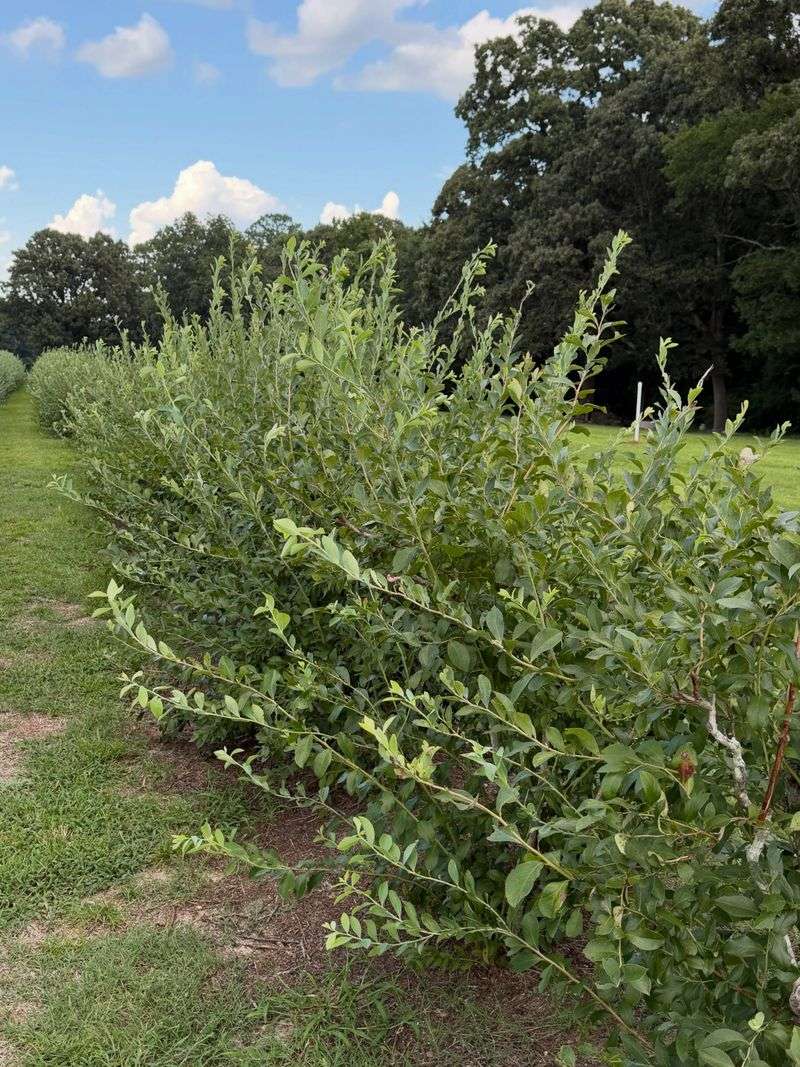
Georgia grows serious blueberries, and rabbiteye types handle our summer heat better than most. Fruit buds for next summer are quietly forming on those stems right now.
Snip the branch tips this month and you trade pie filling for green leaves. Each fat bud near a tip holds a whole cluster of future berries.
Pruning season runs from late winter into very early spring, before new growth starts. February is comfortable, quiet work, and the plant recovers almost immediately afterward.
Autumn cuts can also wake up tender shoots during a warm Thanksgiving week here. A January freeze then damages those shoots and shrinks your summer harvest.
Older bushes benefit from cane renewal, removing one or two gray trunks yearly. Saving that job for winter keeps the fruiting wood safe and highly productive.
Blueberries crave acidic soil, so test the pH and aim for four point five. Pine bark mulch, not lime, keeps them happy in our heavy red clay.
Birds arrive before you do, which is why netting beats pruning as a project. Spend September planning that netting instead of shortening perfectly productive branches.
Fall color on rabbiteye bushes glows orange and red, rivaling many ornamental shrubs. Leave the branches alone and enjoy free landscaping plus breakfast fruit later.
Rabbiteye got its name from berries that blush pink, like a rabbit’s eye. Growers in south Georgia ship millions of pounds, all of it pruned in winter.