The Right Way To Protect Indoor Plants During Texas Heat
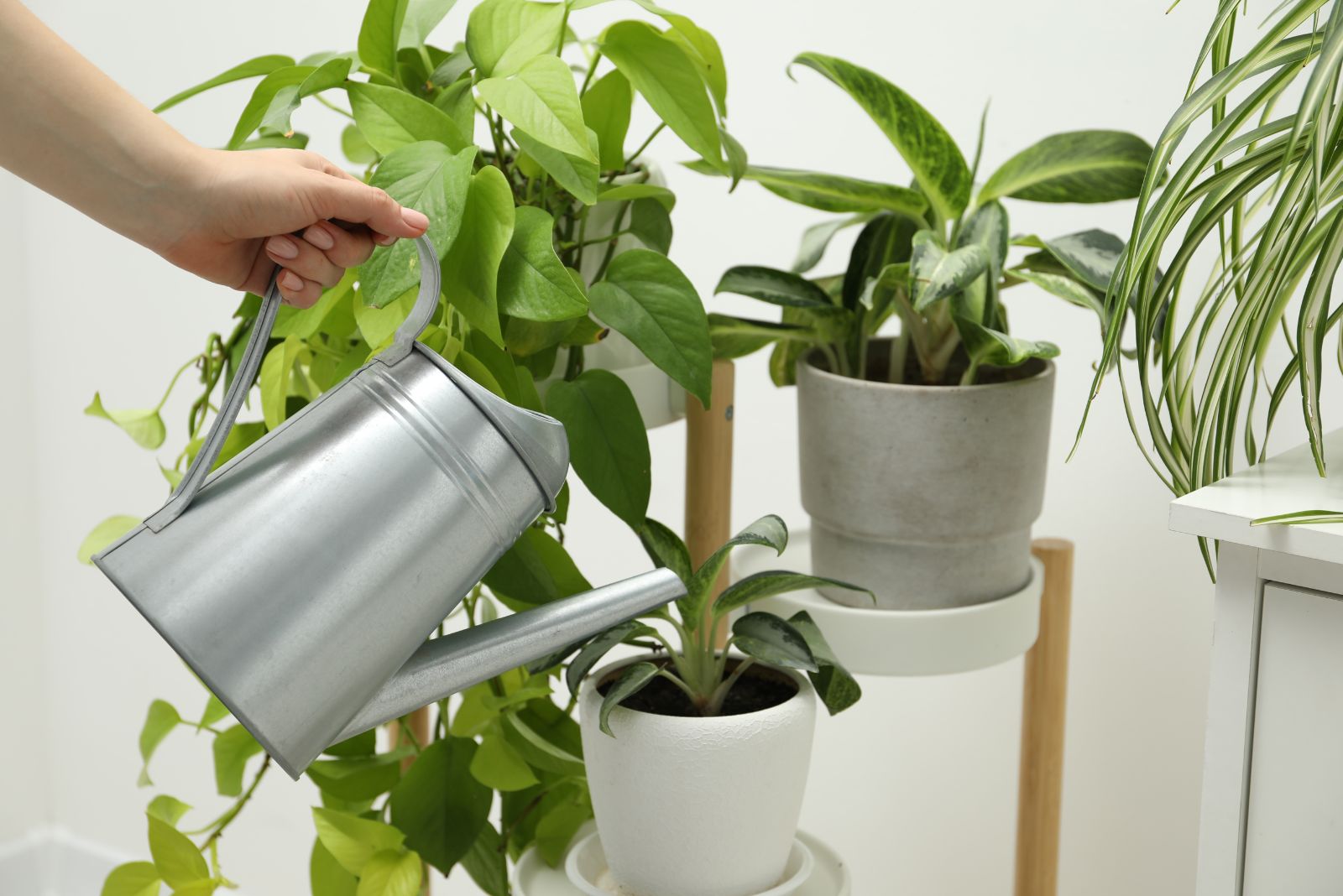
Indoor plants may seem protected from Texas weather, but summer heat has a way of finding them anyway.
A room that feels fine to you can still become a tough place for a plant once strong sunlight pours through the window, air conditioning dries everything out, and temperatures stay high day after day.
That is when healthy leaves start curling, soil dries out faster than expected, and once-happy houseplants suddenly look like they are struggling for no obvious reason.
The tricky part is that people often focus on outdoor heat and forget that indoor conditions can change a lot during a Texas hot spell. .
A bright windowsill can turn harsh by afternoon, and even sturdy plants can get stressed when heat, dry air, and inconsistent watering start piling up at the same time. Protecting indoor plants is not just about giving them more water and hoping for the best.
The right approach is usually a mix of smarter placement, better timing, and a little closer attention to what each plant is telling you.
Once you know how to shield indoor plants from Texas heat, it becomes much easier to keep them healthy, green, and growing strong through the hottest stretch of the year.
1. Keep Plants Away From Direct Sunlight
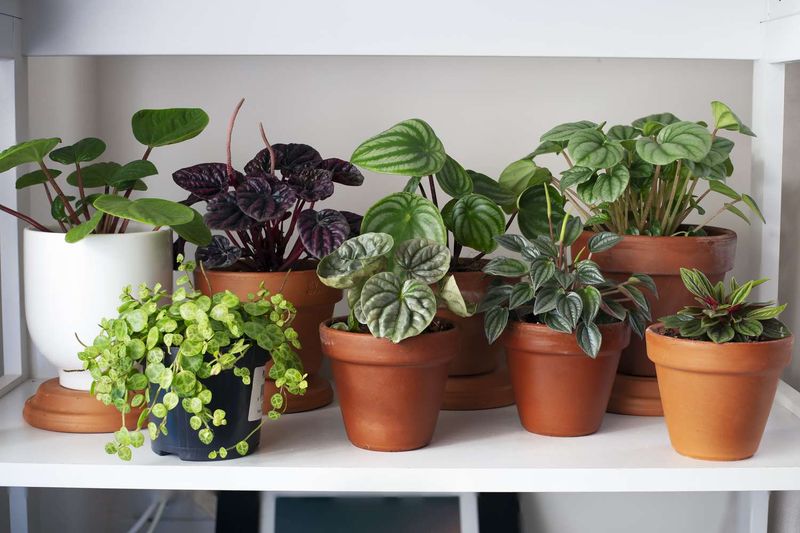
Sunlight streaming through a Texas window in July feels like standing next to an open oven. South- and west-facing windows are especially intense during the afternoon hours, and plants sitting right up against them can suffer badly.
Leaf scorch is one of the most common problems Texas plant owners face during the summer months.
Moving your plants just a foot or two back from the glass can make a huge difference. You do not need to banish them to a dark corner.
A little distance from the window still gives them the light they need without the brutal, direct rays that can burn leaves and dry out soil in just a few hours.
Sheer curtains are one of the easiest and most affordable solutions you can try. They filter out the harshest rays while still letting in soft, gentle light.
Think of them like sunscreen for your plants. Many Texas plant lovers swear by this simple trick during peak summer heat.
If you notice brown, crispy edges forming on your plant leaves, that is a clear sign they are getting too much direct sun. Rotate your plants regularly so all sides get even light exposure.
Pay attention to how the light changes throughout the day, especially during June, July, and August when Texas heat is at its most punishing. Small adjustments to placement can protect your plants and keep them looking fresh and vibrant all summer long.
2. Monitor Indoor Temperatures Closely
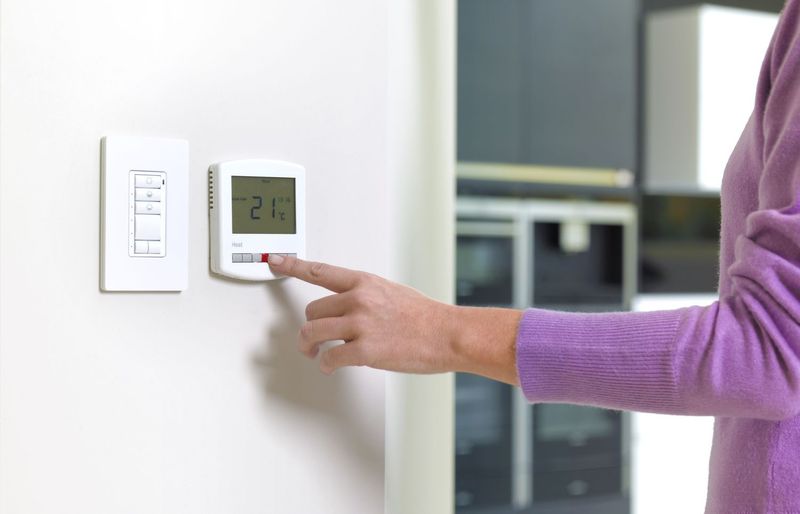
Most people assume their air-conditioned Texas home stays perfectly cool all day, but that is not always the case. Indoor temperatures can spike quickly, especially in rooms that face the sun or have poor insulation.
During a serious heatwave in cities like San Antonio or Austin, even the inside of your home can get uncomfortably warm for your plants.
Plants generally prefer temperatures between 60 and 80 degrees Fahrenheit. When indoor temps creep past that range, plants start showing signs of stress.
Leaves may droop, curl, or look dull even when the soil feels moist. That is your plant telling you something is off with its environment.
Keep a simple indoor thermometer in the rooms where your plants live. This small tool gives you real-time information and helps you act fast when temps rise.
If a room is getting too hot, move your plants to a cooler spot in the house, like an interior hallway or a shaded room on the north side of your home.
Avoid placing plants near heat vents, stoves, or appliances that give off warmth. Even a small amount of extra heat from these sources can push already-stressed plants over the edge.
During the hottest weeks of a Texas summer, check your indoor temps morning and evening. Staying aware of temperature changes is one of the simplest but most powerful ways to keep your indoor garden healthy when the Texas heat is at full force.
3. Water Properly (Not Too Much Or Too Little)
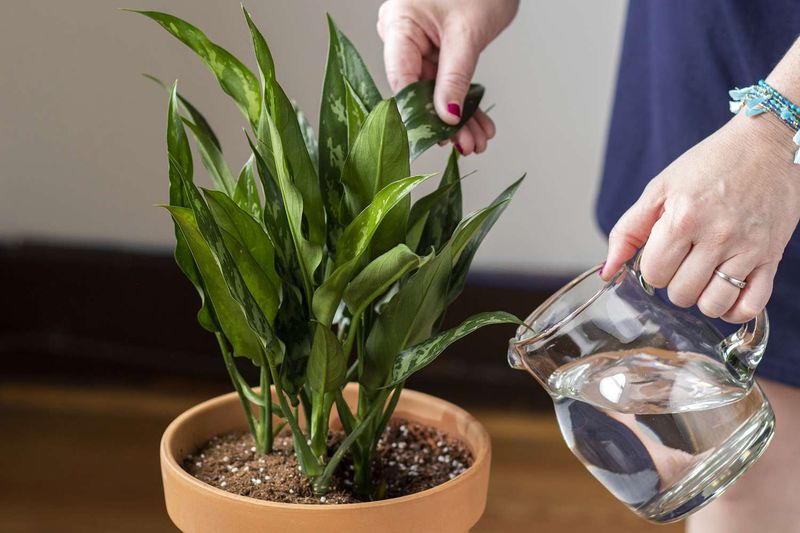
Watering during a Texas heatwave feels like a guessing game, but it does not have to be. The biggest mistake plant owners make during summer is assuming hot weather always means plants need more water.
While heat does cause soil to dry out faster, overwatering is still one of the most common ways to harm indoor plants.
Before you reach for the watering can, stick your finger about an inch into the soil. If it feels dry, go ahead and water thoroughly.
If it still feels damp, hold off for another day. This simple check takes about three seconds and can save your plant from root rot, which happens when roots sit in soggy soil for too long.
Water deeply when you do water. This encourages roots to grow downward and become stronger, which helps the plant handle stress better.
Shallow, frequent watering can lead to weak roots that struggle during intense heat. Try watering in the early morning or evening when temperatures are lower, so the water has time to soak in before the heat of the Texas afternoon kicks in.
Different plants have different water needs, so get familiar with what yours prefers. Succulents need very little water, while tropical plants like peace lilies prefer consistently moist soil.
Grouping plants by their water needs makes your routine easier and more effective. Proper watering is truly the foundation of keeping indoor plants healthy through a long, hot Texas summer.
4. Increase Humidity When Needed
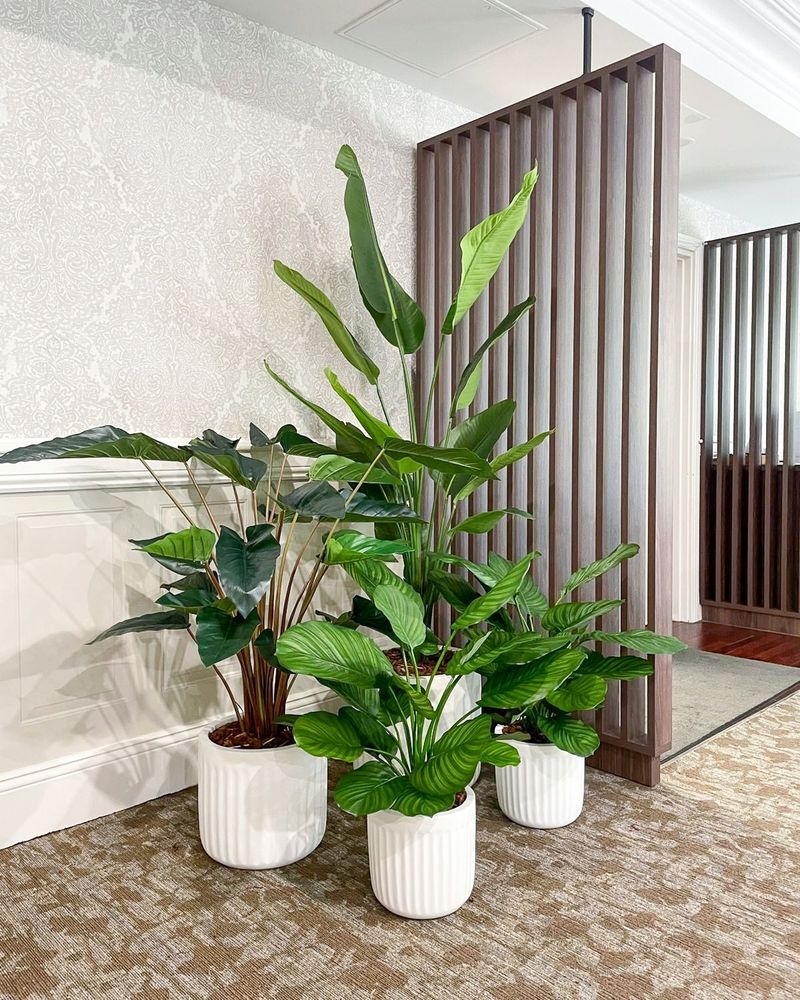
Air conditioning is a lifesaver during a Texas summer, but it comes with a downside for your plants. AC units pull moisture out of the air, and that dry indoor environment can be tough on humidity-loving plants.
Tropical varieties like ferns, calatheas, and peace lilies especially struggle when the air gets too dry.
One of the easiest fixes is a humidity tray. Fill a shallow tray with small pebbles and add water until it reaches just below the top of the pebbles.
Set your plant pot on top. As the water slowly evaporates, it creates a little pocket of moisture right around your plant. It is a low-effort solution that makes a noticeable difference.
Misting your plants lightly with a spray bottle is another option. A quick mist in the morning gives leaves a refreshing boost and raises the humidity for a short time.
Just avoid misting in the evening, since wet leaves overnight can lead to mold or fungal issues, especially in warm Texas conditions.
Grouping plants together is a surprisingly effective trick. When plants are clustered, they release moisture through their leaves in a process called transpiration, and that moisture benefits all the plants nearby.
It is basically a little plant community working together. You can also use a small humidifier in the room during the driest parts of summer.
Keeping humidity levels between 40 and 60 percent is a good target for most common indoor plants in Texas homes.
5. Improve Air Circulation
Stagnant, hot air is bad news for indoor plants. When air stops moving, heat builds up around leaves and creates the perfect conditions for stress and disease.
Good airflow helps plants regulate their temperature, stay hydrated more efficiently, and fight off pests that love to hide in stuffy, still environments.
A simple solution many Texas plant owners use is a small fan placed across the room. You do not want to aim it directly at your plants, because a constant strong blast of air can actually dry them out too fast and cause stress.
Instead, position the fan so it creates gentle, indirect airflow throughout the room. Think of it as a soft breeze rather than a wind tunnel.
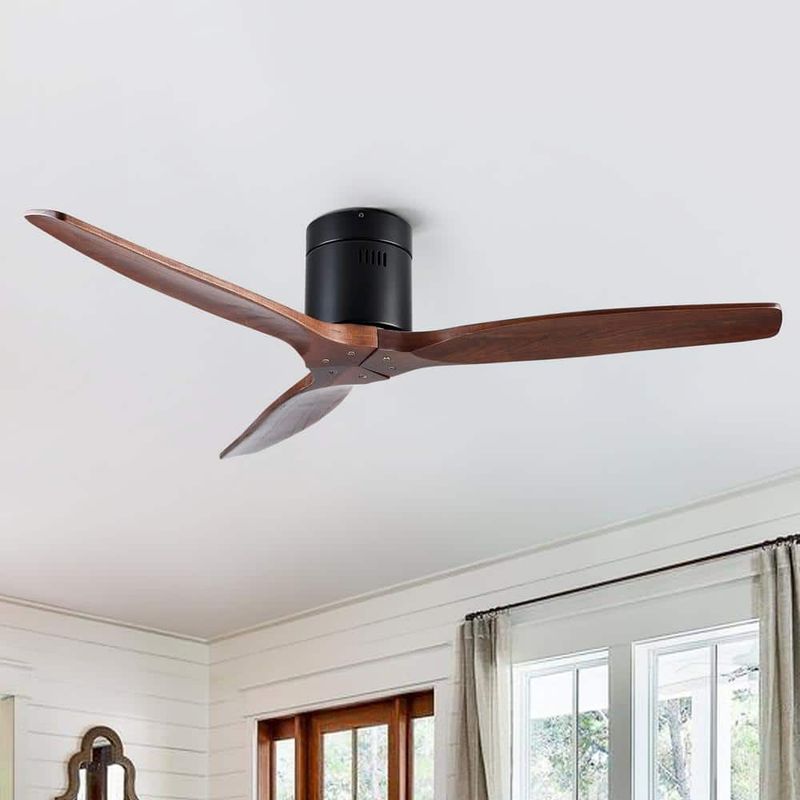
Ceiling fans are also helpful for keeping air moving without targeting any one spot. Running them on a low setting during the hottest hours of the day can help reduce the overall temperature of the room and keep your plants more comfortable.
This is especially useful in Texas homes where summer heat lingers well into the evening.
Opening windows during cooler parts of the day, like early morning or after sunset, is another easy way to refresh the air inside. Just be mindful of outdoor heat and humidity levels before doing this during peak summer.
Pruning overcrowded plants and spacing them out a bit also helps air move through more freely. Proper circulation is a quiet but powerful tool in your plant care routine during the brutal Texas summer months.
6. Avoid Fertilizing During Extreme Heat
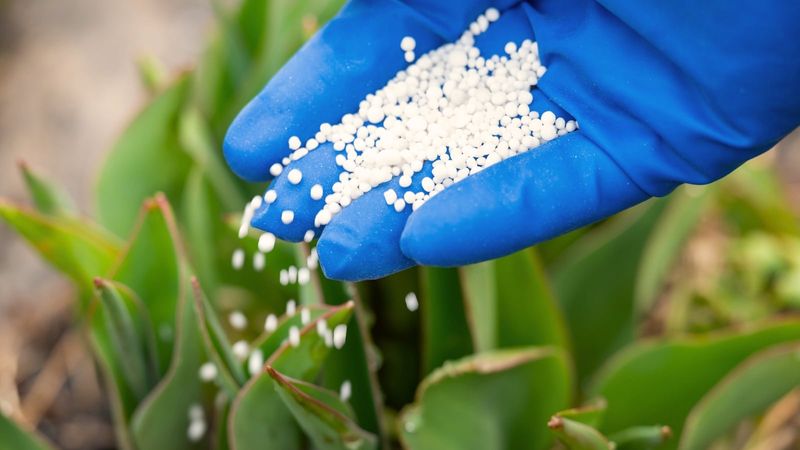
Fertilizer is a great thing for plants under normal conditions, but during a Texas heatwave it can actually cause more harm than good. When plants are already dealing with high temperatures and stress, their ability to absorb nutrients slows way down.
Pushing fertilizer on a stressed plant is a bit like asking someone to run a marathon when they have a fever.
Chemical fertilizers, especially, can build up in the soil when plants are not actively absorbing them. This leads to a condition called fertilizer burn, where salt buildup in the soil damages roots and makes it even harder for the plant to take in water.
You might notice leaf tips turning brown or yellow if this happens, which is a sign to back off immediately.
The smartest move during the hottest weeks of summer in Texas is to pause your fertilizing routine entirely. Wait until temperatures cool down and your plants start showing signs of active growth again before resuming.
Most plants naturally slow their growth during extreme heat, so they simply do not need the extra nutrients right now.
If you feel like you need to do something to support your plants during a heatwave, focus on water and placement instead.
Once fall arrives and temperatures in Texas start to drop, you can gradually reintroduce a gentle, diluted fertilizer to help your plants recover and thrive.
Patience during peak heat is one of the most underrated plant care strategies around. Less really is more when the mercury is soaring.
7. Check For Heat-Related Stress And Pests
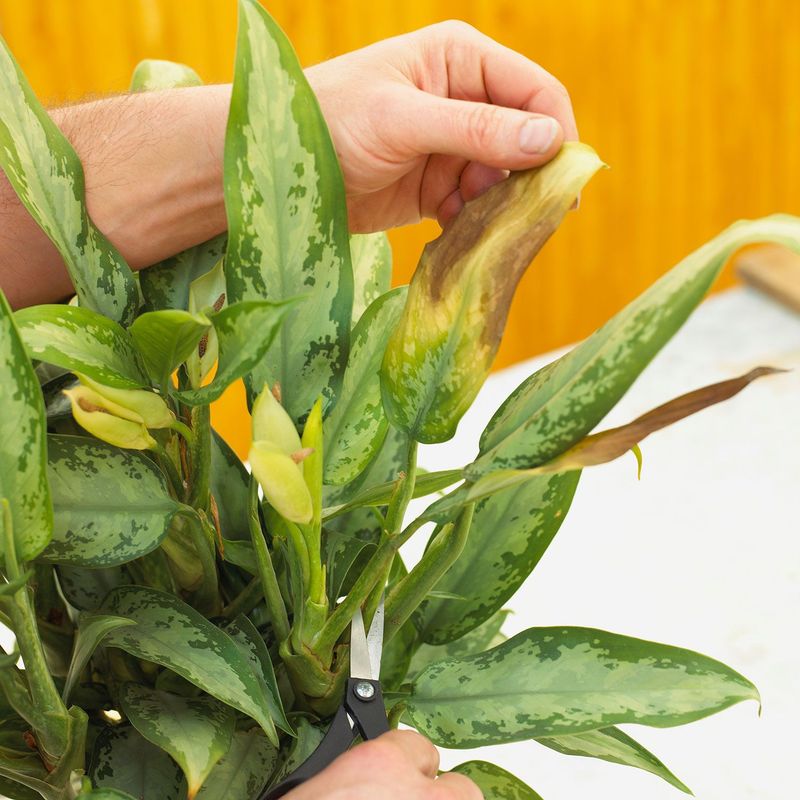
Plants cannot talk, but they are constantly sending signals. Wilting, drooping, curling leaves, and brown leaf edges are all ways your indoor plants say they are struggling with the heat.
Catching these signs early gives you a much better chance of helping your plant bounce back before the damage becomes severe.
Wilting that happens in the afternoon but recovers by morning is usually just heat stress, not a watering problem. However, if your plant stays wilted even after you water it, that could point to root damage or another underlying issue.
Keep a close eye on how your plants look at different times of the day, especially during the peak heat hours in Texas, which typically run from noon to around 5 p.m.
Hot and dry conditions are also prime time for pests, especially spider mites. These tiny bugs love low humidity and high heat, which makes a Texas summer their ideal playground.
You might notice fine webbing under leaves or tiny specks moving on the surface. Catching an infestation early makes it much easier to treat with insecticidal soap or a simple water spray.
Make it a habit to inspect your plants at least once a week during summer. Flip leaves over and look closely at stems and soil.
Remove any yellowing or damaged leaves to reduce stress on the plant and improve airflow. Staying proactive with plant health checks during a Texas summer means fewer surprises and healthier, happier plants all season long.