The Right Way To Prune Florida Hibiscus For Massive Blooms
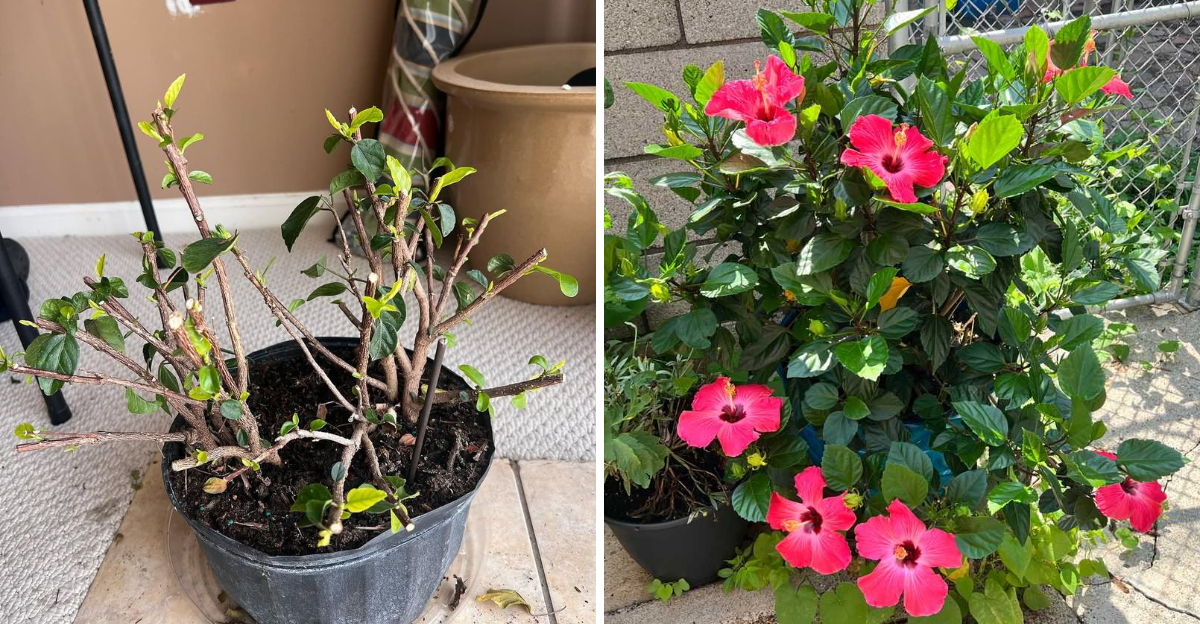
Florida hibiscus should be bursting with bold tropical color, not sitting there tall, leafy, and disappointing. If your plant looks healthy but barely flowers, the problem usually is not fertilizer or water.
It is how and when pruning happens. Many gardeners accidentally cut off future blooms without realizing it.
Others skip pruning completely and end up with leggy shrubs that waste energy growing stems instead of producing flowers.
The right pruning approach can trigger thicker branching, better airflow, stronger sunlight exposure, and longer bloom cycles that keep plants covered in color through the warm season.
Florida’s heat, humidity, and shifting winter temperatures make timing even more important. What works in cooler states often backfires here.
A few simple adjustments can turn an average hibiscus into a full, vibrant showpiece that actually lives up to its tropical reputation.
1. When To Prune Hibiscus In Florida For Best Results
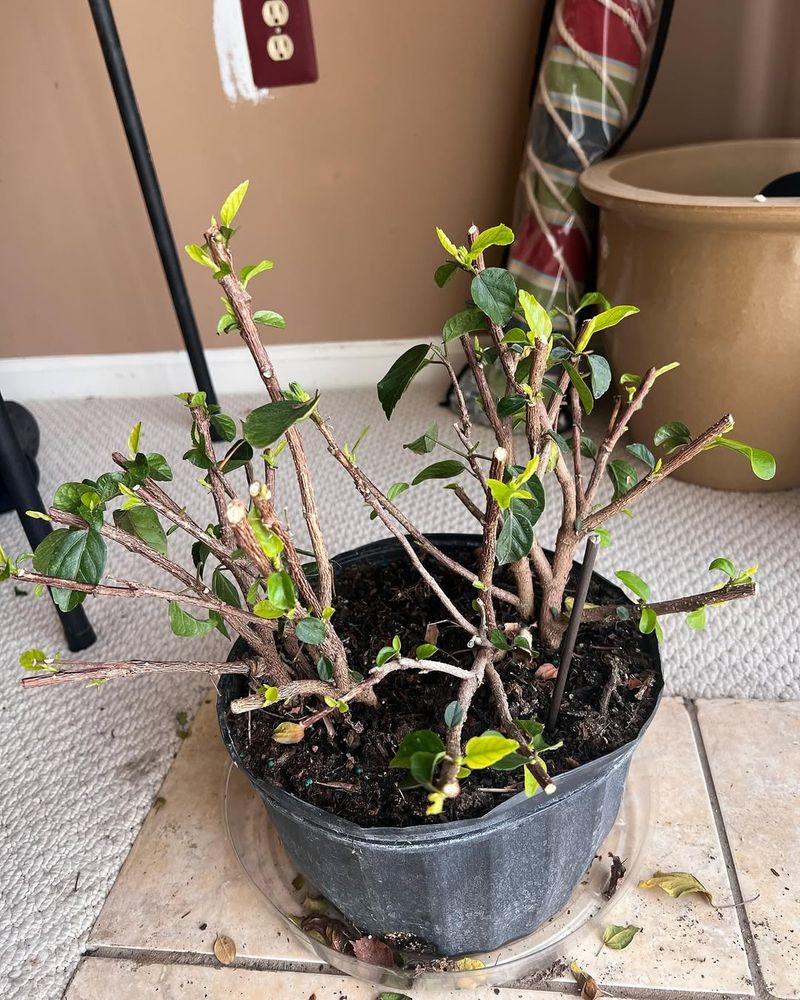
Timing makes all the difference when you want your hibiscus to explode with color. Late February through early March offers the sweet spot for major pruning in most Florida regions, right before spring growth kicks into high gear.
Your plants are in a slower growth phase before spring flush begins, which means they can handle aggressive cutting without losing much energy.
Light pruning can happen almost any time during the growing season if you need to shape your plant or remove problem branches. Just snip away spent blooms and leggy stems throughout summer and fall to keep things tidy.
This ongoing maintenance helps redirect nutrients toward flower production instead of supporting scraggly growth.
Avoid heavy pruning after September in Central and North Florida; South Florida gardeners can prune lightly later if frost risk is low. North Florida gardeners should lean toward early March since frost risk lingers longer in those areas.
Central and South Florida folks can start as early as mid-February when temperatures stay consistently warm.
Watch your local weather patterns rather than following a strict calendar date. If an unusually warm winter has your hibiscus already pushing new growth by early February, you can prune a bit sooner.
The goal is catching your plant just before it wakes up fully so it channels all that spring energy into creating massive blooms rather than healing wounds.
2. Tools You Need Before Pruning Hibiscus
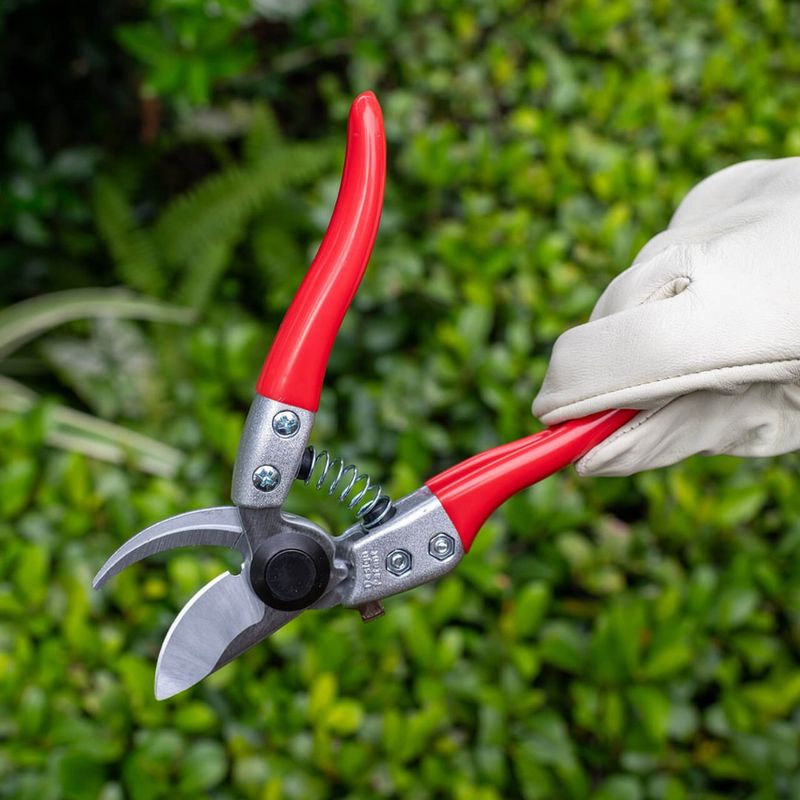
Sharp bypass pruners are your best friend when working with hibiscus stems. These scissors-style cutters make clean cuts that heal quickly, unlike anvil pruners that can crush delicate tissue and invite disease.
Invest in a quality pair that fits comfortably in your hand because you will use them for hours in the garden.
Hand pruners work perfectly for stems up to half an inch thick, which covers most hibiscus branches. For older woody stems or overgrown plants, grab a pair of loppers with long handles that give you extra leverage.
A small folding pruning saw helps when you encounter thick central trunks that need removal.
Rubbing alcohol or a bleach solution keeps your tools sanitized between cuts. Dip your blades frequently to prevent spreading any fungal issues or bacterial problems from one branch to another.
This simple step protects your entire hibiscus collection from cross-contamination.
Wear sturdy gardening gloves to protect your hands from scratches and blisters during extended pruning sessions. Long sleeves help too, especially if you have sensitive skin that reacts to plant sap.
Keep a small bucket or tarp nearby for collecting trimmings so you can dispose of them properly rather than leaving debris around the base of your plant where pests might hide.
3. How Much Hibiscus You Should Cut Back
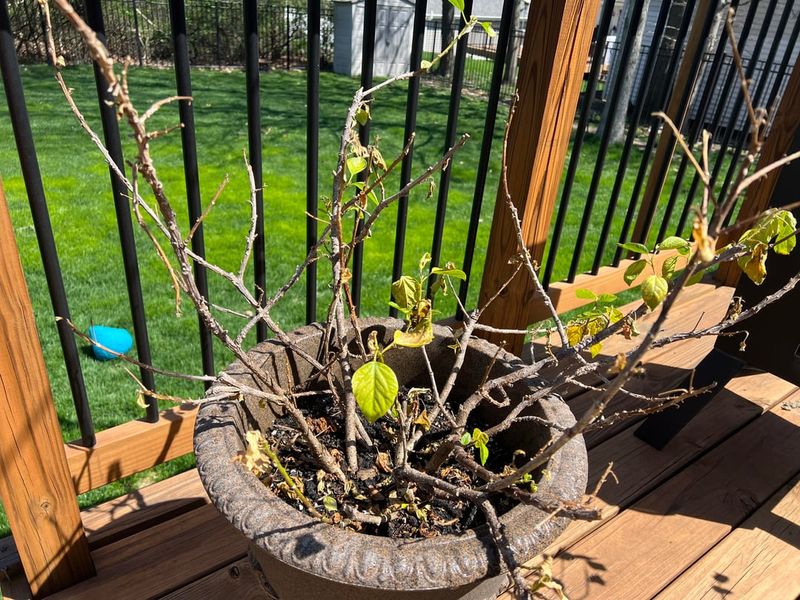
Most Florida hibiscus plants thrive when you remove about one-third of their total height during the main spring pruning. This amount stimulates vigorous new growth without shocking the plant into survival mode.
Your hibiscus responds by sending out multiple branches from below each cut, creating a fuller shape packed with potential bloom sites.
Overgrown or neglected plants sometimes need more aggressive treatment. You can safely cut back up to half the plant height if branches have become extremely leggy or if the center has turned into a tangled mess.
Just make sure your plant looks healthy overall before taking this much material because stressed hibiscus need gentler handling.
Young plants under two years old require lighter pruning since they are still establishing their root systems and framework. Trim just the tips to encourage branching rather than removing large sections.
This patient approach builds a strong foundation that supports massive blooming once your plant matures.
Each individual branch should lose about one-third of its length during pruning. Count the leaf nodes along each stem and cut above a node that faces outward from the center.
This technique ensures new growth spreads away from the middle, improving air circulation and light penetration throughout the canopy, which directly translates to more flowers covering your entire plant.
4. Where To Make Pruning Cuts For Maximum Blooms
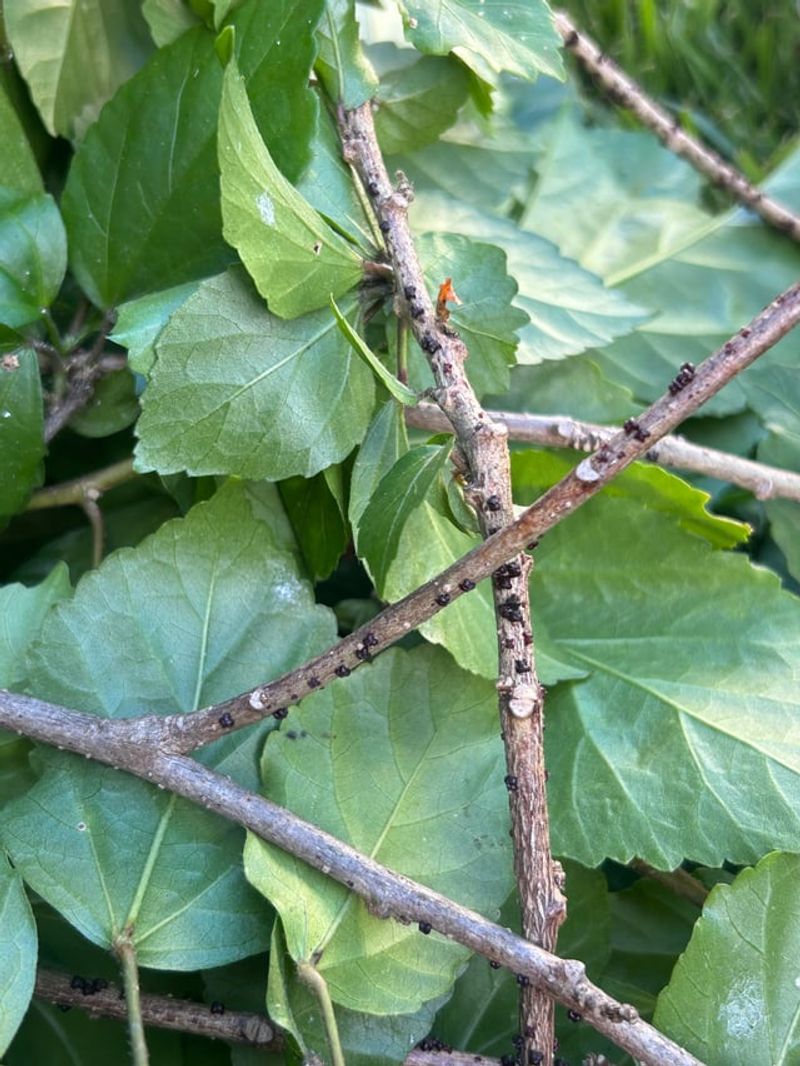
Every cut you make should happen about a quarter inch above a leaf node where you can see a small bump or dormant bud waiting to sprout. This precise placement encourages that bud to break dormancy and send out a new branch loaded with flower buds.
Cutting too close damages the node, while cutting too far leaves an ugly stub that might rot.
Make clean cuts just above the node; slight angling is helpful but not critical. Water runs off angled cuts instead of pooling on the wound, which reduces the chance of fungal infections taking hold.
The slant also looks more natural and heals faster than blunt cuts straight across the stem.
Choose outward-facing nodes when deciding where to cut because branches that grow toward the outside create an open, vase-shaped plant. Inward-facing cuts produce branches that crowd the center and block sunlight from reaching inner leaves.
Better light distribution means more photosynthesis happening throughout your plant, which fuels bigger and more abundant blooms.
Remove entire branches back to their point of origin when you need to thin out crossing or rubbing stems. These clean removal cuts prevent leaving stubs that become entry points for pests and disease.
Your hibiscus heals these larger wounds by forming protective callus tissue that seals the area naturally without needing any pruning paint or sealant.
5. How To Shape Hibiscus Plants For Better Flowering
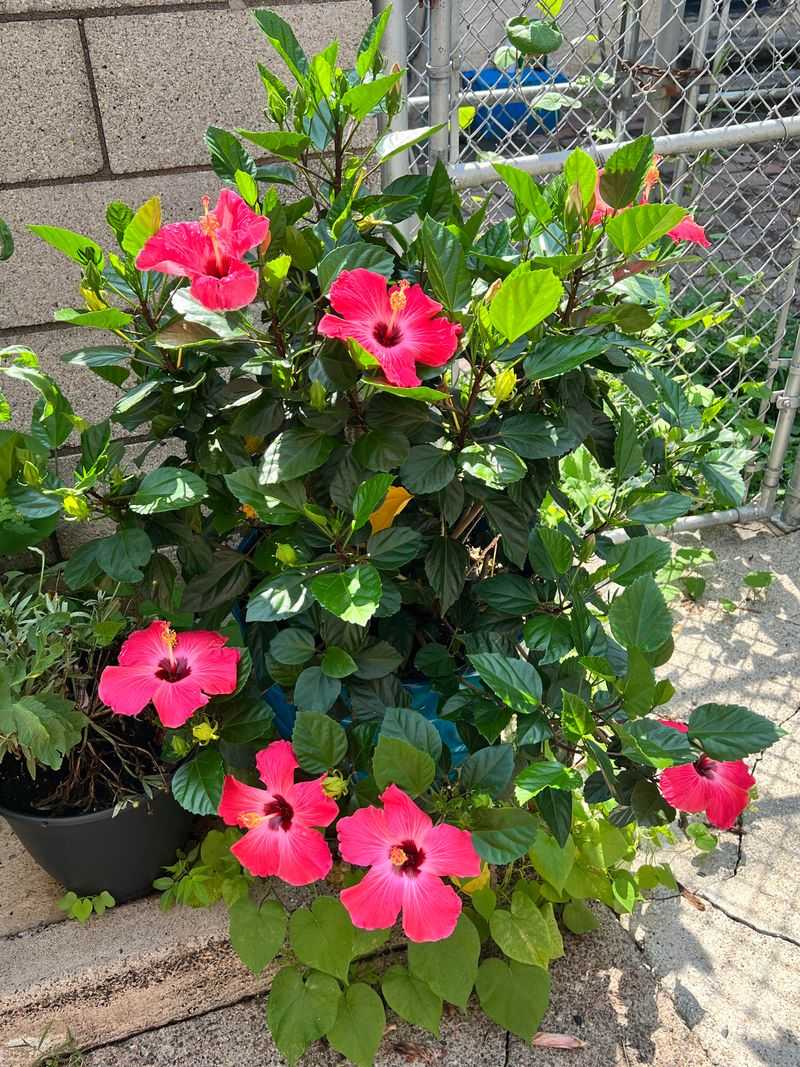
Picture your ideal hibiscus as a rounded fountain with branches radiating outward from a central point. This shape allows sunlight to reach every part of your plant while air flows freely through the canopy.
Start by identifying the main framework branches that form the skeleton, then prune to enhance that natural structure rather than fighting against it.
Remove any branches that cross through the center or rub against each other because friction creates wounds that invite problems. Step back frequently while pruning to view your plant from all angles.
This perspective helps you spot imbalances before you remove too much from one side.
Leggy branches that shoot straight up or flop outward should be shortened to match the overall canopy height. These vigorous stems often produce mostly leaves instead of flowers because they are focused on reaching for light.
Bringing them back into the rounded shape redirects their energy toward bloom production.
The bottom of your hibiscus should be slightly wider than the top, creating a gentle taper that lets light penetrate all the way to lower branches. This pyramid-like profile ensures your entire plant stays covered in flowers from top to bottom instead of blooming only at the tips.
Prune taller central stems a bit shorter than outer branches to maintain this productive shape throughout the growing season.
6. Common Hibiscus Pruning Mistakes Florida Gardeners Make
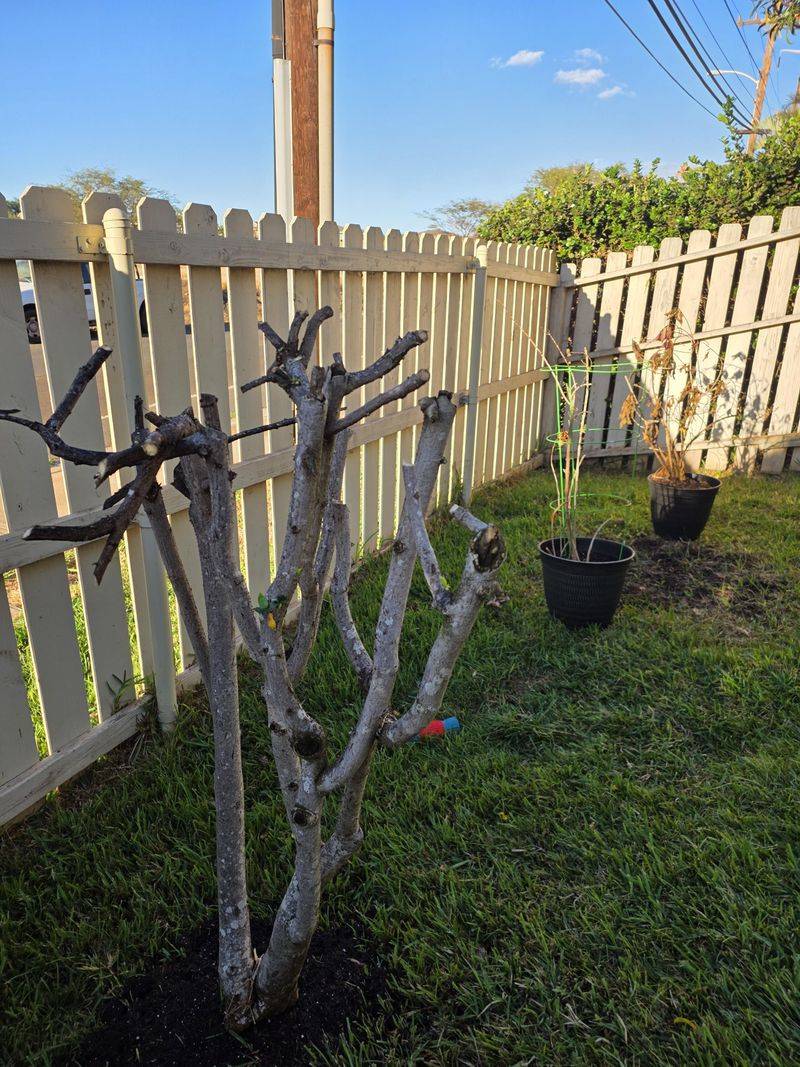
Topping your hibiscus by cutting everything to the same height creates a flat-topped appearance that looks unnatural and reduces flowering. This approach, sometimes called heading back, triggers excessive vegetative growth with tons of leafy stems but fewer blooms.
Your plant wastes energy trying to restore its natural shape instead of making flowers.
Using dull or dirty pruning tools tears plant tissue rather than slicing cleanly through stems. Ragged wounds take much longer to heal and provide easy entry for fungal diseases that thrive in Florida’s humid climate.
Sharpening your blades before each major pruning session takes just minutes but saves your plants from weeks of stress.
Pruning during active bloom cycles in summer removes flower buds along with stems. While light maintenance pruning is fine, heavy cutting during peak flowering season costs you weeks of potential blooms.
Your hibiscus needs those flowers to complete its reproductive cycle and build strength for the next flush.
Removing more than half the plant height shocks your hibiscus into survival mode where it focuses on recovery rather than flowering. Some gardeners panic when plants look overgrown and cut them back too severely.
Patience with gradual pruning over two seasons gives better results than one drastic haircut that leaves your plant struggling to bounce back and produce those massive blooms you want.
7. What To Do After Pruning To Encourage New Growth
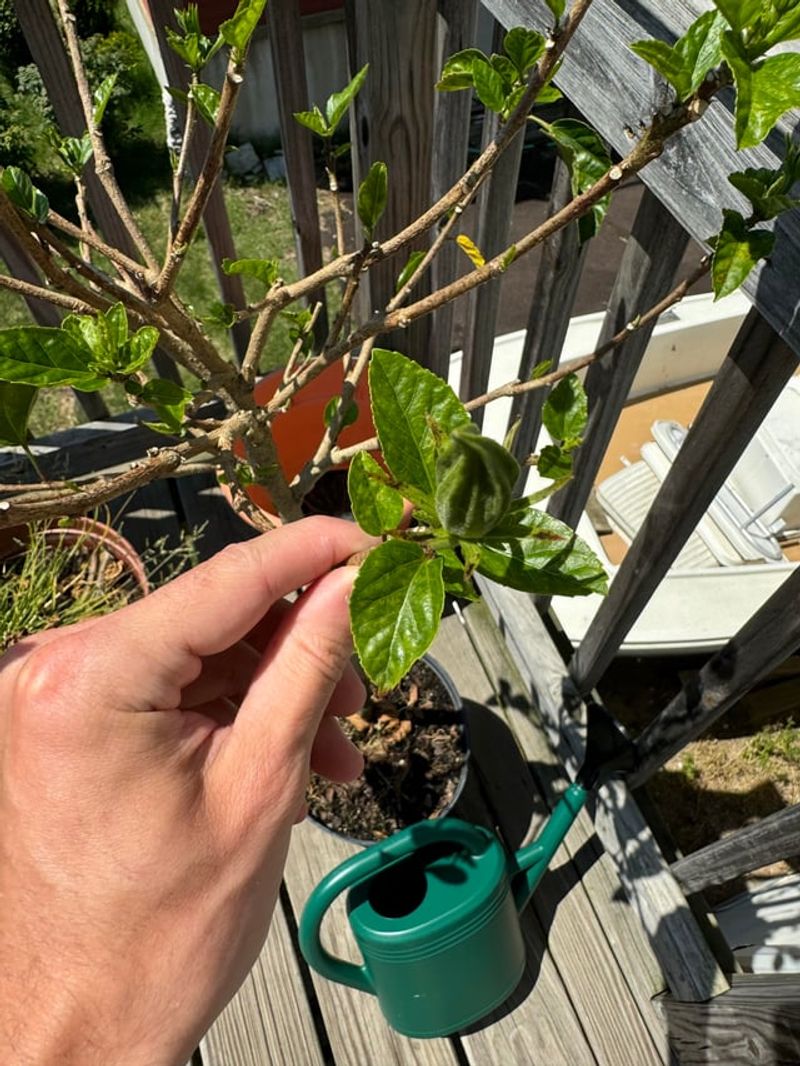
Water your freshly pruned hibiscus deeply right after finishing your cuts. This thorough soaking helps your plant recover from the stress and supports the burst of new growth that will emerge in the coming weeks.
Aim for moist soil about six inches down rather than just wetting the surface.
Apply a balanced fertilizer formulated for flowering shrubs about two weeks after pruning once you see new leaves starting to unfold. This timing gives your plant a chance to heal before pushing lots of nutrients through its system.
Look for products with equal or near-equal numbers like 10-10-10, or fertilizers specifically formulated for hibiscus that include micronutrients like magnesium and iron.
Spread a three-inch layer of mulch around the base of your hibiscus, keeping it a few inches away from the main stems. Mulch conserves moisture, moderates soil temperature, and suppresses weeds that compete for nutrients.
Organic options like pine bark or eucalyptus break down gradually and improve your soil structure over time.
Monitor your plant closely for the first month after pruning. New shoots should appear within two to three weeks in warm weather.
If growth seems slow, check that your hibiscus gets at least six hours of direct sunlight daily and that soil drains well without staying soggy, which both affect how quickly your plant bounces back and starts producing those spectacular massive blooms. Do not prune if hibiscus is stressed from drought, pests, or cold damage; wait until the plant is actively healthy.
8. How Florida Weather Affects Hibiscus Pruning Timing
Florida’s climate zones range from tropical in the Keys to subtropical in the north, which means pruning schedules shift based on where you garden.
South Florida gardeners enjoy frost-free conditions that allow year-round growth, so late February pruning works perfectly without any cold damage risk.
Central Florida sits in the middle with occasional light freezes that make early March a safer choice for major cuts.
North Florida experiences real winter weather with regular frosts and occasional hard freezes. Wait until mid-March or even early April in the Panhandle to ensure cold weather has truly passed before pruning heavily.
Cutting too early exposes tender new growth to late-season cold snaps that can damage or slow your plant significantly.
Hurricane season from June through November complicates summer pruning decisions. Avoid heavy pruning during hurricane season because fresh growth is weaker and plants have less structural stability in high winds.
Light maintenance stays fine, but save major shaping for spring when your hibiscus has months of calm weather ahead to harden off new branches.
Summer afternoon thunderstorms provide regular moisture that helps pruned plants recover quickly, but extended dry spells require extra attention. If you must prune during a drought, increase watering frequency for several weeks afterward.
Your hibiscus cannot generate the massive blooms you want without consistent moisture supporting all that new growth pushing out from your carefully placed cuts.