The Right Way To Prune Texas Hibiscus For Massive Blooms
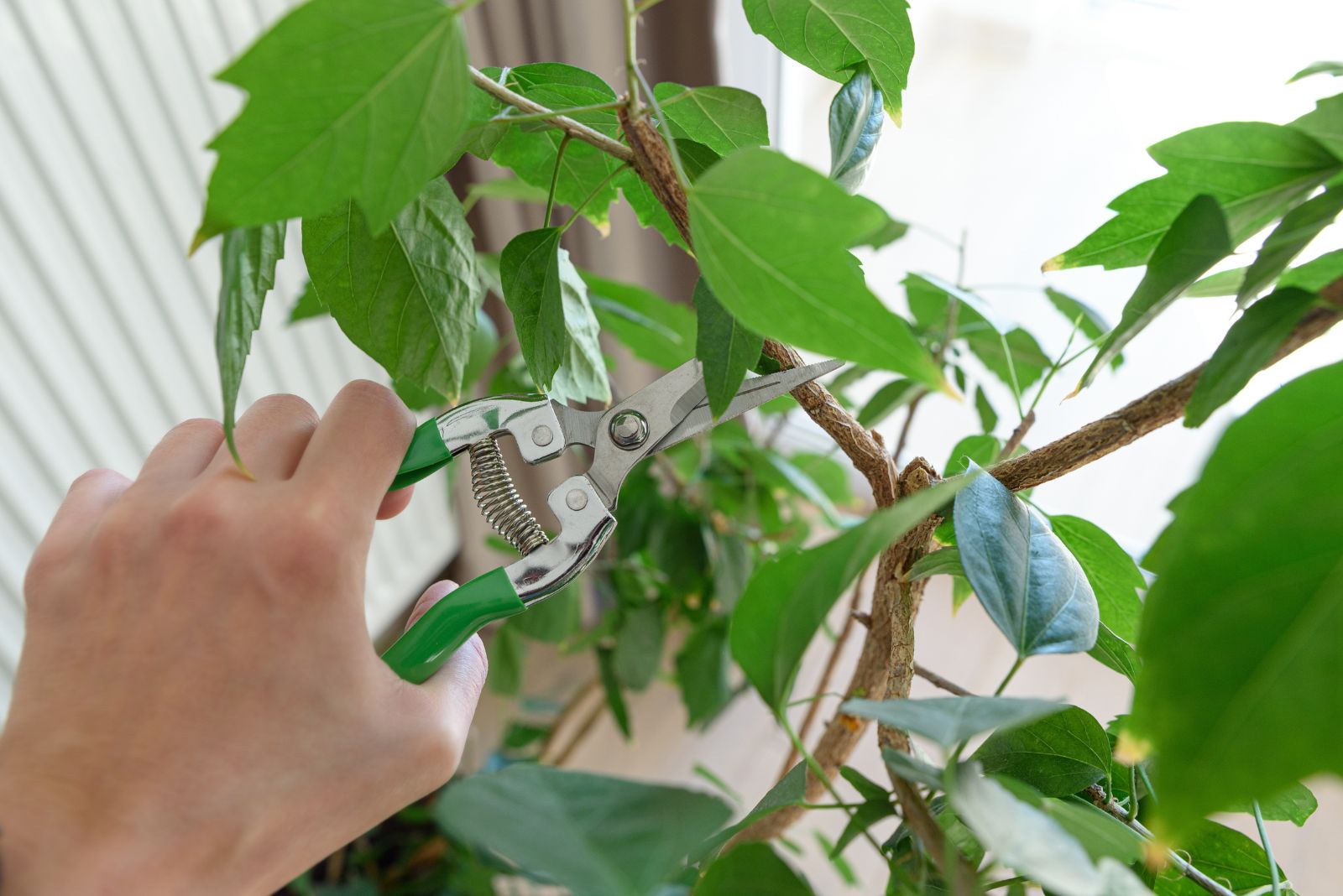
Do you ever look at your Texas hibiscus and wish it would produce bigger, more vibrant blooms? The secret to eye-catching flowers isn’t just sunlight or water—it’s knowing how to prune the plant properly.
Pruning shapes the plant, encourages new growth, and directs energy toward producing impressive flowers rather than extra foliage.
Hibiscus responds well to careful trimming. Removing old or weak branches not only improves airflow and overall health but also sets the stage for larger, more plentiful blooms.
Timing matters, especially in Texas, where warm seasons can be long and intense. Cutting at the right moments ensures your hibiscus is strong, healthy, and ready to wow anyone who passes by your yard.
By following the proper pruning techniques, gardeners can turn an ordinary hibiscus into a show-stopping centerpiece. With a little attention and strategy, your Texas hibiscus can reward you with massive, colorful blooms season after season.
1. Why Pruning Hibiscus Boosts Bloom Size?
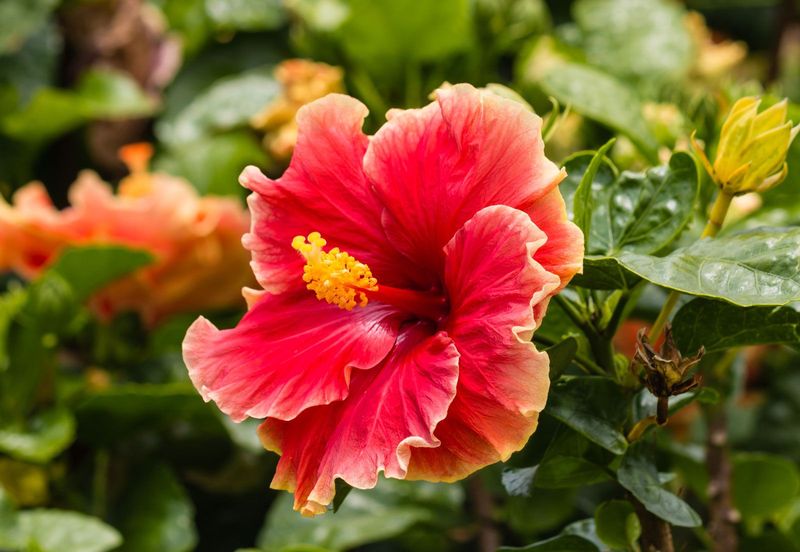
Most people think more branches mean more flowers, but hibiscus does not work that way. When a hibiscus plant has too many stems and leaves crowding each other, it spreads its energy thin.
Less energy per branch means smaller flowers and fewer of them. Pruning helps the plant focus that energy where it counts most, which is toward producing bigger, bolder blooms.
Proper pruning also opens up the plant so more sunlight can reach the inner stems. Hibiscus loves full sun, and Texas has plenty of it.
When light can penetrate through the canopy of the plant, more branches get the signal to produce flower buds. Better airflow is another major bonus because it reduces the chance of fungal diseases that thrive in humid Texas weather.
Think of pruning like cleaning out a closet. When you remove the clutter, everything works better.
Removing old, woody, or crossing branches encourages the hibiscus to push out fresh new growth. New growth is where flower buds form, so the more new stems you have, the more blooms you can expect.
Texas gardeners who prune regularly often notice a dramatic difference in bloom size and frequency compared to plants left to grow wild. A well-pruned hibiscus also looks tidier and more attractive in the garden or on a patio.
Beyond the visual appeal, a pruned plant is a healthier plant. It is less stressed, better ventilated, and far more likely to reward you with the massive, vibrant flowers that make Texas hibiscus so beloved across the state.
2. When To Prune Hibiscus In Texas?
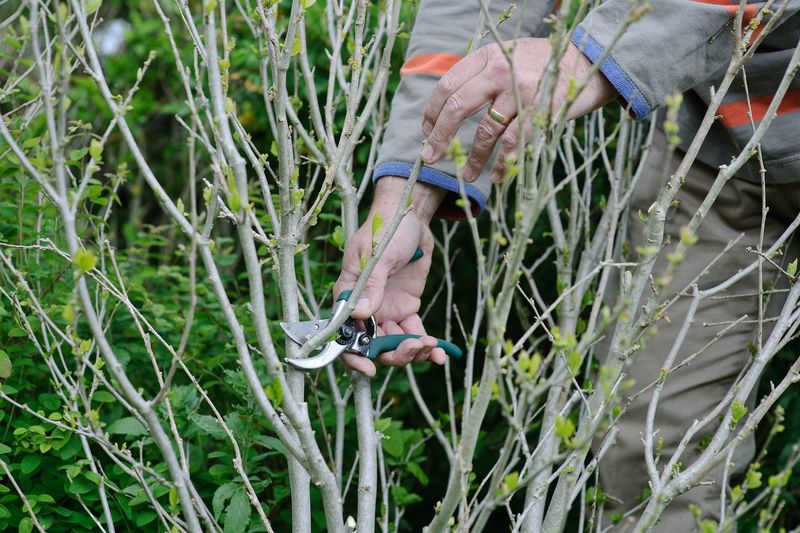
Timing your pruning correctly is just as important as how you do it. For Texas gardeners growing hardy hibiscus outdoors, the best window is late winter to early spring, typically from late February through mid-March.
At this point, the plant has not yet started pushing out new growth, so you are not cutting off any fresh buds. Pruning right before growth begins gives the plant a strong, clean start to the season.
Tropical hibiscus grown in containers is a bit more flexible. Because container plants are often kept indoors or in sheltered spots during cooler months, you can prune them almost any time of year.
However, avoid heavy pruning right before a cold snap since Texas winters can occasionally bring surprise frosts, especially in northern parts of the state.
A light trim during the growing season is also perfectly fine for both types. If your hibiscus starts looking leggy or overgrown in midsummer, snipping back the longest stems encourages bushier growth and more bloom sites.
Just keep it light during peak summer heat to avoid stressing the plant. Fall is generally not the best time for major pruning in Texas. Cutting back heavily in autumn can stimulate new tender growth that may get damaged if temperatures drop unexpectedly.
Stick to the late winter window for any serious shaping or hard pruning. Following the right seasonal schedule in Texas ensures your hibiscus spends its energy on what matters most, which is producing the biggest, most spectacular blooms possible throughout the long, warm growing season.
3. Tools You’ll Need For Pruning
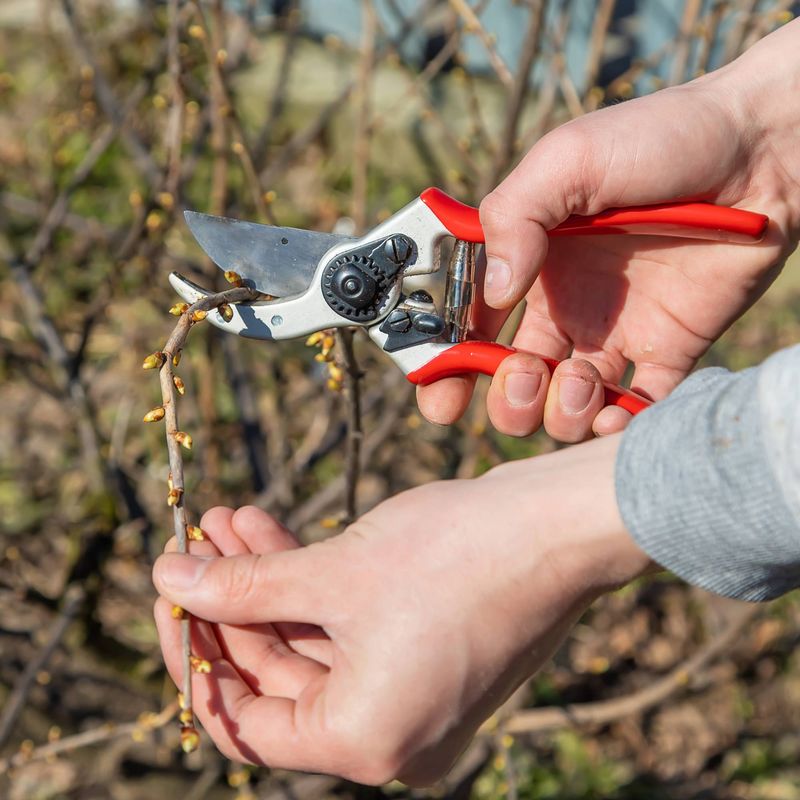
Having the right tools before you start pruning makes the whole job easier, cleaner, and safer for your plant. Sharp pruning shears are the most essential tool you will need.
They handle small to medium-sized stems with ease and give you a clean, precise cut. Dull blades crush plant tissue instead of cutting it, which slows healing and opens the door to disease.
For thicker, woodier stems, loppers are the way to go. Loppers have long handles that give you extra leverage, making it much easier to cut through branches that are too thick for hand shears.
If your Texas hibiscus has been growing unchecked for a while, loppers will save your hands and wrists a lot of strain. A small pruning saw can also come in handy for any really stubborn old wood.
Do not skip the gloves. Good gardening gloves protect your hands from scratches, blisters, and any irritants on the plant.
Choose a pair with a snug fit so you still have good control over your tools while wearing them.
One often-overlooked step is cleaning your tools before and after pruning. Wipe blades with rubbing alcohol or a diluted bleach solution to prevent spreading any fungal or bacterial issues from one plant to another.
This is especially smart in Texas, where heat and humidity can encourage plant diseases to spread quickly.
Sharp, clean, well-maintained tools are a small investment that pays off in a big way when your hibiscus responds with lush, healthy growth and an abundance of stunning blooms all season long.
4. Step-By-Step Hibiscus Pruning Guide
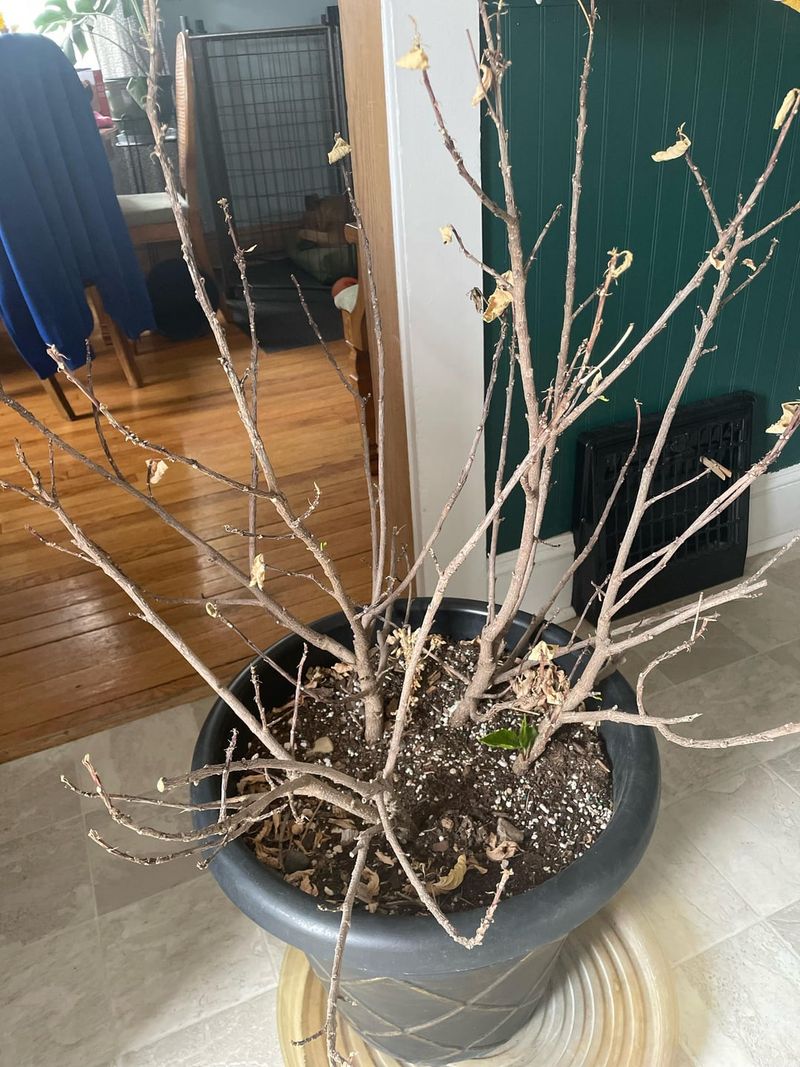
Ready to get your hands in the garden? Start by walking around your hibiscus and looking it over carefully before making a single cut.
Identify any branches that look brown, brittle, or show signs of damage or disease. These come out first.
Removing unhealthy wood right away improves airflow and prevents problems from spreading to the rest of the plant.
Next, look for any stems that are crossing over each other or growing inward toward the center of the plant. These should be trimmed back because they block light and airflow.
Your goal is an open, airy structure that lets Texas sunshine reach every part of the plant. Make your cuts at a 45-degree angle, about a quarter inch above an outward-facing bud. This angle helps water run off the cut instead of pooling and causing rot.
After cleaning out the dry and crossing branches, step back and assess the overall shape. If certain stems are very long and leggy, cut them back by about one-third to encourage bushier, more compact growth.
Do not remove more than one-third of the total plant at one time, as taking too much at once can stress your hibiscus.
For older Texas hibiscus plants that have become very woody and sparse, a harder rejuvenation pruning can be done in late winter. Cut all stems back to about one foot from the ground.
It looks dramatic, but the plant will bounce back with vigorous new growth. Following these steps consistently each year sets your hibiscus up for bigger, more plentiful blooms every single season.
5. Common Pruning Mistakes To Avoid
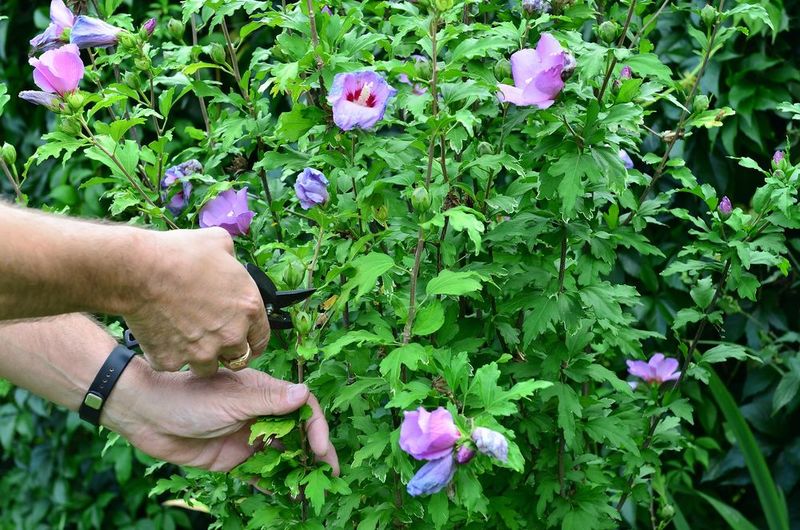
Even experienced gardeners make pruning mistakes, and with hibiscus, some errors can seriously reduce your bloom count. One of the most common mistakes is over-pruning.
Removing more than one-third of the plant at once sends it into recovery mode, and instead of putting energy into flowers, it scrambles to regrow leaves. The result is a stressed plant with fewer blooms for weeks or even months.
Pruning at the wrong time is another frequent misstep. Cutting back your outdoor hibiscus in late fall in Texas might seem like a good idea for tidying up, but it can trigger new tender growth right before cooler temperatures arrive.
That new growth is fragile and vulnerable. Stick to the late winter pruning window for any major cuts to keep your plant on the right schedule.
Accidentally removing flower buds is a mistake that frustrates many gardeners. Hibiscus buds can look similar to leaf nodes, especially early in the season.
Take a close look before cutting. Buds tend to be plumper and slightly rounded compared to flat leaf nodes.
If you are not sure, wait a few days and watch for any signs of bud development before making your cut.
Using dirty or dull tools is also a surprisingly common problem. Dull blades tear plant tissue, creating ragged wounds that take longer to heal and can invite fungal infections, which spread fast in Texas humidity.
Always clean and sharpen your tools before each session. Avoiding these simple but impactful mistakes will keep your Texas hibiscus healthy, vigorous, and loaded with the big, beautiful blooms you are working so hard to achieve.
6. After-Pruning Care For Maximum Blooms
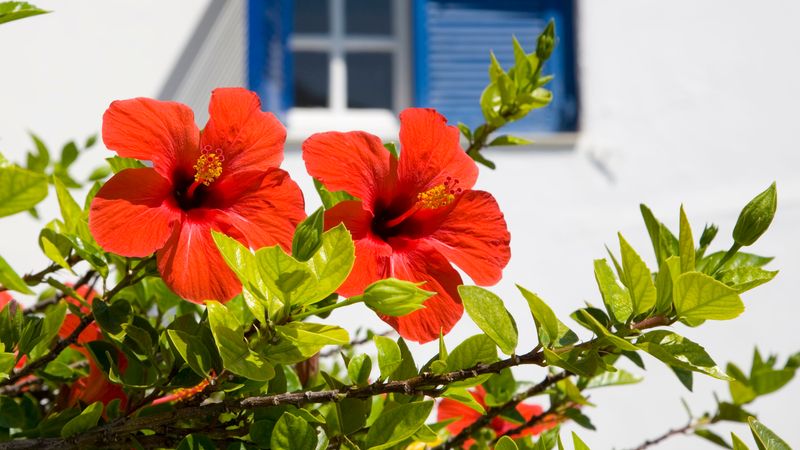
Pruning is just the beginning. What you do after the cuts are made has a huge impact on how well your hibiscus recovers and how many blooms it produces.
Fertilizing is one of the most important steps. Apply a balanced fertilizer, such as a 10-10-10 formula, within a week or two after pruning.
During the growing season in Texas, feed your hibiscus monthly to keep it fueled for continuous blooming.
Consistent watering is equally important after pruning. Your hibiscus is putting energy into pushing out new growth, and it needs steady moisture to do that well.
Water deeply a few times per week rather than giving shallow daily sprinkles. Deep watering encourages roots to grow downward, which makes the plant more drought-resistant during the intense Texas summer heat.
Make sure your hibiscus is getting full sun after pruning. Texas has no shortage of sunshine, and hibiscus absolutely thrives in it.
At least six to eight hours of direct sunlight per day is ideal. If your plant is in a container, move it to the sunniest spot available. More sun means more energy, and more energy means bigger, more vibrant flowers.
Keep an eye out for pests after pruning since fresh new growth attracts aphids, whiteflies, and spider mites. Check the undersides of leaves regularly and treat any infestations quickly with insecticidal soap or neem oil.
Deadheading spent blooms throughout the season also keeps the plant focused on producing new flowers.
With the right post-pruning care routine in place, your Texas hibiscus will reward you with an absolutely stunning display of massive blooms all season long.