The Secret To Better Bluebonnet Blooms In Texas Yards
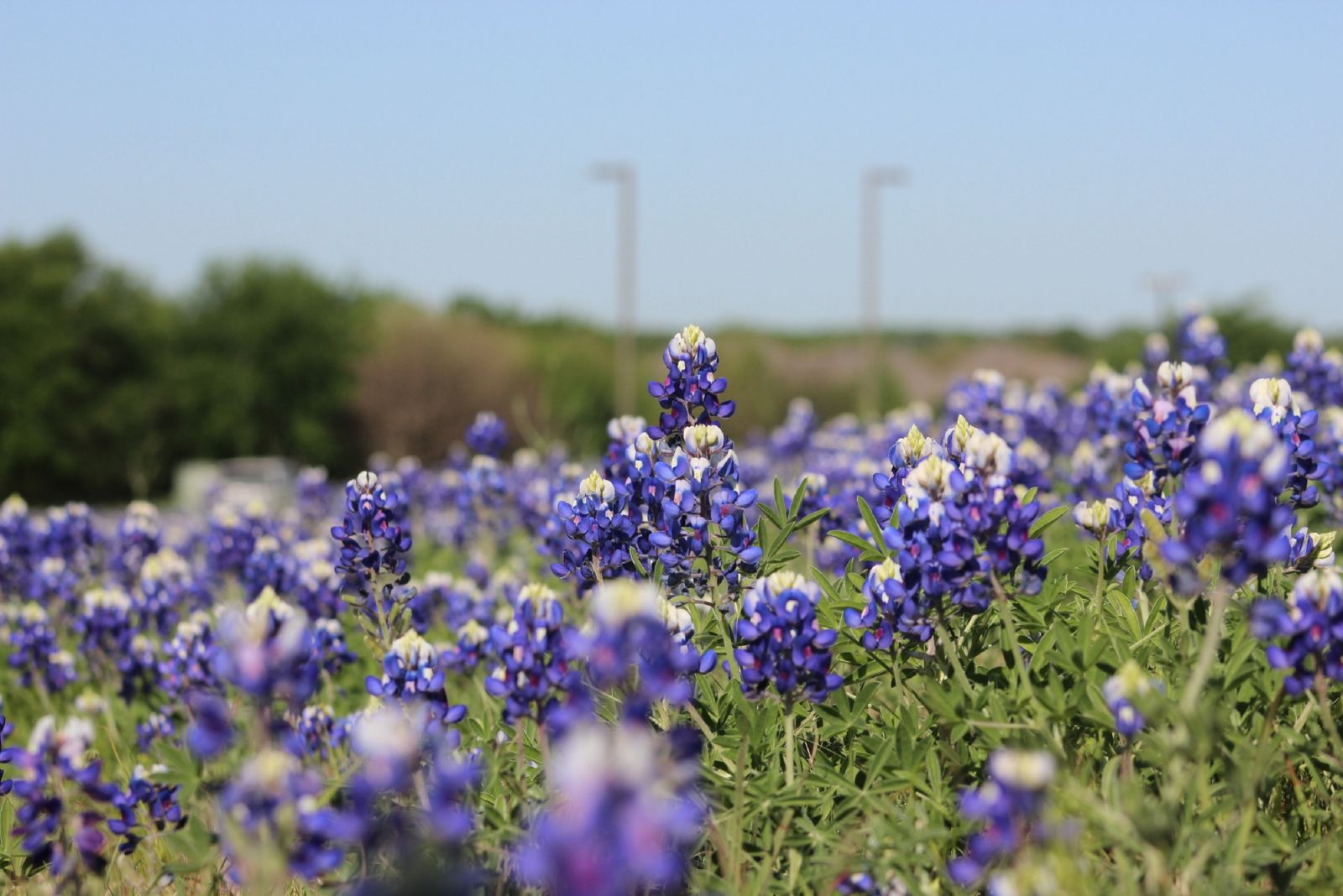
Bluebonnets are one of Texas’ most loved flowers, and seeing them bloom in your own yard feels extra special. But many homeowners plant seeds and hope for the best, only to end up with weak growth or very few blooms.
The truth is, bluebonnets need a little more than just sunshine and water to truly thrive. There’s a simple approach that can make a big difference in how full, colorful, and healthy your plants become.
When you understand what these native flowers really need, your yard can turn into a bright spring display that looks like it belongs in a Texas postcard.
Whether you’re growing bluebonnets for the first time or trying to improve last year’s results, learning this secret can completely change your garden.
Let’s take a closer look at what helps bluebonnets bloom better and last longer in Texas yards.
1. Plant Seeds At The Right Time
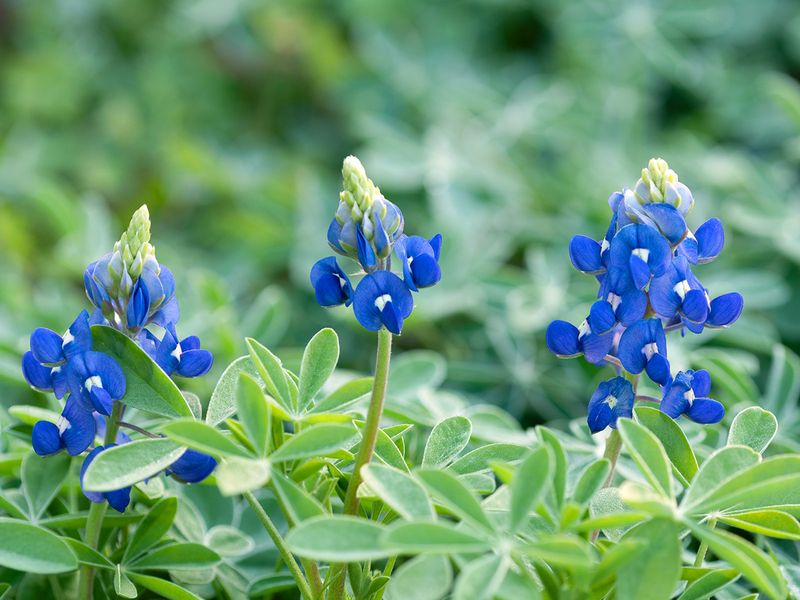
Timing matters tremendously when planting bluebonnet seeds across Texas. Fall planting, specifically between September and mid-November, gives seeds the best chance to establish strong root systems before winter arrives.
This window allows seeds to experience natural temperature fluctuations that trigger germination.
Bluebonnets need cold stratification, which is a fancy term for exposure to cold temperatures that breaks seed dormancy. When you plant in fall, Mother Nature handles this process for you.
Seeds sit in the ground through winter, experiencing the cold they need, then sprout when temperatures warm in late winter or early spring.
Many gardeners make the mistake of spring planting, but this rarely produces good results. Seeds planted in spring miss the cold period they require and often just sit in the ground without sprouting.
Even if some germinate, they don’t have time to develop the deep roots needed to support healthy blooms.
Texas weather patterns make fall planting even more critical. The cooler temperatures and occasional rain showers in autumn create ideal conditions for seed establishment.
Seeds absorb moisture from fall rains, swell, and begin the germination process at exactly the right pace.
Choose a day when rain is forecast within the next week if possible. This natural watering helps settle seeds into the soil.
Scatter seeds directly where you want them to grow, as bluebonnets don’t transplant well once established. Press them lightly into prepared soil but don’t bury them too deep.
A quarter-inch coverage is plenty. With proper fall timing, you’ll see those first green shoots emerging as winter fades, ready to put on a spectacular spring show.
2. Choose Well-Draining Soil With Alkaline pH
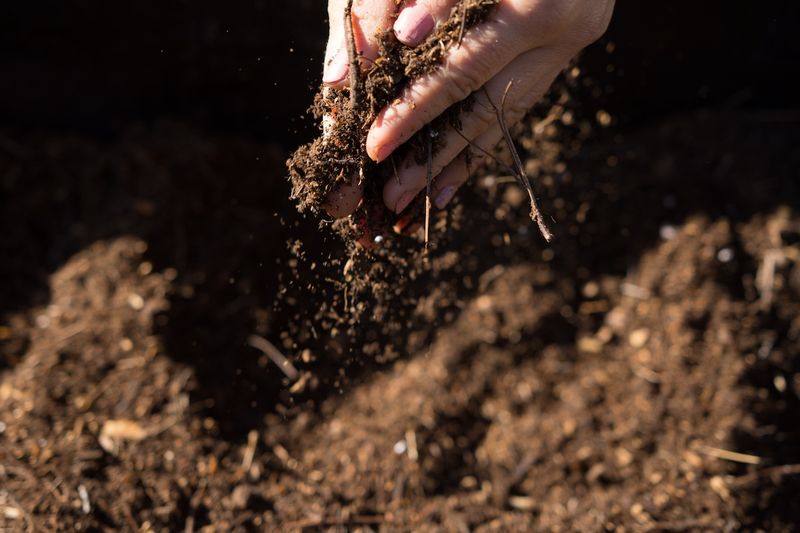
Soil composition determines whether your bluebonnets will thrive or struggle in Texas landscapes.
These native wildflowers evolved in limestone-rich areas, which means they prefer alkaline soil with a pH between 7.0 and 8.0. Acidic soil creates problems that prevent healthy growth and blooming.
Well-draining soil is absolutely essential for bluebonnet success. These plants hate wet feet and will suffer in heavy clay that holds water.
Their roots need oxygen, and waterlogged conditions lead to root rot and poor performance. Sandy loam or rocky soil works perfectly because water moves through quickly.
Testing your soil pH takes the guesswork out of bluebonnet gardening. Inexpensive test kits from garden centers tell you exactly where your soil stands.
If your Texas soil tests acidic, adding lime raises the pH to the alkaline range bluebonnets prefer. Follow package directions carefully to avoid over-application.
Rocky or gravelly soil that might seem poor for other plants actually suits bluebonnets beautifully. Don’t waste time and money adding rich compost or fertilizers.
Bluebonnets are nitrogen-fixing plants that actually prefer lean, somewhat poor soil. Overly rich soil encourages leaf growth at the expense of flowers.
Improving drainage in heavy clay areas requires different strategies. Mixing coarse sand or small gravel into the top several inches helps water move through faster.
Creating raised beds or berms also works well, elevating plants above areas where water pools. Some Texas gardeners simply choose naturally well-drained spots like slopes or areas with existing rocky soil.
When you match bluebonnets with their preferred soil conditions, they reward you with vigorous growth and abundant blooms that make your landscape the envy of the neighborhood.
3. Provide Full Sunlight For Maximum Blooms
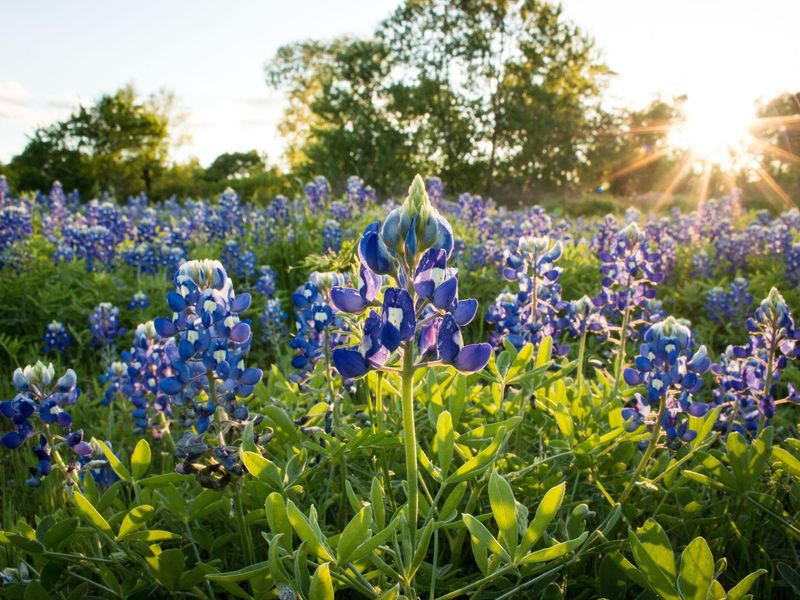
Sunlight fuels the spectacular blooms that make bluebonnets famous throughout Texas. These wildflowers need at least six to eight hours of direct sunlight daily to produce their best floral displays.
Shaded locations result in leggy plants with fewer, smaller flowers that disappoint rather than delight.
Full sun exposure does more than just encourage blooming. It helps bluebonnet foliage stay compact and healthy.
Plants growing in partial shade stretch toward available light, becoming tall and floppy instead of sturdy and upright. Strong stems that can support heavy flower clusters only develop when plants receive abundant sunshine.
Morning sun proves especially beneficial for bluebonnets across Texas. Early light helps dry dew from leaves quickly, reducing fungal disease risks.
Afternoon sun, while hot, doesn’t harm these tough native plants that evolved under the intense Texas sun. They’re built to handle heat and bright light.
When selecting planting locations, observe your yard throughout the day. That spot that seems sunny at 9 a.m. might fall into shade by noon when trees or buildings block the sun. Choose areas that remain bright from morning through mid-afternoon for best results.
Avoid planting bluebonnets under trees, even if the trees are bare when you plant in fall. Once spring arrives and trees leaf out, they’ll steal the sunlight your bluebonnets need during their critical blooming period.
Open areas away from structures and large plants work perfectly. South-facing slopes receive maximum sun exposure and warm up quickly in spring, often producing the earliest and most abundant blooms.
Competition from other plants can also block light, so give bluebonnets space to soak up all the sunshine they crave for producing those iconic blue flower spikes.
4. Scarify Seeds Before Planting For Better Germination
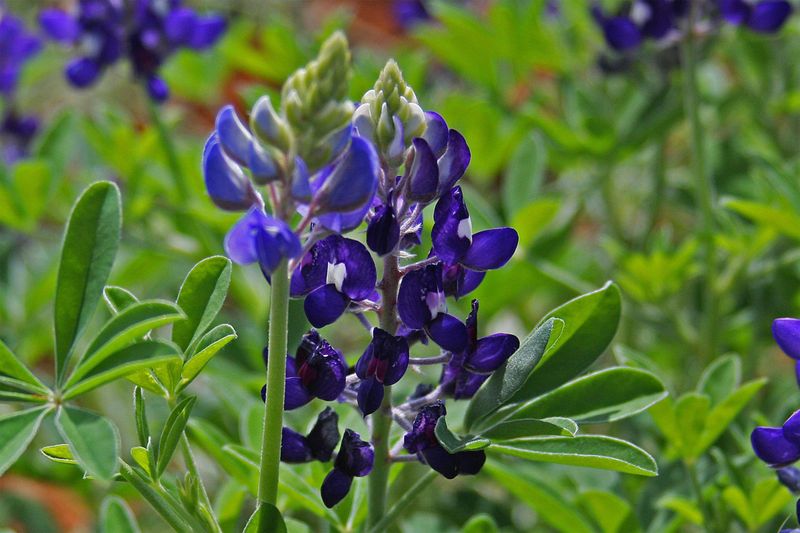
Hard seed coats protect bluebonnet seeds but also create germination challenges. Scarification, the process of slightly damaging the seed coat, dramatically improves sprouting rates.
This technique mimics what happens in nature when seeds tumble across rocks or pass through animal digestive systems.
Several methods work well for scarifying bluebonnet seeds at home. Rubbing seeds between sheets of medium-grit sandpaper breaks down the tough outer coating without harming the embryo inside.
Just a few gentle strokes on each seed does the job. You’re not trying to crack the seed open, just roughen the surface.
Another effective approach involves soaking seeds in warm water overnight after lightly nicking them with a knife or nail file.
The combination of physical scarification and moisture absorption jumpstarts the germination process. Seeds often swell noticeably, indicating they’re ready to plant.
Some Texas gardeners use the concrete method, spreading seeds on a driveway or sidewalk and gently shuffling over them with shoes.
This low-tech approach works surprisingly well for larger quantities of seeds. The rough concrete surface provides just enough abrasion without crushing seeds.
Commercial seed sources sometimes sell pre-scarified bluebonnet seeds, which cost more but save time and effort. If you’re collecting seeds from existing plants around Texas, they’ll definitely benefit from scarification since they have fresh, hard coats.
Older seeds that have been stored for a year or more may have naturally softened coats that need less treatment.
However you choose to scarify, handle seeds gently to avoid damage. The goal is creating tiny openings that allow water to penetrate and trigger germination.
When done correctly, scarification can increase germination rates from around 20 percent to 80 percent or higher, giving you many more blooming plants from the same amount of seed.
5. Avoid Overwatering Once Plants Are Established
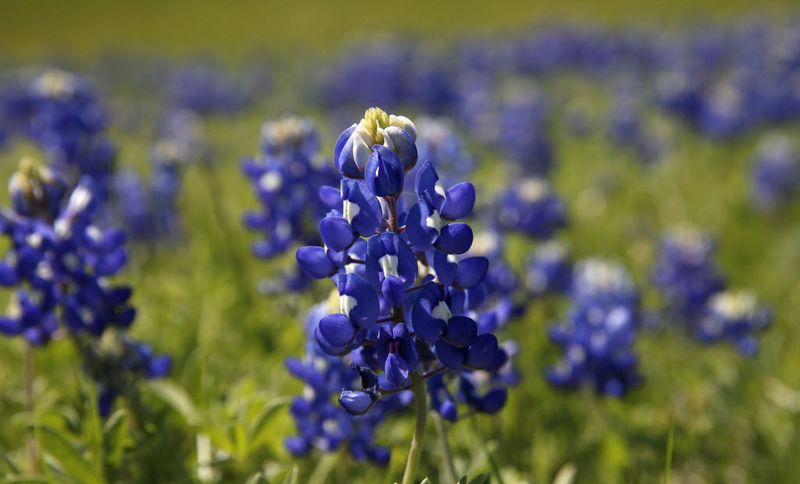
Water management separates successful bluebonnet growers from those who struggle with these Texas natives. Once established, bluebonnets are incredibly drought-tolerant and actually prefer dry conditions.
Overwatering causes more problems than underwatering ever could, leading to weak growth and reduced flowering.
During the first few weeks after fall planting, seeds need consistent moisture to germinate and establish roots. Natural rainfall usually provides enough water during autumn in most parts of Texas.
If you experience an unusually dry fall, light watering every few days helps seeds get started.
After seedlings emerge and develop their first true leaves, cut back significantly on watering. These young plants are busy developing deep taproots that will sustain them through dry periods.
Frequent shallow watering encourages roots to stay near the surface, creating weak plants that struggle later.
By late winter and early spring, established bluebonnets rarely need supplemental water in Texas. They’re designed to bloom during our spring season when natural rainfall typically occurs.
Extra watering at this stage often does more harm than good, promoting excessive leaf growth instead of flowers.
Watch for signs that indicate your bluebonnets are getting too much water. Yellowing leaves, soft stems, or a general lack of vigor suggest overwatering.
In severe cases, plants may develop root rot, a condition that’s difficult to reverse. Well-meaning gardeners who treat bluebonnets like thirsty garden flowers often create these problems.
If you’re growing bluebonnets in areas with automatic sprinkler systems, either turn off irrigation in those zones or plant bluebonnets away from regularly watered areas. These wildflowers thrive on neglect when it comes to watering.
Trust their drought-adapted nature and resist the urge to water unless you’re experiencing extreme drought conditions lasting several weeks without any rain.
6. Skip Fertilizers And Let Bluebonnets Fix Their Own Nitrogen
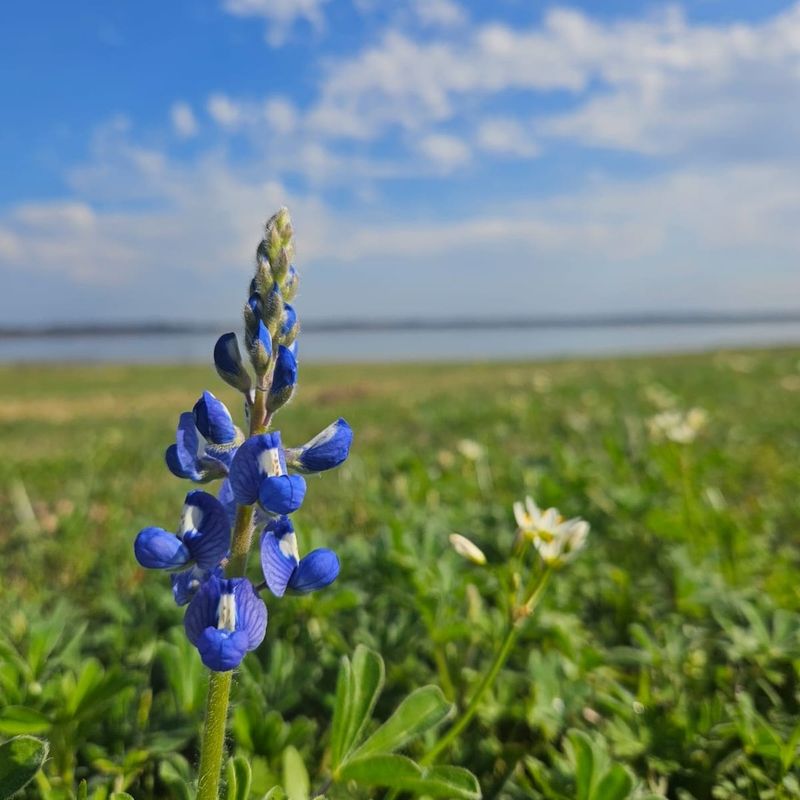
Fertilizer seems like it should help plants grow better, but bluebonnets break this rule completely. These remarkable Texas natives belong to the legume family, which means they have a special superpower.
They form partnerships with soil bacteria that convert atmospheric nitrogen into a form plants can use.
Tiny nodules on bluebonnet roots house these beneficial bacteria. The relationship works perfectly: bacteria get carbohydrates from the plant, and the plant gets nitrogen it needs for growth.
This natural process means bluebonnets actually improve soil rather than depleting it, leaving nitrogen behind for future plants.
Adding nitrogen fertilizers disrupts this beneficial relationship. When you fertilize bluebonnets, they stop working with their bacterial partners because nitrogen is readily available.
This might seem fine, but it creates problems. Excess nitrogen produces lots of green leaves at the expense of flowers, which defeats the whole purpose of growing bluebonnets.
Phosphorus and potassium fertilizers aren’t necessary either. Bluebonnets evolved in nutrient-poor Texas soils and actually perform better in lean conditions.
Rich, heavily fertilized soil encourages weak, floppy growth that looks nothing like the sturdy wildflowers you see in natural settings.
If you’re planting bluebonnets in an area that previously grew other plants, residual fertilizers might already be present. Don’t add more.
Let the soil return to a more natural state. Bluebonnets will do just fine, even in soil that seems poor by conventional gardening standards.
The only exception might be severely depleted soil that’s been heavily disturbed by construction. Even then, a light application of a balanced, low-nitrogen fertilizer once at planting time is plenty.
After that, let your bluebonnets do what they do best: thrive independently. This hands-off approach not only saves you money but also produces healthier plants with more abundant blooms that capture the true beauty of these iconic Texas wildflowers.
7. Allow Seed Pods To Mature And Self-Sow For Future Blooms
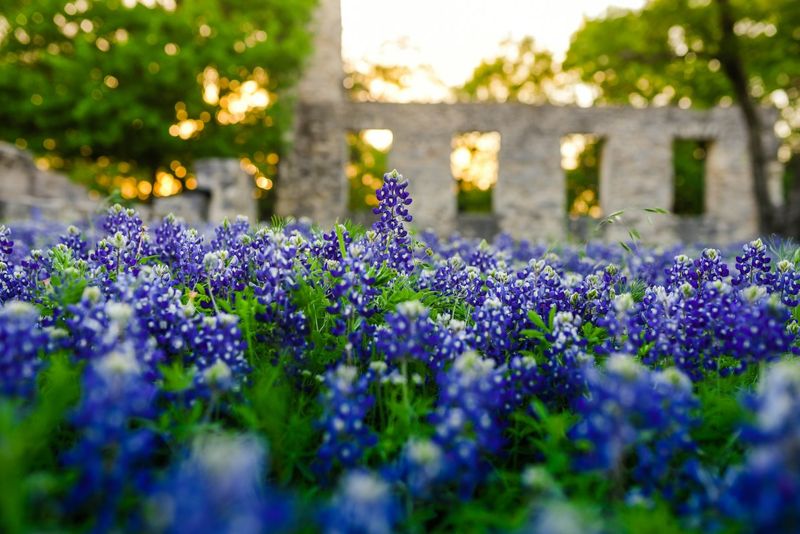
Patience after blooming pays enormous dividends for bluebonnet enthusiasts across Texas. When flowers fade, resist the urge to clean up immediately.
Those developing seed pods hold the key to years of future blooms without replanting. Allowing the natural cycle to complete creates self-sustaining bluebonnet patches.
After flowers finish their show, small green pods develop where blooms once stood. These pods gradually turn brown and dry as seeds mature inside.
The process takes several weeks, usually finishing by late May or early June in most Texas locations. Cutting plants down too early prevents seeds from fully developing.
Mature pods eventually split open, scattering seeds around the parent plant. This natural dispersal creates expanding bluebonnet colonies over time.
Seeds fall near enough to establish new plants in proven growing locations but spread far enough to avoid overcrowding. Nature has perfected this system over thousands of years.
Some gardeners prefer collecting some seeds while letting others self-sow. Wait until pods turn completely brown and brittle before harvesting.
Store collected seeds in paper bags in a cool, dry place. You can plant them elsewhere in fall or share them with friends who want to grow bluebonnets.
Mowing or trimming bluebonnet areas before seeds mature eliminates next year’s flowers. This common mistake happens along roadsides when maintenance crews cut too early.
If you must mow for fire prevention or aesthetics, wait until mid-June at the earliest in Texas to ensure seeds have dispersed.
Once established through self-seeding, bluebonnet patches become increasingly impressive each year. More seeds mean more plants, creating denser displays.
Some Texas properties have bluebonnet shows that have reseeded naturally for decades, requiring zero effort from owners.
This sustainable approach honors the wildflower nature of bluebonnets while creating reliable spring beauty that returns year after year without replanting.