The Secret To Keeping Salvia Blooming All Summer Long In Florida
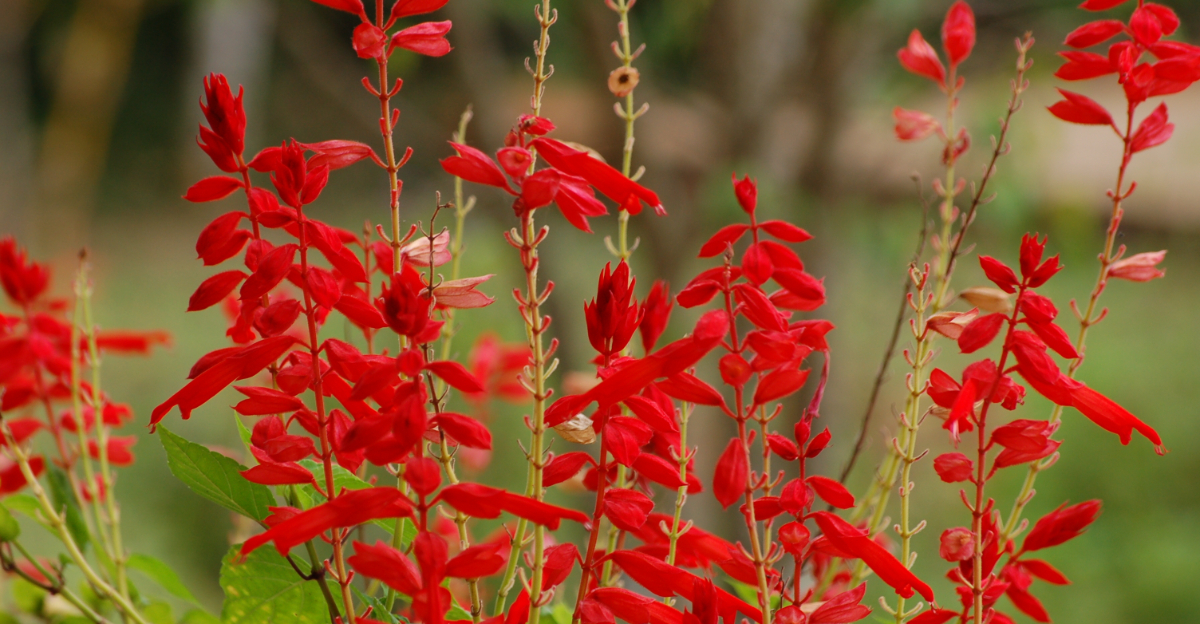
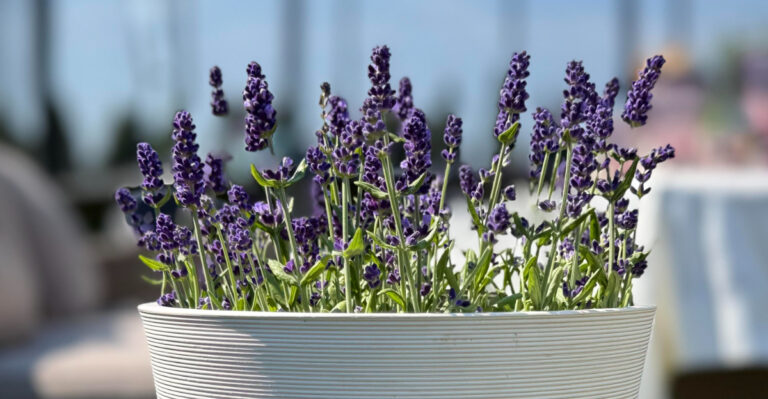
Salvia starts the season like it has something to prove. Bold color, steady blooms, and enough heat tolerance to make other plants look fragile by comparison.
Then somewhere in the middle of a Florida summer the performance quietly fades. The blooms thin out, the plant looks like it has said everything it wanted to say, and most gardeners accept that as the natural order of things.
It is not. A salvia that stops blooming in summer is not finished.
It is waiting. The difference between a plant that coasts through the hot months and one that keeps flowering well into fall comes down to management.
It is shaped by how the plant is handled during the season, not what it was given at planting. Florida gardeners who figure this out tend to look at salvia differently.
It stops being a plant you replace and starts being one you work with.
1. Choose Native Salvias That Fit Your Region
The bloom secret starts before you ever put a shovel in the ground. Choosing the right salvia species for your part of this state is the single most important decision you will make.
Not every salvia sold at a local garden center is native to Florida, and not every native salvia grows equally well across all regions of the state.
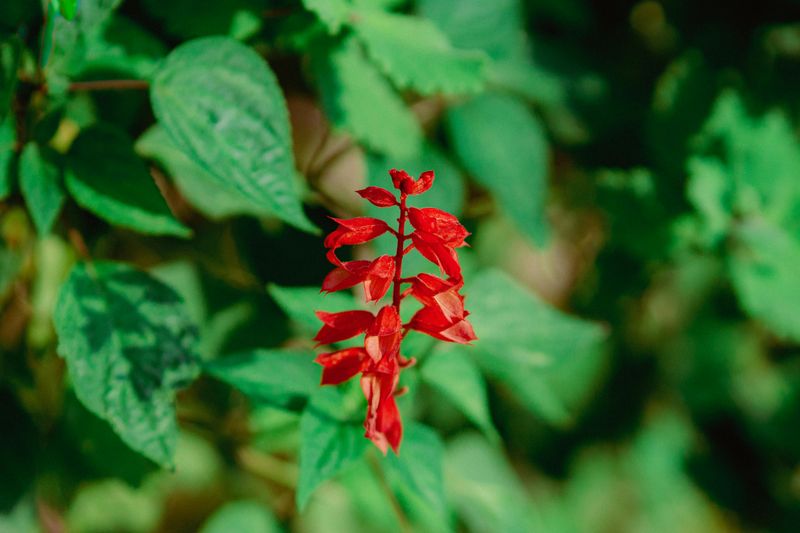
Two of the most well-supported native choices are lyreleaf sage, known botanically as Salvia lyrata, and tropical sage, known as Salvia coccinea.
Lyreleaf sage is a low-growing plant that handles part shade and moist soil reasonably well and is found naturally across much of the state.
Tropical sage is taller, loves full sun, and produces striking red, pink, or white flowers that hummingbirds and butterflies visit regularly. Both are considered natives, though their natural ranges and preferred growing conditions differ.
Other species sometimes listed as Florida-appropriate include Salvia azurea, blue sage, which tends to do better in northern and central regions where winters are cooler. Before you buy anything, check the botanical name on the tag.
Common names like “red salvia” or “garden sage” can refer to completely different plants, some of which are not native at all.
The Florida Wildflower Foundation and UF/IFAS Extension both offer guidance on native salvia choices suited to specific regions of the state.
Using those resources can help you avoid buying a plant that looks like a native but behaves like a short-lived ornamental once summer heat arrives.
Matching the species to your region, whether northern, central, or southern, gives your salvia the best possible start. A plant that fits its environment naturally tends to bloom longer and need less extra care.
It also supports more local pollinators than one that is just surviving in the wrong spot.
2. Plant Them Where Sun And Drainage Work Together
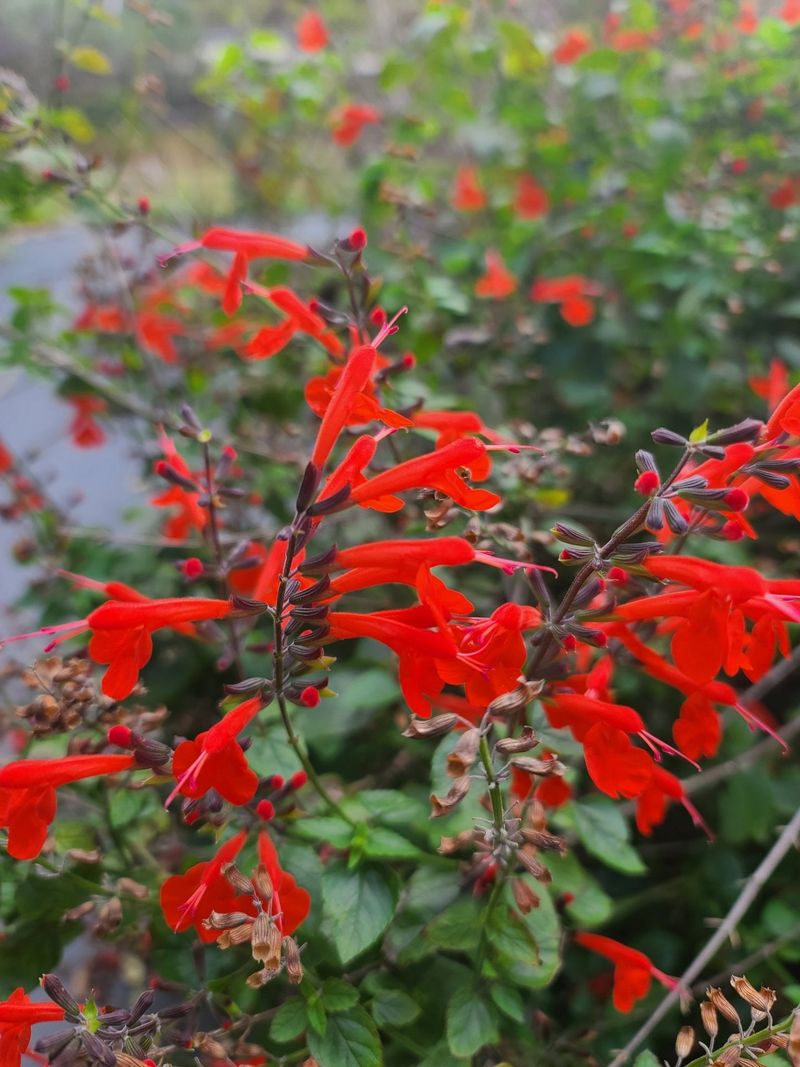
A sunny spot is only helpful when the soil cooperates. Many native salvias, especially tropical sage, bloom best with at least six hours of direct sun each day.
But even the most sun-loving salvia will struggle if its roots are sitting in soggy ground after every afternoon rainstorm.
Your Florida Garden Changes Every Week. Your Plan Should Too.
Gardening in Florida changes quickly throughout the season. Every Friday you’ll receive a simple weekly plan showing exactly what to plant, prune, fertilize, harvest, and protect so you never miss the right timing.
Florida’s rainy season brings heavy, frequent downpours from roughly June through September. During that stretch, low-lying areas of your yard can hold water for hours or even days.
Planting salvias in those spots almost always leads to root problems and reduced flowering. Instead, look for slightly raised ground, sloped beds, or areas where water drains away within an hour or two of rain.
Raised beds work especially well for salvias in areas with heavy clay or compacted soil. Even a few inches of elevation can dramatically improve drainage and root health.
Sandy soil, which is common across much of this state, drains quickly and suits many native salvias well, though it may dry out faster between rains.
Some native salvias handle part shade better than others. Lyreleaf sage, for example, is more tolerant of shadier spots than tropical sage.
If your yard gets afternoon shade from trees or structures, choose a species that fits that light level.
That will serve you better than forcing a sun-lover into a dim corner.
Pollinator borders along fences, the edges of driveways, or the sunny side of a house are often great placements. These spots tend to get good light, drain well, and stay accessible for regular trimming and watering checks.
Thinking about both sun and drainage together, rather than separately, gives your salvia a much stronger foundation for steady summer blooms.
3. Trim Spent Flowers To Encourage Fresh Blooms
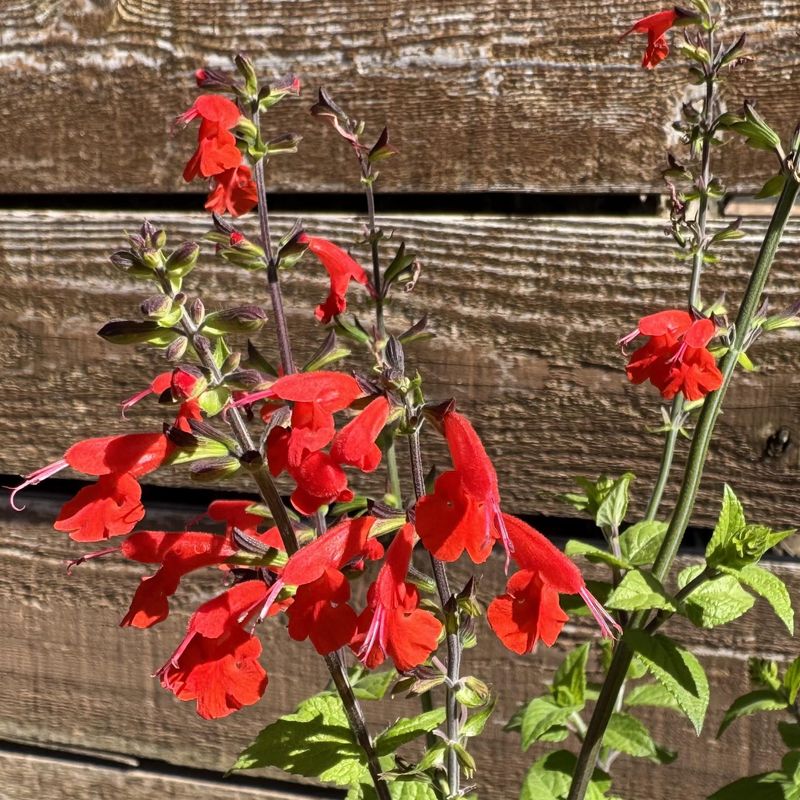
Old flower spikes can slow the show more than most gardeners realize. Once a salvia spike finishes blooming and begins to look brown and dry, it is signaling the plant to shift energy toward setting seed rather than producing new flowers.
Trimming those spent stems before the seed heads fully form can redirect that energy back into fresh growth and more blooms.
The process is simple. When a flower spike looks tired, faded, or mostly finished, trim it back to just above a healthy set of leaves or a branching point lower on the stem.
You do not need to remove the entire stem unless it looks completely spent or is causing the plant to lean awkwardly. A clean cut with sharp scissors or pruning shears is all it takes.
Tropical sage tends to respond well to this kind of attention. It often produces new side shoots and fresh flower spikes within a few weeks of trimming, especially during the warmer months when growth is active.
Lyreleaf sage behaves a bit differently because it tends to have a more sprawling, low-growing habit.
Removing old flower stems still helps keep it looking tidy and can encourage fresh rosette growth.
Trimming spent flowers works best when done regularly rather than all at once. Checking your plants every week or two during summer and removing finished spikes as you find them keeps the plant in a more consistent blooming cycle.
Waiting until the whole plant looks ragged means more work and a longer recovery period before new blooms appear.
Sharp, clean tools also matter. Dull blades can crush stems instead of cutting them cleanly, which can slow the plant’s response.
Wiping your tools between plants is a good habit that helps avoid spreading any issues from one plant to another.
4. Trim Lightly When Stems Get Tired
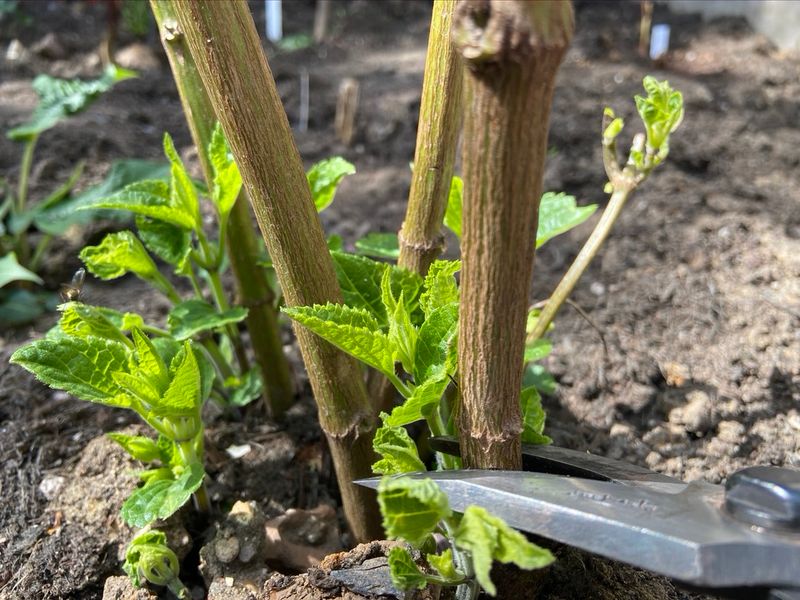
A light summer trim can wake up tired growth in ways that regular spent-flower trimming alone cannot always achieve. By midsummer, salvia stems can get long, stretched, and floppy, especially if the plant has been blooming hard since spring.
That leggy look is a sign the plant could use a gentle shaping, not a dramatic cutback.
Light trimming means removing roughly the top quarter to one-third of the stem length, cutting back to a healthy leaf node or branching point. The goal is to encourage the plant to push out fresh, bushier growth from lower on the stem.
This is different from cutting the plant down hard, which can stress it significantly during peak summer heat.
Timing matters here. Trimming during the hottest, driest part of summer can be harder on the plant than trimming during a slightly cooler stretch or right before a period of expected rain.
Watching the weather and choosing a mild day or an overcast morning for your trimming session gives the plant a gentler start to recovery.
The amount you trim also depends on the species and how healthy the plant looks overall. A tropical sage that is growing vigorously and just getting a little tall can handle a more generous trim than a plant that already looks stressed or pale.
When in doubt, trim less and watch the plant’s response over the following week or two before deciding if more shaping is needed.
After a light trim, the plant may look a little sparse for a short time. That is normal.
New growth usually appears fairly quickly during summer when temperatures are warm and the plant has good moisture and light. Most gardeners find the wait worthwhile once fresh flower spikes start forming on the new growth.
5. Water Deeply Without Keeping Soil Soggy
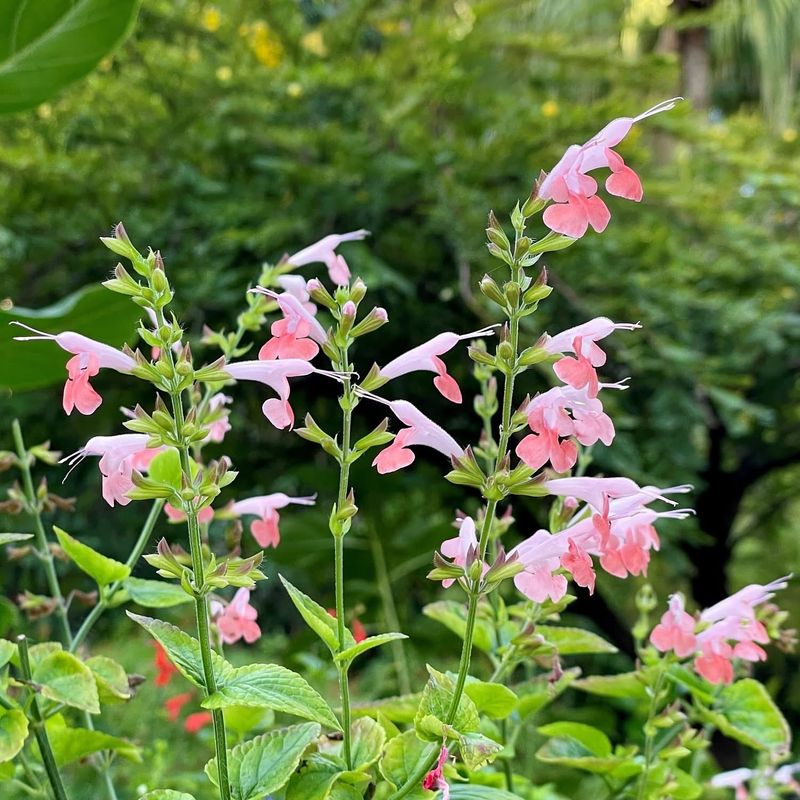
Watering salvia well is about balance, not volume. Newly planted salvias need regular moisture to help their roots settle in and spread, but that does not mean the soil should stay constantly wet.
Overwatering is one of the more common reasons salvias underperform or develop root problems in local gardens.
During the first few weeks after planting, check the soil moisture regularly by pressing a finger about an inch into the ground near the plant’s base. If it feels damp, hold off on watering.
If it feels dry, water slowly and deeply at the base of the plant rather than spraying the foliage. Wet leaves during humid weather can encourage fungal issues, which are already a concern in this state during summer.
Established native salvias, particularly tropical sage, often handle short dry stretches reasonably well once their root systems are developed.
This can vary by species and site, so watching how your plant responds to dry periods is more reliable than following a rigid watering schedule.
Sandy soil dries faster than amended beds, so plants in sandy areas may need water more frequently than those in slightly richer soil.
During the rainy season, natural rainfall often provides enough moisture for established plants. Checking the soil after heavy rain rather than watering automatically can prevent the soggy conditions that native salvias generally do not appreciate.
If your area gets several days of rain in a row, skip your regular watering routine and let the soil dry out slightly between events.
Watering in the morning gives the soil and foliage time to dry before evening, which helps reduce humidity-related issues overnight.
A soaker hose or drip line at the base of the plant can deliver moisture efficiently while keeping the leaves dry, making it a practical choice for summer salvia care.
6. Support Summer Blooms Without Overfeeding
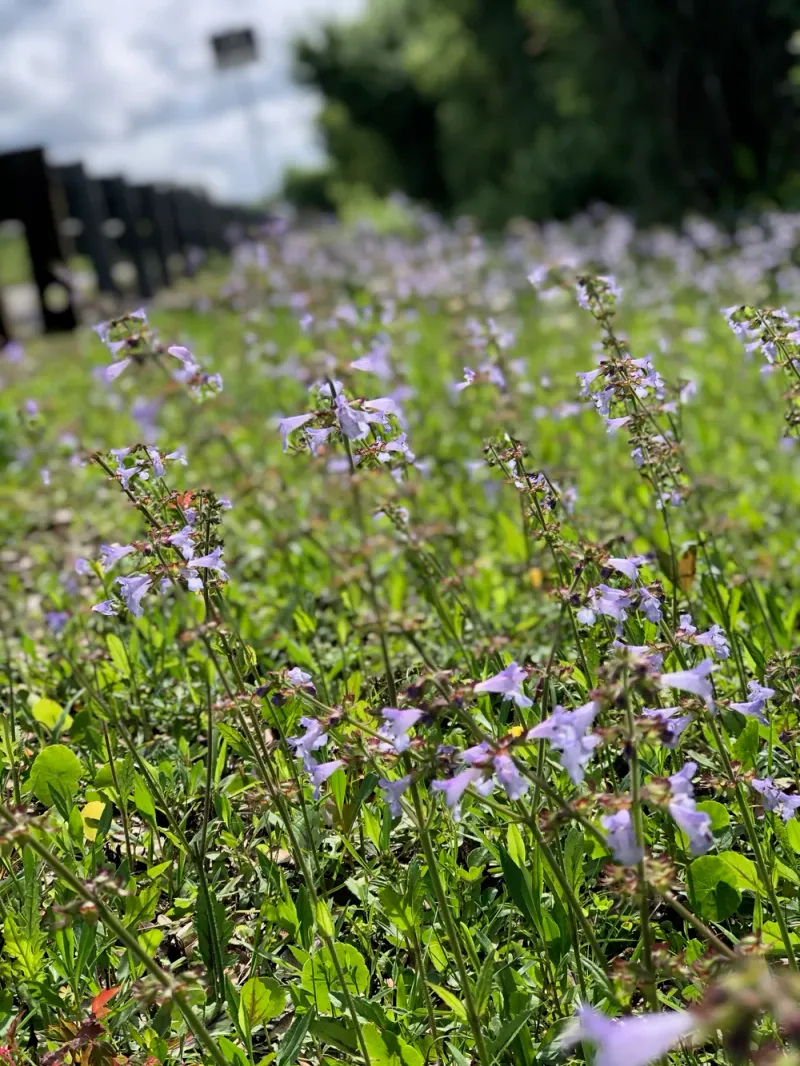
More fertilizer is not always the answer when a salvia slows down in summer. It is tempting to add extra nutrients when a plant looks tired or blooms less frequently.
But pushing too much fertilizer, especially nitrogen-heavy products, can actually work against you. High nitrogen tends to encourage leafy, lush growth at the expense of flowers in some salvia species.
Native salvias that are well-matched to their site often need very little supplemental feeding. Good sunlight, proper drainage, consistent but not excessive watering, and regular trimming of spent flowers tend to matter far more than extra nutrition.
If your soil is reasonably healthy and the plant is growing steadily, adding fertilizer may offer little benefit and could create problems.
If you do decide to fertilize, use a balanced, slow-release product and follow the label directions carefully.
Local ordinances in some parts of this state restrict fertilizer use during the rainy season, typically from June through September, to help protect water quality.
Checking those rules before applying anything is always a good idea and keeps you in compliance with local guidelines.
A light application of compost worked into the soil around the base of the plant can provide a gentle nutrient boost without the risk of pushing excessive leafy growth.
Compost also improves soil structure over time, which benefits drainage and root health, two things that matter more to steady blooming than fertilizer alone.
Watching how your plant responds to its current care routine is the most reliable guide. A salvia that is getting enough light, draining well, and being trimmed regularly will usually bloom steadily without needing much extra help.
When blooms slow down, look at sunlight, drainage, and trimming habits before reaching for a fertilizer product.
7. Watch For Common Summer Stress Signs Early
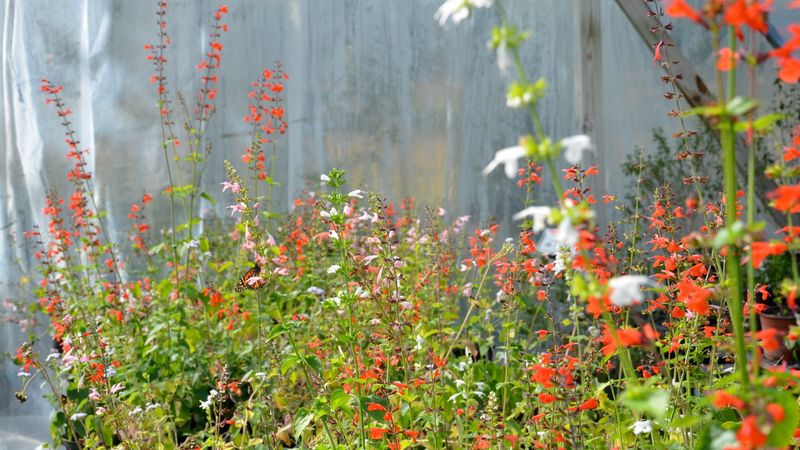
Catching small problems early in summer can save a salvia plant from a long, slow decline that cuts the blooming season short. Native salvias are generally resilient.
Still, intense heat, high humidity, and heavy rain can stress the foliage and stems before flowering is affected.
Yellowing leaves near the base of the plant can signal several things, including too much moisture at the roots, nutrient imbalance, or natural shedding of older growth.
A few yellow leaves here and there are not always a cause for concern, especially on older stems.
But widespread yellowing combined with soft, mushy stems near the soil line often points to root issues linked to poor drainage or overwatering.
Wilting during the hottest part of the afternoon is common in summer and does not always mean the plant needs water immediately.
Many salvias will droop slightly when temperatures peak and then recover on their own as evening cools things down.
If wilting persists into the evening or early morning, that is a more reliable sign that the plant needs moisture.
Powdery or spotted foliage can sometimes appear during humid stretches, particularly if airflow around the plant is limited.
Trimming surrounding plants to improve circulation, removing affected leaves, and avoiding overhead watering can help manage these issues without resorting to treatments.
Keeping the area around the base of the plant clear of debris also reduces hiding spots for insects that occasionally feed on stressed plants.
Checking your salvias regularly, even just a quick look every few days, gives you the chance to respond before small issues grow into bigger ones.
A plant that gets prompt attention usually recovers faster and returns to blooming more quickly than one that goes unnoticed for weeks.