The Self Watering Tricks Popular Among Frequent Flyers In Texas
Texas frequent flyers face a classic dilemma: plants cry out for care while suitcases roll toward the airport.
A busy travel schedule often turns houseplants into innocent casualties, yet clever self-watering tricks step in as quiet heroes.
These methods act like dependable stand-ins, keeping soil moist and roots satisfied long after the front door closes.
Travelers praise simple tools and smart setups that give plants a steady sip instead of a last-minute soak.
With the right approach, every leafy companion stands tall through long trips and unexpected delays.
Texans on the move gain peace of mind, knowing their plants hold the fort with gusto, strength, and a touch of Lone Star resilience.
1. Wine Bottle Watering Stakes
Empty wine bottles aren’t just for recycling anymore.
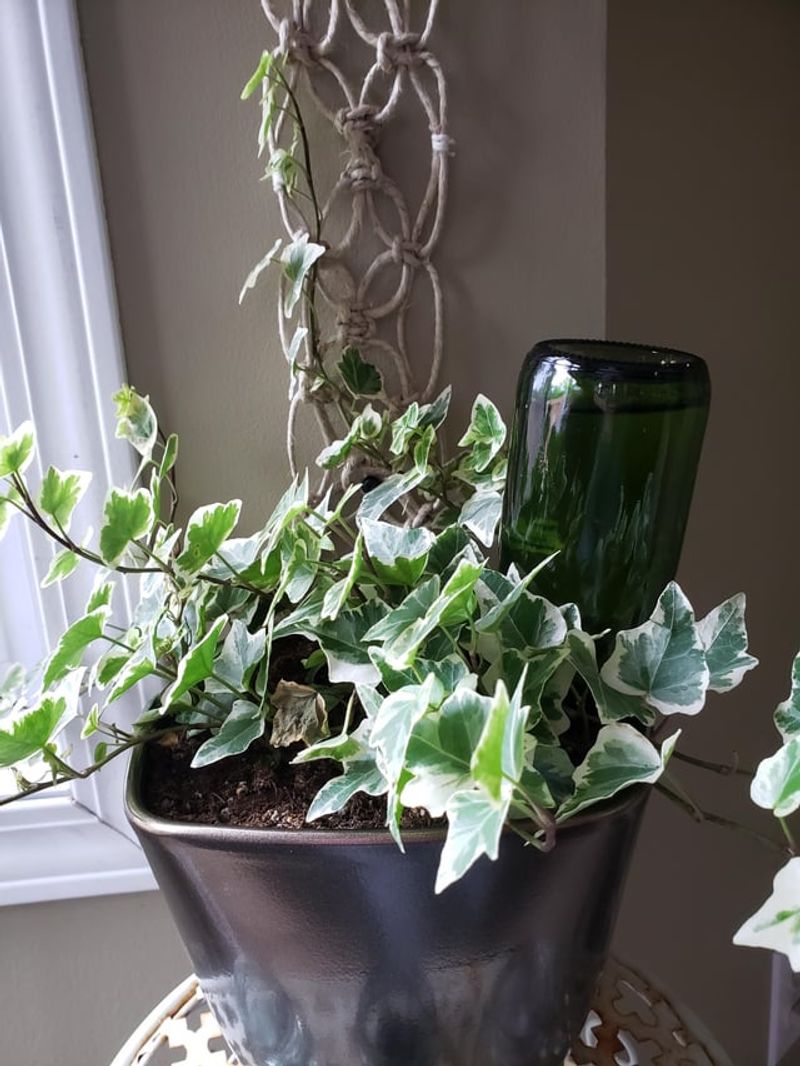
Savvy travelers have discovered that these glass containers make excellent slow-release watering systems when paired with terracotta stakes.
The process couldn’t be simpler.
Fill a clean wine bottle with water, attach a porous terracotta stake to the opening, and flip it upside down into your plant’s soil.
The terracotta slowly releases moisture as the soil dries out, creating a perfect balance.
What makes this method brilliant for frequent flyers is its reliability.
A standard wine bottle can keep a medium-sized plant hydrated for up to two weeks, depending on the plant’s needs and your home’s humidity.
The terracotta stakes cost just a few dollars at most garden centers.
One important tip: Test your setup before leaving on a long trip.
Different plants absorb water at different rates, so you’ll want to ensure your bottle size matches your plant’s thirst level perfectly.
2. Self-Watering Globe Systems
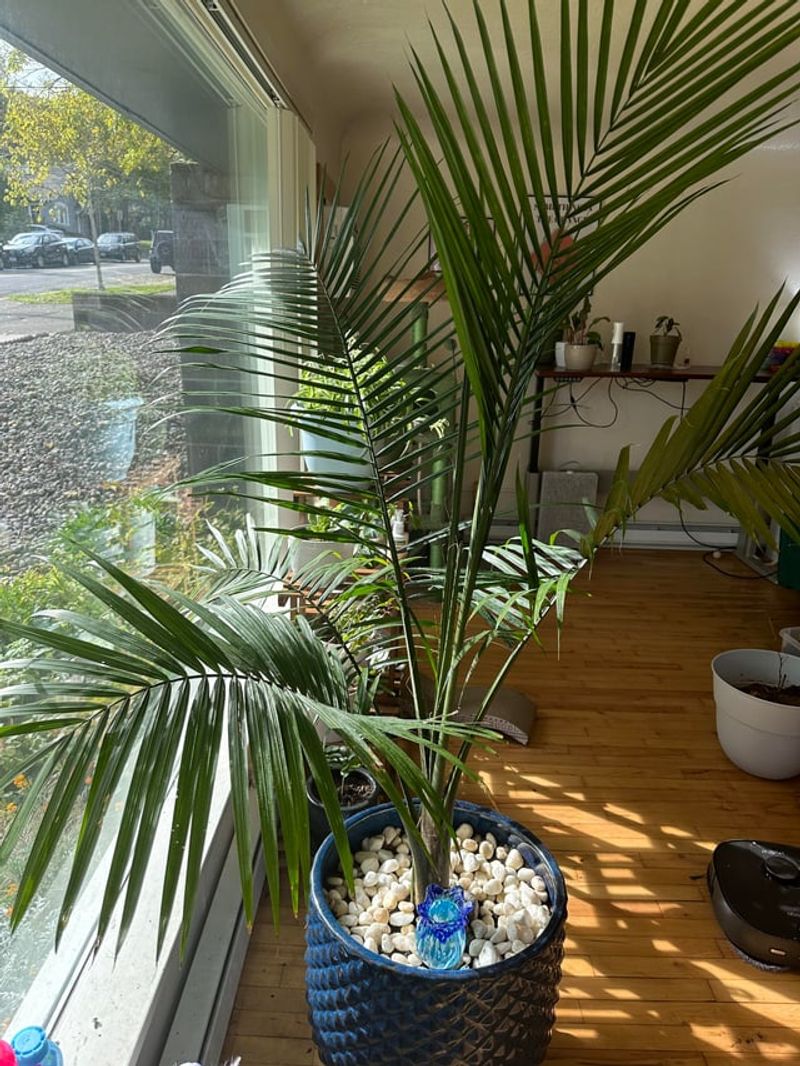
Picture beautiful blown-glass spheres that keep your plants alive while adding artistic flair to your home.
Watering globes have become the go-to solution for Houston’s jet-setting plant lovers who refuse to compromise on style.
These elegant devices work through simple gravity and air pressure.
Fill the globe with water, insert the long stem into your soil, and physics takes over.
As soil dries, it releases air into the globe, which pushes water out in return.
The beauty of watering globes extends beyond their function.
They come in stunning colors—cobalt blue, emerald green, ruby red—that catch sunlight and create rainbow prisms across your rooms.
Visitors often mistake them for decorative art pieces rather than practical tools.
Most globes hold enough water for five to seven days of continuous care.
Shopping tip: Choose globes with stems long enough to reach deep into your pots.
Shallow insertion means faster drainage and less coverage during your travels.
3. Bathtub Greenhouse Method
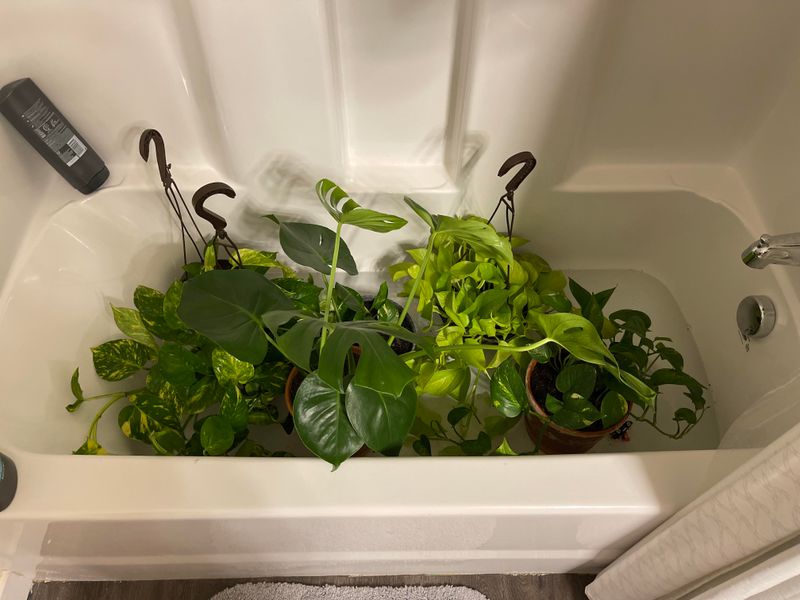
Your bathroom might hold the secret to worry-free travel.
San Antonio plant enthusiasts have perfected the bathtub greenhouse technique, transforming ordinary tubs into temporary plant sanctuaries.
Start by laying an old towel in your tub to protect both surfaces.
Add an inch or two of water, then place your potted plants directly in the tub.
The key is ensuring drainage holes allow plants to soak up moisture gradually through capillary action.
Taking it further, drape a clear plastic sheet or shower curtain over a tension rod above the tub.
This creates a humid microclimate where moisture evaporates from the water, condenses on the plastic, and rains back down onto your plants.
Nature’s own recycling system, right in your bathroom.
The bathroom’s typically higher humidity also helps plants cope with stress.
Before implementing this trick, ensure your bathroom gets some natural light.
If not, consider adding a grow light on a timer.
Also, test water levels before departure—too much water causes root rot.
4. Capillary Mat Watering Systems
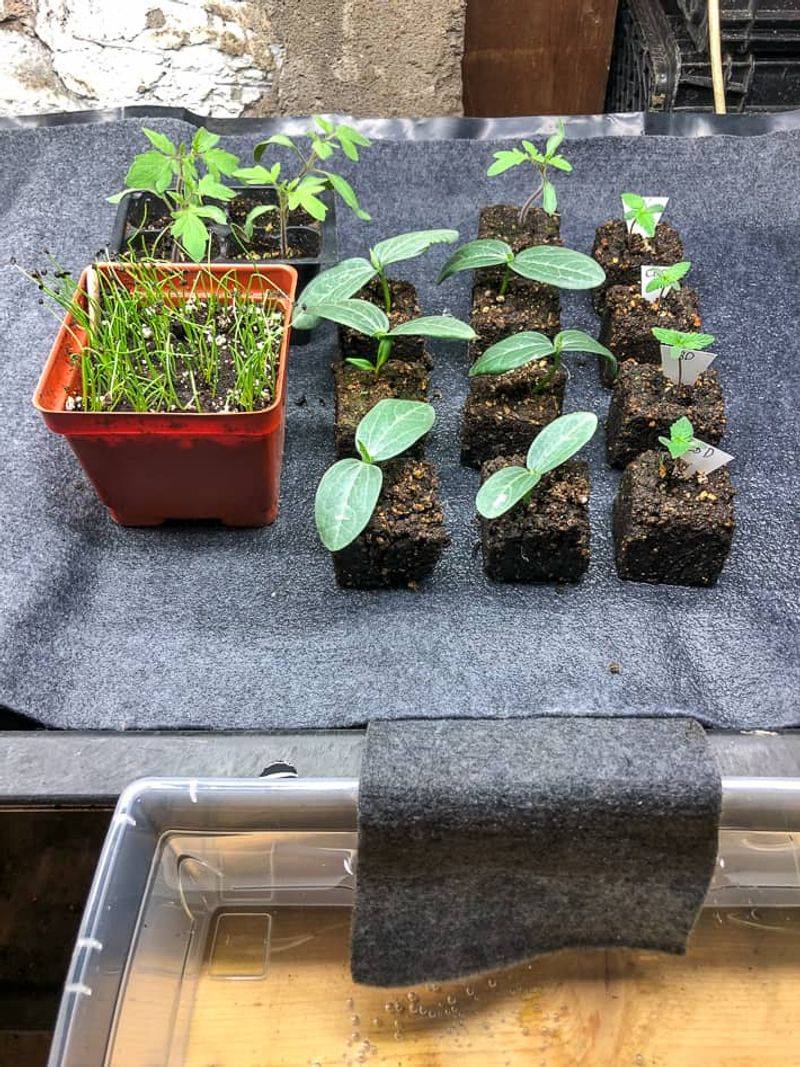
Imagine a magic carpet that drinks water and shares it with every plant sitting on top.
Capillary mats work exactly like that, using fabric’s natural wicking properties to deliver consistent moisture.
These specialized mats are made from highly absorbent materials that draw water from a reservoir and distribute it evenly across their surface.
Place your plants on the mat, and their roots pull moisture through drainage holes as needed.
No electronics, no complicated setup.
The genius lies in the simplicity.
Plants take only what they need, preventing both underwatering and overwatering.
The mats also promote healthier root systems because moisture distributes evenly rather than flooding from above.
Cost-conscious travelers can create DIY versions using felt fabric from craft stores.
Cut the felt to fit your tray, ensure one end stays submerged in water, and arrange plants on the opposite end.
Professional mats cost more but last for years.
5. Drip Irrigation With Timers
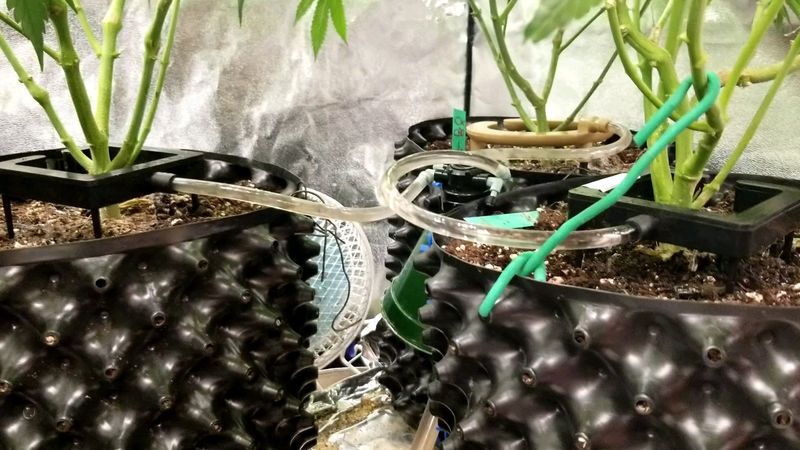
Technology meets gardening in this favorite trick among Corpus Christi’s frequent travelers.
Automated drip irrigation systems deliver precise amounts of water on customized schedules, mimicking your personal care routine.
A basic setup includes a reservoir, a battery-powered pump, thin tubing, and adjustable drippers for each plant.
Program the timer to water once or twice daily, and your system operates independently for weeks.
Some advanced models even connect to smartphone apps for remote monitoring.
The precision is remarkable.
Thirsty tropical plants receive more frequent drips, while drought-tolerant succulents get minimal moisture.
You can adjust flow rates for individual plants, ensuring each receives exactly what it needs.
No more one-size-fits-all watering approaches.
Initial setup requires some patience.
You’ll need to calculate each plant’s water needs and adjust drippers accordingly.
Run the system for a week before traveling to catch any issues.
Most hardware stores in Texas carry starter kits for under fifty dollars.
6. Wicking Rope Technique
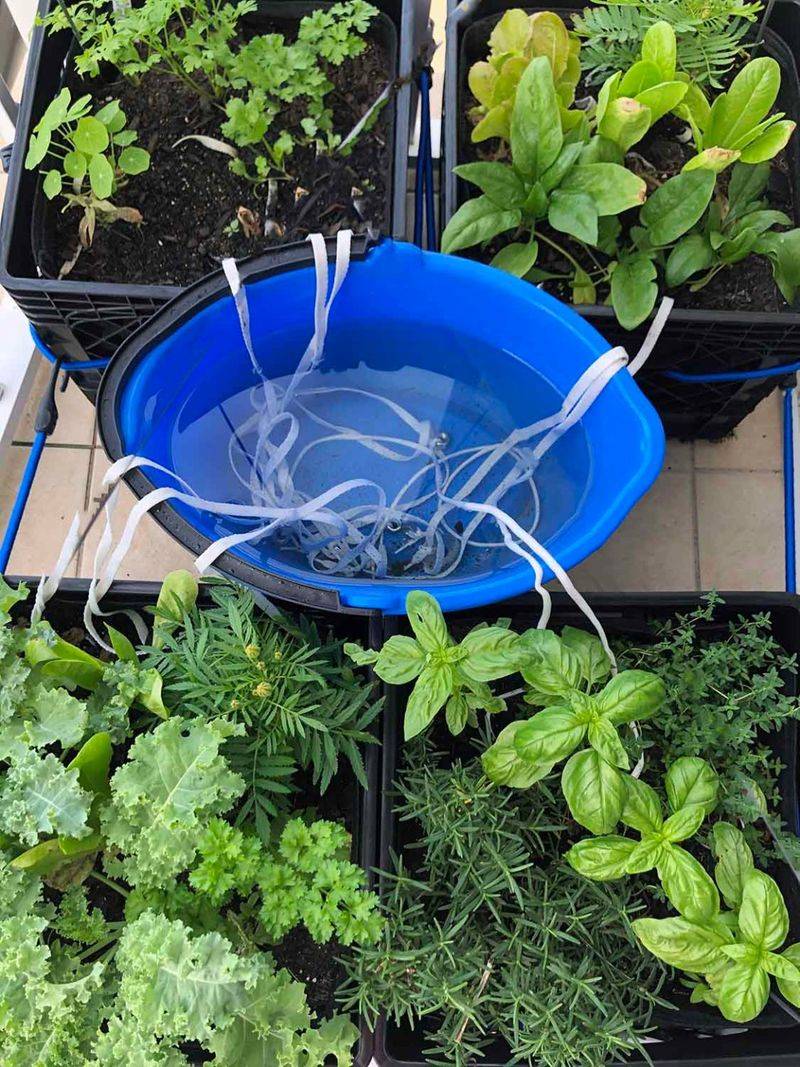
Sometimes the oldest tricks work best.
Wicking has been around for generations, but modern frequent flyers have refined it into an art form that requires nothing more than cotton rope and containers.
Cut strips of cotton clothesline or braided rope.
Bury one end several inches deep in your plant’s soil, and submerge the other end in a water-filled container placed slightly higher than the pot.
Capillary action pulls water up the rope and into the soil continuously.
The beauty is in the flexibility.
Use multiple wicks for large pots or thirsty plants.
Adjust water container size based on trip length.
The system requires zero electricity and costs practically nothing to implement.
Cotton material is crucial—synthetic ropes won’t wick properly.
Also, ensure your rope makes good contact with soil.
Some gardeners thread the rope through drainage holes from bottom to top for maximum efficiency.
Test before traveling to verify proper water flow.
7. Plastic Bag Humidity Tents

Creating personal greenhouses for individual plants sounds complicated, but it requires only clear plastic bags and a few minutes.
Waco gardeners have embraced this budget-friendly approach that turns each plant into its own self-sustaining ecosystem.
Water your plant thoroughly, then place a clear plastic bag over the entire plant, using stakes or chopsticks to keep the plastic from touching leaves.
The bag traps moisture that evaporates from soil and leaves, which then condenses and drips back down.
It’s a miniature water cycle.
This method works especially well for humidity-loving plants like ferns, calatheas, and peace lilies.
The enclosed environment maintains moisture levels that would otherwise require daily misting.
Plants essentially water themselves through this continuous recycling process.
Important warnings: Don’t leave bagged plants in direct sunlight, as temperatures inside can skyrocket.
Also, ensure bags have tiny air holes to prevent fungal growth.
Remove bags promptly upon returning home to prevent mold issues.
8. Terracotta Olla Watering Pots
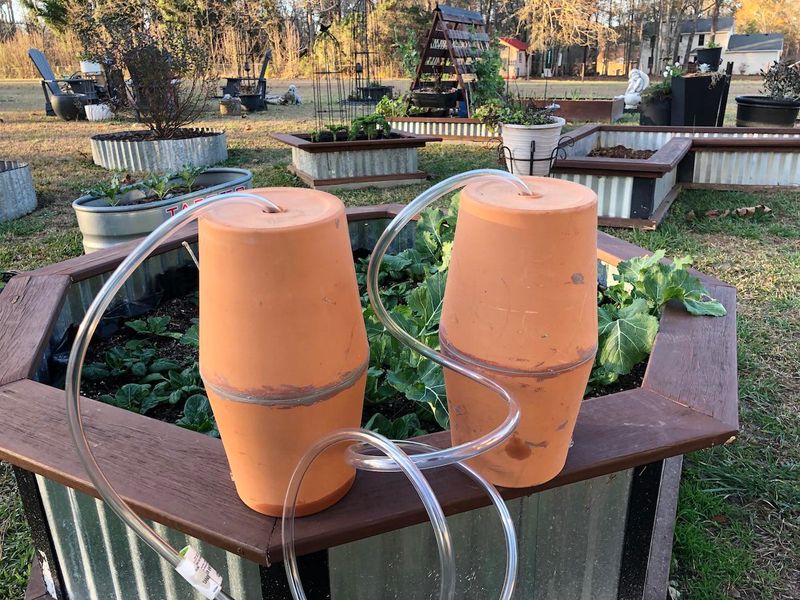
Ancient farmers knew something modern travelers are rediscovering.
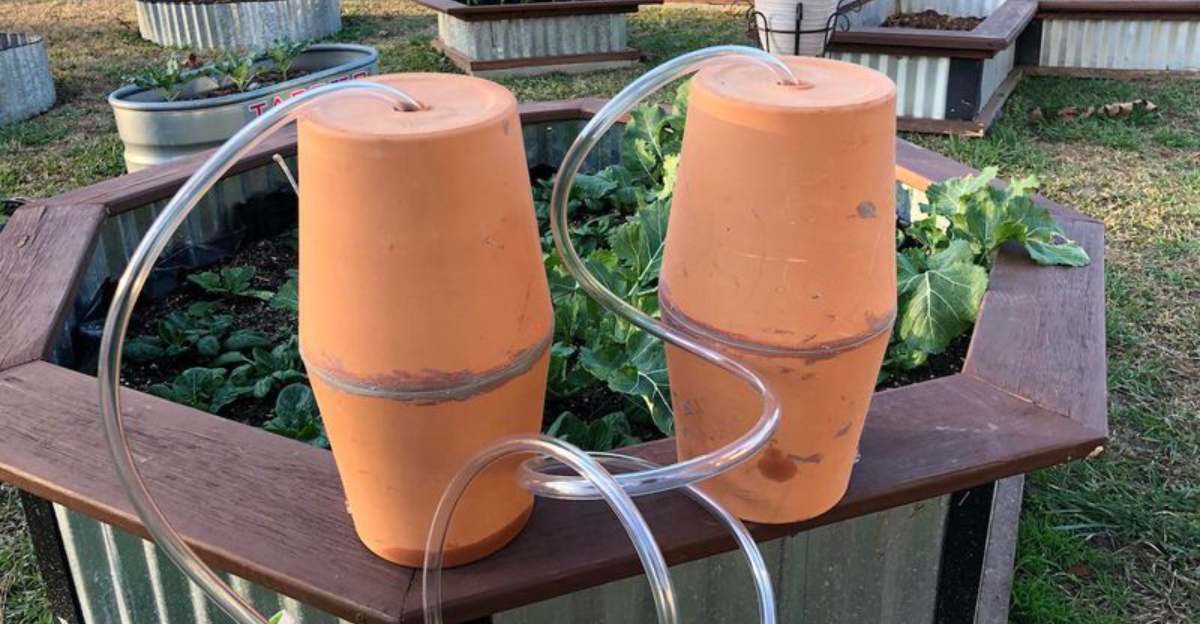
Ollas—unglazed clay pots buried in soil—provide slow, steady hydration that keeps plants happy for extended periods without any mechanical parts or electricity.
Bury an olla up to its neck in your planter, leaving just the opening exposed.
Fill it with water and cover the top.
The porous terracotta releases moisture directly into the root zone as soil dries.
Plants draw water as needed, making overwatering virtually impossible.
Ollas come in various sizes to match different pot dimensions.
Small ones hold enough water for a week, while large versions can last three weeks or more.
The clay’s natural filtering properties also prevent mineral buildup that sometimes clogs other watering systems.
Finding authentic ollas can be challenging.
Some Texas gardeners make DIY versions by burying unglazed terracotta pots with drainage holes plugged.
Others order traditional ollas online from specialty suppliers.
Prices range from ten to forty dollars depending on size.
9. Water-Absorbing Polymer Crystals

Tiny crystals that swell to many times their size when wet sound like science fiction, but they’re real and revolutionizing plant care for Tyler’s busy professionals.
These super-absorbent polymers act like microscopic water reservoirs throughout your soil.
Mix dry crystals into potting soil according to package directions before planting.
When you water normally, the polymers absorb excess moisture and expand dramatically.
As soil dries out, the crystals slowly release their stored water back to plant roots.
The technology comes from agriculture, where farmers use similar products to help crops survive between rainfalls.
Home gardeners adapted the concept for container plants, and frequent travelers discovered they’re perfect for maintaining moisture during absences.
A few cautions: Don’t overuse crystals, as too many can make soil overly wet and suffocate roots.
Also, crystals eventually break down and need replacing every few years.
They work best combined with other methods like reduced light exposure during your absence to slow plant metabolism.
10. Plant-Sitter Swap Networks

Sometimes the best technology is human connection.
Plant-sitter swap networks have sprouted throughout Texas cities, where frequent travelers trade plant-care duties instead of relying on devices or tricks.
The concept is beautifully simple.
Join a local plant enthusiast group through social media or community boards.
When you travel, a fellow plant lover waters your collection.
When they travel, you return the favor.
No money changes hands—just mutual support between people who understand the importance of keeping green friends alive.
These networks offer advantages beyond basic watering.
Experienced plant people notice problems early—pests, diseases, or nutrient deficiencies—and can take corrective action.
They understand that succulents need different care than ferns, and they won’t accidentally kill your plants with kindness.
Starting a network is easy.
Post in neighborhood groups or gardening forums to find interested participants.
Meet beforehand to exchange care instructions and keys.
Many Texas communities now have established networks with dozens of members, ensuring someone’s always available regardless of travel schedules.