The September Pest Ohio Homeowners Mistake For Wasps (And Why It’s Actually Worse)
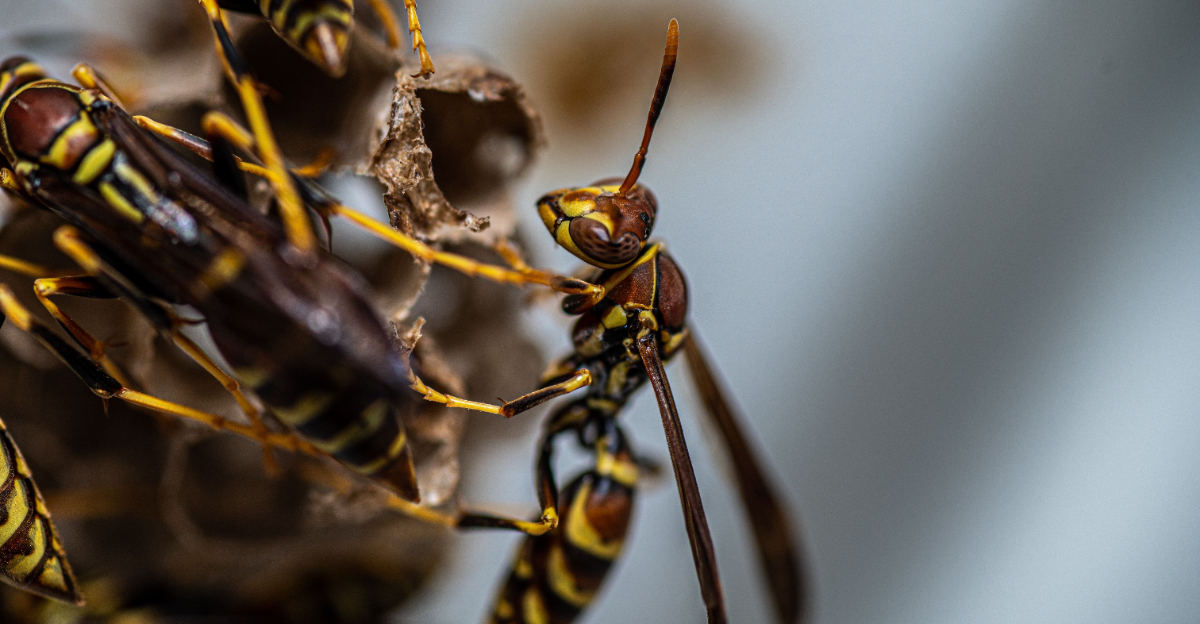
That buzzing shape drifting past your porch light in Ohio isn’t the wasp you assume it is. Something faster, quieter, and far more established has moved in while you weren’t watching.
Homeowners across the state make this mistake every September, confusing this insect’s return with something entirely different. Ohio’s cooling temperatures push this creature toward warmth, and your house becomes the target.
Confusing signals convince people to treat the wrong problem entirely. Your instinct to reach for wasp spray only makes the actual invader bolder. Behind your siding, inside your soffits, something far more persistent is settling in for the season.
You won’t recognize the danger until you know exactly what’s hiding behind that buzz.
The Insect Ohio Yards Are Buzzing With This Month
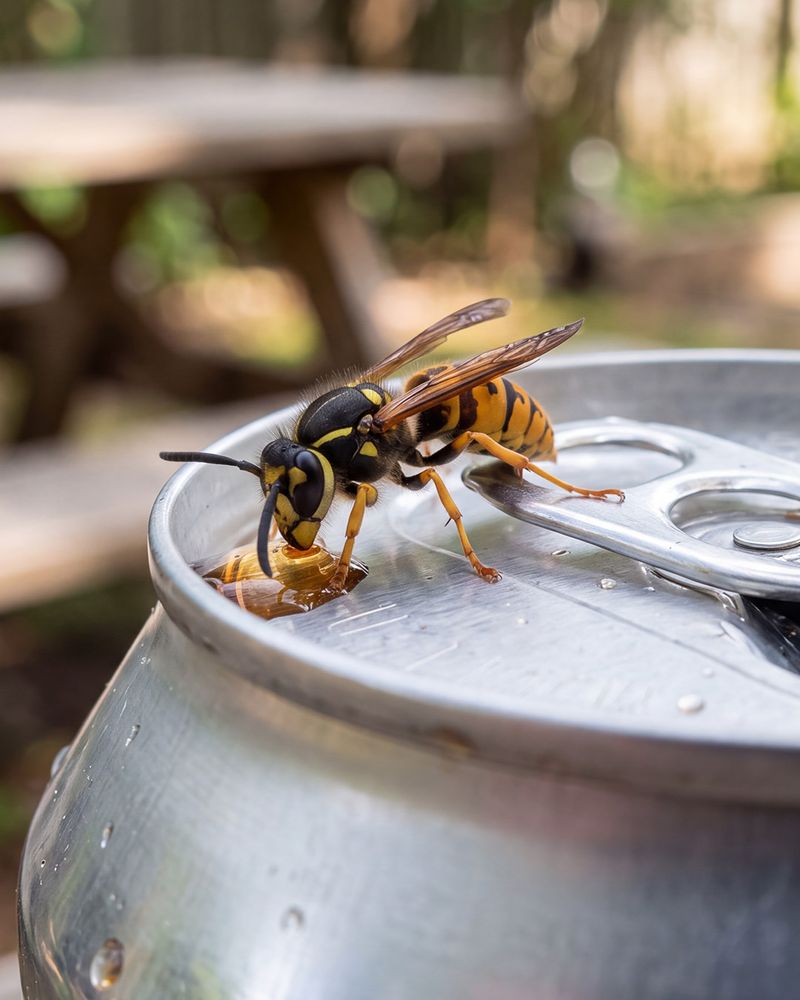
Something is crashing your backyard barbecue, and it is not a paper wasp.
Yellowjackets are the real culprits swarming Ohio yards every September. Most people call them wasps without a second thought.
That mix-up is dangerous. Yellowjackets are an entirely different insect with far more aggressive behavior patterns.
Picture this: you are outside eating a sandwich, and a striped insect lands right on your food. Your first instinct is to swat it away like a regular wasp. That reaction could provoke a defensive response from every yellowjacket nearby.
Yellowjackets belong to the same insect family as wasps, but their behavior is much more extreme. They are social insects that live in large colonies, sometimes holding thousands of members.
By September, those colonies are at peak size. Food sources start getting scarce, and yellowjackets become bolder and more territorial.
Ohio’s warm late-summer weather keeps them active longer than people expect. Many homeowners assume insects slow down in fall, but yellowjackets actually ramp up.
This particular insect is behind thousands of stings across the state every year. Recognizing what you are actually dealing with changes everything about how you respond.
Spotting one near your home should trigger curiosity, not panic, but definitely not casual dismissal. Pay attention to where it came from and where it goes next.
That small detail could reveal a nest hidden just feet from where your kids play.
Size And Color Differences That Lead To The Wrong Guess
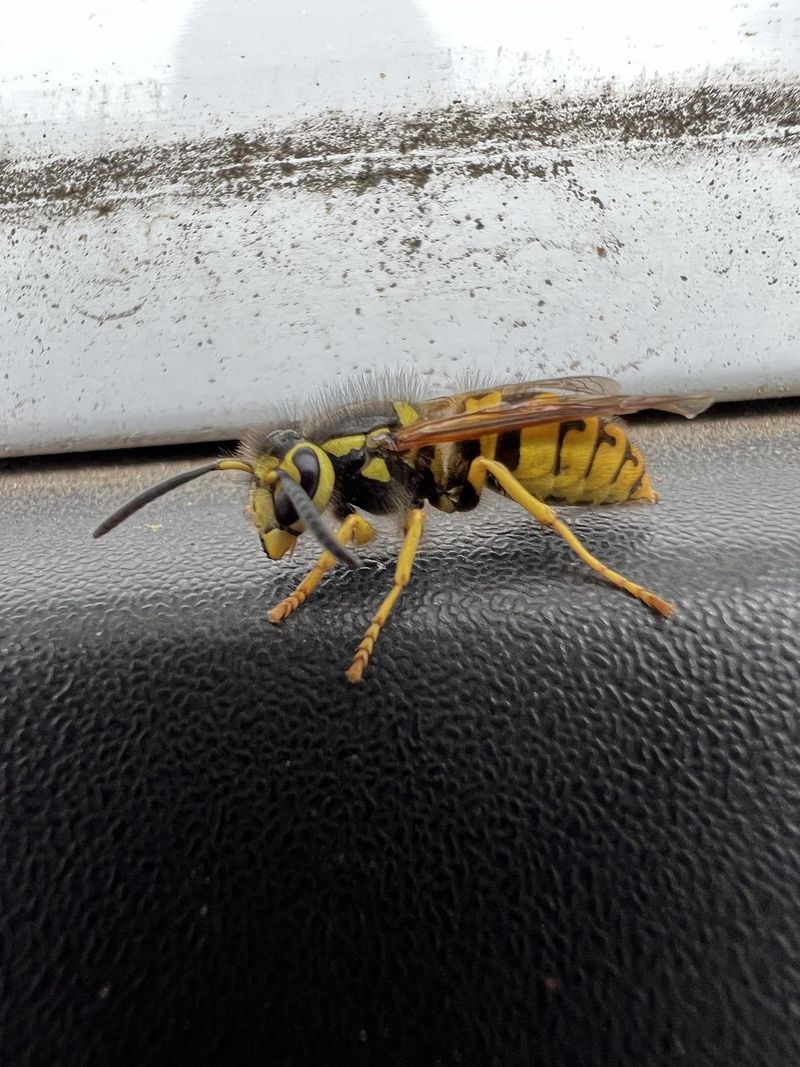
At first glance, yellowjackets and paper wasps look almost identical to the untrained eye. Both are yellow and black, both fly, and both sting.
That visual similarity is exactly why so many Ohio homeowners get the identification wrong. One wrong guess leads to one very bad decision.
Yellowjackets are stockier and shorter than paper wasps. Their bodies are compact, almost stubby, compared to the long, slender frame of a paper wasp.
Paper wasps have dangling legs when they fly, which gives them a slightly awkward, gangly look mid-air. Yellowjackets fly fast and direct, with none of the wasp’s drifting motion.
Color also tricks people regularly. Both insects share that classic black-and-yellow pattern, but yellowjackets tend to have brighter, more vivid yellow bands. Paper wasps often show more orange or rust-colored tones mixed in.
Your Ohio Garden Changes Every Week. Your Plan Should Too.
Gardening in Ohio changes quickly throughout the season. Every Friday you’ll receive a simple weekly plan showing exactly what to plant, prune, fertilize, harvest, and protect so you never miss the right timing.
Size matters too. Paper wasps are noticeably longer, sometimes reaching nearly an inch. Yellowjackets are shorter and chunkier in comparison.
Most homeowners do not stop to measure an insect that is flying at their face. That is understandable, but it means the wrong pest gets blamed constantly.
When people think paper wasp, they often think mild-mannered and easy to avoid. That mindset does not apply to yellowjackets, which are wired for defense at all times.
Learning these small visual differences takes about five minutes and could save you from a painful and scary experience this fall season.
Nesting Habits That Give Away The Real Culprit
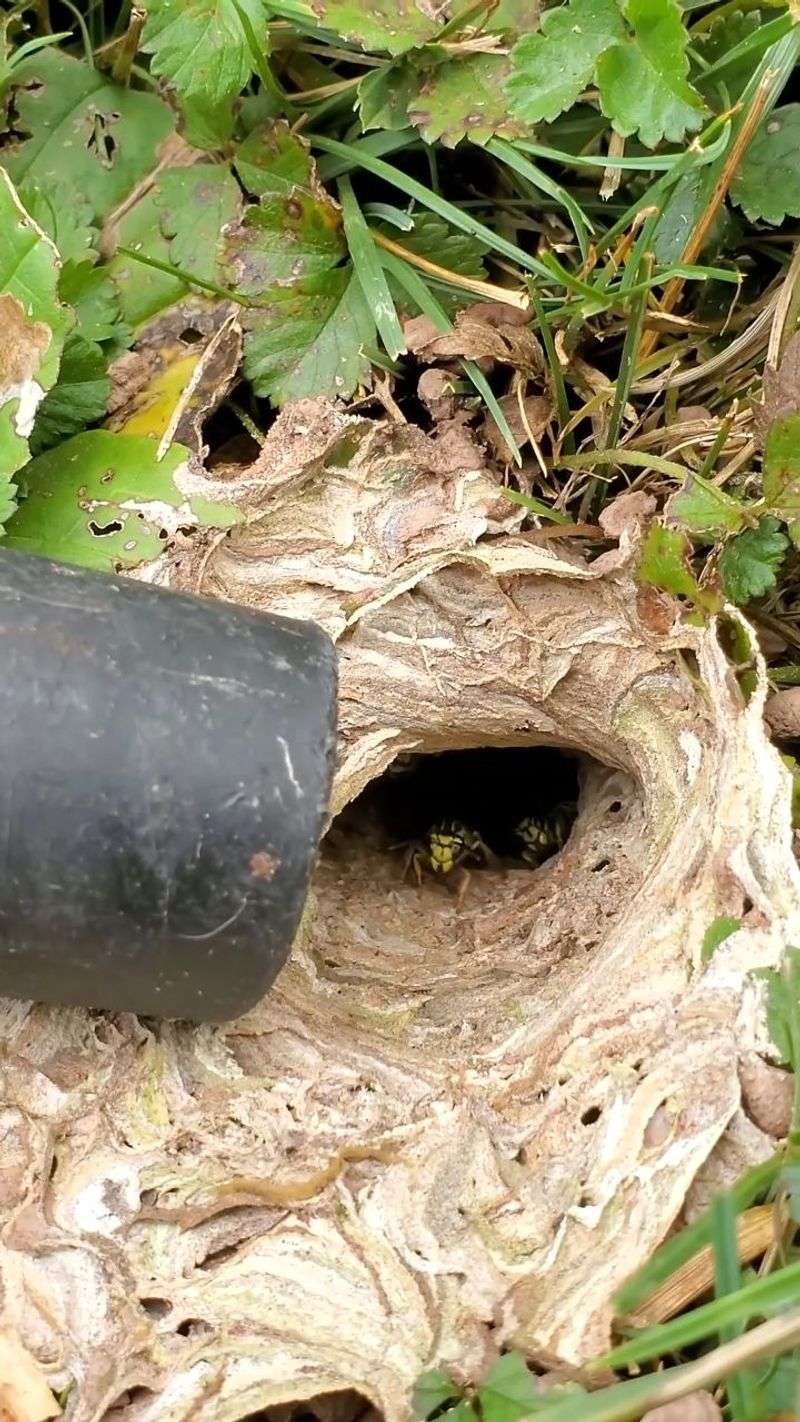
The nest location tells you almost everything you need to know. Paper wasps build open, umbrella-shaped nests that hang from eaves and branches.
Yellowjackets prefer hidden spots. They nest underground, inside wall voids, and in hollow logs or dense shrubs.
Finding a papery, honeycomb-looking nest dangling from your porch ceiling? That is almost certainly a paper wasp situation. Seeing insects flying in and out of a hole in the ground? That is a yellowjacket colony, and it could be massive.
Underground nests are especially dangerous because they are invisible until you accidentally disturb them. A lawn mower passing over the entrance is enough to trigger a full defensive response.
Yellowjacket nests grow throughout summer, reaching peak population right around September. A mature colony can hold between 1,000 and 4,000 workers by late season.
That is a lot of stingers packed into a space you cannot even see. This insect often builds its nest just inches below the surface.
Inside wall voids is another common hiding spot. Yellowjackets will chew through drywall or insulation to expand their space, causing structural damage over time.
Spotting yellowjackets entering through a gap in your siding is a serious warning sign. Do not plug that hole without knowing what is behind it.
Knowing where to look gives you a major advantage before the situation escalates into something much harder to handle safely.
September Behavior Changes That Raise The Risk
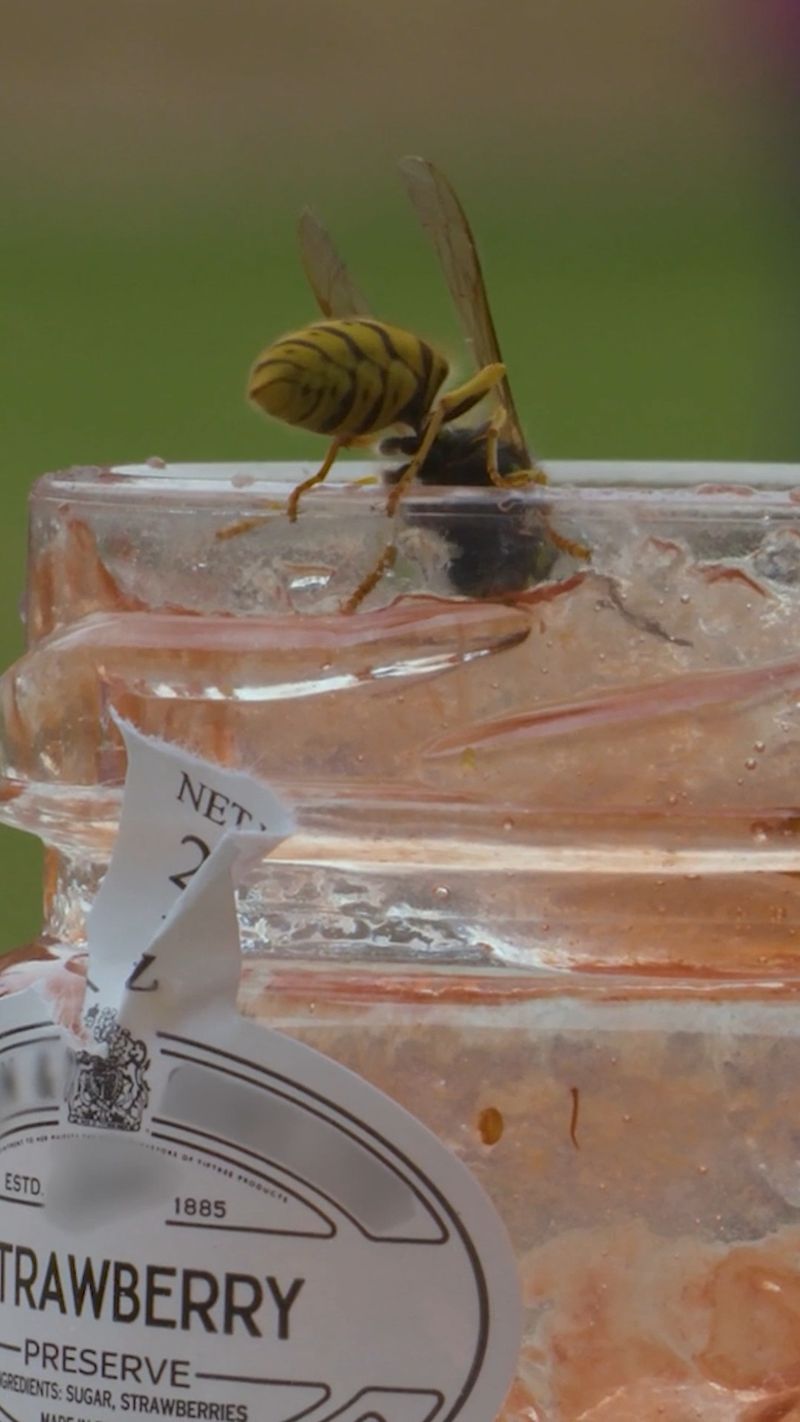
September changes everything about how yellowjackets act. The colony has stopped raising new queens and workers, so the surviving insects have one job left: eat.
With no larvae to feed, yellowjackets no longer need protein. They shift entirely to sugar and carbohydrates, which means your soda, fruit, and desserts become prime targets.
This dietary shift brings them directly into human spaces. Trash cans, outdoor dining areas, and open food containers become hotspots for yellowjacket activity in fall.
Their aggression spikes alongside their desperation. A yellowjacket in September is not casually foraging. It is competing for limited resources before winter ends the colony.
That urgency makes them faster to sting and less likely to back off when disturbed. Even minor movements near a foraging yellowjacket can trigger a defensive reaction.
Unlike honeybees, yellowjackets can sting multiple times without any risk to themselves. One insect can deliver several stings in rapid succession if it feels threatened.
Ohio’s September weather is still warm enough to keep colonies fully active. Cooler nights have not slowed them down yet, even if it feels like fall is settling in.
People let their guard down in September, assuming pest season is winding down. That false sense of safety is exactly when most stinging incidents happen.
The combination of peak colony size, aggressive foraging, and human outdoor activity creates a perfect storm of risk every single fall season without fail.
Yellowjackets Bring Risks Paper Wasps Don’t Have
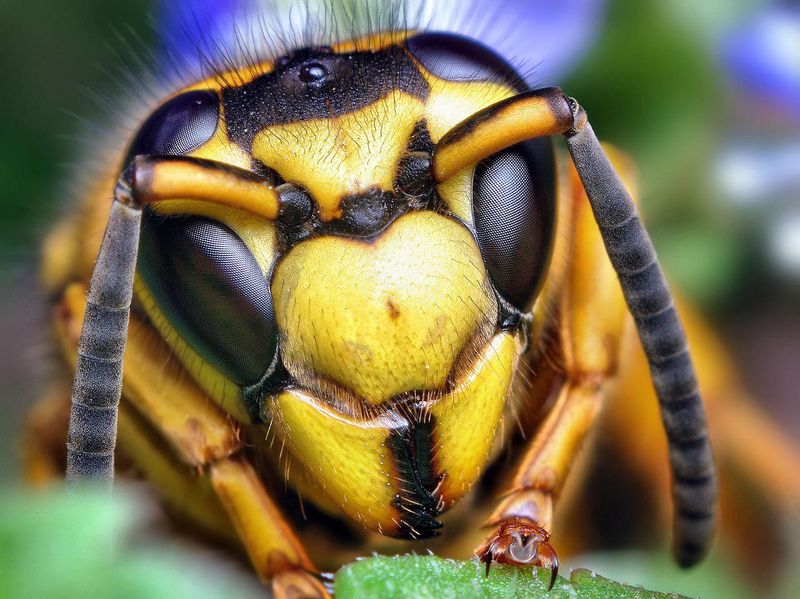
Paper wasps will sting you if you threaten their nest. Yellowjackets will sting you for walking too close to theirs, and nearby workers respond within seconds.
That is not an exaggeration. Yellowjackets release a chemical signal when they sting that alerts nearby colony members to respond.
One sting can quickly multiply into several more. For people with allergies, that escalation can turn a backyard afternoon into a medical emergency.
Anaphylaxis, a severe allergic reaction, is triggered by insect venom in a small but significant share of the population. Yellowjacket venom is a common culprit behind these reactions.
Even people without known allergies can develop a reaction after multiple stings. The sheer volume of venom from a swarm is enough to cause serious symptoms.
Paper wasps are far less likely to swarm. They tend to be more solitary in their defensive behavior and require more direct provocation before attacking.
Yellowjackets also scavenge near food waste and garbage, which means they can carry bacteria on their bodies. A sting from a scavenging yellowjacket introduces that bacteria directly into your skin.
Children and elderly adults are especially vulnerable to complications from multiple stings. Keeping them away from known yellowjacket areas is a priority, not a suggestion.
Recognizing that this insect is not just an annoying wasp but a genuinely risky one could be the most important thing you learn this season.
Steps To Take If You Find A Nest Nearby
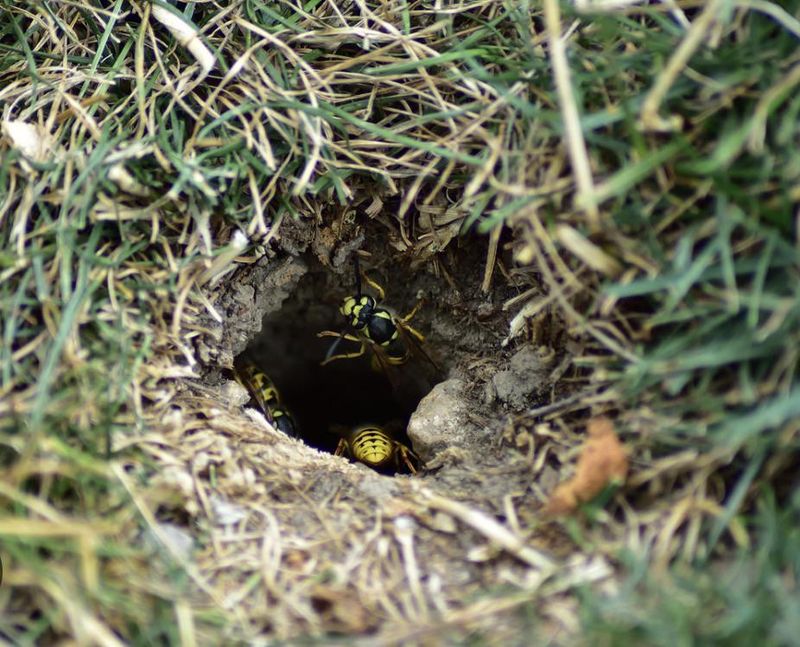
Finding a yellowjacket nest near your home does not have to send you into a panic spiral. Staying calm and strategic is your best first move.
Step one: do not disturb the nest. Mark the area with a flag or cone so others know to stay back while you figure out next steps.
Step two: call a licensed pest control professional. Yellowjacket nest removal is not a DIY project, especially for ground nests or wall voids.
Professionals have the proper protective equipment and the right treatment products to eliminate a colony safely. Trying to handle it yourself with a can of spray rarely ends well.
If a nest is in a low-traffic area of your yard, you might consider waiting it out. Yellowjacket colonies fade off naturally once the first hard freeze hits.
However, nests near doorways, play areas, or high-traffic zones need professional attention right away. The risk of accidental disturbance is simply too high to ignore.
Avoid wearing sweet-smelling perfume or bright floral clothing near the nest area. Both can attract yellowjackets and increase the chance of a confrontation.
Keep trash cans sealed tightly and clean up outdoor food immediately. Reducing food sources near the nest makes the insects less likely to wander into your living spaces.
Acting quickly and smartly when you spot a yellowjacket nest protects your whole household from an insect Ohio homeowners too often underestimate.