The Texas Garden Plants Monarch Butterflies Are Looking For During September Migration
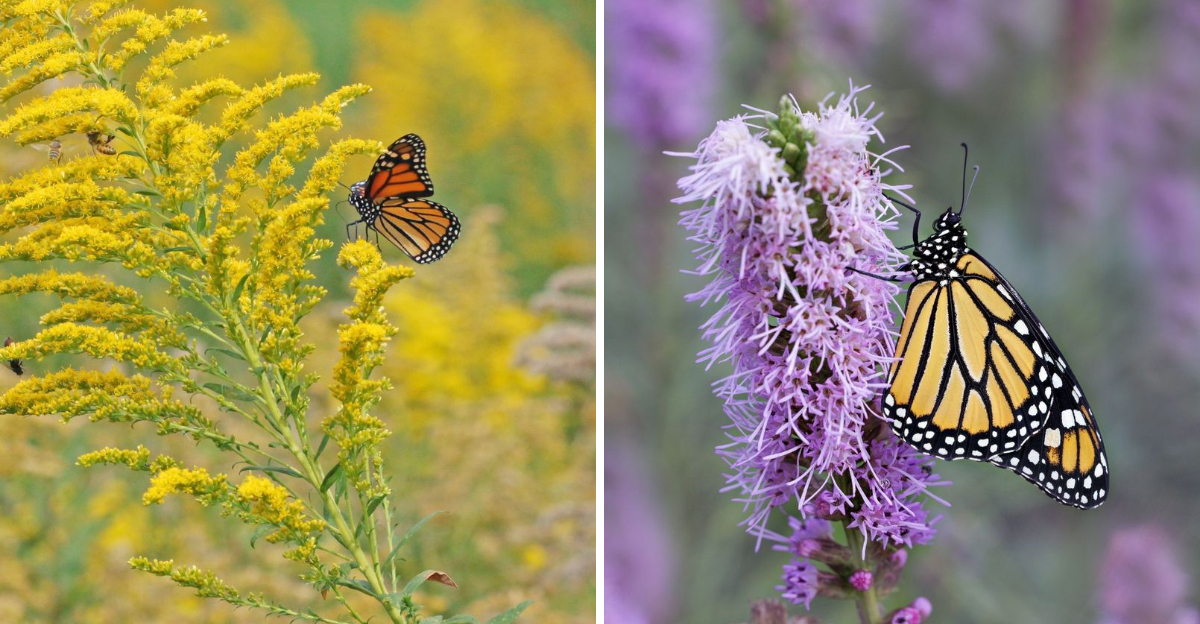
September is when monarch butterflies move through Texas in some of their largest numbers of the entire year.
The annual migration from summer breeding grounds to overwintering sites in central Mexico funnels millions of monarchs through the state during this window, and Texas plays a critical role in the survival of that journey.
What monarchs find here, or don’t find, directly affects how many arrive at their destination in condition to survive the winter. Your garden is part of that corridor.
Monarchs passing through Texas in September need two things above everything else. Nectar for the fuel their journey demands, and in some cases, the specific host plants that any remaining breeding activity requires.
The gardens that provide these resources reliably become meaningful rest and refueling stops along a route that covers thousands of miles.
Not every flower qualifies. Monarchs have preferences, and certain Texas garden plants draw them in with a consistency that others don’t come close to matching during the September migration window.
1. Frostweed
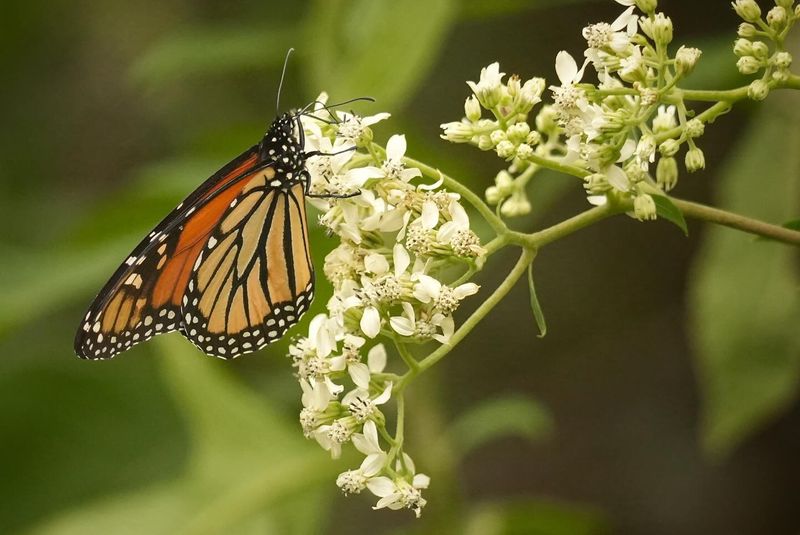
Few plants earn their reputation the way Frostweed does. Known scientifically as Verbesina virginica, this Texas native has been feeding migrating monarchs long before gardeners started paying attention.
When September rolls around, Frostweed bursts into bloom with flat-topped clusters of tiny white flowers that monarchs simply cannot resist.
The blooms appear from late summer and keep going well into fall, which makes Frostweed a real workhorse in the migration garden. Monarchs need reliable nectar sources as they travel south, and Frostweed delivers at exactly the right time.
If you live in Central or East Texas, you have probably already seen this plant growing wild along roadsides and woodland edges.
Growing Frostweed in your yard is surprisingly easy. It thrives in partial shade, which is rare for a top nectar plant.
Most butterfly-friendly plants demand full sun, so Frostweed fills a useful gap for gardeners with shadier spots. It can grow quite tall, sometimes reaching six feet or more, so give it room to spread out.
One fun fact about this plant is how it got its name. On the first freezing nights of late fall, sap freezes and bursts through the stem, creating curling ribbons of ice called frost flowers.
But long before that happens, Frostweed spends September doing its most important job, feeding monarchs on their way to Mexico. Plant it near a sunny border or along a fence line, and you will likely see monarchs stopping by within days of the flowers opening.
2. Maximilian Sunflower
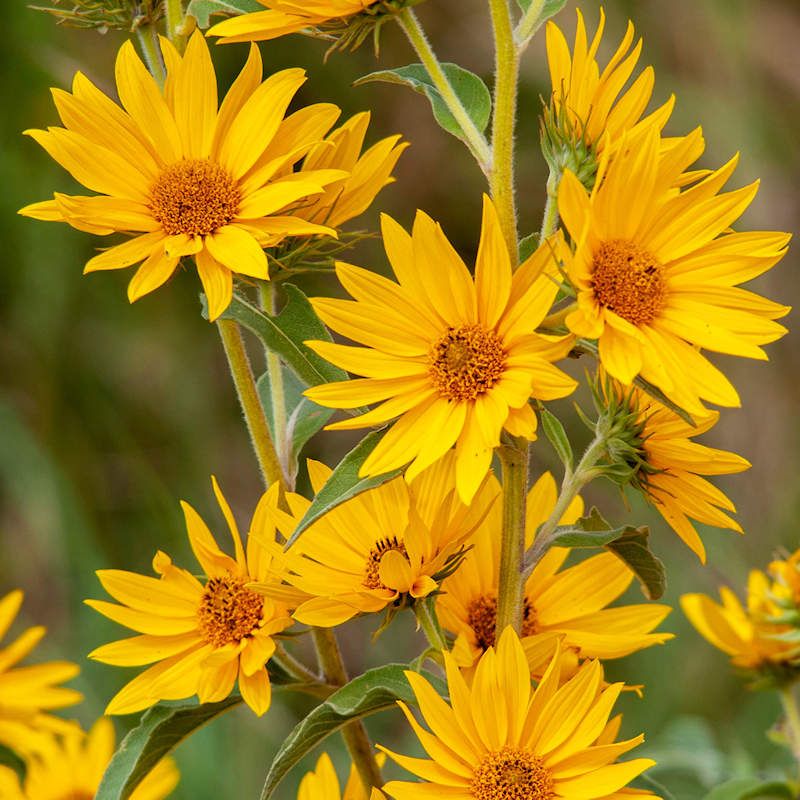
Imagine a sunflower that blooms not in midsummer, but right when monarchs need it most. That is exactly what Maximilian Sunflower does.
This native Texas perennial waits until late September and October to put on its biggest show, producing tall stalks covered in cheerful yellow flowers that light up any garden.
Helianthus maximiliani can grow anywhere from six to ten feet tall, which means it creates a dramatic backdrop in the garden while doing serious work for pollinators. The flowers are packed with nectar that monarchs love.
Your Texas Garden Changes Every Week. Your Plan Should Too.
Gardening in Texas changes quickly throughout the season. Every Friday you’ll receive a simple weekly plan showing exactly what to plant, prune, fertilize, harvest, and protect so you never miss the right timing.
After the blooms fade, the seeds become food for birds like goldfinches and sparrows, so the plant keeps giving long after migration season ends.
Planting Maximilian Sunflower is a smart move for Texas gardeners because it is incredibly tough. It handles heat, drought, and poor soil without much complaint.
Once established, it spreads slowly by underground rhizomes, forming clumps that get bigger and better every year. You can divide clumps in spring to share starts with neighbors or expand your planting.
Full sun is a must for this plant, and well-drained soil helps it thrive. It looks stunning planted in groups of three or more, where the tall golden stalks create a wall of color that monarchs can spot from the air.
Some gardeners call it a monarch magnet, and it is easy to see why. If you want one plant that delivers both late-season nectar for butterflies and seeds for birds, Maximilian Sunflower belongs at the top of your list.
3. Gregg’s Mistflower
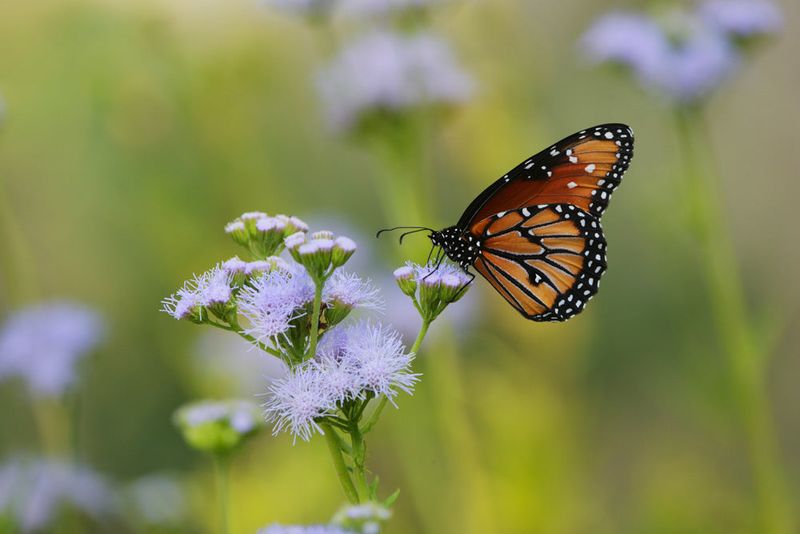
Walk past a blooming Gregg’s Mistflower in September and you will quickly understand why butterflies go absolutely wild for it. The lavender-blue flower clusters have a soft, fuzzy look that seems almost too pretty to be real.
But beyond the good looks, this plant is a powerhouse nectar source during one of the most important windows in the monarch migration calendar.
Conoclinium greggii is native to Central and West Texas, and it performs especially well in rocky, alkaline soils that would challenge other plants. It blooms from September through the first hard freeze, giving monarchs a reliable fuel stop during their southward push.
The flowers attract not just monarchs, but also queens, skippers, and painted ladies, making your garden feel like a butterfly festival.
One thing gardeners appreciate about Gregg’s Mistflower is how low-maintenance it is once established. It tolerates heat and dry conditions with ease, which suits the Texas climate perfectly.
In spring, cut the stems back hard to encourage fresh new growth. The plant will reward you with thick, bushy mounds by the time September arrives.
It works beautifully in xeriscape gardens and along dry creek beds. Pair it with Autumn Sage or native grasses for a natural, layered look that is both visually appealing and ecologically valuable.
Gregg’s Mistflower stays relatively compact, usually reaching two to three feet tall and wide, making it easy to fit into smaller garden spaces.
If you garden in the Hill Country or West Texas, this plant is practically tailor-made for your conditions and your local monarchs.
4. Goldenrod
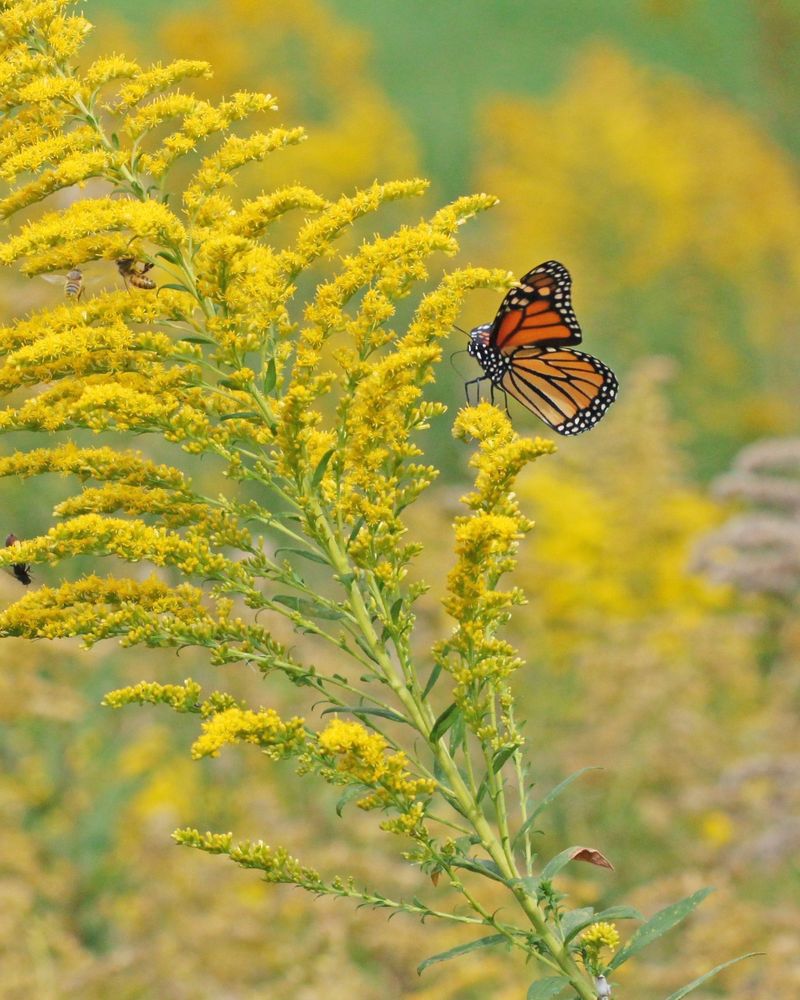
Goldenrod gets blamed for a lot of sneezing it did not actually cause. Many people blame it for fall allergies, but the real culprit is ragweed, which blooms at the same time.
Goldenrod’s pollen is too heavy to travel through the air easily. The good news is that this misunderstood plant is one of the most valuable nectar sources for monarchs during their September migration through Texas.
Several species of Goldenrod are native to Texas, including Solidago odora and Solidago nemoralis. Choosing a species native to your specific region of Texas gives you the best results.
Native plants are already adapted to your local soil, rainfall, and climate, so they need less care and establish faster than non-native varieties. Ask at your local native plant nursery which Goldenrod is best for your area.
The bright golden-yellow flower plumes appear just as many summer flowers are fading, filling a critical gap in the nectar calendar.
Monarchs and dozens of other pollinators flock to Goldenrod blooms throughout fall. It also supports native bees, which are equally important for garden health.
Goldenrod grows well in full sun and tolerates a range of soil types. It spreads by underground runners and can form colonies over time, so give it space or use a root barrier if you want to keep it contained.
In a naturalistic garden or meadow planting, it looks stunning mixed with native grasses and asters. Goldenrod is proof that sometimes the plants with the worst reputations turn out to be the most helpful.
5. Liatris
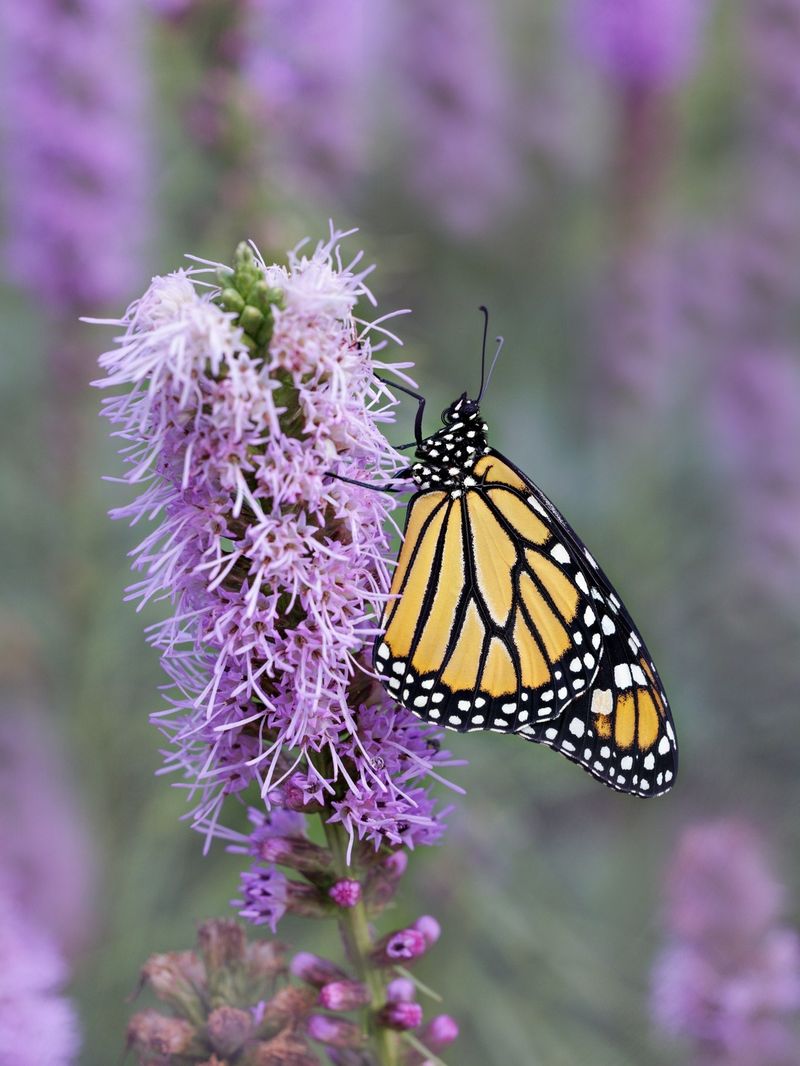
Purple flower spikes shooting straight up from the ground like little fireworks, that is the Liatris experience. Also called Blazing Star or Gayfeather, Liatris is one of those plants that looks almost too showy to be native.
But several species are genuinely native to Texas, and they have been supporting pollinators here for thousands of years.
What makes Liatris especially useful during monarch migration is the timing of its bloom. The purple spikes open from the top down, which is the opposite of most flowering plants.
This unusual blooming pattern extends the nectar availability over a longer period, giving monarchs more chances to feed as they pass through. The flowers appear in late summer and carry into fall, right when migration is at its peak in Texas.
Liatris spicata and Liatris pycnostachya are among the species that perform well in Texas gardens. They prefer full sun and well-drained soil and are remarkably tolerant of summer heat once established.
Growing from corms, they come back reliably each year and slowly form larger clumps over time.
Plant Liatris in groups for the most visual impact and the best chance of attracting monarchs. A cluster of five or more plants creates a purple beacon that butterflies can spot easily.
Liatris also makes a beautiful cut flower if you want to bring some of the garden indoors. After the blooms fade, the seed heads attract goldfinches and other small birds.
So from late summer straight through winter, Liatris keeps earning its spot in a Texas pollinator garden.
6. Blue Mistflower
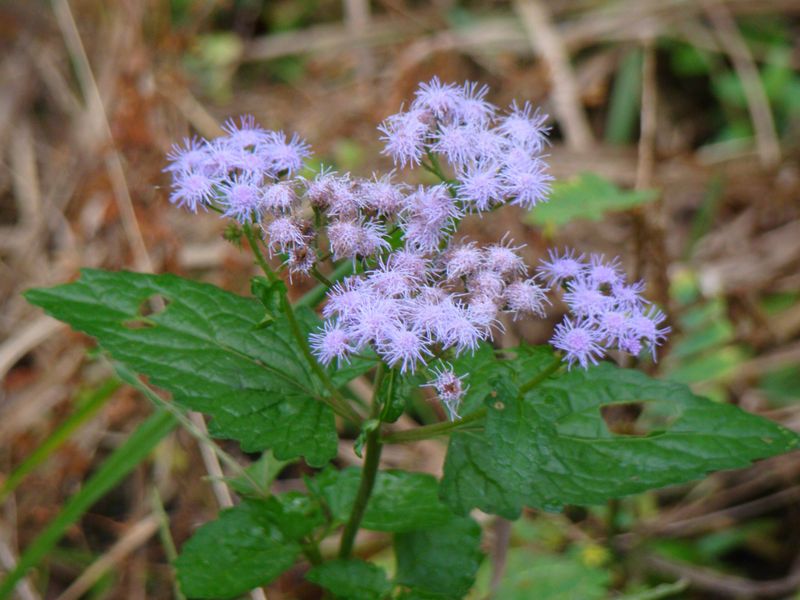
Not every garden gets full sun all day, and that is where Blue Mistflower really shines. Conoclinium coelestinum is a native Texas perennial that handles partial shade better than most butterfly plants.
It produces dense clusters of blue-purple flowers that bloom through September and often stay active well into fall, giving monarchs a steady nectar supply in spots where other plants might struggle.
The color of Blue Mistflower is genuinely striking. Up close, the tiny individual flowers form fluffy, cloud-like heads in a shade of blue-violet that is hard to find in any other native plant.
Monarchs are drawn to the blooms reliably, and so are queens, swallowtails, and native bees. Planting it near a patio or walkway lets you enjoy the butterfly activity at close range.
Blue Mistflower thrives in moist or partly shaded areas, making it a natural choice for low spots in the yard, areas near downspouts, or spots under the canopy of trees. It spreads by underground rhizomes and can form wide colonies over time.
Some gardeners use this spreading habit to create large patches of color, while others prefer to keep it contained with regular edging.
Cut plants back hard in late winter or early spring to encourage compact, bushy growth by fall. Without pruning, plants can get floppy and rangy.
A light application of compost in spring helps boost blooms. Blue Mistflower pairs beautifully with Frostweed in shadier garden spots, creating a layered planting that keeps monarchs well-fed throughout their September journey through Texas.
7. Fall Aster
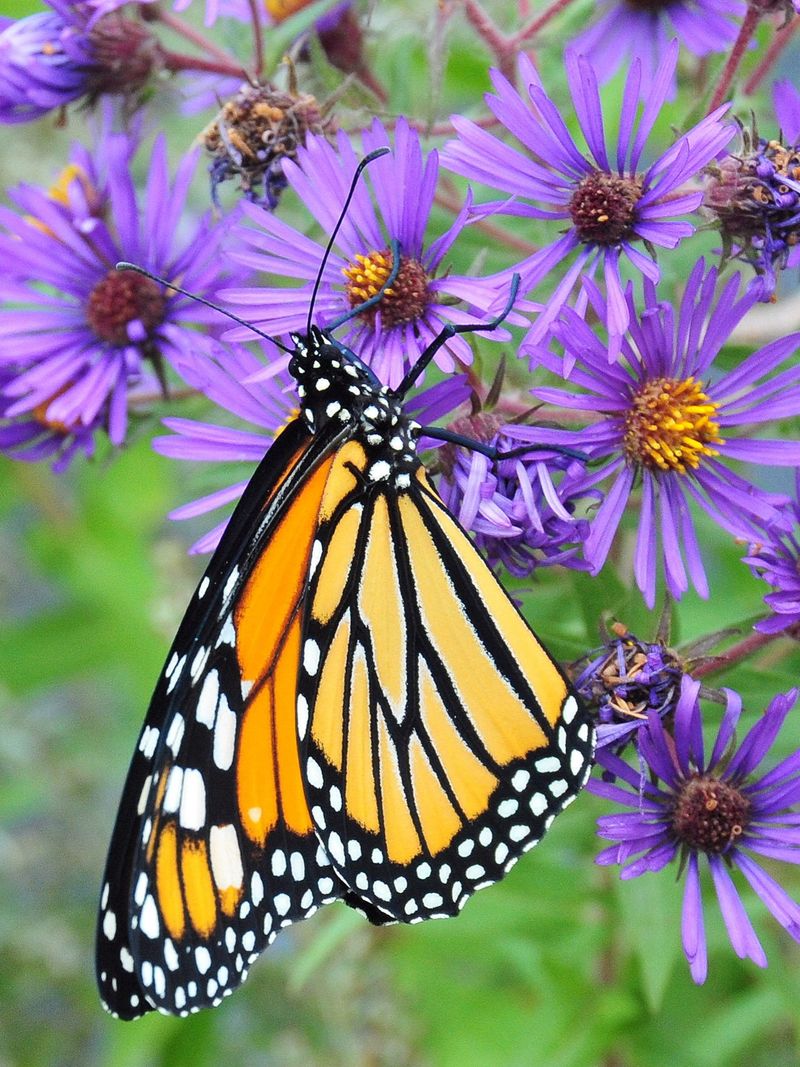
When the summer heat finally starts to ease and earlier bloomers begin to fade, Fall Aster steps in and takes over. Native Texas asters, particularly Symphyotrichum oblongifolium and related species, save some of their best energy for late September and October.
That timing is not an accident. These plants evolved alongside migrating monarchs, and their bloom season lines up almost perfectly with peak migration through Texas.
The flowers are classic daisy-shaped blooms in shades of purple-blue with bright yellow centers. They cover the plant so completely that the foliage nearly disappears beneath a blanket of color.
Monarchs flock to them eagerly, and on a warm September afternoon, a well-established aster plant can host a dozen or more butterflies at once. It is one of the most rewarding sights a Texas gardener can experience.
Fall Asters are tough plants that handle heat, drought, and poor soils with ease. They prefer full sun but will tolerate light shade.
Cutting plants back by half in late spring encourages compact, mounded growth and more flowers by fall. Without that spring trim, plants can sprawl and become leggy.
Native asters spread by both seeds and underground runners, so they can fill in an area quickly. Use them along borders, in meadow plantings, or mixed with Goldenrod and Maximilian Sunflower for a stunning fall pollinator garden.
The combination of yellow, purple-blue, and gold creates a warm, inviting color palette that is as beautiful to humans as it is useful to monarchs making their long journey south to Mexico.