The September Task North Carolina Ornamental Grasses Need Before Fall
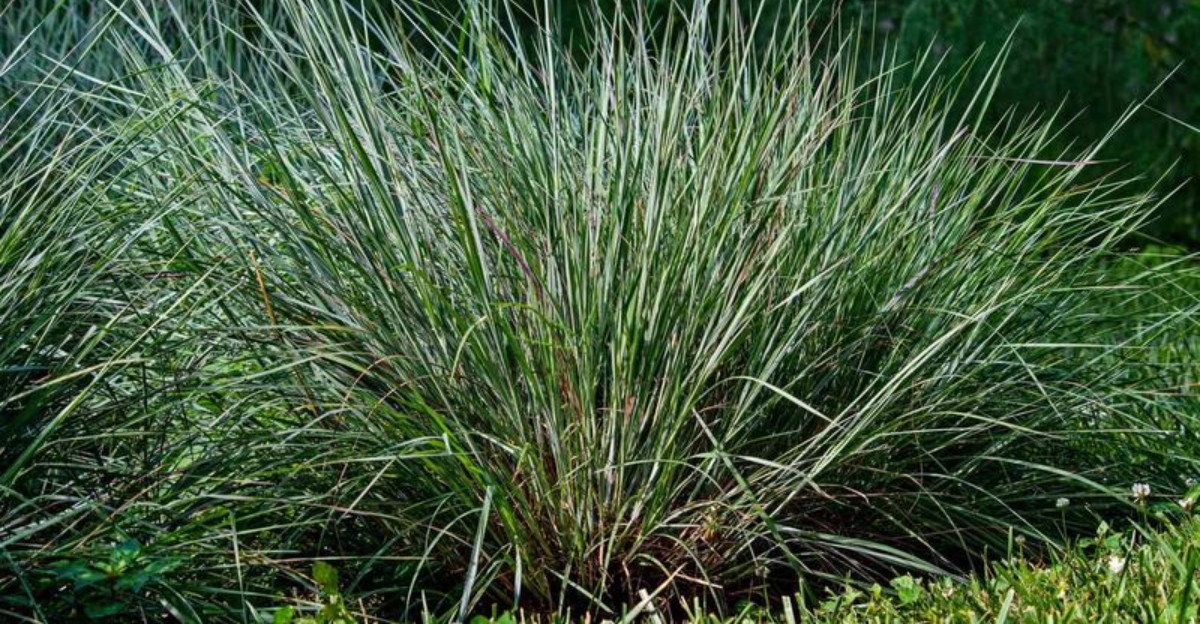
Ornamental grasses have added texture and movement to North Carolina gardens all summer, but one task this September plays a real role in how well they hold up through fall and into next year.
As these grasses begin transitioning out of their peak growing period, their care needs shift in ways that are easy to overlook if the summer routine simply continues unchanged.
Skipping this task can leave grasses looking worn out prematurely or less prepared for the seasonal changes ahead.
Because ornamental grasses can be slow to recover from stress or improper care, getting this step right now matters more than it might seem in the moment.
A little attention this September helps these grasses transition smoothly into their next phase of growth.
1. Check Soil Moisture Before Fall Arrives

Dry spells often sneak up on North Carolina gardens during late summer. Even though ornamental grasses are tough, they still need steady moisture as September rolls in.
When the soil stays too dry for weeks, the plant grows stressed. That stress weakens the roots and crown right when the grass should be storing energy for winter rest.
A weakened plant enters the cold season on shaky footing, and that can lead to thin, patchy growth next spring.
The trick is to check the ground before you assume it is fine. Push your finger a few inches into the soil near the base of the plant. If it feels dry and crumbly, your grass could use a slow, deep drink of water.
Deep watering works better than a quick sprinkle. A long soak encourages roots to reach downward, which makes the plant stronger and more able to handle dry days later.
Watering in the morning gives blades time to dry, which helps prevent moisture problems. Pay closer attention to grasses growing in sandy soil or in full sun, since those spots lose water fast. Container grasses dry out even quicker and may need water more often.
You do not need to soak the ground every day. Instead, aim for a good soak once or twice a week during dry stretches. Keeping moisture balanced now helps your grasses stay lush, upright, and ready to shine as the seasons shift toward cooler, quieter days.
2. Avoid Cutting Grasses Back Too Early
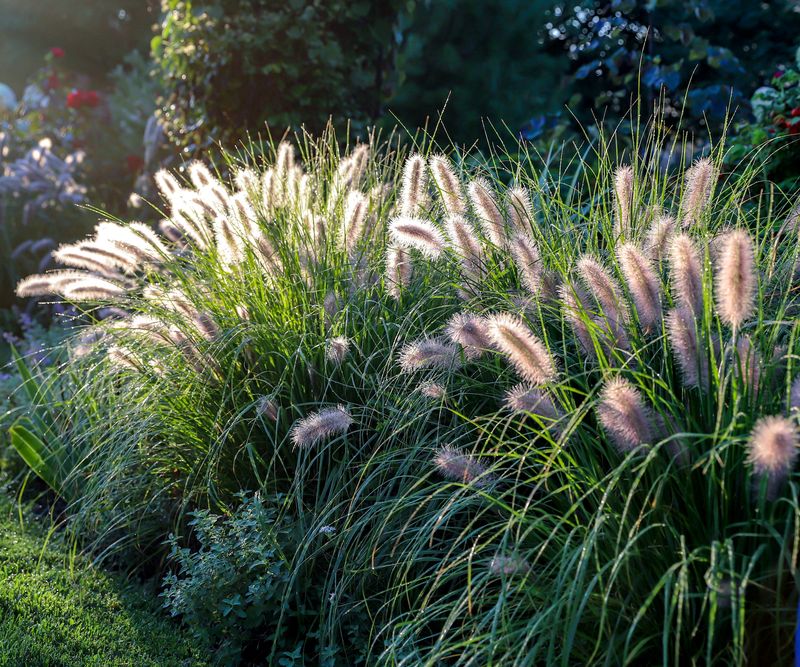
It can feel tempting to tidy everything up as fall approaches. Many gardeners reach for their pruners the moment the plumes appear, but ornamental grasses actually do better when you leave them standing.
Those tall blades and feathery seed heads bring gorgeous movement and color to a winter garden. When the wind blows, the grasses sway and catch the light, giving your yard life during a season when many plants have faded.
Beyond looks, standing foliage does an important job. The blades act like a natural blanket, shielding the crown of the plant from harsh cold and shifting weather. That layer of protection helps the plant stay safe until warmer days return.
Cutting grasses too soon strips away that protection. Without it, the crown sits exposed, and sudden cold snaps can stress the plant. In North Carolina, where winter temperatures bounce around, that shelter matters more than people realize.
Your North Carolina Garden Changes Every Week. Your Plan Should Too.
Gardening in North Carolina changes quickly throughout the season. Every Friday you’ll receive a simple weekly plan showing exactly what to plant, prune, fertilize, harvest, and protect so you never miss the right timing.
There is also a bonus for wildlife. Birds enjoy the seeds, and small creatures find cover among the dried blades. Your garden becomes a busy, welcoming place even in the chilly months.
So resist the urge to trim everything down in September. Let the grasses show off their fall and winter beauty instead. You will save yourself work, protect your plants, and enjoy a landscape full of texture and charm.
Patience pays off here. Waiting gives your grasses time to shine while keeping their roots and crowns tucked in safely.
3. Remove Only Damaged Growth
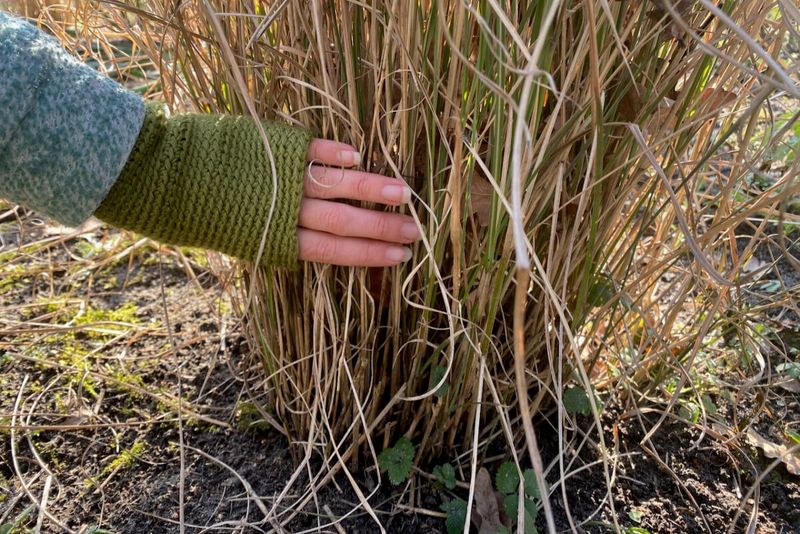
Not every blade needs to stay, and that is where a little careful judgment helps. While most of your grass should remain standing, some stems may look broken, spotted, or ragged after a busy summer.
Storms, heavy rain, and pests can leave behind bent or damaged growth. Those stems will not recover, and clipping them out keeps your plant looking neat and healthy. Removing troubled foliage also lowers the chance of problems spreading.
The key is to be gentle and selective. Snip only the parts that clearly need to go, and leave the healthy blades alone. Those green and golden blades still protect the crown and feed the plant, so you want to keep as many as possible.
Grab clean, sharp shears before you start. Clean tools make smooth cuts and help prevent passing along anything harmful between plants. Wiping the blades between grasses is a smart habit.
Look closely at the base of the plant too. Sometimes damaged stems hide low, tangled among the fresh growth. Clearing those out improves airflow, which keeps the whole plant in better shape as fall arrives.
Try not to get carried away. The goal is light cleanup, not a full haircut. Over-trimming now removes the very foliage that shields your grass through cold weather.
Think of this step as spot cleaning rather than a big project. A few careful snips keep your ornamental grasses tidy while leaving their natural protection in place for the season ahead.
4. Check For Overcrowding
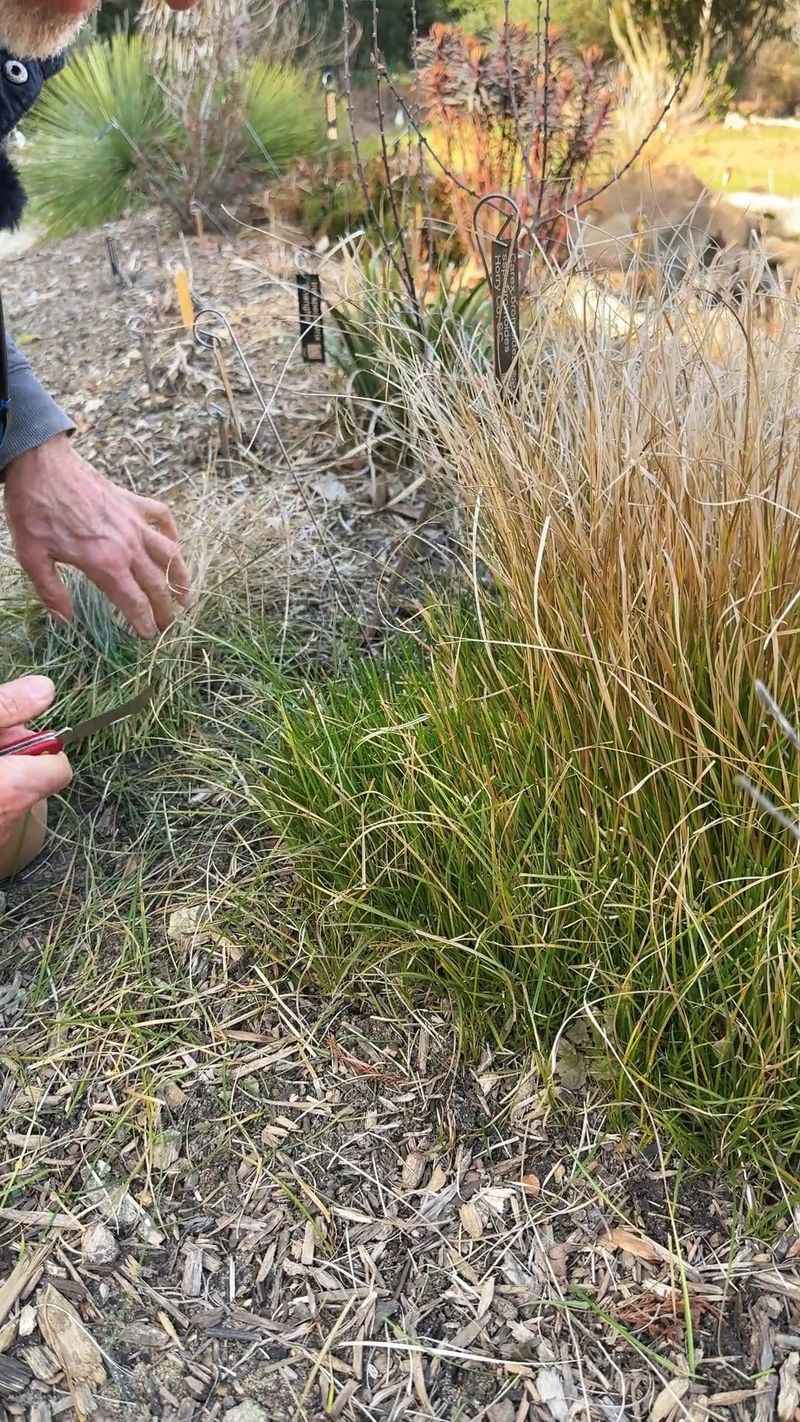
Ornamental grasses grow fast, and over a few seasons a small clump can spread into a big, crowded mound. September is a great moment to step back and see how packed together your plants have become.
A telltale sign of crowding is a bare or thin spot in the middle of the clump. When the center looks empty while the edges thrive, the plant is telling you it needs more room. Crowded grasses also compete for water and nutrients, which weakens the whole group.
Take a slow walk through your beds and study each grass. Notice which ones look thick, tired, or floppy. Those are likely candidates for dividing at the right time.
Timing matters a lot here. Warm-season grasses usually prefer dividing in spring when new growth begins, while cool-season types often handle early fall dividing better.
Splitting a plant at the wrong moment can stress it, so knowing your grass type helps you choose wisely.
You do not have to dig anything up in September. Instead, use this month to plan. Mark the crowded clumps, note which grasses you have, and figure out the best window for the job.
Dividing brings real rewards. You get healthier plants, better shape, and free new grasses to spread around your yard or share with friends.
So treat this as a planning step. A quick check now sets you up for stronger, fuller grasses when dividing season finally arrives.
5. Avoid Heavy Late Fertilizer

Feeding plants feels like a kind gesture, but with ornamental grasses in fall, more is not better. A heavy dose of fertilizer this late in the year can actually work against your plants.
The problem lies with nitrogen. When grasses get a big nitrogen boost in September, they push out soft, tender new growth. That fresh growth does not have time to toughen up before cold weather arrives, so it stays fragile and easily stressed.
Most established ornamental grasses simply do not need extra feeding before winter. These plants are naturally tough and thrive in average soil. Piling on fertilizer now wastes your effort and can weaken the plant instead of helping it.
Think of fall as a time for slowing down, not speeding up. Your grasses are getting ready to rest, and they want to store energy in their roots rather than sprout new blades. Skipping the late feeding lets them settle in the way nature intended.
If your soil is truly poor, a light layer of compost is a gentler choice. Compost adds slow, mild nutrition without triggering a burst of soft growth.
Save any real fertilizing for spring, when your grasses wake up hungry and ready to grow. That is when a feeding actually supports strong, healthy new blades.
Holding back now is one of the easiest favors you can do for your plants. Sometimes the best care is knowing when to leave well enough alone and let your grasses rest.
6. Maintain Good Drainage Around The Crown
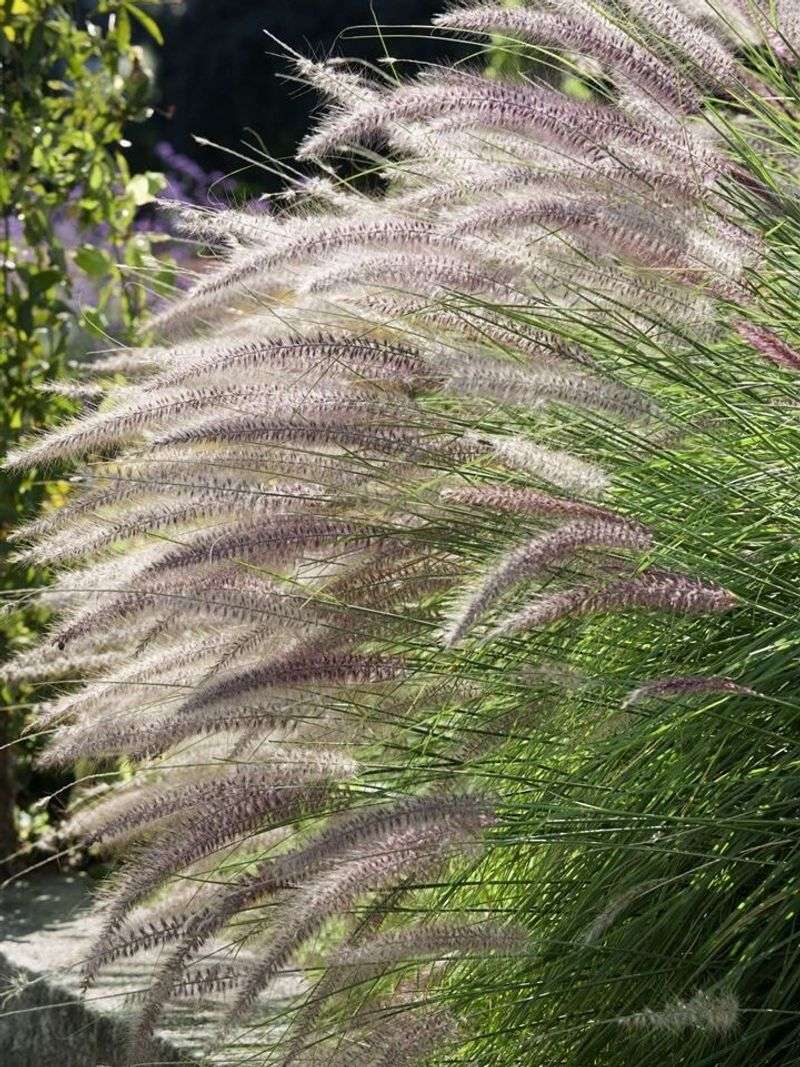
Here is something surprising about ornamental grasses: many of them handle dry soil far better than soggy ground. While they can shrug off a drought, constantly wet feet can cause real trouble.
The danger shows up at the crown, the spot where the blades meet the roots. When water pools there and lingers, the crown can suffer, especially during cold, damp winter weather. Poor drainage is one of the biggest reasons grasses struggle over winter.
September is a smart time to check how well water moves through your soil. After a good rain, take a look at the base of your grasses. If puddles sit around the crown long after the storm, that spot drains too slowly.
You can improve drainage in a few easy ways. Mixing compost or coarse material into heavy clay soil helps water flow through instead of sitting still. Raising the planting area slightly also keeps the crown above soggy zones.
Watch out for spots where downspouts or low areas send extra water toward your grasses. Redirecting that flow protects the plant during rainy stretches.
Container grasses need attention too. Make sure pots have open drainage holes so water never backs up around the roots.
Good drainage acts like insurance for your plants. It keeps the crown dry enough to stay strong through wet, chilly weather.
A quick drainage check now can save you from disappointing surprises later. Dry crowns are happy crowns when winter rolls into North Carolina gardens.
7. Mulch Carefully Around The Root Zone
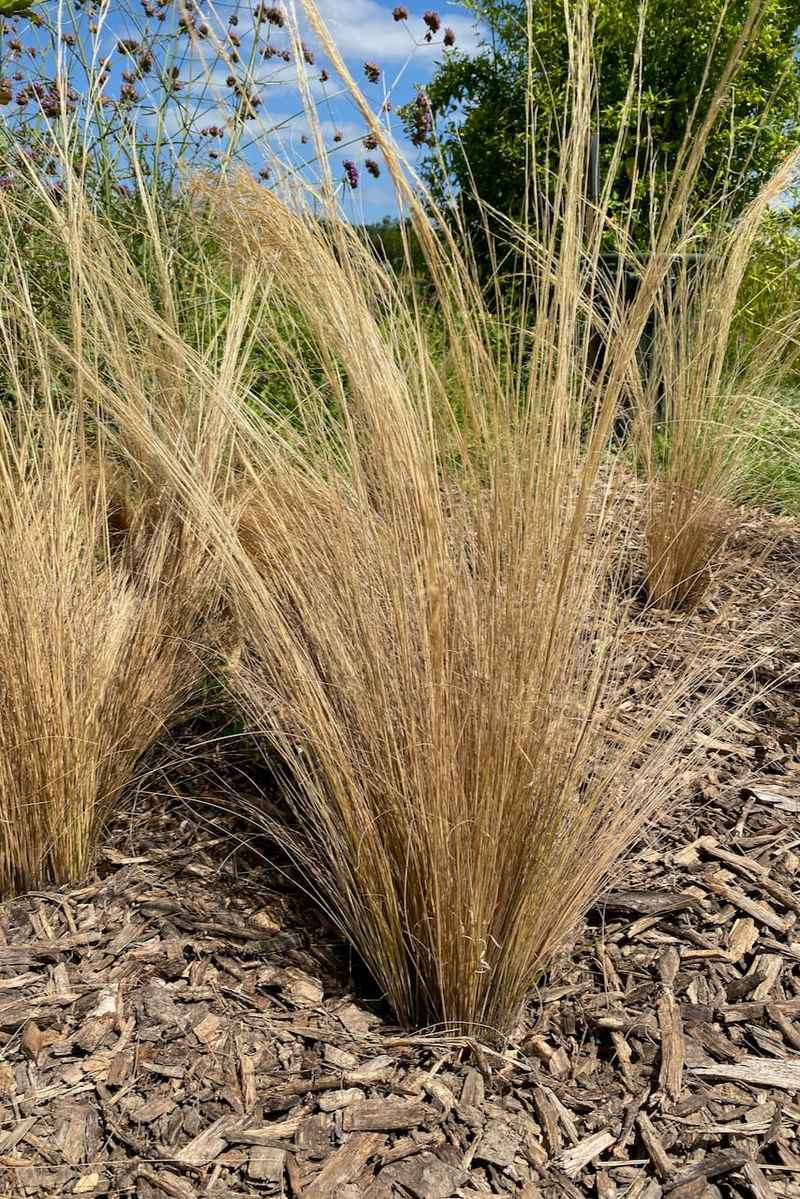
Mulch is one of the friendliest tools in a gardener’s kit, and your ornamental grasses can benefit from a thin layer as fall nears. Done right, mulch helps in several quiet but powerful ways.
A light blanket of organic mulch holds moisture in the soil, so your grasses stay hydrated during dry spells. It also keeps soil temperatures steadier, which comforts the roots as the weather cools.
Plus, mulch slows down weeds that would otherwise compete with your plants. The most important rule is how you place it.
Spread mulch around the root zone, but keep it away from the crown of the plant. Piling mulch right against the base traps moisture where you least want it and can lead to problems at the crown.
Aim for a layer only a couple of inches deep. Too much mulch smothers the soil and blocks air, while too little does not offer much help. A gentle, even spread works best.
Choose natural materials like shredded bark, leaves, or compost. These break down slowly and feed the soil over time, giving your grasses a mild boost without any harsh push of growth.
Leave a little breathing room, like a small open circle, right around the base of each plant. That gap keeps the crown dry and airy.
A thoughtful mulch job now sets your grasses up for a cozy, protected root zone. It is a simple step with big rewards when cold weather finally arrives.
8. Plan Late-Winter Cleanup

The best cleanup for ornamental grasses is one you plan now but save for later. Many North Carolina gardeners get the finest results by waiting until late winter or early spring to cut their grasses back.
Why the wait? Those standing blades keep working all season long. Through fall and winter, they add height, texture, and gorgeous movement to a landscape that might otherwise look bare and quiet.
The grasses also give something back to nature. Birds nibble on seeds, and small creatures shelter among the dried foliage. Your garden turns into a cozy hideaway for wildlife when other food and cover are scarce.
On top of that, the blades protect the crown from harsh cold. Leaving them in place acts like natural armor until the worst of winter passes.
When late winter arrives, usually a few weeks before new growth appears, that is the moment to trim. Cutting back then clears away old foliage and makes room for fresh green blades to rise.
Grab sturdy gloves and sharp tools when the time comes, since dried grasses can feel tough and scratchy. Tying the clump together before cutting makes cleanup faster and neater.
For now, simply mark this on your calendar and enjoy the show. There is no rush to tidy everything before winter, and holding off actually helps your plants.
Planning ahead like this keeps your garden beautiful, your wildlife happy, and your grasses ready to burst back to life when spring returns to North Carolina.