What To Do If You Find A Black Widow While Stacking Firewood In California
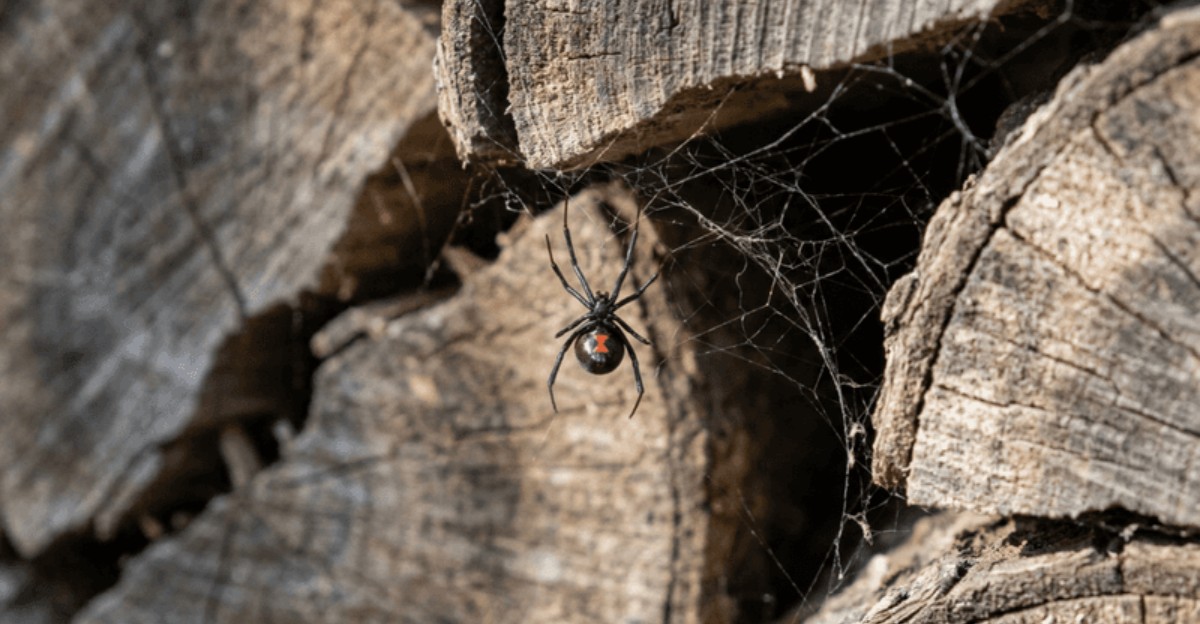
Finding a black widow while moving firewood in California can turn a normal yard task into a moment of concern. These spiders often hide in quiet, sheltered spaces, making wood piles a place where you may unexpectedly spot one.
Seeing a black widow does not mean you need to panic, but it does mean you should slow down and handle the situation carefully. Firewood piles, outdoor storage areas, and dark corners can create the kind of spots these spiders prefer.
A few simple habits can help you reduce surprises while working around your property. Knowing where black widows hide, how to avoid disturbing them, and what steps to take after a sighting can make outdoor chores feel much safer.
1. Avoid Reaching Into Hidden Spaces
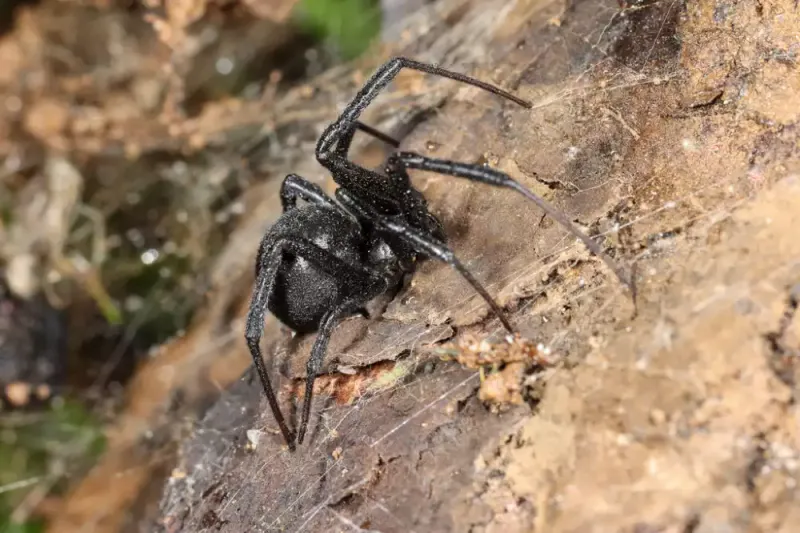
Those dark gaps between logs are exactly where black widows like to hang out. Reaching in blindly is one of the easiest ways to get bitten, so it pays to slow down.
Before you stick your fingers anywhere you cannot see, take a moment to peek. Use a flashlight to check the space first. Spiders often tuck themselves into narrow openings where they feel safe and hidden from view.
If a log looks like it has a gap or hollow spot, treat it with extra care. You can nudge it with a stick or the toe of your boot before touching it. That little bit of movement often makes a hiding spider scramble away.
Kids and pets should stay clear of the woodpile while you work. Curious hands and noses can find trouble fast in those shadowy corners.
Keep your face and eyes away from openings too. Getting close to inspect something can put you right in the danger zone if a spider feels cornered and jumps.
A good habit is to always assume something could be living inside. That mindset keeps you cautious and helps you avoid careless mistakes.
When you respect those hidden pockets in the pile, you give yourself time to spot a problem before it becomes a bite. Patience really is your best tool here. Taking an extra ten seconds to look can save you from a very unpleasant afternoon and a trip to the doctor.
2. Move Firewood Carefully And Slowly
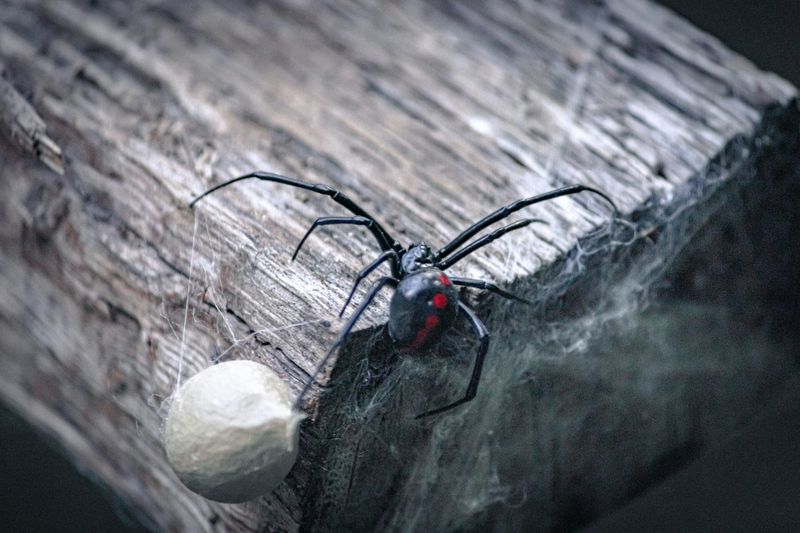
Rushing through a woodpile is asking for trouble. Fast, jerky movements can startle a spider and make it react before you even know it is there.
Lift each log one at a time instead of grabbing a whole armful. Moving slowly gives you the chance to spot anything unusual clinging to the bark or wedged in a crack.
Watch how you set logs down too. Dropping wood suddenly can send a hidden spider flying, sometimes right toward you. Gentle placement keeps everything predictable.
As you work, keep your eyes on the piece in your hands and the pile you are pulling from. Splitting your attention helps you catch surprises from both directions.
If you feel rushed because of weather or fading daylight, it is better to stop and come back later. Working in a hurry is when most accidents happen around woodpiles.
Your California Garden Changes Every Week. Your Plan Should Too.
Gardening in California changes quickly throughout the season. Every Friday you’ll receive a simple weekly plan showing exactly what to plant, prune, fertilize, harvest, and protect so you never miss the right timing.
Try to keep a steady rhythm rather than yanking logs free. Wood that is stuck can be loosened with a slow rocking motion instead of a hard pull.
Bark that peels or shifts can hide egg sacs and webbing underneath. Turning the log slowly lets you check the underside before it reaches your body.
Calm, deliberate handling protects your hands and keeps any startled spider from feeling trapped. When you move with care, you stay in control of the whole process. That control is exactly what keeps a routine chore from turning into a scary moment you would rather forget.
3. Wear Gloves When Handling Stored Wood
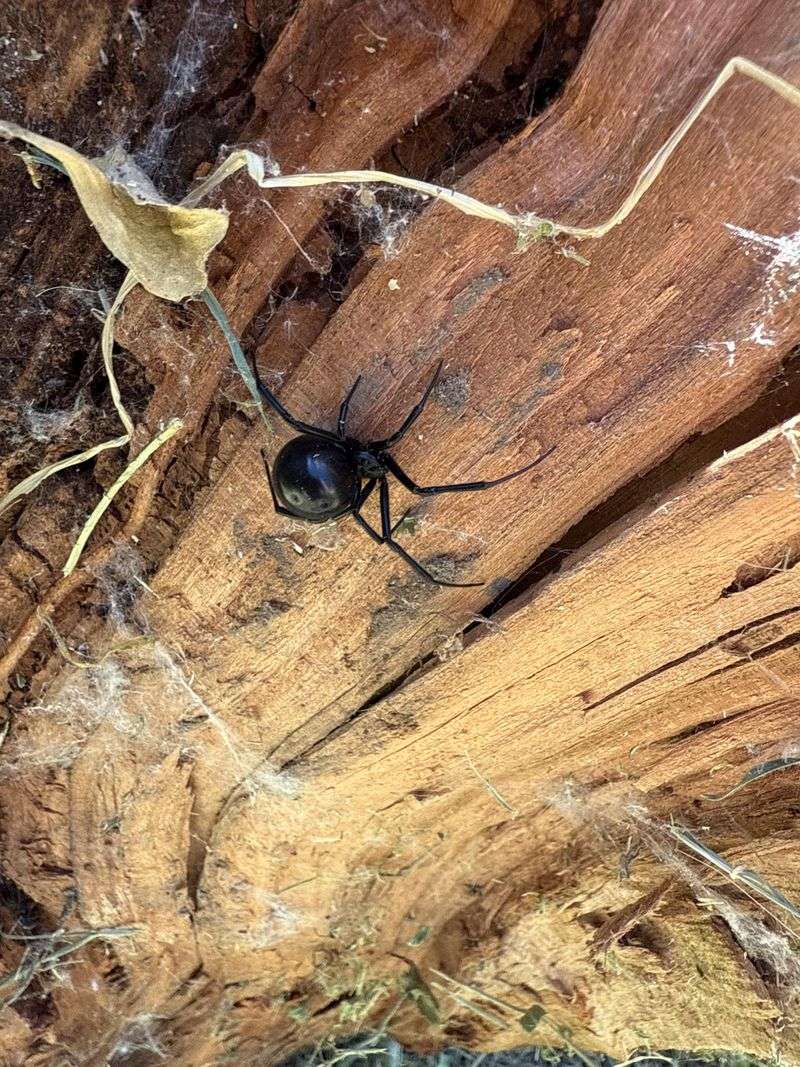
Thick gloves are your first line of defense against a surprise bite. Bare hands leave your skin totally exposed to fangs, splinters, and rough bark alike.
Choose sturdy leather or heavy work gloves rather than thin fabric ones. A black widow’s fangs are small, but flimsy material may not stop them from reaching your skin.
Long cuffs that cover your wrists add extra protection. Spiders sometimes drop from logs, and a gap at your wrist is an easy target.
Even though gloves help, they are not a reason to get careless. Keep watching for spiders and webs while you handle each piece of wood.
Gloves also guard against other backyard hazards like scorpions, sharp edges, and hidden nails. That makes them useful far beyond just spider season.
Store your gloves somewhere clean and dry, not tucked inside the woodpile itself. Leaving them near the logs invites spiders to crawl inside them.
When you finish, brush off any bark dust or debris before setting them aside. A quick check keeps them ready for next time.
Comfortable, well-fitting gloves make the whole job feel easier and less stressful. You will handle wood with more confidence when your hands feel protected.
Think of gloves as cheap insurance for a chore that happens all winter long. Spending a little on a good pair means you can stack and split without flinching every time your fingers get close to a shadowy crack in the wood.
4. Look For Webs In Dark Corners
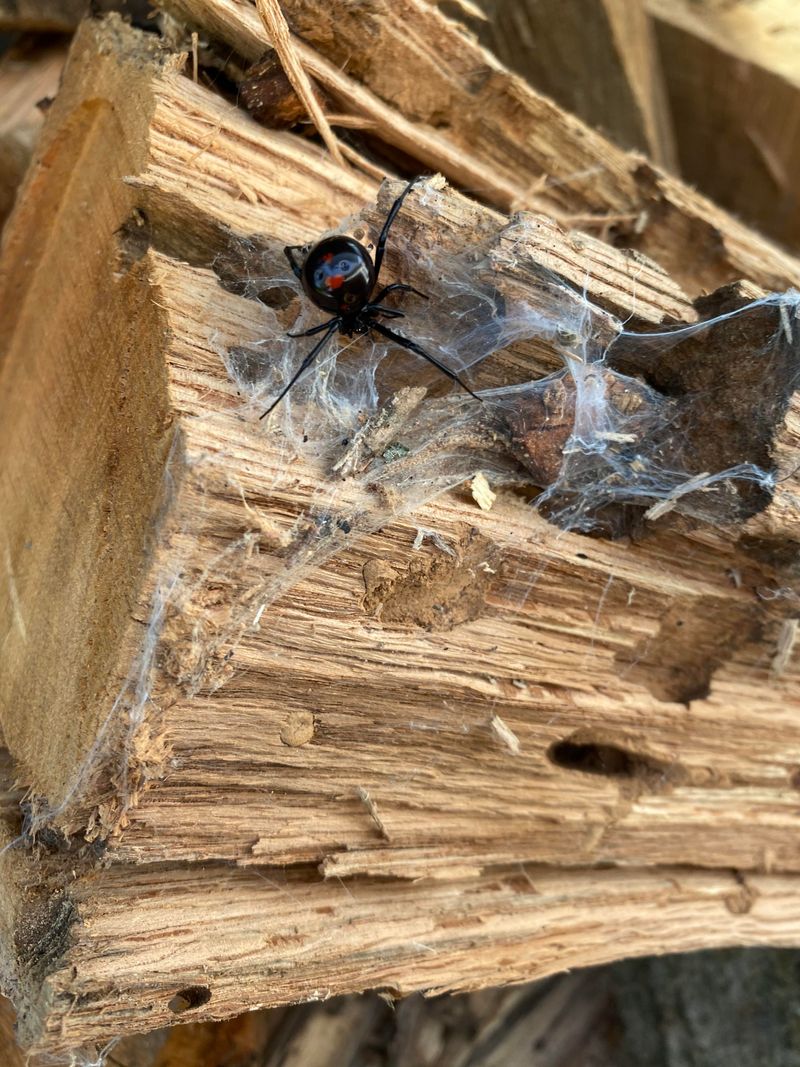
A black widow’s web is a giveaway that one is nearby. Unlike neat, wheel-shaped webs, theirs look messy and tangled, almost like a sticky mess of threads.
Shine a flashlight into shady spots before you start moving anything. Even in daylight, the middle of a woodpile stays dark enough for spiders to feel at home.
Pay close attention to the bottom logs and back corners. These low, hidden areas trap heat and stay undisturbed, which is exactly what these spiders prefer.
Debris caught in the web is another clue. Black widow webs often hold bits of leaves, deceased bugs, and dust because they are so strong and sticky.
If you spot a web, look carefully before assuming it is empty. The spider may be resting nearby, waiting quietly for the coolness of night.
Egg sacs are worth watching for too. They look like small, round, papery balls and mean more spiders could soon be in the area.
Do not brush webs away with your bare hand. Use a stick or a long tool so you keep a safe distance from anything hiding inside.
Checking corners becomes second nature once you build the habit. A few seconds of looking saves you from a nasty surprise later.
The more you train your eyes to spot that tangled webbing, the safer your whole woodpile becomes. Early spotting gives you the choice to handle things calmly instead of reacting in a panic.
5. Keep Wood Stacked Away From Structures
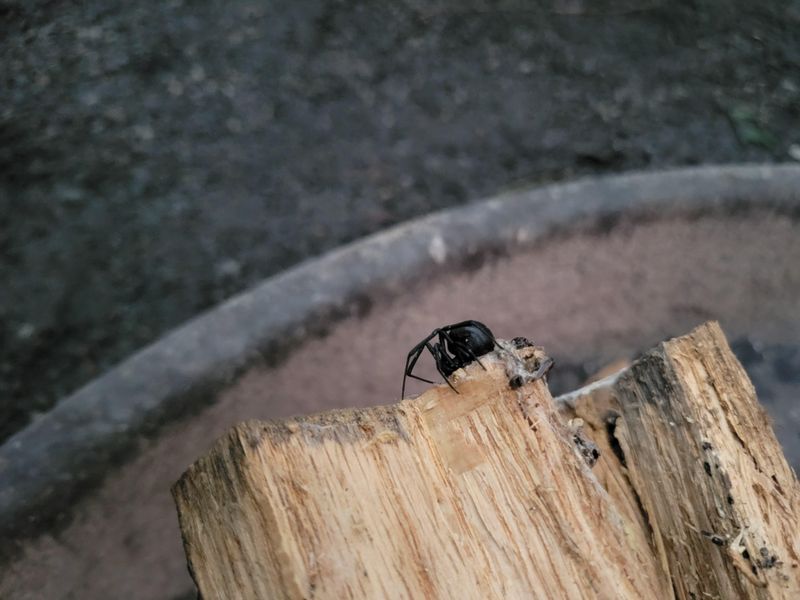
Where you put your woodpile matters more than most people in California realize. Stacking logs right against your house gives spiders an easy path indoors.
Leave a few feet of open space between the pile and any wall. That gap makes it harder for spiders to wander from the wood into your home or garage.
Raising the wood off the ground helps a lot too. A rack or a couple of sturdy rails keeps the bottom logs dry and less inviting to pests.
Moist, ground-level wood attracts insects, and those insects attract spiders looking for a meal. Breaking that chain lowers the whole population near your house.
Try to keep the pile away from doors, windows, and play areas. Spiders that do move around will then be less likely to end up where your family spends time.
California sunlight and airflow are your friends here. A spot that gets breeze and light stays drier and far less cozy for hiding spiders.
Avoid stacking wood near cluttered corners or under decks. Those spots combine darkness and shelter, which is a magnet for black widows.
Good placement also makes the wood burn better because it stays dry. So you get a safety benefit and a practical one at the same time.
A smart location for your pile means fewer surprises every time you grab a log. Planning ahead turns your woodpile into something you can approach with much less worry all season long.
6. Do Not Handle The Spider Directly
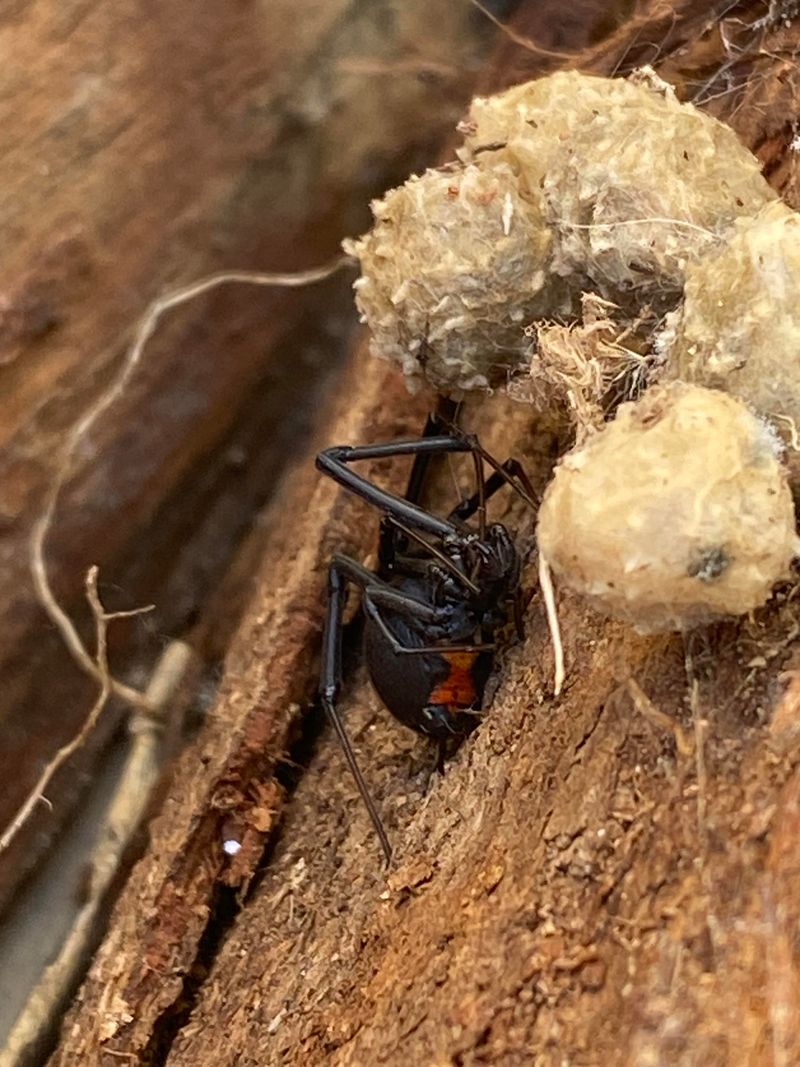
Spotting a black widow can make anyone want to squash it fast, but touching it is the worst move. These spiders bite when they feel grabbed or trapped.
Keep your hands well back the moment you see one. Give it plenty of room so it does not feel cornered and defensive.
Instead of using your fingers, reach for a tool. A long stick, a broom, or a piece of scrap wood lets you deal with it from a safe distance.
You can gently guide the spider away rather than provoking it. Many will simply retreat if you give them a clear escape route.
If you want it gone for good, a spray made for spiders works without close contact. Follow the label and keep pets and kids away while you use it.
Trying to catch it by hand, even with gloves, is risky. Fangs can sometimes reach through thin material, and a startled spider moves fast.
Stay calm if it starts to move. Quick swatting often misses and just makes the spider more agitated and unpredictable.
Watch where it goes so you know the area is clear afterward. Losing track of it means you will be nervous every time you return.
Respecting a black widow’s space is the smartest choice you can make. Handling it from a distance keeps you protected and lets the spider leave without anyone getting hurt in the process at all.
7. Clean The Area After Moving Firewood
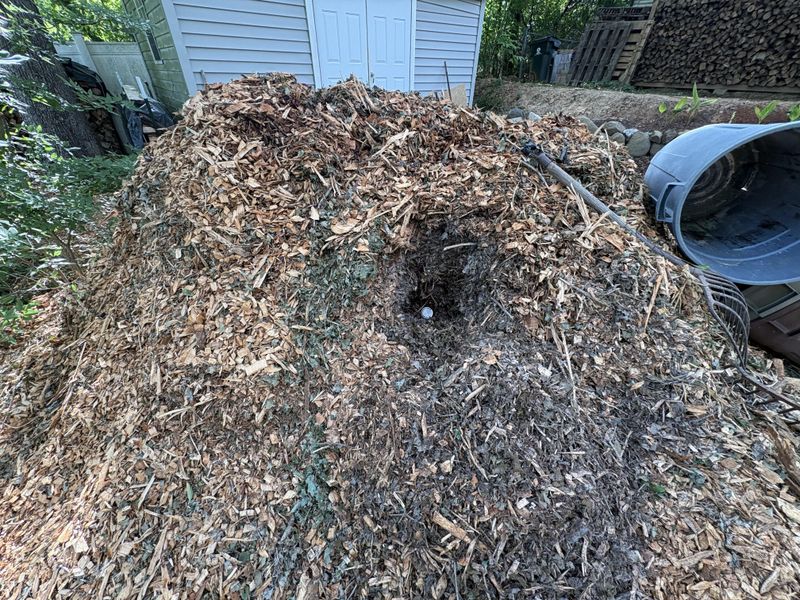
The mess left behind after moving wood can keep spiders coming back. Loose bark, sawdust, and scattered logs create perfect little hideouts.
Sweep up the debris once you finish stacking or splitting. A clean spot gives spiders fewer places to settle and rebuild their webs.
Clear away any old webbing you find in the area. Removing it signals to wandering spiders that this is not a safe, undisturbed home.
Rake the ground where the wood used to sit. Damp leaves and bark pile up quickly and attract the very bugs that spiders hunt.
Keeping the surrounding grass trimmed helps too. Tall weeds near a woodpile offer cover for spiders to travel unseen.
Toss scrap pieces of wood into the pile or the trash rather than leaving them loose. Random chunks lying around become tiny shelters.
A tidy area is also just easier to work in. You can see hazards clearly and move around without tripping over clutter.
Do this cleanup regularly, not just once a season. Small, frequent tidying keeps the whole zone far less appealing to pests.
Pets tend to sniff around woodpiles, so a clean space protects them as well. Fewer hiding spots mean fewer surprise encounters for everyone.
A well-kept firewood area sends a clear message that spiders should look elsewhere. That little bit of upkeep pays off every single time you head out to grab a few logs for the fire.
8. Shake Out Gloves Before Wearing Them
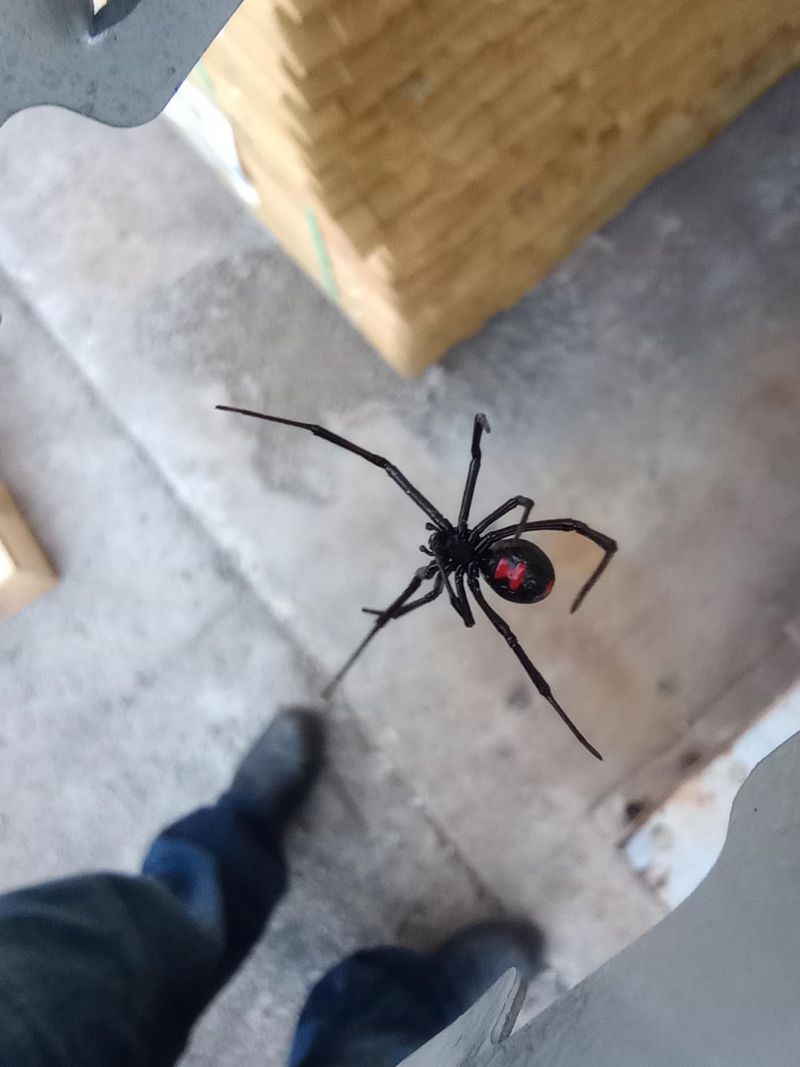
Gloves feel safe, but they can hide a spider inside. A black widow may crawl into a warm, dark glove if it is left near the woodpile.
Always shake your gloves out before slipping your hands in. Turn them upside down and give them a firm tap to knock loose anything hiding inside.
The same goes for boots, hats, and any gear stored outside. Spiders love tucking into these snug, quiet spaces when they are not moved often.
Look inside before you commit your fingers. A quick peek takes only a second and can spare you a painful bite.
If you keep gloves in a garage or shed, store them in a sealed bag or bin. That simple barrier stops spiders from getting in at all.
Tapping the fingertips against a hard surface helps too. Spiders often settle down into the very tips where your fingers go first.
Never assume gloves are clear just because you used them yesterday. Overnight is plenty of time for a spider to move in.
Teach anyone helping you to do the same shake-out routine. One careless person can turn a safe chore into an emergency.
This habit takes almost no effort but offers real protection. It becomes automatic once you do it a few times.
Making the shake-out part of your routine means you can reach for your gloves with confidence. A few quick taps stand between you and a very unwelcome surprise waiting inside.