The Shrub Height Rule Florida Residents Are Now Being Reminded About
Florida homeowners are getting a fresh reminder about an important landscaping law that affects properties across the Sunshine State.
The shrub height rule has been on the books for years, but many residents still don’t fully understand how it impacts their yards and neighborhoods.
Local authorities are now emphasizing compliance to ensure safety, visibility, and community harmony.
Maximum Height Restrictions Apply To Corner Properties
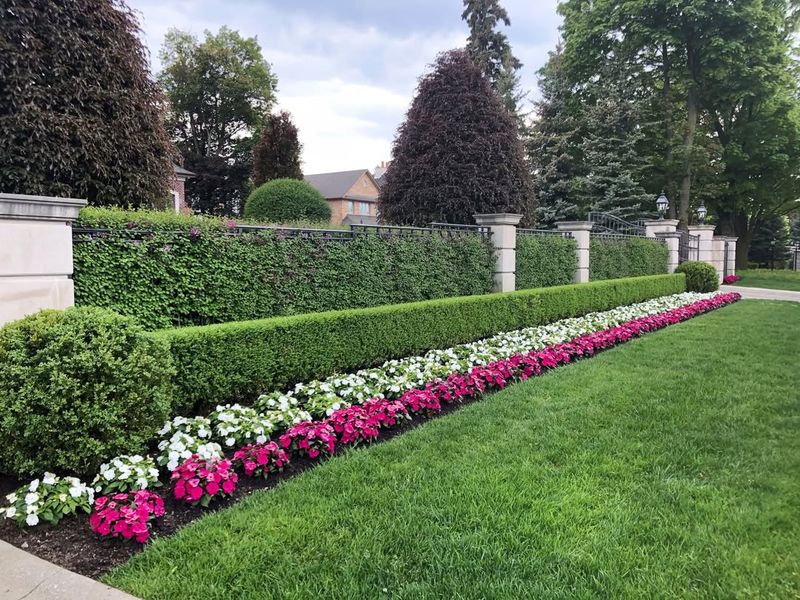
Corner lot owners in Florida face stricter regulations when it comes to their landscaping choices.
Shrubs and hedges located near intersections cannot exceed a specific height, typically around three feet, within what’s called the visibility triangle.
This triangle is the area formed by the property lines and a line connecting points on each street a certain distance from the corner.
The rule exists to prevent accidents by ensuring drivers have a clear view of oncoming traffic, pedestrians, and cyclists.
Many Florida municipalities enforce this strictly because blocked sightlines have contributed to collisions in the past.
Homeowners who ignore these guidelines may receive citations or be required to trim their plants immediately.
Some residents have been surprised to learn their beautiful hedge actually violates local ordinances.
Corner properties require extra attention to landscaping placement and maintenance throughout the year.
Consulting with your local code enforcement office before planting can save headaches later.
Understanding these restrictions helps keep Florida neighborhoods safer for everyone who uses the roads.
Violations Can Result In Fines And Legal Action
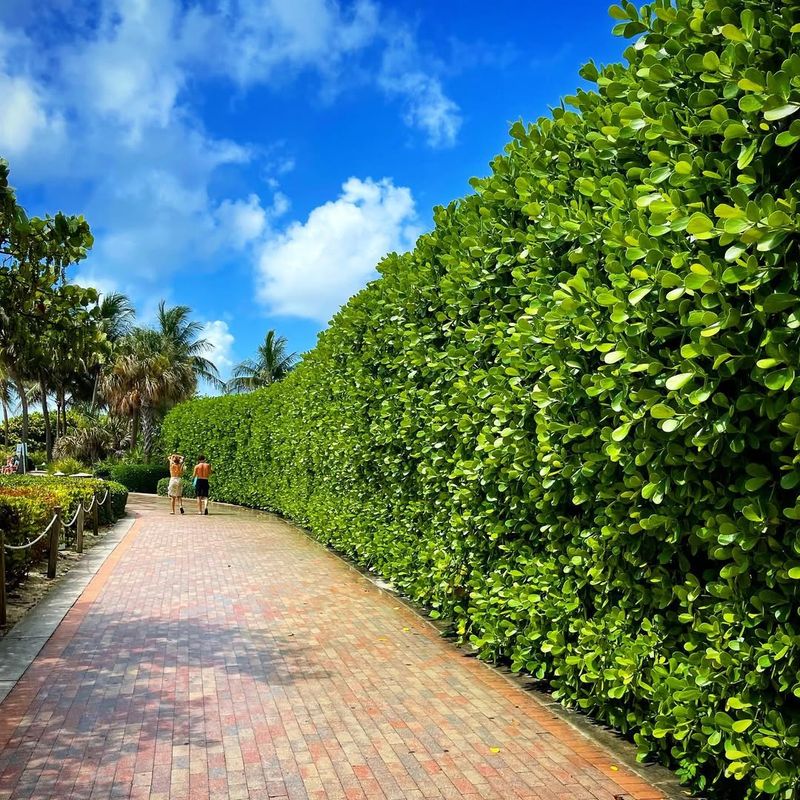
Ignoring the shrub height rule in Florida isn’t just a minor oversight—it can lead to serious financial consequences.
Code enforcement officers have the authority to issue warnings, citations, and escalating fines for non-compliance.
Initial violations might start with a notice giving homeowners time to correct the problem.
However, repeated offenses or refusal to trim overgrown vegetation can result in fines ranging from fifty to several hundred dollars per day.
In extreme cases, municipalities may hire contractors to trim the shrubs themselves and bill the property owner for the work.
These costs often exceed what a homeowner would have paid for regular maintenance.
Some Florida counties have even placed liens on properties with persistent violations.
Homeowners associations may also impose their own penalties on top of municipal fines.
The financial burden can add up quickly if the issue isn’t addressed promptly.
Most enforcement agencies prefer education and voluntary compliance over punishment, but they will take action when necessary.
Staying informed about local regulations protects both your wallet and your property’s standing in the community.
Different Cities Have Varying Measurement Standards
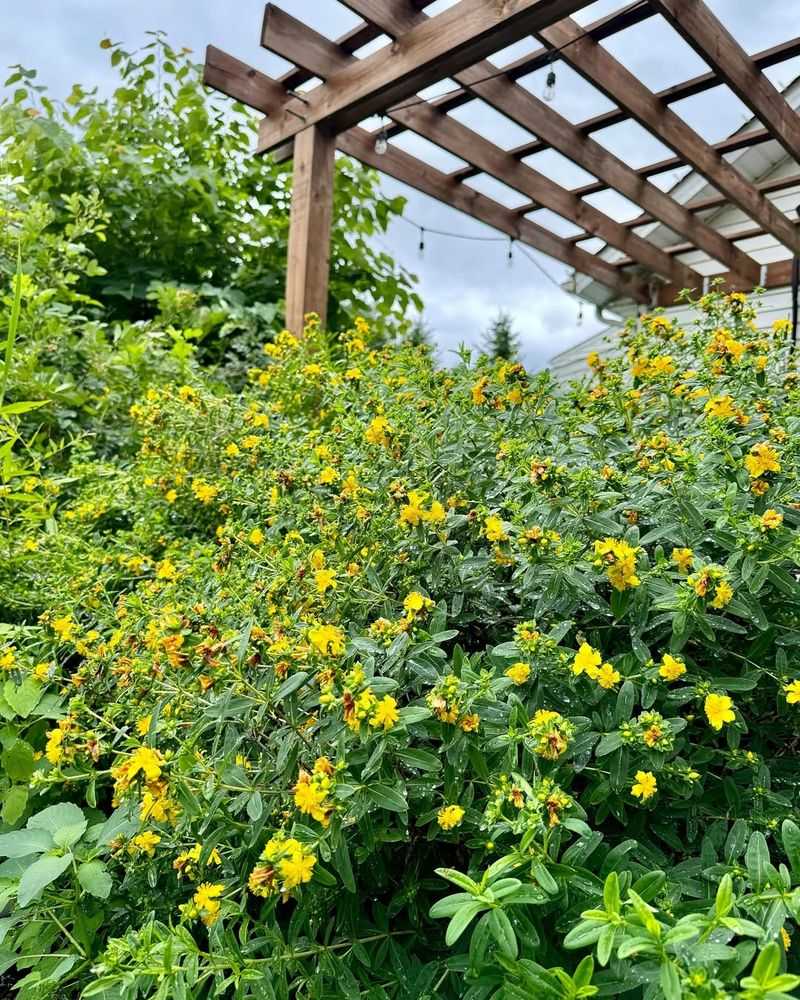
Florida’s shrub height rule isn’t uniform across the entire state, which can confuse residents who move between cities.
Each municipality has the power to establish its own specific measurements and enforcement policies.
Some towns set the maximum shrub height at two feet within the visibility zone, while others allow up to four feet.
The distance from the corner that defines the visibility triangle also varies by location.
Common measurements range from fifteen to thirty feet back from the intersection point.
Miami, Tampa, Jacksonville, and Orlando each have slightly different interpretations of the rule.
Smaller communities might have more relaxed standards, while busy urban areas tend to be stricter.
Homeowners should always check with their specific city or county code enforcement department for exact requirements.
Assuming the rules from your previous Florida address apply to your new home can lead to unintentional violations.
Many municipal websites now post their landscaping ordinances online for easy reference.
Taking a few minutes to verify local standards prevents costly mistakes and keeps your property compliant with community expectations.
The Rule Protects Pedestrians And Cyclists Too
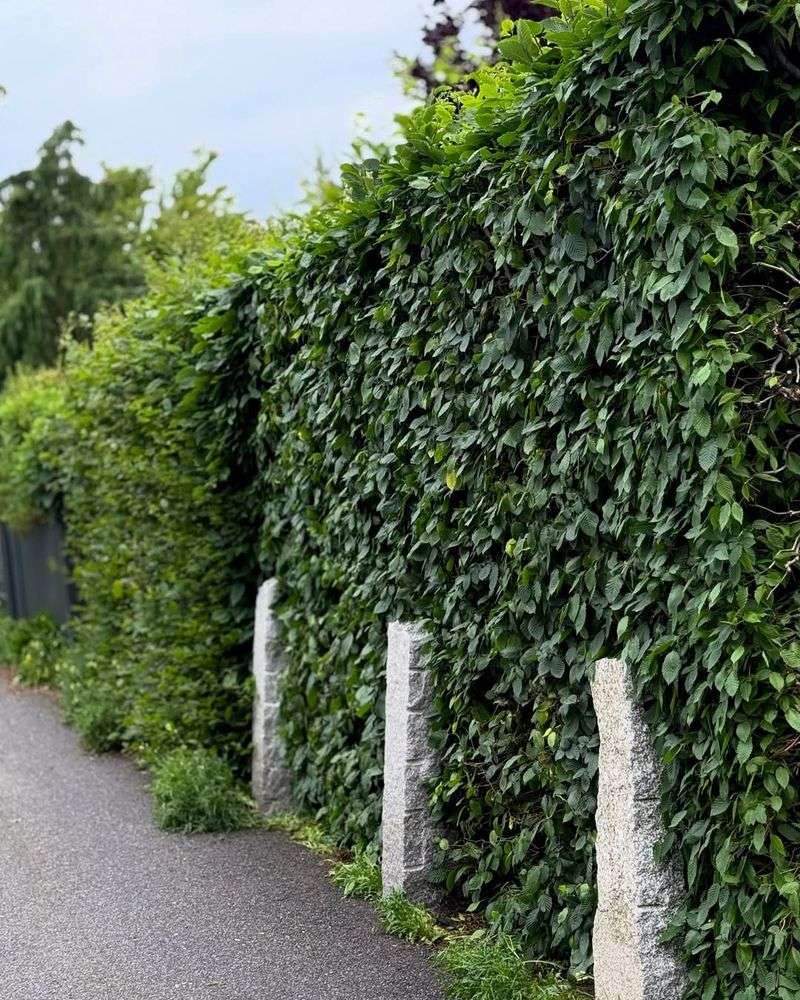
While many people associate the shrub height rule with driver safety, it actually benefits everyone using Florida’s streets.
Pedestrians crossing at intersections rely on clear sightlines to see approaching vehicles before stepping into the roadway.
Tall hedges can completely hide a person from a driver’s view until it’s too late to stop safely.
Cyclists face similar dangers when vegetation blocks their visibility at corners and driveways.
Children walking to school are particularly vulnerable because of their smaller stature.
Florida has seen a concerning number of pedestrian accidents in recent years, making these regulations even more critical.
The rule helps create predictable, visible crossing points that everyone can navigate confidently.
Trimmed shrubs also allow pedestrians to see oncoming traffic and make informed decisions about when to cross.
Bike lanes and sidewalks become much safer when vegetation is properly maintained at intersections.
Community advocates have pushed for stricter enforcement specifically to protect vulnerable road users.
By following the shrub height rule, homeowners contribute to a safer environment for neighbors of all ages and mobility levels.
Homeowners Associations Often Have Additional Requirements
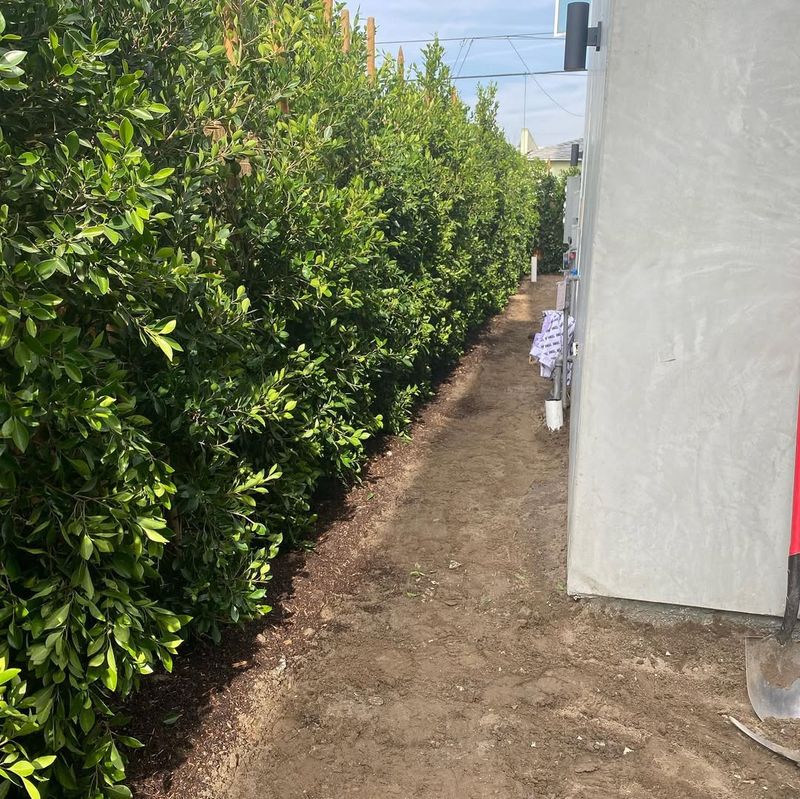
Living in a Florida HOA community means dealing with an extra layer of landscaping regulations beyond municipal codes.
Many homeowners associations establish their own aesthetic standards that can be more restrictive than city rules.
Your HOA might specify not just height limits but also approved plant species, colors, and maintenance schedules.
Some associations require formal approval before any new landscaping is installed.
Violating HOA rules can result in separate fines that accumulate independently from city penalties.
These organizations have significant enforcement power, including the ability to place liens on properties.
Florida law gives HOAs broad authority to regulate the appearance of homes within their jurisdiction.
Residents sometimes find themselves caught between conflicting HOA and municipal requirements.
Reading your community’s covenants, conditions, and restrictions document is essential before making any changes.
Attending HOA meetings can help you stay informed about rule changes and enforcement priorities.
Some associations offer landscaping guidelines that actually make compliance easier by recommending appropriate plants.
Working cooperatively with your HOA typically produces better results than fighting their regulations.
Native Plants Can Meet Requirements While Supporting Ecosystems
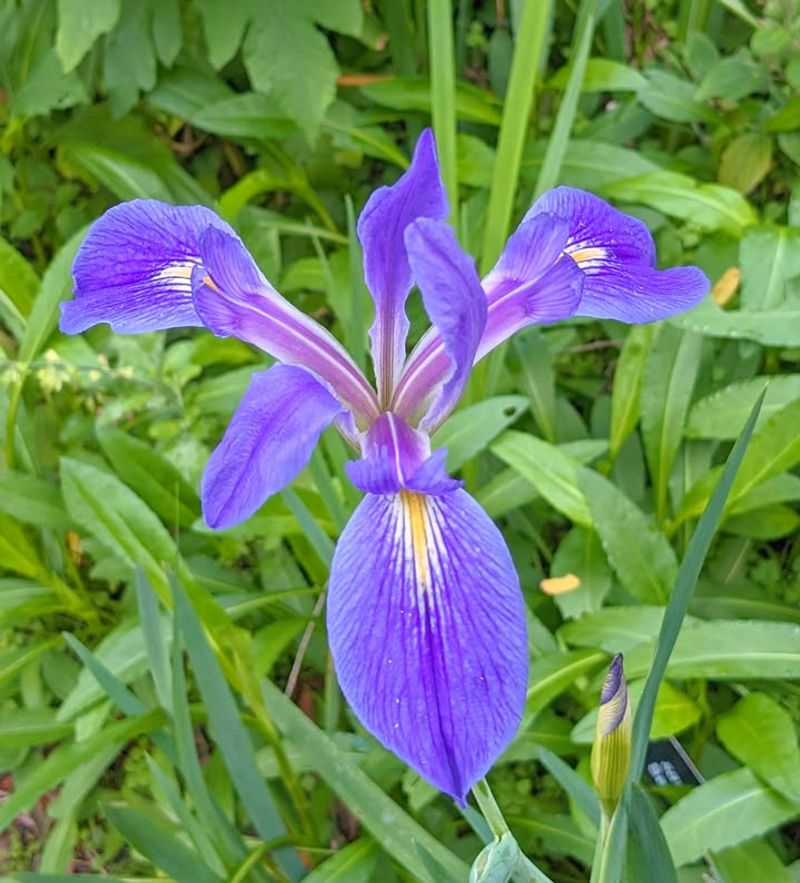
Smart Florida homeowners are discovering that native plants offer an elegant solution to shrub height regulations.
Many indigenous species naturally grow to manageable heights that comply with local ordinances without constant trimming.
Native plants have evolved to thrive in Florida’s climate, requiring less water and maintenance than exotic alternatives.
Species like coontie, beach sunflower, and muhly grass provide beauty while staying within legal height limits.
These plants also support local wildlife, including butterflies, bees, and birds that depend on native vegetation.
Florida’s ecosystem benefits tremendously when homeowners choose indigenous landscaping options.
Native shrubs are generally more resistant to local pests and diseases, reducing the need for chemical treatments.
The University of Florida’s Extension program offers free resources on selecting appropriate native plants for different regions.
Landscaping with natives can actually increase property values while demonstrating environmental responsibility.
Many garden centers now feature dedicated native plant sections to make selection easier.
Choosing the right species from the start eliminates the frustration of constantly battling fast-growing exotic shrubs that quickly exceed height limits.
Regular Maintenance Schedules Keep You Compliant Year-Round
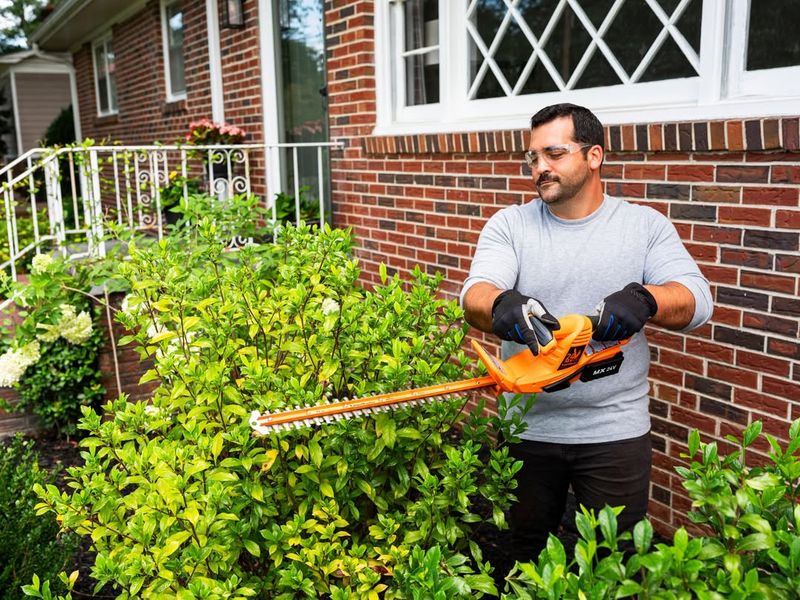
Consistency is the secret to avoiding shrub height violations in Florida’s year-round growing season.
The warm, humid climate means plants don’t go dormant like they do in northern states.
Shrubs can grow surprisingly fast, especially during the rainy summer months when growth accelerates dramatically.
Establishing a regular trimming schedule prevents vegetation from creeping above legal limits.
Most landscaping professionals recommend checking corner property shrubs every four to six weeks during peak growing season.
Setting phone reminders or marking your calendar helps ensure this task doesn’t get forgotten.
Early morning or late afternoon trimming sessions are most comfortable during Florida’s hot summers.
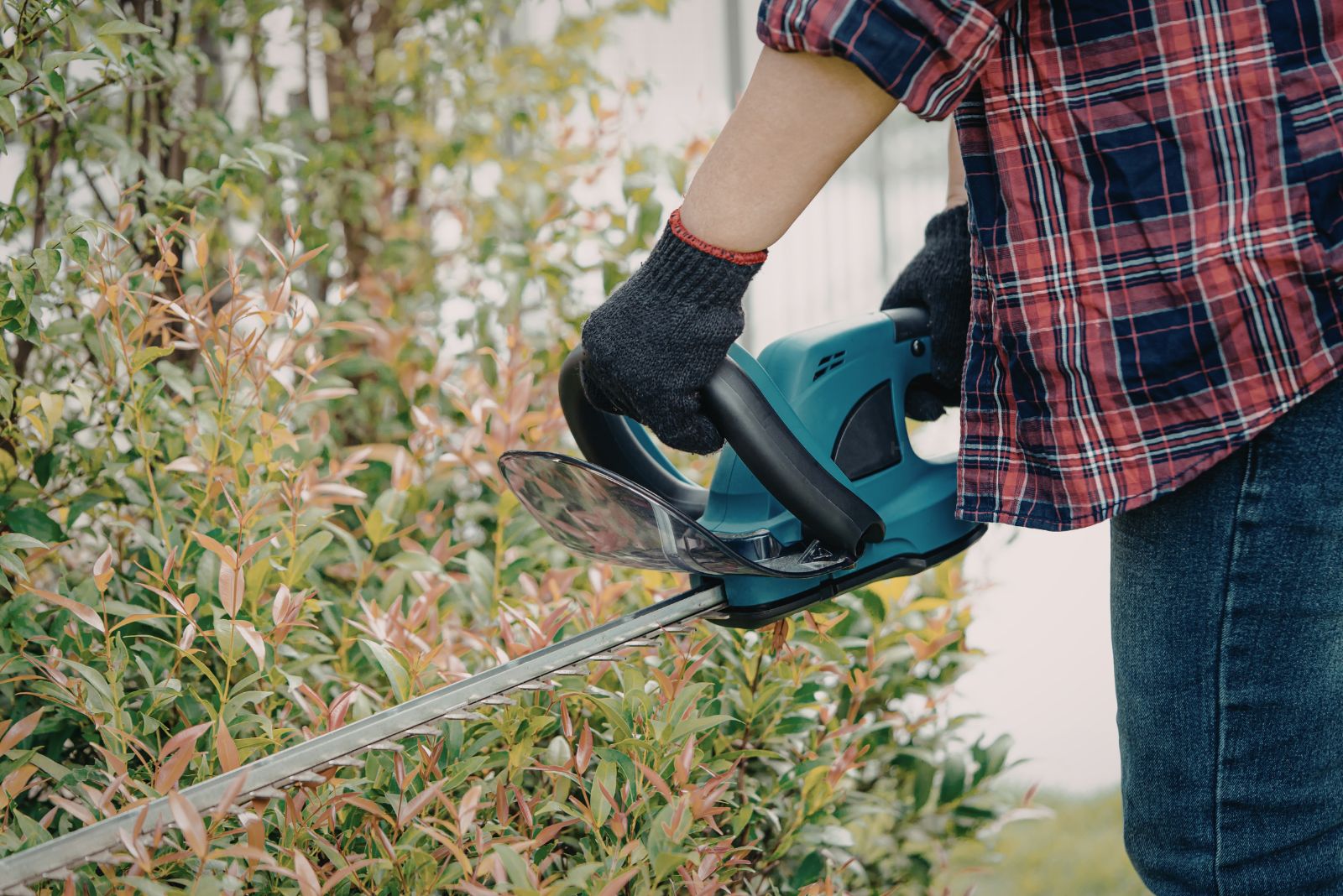
Using proper tools like sharp hedge trimmers produces cleaner cuts that promote healthier plant growth.
Some homeowners hire professional services specifically for maintaining their corner lot vegetation.
The cost of regular maintenance is far less than the fines for violations or the expense of emergency trimming.
Keeping detailed records of your maintenance activities can be helpful if questions about compliance arise.
Proactive care demonstrates good neighborly behavior and contributes to overall community safety and appearance.
Visibility Triangle Measurements Start From The Curb Line
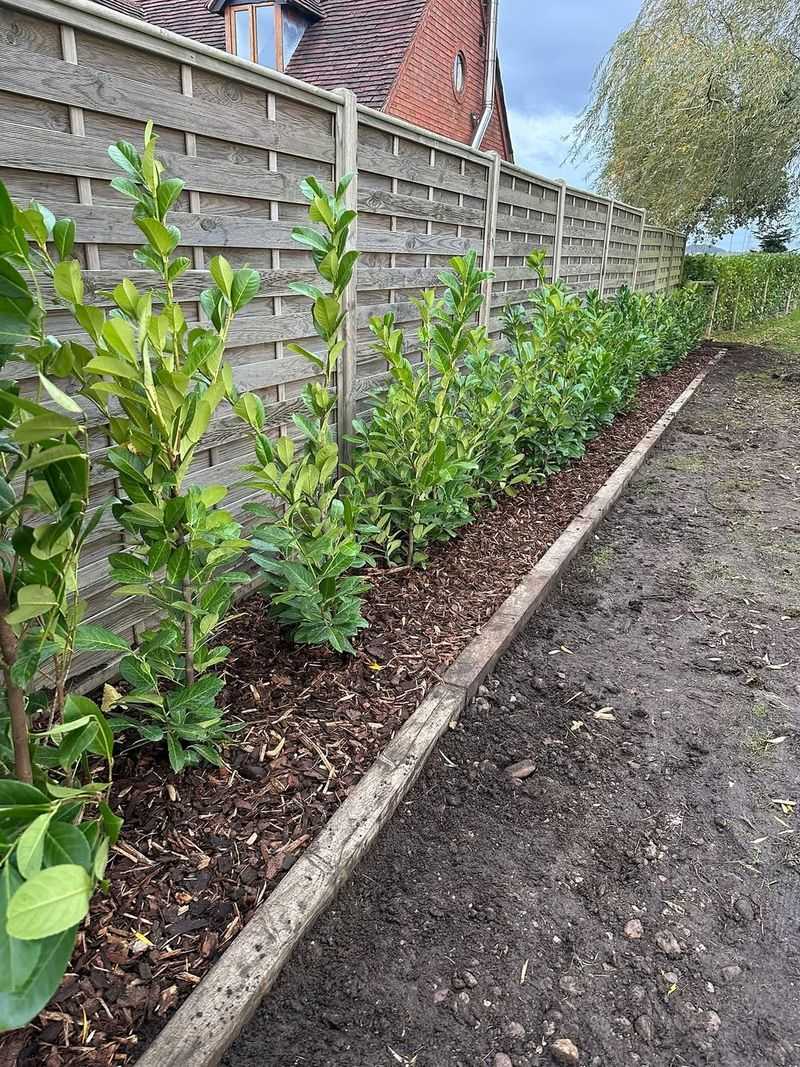
Understanding exactly where to measure from is crucial for proper compliance with Florida’s shrub height rule.
The visibility triangle typically starts at the curb line or edge of pavement, not from your property boundary.
This distinction matters because many corner lots have several feet between the street and their actual property line.
Homeowners sometimes mistakenly measure from their fence or property marker, leading to unintentional violations.
The triangle extends a specified distance along each street from the corner point.
Within this designated area, all vegetation must remain below the maximum allowed height.
Some municipalities provide diagrams showing exactly how to measure the visibility triangle correctly.
Code enforcement officers use the same measurement standards when inspecting properties for compliance.
Taking the time to measure accurately from the proper starting point prevents disputes and citations.
You can request a site visit from your local code enforcement office if you’re uncertain about the measurements.
Many officers are happy to provide guidance before issuing any violations.
Proper measurement ensures your landscaping choices truly enhance safety rather than creating hazards.
Temporary Growth Spurts Require Prompt Attention
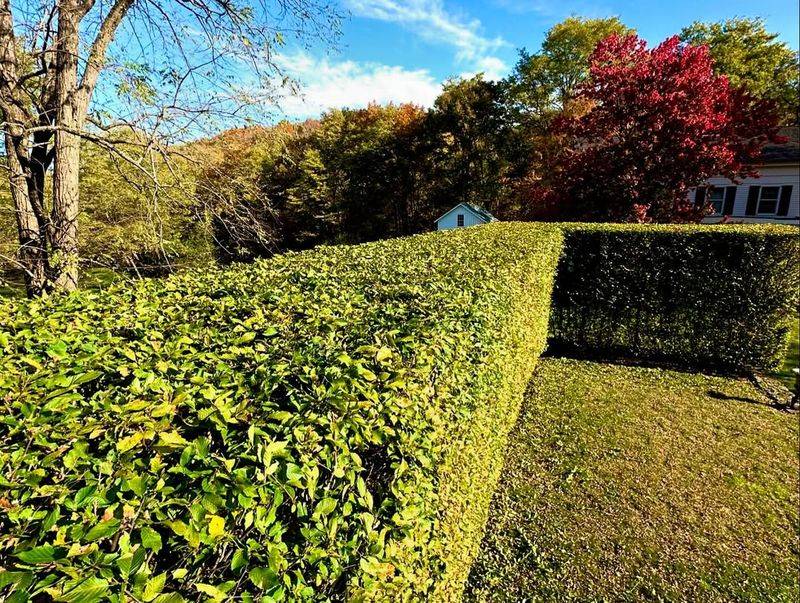
Even well-maintained shrubs can experience unexpected growth spurts that push them over height limits.
Florida’s weather patterns, including heavy rains and warm temperatures, can trigger rapid vegetation growth.
A shrub that was compliant last month might suddenly exceed regulations after a particularly wet period.
Fertilizer applications can also cause faster-than-anticipated growth if not carefully managed.
Homeowners should visually inspect their corner property shrubs weekly during summer months.
Catching excess growth early makes trimming much easier than waiting until plants are significantly overgrown.
Some fast-growing species popular in Florida landscaping require more frequent attention than slower-growing alternatives.
Code enforcement officers understand that temporary growth happens but expect prompt correction once noticed.
Most municipalities allow a reasonable grace period to trim vegetation after it exceeds limits.
However, waiting too long or ignoring obvious overgrowth can still result in citations.
Keeping basic trimming tools readily accessible encourages quick action when growth spurts occur.
Responsive maintenance shows respect for community safety standards and prevents minor issues from becoming major problems.
Educational Programs Help Communities Understand The Rules
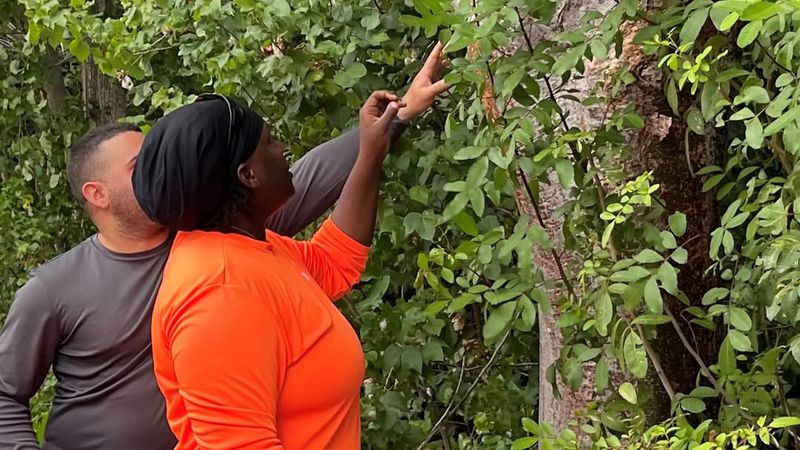
Many Florida municipalities have launched educational initiatives to improve shrub height rule compliance.
Code enforcement departments now offer workshops, online resources, and informational mailings to residents.
These programs recognize that many violations result from misunderstanding rather than deliberate defiance.
Community meetings provide opportunities for homeowners to ask questions and learn proper measurement techniques.
Some cities have created simple video tutorials showing exactly how to assess and maintain corner lot vegetation.
Local garden clubs and extension offices often partner with municipalities to spread awareness.
New residents receive welcome packets that include information about landscaping regulations and safety requirements.
Educational approaches have proven more effective than enforcement-only strategies in many Florida communities.
Neighborhoods with active education programs typically see higher voluntary compliance rates.
Social media campaigns using before-and-after photos help illustrate the importance of proper shrub maintenance.
Understanding the safety reasoning behind the rules makes homeowners more willing to comply.
These programs build stronger community relationships while reducing accidents and improving neighborhood aesthetics throughout the Sunshine State.