The Shrubs North Carolina Homeowners Regret Planting Once Summer Arrives
Some shrubs reveal their problems slowly. Others wait until the heat of a North Carolina summer to show every flaw at once.
A shrub that looked healthy and manageable in spring can turn into a maintenance burden, a disease magnet, or an overwhelming presence in the landscape by July, and by that point the planting decision has already been made.
North Carolina’s heat and humidity are genuinely hard on shrubs that were not selected with this climate in mind.
The ones that cause the most regret are usually popular varieties sold widely at garden centers without much context about how they perform here specifically.
Knowing which shrubs consistently disappoint homeowners once summer arrives is the kind of information worth having before the next planting season rather than after.
1. Bigleaf Hydrangea
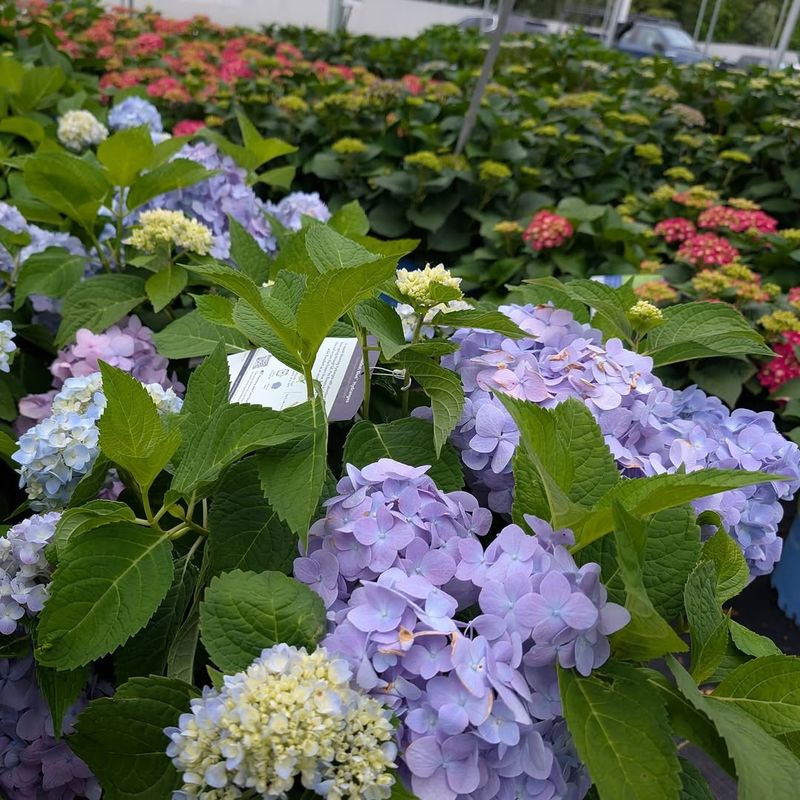
Few plants look as stunning in a garden catalog as the Bigleaf Hydrangea, but summers here have a way of humbling even the most beautiful shrubs.
Hydrangea macrophylla is beloved for its large, showy blooms, but it struggles hard once summer temperatures climb and humidity settles in for weeks at a time.
Afternoon sun is one of the biggest problems. When planted in spots that receive direct sun after noon, these hydrangeas wilt dramatically, sometimes within just a few hours.
Even regular watering does not always prevent that droopy, defeated look that frustrates so many homeowners.
Inconsistent moisture makes things worse. North Carolina summers can swing between heavy rain and dry spells, and Bigleaf Hydrangeas respond poorly to both extremes.
Fungal diseases like cercospora leaf spot thrive in the warm, humid conditions, leaving foliage spotted and unattractive through the hottest months.
Flowering also suffers more than most people expect. Bloom buds form on old wood, meaning late freezes in spring or aggressive pruning at the wrong time wipes out the flower show entirely.
Many homeowners end up with a leafy green shrub and zero blooms all summer.
For best results in North Carolina, plant Bigleaf Hydrangeas on the east side of the house where they get morning sun and afternoon shade. The Piedmont and mountain regions tend to be more forgiving than the coastal plain.
2. Butterfly Bush
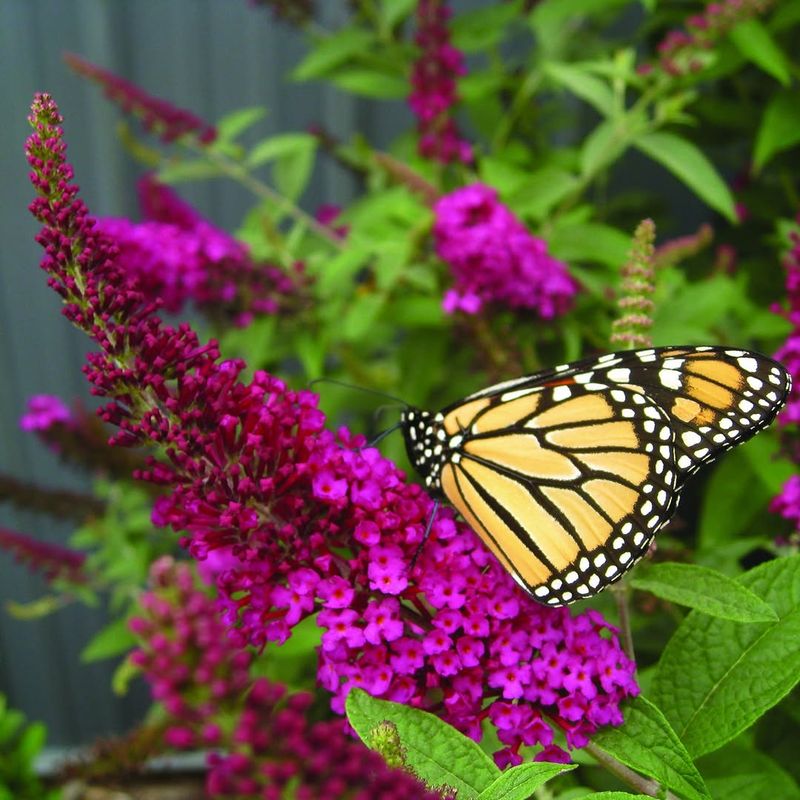
Walk into any garden center in spring and Butterfly Bush practically sells itself. The long, fragrant flower spikes look incredible, and the promise of attracting butterflies all season sounds perfect.
But Buddleja davidii has a side that only reveals itself once summer heat and humidity take over.
Growth speed is the first surprise. This shrub can put on several feet of new growth in a single season, turning a tidy planting bed into a tangled, sprawling mess by August.
Regular pruning becomes almost a weekly chore just to keep it looking presentable.
Reseeding is the second, bigger issue. Butterfly Bush produces thousands of tiny seeds that spread easily through wind and rain, popping up in lawns, flower beds, and even cracks in driveways.
In warmer parts of North Carolina, this reseeding behavior crosses into invasive territory, crowding out native plants.
Your North Carolina Garden Changes Every Week. Your Plan Should Too.
Gardening in North Carolina changes quickly throughout the season. Every Friday you’ll receive a simple weekly plan showing exactly what to plant, prune, fertilize, harvest, and protect so you never miss the right timing.
There is also a real ecological argument against it. Despite attracting adult butterflies, Buddleja davidii does not support butterfly larvae the way native plants do, making it less valuable to local ecosystems than it appears.
Better native alternatives include buttonbush, native spicebush, or beautyberry, all of which support pollinators through their full life cycle and require far less summer maintenance.
Swapping out Butterfly Bush for one of these options makes your yard both easier to manage and genuinely more wildlife-friendly.
3. Rose Of Sharon
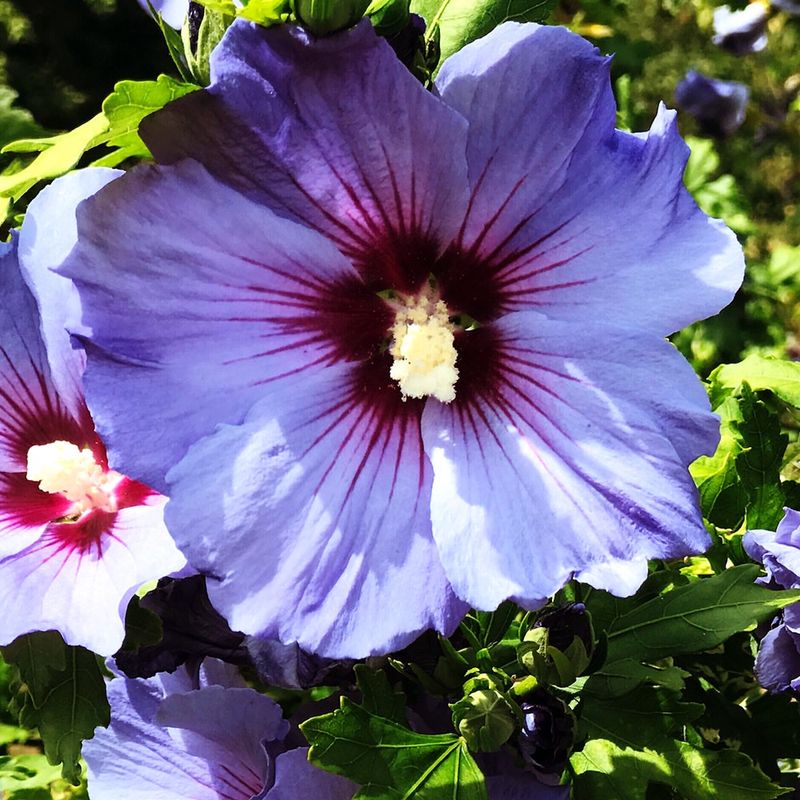
Rose of Sharon has decorated Southern yards for generations, and it is easy to understand the appeal. Hibiscus syriacus blooms in late summer when most other shrubs have already finished flowering, offering color when the garden needs it most.
The problem is what comes along with those blooms. Seedlings are relentless. A single established plant can drop hundreds of seeds each season, and warm North Carolina summers give those seeds ideal conditions to sprout.
Before long, the surrounding lawn, flower beds, and garden paths fill up with unwanted seedlings that take real effort to remove.
Size is another issue homeowners underestimate. Rose of Sharon grows quickly into a tall, upright shrub that can reach ten to twelve feet if left alone.
In small planting beds near foundations or fences, that growth rate turns into a constant battle of trimming and shaping through the hottest months.
Aphid pressure also spikes during summer, especially on new growth. Clusters of insects gather on tender stems, weakening the shrub and making it look rough during the season when it should be at its peak.
Sterile cultivars like Aphrodite or Diana produce far fewer seeds and help manage the spreading problem significantly.
Giving plants at least six feet of space and pruning lightly in early spring keeps them from overtaking their neighbors. Planning ahead makes Rose of Sharon much easier to enjoy.
4. English Boxwood
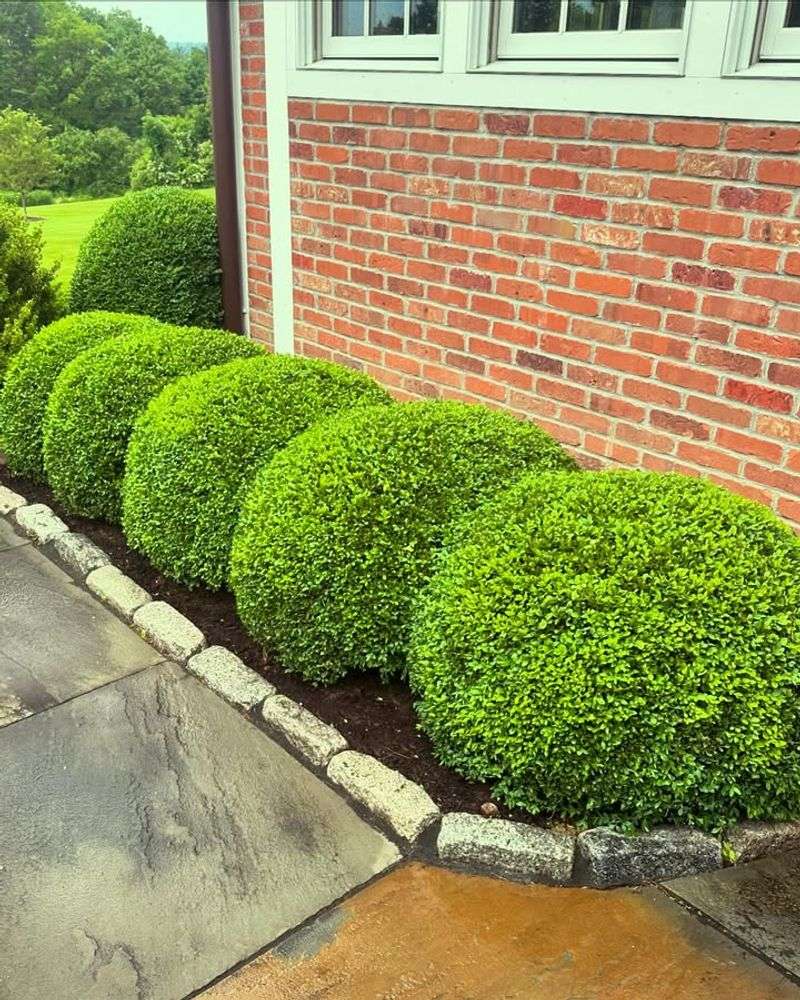
English Boxwood has been a staple of formal gardens for centuries, and many homeowners plant it expecting neat, evergreen hedges that hold their shape year after year. Reality, unfortunately, tells a different story once summer humidity arrives.
Buxus sempervirens struggles in the heat and moisture combination that defines a typical North Carolina July.
Poor airflow inside tightly clipped hedges creates the perfect environment for fungal diseases, especially boxwood blight, which spreads rapidly through wet, warm conditions and strips leaves from entire sections of the plant.
Heat stress adds another layer of trouble. When temperatures push above 90 degrees for days in a row, English Boxwood often shows bronzing or yellowing of foliage, particularly on plants in full sun.
The damage can linger well into fall, leaving hedges looking patchy and worn when they should look crisp.
Nematodes in North Carolina soils also target boxwood roots, slowly weakening plants from below while the visible symptoms above ground confuse homeowners into thinking the problem is watering or fertilizer.
Choosing resistant varieties makes a significant difference. American boxwood or Korean boxwood hybrids like Winter Gem tolerate heat and humidity far better than traditional English types.
Spacing plants to allow airflow, avoiding overhead watering, and removing fallen leaves promptly around the base all reduce fungal pressure and keep boxwoods healthier through summer.
5. Japanese Barberry
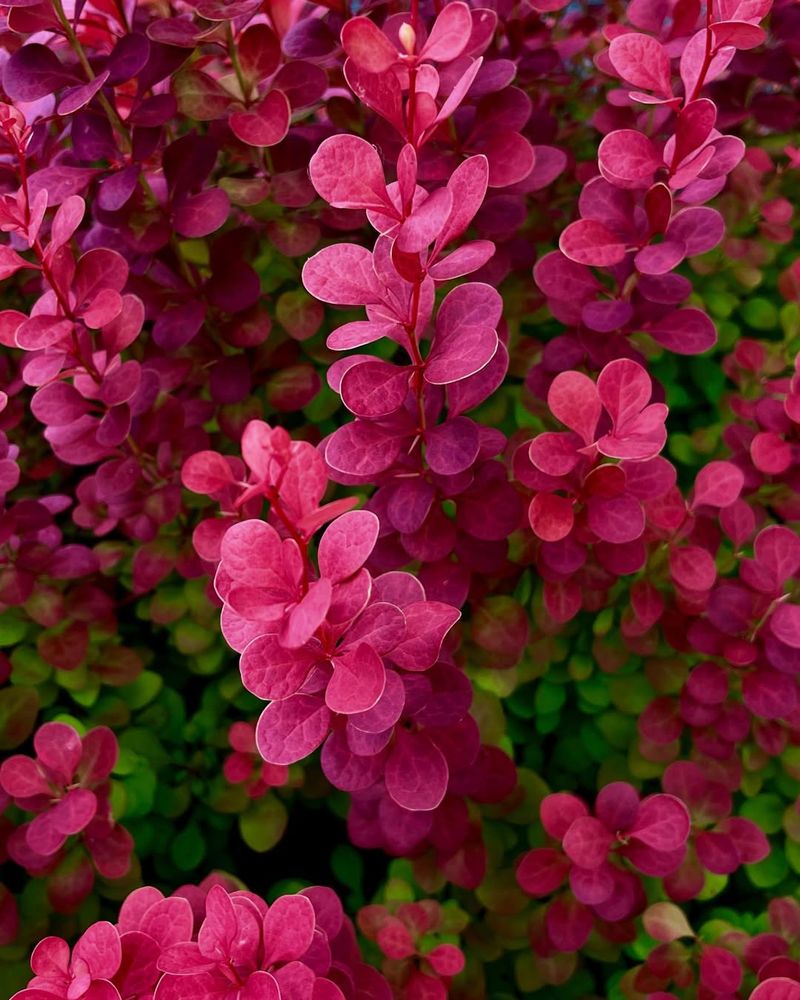
Japanese Barberry looks almost too good to be true at the nursery. The compact shape, colorful foliage, and drought tolerance make Berberis thunbergii sound like the perfect low-maintenance shrub.
Once summer arrives in North Carolina, though, the thorny reality sets in fast.
The dense, prickly growth makes routine maintenance genuinely unpleasant. Weeding around the base, shaping branches, or removing spent growth means dealing with sharp thorns that catch on clothing and skin.
Many homeowners find themselves avoiding the area entirely, which only allows the shrub to grow more aggressively.
Invasive spreading is the bigger long-term concern. Birds eat the bright red berries and scatter seeds widely, allowing Japanese Barberry to establish in natural areas, forest edges, and undisturbed land surrounding residential neighborhoods.
Several states have already restricted or banned its sale, and North Carolina naturalists have documented its spread in woodland areas across the Piedmont.
Thick barberry thickets also create sheltered habitat for ticks, a genuine health concern in a state where tick-borne illnesses are increasingly common.
Native shrubs make far smarter replacements. Itea virginica, commonly called Virginia sweetspire, offers beautiful fall color and fragrant summer flowers without any invasive tendencies.
Native fothergilla provides stunning seasonal interest and supports local wildlife. Both options deliver the visual appeal of barberry without the thorns, the spreading, or the ecological baggage that follows.
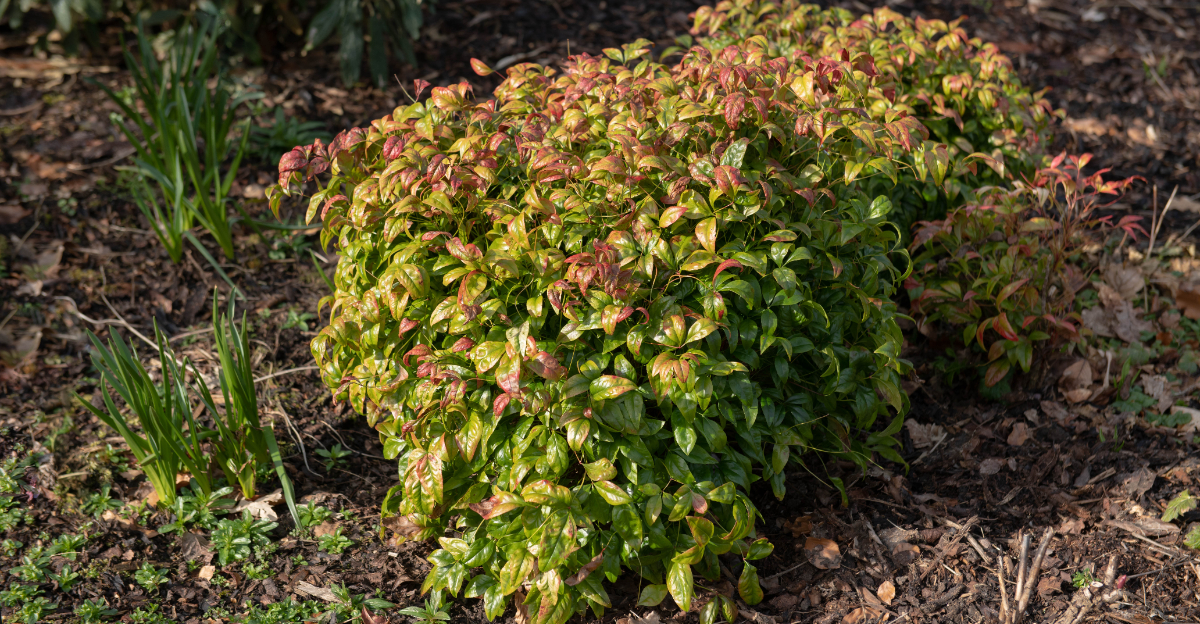
6. Nandina
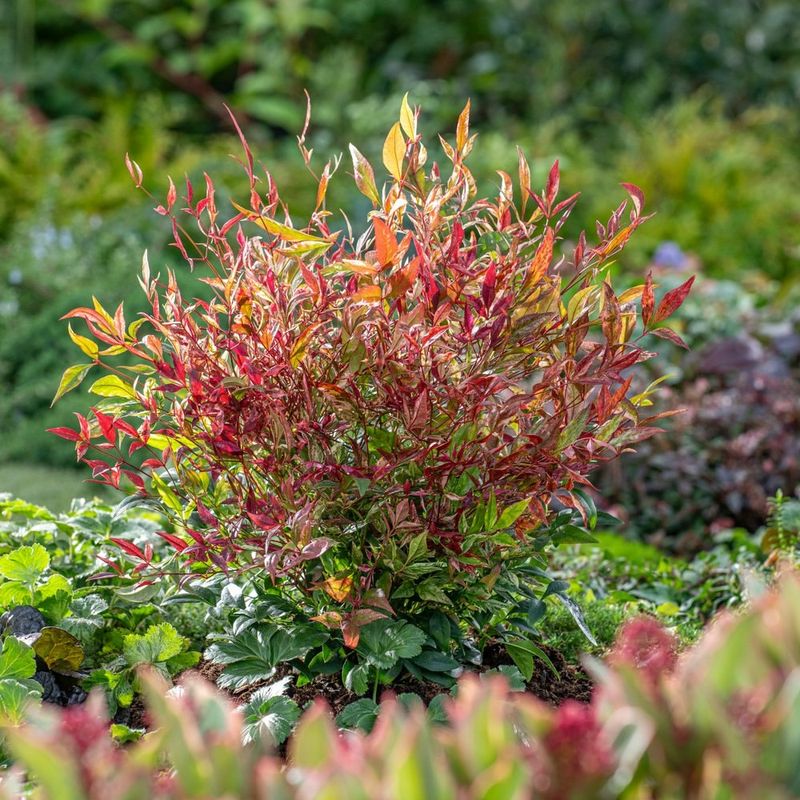
Nandina shows up in older North Carolina landscapes almost everywhere you look, planted in foundation beds, along walkways, and tucked into corners where homeowners wanted something evergreen and easy.
Nandina domestica does survive almost anything, and that toughness is exactly what makes it such a problem.
Legginess takes over by summer. Without regular pruning, older plants stretch into tall, bare-stemmed clumps with foliage only at the very top, looking more like overgrown weeds than intentional landscaping.
Cutting them back hard encourages fresh growth, but that cycle repeats every single year without fail.
Seeding is equally frustrating. Birds love the bright red berries and spread seeds into natural areas, roadsides, and neighboring yards.
Nandina has been documented spreading into native plant communities across the Southeast, displacing understory species that local wildlife depends on for food and shelter.
There are also toxicity concerns worth knowing. The berries contain compounds that can harm certain bird species, particularly smaller songbirds, which makes the plant less welcome in wildlife-friendly yards.
Fortunately, excellent native alternatives exist. Oakleaf hydrangea provides bold texture, summer blooms, and beautiful fall and winter bark interest.
Native inkberry holly offers similar evergreen structure without invasive behavior. Both plants support local ecosystems rather than competing against them, and they require far less intervention to stay attractive through the hottest months of the year.
7. Privet
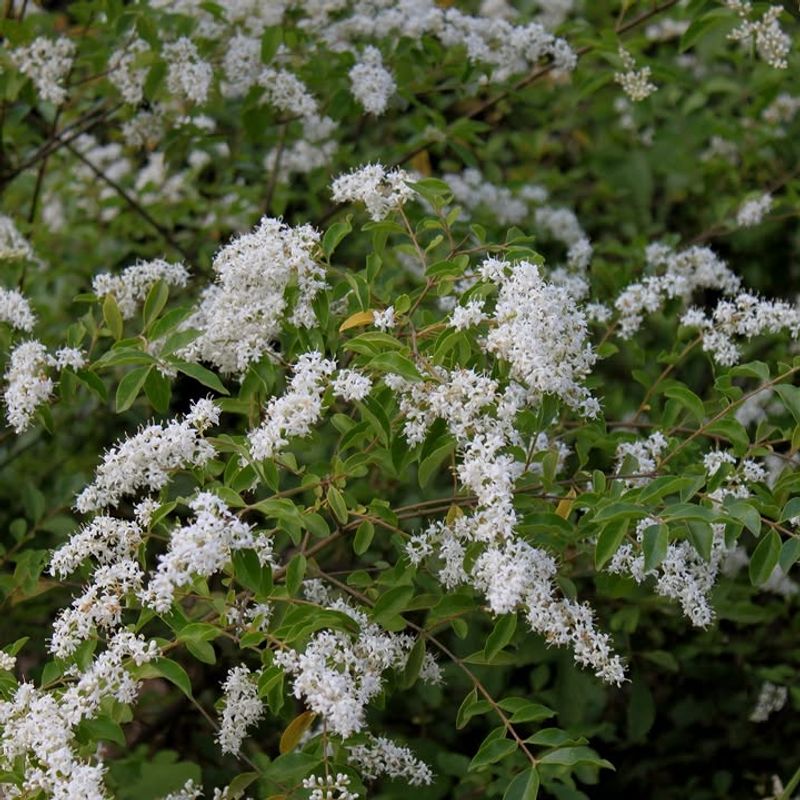
Privet was once considered a reliable, fast-growing solution for privacy screens and property borders across North Carolina.
Ligustrum sinense and Ligustrum japonicum both grow with incredible speed, which sounds appealing until you realize that speed never stops and the trimming never ends. Summer growth is relentless.
A privet hedge that looks neat in May can push out two to three feet of new growth before September, turning a manageable border into a towering wall of dense foliage that blocks light, crowds neighboring plants, and demands constant attention with hedge trimmers.
Invasive spreading makes the problem extend far beyond the yard. Privet produces enormous quantities of small dark berries that birds distribute widely.
It has become one of the most problematic invasive shrubs in North Carolina, establishing dense thickets in forests, floodplains, and natural areas where it outcompetes native vegetation.
Deep shade beneath mature privet also prevents grass and ground covers from growing, leaving bare, eroded soil under and around established plants.
Better privacy screening options exist that are both attractive and ecologically responsible. Native possumhaw holly, wax myrtle, or American arborvitae all provide excellent screening without invasive tendencies.
Wax myrtle in particular thrives in this climate, grows quickly enough to provide privacy within a few seasons, and supports native wildlife far better than any privet ever could.