7 Things To Do With Peonies After They Bloom (Most People Skip One Key Step)
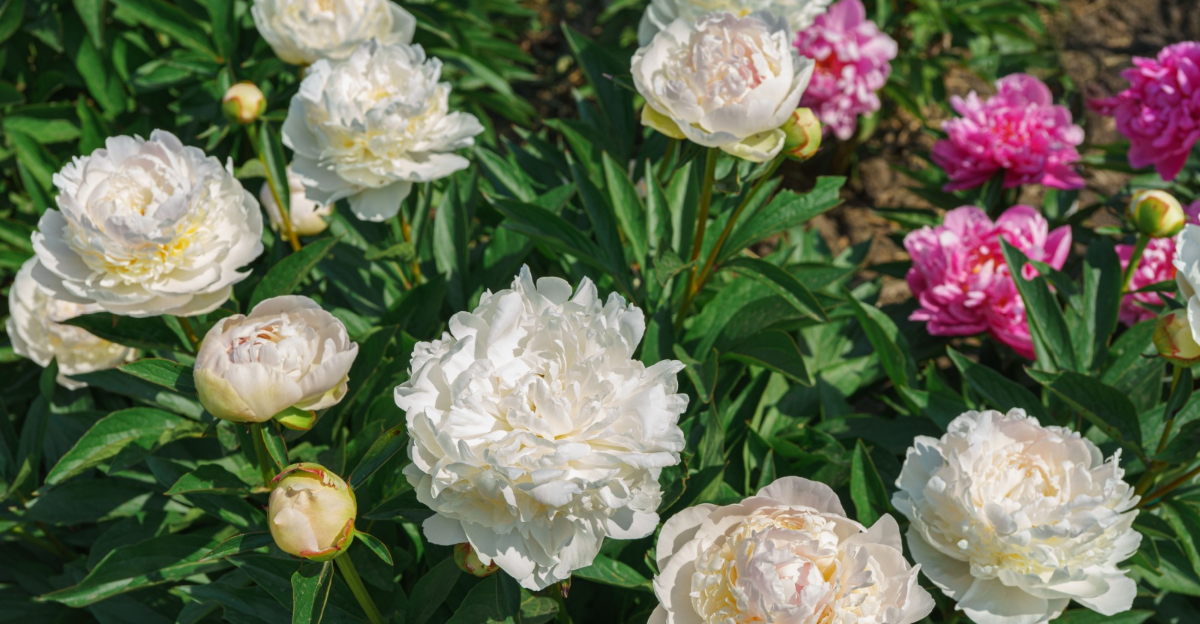
Let’s be honest, peonies are basically the divas of the garden.
They arrive fashionably late.
They steal the show for a few weeks.
Then they drop their petals like a mic and disappear. And most of us?
We just nod, clean up the mess, and move on with our lives.
But here’s what nobody tells you: the weeks after your peonies bloom are arguably more important than anything you did while they were putting on their show.
What you do right now is quietly setting the stage for everything that happens next spring.
Get it right and you’ll have blooms so full they’ll stop people mid-sidewalk.
Get it wrong and you’ll spend next May wondering why your peonies look so… underwhelming.
The good news is that post-bloom peony care is genuinely simple.
Once you know what actually matters, it barely takes any effort at all. And that’s exactly what we’re here to walk you through.
Remove Spent Blooms
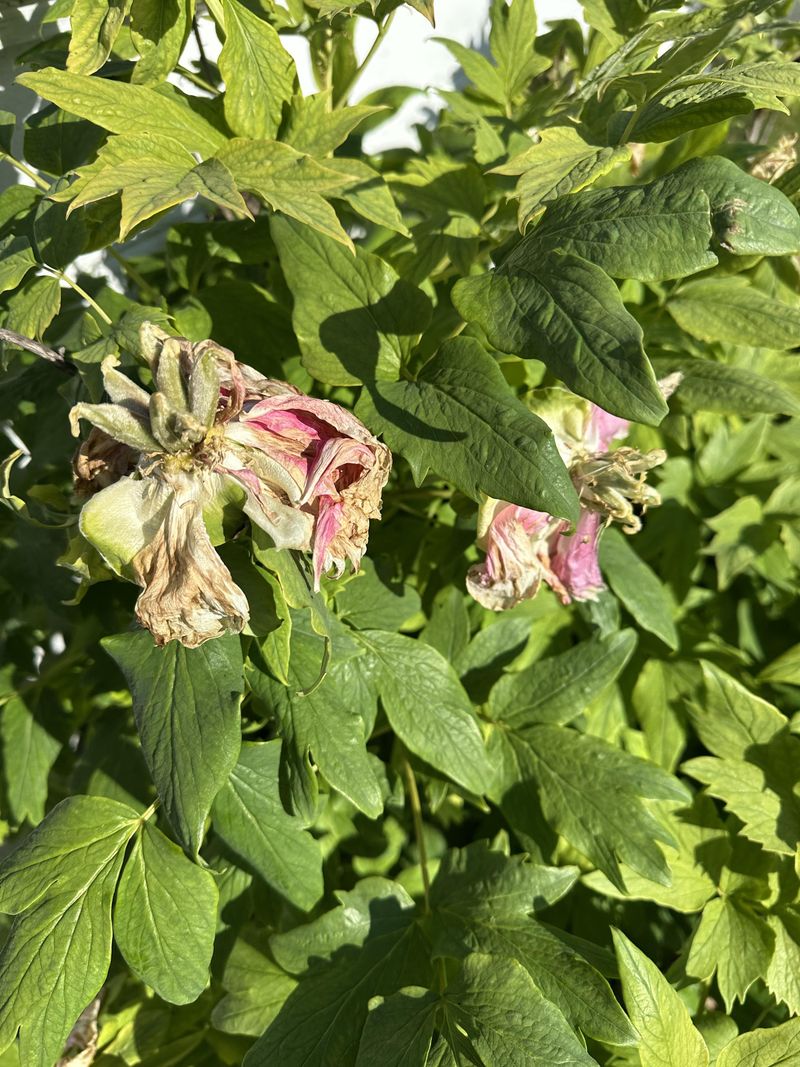
Those faded, droopy blooms might look harmless, but leaving them on the plant is quietly working against you.
Once those gorgeous flowers fade and turn brown and droopy, leaving them on the plant is like letting a party guest overstay their welcome.
Removing spent blooms is one of the simplest, one of the more useful things you can do for your garden this summer.
When a peony flower is finished blooming, the plant starts putting energy into forming seeds inside that spent flower head.
That seed production pulls resources away from the roots, where energy needs to be stored for next year’s show.
By snipping off the old blooms before seeds form, you redirect all that good energy back underground, where it belongs.
Think of it as a simple redirect.
One small snip, and the plant’s energy stops chasing something it no longer needs, and starts building toward something worth waiting for.
Use clean, sharp pruning shears and cut the stem just below the spent flower head, down to the first set of healthy leaves.
Do not just yank the bloom off with your hands, because tearing can damage the stem and invite trouble.
A clean cut keeps the plant tidy and reduces the risk of problems down the line.
Peonies after they bloom still have a lot of work to do beneath the surface, even when things look quiet above ground.
Each snip you make is a small investment in next spring’s flowers.
Remove them promptly and you’re essentially telling the plant exactly where to focus its strength, and trust me, it will reward you for it.
Cut Back The Stems
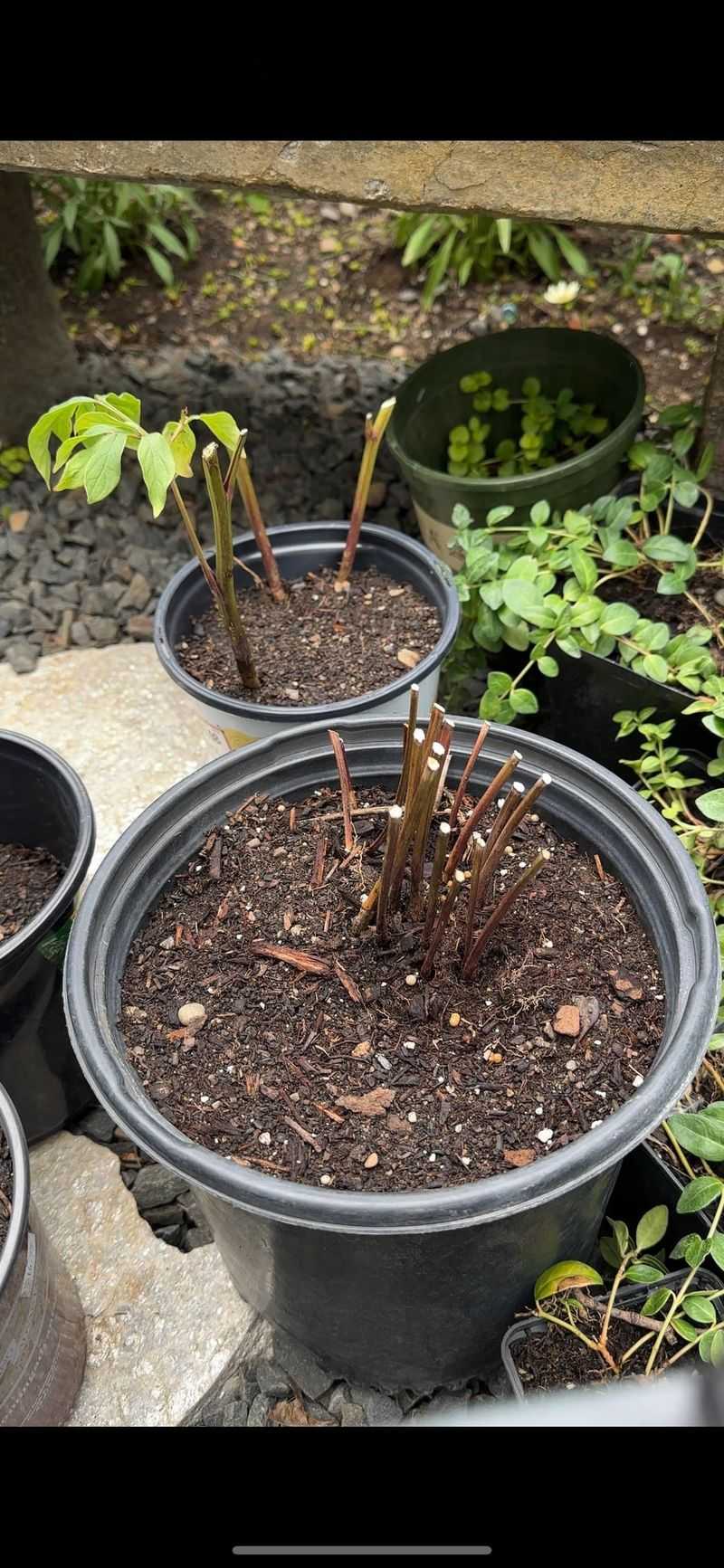
Most gardeners know to cut peonies back, but the timing and technique trip people up every single time.
Cutting stems back too early or too aggressively right after blooming is a mistake that can weaken the plant heading into fall.
Patience here almost always pays off.
After the blooms are gone, the leafy green stems and foliage are still doing critical work.
Those leaves are like solar panels, soaking up sunlight and converting it to energy that gets stored in the roots all summer long.
If you cut everything down in June, you are essentially unplugging the plant’s charging system before the battery is full.
Wait until the first hard frost hits your area before cutting peony stems back to about two to three inches above the soil line.
In most parts of the country, that means waiting until late October or early November.
That window gives the plant a full growing season to build up the reserves it needs to produce those spectacular blooms again next spring.
When you finally do cut back, remove all the stems and leaves completely and dispose of them away from the garden bed.
Leaving plant debris on the soil can harbor fungal spores that cause problems later.
A clean cut-back at the right moment sets your peonies up for a strong, healthy start. And when the ground warms up again, you’ll know exactly why it was worth the patience.
Fertilize The Roots
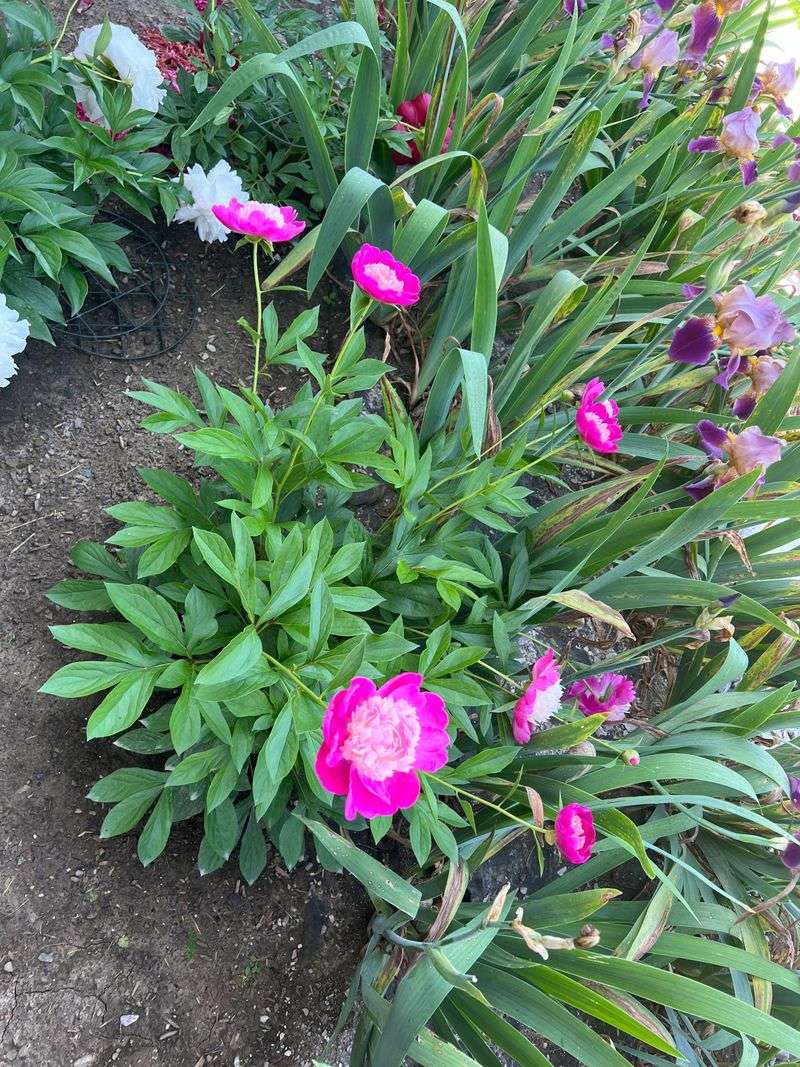
Feeding your peonies at the right moment is like giving them a well-timed protein shake after a workout.
Right after blooming is actually one of the best windows to fertilize, because the roots are actively rebuilding and storing nutrients for the next growing season.
Most people either skip this step entirely or do it at the wrong time.
A low-nitrogen fertilizer tends to work well here, something like a 5-10-10 or 10-20-20 formula.
Too much nitrogen can push the plant toward leafy growth rather than the roots and buds you’re actually after.
Slow-release granular fertilizers work beautifully here because they feed the plant steadily over several weeks without overwhelming it.
Scatter the fertilizer around the drip line of the plant, not directly against the crown, and water it in well.
Avoid fertilizing too late in the growing season, because stimulating new growth when cold weather is approaching can actually hurt the plant.
Aim to fertilize within a few weeks of the last bloom dropping.
That timing lets the plant absorb what it needs during the long, slow summer months when things look quiet above ground.
Bone meal is another classic option that experienced peony growers swear by. It provides phosphorus that encourages strong root development and better flowering.
Work a small amount gently into the soil around the plant without disturbing the roots.
Get this step right, and your peonies after they bloom will be quietly building toward something worth looking forward to next May.
Don’t Cut The Foliage Too Early
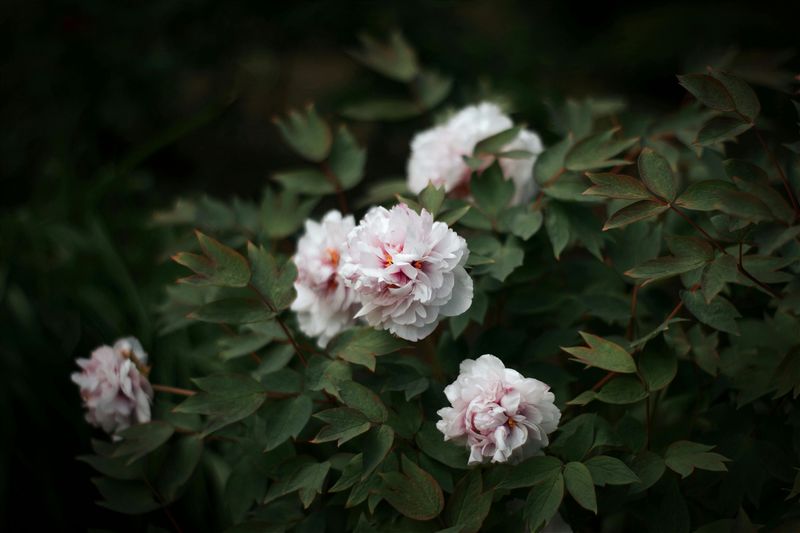
Here’s the one most people skip, and honestly, it might be the most important thing on this list.
Green peony foliage after the flowers fade looks like it has done its job, but it is actually in the middle of the most important work it does all year.
Leaving it alone feels counterintuitive, but it is absolutely the right call.
Those broad, glossy leaves are photosynthesis machines.
They capture sunlight and turn it into carbohydrates that travel down to the roots and get stored as energy.
That stored energy is what fuels next year’s flower buds, which actually begin forming underground in late summer and early fall.
Cut the foliage early, and you shortchange those developing buds before they’ve had a chance to form properly.
Some gardeners cut the leaves back in July because the plant looks a little tired or takes up space they want for other things.
But every week of foliage you preserve adds to the plant’s energy bank.
Even leaves that look a bit rough and weathered are still contributing, so resist the urge to tidy things up too aggressively before frost arrives.
Think of it this way: the foliage is the plant’s paycheck, and cutting it early means the roots go into winter underfunded.
Underfunded roots produce weak plants with fewer blooms, and that cycle can repeat for several seasons before you figure out the cause.
Keep the foliage standing until a hard frost naturally signals the plant to shut down.
That way, you protect every bit of potential those roots are quietly building.
Divide Overcrowded Clumps
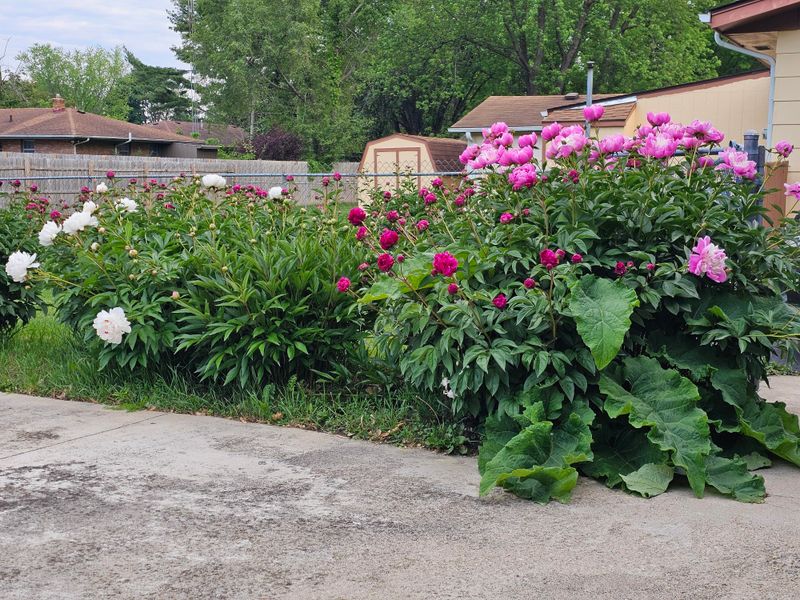
Peonies are famously long-lived, and some clumps have been growing in the same spot for decades without anyone touching them.
But after many years in one place, even the toughest peony can become overcrowded, producing fewer blooms and smaller flowers than it used to.
Dividing the clump is a useful reset for a plant that’s been in the same spot for years.
The best time to divide peonies is in early fall, usually September or October, after the foliage has died back naturally.
Dig up the entire root clump carefully with a spade or garden fork, trying not to slice through too many of the thick, fleshy roots.
Once the clump is out of the ground, rinse off the soil so you can see the structure clearly before you start cutting.
Use a clean, sharp knife to divide the clump into sections, making sure each division has at least three to five pink buds, called eyes, visible on the roots.
Fewer than three eyes per division means the plant will struggle to establish itself and may not bloom for a year or two.
Plant each division with the eyes no more than one to two inches below the soil surface.
Planting too deep is one of the top reasons peonies refuse to flower.
Dividing crowded clumps also gives you free plants to share with neighbors, fill other garden spots, or trade with fellow gardening enthusiasts.
It feels like a lot of work in the moment.
But the payoff is real, fresh energy, stronger stems, and more flowers than that old crowded clump ever managed to produce.
Check For Disease And Pests
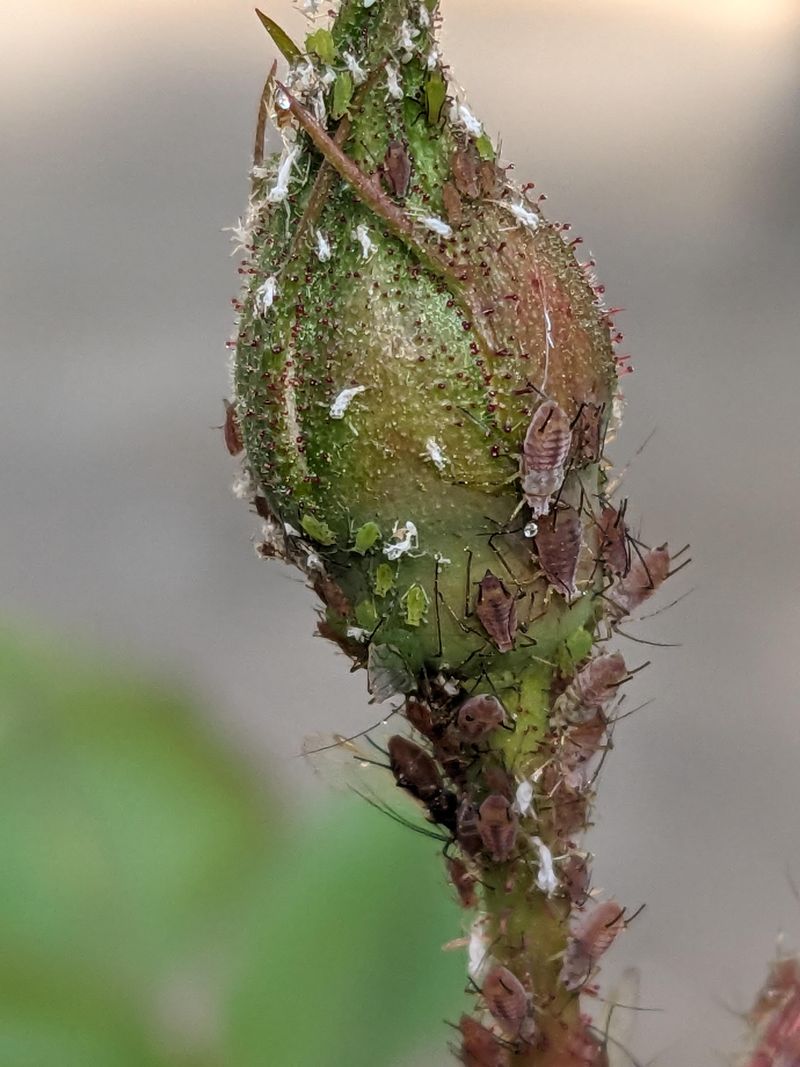
If peonies have one recurring nemesis, it’s botrytis blight, and the post-bloom period is exactly when it tends to show up.
This fungal problem causes stems to wilt, buds to turn brown and mushy, and leaves to develop grayish fuzzy patches.
It spreads fast in wet, humid conditions.
Catching it early makes a real difference in how much damage it can do.
After your peonies finish blooming, take a slow walk through the garden and look closely at the leaves and stems.
Yellowing leaves with dark spots, powdery coatings, or unusual wilting are all signs that something is off and needs attention now rather than later.
Good airflow around the plants is one of the best preventive measures you can take.
If your plants are crowded, that’s another reason to consider dividing them this fall.
Beyond fungal issues, keep an eye out for thrips.
These tiny insects damage flower petals and leaves.
Scale insects are worth watching for too, they cling to stems and weaken the plant over time.
A strong spray of water can dislodge many soft-bodied pests, and neem oil is a solid organic option for more stubborn infestations.
Always remove and bag any diseased plant material rather than tossing it on the compost pile, where spores can survive and spread.
Healthy peonies after they bloom are naturally more resistant to both pests and disease, which is why all the other care steps in this list matter so much.
A well-fed, well-maintained plant bounces back from minor issues quickly.
Stay observant now, and you’ll have fewer problems to deal with when spring comes around.
Mulch The Base
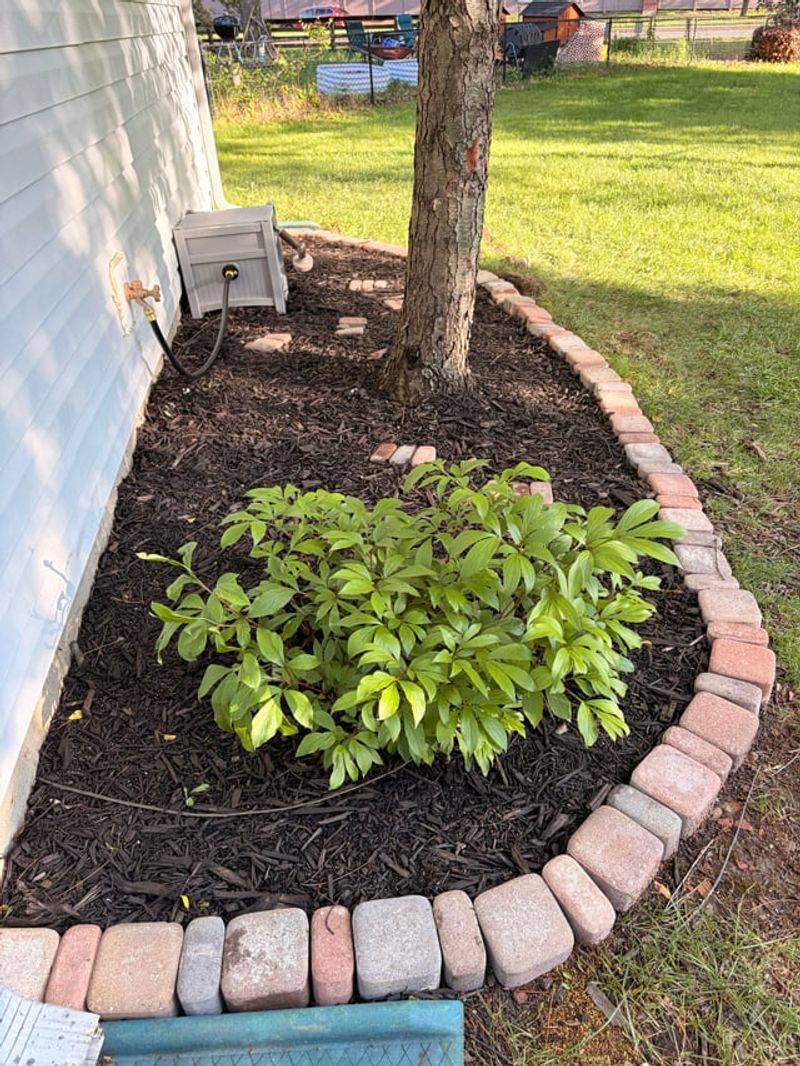
If there’s one post-bloom move that doesn’t get nearly enough credit, it’s this one.
Mulch regulates soil temperature and holds in moisture during dry summer stretches.
It also suppresses weeds that would otherwise compete with the plant for nutrients.
For such a simple task, the benefits stack up fast.
Apply mulch after the growing season winds down, but here is the catch: keep it away from the crown of the plant.
Piling mulch directly on top of the crown can trap moisture and warmth in a way that encourages rot and fungal trouble right at the most sensitive part of the plant.
Aim for a ring of mulch around the base, leaving a clear two-inch gap between the mulch and the plant’s crown.
Shredded bark, wood chips, or straw all work well for peonies and break down slowly enough to last through the season without needing constant replacement.
Avoid thick layers of heavy mulch that can compact over time and prevent water from reaching the roots properly.
A light, airy mulch layer does the job without smothering the soil beneath it.
In regions with harsh winters, mulching after the foliage is cut back gives the roots an extra layer of insulation.
Freeze-thaw cycles can heave the crown right out of the ground, and a good layer of mulch goes a long way toward preventing that.
That protection is especially helpful for newly planted or recently divided peonies that have not yet established deep root systems.
Get the mulch right, and you are giving your peonies the best possible foundation for another stunning spring performance.