The Simple Scrape And Bag Method For Spotted Lanternfly Egg Masses In North Carolina This Fall
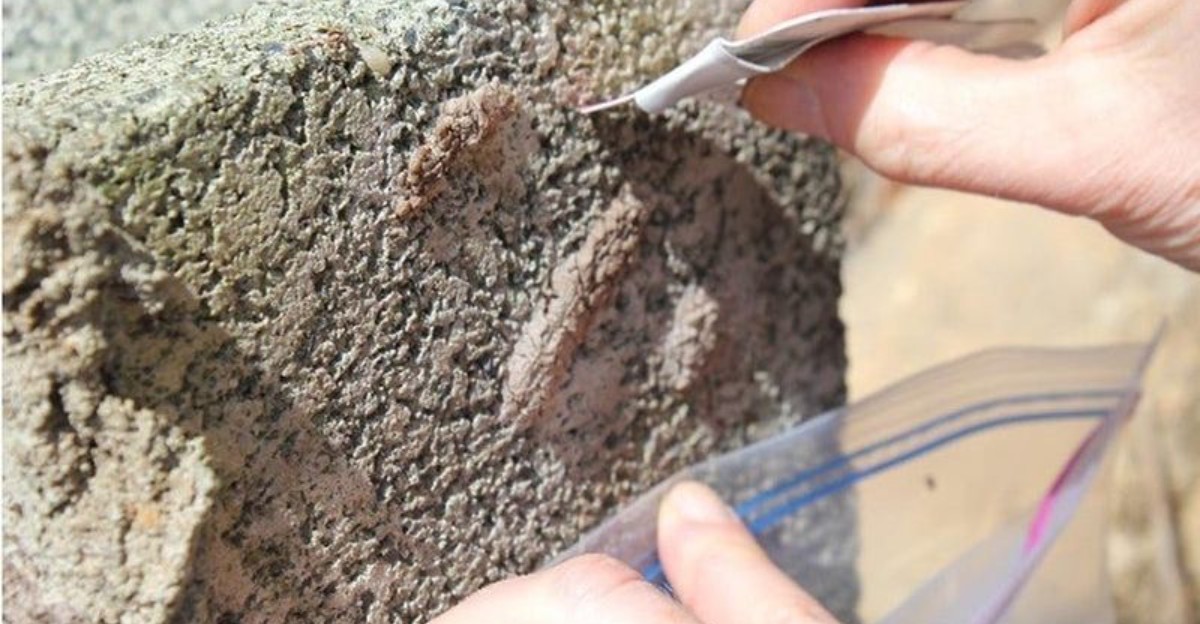
Look at a tree trunk, a fence post, or a flat stone near your driveway. A gray, mud-like smear might be sitting there, looking like dried clay. It is easy to ignore.
It is also a cluster of spotted lanternfly eggs, laid in the fall and waiting for spring. A single mass can hold dozens of eggs, and one female can lay several. These insects have spread to many North Carolina counties and cause real trouble for plants and crops.
Fall is the best time to deal with them, since the masses are easy to spot on bare surfaces. A short, simple method destroys them without any chemicals. Learn what to look for and how to remove it, and you can stop next year’s swarm now.
1. Know Why Scraping Egg Masses Matters
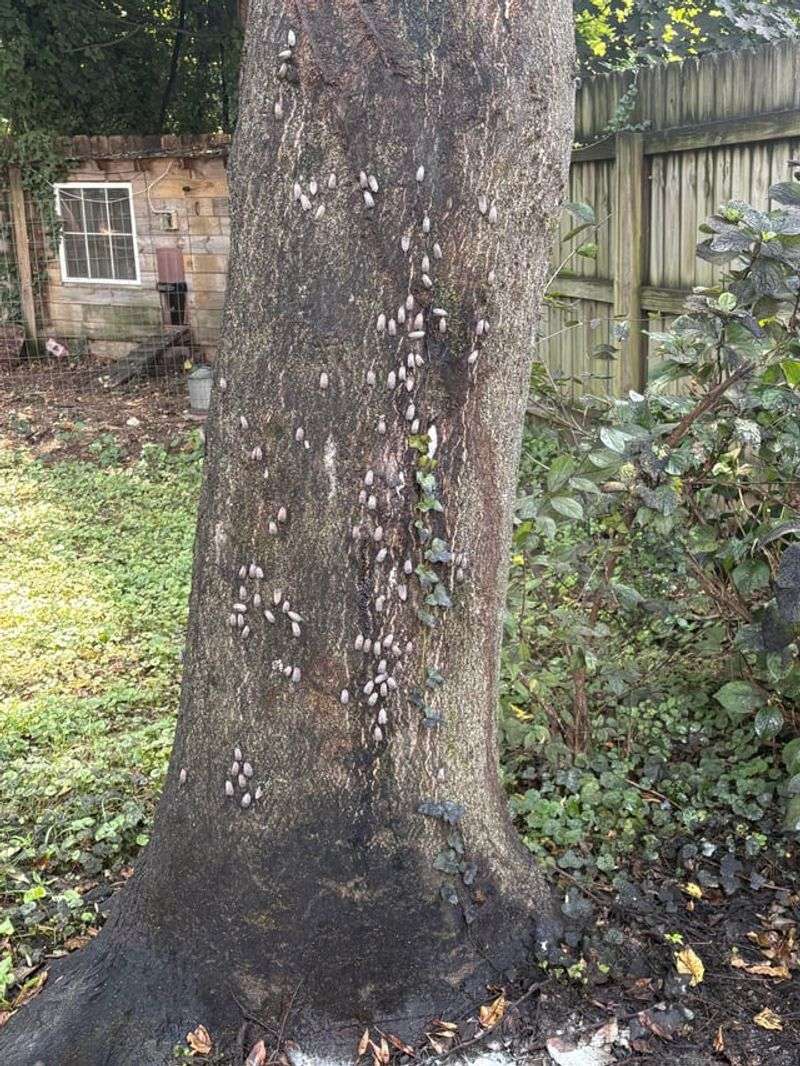
One tiny gray smudge on a tree can hold a whole army. Each spotted lanternfly (Lycorma delicatula) egg mass contains about 30 to 50 eggs, and every one of those eggs can become a hungry nymph in spring. That makes each patch a small but serious threat.
Adult lanternflies do not make it through the cold months. Once winter frost arrives, the grown-up bugs are gone. Their eggs, however, sit snug and protected all season long, waiting for warm weather to hatch.
Here is where you come in. When you scrape away a single egg mass in fall or winter, you stop dozens of insects before they ever take a bite out of your plants.
Scrape ten masses, and you could prevent hundreds of pests from sucking sap from your grapevines, maples, and other favorite trees next year.
Best of all, the method is simple and cheap. You do not need sprays, special gear, or any chemicals at all. A flat tool and a sealable bag will handle the job just fine, which makes it perfect for families and gardeners who prefer a hands-on approach.
North Carolina has good reason to pay attention. Established populations have been confirmed in Forsyth, Guilford, Caldwell, Rockingham, Caswell, Davidson, and Rowan counties.
Many of these areas sit in the Triad, a busy region where people and goods travel in every direction.
Every homeowner who scrapes egg masses helps slow the pest down. Think of it as a small act of neighborly kindness for your trees, your local farms, and the state’s well-known grape and wine industry. Your few minutes outside truly add up.
2. Learn What Egg Masses Look Like
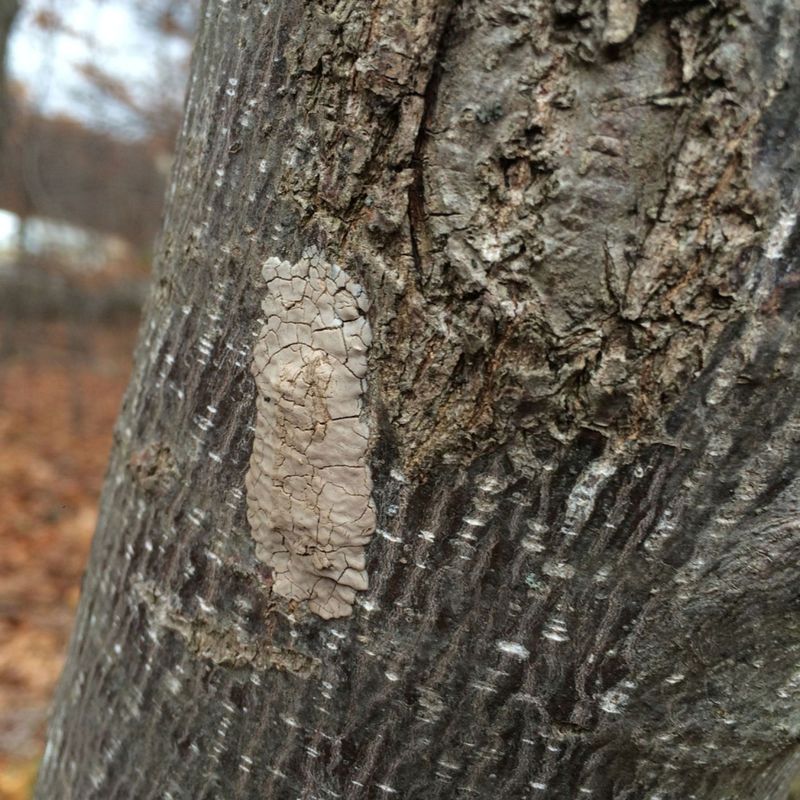
Spotted lanternfly moms are sneaky little artists. After laying their eggs, they cover them with a gray, putty-like coating that hides everything underneath. To most people, it looks like nothing more than a smear of mud.
Fresh egg masses look wet and smooth, almost like someone dabbed gray clay onto a surface. Over time, the coating dries out. It turns cracked, flaky, and gray to brown, a lot like an old patch of dried plaster on a wall.
Older masses can give themselves away in a different manner. As wind and rain wear down the coating, you may spot neat rows of small, seed-like eggs lined up side by side. They often look like tiny grains of rice tucked in tight columns.
Your North Carolina Garden Changes Every Week. Your Plan Should Too.
Gardening in North Carolina changes quickly throughout the season. Every Friday you’ll receive a simple weekly plan showing exactly what to plant, prune, fertilize, harvest, and protect so you never miss the right timing.
Size is another helpful clue. Most egg masses measure about an inch or two long, sometimes a little bigger. Females usually pick flat or slightly curved surfaces, and they love sheltered spots that stay out of harsh weather.
A quick tip makes spotting them easier. Run your eyes slowly across a surface instead of glancing at it, because the gray color blends right into bark and stone. Bright sunlight from the side can also help the bumpy texture stand out.
For North Carolina homeowners, learning this look is truly step one. You cannot remove what you cannot see, and many people walk right past egg masses for weeks.
Once your eyes learn the shape and color, though, you will start noticing them everywhere, and that sharp eye becomes your best tool in the fight against this pest.
3. Check The Right Places
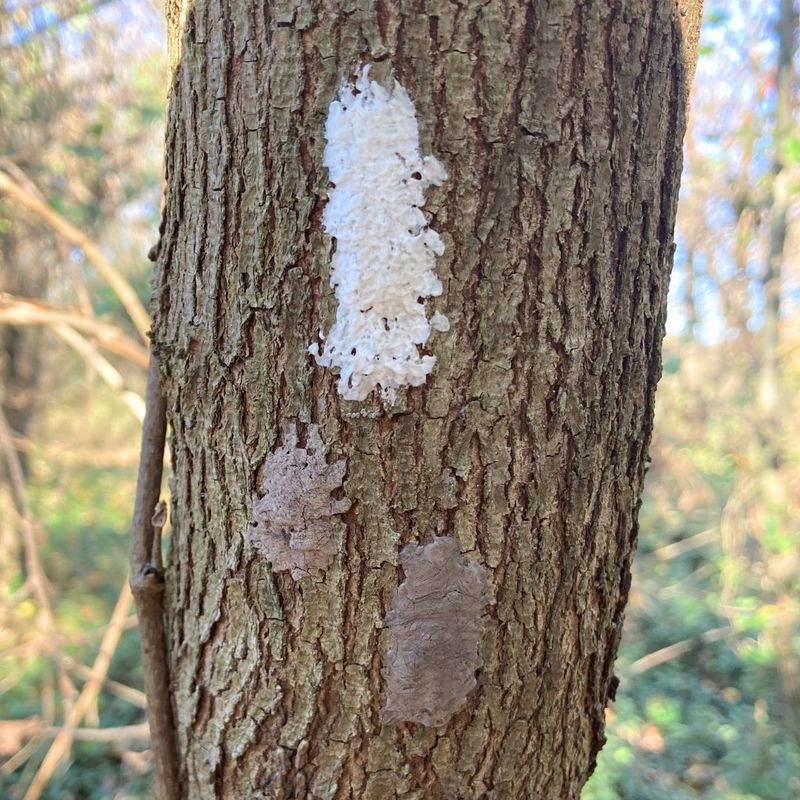
Lanternflies are not picky about where they lay eggs. A female will use almost any surface close to where she has been feeding, whether it is living wood, rock, metal, or plastic. That habit turns your whole yard into a possible hiding spot.
Start with the trees these bugs love most. Tree of heaven is their top favorite, but maples and black walnut also attract plenty of attention. Look along trunks and on the undersides of branches, where eggs stay shielded from rain.
Next, widen your search to nearby objects. Check stones, fence posts, firewood piles, outdoor furniture, grills, and play equipment. Trailers, cars, and the sides of sheds and houses are also common targets.
Pay extra attention to low spots and hidden undersides. Females often choose places that face down or sit close to the ground, such as the bottom of a picnic table or the back side of a woodpile. Grab a flashlight if a spot feels dark or tucked away.
A simple routine can help. Walk your yard in a loop, checking trees first and then moving to items nearby. Kids often enjoy turning the search into a game, and their sharp eyes and short height can be surprisingly useful for low spots.
Movable items deserve special care in North Carolina. Egg masses stuck to firewood, vehicles, or camping gear can ride along to brand new counties without anyone noticing.
A careful look at these items keeps the pest from hitching a free trip across the state, and it protects friends and family who live farther away.
4. Time Your Search From Fall Into Early Spring
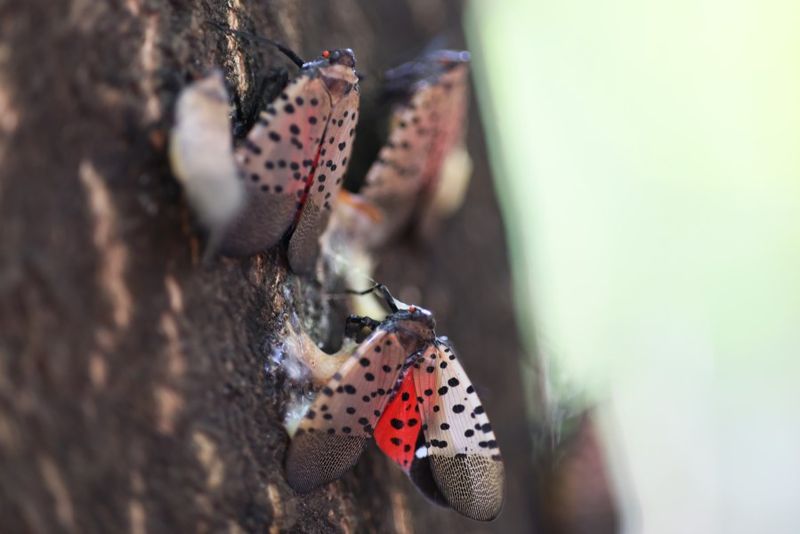
Good timing turns a hard chore into an easy win. Female lanternflies lay their eggs from early fall into late fall. After that, the masses stay put through winter until the eggs hatch when spring warms things up.
That schedule gives you a long window to work with. Any time from fall through early spring, you can catch egg masses before the nymphs crawl out. Few garden jobs offer that kind of breathing room.
October and November are a great place to begin. Egg laying peaks during these months, so you may even see adults laying eggs right in front of you. Checking now lets you find fresh masses while they are still easy to reach.
Winter brings its own advantage. Once leaves drop, bare branches make gray patches much easier to see from the ground. A sunny January afternoon can be the perfect time for a slow walk around the yard with a scraper in your pocket.
Be sure to wrap up before spring hatching starts. In most years, eggs hatch around late April or May, and tiny black nymphs with white spots begin to appear. Once hatching starts, scraping no longer helps much for that mass.
North Carolina has clear guidance on this. NC State Extension lists October and November as egg laying season and January through March as prime scraping time.
Marking those months on your calendar, or setting a phone reminder, keeps the job from slipping your mind during busy holidays and cold snaps. A few short sessions spread across the season will make a real difference.
5. Scrape With A Plastic Card Or Putty Knife
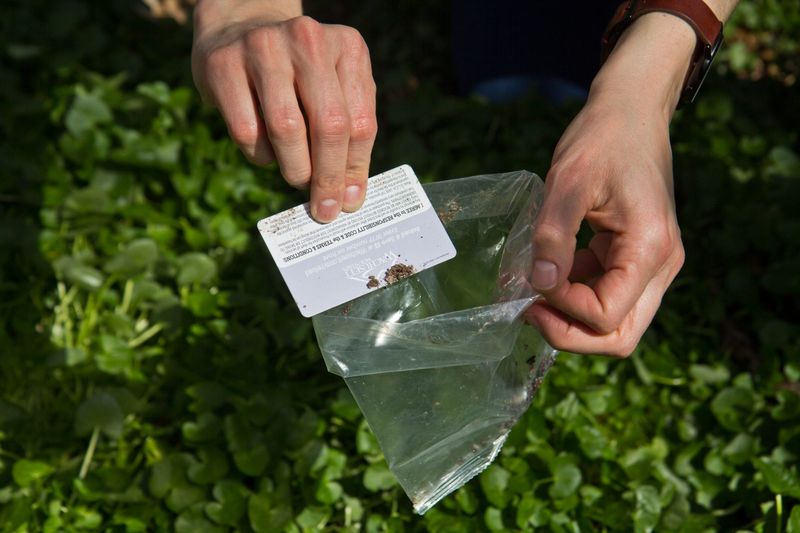
That old gift card in your junk drawer is about to become a garden hero. Scraping is the heart of this whole method, because it pulls the eggs off the surface so you can destroy them. Simple tools work best, and they will not harm tree bark or other surfaces.
Start by getting your catch container ready. Hold a sealable plastic bag or small container right under the egg mass. Position it close so falling eggs drop straight inside instead of onto the ground.
Now grab your flat tool. An expired credit card, a hotel key card, or a putty knife all work well. Press firmly and scrape from top to bottom, letting the eggs tumble into the bag below.
Tree bark needs a softer touch. Bark protects the living layer of a tree, so scrape gently there and avoid gouging the wood. A plastic card is often kinder to bark than a metal blade.
Harder surfaces like stone, metal, or plastic can handle more pressure. On these spots, a putty knife lets you clean off every last bit quickly. Afterward, glance over the area to make sure no stray eggs are left behind.
Gloves are a smart extra, especially if you plan to scrape many masses. They protect your hands from rough bark and keep things tidy.
North Carolina homeowners will love how easy this is. Nearly everything you need is already sitting in a kitchen drawer or garage. No shopping trip, no special training, and no big expense stand between you and a cleaner, healthier yard.
6. Bag And Destroy The Eggs
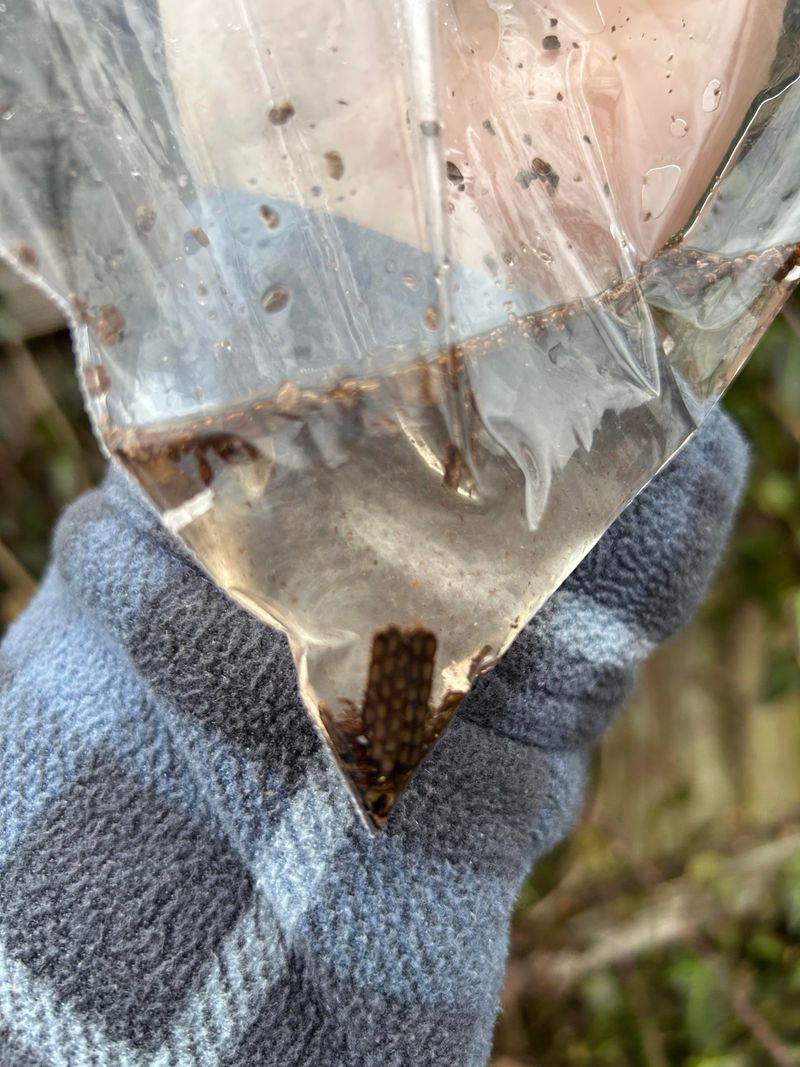
Scraping is only half the battle. Eggs that land on the ground or sit in an open cup can still hatch when spring arrives. To truly finish the job, you need to destroy them completely.
Rubbing alcohol is a handy partner here. Before you start scraping, pour a little into a sealable bag or jar. When the eggs fall in, the alcohol soaks them and stops them from ever hatching.
Hand sanitizer works too, which is great news if you are out on a walk. A small squirt inside a zip-top bag does the trick. Many people keep a travel bottle in their car or garden bucket just for lanternfly season.
Once the eggs are inside, seal the bag or jar tightly. Double check the zipper or lid so nothing leaks out. Then toss it right into your regular household trash.
No alcohol on hand? Smashing works as a backup plan. Seal the eggs inside a bag, then press and crush them thoroughly with your fingers, a rock, or a rolling pin until no whole eggs remain, and throw the bag away.
Skip the idea of just tossing eggs into the compost or leaving them in a pile. Those eggs are tough, and they were built to survive a whole winter outside, so they can easily outlast careless handling.
In North Carolina, proper disposal is what makes your hard work count. Eggs that are truly destroyed cannot add a single bug to next year’s population, which means every sealed bag is a small victory you can feel good about.
7. Report Egg Masses In New Areas

Your phone camera could help protect an entire county. State officials depend on reports from regular people to find spotted lanternflies in new places. Quick tips from the public let them respond fast and slow the spread.
Before you scrape, snap a picture. Take a clear, close photo of the egg mass so experts can confirm what it is. A second shot showing the tree or object nearby adds helpful context.
Next, jot down where you found it. A street address works well, and GPS coordinates from your phone are even better. Note the date and what surface the eggs were on, such as a maple trunk or a trailer.
Then send your report through the North Carolina Department of Agriculture and Consumer Services. Their online reporting form only takes a few minutes to fill out. After that, you can scrape and destroy the eggs as usual.
Reporting matters most if you live outside the counties where the pest is already established. A find in a new area could signal a fresh population that officials do not know about yet. Your note might be the very first clue.
Homeowners have already made a real difference here. Early reports from everyday North Carolinians have helped officials locate new populations and act before the insects spread farther. Being a careful observer turns you into a partner with state scientists.
So keep your eyes open and your phone handy. One photo and a short form could protect farms, forests, and gardens for miles around.
8. Check Vehicles And Gear Before Traveling
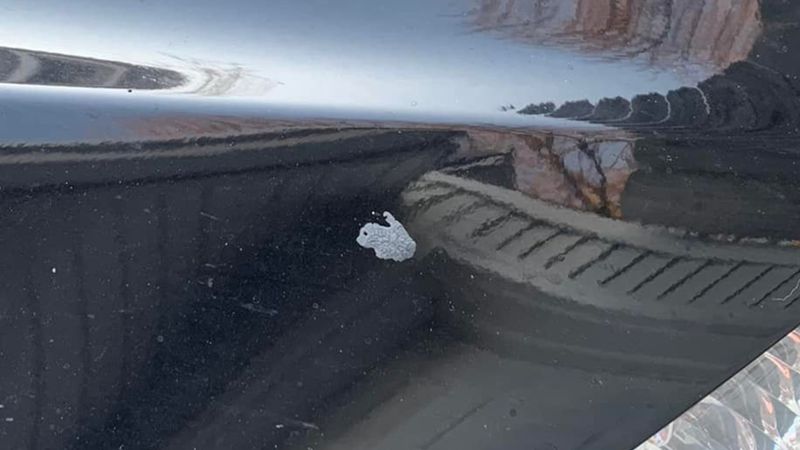
Road trips are fun, but lanternfly eggs love free rides even more. Females often lay eggs on cars, trailers, campers, outdoor equipment, and firewood. When those items move, the eggs travel too, and they hatch in a brand new place come spring.
A quick inspection before you leave can stop that. Walk around your vehicle and look closely at wheel wells, bumpers, and the underside of trailers. Check camping chairs, coolers, bikes, and any gear that sat outside.
Found an egg mass? Treat it just like one on a tree. Scrape it into a bag with rubbing alcohol or hand sanitizer, seal it, and toss it in the trash before you hit the road.
Firewood deserves a special rule. Avoid moving it from one county to another, since logs can hide egg masses deep in bark cracks. Buying firewood near your campsite, or picking certified heat-treated wood, keeps you on the safe side.
Making a checklist can help busy families. Add a line for lanternfly checks right next to packing snacks and filling the gas tank. After a trip or two, it becomes a habit that takes only a few minutes.
North Carolina has learned this lesson the hard way. The pest has spread along major highways, and new populations have been linked to established ones in the Triad.
Every car and trailer checked before leaving that region helps keep the bugs from reaching the mountains, the coast, and everywhere in between. Your careful habits protect places you love to visit, so happy and pest-free travels!