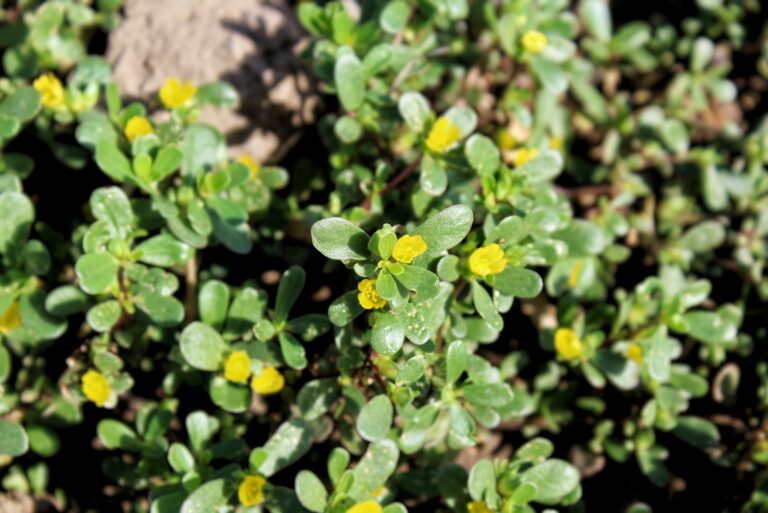
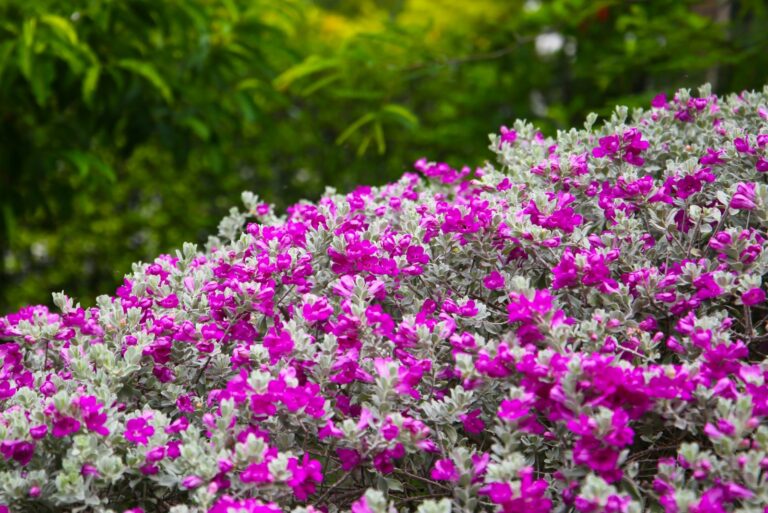
Plant These In Texas If You Want More Fireflies This Summer
Fireflies are one of those summer things that never get old. Watching them light up a backyard on a warm Texas evening feels almost magical, and if you have not seen many of them lately, you are not imagining it.
Firefly numbers have been dropping across the country, and a big reason is the loss of the plants and habitat they depend on. The good news is that your garden can actually help bring them back.
Certain plants create exactly the kind of environment fireflies need to thrive, from the ground cover they hide in during the day to the food sources that keep them around all season.
If you want more of those little lights flickering around your yard this summer, what you plant matters a lot more than you might think.
1. Frogfruit
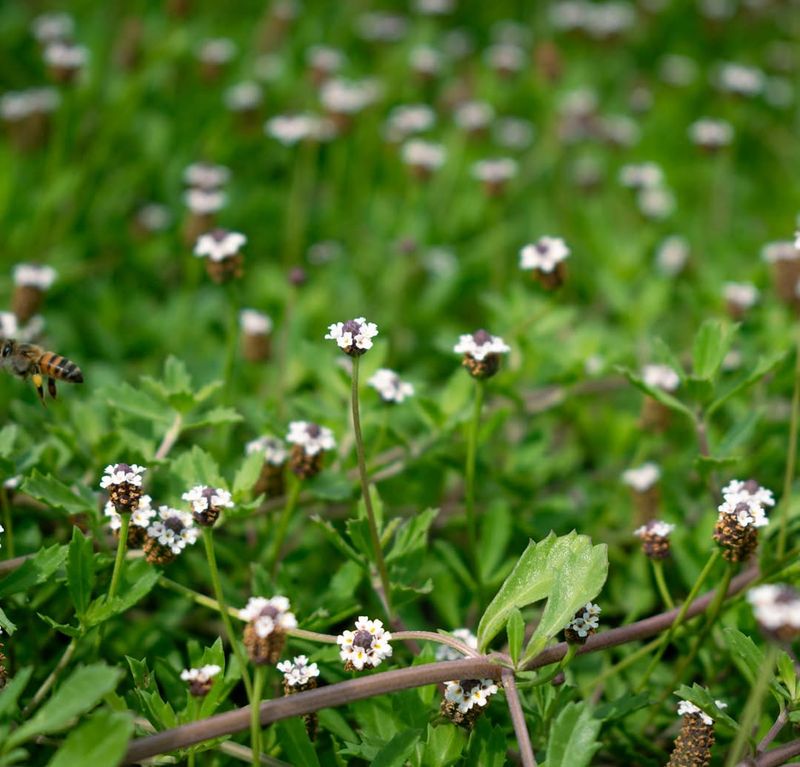
Walk through a Texas meadow in summer and you might step right over one of the most firefly-friendly plants around. Frogfruit is a low-growing native ground cover that spreads quietly across the soil, forming a thick, leafy mat that stays moist and cool.
Fireflies love exactly that kind of environment. They spend most of their lives as larvae in the ground, and damp, sheltered soil is where they grow best.
Frogfruit is not a flashy plant. It does not tower over your garden or demand much attention.
Instead, it works quietly at ground level, doing the important job of keeping moisture in the soil and giving insects a safe place to hide. It produces tiny white flowers that attract a wide range of small insects, which in turn become food for firefly larvae.
Planting frogfruit along the edges of your yard or under trees is a smart move. It handles shade and sun equally well, which makes it very easy to work with.
It also spreads on its own over time, so you do not need to replant it every season. Just give it a little water to get started, and it will take care of the rest.
One fun fact about frogfruit is that it is also a host plant for several butterfly species. So by planting it, you are supporting more than just fireflies.
You are building a whole little ecosystem right in your own backyard. That is a big reward for such a small, humble plant.
2. Little Bluestem
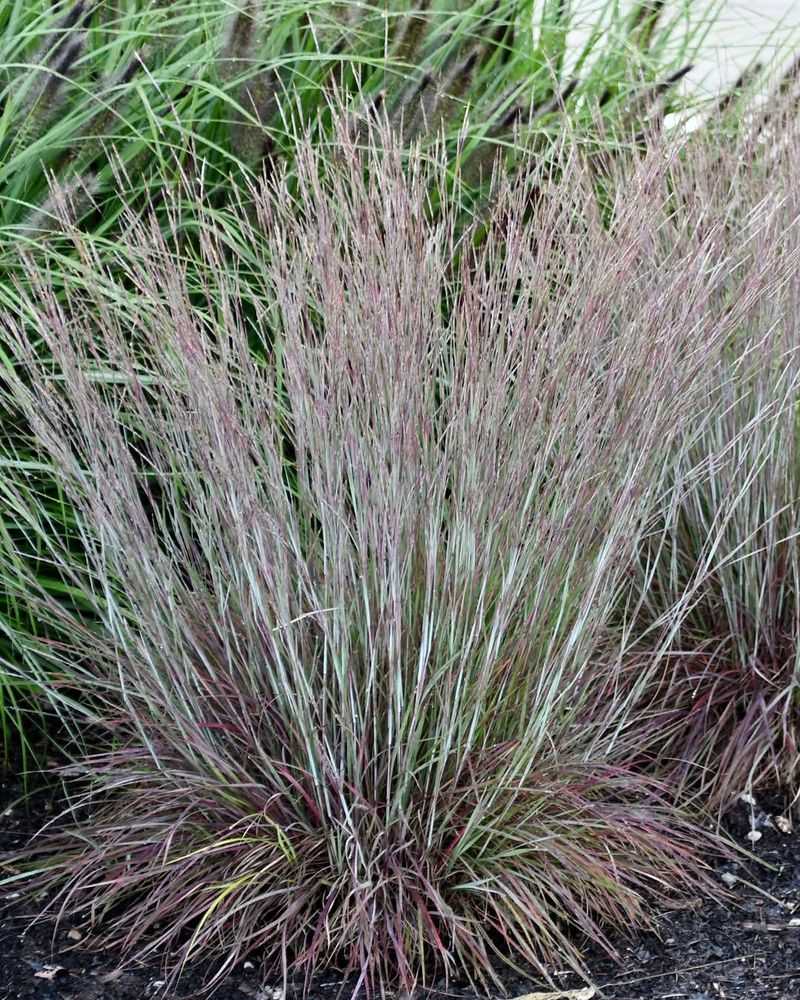
Few plants capture the spirit of the Texas landscape quite like Little Bluestem. This native grass has been growing across the state for thousands of years, and it knows exactly how to handle the Texas heat.
Its blue-green stems turn a rich copper-red in the fall, making it one of the most beautiful grasses you can plant. But beyond its looks, Little Bluestem is a powerhouse for wildlife habitat, especially for fireflies.
Fireflies are not just nighttime fliers. During the day, they rest and hide in tall grasses and dense vegetation.
Little Bluestem gives them the perfect place to do that. Its thick clumping growth creates a sheltered, shaded space at the base of the plant where insects can stay safe from heat and predators.
Your Texas Garden Changes Every Week. Your Plan Should Too.
Gardening in Texas changes quickly throughout the season. Every Friday you’ll receive a simple weekly plan showing exactly what to plant, prune, fertilize, harvest, and protect so you never miss the right timing.
That kind of protected cover is exactly what fireflies need to survive the long summer days. Little Bluestem is also incredibly low-maintenance. Once it gets established, it does not need much water at all.
It thrives in dry, rocky, or sandy Texas soils that would stress out many other plants. Plant it in a sunny spot and let it do its thing. It will grow back stronger every year without much fuss from you.
Another bonus is that Little Bluestem supports dozens of insect species, which keeps your garden ecosystem busy and balanced. A healthy insect population means more food for firefly larvae in the soil.
Planting this grass is one of the easiest ways to invite more fireflies into your yard this summer.
3. Turk’s Cap
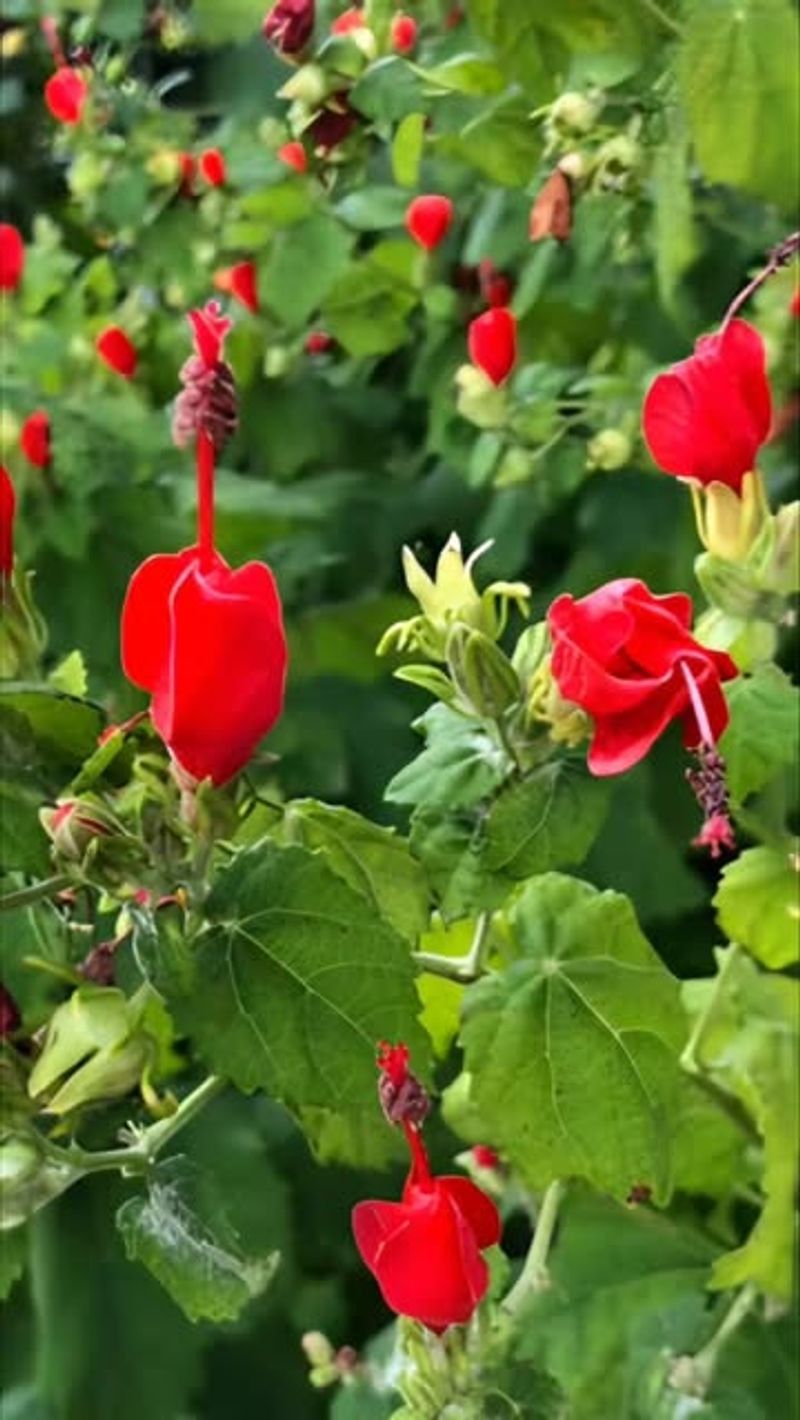
If your yard has a shady corner that feels hard to plant, Turk’s Cap is the answer you have been looking for. This Texas native shrub thrives in the shade and produces stunning red flowers that look like tiny turbans, which is exactly how it got its name.
Hummingbirds and butterflies love it, but Turk’s Cap also plays a quiet and important role in supporting firefly habitat in your garden.
Fireflies are drawn to cool, humid spots. They struggle in hot, dry, and open areas where there is no shelter.
Turk’s Cap creates exactly the kind of dense, leafy environment they prefer. Its large green leaves form a thick canopy that traps moisture underneath, keeping the soil damp and the air just a little cooler.
That microclimate is a big deal for fireflies trying to survive a blazing Texas summer. The plant itself is almost impossible to overthink. It grows in poor soil, handles drought once it is established, and comes back reliably every year.
You can plant it along fences, near water features, or under large trees. Anywhere that stays a bit shady is a great spot for Turk’s Cap to settle in and grow.
Beyond fireflies, Turk’s Cap is a fantastic pollinator plant. It blooms from summer all the way into fall, giving insects a long-lasting food source.
The more insects your garden supports, the richer and more active your nighttime firefly display will be. Adding Turk’s Cap is a simple step with beautiful results.
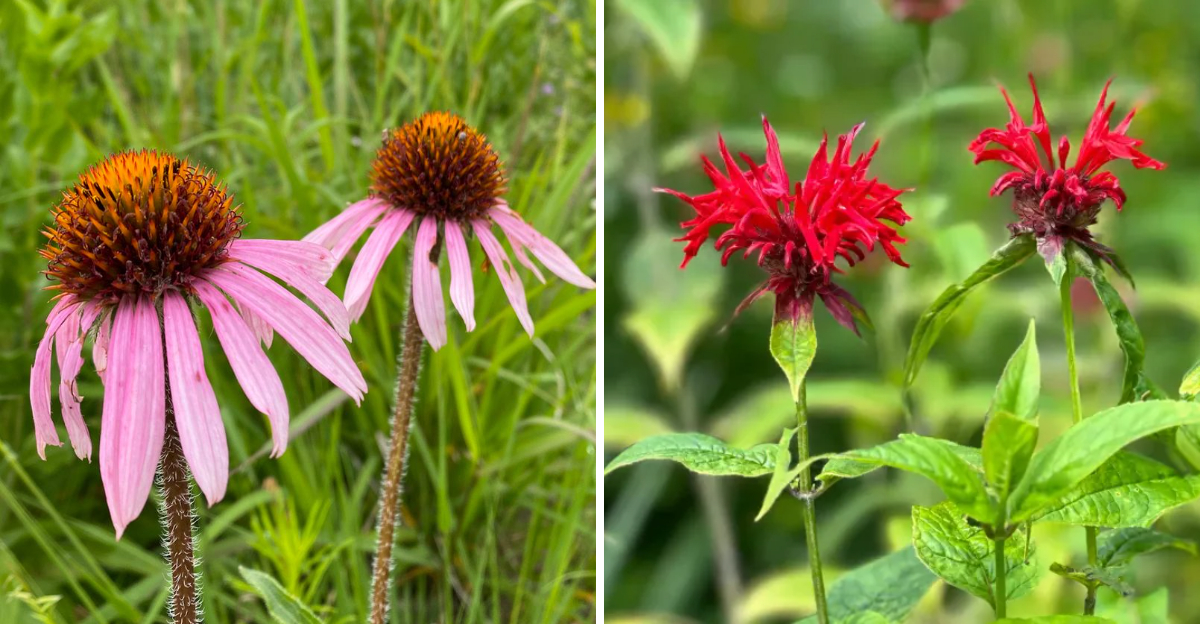
4. Purple Coneflower
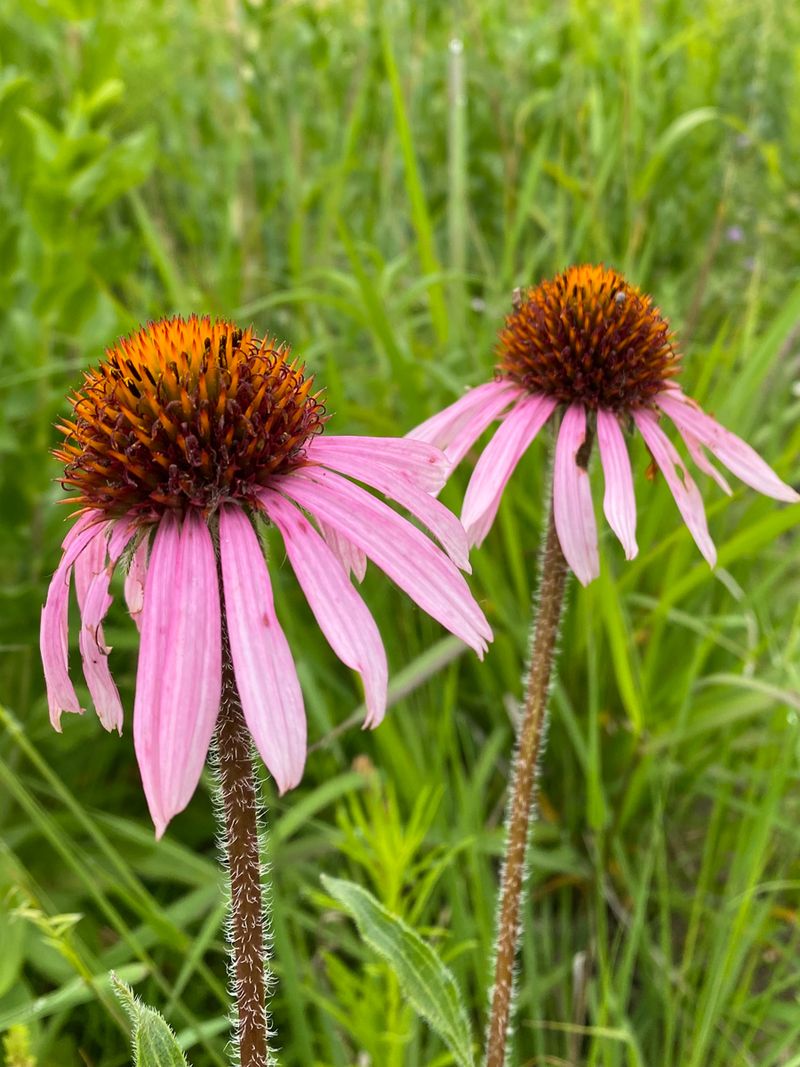
Purple Coneflower is one of those plants that makes everyone stop and smile. Its bold purple petals and spiky orange center are hard to miss, and they bring a cheerful energy to any garden space.
Native to the central United States, Purple Coneflower has been growing in Texas for a very long time. It is tough, beautiful, and surprisingly helpful when it comes to creating a healthy nighttime ecosystem for fireflies.
Fireflies do not feed on nectar or pollen as adults, but they do rely on a healthy insect community to thrive. Purple Coneflower is a magnet for all kinds of beneficial insects, from bees and butterflies to beetles and moths.
A garden buzzing with insect activity during the day tends to support a richer and more active firefly population at night. More insects mean more food for firefly larvae living in the soil below.
Planting Purple Coneflower is easy and rewarding. It grows best in full sun and well-drained soil, which makes it a great fit for many Texas yards.
It also handles heat and dry spells well once it gets established. Deadheading the spent blooms encourages more flowers, but if you leave the seed heads in place, birds will flock to your garden in the fall for a snack.
Did you know that Purple Coneflower has also been used for centuries in herbal medicine? Indigenous communities across North America valued it for its healing properties.
Today it is celebrated for both its beauty and its role in supporting native wildlife. A true garden classic with a purpose.
5. Inland Sea Oats
Not every yard in Texas is packed with sunshine. Some spaces are shaded by large trees or sit in low spots that stay damp most of the season.
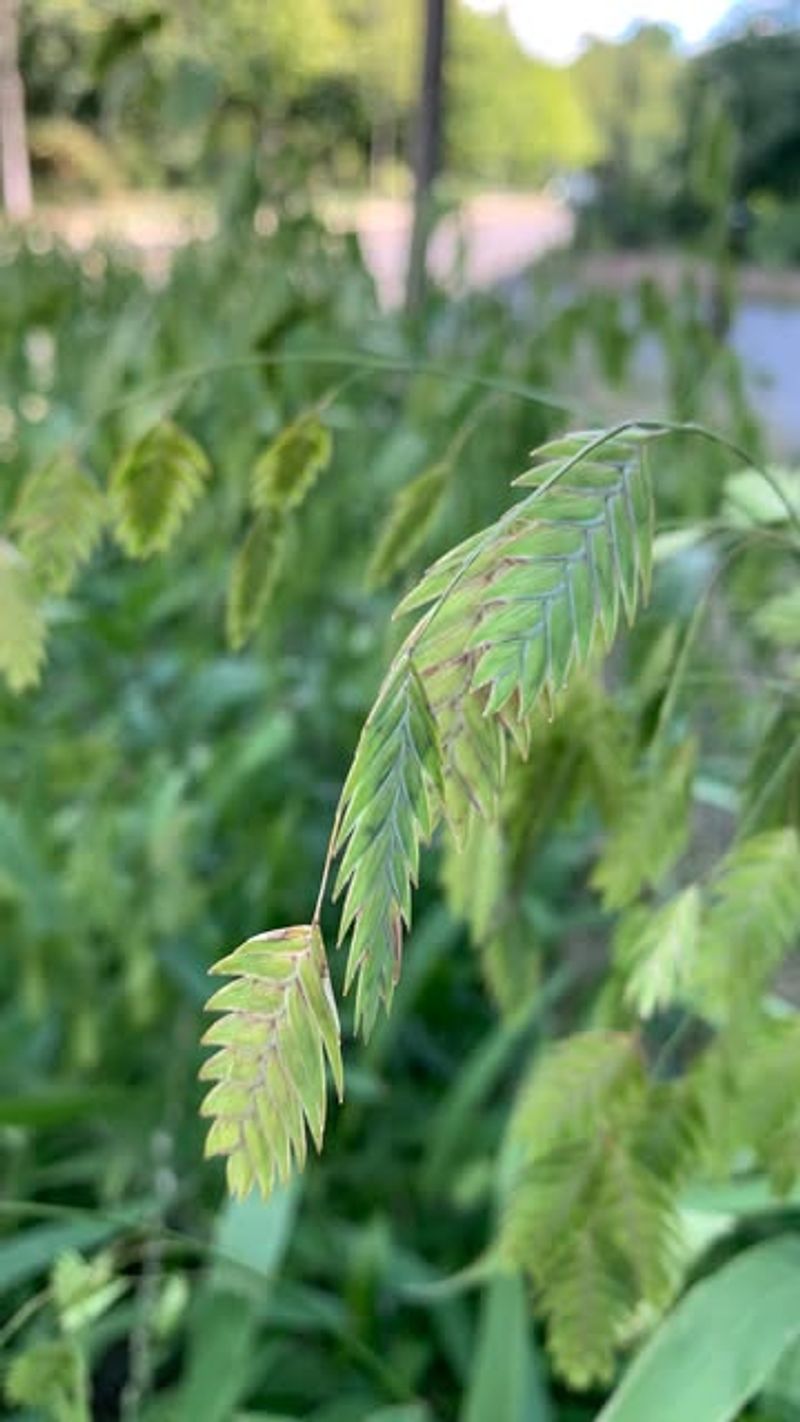
That is where Inland Sea Oats truly shines. This graceful native grass is one of the best plants you can choose for shaded garden areas, and it happens to be an excellent ally for fireflies looking for cool, moist cover during the summer months.
Inland Sea Oats grows in clumps and produces beautiful drooping seed heads that flutter in even the lightest breeze. The movement adds life to shady garden corners that might otherwise feel still and forgotten.
More importantly, the dense growth at the base of the plant creates a layer of cool, moist cover that firefly larvae absolutely love. Keeping the soil shaded and damp is one of the most important things you can do to support a firefly population.
This grass is also very forgiving and low-maintenance. It spreads naturally by seed, so once you get it started, it will gradually fill in an area on its own.
It does not need rich soil or special fertilizers. Just plant it in a shady spot, give it some water while it gets settled, and let nature handle the rest.
Inland Sea Oats also provides shelter for a variety of small insects and invertebrates that live in the leaf litter around its base.
A healthy layer of insects in the soil is the foundation of a strong firefly habitat. This plant quietly builds that foundation season after season.
6. Bee Balm
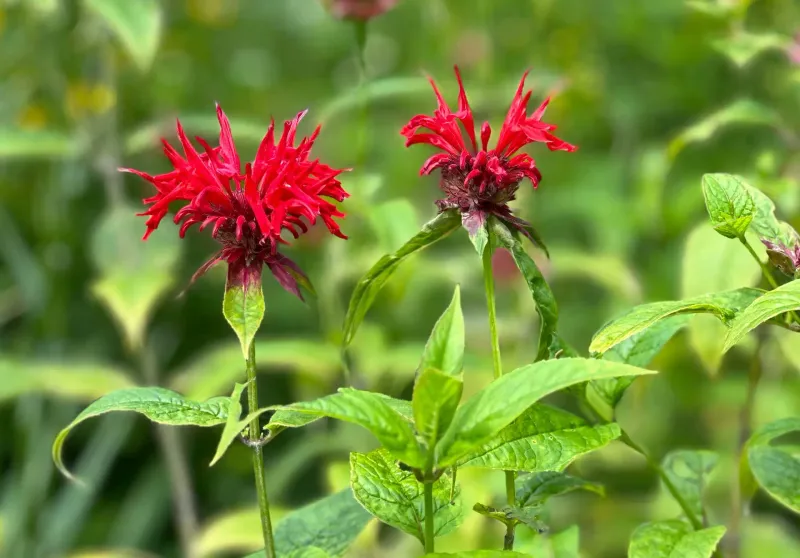
There is a reason gardeners across the country have been planting Bee Balm for generations. It is bold, fragrant, and absolutely irresistible to pollinators.
The shaggy, firework-like blooms come in red, pink, and purple, and they light up a summer garden in a way that is hard to match. In Texas, Bee Balm grows beautifully and brings a whole crowd of beneficial insects along with it, which is exactly what fireflies need nearby.
Fireflies thrive in gardens that are full of life. The more insect diversity your yard supports, the better the conditions become for fireflies to breed and flourish.
Bee Balm draws in bees, butterflies, hummingbirds, and a wide range of other pollinators. All that activity builds a rich and layered ecosystem.
At night, when the pollinators rest, the fireflies take over and add their own kind of magic to the mix.
Bee Balm also has a refreshing minty scent that comes from its leaves. You can crush a leaf between your fingers and catch a whiff of something that smells a bit like oregano or mint.
It is a member of the mint family, which explains that signature fragrance. Some people even use the leaves to make herbal tea.
Growing Bee Balm in Texas works best in spots that get morning sun and afternoon shade. It likes moisture, so planting it near a rain garden or low-lying area of your yard is a smart idea.
Water it regularly during dry spells and it will reward you with weeks of gorgeous blooms and a yard buzzing with life from morning to midnight.
7. Switchgrass
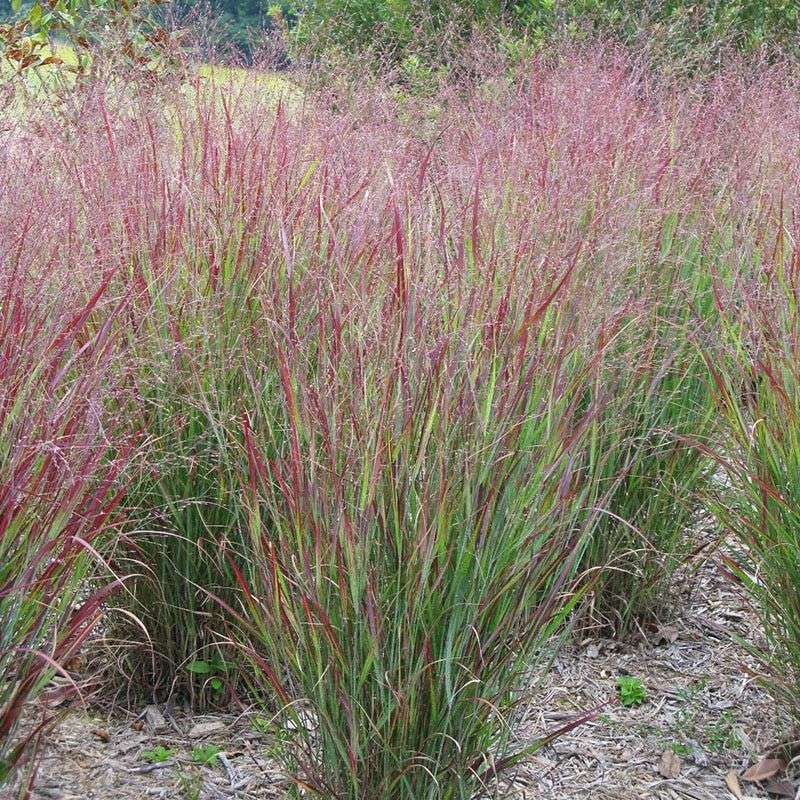
Switchgrass has been a part of the Texas landscape for as long as anyone can remember. It is one of the original grasses of the great American prairies, and it still grows across the state today in fields, along roadsides, and in natural areas.
When you bring Switchgrass into your garden, you are adding a plant with deep roots in the land and a real talent for supporting local wildlife, including the fireflies you want lighting up your summer nights.
During the day, fireflies rest in tall, dense vegetation. They need shelter from the sun and from predators, and Switchgrass delivers both.
Its upright, clumping growth creates a thick wall of stems and leaves that gives fireflies a quiet, shaded place to hang out until darkness falls. The taller the grass grows, the more hiding spots it provides.
Some varieties of Switchgrass reach four to six feet tall, which is a lot of real estate for resting insects.
Switchgrass is also one of the most drought-tolerant native plants you can find. Once it gets established, it handles Texas summers with ease.
It does not need fertilizer, and it rarely has pest problems. Plant it in full sun or partial shade and it will grow steadily year after year. Over time, it gets bigger and more impressive with very little effort on your part.
A fun bonus is that Switchgrass provides excellent winter cover for birds and small animals too. Its seed heads attract sparrows and finches throughout the cooler months.
By the time summer rolls back around, the cycle starts all over again, and the fireflies return to their favorite grassy hideout.